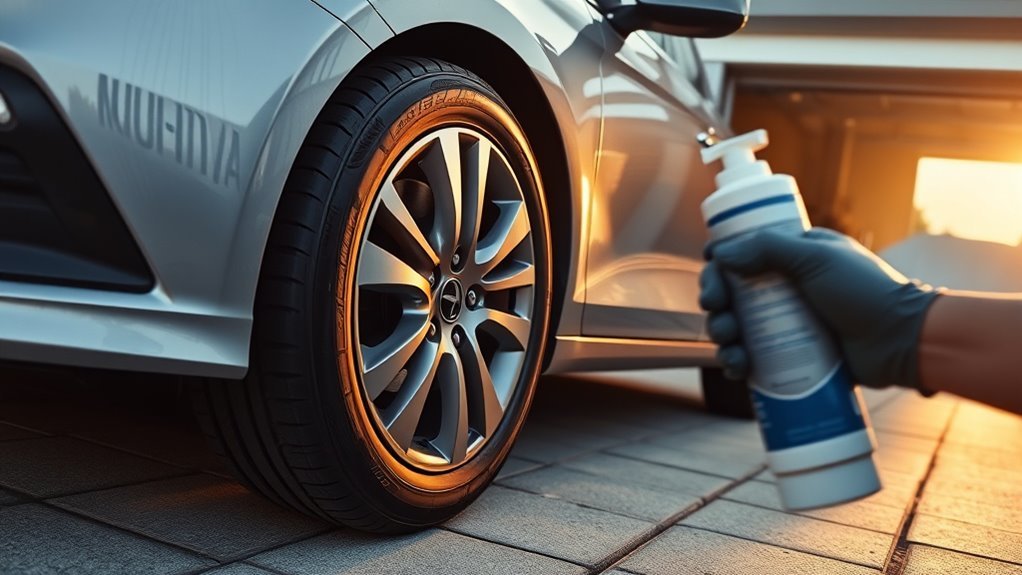
You can help prevent dry rot and cracking on your Hyundai Sonata’s tires by checking them monthly, keeping them inflated to the pressure shown on the driver-door tire placard, rotating them on schedule, and protecting them from sun, heat, ozone, and harsh chemicals. Dry rot is tire aging, not just a cosmetic issue, so cracked, bulging, leaking, or brittle tires need prompt professional inspection and often replacement.
Quick Answer
To prevent Hyundai Sonata tire dry rot, inspect the sidewalls and tread monthly, check cold tire pressure with a gauge, rotate tires every 7,500 miles or sooner if wear is uneven, park in shade when possible, clean with mild soap, and replace tires with deep cracks, bulges, exposed cords, or repeated pressure loss.
Key Takeaways
- Dry rot usually appears as small cracks, fading, brittleness, or checking on the tire sidewall and inside tread grooves.
- Hyundai recommends rotating Sonata tires every 12,000 km or 7,500 miles, or sooner if irregular wear develops.
- A TPMS warning means a tire is already significantly underinflated; it does not replace monthly pressure checks with a gauge.
- Sidewall cracks, bulges, exposed fabric, or constant air loss are replacement signs, not repair signs.
- Tire age matters. Check the DOT Tire Identification Number and have older tires inspected even if the tread still looks good.
At a Glance
| Time Required | 5–10 minutes for a monthly check; 30–60 minutes for a tire shop inspection or rotation |
| Difficulty | Easy for inspection and pressure checks; professional service recommended for damage evaluation |
| Tools Needed | Tire pressure gauge, flashlight, tread-depth gauge or penny, mild car-wash soap, soft brush, tire covers if parked outside |
| Cost | $5–$25 for basic tools; tire replacement cost varies by size, brand, trim, and local labor |
Quick Check: Hyundai Sonata Tires for Dry Rot
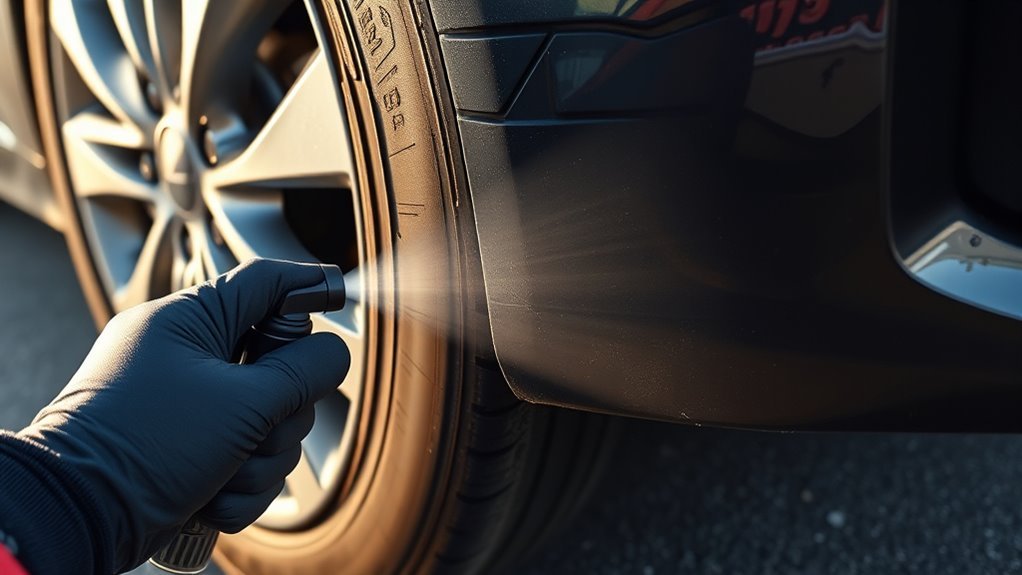
Start with a simple monthly inspection. Park your Sonata on level ground, let the tires cool, and use a flashlight so you can see the sidewalls, tread grooves, and shoulder area where the tread meets the sidewall.
- Sidewalls: look for hairline cracks, deeper splits, fading, bubbling, bulges, cuts, or a crumbly texture.
- Tread grooves: check for cracking between tread blocks, embedded nails, stones, glass, or uneven wear.
- Pressure: check cold tire pressure with a gauge and match the pressure on the driver-door placard or owner’s manual, not the maximum PSI printed on the tire sidewall.
- Valve stems and caps: look for cracks around the valve stem and make sure each valve has a cap.
- Tire age: find the DOT Tire Identification Number on the sidewall and check the last four digits for the week and year of manufacture.
Note: Do not rely only on the dashboard TPMS light. The National Highway Traffic Safety Administration explains that a TPMS warning means at least one tire is already significantly underinflated, so manual monthly checks still matter.
What Dry Rot Looks Like on Sonata Tires
Dry rot is commonly called sidewall weathering. It happens as tire rubber ages and loses flexibility. On a Hyundai Sonata, you are most likely to notice it in these places:
- Outer sidewall: fine cracks, spiderweb checking, gray or faded rubber, or deeper splits around lettering.
- Inner sidewall: cracks that are easy to miss unless the car is lifted or inspected by a shop.
- Tread grooves: small cracks between tread ribs or blocks, especially on low-mileage tires that sit for long periods.
- Shoulder area: cracks where the sidewall curves into the tread; this area flexes heavily and needs careful inspection.
Dry rot can be more serious than it first looks. NHTSA notes that tire aging is not always detectable by appearance alone, and that sunlight, warm climates, poor storage, infrequent use, and poor maintenance can contribute to aging.
Found Dry Rot: Should You Drive, Repair, or Replace?
If you find cracks on your Sonata’s tires, decide based on severity, location, pressure loss, and tire age. When in doubt, have a qualified tire technician inspect the tire before you drive at highway speed.
Warning: Do not drive on a tire with deep sidewall cracks, bulges, exposed cord or fabric, a crumbly rubber texture, or repeated air loss. Install the spare if it is safe and properly inflated, or call roadside assistance.
[Products Worth Considering]

This Dr.Roc tire valve stem puller tools set helps install or remove snap-in tubeless valve stems safely and efficiently. It includes ozone-resistant EPDM snap-in valve stems, a valve stem installer, and a valve core remover for quick core removal or installation during tire service. Designed for reliable tubeless tire repair on motorcycles, ATVs, lawn equipment, cars, and trucks.

Steelman white tire marking crayons provide high-contrast, semi-permanent marks for repairing and inspecting tires and equipment. They write on wet or dry, smooth or coarse surfaces including rubber, metal, glass, and wood, making them ideal for puncture location and damage outlining. The lead- and zinc-free crayons resist weather and fading yet wipe away when you no longer need the marks.

Monitor tire tread wear with a smart, color-coded depth gauge that shows clear condition ranges at a glance. The bar is range marked for fast, easy readings, helping you maintain safer traction and performance. Each gauge is portable with a pocket clip, and the set includes 20 units for daily use and sharing.
Minor Surface Checking
Very light surface checking with no pressure loss, no bulges, no exposed fabric, and normal tread depth may be monitored briefly, but it should still be checked during your next tire service. Keep speeds conservative until a professional confirms the tire is safe.
Replace Immediately
Replace the tire if you see any of these warning signs:
- Cracks deep enough to catch a fingernail or open under pressure
- Bulges, bubbles, or separated areas on the sidewall or tread
- Exposed cords, fabric, or steel belts
- Rubber that flakes, crumbles, or looks brittle
- Air pressure that keeps dropping after inflation
- Vibration, thumping, pulling, or new road noise
- Tires that are old enough to fall into the six-to-10-year replacement range recommended by some vehicle and tire manufacturers
Can Dry-Rotted Tires Be Repaired?
No. Dry rot is rubber degradation, so it cannot be patched back into safe condition. A tire shop may be able to repair a simple puncture in the repairable tread area, but that is different from dry rot. The U.S. Tire Manufacturers Association says proper puncture repairs must be made from inside the tire and must use both a stem and patch; plug-only or patch-only repairs are not acceptable. Sidewall and shoulder damage should be treated as replacement territory.
NHTSA reports 511 motor vehicle traffic fatalities in tire-related crashes in 2024, which is why cracked, underinflated, overloaded, or aging tires deserve fast attention.
Causes and Where Dry Rot Appears on a Sonata Sidewall and Tread
Dry rot is caused by rubber aging and environmental exposure. The main contributors are sunlight, heat, oxygen, ozone, long parking intervals, underinflation, chemical exposure, and poor storage. Sonata tires that sit outside in hot weather or are driven very little can age even when tread depth still looks acceptable.
Sidewalls usually show dry rot first because they face sunlight, ozone, curb scuffs, and constant flexing. Tread-groove cracking can be harder to see at first, but it matters because cracks between tread blocks can reduce flexibility and traction.
Underinflation makes the tire flex more than designed, which creates extra heat and stress. Overloading the vehicle does the same. NHTSA’s tire-safety guidance says maintaining correct pressure, observing load limits, avoiding road hazards, and inspecting for damage are key ways to avoid tire failure.
Check Tire Age and the DOT Date Code
Even if your Hyundai Sonata has low mileage, the tires can age out. NHTSA says some vehicle and tire manufacturers recommend replacing tires that are six to 10 years old regardless of treadwear.
To check tire age, look for the DOT Tire Identification Number on the sidewall. The last four digits show the week and year the tire was made. For example, a code ending in 0324 means the tire was made in the third week of 2024. Check both sides of the tire because the full code may appear on only one side.
Pro Tip: Check the spare tire too. A spare can look unused but still be aged, cracked, or underinflated when you need it most.
Inspection, Rotation, and Inflation Schedule for Sonata Tires
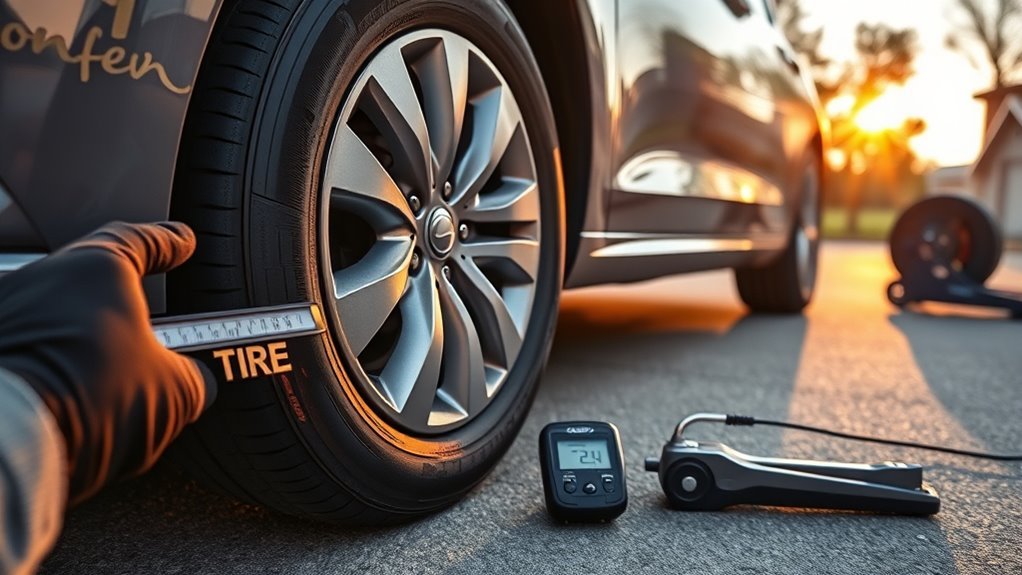
A simple schedule prevents most surprises:
- Monthly: inspect sidewalls, tread grooves, valve stems, and tire pressure.
- Before long trips: check pressure cold, inspect for cracks and objects, and verify that the spare or inflator kit is usable.
- Every 7,500 miles: rotate tires, or rotate sooner if irregular wear appears. Hyundai’s owner manual guidance recommends rotation every 12,000 km or 7,500 miles and checking for uneven wear and damage during rotation.
- At every rotation: ask the shop to check balance, tread depth, wheel alignment symptoms, and lug-nut torque. Hyundai lists Sonata wheel nut torque at 79–94 lbf-ft in its tire rotation guidance.
- At six years and beyond: have tires inspected closely for age-related cracking, even if tread depth looks acceptable.
Use the pressure shown on the Sonata’s tire placard or owner’s manual. The placard is usually on the driver-side door edge or door jamb. Do not inflate to the maximum pressure molded into the tire sidewall unless a tire professional or the vehicle documentation specifically tells you to do so.
How to Store and Park Your Sonata to Prevent Tire Dry Rot
Parking and storage habits make a big difference. Heat, direct sunlight, ozone, moisture, oil, gasoline, solvents, and long periods of sitting can speed up cracking. When possible, park your Sonata in a garage, carport, or shaded area.
[Products Worth Considering]

This tire inflator with pressure gauge delivers long-lasting performance with a durable rubber-protected gauge and sturdy build. The longer hose and 360 swivel air chuck help you seal the valve securely and keep your hands free while measuring, inflating, or deflating. It’s battery-free for reliable use and provides ±2 PSI accuracy in the mid-range for most typical tires, with universal compatibility for 1/4 NPT compressor outputs.

The Trivd Frol 1/2" air impact wrench delivers high performance torque up to 1500 ft-lbs with a twin hammer impact mechanism for strong, balanced blows. It features an ergonomic grip, compact lightweight design, and quick-stop control with 3 forward speeds up to 8000 RPM plus a reverse speed. Built for demanding automotive repair and tire shop work, the rear exhaust helps keep debris away from the surface.

The Kurgo Seasonal Tire Tote helps protect your car interior, clothes, and garage from tire grime, brake dust, and residue during seasonal tire changes. Its universal design fits most passenger tires between 22" and 31" in diameter, making storage and transport simpler with less mess. Built for rugged, repeated use, it’s machine washable for easy care and comes with a lifetime warranty.
Park in Shaded Areas
Shade lowers tire surface temperature and reduces UV exposure. If you park outside every day, use breathable tire covers during long parked periods. Avoid parking for long stretches on hot black asphalt or near reflective surfaces that increase heat exposure.
- Choose shade or covered parking when available.
- Move the car occasionally if it sits for weeks so the same tire area is not loaded constantly.
- Keep tires inflated to the placard pressure during storage.
- Keep tires away from puddles, oil, fuel, solvents, and harsh cleaners.
- Do not leave a vehicle supported only by a jack. If the car must be raised for long storage, use proper jack stands on approved lift points or have a professional do it.
Store Indoors When Possible
For spare seasonal tires, store them indoors in a clean, cool, dry, dark location away from direct sunlight, heat sources, ozone-producing equipment, oils, grease, gasoline, and solvents. Michelin’s tire storage guidance recommends indoor storage away from direct sunlight, heat, and ozone sources such as hot pipes and electric generators.
If tires are mounted on wheels, they can usually be stacked horizontally. If they are unmounted, store them upright and rotate their position occasionally. Outdoor storage should be short-term only, with tires raised off the ground and covered in a way that prevents moisture buildup.
Safe Cleaning Products and Tips for Protecting Sonata Tires
Clean tires gently. Use water, pH-balanced car-wash soap, and a soft brush. Rinse off brake dust, road grime, salt, and chemicals, then dry the tires before applying any product.
- Use mild soap instead of household degreasers or harsh solvents.
- Avoid petroleum-based tire dressings that can leave the rubber greasy or attract dirt.
- Choose a water-based, tire-specific UV protectant if you want a protective finish.
- Apply protectant sparingly and wipe off excess so it does not sling onto the paint or brakes.
- Never use a dressing to hide cracks before selling, rotating, or inspecting a tire.
Note: A protectant may help slow surface weathering, but it cannot reverse dry rot. If the rubber is already cracked, brittle, bulging, or leaking, replacement is the safe fix.
[Products Worth Considering]

The Big Rig Defense Tire Thumper is a truck tire pressure checker that lets you quickly check multiple tires by giving them a firm whack. Listen for a reassuring thump and feel the stick bounce when a tire is fully inflated, helping you get back on the road safely. It features a comfortable, glove-friendly handle and a secure wrist strap for confident use on busy routes.

Keep your tires properly inflated with this analog VONDIOR tire pressure gauge, designed for fast, easy readings without batteries. The swiveling, two-axis hose and large glow dial help you measure at any tire angle with instant visibility. Built with a protective rubber shield, it supports durable, low-maintenance use for cars and trucks.

The SAFELIFE dial tire tread depth gauge measures tread depth in 1/32 inch increments with clear, easy-to-read 2-inch dial face. Color zones using a traffic light system help you quickly judge whether tread is low, marginal, or ample for safer driving. Built with a durable zinc cast body and a metal detect probe for precise, comfortable use across cars, motorcycles, trucks, and buses.
When to See a Tire Professional
Book a tire inspection if you see cracking on the sidewall, shoulder, or tread grooves; if the tire loses pressure repeatedly; if the car vibrates; or if the tread wear pattern looks uneven. A technician can inspect the inside of the tire after dismounting it, check for separation, measure tread depth, and confirm whether replacement is required.
Also see a professional before mixing tire brands, replacing only one or two tires, changing tire size, or using a different load index or speed rating. The Tire Industry Association recommends following the tire placard and owner’s manual when selecting replacement tires and says a tire professional should be consulted for custom tire and wheel packages.
Frequently Asked Questions
Is there something you can put on tires to prevent dry rot?
A water-based, tire-specific UV protectant can help slow surface weathering, especially if your Sonata is parked outside. It will not repair dry rot. Avoid petroleum-based dressings, harsh solvents, and products that leave the tire greasy.
What causes tires to crack and dry rot?
Tires crack as rubber ages and loses flexibility. Sunlight, heat, oxygen, ozone, underinflation, long parking periods, poor storage, and chemical exposure can speed up the process. Low-mileage cars are not immune because aging happens over time, not only from mileage.
Can I drive my Hyundai Sonata with small sidewall cracks?
Small surface cracks may not mean immediate failure, but they still deserve inspection. Do not drive on tires with deep cracks, bulges, exposed cords, a crumbly texture, vibration, or pressure loss. Use the spare or call roadside assistance if the tire looks unsafe.
How often should I rotate Hyundai Sonata tires?
Hyundai recommends rotating Sonata tires every 12,000 km or 7,500 miles, or sooner if irregular wear develops. During rotation, tires should also be checked for uneven wear, bumps, bulges, visible fabric or cord, balance issues, and correct pressure.
How do I know if my Sonata tires are too old?
Check the DOT Tire Identification Number on the sidewall. The last four digits show the week and year the tire was made. NHTSA says some vehicle and tire manufacturers recommend replacing tires at six to 10 years old regardless of treadwear.
Conclusion
Preventing dry rot on Hyundai Sonata tires comes down to a few habits: inspect monthly, keep pressure correct, rotate every 7,500 miles or sooner if wear is uneven, protect tires from sun and heat, clean with mild products, and check tire age. If you find deep cracks, bulges, exposed cords, brittleness, or repeated pressure loss, do not gamble on a repair. Have the tire inspected and replace it when its structure is in doubt.
Sources
- NHTSA TireWise — tire safety, pressure checks, TPMS, aging, DOT date codes, and replacement warning signs
- NHTSA Tire Safety Brochure — pressure, load limits, inspections, and tire failure prevention
- Hyundai Owner’s Manual: Tire Rotation — Sonata rotation interval, damage checks, pressure reset, and lug-nut torque
- U.S. Tire Manufacturers Association: Tire Repair Basics — proper puncture repair limits and patch-plug requirements
- Tire Industry Association: Tire Replacement — replacement tire selection and placard/owner’s manual guidance
- Michelin Tire Storage Guidance — indoor storage, sunlight, heat, ozone, and chemical exposure precautions