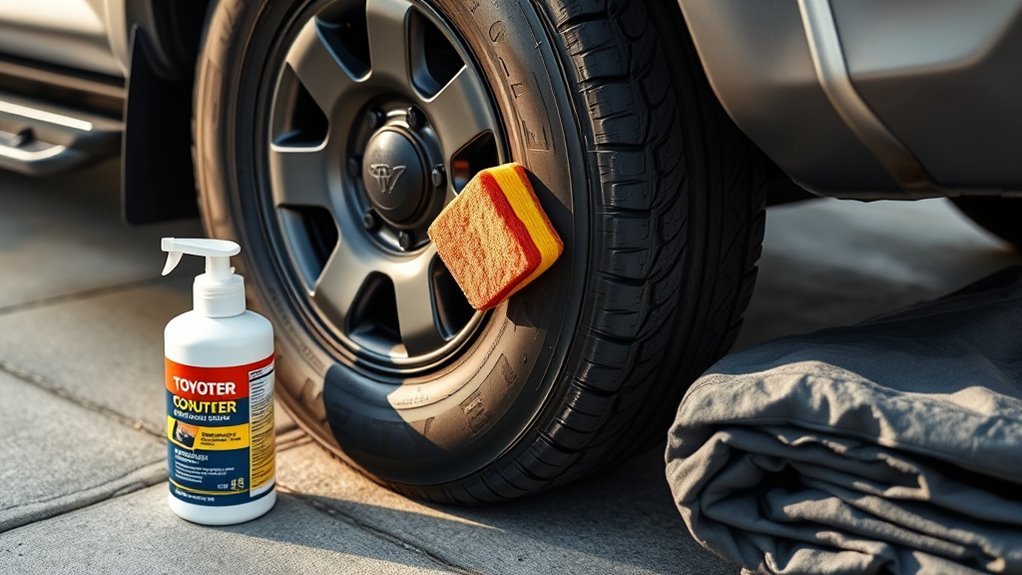
4Runner tires can crack or dry rot long before the tread looks worn out, especially if the truck sits outside, sees strong sun, runs low pressure, or carries off-road damage on the sidewalls. The good news is that most tire aging problems are easy to slow down with shade, correct inflation, regular inspections, careful cleaning, and smart storage.
Quick Answer
To help prevent 4Runner tire dry rot, park in shade when possible, check cold tire pressure monthly, clean tires with mild soap and water, avoid petroleum-based tire dressings, inspect sidewalls and tread grooves for cracks, and store spare or seasonal tires in a cool, dry, dark place away from heat, sunlight, chemicals, and ozone sources.
Key Takeaways
- Sunlight, heat, ozone, low pressure, and long storage can all speed up tire cracking.
- Use the tire pressure listed on your 4Runner’s driver-side placard or owner’s manual, not the maximum PSI molded on the tire sidewall.
- Read the DOT date code so you know the tire’s true age; the last four digits show the week and year of manufacture.
- Have tires inspected more closely after five years of use and replace tires by ten years from manufacture, or sooner if the tire maker, Toyota guidance, or visible damage calls for it.
- Bulges, exposed cords, deep cracks, repeated air loss, vibration, or sidewall damage are replacement-level warning signs.
At a Glance
| Time Required | 10–20 minutes per monthly check |
| Difficulty | Easy DIY inspection; professional inspection needed for cracks, bulges, vibration, or repeated pressure loss |
| Tools Needed | Accurate tire pressure gauge, tread depth gauge or penny, flashlight, mild soap, water, soft brush, clean towel, UV-resistant tire covers if parked outside |
| Cost | Usually under $30 for basic tools; tire covers or a tire professional inspection may cost more |
What Actually Causes 4Runner Tires to Crack?
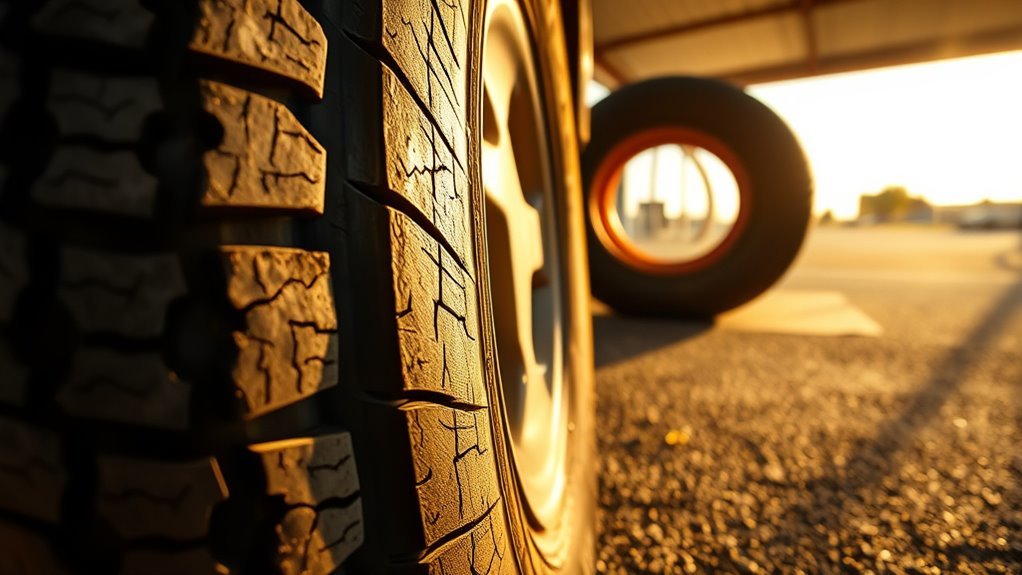
Tire cracking happens when rubber loses flexibility. That can come from age, sunlight, heat cycles, ozone exposure, harsh chemicals, low pressure, or long periods of sitting in one position. A 4Runner that lives outside or spends time on hot pavement, dirt roads, salted roads, or rocky trails needs more frequent tire checks than a garage-kept daily driver.
Sunlight and heat are common triggers. Tire makers recommend keeping stored tires away from direct sunlight, heat, and ozone sources such as electric generators, compressors, or some motors. Those conditions can age rubber even when the tire is not being driven.
Ozone is another hidden problem. It can attack rubber and create small surface cracks, especially when tires sit near ozone-producing equipment. Road chemicals, petroleum products, oils, fuels, and solvents can also damage tire rubber, so tire cleaning should stay simple and gentle.
Driving habits matter too. Underinflated tires flex more than they should. That extra flex creates heat, and heat can lead to rapid wear, internal damage, blowout risk, and poor handling. Off-road use adds another layer because airing down, hitting rocks, or scraping sidewalls can leave damage that later looks like age cracking.
Warning: Do not keep driving on a tire with a bulge, exposed cord, deep sidewall crack, repeated air loss, strong vibration, or a crack that opens when the rubber flexes. Have it inspected by a qualified tire professional or replace it.
How to Spot Dry Rot in Your 4Runner Before It Spreads
Do not rely on a quick glance from a few feet away. Dry rot usually starts as small surface checking in the sidewall, shoulder, or tread grooves. Use a flashlight and inspect each tire slowly, including the spare.
Look for these warning signs:
- Hairline cracks: Small cracks in the sidewall or between tread blocks can be early aging signs.
- Deep cracks: Cracks that open when the tire flexes are more serious and need professional inspection.
- Gray, faded, or brittle rubber: This can mean the rubber is losing flexibility.
- Bulges or bubbles: These may point to internal cord damage and should be treated as unsafe.
- Repeated pressure loss: A slow leak can come from a puncture, valve stem, wheel issue, or tire damage.
- Chunking or tearing: Missing rubber after trail use can expose the tire to faster deterioration.
Also check tread depth. Tires have wear bars, and a tread depth gauge gives the cleanest reading. In the U.S., 2/32 inch is the common legal minimum for passenger tires, but wet traction can drop before that point. Replace tires sooner if your 4Runner sees heavy rain, snow, towing, or off-road travel.
Note: TPMS is helpful, but it is not a substitute for a monthly cold-pressure check with a gauge. A tire can be aging, cracked, unevenly worn, or damaged even when the TPMS light is off.
Shade vs. Sun: How Parking Location Affects Tire Aging
Where you park your 4Runner matters because tires age faster when they are exposed to direct sunlight, high heat, and repeated temperature swings. A shaded driveway, garage, carport, or tire cover will not make old tires new again, but it can reduce unnecessary exposure.
| Parking Condition | Exposure Level | Best Practice |
|---|---|---|
| Direct sunlight | Highest UV and heat exposure | Use shade or UV-resistant covers when parked for long periods |
| Partial shade | Moderate exposure | Rotate parking direction occasionally if one side always faces sun |
| Full shade or carport | Lower exposure | Still check pressure, age, and cracking monthly |
| Indoor storage | Lowest exposure | Keep tires cool, dry, dark, clean, and away from chemicals or ozone sources |
| Outdoor with tire covers | Reduced sunlight exposure | Use breathable, waterproof covers and avoid trapping moisture |
If your 4Runner sits for weeks, move it occasionally or drive it long enough to bring the tires up to normal operating condition. Long-term parking can create flat spots and can hide slow leaks until the next trip.
How to Clean and Protect 4Runner Tires From UV and Ozone
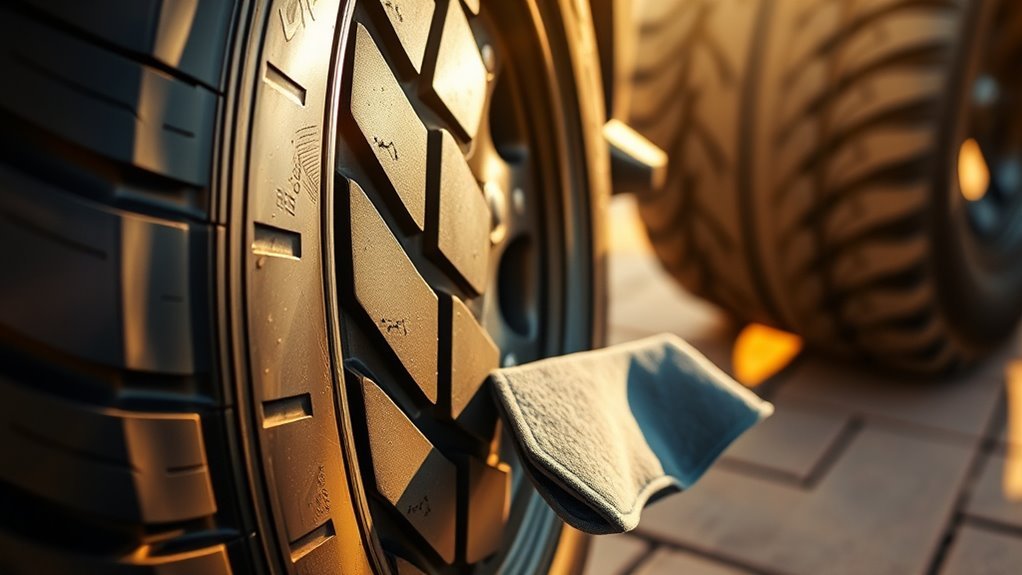
Cleaning your tires does not need to be complicated. In fact, aggressive chemicals can do more harm than good.
- Rinse first. Wash away loose grit, mud, road salt, and brake dust.
- Use mild soap and water. A water-based car wash soap or mild dish soap is enough for routine cleaning.
- Scrub gently. Use a soft tire brush, especially around raised lettering and tread shoulders.
- Rinse thoroughly. Do not leave soap residue on the rubber.
- Dry the tire. Dry sidewalls before applying any protectant or cover.
- Use only a tire-safe protectant. Choose a water-based product labeled for tires and UV protection. Avoid petroleum-based dressings, solvents, oils, or fuel-based cleaners.
Glossy shine is not the goal. A tire that looks wet and black may still be aging underneath. Your goal is clean rubber, correct pressure, less UV exposure, and early detection of damage.
Pro Tip: Clean tires before storing them. Dirt, brake dust, petroleum residue, and road salt can sit on the rubber for months and make storage damage worse.
[Products Worth Considering]

Monitor tire tread wear with a smart, color-coded depth gauge that shows clear condition ranges at a glance. The bar is range marked for fast, easy readings, helping you maintain safer traction and performance. Each gauge is portable with a pocket clip, and the set includes 20 units for daily use and sharing.

Cristal Products Untouchable Tire Shine Spray delivers a deep, wet-look gloss that enhances your vehicle’s tires. It’s quick-drying and spreads smoothly for consistent, streak-free coverage, while forming a protective coating against UV rays, road grime, and weather. Suitable for all tire types, it helps restore dull, faded tires to a showroom-quality finish.

The Kurgo Seasonal Tire Tote helps protect your car interior, clothes, and garage from tire grime, brake dust, and residue during seasonal tire changes. Its universal design fits most passenger tires between 22" and 31" in diameter, making storage and transport simpler with less mess. Built for rugged, repeated use, it’s machine washable for easy care and comes with a lifetime warranty.
How Underinflation Damages Your 4Runner’s Tires
Underinflation is one of the most important tire problems to prevent. When a tire is low, the sidewall flexes too much. That flex creates heat, and heat can cause rapid wear, internal damage, tire failure, and loss of control.
Check tire pressure when the tires are cold, ideally before driving or after the vehicle has been parked for several hours. Use the pressure listed on your 4Runner’s tire information placard or in the owner’s manual. Toyota also tells owners to check the Specifications section of the owner’s manual or the tire information placard, usually on the driver-side door post, for the recommended pressure.
Proper tire pressure is not just about tire life. It affects steering, braking, traction, load carrying, fuel economy, and tire temperature.
Use this pressure routine:
- Check monthly. Include all four tires and the spare.
- Check before long trips. Do this before highway driving, towing, or remote trail travel.
- Check after weather swings. Cold weather can lower pressure, and heat can raise it.
- Adjust for load only as Toyota or the tire maker recommends. Do not guess when towing or carrying heavy gear.
- Investigate repeated pressure loss. If the same tire keeps needing air, have the tire, valve stem, and wheel inspected.
How to Read the DOT Date Code on 4Runner Tires
Tire age starts on the manufacturing date, not the day you bought the tire. To find it, look for the DOT Tire Identification Number on the sidewall. The full code may be on only one side of the tire, so you may need to check the inner sidewall or remove the spare to see it clearly.
The last four digits tell you the week and year the tire was made:
- 3520 means the tire was made in the 35th week of 2020.
- 2719 means the tire was made in the 27th week of 2019.
- 2416 means the tire was made in the 24th week of 2016.
If the tire is more than five years old, pay closer attention and consider a professional inspection at least once a year. If it is ten years old from the manufacture date, major tire manufacturers generally recommend removing it from service, even if the tread still looks usable.
How Long Can You Store a 4Runner Spare Tire Before It Rots?
A 4Runner spare can age even if it has never touched the road. Rubber still reacts to time, heat, oxygen, ozone, and storage conditions. If the spare is mounted under the vehicle, it may also see water, road salt, dirt, and debris.
Spare Tire Lifespan
There is no single expiration date that fits every tire and climate. A practical rule is to inspect the spare regularly, increase attention after five years, and replace it by ten years from the DOT manufacture date or sooner if it shows cracking, bulging, tread separation, repeated pressure loss, or damage.
Check the spare at least monthly with the rest of your tires. A spare that is flat, cracked, or too old will not help when you are on the shoulder of the road or miles down a trail.
Storage Conditions Matter
For a stored spare or seasonal tire set, choose a location that is clean, cool, dry, dark, and away from direct sunlight. Keep tires away from electric generators, compressors, motors, furnaces, solvents, fuels, lubricants, and harsh chemicals.
If storing loose tires, clean and dry them first. If possible, use airtight tire storage bags to reduce air exposure, then keep them off damp concrete. If the tires are mounted on wheels, store them inflated enough to hold shape and adjust them to the correct vehicle pressure before reinstalling.
Age vs. Usage
A tire can be unsafe because of age even if it has plenty of tread. That is why the DOT date code matters. Tread depth tells you how much rubber remains on the road surface; age tells you how long the tire’s internal materials have been exposed to time and environment.
For a 4Runner used off-road, age is only one piece of the decision. Replace a tire sooner if trail damage, sidewall cuts, chunking, bulges, or repeated low-pressure use has weakened it.
When to Replace 4Runner Tires That Look Fine But Are Rotting
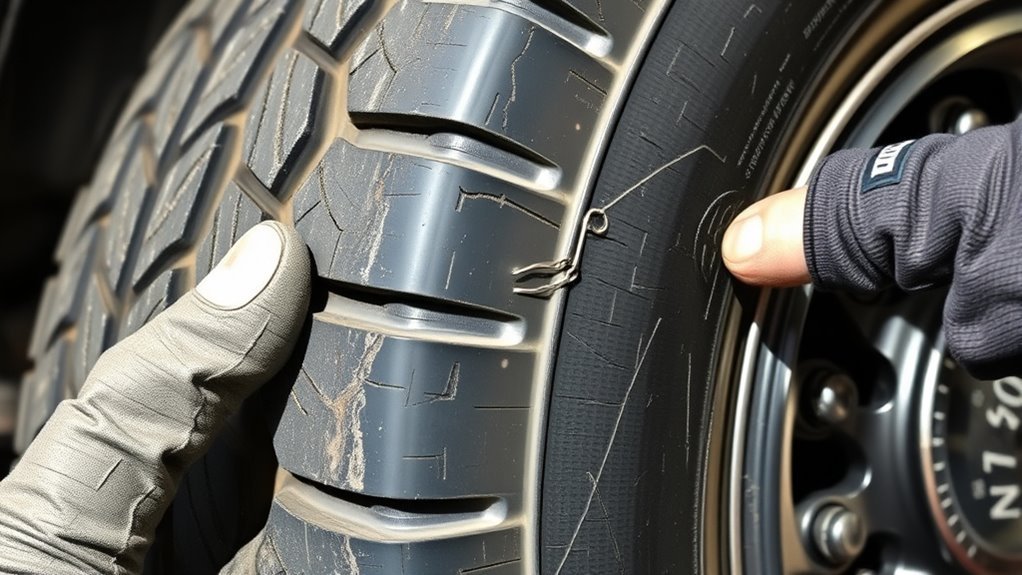
Do not let good tread fool you. Tires can age internally, and sidewall damage can be more serious than it looks. Replace or professionally inspect the tire immediately if you see any of these signs:
- Bulge, bubble, or raised area on the sidewall
- Cracks that open when the tire flexes
- Cracks deep enough to expose fabric, steel, or cord material
- Repeated air loss with no obvious simple cause
- Vibration, thumping, pulling, or a new handling change
- Tread separation, chunking, or missing rubber
- Sidewall cuts from rocks, curbs, or trail debris
- Any tire older than the tire maker’s maximum service guidance
[Products Worth Considering]

The SAFELIFE dial tire tread depth gauge measures tread depth in 1/32 inch increments with clear, easy-to-read 2-inch dial face. Color zones using a traffic light system help you quickly judge whether tread is low, marginal, or ample for safer driving. Built with a durable zinc cast body and a metal detect probe for precise, comfortable use across cars, motorcycles, trucks, and buses.

Clean wheels and rims with soft feathered bristles that safely remove dirt and road grime while helping restore original luster. The short non-slip handle makes it easy to scrub in tight wheel wells, and the brush is suitable for vehicles and hard-to-reach areas. It can also be soaked and rubbed to help restore bristles to their shape after use.

Accurately measure tire tread depth with a calibrated gauge marked from 0 to 1 inch in 1/32 inch increments. The color-coded bar helps you quickly identify tread condition ranges, supporting safe driving for trucks, motorcycles, automobiles, and passenger vehicles.
Hidden Cracks Danger
Sidewall cracks are not all equal. Light surface checking may be monitored, but deeper cracks are a safety concern. If the crack spreads, exposes inner material, appears with a bulge, or is paired with pressure loss, treat the tire as unsafe until a professional inspects it.
Age Over Appearance
Age matters because rubber and internal tire materials can degrade without dramatic surface damage. Michelin recommends professional inspection after five years of use and replacement by ten years from manufacture. Continental also advises replacing all tires, including spare tires, once they are more than ten years old, even if they appear usable.
For harsh use, do not wait for the ten-year mark. Heat, heavy loads, towing, long highway trips, low-pressure driving, and rocky trails can shorten a tire’s practical service life.
How to Build a Monthly 4Runner Tire Check Routine
A monthly check is the easiest way to catch tire cracking before it becomes a roadside problem. Put it on your calendar, especially before long trips or trail weekends.
- Check cold pressure. Use the driver-side placard or owner’s manual pressure for your tire setup.
- Inspect sidewalls. Look for cracking, cuts, bulges, discoloration, and dry or brittle rubber.
- Inspect tread grooves. Look for cracks between tread blocks, embedded glass, nails, rocks, or uneven wear.
- Measure tread depth. Use a tread gauge and compare across the inside, center, and outside of each tire.
- Check the valve stems. Missing caps, cracking, or leaks can cause pressure loss.
- Inspect the spare. Confirm pressure, age, and visible condition.
- Record the DOT date. Write down the date code for each tire so age does not become a mystery later.
- Schedule rotation and alignment checks. Follow Toyota and tire-maker guidance, especially if you see uneven wear.
After off-road trips, repeat the visual inspection. Rock rash, sidewall scrapes, and bead-area damage are easier to catch when the dirt is fresh and before the next highway drive.
Tire Covers, Dressings, and Storage Bags: What Actually Works?
Some tire protection products help; others are mostly cosmetic. Focus on methods that reduce sunlight, heat, ozone, moisture, and chemical exposure.
- UV-resistant tire covers: Useful when the 4Runner sits outside for long periods.
- Water-based tire protectants: Fine when labeled tire-safe and used after cleaning and drying.
- Petroleum-based dressings: Avoid them because oils and solvents can damage rubber compounds.
- Airtight storage bags: Helpful for seasonal tire sets after cleaning and drying.
- Indoor storage: Best for extra tires, especially away from sunlight, heat, chemicals, and ozone sources.
If you store tires outdoors temporarily, keep them raised off the ground and covered without trapping moisture. If the tires are on the 4Runner during long storage, reduce weight on the tires where practical and safe, or move the vehicle occasionally to avoid flat-spot stress.
[Products Worth Considering]

Keep your tires properly inflated with this analog VONDIOR tire pressure gauge, designed for fast, easy readings without batteries. The swiveling, two-axis hose and large glow dial help you measure at any tire angle with instant visibility. Built with a protective rubber shield, it supports durable, low-maintenance use for cars and trucks.

Measure tire tread depth quickly and accurately with this LUMITECO dial gauge that reads in 1/32" increments up to 14/32". The color-coded green/yellow/red zones make it easy to judge tire wear and know when replacement is needed. A rugged, compact design with a protective pouch helps keep the gauge ready for use on cars, trucks, motorcycles, and more.

Milton S-921 pencil tire pressure gauge helps you maintain optimal tire pressure for passenger cars with accurate readings in PSI and kPa. It features a built-in deflator valve for convenient pressure adjustments, plus a single chuck head and nylon indicator bar for easy use on the go. Built from durable plated brass and designed for reliable performance, it’s a practical road trip and cold-weather maintenance tool.
Frequently Asked Questions
Is there anything you can put on tires to prevent dry rot?
You can use a tire-safe, water-based protectant with UV protection, but no product can stop tire aging completely. The bigger wins are shade, correct pressure, gentle cleaning, regular inspection, and proper storage away from sunlight, heat, ozone, oils, fuels, and solvents.
What can I spray on my tires to keep them from cracking?
Use a water-based tire protectant labeled for rubber and UV protection. Avoid petroleum-based tire shine, harsh degreasers, solvents, oils, and fuel-based cleaners. Always clean and dry the tire first so you are not sealing grime or chemicals against the rubber.
What causes tires to crack and dry rot?
Tires crack when rubber loses flexibility from age, sunlight, heat, ozone, harsh chemicals, underinflation, long storage, or physical damage. On a 4Runner, off-road scrapes, airing down without proper reinflation, and long outdoor parking can make the problem show up sooner.
Should I replace 4Runner tires after six years?
Six years is a good point to become more cautious, especially in hot climates or off-road use, but it is not the same as a universal legal expiration date. Have tires inspected more closely after five years of use, follow Toyota and tire-maker guidance, and replace by ten years from manufacture or sooner if damage appears.
Can I drive on tires with small sidewall cracks?
Small surface checking may not mean immediate failure, but it should be monitored closely. Do not drive on tires with deep cracks, cracks that open when flexed, exposed cords, bulges, vibration, or repeated air loss. Have questionable sidewall cracks inspected by a qualified tire professional.
How often should I check my 4Runner spare tire?
Check the spare monthly with the other tires and before long trips. Confirm pressure, visible condition, valve-stem condition, and DOT date code. If the spare is mounted under the vehicle, inspect it for road salt, moisture damage, cracking, and debris impact.
Conclusion
Preventing 4Runner tire dry rot comes down to simple habits: keep tires properly inflated, park out of direct sun when possible, clean them gently, avoid harsh dressings, inspect cracks early, and know each tire’s DOT age. Replace tires that show structural damage, repeated pressure loss, bulges, exposed cords, or serious cracking, and do not depend on tread depth alone. Your tires carry the truck, the gear, and everyone inside, so treat age and sidewall condition as real safety checks—not cosmetic details.
Sources
- NHTSA TireWise — tire safety, maintenance, tire labels, aging, and consumer tire guidance.
- NHTSA Tire Safety Brochure — monthly pressure checks, spare tire checks, DOT code basics, tire failure prevention, and load/pressure guidance.
- Toyota Support: Recommended Tire Pressure — use the owner’s manual specifications or tire information placard on the driver-side door post.
- Michelin: When to Replace Tires — DOT date code, professional inspection after five years, and replacement by ten years from manufacture.
- Michelin: Tire Storage Tips — store tires indoors, cool, dry, dark, and away from sunlight, heat, ozone, grease, gasoline, solvents, and oils.
- Continental: Replacing Tires — tire age guidance, DOT date-code reading, and ten-year replacement recommendation for all tires including spares.