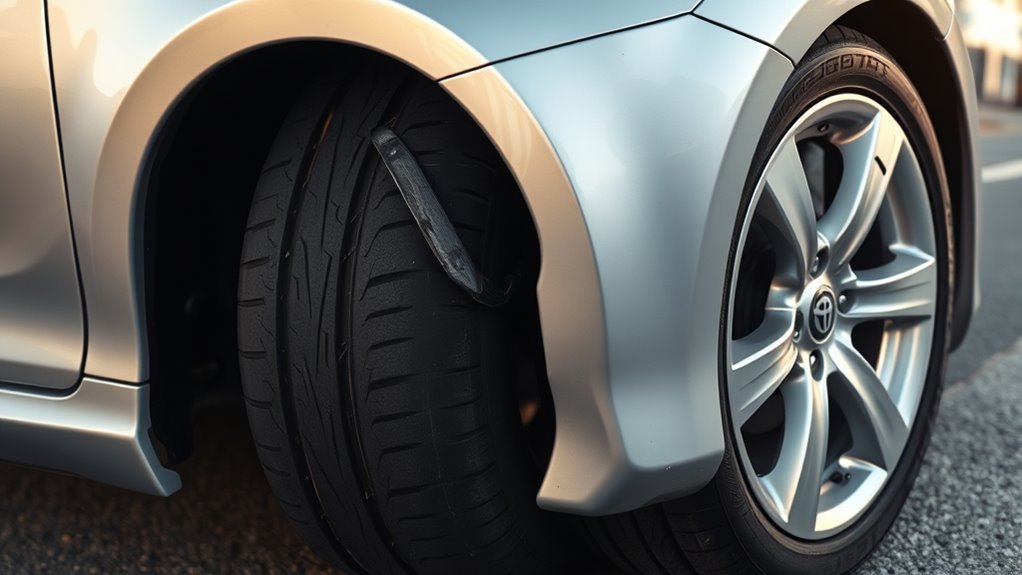
A tire bubble on your Toyota Camry is a raised bulge in the sidewall or tread area that usually means the tire’s internal cords or plies have been damaged. It is not a cosmetic mark and it should not be patched, plugged, or ignored. If you see one, stop normal driving, use a safe spare if available, or have the Camry towed to a tire shop for replacement and inspection.
Quick Answer
A tire bubble on a Toyota Camry is dangerous because it usually signals internal tire damage from an impact, low pressure, overloading, or age-related weakening. You cannot safely repair a bulged tire. Replace it immediately, and have the wheel, suspension, and other tires checked before returning to normal driving.
Key Takeaways
- A visible tire bubble means the tire’s structure is weakened and may fail suddenly.
- Sidewall bubbles and bulges are not safely repairable with a patch, plug, or sealant.
- Use a properly inflated spare or call for a tow instead of continuing normal driving.
- After a hard pothole or curb hit, inspect the wheel, alignment, suspension, and other tires.
- Prevent future bubbles by checking cold tire pressure, avoiding impacts, rotating tires, and staying within the Camry’s load limit.
At a Glance
| Time Required | 5–10 minutes to inspect; same day for tire replacement |
| Difficulty | Easy to spot, but replacement should be handled by a tire professional |
| Tools Needed | Tire pressure gauge, flashlight, tread-depth gauge, spare tire or roadside assistance |
| Cost | Usually the cost of one replacement tire, plus mounting, balancing, and any wheel or alignment repair if impact damage is found |
What Is a Tire Bubble on a Camry?
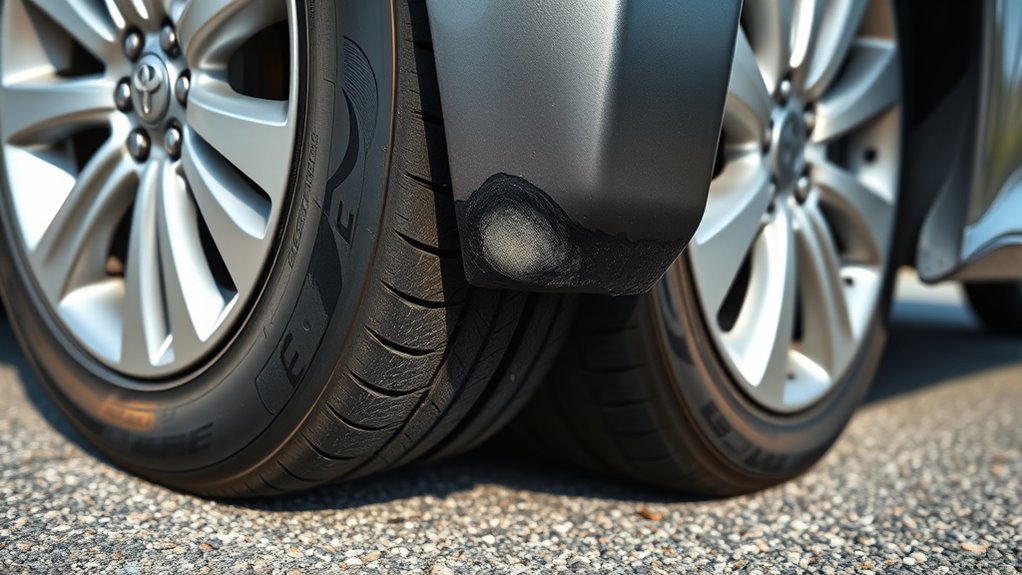
A tire bubble on a Toyota Camry is a visible outward bulge in the tire’s sidewall or, less commonly, a raised area in the tread. It usually means the tire’s internal cords, plies, or belts have separated or broken. Once those layers lose strength, air can push into the weakened area and create the bubble you see from the outside.
Most bubbles appear after an impact, such as hitting a pothole, curb, speed bump, or road debris. The damage can also become more likely when a tire is underinflated, overloaded, old, heat-stressed, or already weakened by previous impacts.
Note: A sidewall indentation is not the same thing as an outward bubble. A slight inward dip can sometimes be a normal radial tire characteristic, but an outward bulge should be treated as structural damage until a tire professional confirms otherwise.
Is a Tire Bubble Dangerous to Drive On?
Yes. A tire bubble is dangerous to drive on because it shows that part of the tire is no longer supporting the vehicle load correctly. The weakened area can rupture without much warning, especially at highway speeds, during cornering, in hot weather, or when the Camry is carrying passengers and cargo.
The risk is not theoretical. The National Highway Traffic Safety Administration lists tire maintenance as a major safety issue and reported 511 fatalities in tire-related crashes in 2024. A bubble is one of the clearest warning signs that a tire should be removed from service.
Warning: Do not keep driving normally on a bulged tire, and do not add air to a visibly bubbled tire just to “make it home.” Pull over safely, use a properly inflated spare if you can do so safely, or call roadside assistance.
What Causes Tire Bubbles on a Toyota Camry?
You can get tire bubbles on a Toyota Camry when the tire’s internal structure is weakened enough for air pressure to push outward through separated layers. The most common causes are impact damage, low tire pressure, overloading, age, heat, and manufacturing defects.
Impact Damage: Potholes, Curbs, and Speed Bumps
Impact damage is the most common cause of a tire bubble. When your Camry hits a pothole, curb, speed bump, or road debris hard enough, the tire can be pinched between the road and the wheel. That sudden force can break internal cords or separate the inner liner from the tire body.
Always inspect your tires after a hard hit. Look at both the outer and inner sidewalls, because damage on the inside edge may not be visible unless you turn the steering wheel or lift the vehicle safely. If the car pulls, vibrates, or the steering wheel shakes after the impact, have the wheel, alignment, and suspension checked too.
Wear, Age, Heat, and Weak Spots
As a tire ages, heat cycles, sunlight, ozone, and normal wear can weaken the rubber and internal structure. A tire with cracks, cuts, scuffs, or uneven wear is more likely to develop a bulge after a smaller impact that a healthier tire might survive.
Check each Camry tire for cracks, exposed cords, sidewall cuts, shoulder wear, tread separation, and uneven texture. If you see a raised area, do not treat it as normal wear. A bulge means the tire has already lost strength in that spot.
Underinflation and Overloading
Incorrect tire pressure and excess weight make bubbles more likely because they increase heat and sidewall flex. Toyota says the recommended cold tire pressure and tire size are shown on the tire and loading information label, and the Camry owner guidance recommends checking pressure every two weeks or at least once a month, including the spare.
| Problem | What It Does | Why It Raises Bubble Risk |
|---|---|---|
| Low pressure | Creates extra sidewall flex and heat | Weakens internal cords and increases impact damage |
| Overloading | Forces the tire to carry more than intended | Increases heat, deformation, and structural stress |
| Cold weather pressure loss | Can leave tires underinflated if not checked | Raises the chance of sidewall flex and road-hazard damage |
Follow the tire pressure and vehicle capacity information on your Camry’s door-jamb label. Do not use the maximum pressure printed on the tire sidewall as your normal driving pressure unless it matches the vehicle label.
Can You Fix a Tire Bubble?
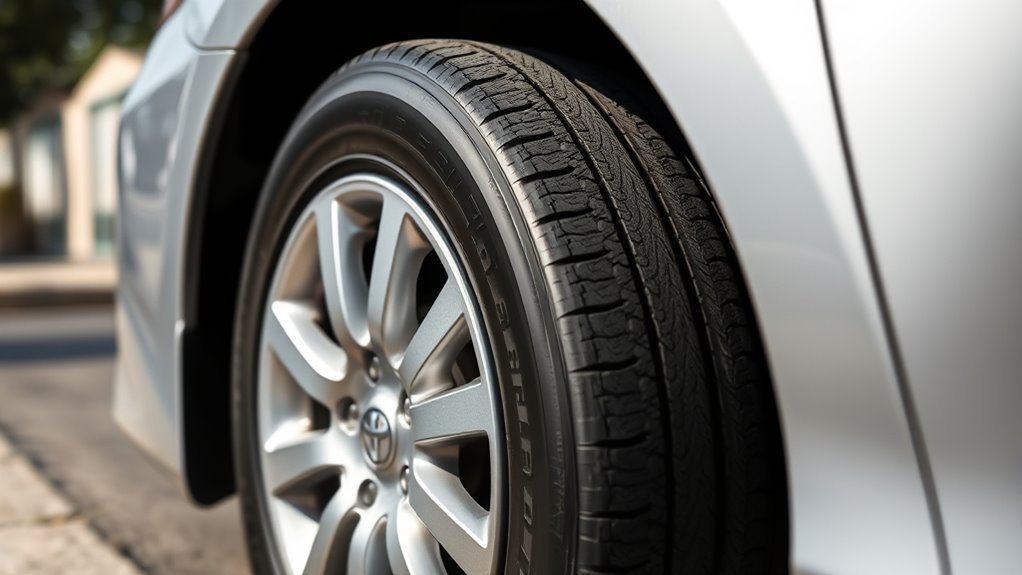
No. You cannot safely fix a tire bubble with a patch, plug, or sealant because the problem is structural. A repair can seal some punctures in the repairable tread area, but it cannot rebuild broken cords, separated plies, or a damaged sidewall.
Michelin states that sidewall damage cannot be safely repaired and that a sidewall cut, puncture, or bulge means the tire needs replacement. The Tire Industry Association also explains that puncture repairs are limited to the center of the tread area, not the shoulder or sidewall.
[Products Worth Considering]

Monitor tire tread wear with a smart, color-coded depth gauge that shows clear condition ranges at a glance. The bar is range marked for fast, easy readings, helping you maintain safer traction and performance. Each gauge is portable with a pocket clip, and the set includes 20 units for daily use and sharing.

Measure tire tread depth quickly and accurately with this LUMITECO dial gauge that reads in 1/32" increments up to 14/32". The color-coded green/yellow/red zones make it easy to judge tire wear and know when replacement is needed. A rugged, compact design with a protective pouch helps keep the gauge ready for use on cars, trucks, motorcycles, and more.
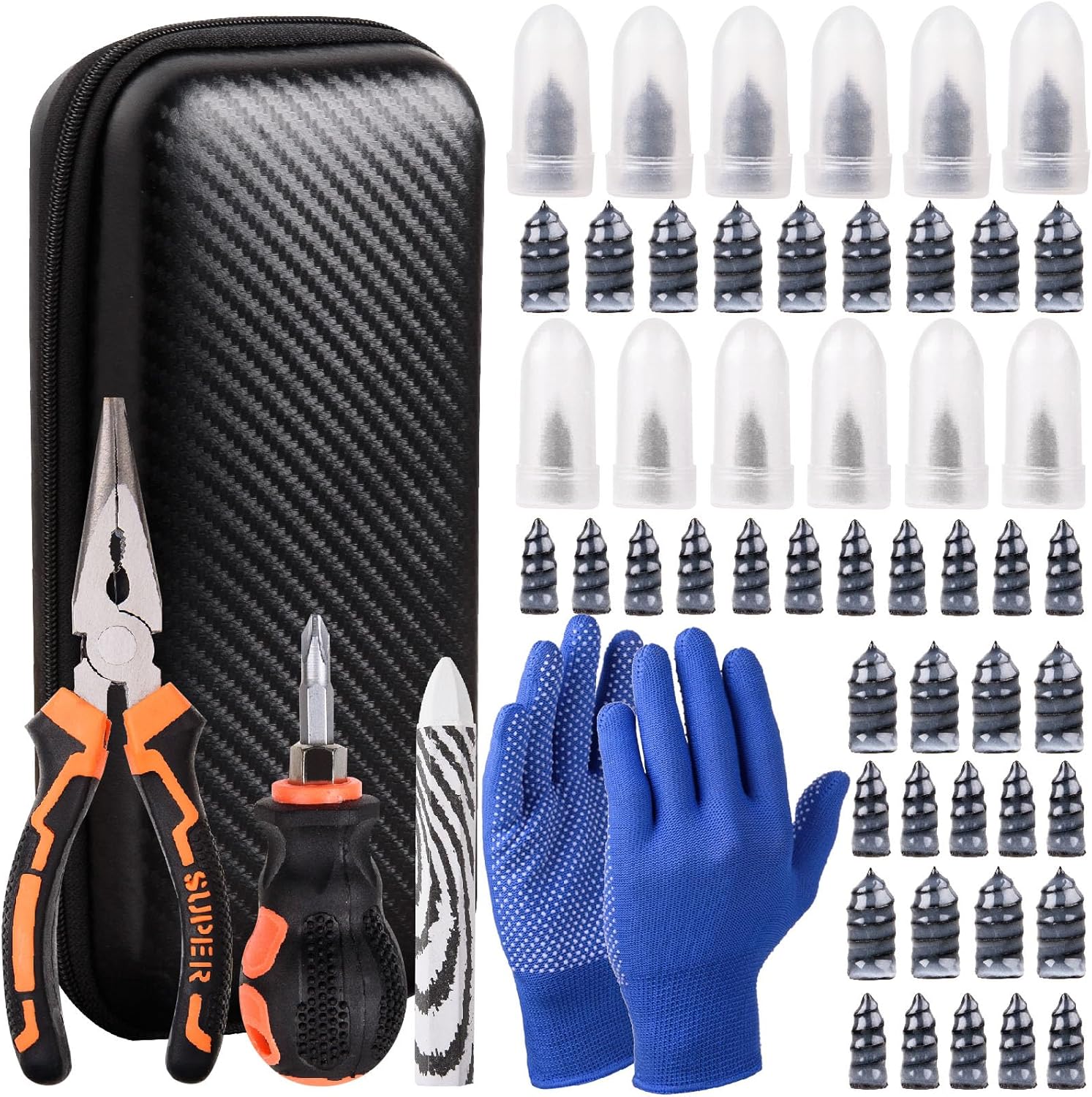
This tire sidewall puncture repair kit fixes flats fast without removing the tire, helping you get back on the road in minutes. It includes self-tapping repair nails, essential tools, gloves, and a portable storage bag for convenient roadside use. Designed for tubeless tires, it helps create a tight, leak-resistant seal for cars, motorcycles, trucks, SUVs, and ATVs.
Bubble Repair Limits
A tire bubble is not the same as a simple nail hole in the tread. A proper puncture repair requires removing the tire from the wheel, inspecting the inside, and repairing only damage that falls within the tire manufacturer’s repair limits. A bulge fails that test because the tire body itself has been compromised.
Do not rely on tire sealant, a string plug, or a patch over the outside of a bulge. Those fixes may hide air loss temporarily, but they do not restore the tire’s strength.
Replacement Over Repair
Once a bubble appears, replacement is the safe fix. A tire shop should also check whether the impact bent the wheel, damaged the valve stem, disturbed the alignment, or affected suspension parts.
| Situation | Safe Action |
|---|---|
| Visible sidewall bulge | Stop normal driving and replace the tire |
| Bubble after pothole or curb impact | Inspect tire, wheel, suspension, and alignment |
| Highway trip planned | Do not start the trip on the damaged tire |
| No safe spare available | Call roadside assistance or a tow service |
| One tire replaced | Match size, type, load rating, speed rating, and tread depth as closely as possible |
Pro Tip: Ask the tire shop to measure tread depth on the tire opposite the damaged one. If the new tire would be much deeper than the other tire on the same axle, replacing both tires on that axle may improve traction balance and stability.
What Should You Do If You Spot One?
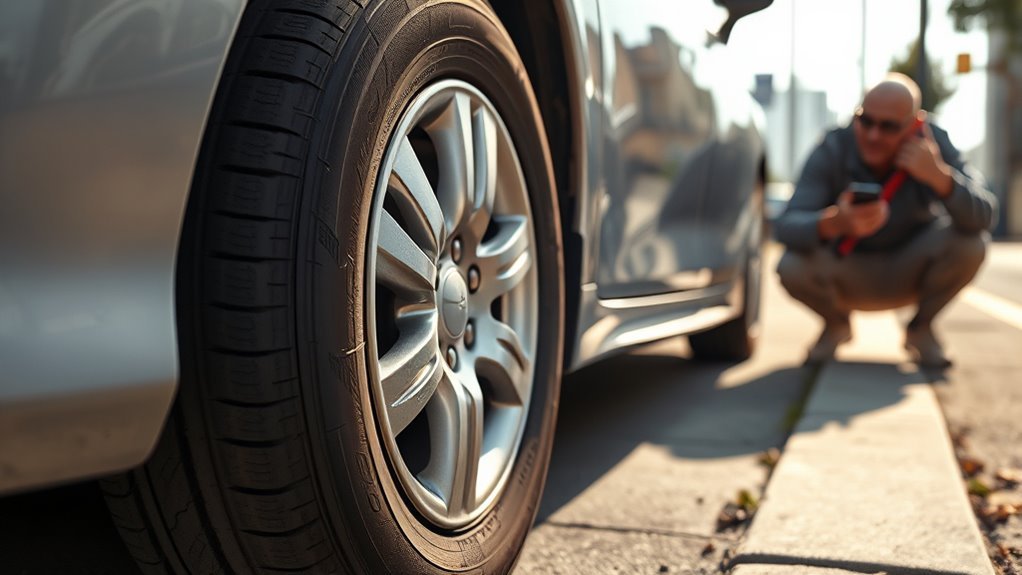
If a tire bubble or bulge appears on your Toyota Camry, treat it as a safety problem, not as normal tire wear. Follow these steps:
- Slow down smoothly and avoid hard braking or sharp steering.
- Pull over in a safe, flat location away from moving traffic.
- Do not continue normal driving on the damaged tire.
- Use the spare tire only if it is properly inflated, rated for your Camry, and safe for you to install.
- Call roadside assistance or tow the car if you do not have a usable spare or safe place to change it.
- Replace the damaged tire and have the wheel, valve stem, alignment, and suspension inspected.
- Check the other tires for cuts, cracks, bulges, uneven wear, and pressure loss.
If you must move the car a very short distance to get out of traffic, drive as slowly as safely possible and stop at the nearest safe location. Do not drive to work, run errands, or take a highway trip on a bubbled tire.
[Products Worth Considering]

This self-service tire repair nail kit includes 60 pieces (30 small + 30 large) to help seal punctures quickly without needing an auto shop visit. The nails are designed to fit different hole sizes and provide a tight connection with sealing glue to help prevent air and water intrusion. Suitable for cars, motorcycles, trucks, and other vehicles, it’s an easy, efficient way to patch roadside tire damage.

The SAFELIFE dial tire tread depth gauge measures tread depth in 1/32 inch increments with clear, easy-to-read 2-inch dial face. Color zones using a traffic light system help you quickly judge whether tread is low, marginal, or ample for safer driving. Built with a durable zinc cast body and a metal detect probe for precise, comfortable use across cars, motorcycles, trucks, and buses.

Milton S-921 pencil tire pressure gauge helps you maintain optimal tire pressure for passenger cars with accurate readings in PSI and kPa. It features a built-in deflator valve for convenient pressure adjustments, plus a single chuck head and nylon indicator bar for easy use on the go. Built from durable plated brass and designed for reliable performance, it’s a practical road trip and cold-weather maintenance tool.
How Do You Prevent Tire Bubbles on a Camry?
You cannot prevent every pothole or road hazard, but you can reduce the risk of tire bubbles by keeping your Camry’s tires properly inflated, avoiding harsh impacts, and inspecting the tires regularly.
- Check cold tire pressure regularly. Use the pressure listed on the Camry’s tire and loading information label, not the maximum pressure on the tire sidewall.
- Inspect after hard impacts. Look for bulges, cuts, rim dents, vibration, pulling, or steering-wheel shake after hitting a pothole or curb.
- Avoid overloading the car. Stay within the vehicle capacity weight shown on the door-jamb label.
- Slow down for potholes and speed bumps. Reducing impact force helps protect the tire sidewall and wheel.
- Rotate and align tires on schedule. Even wear makes weak spots easier to spot and helps tires last longer.
- Replace aged or damaged tires. Cracks, exposed cords, separations, or repeated pressure loss are signs the tire needs professional inspection.
Also check the spare. A flat or underinflated spare will not help when you discover a bubble on the road.
[Products Worth Considering]

Vigorder rubber cement glue delivers superior adhesion and cures quickly within about 30 seconds for seamless rubber bonding. Once cured, it helps provide a strong, durable, waterproof seal that holds up to vehicle weight, pressure, and heat. Suitable for cars, motorcycles, trucks, bicycles, and off-road tires, it’s designed for emergency patch and maintenance repairs.

TireJect Off-Road Tire Sealant Kit provides 5-in-1 sealing to help fix tread punctures up to 3/8", sidewall punctures up to 3/8", bead leaks, slow leaks, and minor dry rot on low-speed tires. It permanently seals with liquid rubber, recycled tire particles, and Aramid fibers, making it ideal for flats caused by thorns, nails, and screws. The included dispensing cap attaches to the valve stem for a no-mess installation, along with a metal valve core remover tool and valve stem cap. This kit is for off-road use only.

This 12-inch LUMITECO dual head tire pressure gauge features an integrated straight-on chuck and a 30° reverse chuck to reach hard-to-access dual wheel valves. Its 10–150 PSI / 1–10 BAR range with a clear, two-sided scale helps you quickly check tire pressure for safer, smoother driving. Heavy-duty construction and a simple no-battery design make it a reliable tool for trucks, cars, RVs, and motorcycles.
Frequently Asked Questions
How long can a Camry tire bubble last before failing?
There is no safe timeline. A tire bubble can fail the same day you notice it or after a short amount of driving. Because the tire structure is already weakened, replace it immediately rather than waiting to see whether it gets worse.
Does a tire bubble affect Camry alignment or suspension?
The bubble itself usually does not change alignment, but the pothole, curb, or road impact that caused the bubble can bend a wheel, disturb alignment, or damage suspension parts. If the Camry pulls, vibrates, or has steering shake after the impact, have it inspected.
Can a spare tire be used after discovering a bubble?
Yes, use the spare if it is properly inflated, rated for your Camry, and safe to install. Follow the speed and distance limits printed on the temporary spare or listed in the owner’s manual, then replace the damaged tire as soon as possible.
Are tire bubbles covered under Toyota warranty?
It depends on the cause and the coverage you have. Toyota says original-equipment tires are generally warranted by the tire manufacturer, not Toyota. Impact damage from potholes or road hazards may require separate Tire & Wheel Protection or road-hazard coverage, so check your tire warranty booklet, dealer paperwork, and any Toyota Financial Services protection plan.
Should both tires on an axle be replaced together?
Often, yes, especially if the remaining tire on that axle has much less tread than the new tire. At minimum, the replacement should match the correct size, type, load rating, speed rating, and general tread depth. A tire shop can measure the tread and tell you whether one tire or a pair is safer.
Is a tire bubble the same as tread separation?
Not always, but both are serious. A sidewall bubble usually points to damaged cords or plies in the sidewall. A raised or distorted tread area can indicate belt or tread separation. Either condition means the tire should be removed from service and inspected by a professional.
Conclusion
If you spot a bubble on your Camry’s tire, do not treat it like a harmless bruise. A bulge is a warning that the tire’s internal structure has already been damaged, and the tire may fail without much warning. The safe fix is replacement, not repair. Use a safe spare or tow service, inspect the wheel and suspension after any impact, and keep your Camry’s tires properly inflated so small road hazards are less likely to become major safety problems.
Sources
- NHTSA TireWise — tire safety, maintenance risks, and 2024 tire-related fatality data.
- Toyota 2025 Camry Hybrid Owner’s Manual: Tire Inflation Pressure — Camry tire pressure label, cold pressure checks, and inflation guidance.
- Michelin USA: Can My Tire Be Repaired? — sidewall damage and repair limits.
- Michelin Canada: Sidewall Bulge or Bubble — damaged cords, bulge cause, and replacement recommendation.
- Tire Industry Association: Tire Repair — proper repair area and sidewall/shoulder repair limits.
- Toyota Support: Tire & Wheel Protection Coverage — original-equipment tire warranty and protection-plan guidance.