To protect your tires from UV and sun damage, reduce direct sunlight, keep the rubber clean, maintain the correct cold tire pressure, and inspect the sidewalls often. Sun exposure alone is not the only problem. Heat, age, low pressure, poor storage, and skipped maintenance can all speed up cracking, fading, dry rot, and tire failure.
Quick Answer
Protect tires from UV damage by parking in shade, using UV-resistant tire covers, cleaning tires with mild soap and water, keeping pressure at the vehicle maker’s recommended cold PSI, and checking monthly for cracks, bulges, fading, dry rot, and low tread. Replace unsafe tires instead of trying to restore them.
Key Takeaways
- UV rays, heat, poor storage, and low tire pressure can speed up tire aging and sidewall cracking.
- Use tire covers, shade, or indoor storage when a vehicle, RV, trailer, or spare tire sits for long periods.
- Clean tires with mild soap and water before applying any tire-safe UV protectant.
- Check tire pressure monthly when tires are cold, and use the PSI on the door placard or owner’s manual.
- Replace tires with cracks, bulges, exposed cords, severe dry rot, unsafe tread depth, or age-related concerns.
At a Glance
| Time Required | 10 to 20 minutes for cleaning and inspection; 2 to 5 minutes for a monthly pressure check |
| Difficulty | Easy |
| Tools Needed | Tire pressure gauge, mild soap, water, soft brush or microfiber towel, tire covers, and tire-safe UV protectant |
| Cost | Low; basic cleaning supplies are inexpensive, while quality tire covers and protectants vary by size and brand |
Why UV and Sun Protection for Tires Is Essential
Tires are made from rubber compounds that change as they age. According to NHTSA tire safety guidance, tire aging happens when rubber and other tire components change over time because of service, storage, and environmental conditions. Sunlight, warmer climates, poor storage, and poor maintenance can all contribute to tire aging.
UV exposure can dry and fade the outer rubber, but heat and pressure problems often make the damage worse. A tire that sits in direct sun while underinflated may flex more, build more heat, and become more vulnerable to cracking. That is why tire protection is not just about appearance. It also supports safer driving, better tread life, and fewer surprise failures.
NHTSA reported 511 deaths in tire-related crashes in 2024, so tire maintenance is a safety step, not just a cosmetic habit.
How to Protect Tires From UV and Sun Damage Step by Step
The best tire sun-protection routine is simple: inspect, clean, inflate, cover, and store correctly. Use these steps for daily drivers, parked vehicles, RVs, trailers, motorcycles, and spare tires.
1. Inspect the Sidewalls and Tread Monthly
Check each tire at least once a month. Look across the outer sidewall, inner sidewall, tread grooves, shoulder area, and valve stem. Watch for small cracks, fading, chalky rubber, bulges, cuts, exposed cords, uneven wear, or a tire that keeps losing pressure.
NHTSA recommends checking tread monthly and replacing tires when tread reaches 2/32 inch. If you see cracks, cuts, bulges, irregular wear, or performance changes, have a tire professional inspect the tire before you keep driving.
Warning: Tire protectant, tire shine, and cleaning products cannot repair dry rot, deep cracks, bulges, exposed cords, or age-related internal damage. Replace unsafe tires instead of trying to make them look new.
2. Maintain the Correct Cold Tire Pressure
Proper inflation helps tires hold their shape and reduces excess flexing. Check pressure when the tires are cold, meaning the vehicle has not been driven for at least three hours. Use the recommended PSI on the driver-side door placard or in the owner’s manual, not the maximum pressure printed on the tire sidewall.
NHTSA says proper tire pressure affects safety, durability, and fuel use. FuelEconomy.gov also notes that properly inflated tires are safer, last longer, and can improve gas mileage. If your tire pressure monitoring system turns on, treat it as a warning, then check all tires with a gauge.
3. Clean Tires With Mild Soap and Water
Road grime, brake dust, salt, oil residue, and dirt can hold heat and moisture against the rubber. Clean tires with mild soap, water, and a soft brush or microfiber towel. Rinse well, then let the rubber dry before applying any protectant.
Avoid harsh degreasers, petroleum-heavy cleaners, and products not labeled safe for tires. Strong chemicals can strip the rubber surface or leave residue that attracts dust.
4. Apply a Tire-Safe UV Protectant
Choose a tire dressing or rubber protectant that clearly says it is safe for tires and offers UV protection. A water-based formula is usually easier to control and less messy than a greasy solvent-heavy dressing. Apply a thin, even layer to clean, dry sidewalls only.
Do not spray protectant on tread, brake parts, painted panels, or the floor where tires may slip. Wipe off extra product so it does not sling onto the bodywork when you drive.
Pro Tip: If your tire sits outside for weeks, covers usually matter more than shine. Protectants help the surface, but covers reduce direct UV exposure every day.
5. Use Shade, Covers, or Indoor Storage
Whenever possible, park in a garage, carport, or shaded area. If the vehicle sits outside, use UV-resistant tire covers that fit snugly over the full exposed sidewall. Covers are especially useful for RVs, trailers, campers, collector cars, boats on trailers, and spare tires mounted outside.
If you remove seasonal tires for storage, clean and dry them first. Store them in a cool, dry place away from direct sunlight, standing water, electric motors, and ozone-producing equipment. Keep them off bare ground when possible.
How to Identify and Prevent UV Damage on Tires
UV damage often starts slowly. You may first notice dull color, fading, or a dry surface. Over time, the rubber may develop fine cracks, especially near the sidewall lettering, shoulder, or areas that face the sun while parked.
Common Signs of Damage
- Fine sidewall cracks: Small surface cracks may signal early weathering. Deep cracks need professional inspection.
- Chalky or faded rubber: A dry, gray, or powdery look can show sun and ozone exposure.
- Bulges or bubbles: These can point to internal tire damage and need immediate attention.
- Uneven tread wear: This can come from alignment, inflation, suspension, or rotation problems.
- Low tread depth: Tires should be replaced when tread reaches 2/32 inch.
- Repeated pressure loss: A tire that will not hold pressure may have a leak, valve issue, bead problem, or hidden damage.
Effective UV Protection Strategies
Start with the basics. Keep tires inflated, clean the sidewalls, park away from direct sun when possible, and use tire covers for long parking periods. Then add a tire-safe UV protectant as a surface-care step.
For vehicles that sit more than they drive, move the vehicle occasionally if it is safe to do so. This helps reduce flat spotting and keeps one section of the tire from facing the sun all the time. If the vehicle will sit for months, follow the storage instructions in your owner’s manual or ask a tire shop about safe storage support.
Regular Maintenance Practices
Good tire maintenance protects against more than sun damage. Check pressure monthly, inspect tread and sidewalls, rotate tires on schedule, and keep the vehicle aligned. NHTSA says rotation can help reduce irregular wear, and if the vehicle maker recommends it, tires are often rotated every 5,000 to 8,000 miles.
Do not rely only on appearance. NHTSA notes that tire aging cannot always be detected just by looking. Age, storage, performance changes, and manufacturer recommendations all matter.
Best Cleaning Methods to Protect Tires From Sun Damage
Cleaning your tires removes grime that can trap heat and moisture against the rubber. It also gives you a clear view of cracks, cuts, tread wear, and sidewall damage. Clean tires monthly, before long storage, and before applying any protectant.
| Step | Action | Why It Helps |
|---|---|---|
| 1. Rinse | Spray off loose dirt and grit. | Prevents scratching and makes inspection easier. |
| 2. Wash | Use mild soap, water, and a soft brush. | Removes grime, salt, oil residue, and brake dust. |
| 3. Rinse Again | Remove all soap from the sidewall and tread grooves. | Prevents residue from drying on the rubber. |
| 4. Dry | Let the tire dry fully or wipe it with a clean towel. | Helps protectant apply evenly. |
| 5. Inspect | Look for cracks, bulges, cuts, uneven wear, and low tread. | Finds safety problems before they get worse. |
| 6. Protect | Apply a thin coat of tire-safe UV protectant to the sidewall only. | Adds surface protection and improves appearance. |
How to Pick the Best Tire Protectant for Sun Protection
The best tire protectant is one that is safe for rubber, labeled for tire use, and designed to resist UV exposure. You do not need the glossiest product. You need a product that protects the sidewall without leaving a greasy layer that attracts dirt or slings onto paint.
- Look for UV protection on the label: The product should clearly mention UV resistance or UV blockers.
- Choose tire-safe formulas: Avoid products that do not say they are safe for rubber or tires.
- Prefer controlled application: Wipe-on products reduce overspray on wheels, brakes, paint, and driveways.
- Avoid tread application: Tire dressing belongs on the sidewall, not the tread surface.
- Use a thin coat: More product does not mean better protection. Extra product can sling off when the tire rotates.
Note: A protectant is only one part of tire care. Shade, covers, correct pressure, tread checks, and age checks matter more for safety.
[Products Worth Considering]

Black Magic Tire Wet delivers a deep wet-look shine that makes tires appear dark, rich, and freshly detailed. Its long-lasting formula helps resist rain, dust, and road grime for weeks of glossy protection, not days. Apply by spraying onto clean, dry tires—no buffing or wiping required—with a low-sling design to reduce splatter on paint and wheels.

This oesee 8-piece wheel care kit helps you clean, scrub, and dry wheels safely with purpose-built brushes and towels. The scratch-free microfiber wheel brush lifts brake dust and grime, while the stiff pro-grip tire brush removes tire browning and embedded dirt. A twist loop microfiber drying towel and an applicator help achieve a streak-free finish and cleaner, more even product application.

Rubber Care delivers a beautiful dark black satin/matte finish on tires and other rubber or plastic surfaces, drying to the touch without oily shine. Its ceramic aircraft-grade formula helps repel dirt and brake dust residue, keeping surfaces cleaner longer. Triple nano ceramic polymer technology provides best-in-industry UV protection, restoring and protecting rubber while also working on weather stripping and de-ice boot care.
Smart Parking Tips to Protect Your Tires
Parking choices make a real difference, especially when the same vehicle sits in one place for days or weeks. If one side of the vehicle faces the sun every afternoon, those tires may show fading and weathering faster than the shaded side.
Choose Shaded Parking Areas
Use a garage, carport, shaded driveway, or covered parking space when possible. If you park outdoors, try to avoid long exposure to harsh afternoon sun. For stored vehicles, consider changing the parking angle occasionally so the same tire sidewalls are not always facing direct sunlight.
- Use shade when available: Shade reduces direct UV exposure and surface heat.
- Avoid long-term parking on hot pavement: Heat from asphalt can add stress to already aging rubber.
- Move stored vehicles safely: Occasional movement can reduce flat spotting and uneven exposure.
- Check after heat waves: Hot weather can expose weak spots, low pressure, and cracking.
Use Tire Covers Regularly
Tire covers are one of the easiest ways to protect parked tires from sun exposure. Choose covers that fully cover the exposed tire face and fit tightly enough to stay in place during wind. Vinyl, polyester, and multi-layer covers can work well when they block UV and shed water.
Measure your tire diameter before buying covers. A loose cover may flap, and a tight cover may not cover the sidewall fully. Remove covers occasionally to inspect the tire, clean trapped dirt, and check pressure.
Why Tire Covers Are Essential for UV Protection
Tire covers matter most when a tire sits still in direct sunlight. Driving tires wear from road contact, but parked tires can age from exposure, heat, ozone, and time. Covers create a simple barrier between the sidewall and the sun.
- They reduce direct UV exposure: Less sunlight reaches the sidewall.
- They help limit surface heat: Covered tires usually stay cooler than tires baking in direct sun.
- They protect stored vehicles: RVs, trailers, campers, and collector cars often sit long enough for aging to become a concern.
- They keep tires cleaner: Covers block some dirt, rain splash, and debris.
Do not treat covers as a replacement for inspection. A covered tire can still age, lose pressure, develop cracks, or become unsafe.
[Products Worth Considering]
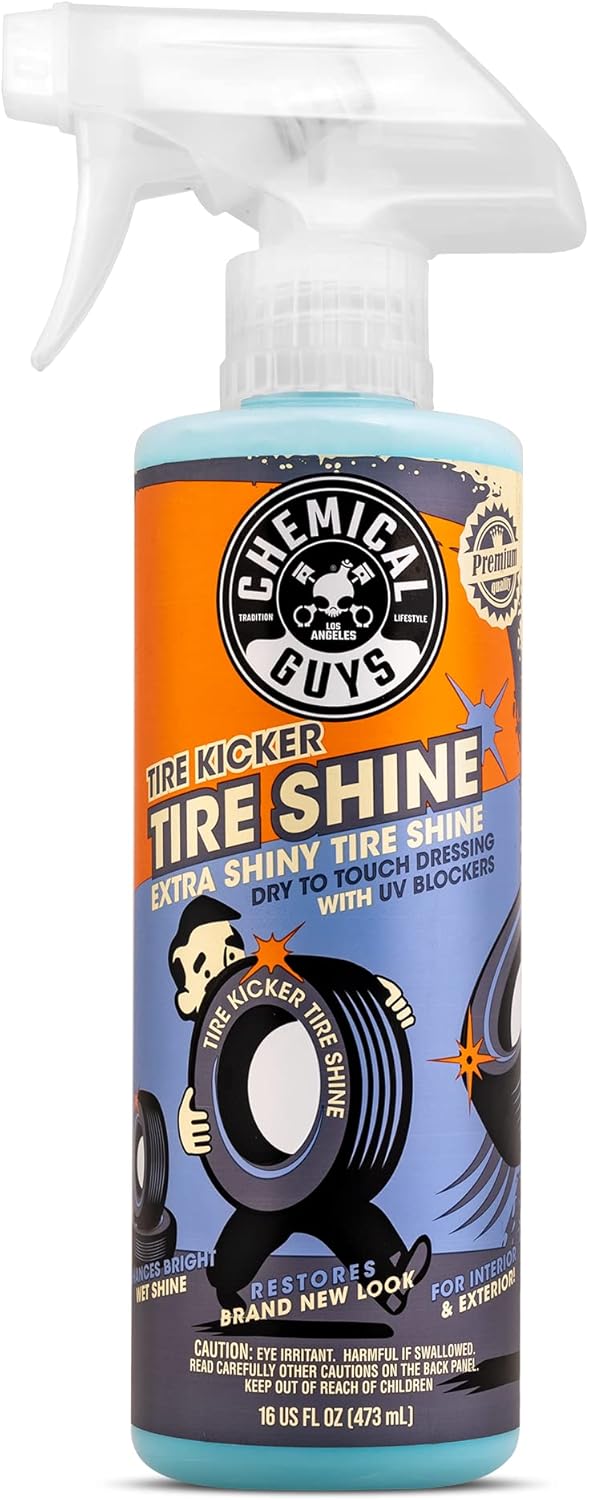
Chemical Guys Tire Kicker Sprayable Extra Glossy Tire Shine restores a deep, wet look on tires, rubber, vinyl, and plastic trim. It delivers a rich showroom shine that enhances color and luster while helping protect against fading, cracking, and discoloration. The spray application dries to the touch with a streak-free finish and no greasy sling, for fast results on cars, trucks, motorcycles, RVs, and boats.

Keep your tires properly inflated with this analog VONDIOR tire pressure gauge, designed for fast, easy readings without batteries. The swiveling, two-axis hose and large glow dial help you measure at any tire angle with instant visibility. Built with a protective rubber shield, it supports durable, low-maintenance use for cars and trucks.

Restore faded, dull tires to a rich black satin finish in minutes with a spray-on, wipe-off formula. Graphene and acrylic polymers create a durable, sling-free coating that resists water and dirt while helping prevent UV-related fading and cracking. Build your preferred look by applying additional layers for sleek satin to showroom gloss.
Regular Maintenance Practices for Tire Longevity
Protecting tires from the sun works best when you combine it with normal tire maintenance. A clean, covered tire can still fail if it is underinflated, overloaded, old, or worn out.
- Check pressure monthly: Measure when tires are cold and include the spare if your vehicle has one.
- Inspect tread monthly: Replace tires at 2/32 inch tread depth or sooner if your driving conditions require more tread.
- Rotate on schedule: Follow the owner’s manual. If recommended, NHTSA notes a common range of 5,000 to 8,000 miles.
- Watch tire age: Check the DOT Tire Identification Number on the sidewall. The last four digits show the week and year of manufacture.
- Check alignment and balance: Vibration, pulling, or uneven wear can shorten tire life.
- Do not overload: Extra load increases heat and stress, especially in hot weather.
Some vehicle and tire manufacturers recommend replacing tires that are six to 10 years old, regardless of treadwear. If you drive an older vehicle, RV, trailer, or low-mileage car, age may matter before tread depth does.
Special Tire Protection Tips for RVs, Trailers, and Spare Tires
RVs, trailers, campers, boat trailers, and spare tires often age differently from daily-driver tires. They may have plenty of tread because they travel fewer miles, but they can still suffer from sunlight, heat, storage, and age.
- Cover parked RV and trailer tires: These tires often sit in one position for long periods.
- Check pressure before every trip: Trailer and RV tires can lose air while stored.
- Inspect both sidewalls: The inside sidewall can crack too, even if the outside looks fine.
- Watch the spare tire: Spare tires age even when they are rarely used.
- Check tire recalls: Use the NHTSA recall lookup tool for tires and vehicle equipment.
- Replace aged tires before long trips: Do not start a long highway trip on cracked, bulging, or questionable tires.
[Products Worth Considering]

This professional wheel and rim brush kit makes it easy to lift brake dust, grime, and dirt from wheels and tires without scratching finishes. The brushes feature soft, metal-free wool heads and a flexible 360-degree rim brush design for reaching hard-to-clean areas. Includes multiple brush types plus accessories for thorough car, motorcycle, and general vehicle detailing.

Accurately measure tire tread depth with a calibrated gauge marked from 0 to 1 inch in 1/32 inch increments. The color-coded bar helps you quickly identify tread condition ranges, supporting safe driving for trucks, motorcycles, automobiles, and passenger vehicles.

Cristal Products Untouchable Tire Shine Spray delivers a deep, wet-look gloss that enhances your vehicle’s tires. It’s quick-drying and spreads smoothly for consistent, streak-free coverage, while forming a protective coating against UV rays, road grime, and weather. Suitable for all tire types, it helps restore dull, faded tires to a showroom-quality finish.
When Protection Is Not Enough
UV protection can slow surface damage, but it cannot make an unsafe tire safe. Replace the tire or get a professional inspection if you notice any of these warning signs:
- Deep sidewall cracks or spreading dry rot
- Bulges, bubbles, or sidewall separation
- Exposed cords or visible internal material
- Tread worn to 2/32 inch
- Repeated pressure loss
- Strong vibration, thumping, or pulling
- Severe uneven wear
- Age beyond the tire or vehicle maker’s recommended service life
If you are unsure, do not guess. Ask a qualified tire technician to inspect the tire. Replacing one questionable tire costs less than dealing with a blowout, vehicle damage, or loss of control.
Common Mistakes to Avoid When Protecting Your Tires
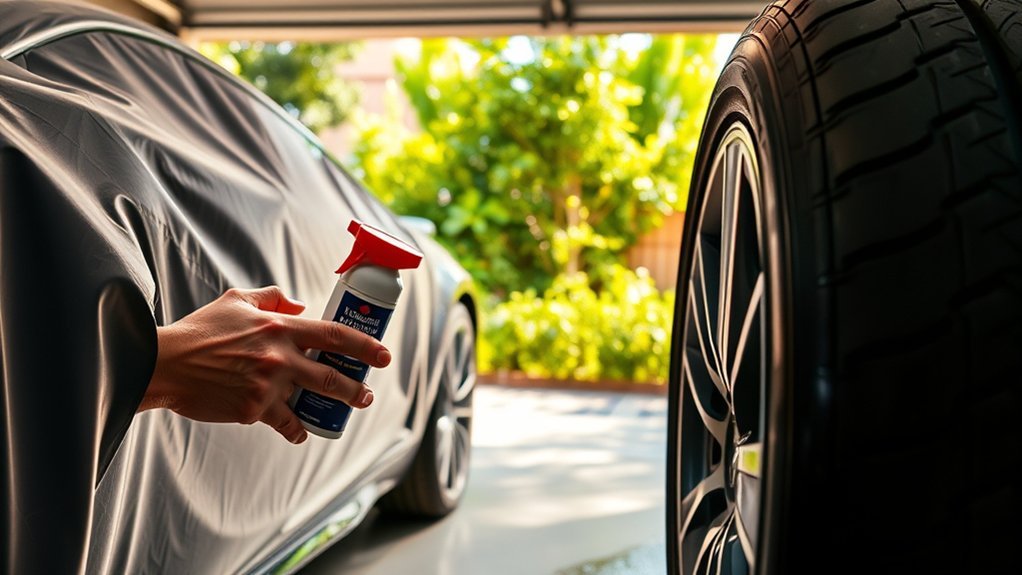
Small mistakes can undo your tire-care routine. Avoid these common problems when you try to protect tires from UV and sun damage.
- Using tire shine on damaged tires: Gloss can hide cracks, but it does not repair the rubber.
- Ignoring the inner sidewall: Damage can appear on the side you do not see from the driveway.
- Applying protectant to tread: This can reduce traction and create a safety risk.
- Skipping pressure checks: Low pressure increases heat and tire flex.
- Leaving tires uncovered during long storage: Direct sun can age parked tires even when the vehicle is not moving.
- Using harsh cleaners: Strong chemicals can dry or stain rubber.
- Trusting tread only: A tire can have usable tread and still be too old, cracked, or damaged.
- Forgetting recalls: Tire recalls and equipment recalls should be checked, especially after buying used tires or a used vehicle.
Frequently Asked Questions
How can I protect my tires from UV damage?
Park in shade when possible, use UV-resistant tire covers during long parking periods, clean tires with mild soap and water, apply a tire-safe UV protectant to clean sidewalls, and keep tire pressure at the vehicle maker’s recommended cold PSI.
Do tire covers really help?
Yes. Tire covers help reduce direct sunlight on the sidewalls, which is useful for RVs, trailers, outdoor spares, and parked vehicles. They do not stop tire aging completely, so you still need pressure checks and visual inspections.
How often should I apply tire protectant?
Follow the product label. Many drivers reapply after washing or every few weeks during heavy sun exposure. Apply it only to clean, dry sidewalls, and wipe off excess product so it does not sling onto paint or wheels.
Can tire protectant fix dry rot?
No. Tire protectant can help protect the surface of healthy rubber, but it cannot repair dry rot, deep cracks, bulges, exposed cords, or internal tire damage. Have damaged tires inspected and replace them when they are unsafe.
How do I know if my tires are too old?
Check the DOT Tire Identification Number on the sidewall. The last four digits show the week and year the tire was made. NHTSA says some vehicle and tire manufacturers recommend replacing tires that are six to 10 years old, regardless of treadwear.
Conclusion
Protecting tires from UV and sun damage starts with simple habits: park in shade, use tire covers, clean the rubber gently, apply a tire-safe UV protectant, and keep every tire properly inflated. These steps help slow surface aging and make inspections easier.
Still, protection has limits. If a tire has deep cracks, bulges, exposed cords, unsafe tread depth, repeated pressure loss, or serious age concerns, replace it instead of trying to dress it up. Safer tires matter more than shinier tires.
Sources
- NHTSA TireWise Tire Safety Guidance — tire pressure, tread depth, tire aging, rotation, and tire-related crash safety data.
- FuelEconomy.gov: Keeping Your Vehicle in Shape — proper tire inflation, fuel economy, tire safety, and tire life guidance.
- NHTSA Recall Lookup — tire, vehicle, and equipment recall search guidance.