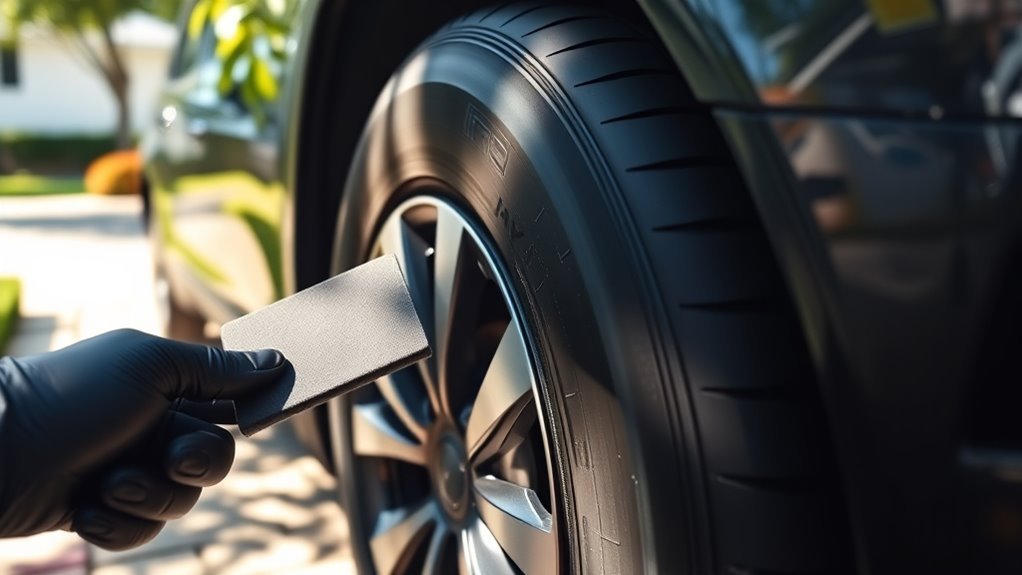
Your RAV4’s tires already contain anti-aging compounds, but sunlight, heat, ozone, underinflation, and long parking periods can still speed up sidewall cracking. The safest routine is simple: inspect the tires first, clean them gently, apply a non-greasy UV protectant to the sidewalls only, and reduce sun exposure with shade or a breathable cover.
Quick Answer
To protect RAV4 tires from UV damage, wash and dry the sidewalls, apply a water-based or petroleum-free UV protectant with a foam applicator, buff away excess, and reapply every 3–5 weeks if the vehicle sits outside. Park in shade when possible, keep tires properly inflated, and replace any tire with deep cracks, bulges, exposed fabric, or worn tread.
Key Takeaways
- UV protectant helps slow sidewall drying, but it does not repair cracked, bulging, or unsafe tires.
- Use a water-based, solvent-free, or petroleum-free tire product and apply it to the sidewalls only.
- Check tire pressure and tread monthly; underinflation and uneven wear can shorten tire life as much as sun exposure.
- Have tires inspected by a professional after about five years of service, and follow the tire maker’s age-limit guidance.
At a Glance
| Time Required | 20–30 minutes, plus drying time |
| Difficulty | Easy |
| Tools Needed | Car soap or tire cleaner, soft brush, microfiber towel, foam applicator, tire gauge, petroleum-free UV protectant |
| Cost | Usually $10–$30 for cleaner and protectant; less per application after the first purchase |
Why Protecting RAV4 Tires From UV Matters
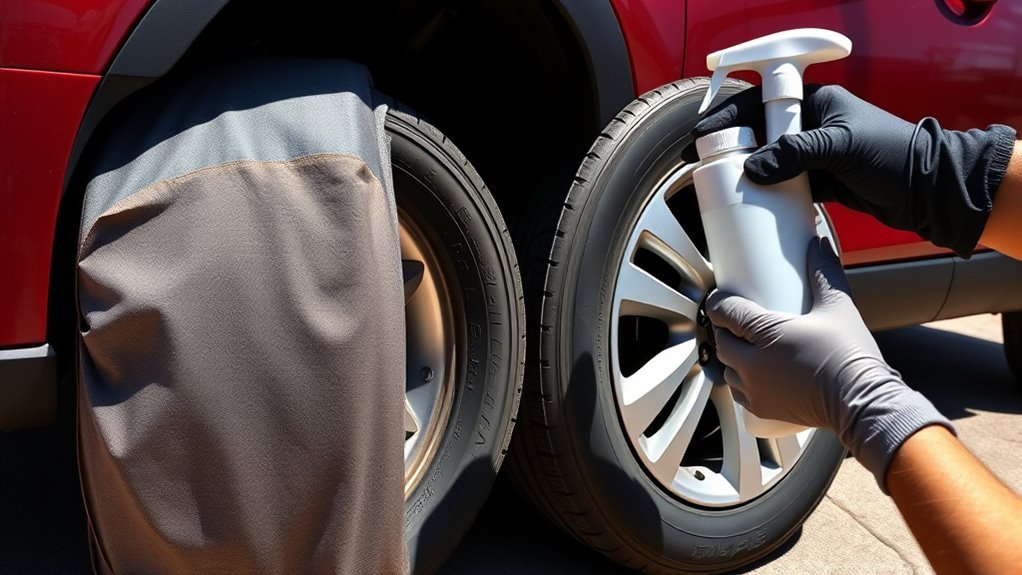
UV rays, heat, ozone, and long outdoor parking can dry and age tire rubber over time. Tire Rack notes that sunlight, heat, ozone, exhaust, and excessive cleaners or dressings can accelerate tire cracking, especially when a vehicle is parked outside for long periods.
That matters because your tires are the only contact points between your RAV4 and the road. According to NHTSA TireWise, poor tire maintenance can contribute to flat tires, blowouts, and tread separation. UV protection is only one part of tire care, but it is a useful step if your RAV4 sits outside in strong sun.
Note: Tire protectant slows cosmetic drying and UV exposure on the sidewall. It does not reverse aging, repair cracks, or make an unsafe tire safe to drive.
Quick Actions: 3 Things to Do Right Now
If your RAV4 is parked outdoors, start with these three steps today.
- Inspect before you clean. Look for cracks, cuts, bulges, exposed cords, uneven wear, and treadwear indicators. If you see serious damage, do not cover it with dressing; get the tire inspected or replaced.
- Wash and dry the sidewalls. Use car soap or a dedicated tire cleaner, rinse well, and dry the rubber completely with a microfiber towel.
- Apply a sidewall-safe UV protectant. Choose a water-based, solvent-free, or petroleum-free product, apply it with a foam pad, and buff away excess so the tire is dry to the touch.
Warning: Keep tire dressing off the tread contact patch, brake rotors, brake calipers, pedals, and the driving surface. A slick residue on the tread can reduce traction.
Inspecting RAV4 Tires: Signs You Must Replace Them
Do a hands-on inspection before applying any protectant. The Toyota RAV4 tire section says tires should be replaced if treadwear indicators are showing or if there is damage such as cuts, splits, cracks deep enough to expose fabric, or bulges that indicate internal damage.
| What You See | What To Do |
|---|---|
| Treadwear indicators are flush with the tread | Replace the tire; NHTSA says tires are not safe when tread reaches 2/32 inch. |
| Deep sidewall cracks, cuts, or exposed fabric | Replace or have inspected immediately; sidewall damage is a safety issue. |
| Bulges, blisters, or bubbles | Do not keep driving on the tire; bulges can indicate internal damage. |
| Uneven wear on one edge or across one tire | Check inflation, rotation history, and alignment; have a tire shop inspect it. |
| Tire is over five years old | Have it professionally inspected at least yearly; many makers recommend replacement by ten years from manufacture. |
To check tire age, look for the DOT Tire Identification Number on the sidewall. The last four digits show the week and year of manufacture. For example, “2524” means the tire was made in the 25th week of 2024. Michelin recommends annual professional inspections after five years of service and replacement at ten years from the manufacture date as a precaution, even if tread remains.
Clean Tires Properly Before Protectant Application
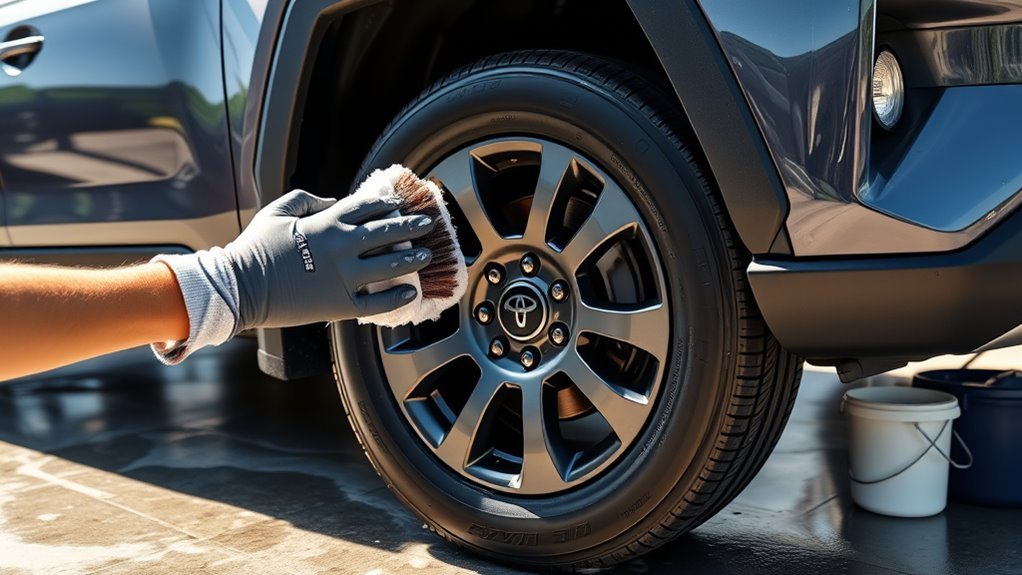
A protectant works best on clean, dry rubber. Dirt, brake dust, old dressing, and road film can block bonding and create streaks.
[Products Worth Considering]

Black Magic Tire Wet delivers a deep wet-look shine that makes tires appear dark, rich, and freshly detailed. Its long-lasting formula helps resist rain, dust, and road grime for weeks of glossy protection, not days. Apply by spraying onto clean, dry tires—no buffing or wiping required—with a low-sling design to reduce splatter on paint and wheels.

Rubber Care delivers a beautiful dark black satin/matte finish on tires and other rubber or plastic surfaces, drying to the touch without oily shine. Its ceramic aircraft-grade formula helps repel dirt and brake dust residue, keeping surfaces cleaner longer. Triple nano ceramic polymer technology provides best-in-industry UV protection, restoring and protecting rubber while also working on weather stripping and de-ice boot care.

This oesee 8-piece wheel care kit helps you clean, scrub, and dry wheels safely with purpose-built brushes and towels. The scratch-free microfiber wheel brush lifts brake dust and grime, while the stiff pro-grip tire brush removes tire browning and embedded dirt. A twist loop microfiber drying towel and an applicator help achieve a streak-free finish and cleaner, more even product application.
Remove Loose Dirt
Start by brushing away loose grit from the sidewalls and tread grooves. Use a soft brush or microfiber cloth so you do not scrape the rubber. Rinse with clean water to remove debris before using any cleaner.
Use Dedicated Tire Cleaner
If the tires have old dressing or brown residue, use a rubber-safe tire cleaner and follow the label directions. Agitate the sidewall with a soft brush, then rinse thoroughly. Avoid harsh solvents and avoid aggressive over-cleaning; excessive cleaners and dressings can remove some of the tire’s built-in anti-aging protection.
Rinse And Dry Thoroughly
Rinse until no cleaner remains, then dry each tire with a microfiber towel. Check lettering, grooves near the sidewall, and the bead area for trapped water. Let the tires air-dry in the shade before applying protectant.
Apply Tire Protectants: Step-by-Step for Lasting UV Defense
Once the tires are clean and dry, use a controlled application method. A foam applicator gives better placement than spraying directly onto the tire.
[Products Worth Considering]

Accurately measure tire tread depth with a calibrated gauge marked from 0 to 1 inch in 1/32 inch increments. The color-coded bar helps you quickly identify tread condition ranges, supporting safe driving for trucks, motorcycles, automobiles, and passenger vehicles.

Measure tyre tread depth precisely with a digital gauge that reads in both MM and inches, helping you monitor safe driving conditions. The large LCD screen is easy to operate, and the compact tool fits for cars, trucks, and motorcycles. It provides high accuracy with a 0-25.4mm range and includes a 1-year warranty for added peace of mind.

P&S Dressed Tire Finish is a premium, water-based tire dressing that delivers a deep, rich high-gloss look without the greasy residue. Its polymer blend is designed to mimic the durability and shine of traditional solvent-based dressings while staying non-hazardous and eco-friendly. Apply with a brush or spray bottle for even coverage and a professional, factory-fresh finish.
Prep Tires Thoroughly
Park in shade and make sure the rubber is cool to the touch. Shake the product if the label requires it. Apply the protectant to a foam applicator pad, not directly onto the tread or wheel. Work on one tire at a time.
Apply Protectant Evenly
Spread a thin, even coat over the outer sidewall. Use overlapping passes around the tire, including raised lettering. Do not apply protectant to the tread face. After a few minutes, buff the sidewall with a clean microfiber towel so the finish is dry, even, and not greasy.
Pro Tip: A low-sheen, dry-to-the-touch finish is usually better for longevity than a wet, greasy shine. Heavy buildup attracts dust and can sling onto paint or wheels.
Maintain Regular Reapplications
Reapply based on exposure and the product label. For example, 303 Automotive Protectant says it provides UV protection for rubber, vinyl, and plastic, leaves a dry natural finish, and should be reapplied every 3–5 weeks for continued protection. McKee’s 37 says its Gloss Tire Gel SiO2 Enhanced is water-based, solvent-free, and contains no petroleum distillates.
Best UV Protectants for RAV4 Tires: What To Look For
The safest product choice is a tire-safe UV protectant that dries cleanly and does not rely on harsh petroleum solvents. Look for these traits:
- Water-based or solvent-free formula: Easier to use cleanly and less likely to leave greasy residue.
- Petroleum-free label: A good choice if you are trying to avoid harsh dressings that can contribute to browning or drying.
- UV and ozone protection: Helpful for RAV4s parked outdoors in high-sun climates.
- Dry-to-the-touch finish: Reduces sling, dust buildup, and mess on wheels and paint.
- Clear application directions: Follow the product label for dwell time, buffing, and reapplication.
303 is a good choice if you want a natural, matte finish. McKee’s 37 SiO2 gel is a good choice if you want a darker semi-gloss look with a water-based, petroleum-free formula. In either case, the product should be used as preventive care, not as a fix for damaged rubber.
[Products Worth Considering]

This VIKING tire shine applicator brush delivers an even, precise tire dressing with ultra-soft, dense bristles that glide over lettering and raised designs. The ergonomic handle makes it comfortable to use across different tire profiles. A matching storage stand is included to protect the bristles and keep your detailing kit organized.

Formula 1 Tire Wax restores dull tires to a rich black look while helping protect against UV damage. Its thick, long-lasting water-resistant gel delivers a high-gloss shine that resists rain and washing. A foam applicator is included for easy, controlled application, and it can also refresh vinyl, rubber, and plastic trim.

Adam’s Pro Tire Hex Grip applicators are molded foam sponges designed for precise, even tire dressing application. The ergonomic grip helps you spread product without overapplying, reducing sling that can splash onto paint and helping keep your hands clean during wheel and trim detailing. They’re durable, washable, and reusable for repeated detailing sessions.
How Often to Reapply by Climate and Parking Type
Reapplication depends on sun, rain, washing, and parking habits. Always follow the specific product label first, then adjust based on exposure.
| Parking / Climate | Suggested Reapplication |
|---|---|
| Outdoor parking in hot, sunny areas | Every 3–4 weeks, or after heavy washing |
| Mixed sun and shade | Every 4–6 weeks |
| Mostly garage-kept | Every 6–8 weeks, or as needed after cleaning |
| After tire cleaner or strong wash soap | Reapply once the tire is clean and fully dry |
Parking, Covers, and Shade: Physical Strategies for RAV4 Tires
Physical protection reduces UV exposure before product even touches the tire. Park in a garage, carport, or shaded area when possible. If your RAV4 sits for days or weeks outdoors, use a breathable vehicle cover or tire covers that block sunlight while letting moisture escape.
- Choose shade first: Garages, carports, and covered parking reduce direct sun and heat buildup.
- Use breathable covers: Avoid trapping moisture against the tires for long periods.
- Move low-mileage vehicles occasionally: Tires on vehicles that sit for long stretches can age even if tread looks good.
- Check the spare: A full-size spare can age too, even if it has never been used.
Trade-Offs: Manufacturer Guidance, Ingredient Risks, and Appearance vs. Longevity
The goal is long tire life and safe driving, not the shiniest possible sidewall. Tire makers build anti-aging compounds into the rubber, but those compounds cannot prevent all damage from age, heat, sunlight, ozone, road hazards, and poor inflation.
| Choice | Best Practice |
|---|---|
| High-gloss dressing | Use sparingly and buff dry to avoid sling and greasy buildup. |
| Water-based protectant | Good for regular UV protection with a cleaner finish. |
| Frequent cleaning | Clean only as needed with tire-safe products; avoid harsh solvents and over-scrubbing. |
| Old or cracked tires | Do not hide damage with dressing; inspect, repair if appropriate, or replace. |
Also keep the basics in your routine: check pressure monthly when tires are cold, rotate tires according to your RAV4 maintenance schedule, and fix alignment issues if you see uneven wear. UV protection helps the sidewall, but pressure, rotation, balance, and alignment are what keep the whole tire working safely.
Frequently Asked Questions
What protects RAV4 tires from UV?
Shade, breathable covers, and a water-based or petroleum-free UV protectant help reduce direct sun damage. The protectant should be applied to clean, dry sidewalls and buffed until it is dry to the touch.
How often should I apply tire UV protectant?
For an outdoor-parked RAV4 in strong sun, every 3–5 weeks is a practical starting point if the product label allows it. Garage-kept vehicles can often go longer. Reapply after strong tire cleaners or heavy washing.
Can tire protectant fix dry rot or cracks?
No. Protectant is preventive care. If a tire has deep cracks, exposed fabric, bulges, blisters, pressure loss, vibration, or tread at the wear indicators, the tire needs professional inspection or replacement.
Should I put tire dressing on the tread?
No. Apply tire protectant to the sidewall only. Keep it off the tread contact patch, brake parts, and driving surface because slick residue can reduce traction.
When are RAV4 tires too old to keep using?
Age limits depend on the tire maker and condition. A good rule is to have tires professionally inspected after about five years of service and follow the tire manufacturer’s maximum age guidance, often around ten years from the manufacture date. Replace sooner for damage, worn tread, or unsafe performance.
Conclusion
Protecting your RAV4’s tires from UV damage comes down to four habits: inspect, clean, protect, and shelter. Wash the sidewalls, let them dry, apply a petroleum-free or water-based UV protectant with a foam pad, and buff the finish dry. Park in shade or use a breathable cover when possible. Most importantly, do not use tire dressing to hide unsafe damage. Cracks, bulges, exposed fabric, worn tread, pressure loss, or vibration are signs to get the tire inspected or replaced.
Sources
- NHTSA TireWise — tire maintenance, tread depth, tire aging, pressure checks, and safety context
- Toyota RAV4 Owner’s Manual tire section — RAV4 tire inspection and replacement signs
- Michelin: When to Replace Tires — professional inspection after five years and ten-year replacement guidance
- Tire Rack: Why Tire Rubber Cracks — sunlight, heat, ozone, storage, and cleaner/dressing effects on cracking
- 303 Automotive Protectant — rubber-safe UV protectant directions and reapplication guidance
- McKee’s 37 Gloss Tire Gel SiO2 Enhanced — water-based, solvent-free, petroleum-free tire protectant details