Quick Answer
To protect your Toyota Tacoma tires from sun damage, park in shade when possible, use snug UV-resistant tire covers for long outdoor parking, clean the sidewalls, apply a tire-safe UV protectant only to the sidewalls, and inspect pressure, tread, cracks, bulges, and tire age every month.
Key Takeaways
- Sunlight, warm climates, poor storage, and poor maintenance can all contribute to tire aging.
- Use the Tacoma’s driver-side doorjamb Tire and Loading Information Label or your owner’s manual for the correct cold tire pressure.
- Tire covers help most when your Tacoma sits outdoors for days or weeks at a time.
- A tire protectant may help protect clean sidewalls, but it cannot repair cracking, dry rot, bulges, or old rubber.
- Replace tires when tread reaches 2/32 inch, or sooner if you see serious cracks, exposed cords, bulges, vibration, or repeated pressure loss.
At a Glance
| Time Required | 10 minutes for a monthly inspection, or 20 to 30 minutes if you wash the tires and apply protectant. |
| Difficulty | Easy. No mechanical work is needed unless damage is found. |
| Tools Needed | Tire pressure gauge, mild soap, water, soft brush, microfiber towel, tread depth gauge or penny, UV-resistant tire covers, and tire-safe sidewall protectant. |
| Cost | Varies by covers and protectant. Basic inspection costs nothing if you already own a tire gauge. |
Why Sun Protection Matters for Tacoma Tires
Your Tacoma may spend long hours in a driveway, worksite, trailhead lot, campsite, or storage area. During that time, sunlight and heat can slowly age the rubber. According to NHTSA TireWise, tire aging happens as rubber and other tire components change over time due to service, storage, and environmental conditions. NHTSA also notes that sunlight, warmer climate, poor storage, and poor maintenance can contribute to tire aging.
That is why tire care should include more than washing dirt off the tread. You need to manage sun exposure, keep air pressure correct, rotate tires on schedule, check tread depth, and look closely at the sidewalls. A clean, shaded, properly inflated tire usually has a better chance of lasting safely than a dirty, underinflated tire that sits uncovered in direct sun for weeks.
NHTSA reported 511 deaths in tire-related crashes in 2024, which is a reminder that tire care is a safety task, not just a cosmetic detail.
How Sunlight and Heat Age Tire Rubber
Sun exposure does not damage every tire at the same speed. Age, rubber compound, climate, tire pressure, vehicle load, parking surface, and maintenance habits all matter. Still, long exposure to UV rays and heat can dry the sidewall surface, fade the rubber, and make small cracks easier to spot over time.
Common Signs of Sun-Damaged Tires
- Small hairline cracks on the sidewall or between tread blocks.
- Gray, faded, or chalky-looking sidewalls.
- Rubber that looks dry even after cleaning.
- Cracks around raised lettering or near the bead area.
- Bulges, bubbles, exposed cords, or repeated air loss.
Warning: Do not rely on tire shine or protectant to “fix” cracks, bulges, exposed cords, vibration, or pressure loss. Have the tire inspected by a qualified tire professional and replace it if it is unsafe.
Why Parked Tacomas Need Extra Care
A Tacoma that sits outside for long periods can age differently from one driven daily. When tires sit in one position, the same sidewall area may face sun and heat day after day. If the truck is also underinflated or parked on hot pavement, the rubber and casing deal with extra stress. That is why monthly inspections matter even when the tread still looks deep.
Best Parking Strategies for Your Toyota Tacoma Tires
The easiest way to reduce sun damage is to control where your Tacoma sits. You do not need a perfect garage setup, but a few parking habits can lower daily UV and heat exposure.
- Choose shade when you can: Park under a carport, tree shade, garage, or building shadow when it is safe and practical.
- Avoid long-term parking on hot pavement: Asphalt holds heat. If your Tacoma is stored for a while, a cooler, shaded surface is better.
- Turn the truck occasionally during long storage: If one side always faces afternoon sun, repositioning the vehicle can reduce uneven exposure.
- Keep tires properly inflated: Use the cold PSI listed on your Tacoma’s driver-side doorjamb label or in the owner’s manual, not the maximum pressure printed on the tire sidewall.
- Use covers for outdoor storage: Covers are especially useful if the truck sits outside for several days, weeks, or months.
For model-specific pressure and tire-size information, use your Tacoma’s Tire and Loading Information Label and the Toyota owner’s manual. Toyota provides model manuals through its Toyota Manuals and Warranties page.
[Products Worth Considering]

The Chemical Guys Gerbil Wheel & Rim Brush is designed to safely clean wheels, rims, exhaust tips, tires, and engine bay components without scratching delicate finishes. Its soft natural bristles help lift brake dust, grime, and buildup while conforming to tight spaces and intricate contours. A comfort grip handle delivers control for extended detailing sessions.

This oesee 8-piece wheel care kit helps you clean, scrub, and dry wheels safely with purpose-built brushes and towels. The scratch-free microfiber wheel brush lifts brake dust and grime, while the stiff pro-grip tire brush removes tire browning and embedded dirt. A twist loop microfiber drying towel and an applicator help achieve a streak-free finish and cleaner, more even product application.

These aluminum alloy tire valve stem caps with an O-ring seal help protect valve stems from corrosion while adding a clean, stylish look to your vehicle. The universal fit works across cars, trucks, motorcycles, bicycles, and more, making them an easy upgrade for everyday driving and off-road use. Installation is quick, and the included four-pack keeps all your tires dressed and protected.
How to Use Tire Covers the Right Way
Tire covers are simple, but fit and material matter. Look for covers sized for your tire diameter, not just the vehicle model. A Tacoma with factory tires, aftermarket all-terrain tires, or larger off-road tires may need a different cover size.
- Choose UV-resistant material: Vinyl, polyester, or coated outdoor fabric can help block sunlight.
- Use a snug fit: Loose covers can flap in wind and expose part of the tire.
- Avoid trapping moisture: Covers should protect from sun and rain, but the tire should be clean and dry before you cover it.
- Cover all exposed tires: Do not protect only the side that faces the street if the other side also gets direct sun.
- Clean the covers: Wash dirt off the covers so grit does not rub against the sidewall.
- Replace worn covers: Cracked, torn, or brittle covers cannot block sun reliably.
Pro Tip: If your Tacoma has oversized tires, measure the tire’s outside diameter before buying covers. The size molded on the sidewall helps, but an actual measurement gives you a better fit.
[Products Worth Considering]
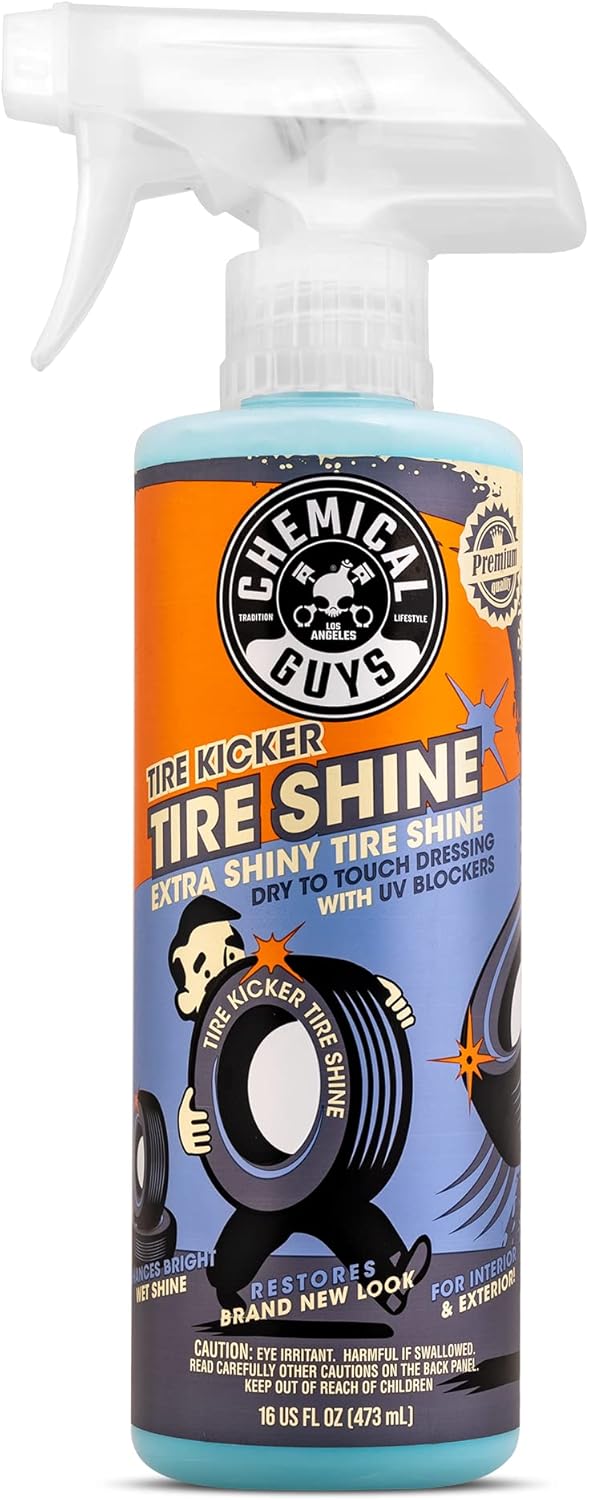
Chemical Guys Tire Kicker Sprayable Extra Glossy Tire Shine restores a deep, wet look on tires, rubber, vinyl, and plastic trim. It delivers a rich showroom shine that enhances color and luster while helping protect against fading, cracking, and discoloration. The spray application dries to the touch with a streak-free finish and no greasy sling, for fast results on cars, trucks, motorcycles, RVs, and boats.

Black Magic Tire Wet delivers a deep wet-look shine that makes tires appear dark, rich, and freshly detailed. Its long-lasting formula helps resist rain, dust, and road grime for weeks of glossy protection, not days. Apply by spraying onto clean, dry tires—no buffing or wiping required—with a low-sling design to reduce splatter on paint and wheels.

Cristal Products Untouchable Tire Shine Spray delivers a deep, wet-look gloss that enhances your vehicle’s tires. It’s quick-drying and spreads smoothly for consistent, streak-free coverage, while forming a protective coating against UV rays, road grime, and weather. Suitable for all tire types, it helps restore dull, faded tires to a showroom-quality finish.
Clean Tires Before Applying Protectant
A protectant works best on a clean sidewall. If you apply it over brake dust, mud, salt, or old dressing, it may streak, sling, or fail to bond evenly.
- Rinse loose dirt from the tire and wheel area.
- Scrub the sidewalls with mild soap, water, and a soft brush.
- Rinse until no cleaner remains.
- Dry the sidewalls with a microfiber towel.
- Inspect for cracks, bulges, cuts, exposed cords, and uneven wear before applying anything.
Do not use harsh solvents, gasoline, degreasers not labeled for tires, or abrasive pads on the sidewall. If a tire already shows serious cracking, cleaning and dressing it will not make it safe.
How to Pick the Best Tire Protectant for Your Tacoma
A good tire protectant should be made for automotive tire sidewalls, easy to apply evenly, and safe for rubber when used as directed. It should also dry without leaving a greasy film that slings onto paint or wheels.
[Products Worth Considering]

Measure tyre tread depth precisely with a digital gauge that reads in both MM and inches, helping you monitor safe driving conditions. The large LCD screen is easy to operate, and the compact tool fits for cars, trucks, and motorcycles. It provides high accuracy with a 0-25.4mm range and includes a 1-year warranty for added peace of mind.

These ultra-soft microfiber applicator pads apply wax, sealants, dressings, and conditioners with smooth, even coverage while helping protect delicate finishes from streaks and marring. The plush microfiber wrapped around a flexible foam core promotes consistent product distribution across curves and contours, and the ergonomic grip reduces hand fatigue during longer sessions. Reusable and machine washable, they’re ideal for both interior and exterior detailing uses such as tire dressing, leather conditioner, trim restorer, and interior protectants.

Measure tire tread depth quickly and accurately with this LUMITECO dial gauge that reads in 1/32" increments up to 14/32". The color-coded green/yellow/red zones make it easy to judge tire wear and know when replacement is needed. A rugged, compact design with a protective pouch helps keep the gauge ready for use on cars, trucks, motorcycles, and more.
Key Ingredients to Consider
Look for a tire-specific product with UV protection or polymer protection on the label. Water-based formulas are often easier to control and leave a cleaner finish than heavy, oily dressings. A satin or matte finish is usually better for a daily-driven Tacoma because it attracts less dust and looks closer to clean factory rubber.
- UV protection: Helps reduce surface drying from sunlight.
- Rubber-safe formula: The label should clearly say it is safe for tires.
- Non-greasy finish: Reduces sling and dust buildup.
- No tread application: The product should be used only where the label allows.
Application Methods Explained
Sprays are quick, but they can overspray onto wheels, brake parts, or pavement. Gels and applicator pads give you more control. For most Tacoma owners, the safest method is to spray the product onto an applicator pad, wipe it onto the sidewall, and remove excess with a towel.
Warning: Never apply tire protectant to the tread, brake rotors, brake pads, pedals, or any surface that needs traction. Wipe off overspray immediately.
Recommended Brands to Try
Common tire-care brands include Meguiar’s, Chemical Guys, 303, Armor All, Griot’s Garage, and Mothers. The brand matters less than using the right type of product correctly. Choose a tire-specific protectant, follow the label, avoid heavy buildup, and reapply only after washing or when the sidewall begins to look dry again.
Regular Maintenance Practices to Prevent Dry Rot
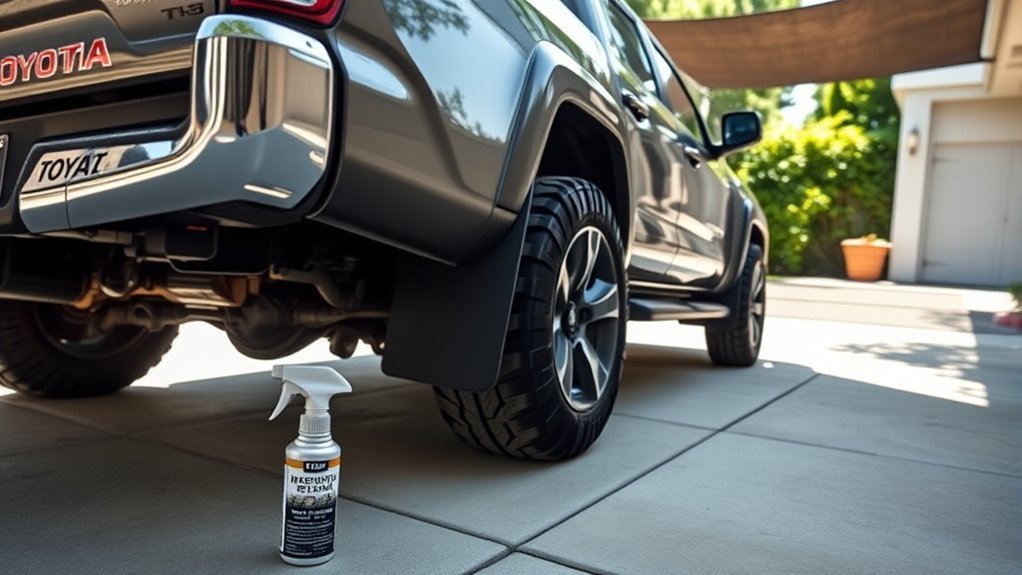
Dry rot prevention is really a tire-care routine. NHTSA recommends monthly maintenance inspections that focus on inflation pressure, treadwear, tire damage, tire rotation, balancing, and alignment services. It also recommends checking tire pressure at least once a month when the tires are cold, meaning the vehicle has not been driven for at least three hours.
- Check cold tire pressure monthly: Use the Tacoma’s doorjamb label or owner’s manual for the correct PSI.
- Check the spare: A neglected spare can age even if it has never touched the road.
- Inspect tread depth: NHTSA says tires should be replaced when tread is worn to 2/32 inch.
- Look for sidewall damage: Cracks, cuts, bulges, bubbles, exposed cords, and pressure loss need professional attention.
- Rotate tires on schedule: NHTSA says to check your owner’s manual, and if the manufacturer recommends rotation, rotate every 5,000 to 8,000 miles or sooner if uneven wear appears.
- Watch for alignment issues: Uneven shoulder wear, pulling, vibration, or a crooked steering wheel can shorten tire life.
Note: A Tire Pressure Monitoring System is helpful, but it is not a substitute for monthly pressure checks. NHTSA says TPMS warnings appear only when a tire is significantly underinflated.
How to Identify Sun Damage on Your Tires
Start with the sidewalls because that is where dry cracking is easiest to see. Park in good light, turn the front wheels slightly, and inspect both the outer and inner sidewalls if you can do so safely. Do not forget the rear tires and spare.
Use this quick inspection list:
- Hairline surface cracks: Small cosmetic cracks may only need monitoring, but they should not be ignored.
- Deep cracks: If cracks are deep, spreading, or opening up, have the tire inspected.
- Cracks near the bead: Damage close to the wheel rim deserves extra attention.
- Bulges or bubbles: Stop driving on that tire and get it replaced or professionally inspected.
- Exposed cords: Replace the tire immediately.
- Repeated pressure loss: Do not keep refilling without finding the cause.
- Vibration or thumping: Have the tire and wheel checked before driving at highway speed.
You should also check the DOT Tire Identification Number on the sidewall. The last four digits show the week and year the tire was made. For example, 3023 means the tire was made in the 30th week of 2023. NHTSA says some vehicle and tire manufacturers recommend replacement at six to ten years regardless of treadwear, so use the tire maker’s guidance and your Tacoma’s owner materials when judging older tires.
Rotation, Pressure, and Tread Checks for Optimal Performance
Sun protection helps the rubber surface, but tire life also depends on pressure, tread depth, rotation, balance, and alignment. FuelEconomy.gov says keeping tires inflated to the proper pressure can improve gas mileage and that properly inflated tires are safer and last longer. It also warns not to use the maximum pressure printed on the tire sidewall as the vehicle’s proper pressure.
For a Tacoma, the correct pressure depends on tire size, load, model year, and configuration. Always start with the driver-side doorjamb label or the owner’s manual. Check pressure when the tires are cold. If you have been driving, wait at least three hours when possible before taking the reading.
For tread, use a tread depth gauge or the penny test. Place a penny into the tread groove with Lincoln’s head upside down and facing you. If you can see the top of Lincoln’s head, the tread is too low and the tire should be replaced. A gauge is more precise, especially if you tow, haul, drive in heavy rain, or use all-terrain tires off-road.
Frequently Asked Questions
How do I prevent sun damage to my Tacoma tires?
Park in shade when possible, use UV-resistant tire covers for long outdoor parking, clean the sidewalls, apply a tire-safe protectant only to the sidewalls, and inspect tire pressure, tread, cracks, bulges, and age every month.
What can I spray on my tires to keep them from cracking?
Use a tire-specific, rubber-safe UV protectant or dressing. Apply it to clean, dry sidewalls with an applicator pad, then wipe away excess. Do not spray protectant on the tread or brake parts, and do not expect any product to repair existing dry rot.
Are tire covers worth it for a Toyota Tacoma?
Yes, tire covers are worth using if your Tacoma sits outside for long periods. They are most useful for storage, camping setups, spare tires, driveway parking, and trucks that get strong afternoon sun on the same side every day.
How often should I check Tacoma tires for dry rot?
Check them at least once a month, and check sooner after long sun exposure, storage, towing, off-road driving, or a sudden TPMS warning. Look at both sidewalls, tread grooves, and the spare tire if your Tacoma has one.
When should sun-damaged tires be replaced?
Replace tires when tread reaches 2/32 inch, or sooner if you see deep sidewall cracks, bulges, exposed cords, separation, vibration, or repeated pressure loss. Also check the DOT date code and follow the tire maker’s age limit.
Conclusion
Protecting your Toyota Tacoma tires from sun damage comes down to simple habits done consistently. Park in shade when you can, use UV-resistant covers for long outdoor parking, keep the sidewalls clean, apply tire-safe protectant correctly, and check cold pressure, tread depth, cracking, and tire age every month. If you find deep cracks, bulges, exposed cords, vibration, or repeated pressure loss, skip the cosmetic fix and get the tire inspected or replaced.
Sources
- NHTSA TireWise — tire pressure, tread depth, tire aging, rotation, TPMS, and tire-related crash safety data.
- FuelEconomy.gov: Keeping Your Vehicle in Shape — proper tire inflation, fuel economy, and using the vehicle placard instead of the tire sidewall maximum.
- Toyota Manuals and Warranties — model-specific Toyota owner’s manuals and warranty information.