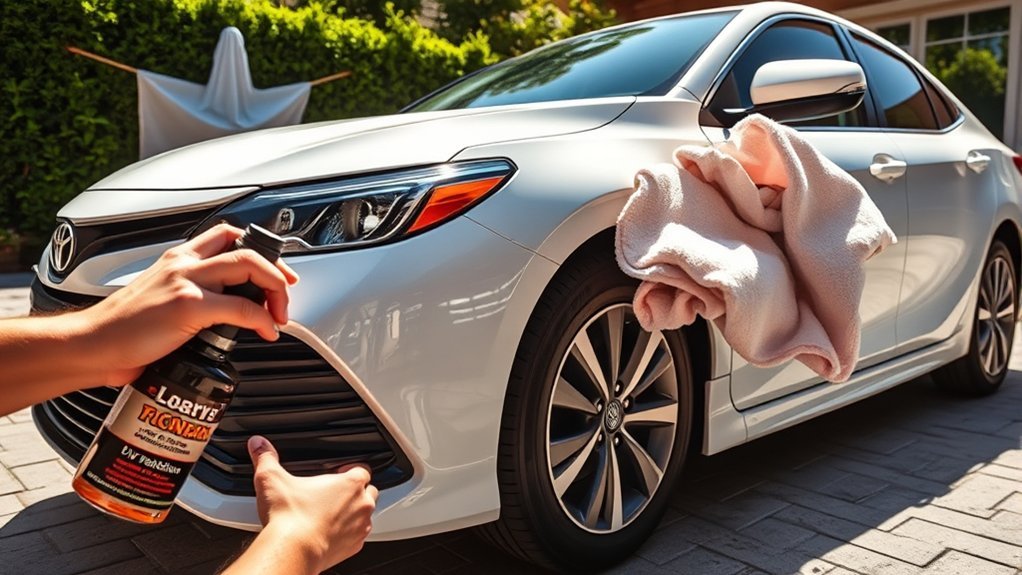
Toyota Camry tires can crack faster when they sit in strong sun, hot pavement, low air pressure, or poor storage conditions. UV rays are only one part of the problem: heat, ozone, age, underinflation, road damage, and long periods of sitting all speed up rubber aging. The best protection is a simple routine: keep the tires clean, check cold pressure monthly, inspect the sidewalls and tread, use tire-safe UV protection on the sidewalls only, and replace damaged or aged tires before they become unsafe.
Quick Answer
To protect Toyota Camry tires from UV damage and cracking, park in shade when possible, keep tires inflated to the cold PSI on the driver-door placard, clean sidewalls with mild soap, apply a tire-safe UV protectant only to dry sidewalls, and inspect tread, cracks, bulges, and tire age monthly.
Key Takeaways
- UV rays, heat, ozone, underinflation, and age all contribute to tire cracking and dry rot.
- Check tire pressure monthly when the tires are cold; do not rely only on the TPMS warning light.
- Use tire protectant only on clean, dry sidewalls. Never apply it to the tread, brake parts, or wet tires.
- Replace tires at 2/32 inch tread depth, when wear bars show, or sooner if you see deep cracks, bulges, exposed cords, repeated air loss, or vibration.
- Check the DOT date code. Many tire and vehicle makers recommend professional inspection after about five years and replacement by 10 years, even if tread remains.
At a Glance
| Time Required | 10–20 minutes per month, plus a few extra minutes after washing the car |
| Difficulty | Easy for basic checks; use a tire professional for deep cracks, bulges, vibration, air loss, or uncertain damage |
| Tools Needed | Tire pressure gauge, tread-depth gauge or penny, mild car-wash soap, soft brush, microfiber towel, tire-safe UV protectant, and tire covers for long parking |
| Cost | About $0–$35 for DIY checks and protectant; more if a shop inspection, alignment, rotation, repair, or replacement is needed |
Tire Maintenance Tips for Longevity
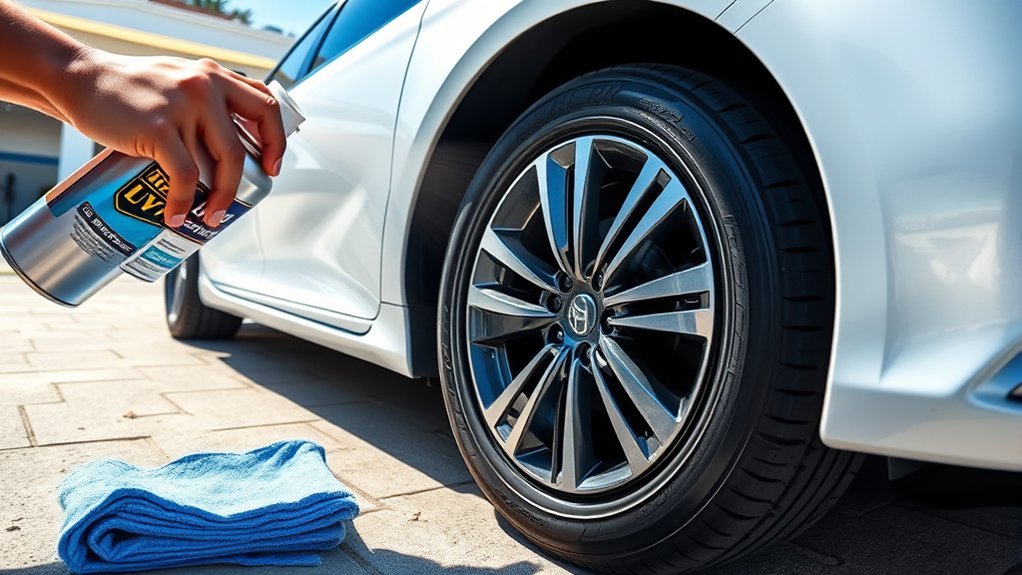
The most effective way to prevent tire cracking is to combine UV protection with basic tire maintenance. Start with the items that affect safety first: pressure, tread, rotation, alignment, visible damage, and tire age.
Check your Camry’s tire pressure at least once a month when the tires are cold, meaning the car has not been driven for at least three hours. Use the PSI listed on the Tire and Loading Information label on the driver-side door area or in your owner’s manual, not the maximum PSI molded into the tire sidewall. The National Highway Traffic Safety Administration notes that TPMS warnings are not a substitute for monthly pressure checks because the warning usually appears only after a tire is significantly underinflated.
Rotate the tires according to your Camry’s maintenance schedule and tire wear. For many passenger vehicles, NHTSA lists 5,000 to 8,000 miles as a common rotation range when the vehicle manufacturer recommends rotation. Toyota’s Camry tire guidance also tells owners to replace or rotate tires according to the maintenance schedule and treadwear.
- Monthly: Check cold pressure, tread depth, sidewall cracks, bulges, embedded objects, uneven wear, and valve stems.
- At each wash: Clean tire sidewalls with mild soap and water; avoid harsh solvents.
- After cleaning: Apply a tire-safe UV protectant to dry sidewalls only, following the product label.
- At service visits: Ask for rotation, balancing, alignment checks, and a professional tire inspection if wear looks uneven.
- Before long trips: Recheck pressure, tread, cracks, and the spare tire or tire-repair kit if your Camry is equipped with one.
Note: A tire can look normal and still be underinflated. Always use a pressure gauge instead of judging by appearance.
[Products Worth Considering]

Accurately measure tire tread depth with a calibrated gauge marked from 0 to 1 inch in 1/32 inch increments. The color-coded bar helps you quickly identify tread condition ranges, supporting safe driving for trucks, motorcycles, automobiles, and passenger vehicles.

Monitor tire tread wear with a smart, color-coded depth gauge that shows clear condition ranges at a glance. The bar is range marked for fast, easy readings, helping you maintain safer traction and performance. Each gauge is portable with a pocket clip, and the set includes 20 units for daily use and sharing.

Steelman white tire marking crayons provide high-contrast, semi-permanent marks for repairing and inspecting tires and equipment. They write on wet or dry, smooth or coarse surfaces including rubber, metal, glass, and wood, making them ideal for puncture location and damage outlining. The lead- and zinc-free crayons resist weather and fading yet wipe away when you no longer need the marks.
How UV Rays Affect Your Tires
UV rays break down exposed rubber over time, but they rarely act alone. Tire aging is affected by sunlight, heat, storage conditions, use, pressure, load, speed, impacts, and maintenance. A Camry parked outside every day in a hot, sunny climate will usually age its tire sidewalls faster than one parked in a garage.
UV Radiation Effects
Sun exposure can make tire rubber lose flexibility and develop weather checking, which appears as small surface cracks on the sidewall or tread grooves. Light surface checking may not mean immediate failure, but it should be watched closely because cracks can deepen with heat, age, and continued use.
| Effect | What It Means |
|---|---|
| Fading or chalking | The sidewall may look dull, gray, or dry from weather exposure. |
| Fine surface cracks | Early weather checking; inspect often and reduce sun exposure. |
| Deep sidewall cracks | A safety concern that needs professional inspection or replacement. |
| Uneven wear | Often linked to pressure, alignment, suspension, or rotation issues. |
| Bulges or exposed cords | Stop driving on that tire and have it replaced. |
NHTSA reported 511 deaths in tire-related crashes in 2024, which is why pressure, tread, age, and damage checks should be treated as safety maintenance, not just appearance care.
Aging and Deterioration Factors
Cracking becomes more likely when a tire is exposed to several stressors at once. For Camry owners, the most common aging factors are outdoor parking, hot pavement, low tire pressure, long periods without driving, overloading, pothole impacts, harsh cleaners, and storage near heat or ozone-generating equipment.
- Sun and heat: Park in shade, a garage, or a carport when possible.
- Ozone: Keep stored tires away from electric motors, generators, battery chargers, and welding equipment.
- Underinflation: Low pressure increases heat and stress while driving.
- Long parking: Tires can develop flat spots and age faster when the vehicle sits in one position for long periods.
- Harsh chemicals: Petroleum-based products and strong solvents can damage rubber compounds.
Signs of Cracking and Deterioration in Tires
Inspect all four tires in good light. Turn the steering wheel left and right so you can see the front tire sidewalls more clearly. Look at the outer sidewall, inner sidewall, tread grooves, shoulder area, and valve stems.
Small hairline cracks on the outer sidewall can be early weather checking. They are a warning sign to protect the tires better and inspect more often. Deep cracks, cracks that expose fabric or cords, bulges, cuts, repeated air loss, vibration, or a tire that looks distorted are more serious and need immediate professional attention.
- Replace or inspect immediately: Bulges, exposed cords, deep sidewall cracks, tread separation, or a tire that will not hold air.
- Monitor closely: Fine surface checking, fading, rough texture, or small cracks that do not reach deep into the rubber.
- Check tread depth: Tires are unsafe at 2/32 inch tread depth. Wear bars level with the tread mean replacement time.
- Watch driving feel: New vibration, pulling, thumping, or noise can point to internal damage or uneven wear.
Warning: Do not keep driving on a tire with a bulge, exposed cords, deep sidewall cracking, sudden pressure loss, or severe vibration. Use the spare or roadside assistance if needed and have the tire inspected before driving normally.
Effective UV Protection Strategies to Prevent Tire Damage
The best UV protection strategy is simple: reduce sun exposure, keep the rubber clean, maintain correct pressure, and avoid products that leave slick residue where traction is needed.
- Park out of direct sun when practical. A garage, carport, shaded driveway, or covered parking space reduces heat and UV exposure.
- Use tire covers for long outdoor parking. Covers are especially helpful if the Camry sits for weeks at a time.
- Wash sidewalls gently. Use mild car-wash soap, water, and a soft brush. Rinse well and dry before applying any protectant.
- Apply protectant only where it belongs. Put tire-safe UV protectant on the sidewall, not the tread, brake rotors, pedals, driveway, or garage floor.
- Wipe off excess. A thin, even coat is safer and cleaner than a glossy, wet layer that can sling onto paint or collect dirt.
- Drive the car regularly if stored. Occasional movement helps reduce flat spotting and keeps the tire from sitting on the same contact patch.
Pro Tip: Put a recurring monthly reminder on your phone for “Camry tires: pressure, tread, cracks, age.” It takes only a few minutes and catches most problems early.
[Products Worth Considering]

Measure tire tread depth quickly and accurately with this LUMITECO dial gauge that reads in 1/32" increments up to 14/32". The color-coded green/yellow/red zones make it easy to judge tire wear and know when replacement is needed. A rugged, compact design with a protective pouch helps keep the gauge ready for use on cars, trucks, motorcycles, and more.

The Kurgo Seasonal Tire Tote helps protect your car interior, clothes, and garage from tire grime, brake dust, and residue during seasonal tire changes. Its universal design fits most passenger tires between 22" and 31" in diameter, making storage and transport simpler with less mess. Built for rugged, repeated use, it’s machine washable for easy care and comes with a lifetime warranty.

This oesee 8-piece wheel care kit helps you clean, scrub, and dry wheels safely with purpose-built brushes and towels. The scratch-free microfiber wheel brush lifts brake dust and grime, while the stiff pro-grip tire brush removes tire browning and embedded dirt. A twist loop microfiber drying towel and an applicator help achieve a streak-free finish and cleaner, more even product application.
Choosing Tire Protectants for UV Defense
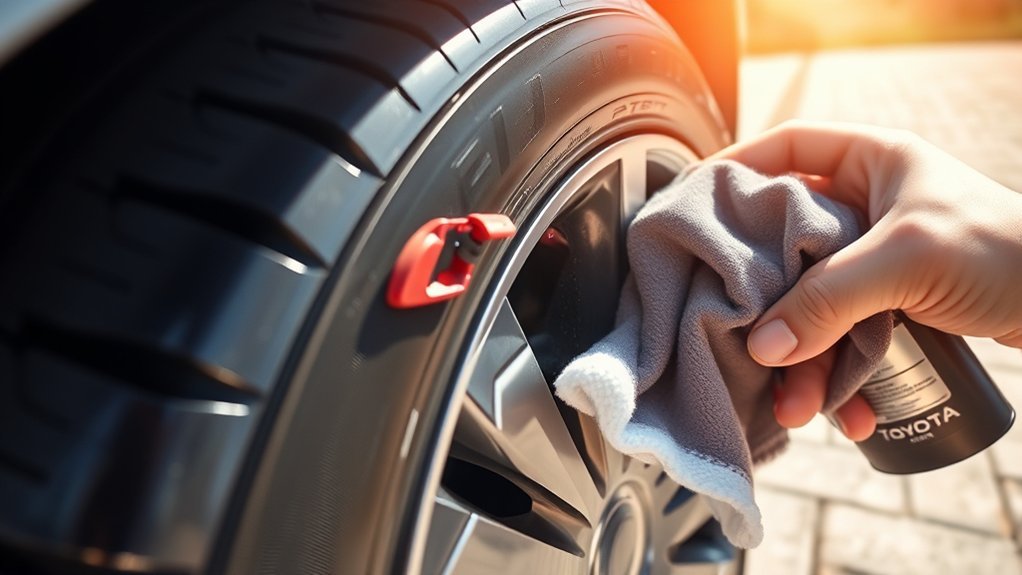
A tire protectant should be treated as a sidewall-care product, not a repair for old or damaged tires. It can improve appearance and add UV protection when used correctly, but it cannot reverse deep dry rot, structural damage, age-related weakness, or unsafe tread wear.
Choose a product that is labeled safe for rubber tires and UV protection. A water-based or non-greasy formula is usually easier to control than a heavy, oily dressing. For example, 303 Automotive Protectant is labeled by its manufacturer for rubber, vinyl, plastic, tires, and weather seals. Other products can also work if the label clearly allows tire sidewall use.
- Use on sidewalls only: Never coat the tread because it can reduce grip.
- Apply to dry tires: Wet rubber prevents even bonding and can dilute or streak the product.
- Use a foam applicator: This gives better control than spraying directly near brakes or tread.
- Avoid buildup: Wash old dressing off before reapplying.
- Follow the label: Reapplication timing depends on the product, weather, washing, and parking conditions.
[Products Worth Considering]

This TPMS relearn tool helps you quickly activate, match, and reset GM tire pressure sensors to keep the vehicle monitoring system working properly. It clears tire pressure alarms and dashboard warning lights after sensor replacement or tire rotation, and supports learning for common 315/433 MHz TPMS sensors. Designed for simple one-button operation, it can help you avoid unnecessary trips to repair shops.

The Big Rig Defense Tire Thumper is a truck tire pressure checker that lets you quickly check multiple tires by giving them a firm whack. Listen for a reassuring thump and feel the stick bounce when a tire is fully inflated, helping you get back on the road safely. It features a comfortable, glove-friendly handle and a secure wrist strap for confident use on busy routes.

The SAFELIFE dial tire tread depth gauge measures tread depth in 1/32 inch increments with clear, easy-to-read 2-inch dial face. Color zones using a traffic light system help you quickly judge whether tread is low, marginal, or ample for safer driving. Built with a durable zinc cast body and a metal detect probe for precise, comfortable use across cars, motorcycles, trucks, and buses.
Storage Tips to Shield Tires From Damage
Storage matters most when your Camry sits for long periods or when you store an extra wheel-and-tire set. The U.S. Tire Manufacturers Association recommends storing tires in a clean, dry, cool, well-ventilated place and keeping them away from heat, direct sunlight, petroleum-based products, solvents, and ozone-generating sources.
Use Tire Covers
Tire covers help block sunlight and reduce dirt buildup during long outdoor parking. Choose covers that fit securely and allow the tire area to stay reasonably dry. If moisture gets trapped under a cover, remove it, clean the tire, and let everything dry before covering again.
- Use covers when parking outside for weeks or months.
- Clean tires before covering them.
- Make sure covers fit the full sidewall area.
- Remove covers occasionally to inspect for moisture, pests, or cracking.
Store In Shade
If you cannot park indoors, shade still helps. A covered parking spot, carport, or shaded driveway can reduce direct UV exposure and tire temperature. For seasonal or long-term storage, avoid bare soil, standing water, oily garage floors, and areas near chemicals or electrical equipment.
If the vehicle will sit for a long time, inflate the tires to the vehicle-recommended cold pressure, avoid overloading the car, and move it occasionally when safe. If a tire looks flattened, cracked, or low after storage, inspect it before driving.
How to Check Tire Age With the DOT Code
Tread depth is not the only replacement factor. Tires age even when the car is rarely driven. To find the tire’s age, look for the DOT Tire Identification Number on the sidewall. The last four digits show the week and year the tire was made. For example, a code ending in 2521 means the tire was made in the 25th week of 2021.
NHTSA says some vehicle and tire manufacturers recommend replacing tires that are six to 10 years old regardless of treadwear. Bridgestone recommends professional inspection after five years and replacement when a tire reaches 10 years from its manufacturing date, including the spare. Always follow the tire manufacturer, Toyota owner information, and your tire professional’s inspection results.
Indicators That It’s Time to Replace Your Tires
Replace your Camry tires when they no longer meet safety standards, even if they still look “good enough” from a distance. A tire’s job is traction, load support, heat control, and stability. Once cracking, age, wear, or damage compromises those jobs, appearance no longer matters.
- Tread is at 2/32 inch: NHTSA says tires are not safe at this depth.
- Wear bars are flush: Built-in treadwear indicators show the tire is worn out.
- Cracks are deep or spreading: Especially on sidewalls or near the bead.
- Bulges or bubbles appear: This can indicate internal damage.
- Cords or fabric show: Replace the tire immediately.
- Air loss keeps returning: A repeated leak needs inspection, not just refilling.
- Vibration or thumping appears: Stop and have the tire checked for damage or separation.
- The tire is old: Check the DOT date code and ask for professional inspection as it ages.
When to Seek Professional Tire Help
See a tire professional if you are unsure whether cracks are cosmetic or structural. Sidewall damage is especially important because it is not repaired the same way a simple tread puncture might be. A shop can inspect the tire, check tread depth, look for internal damage, evaluate uneven wear, and confirm whether replacement is safer than continued use.
Get help right away if your Camry has severe cracking, a bulge, exposed cords, a tire that will not hold pressure, vibration, impact damage from a pothole or curb, or uneven wear that returns after rotation. Professional tire care can also include rotation, balancing, alignment, and replacement recommendations.
Frequently Asked Questions
How often should I apply tire protectant?
Follow the product label. For many daily drivers, reapplying after a wash or every few weeks is enough. Clean the sidewall first, apply a thin coat, and wipe off excess. Do not keep layering protectant over old residue.
Can I use any protectant on my tires?
No. Use only products labeled safe for tire sidewalls or rubber. Avoid harsh solvents, petroleum-heavy products, household oils, and anything that leaves a greasy film. Never apply any dressing to the tire tread.
Does tire protectant affect traction?
It can if it gets on the tread. Protectant belongs on the sidewall only. Overspray or excess product on tread, brake rotors, garage floors, or pedals can create a slipping hazard, so use an applicator and wipe off extra product.
Are there specific brands recommended for UV protection?
303 Automotive Protectant is one example of a product labeled for tires, rubber, and UV protection. The brand matters less than the label: choose a tire-safe UV protectant, apply it only to dry sidewalls, and follow the manufacturer’s directions.
Can I apply protectant to wet tires?
No. Apply protectant only after the tire sidewall is clean and dry. Wet tires can dilute the product, cause streaking, and prevent even coverage.
Do tire covers really help prevent cracking?
Yes, they can help during long outdoor parking because they block direct sunlight and reduce weather exposure. They are most useful when the tires are clean, dry, properly inflated, and checked periodically.
How do I know if tire cracks are unsafe?
Fine surface cracks may be early weather checking, but deep cracks, cracks that expose cords, bulges, air loss, vibration, or cracks spreading around the sidewall are serious. When in doubt, have a tire professional inspect the tire before driving.
Can old tires be safe if the tread still looks good?
Not always. Tires age from time, heat, sunlight, storage, and use. Check the DOT date code and ask for a professional inspection as the tire gets older. Many manufacturers use six to 10 years as an age-related replacement range, depending on conditions and guidance.
Conclusion
Protecting Toyota Camry tires from UV damage is not just about making the sidewalls look dark and clean. The real goal is safer rubber, better pressure control, even tread wear, and early replacement when damage appears. Park in shade when practical, keep tires inflated to the correct cold PSI, clean the sidewalls gently, use tire-safe UV protectant only where it belongs, and inspect the tread, cracks, and DOT date code every month. If you see deep cracks, bulges, exposed cords, repeated air loss, unsafe tread depth, or new vibration, stop guessing and get professional tire help.
Sources
- NHTSA TireWise — tire pressure, tread depth, TPMS, tire aging, tire rotation, and tire-related crash safety guidance.
- Toyota Owners: 2025 Camry Tires — Camry tire inspection, treadwear indicators, and rotation/replacement guidance.
- U.S. Tire Manufacturers Association Tire Care & Safety — monthly inspections, tire storage, professional tire care, and aging factors.
- Bridgestone Replacement Guidance — 2/32 inch tread guidance, wear bars, professional inspections, and tire age replacement guidance.
- Gold Eagle 303 Automotive Protectant — example of a manufacturer-labeled UV protectant for rubber, tires, and weather seals.