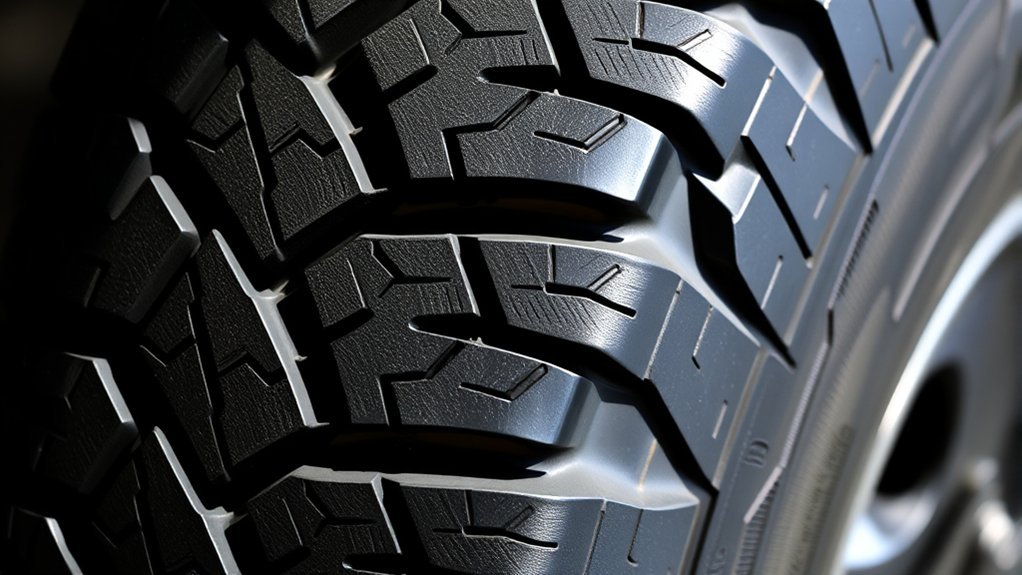
Siped tires can help a Toyota Hilux feel more controlled on wet pavement, snow, slush, and loose trails, but they are not a magic fix for every surface. The real benefit depends on the tire design, tread depth, pressure, load rating, terrain, and whether the sipes were engineered into the tire or added later by a professional.
Quick Answer
Tire sipes are thin cuts in the tread blocks that create extra biting edges. On a Toyota Hilux, they can improve grip on wet, snowy, or icy roads, especially when built into quality all-terrain, all-weather, or winter tires. They do not replace proper tire pressure, tread depth, load rating, or dedicated winter tires in severe conditions.
Key Takeaways
- Factory-siped tires are usually the safest and most predictable choice because the tread blocks, rubber compound, and siping pattern are designed together.
- Aftermarket siping may help some blocky all-terrain or mud-terrain tires in wet or light snow, but it should only be done by a qualified tire professional.
- For regular snow and ice driving, choose proper winter or all-weather tires with the Three-Peak Mountain Snowflake symbol instead of relying on siping alone.
- For a Hilux used for towing, payload, or off-road work, tire size, load index, speed rating, and LT construction matter as much as siping.
At a Glance
| Time Required | 20–30 minutes to inspect your current tires; longer if comparing replacement options. |
| Difficulty | Easy for inspection and selection; professional help recommended for mounting, balancing, alignment, or aftermarket siping. |
| Tools Needed | Tire pressure gauge, tread depth gauge, flashlight, Hilux owner’s manual, and the tire placard on the vehicle. |
| Cost | Inspection is free if you do it yourself. New siped tires, winter tires, alignment, and professional siping costs vary by tire size, region, and service provider. |
Warning: Do not cut tire sipes yourself with a knife or hand tool. Tires are safety-critical parts. If you are considering aftermarket siping, ask a qualified tire shop whether your exact tire model is suitable and whether the work affects the tire warranty.
What Are Tire Sipes and How Do They Work?
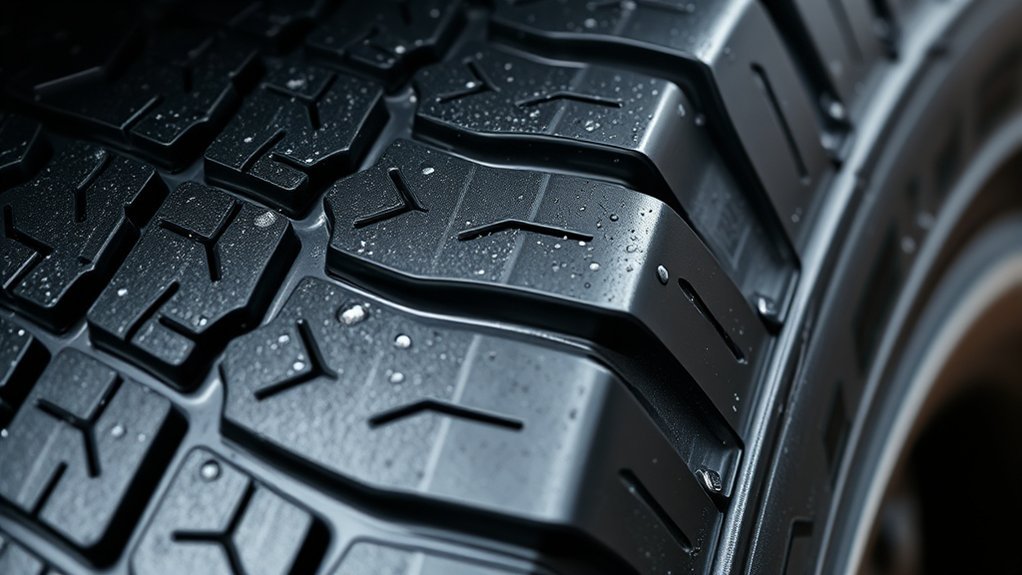
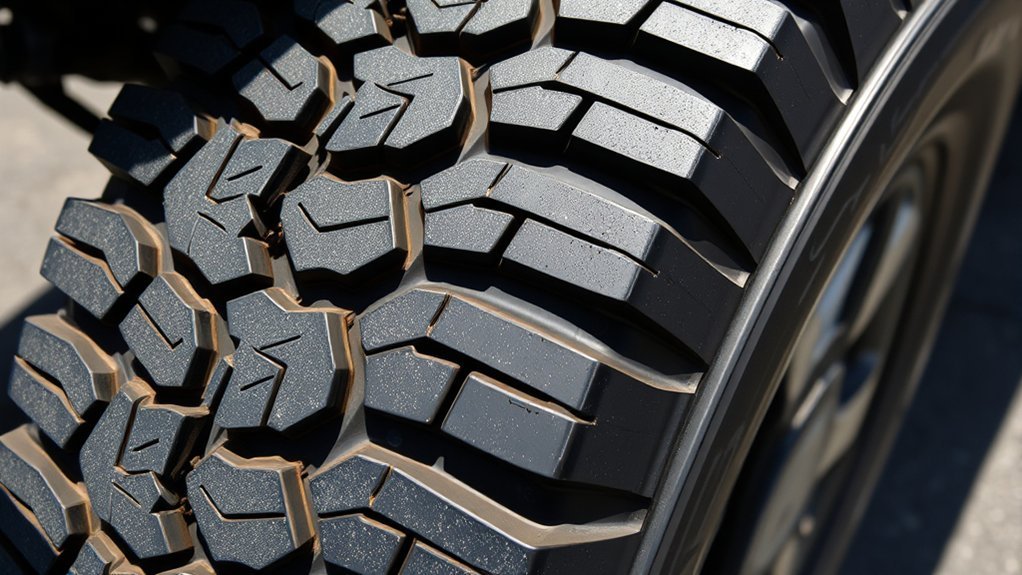
Tire sipes are thin slits cut into the tread blocks of a tire. As the tread contacts the road, those small cuts can open slightly and create extra edges that bite into wet pavement, snow, slush, and light ice. That extra edge effect is why siping is common on many modern winter, all-weather, all-season, and all-terrain tires.
Modern siping is more advanced than simple straight cuts. Tire makers use zigzag, wave, interlocking, and 3D sipe patterns to balance grip with tread-block stability. Michelin’s tread technology guidance, for example, explains how tread patterns and siping designs are engineered for traction, longevity, and consistent performance.
On a Toyota Hilux, sipes can be especially useful because the truck may see a mix of highway driving, rain, gravel, job-site use, towing, and off-road trails. Still, sipes work best when the rest of the tire is right for the job. A worn, underinflated, overloaded, or wrongly rated tire will not become safe just because it has sipes.
Note: Sipes are different from the main tread grooves. Grooves move larger amounts of water and mud away from the contact patch, while sipes add smaller biting edges and flexibility inside the tread blocks.
The Benefits of Siping for Toyota Hilux Performance
Good siping can improve how a Hilux feels in slippery conditions, but the benefit depends on tire type. Factory-siped all-terrain, all-weather, and winter tires usually give the most predictable results because the tire maker designed the tread blocks, compound, and siping pattern to work together.
Enhanced Traction Control
Sipes add more edges to the tread, which can help the tire grip slick surfaces. On a Hilux, that may mean better control when pulling away from a wet intersection, braking on cold pavement, or driving over packed snow on a rural road.
The benefit is most noticeable when the tire still has healthy tread depth and is inflated to the pressure listed on the Hilux tire placard or owner’s manual. NHTSA’s tire safety guidance emphasizes using the correct tire size and maintaining proper inflation, tread condition, and tire ratings.
Improved Ride Comfort
Siped tread blocks can flex slightly as they roll over rough pavement, small stones, and uneven surfaces. Depending on the tire design, that flexibility may reduce harshness and help the tire maintain steadier contact with the road.
Comfort is not guaranteed, though. An aggressive mud-terrain tire with large tread blocks can still be noisy, and heavy-duty LT tires may ride firmer than passenger-rated tires. For the best balance, match the tire to how you actually use your Hilux: daily commuting, towing, work-site driving, wet highways, snow, gravel, or off-road trails.
How Siped Tires Enhance Traction in Different Conditions
Siped tires do not behave the same way on every surface. They are most useful where the tire needs many small biting edges, and less useful where deep voids, large lugs, or specialized rubber compounds matter more.
Improved Wet Traction
On wet pavement, sipes can help the rubber grip through thin water film. The main circumferential and lateral grooves still do most of the water evacuation, but sipes can add extra edges for braking and cornering.
To reduce hydroplaning risk, do not rely on sipes alone. Keep the tires inflated correctly, replace tires before the tread is too shallow, slow down in standing water, and avoid mixing mismatched tires on the same axle.
Enhanced Snow Performance
Snow and slush reward tires with many biting edges. That is why winter and all-weather tires often use dense siping. For regular winter driving, look for tires carrying the Three-Peak Mountain Snowflake symbol. The Tire and Rubber Association of Canada explains that this symbol identifies tires designed for winter driving and severe snow service.
| Feature | Why It Matters on a Hilux |
|---|---|
| More biting edges | Helps the tread grip packed snow, slush, and cold wet roads. |
| Flexible tread blocks | Allows the tire to conform better to small surface changes. |
| Open grooves | Moves water, mud, and slush away from the contact patch. |
| 3PMSF marking | Signals a tire designed for severe-snow performance, not just a tire with visible sipes. |
Off-Road and Gravel Performance
For gravel, forest roads, and light mud, siped all-terrain tires can give a Hilux a more controlled feel because the tread has more small edges to grip loose surfaces. This is useful for mixed driving where the truck sees both pavement and trails.
For deep mud, sharp rocks, or heavy off-road recovery work, siping is not the main feature to chase. Larger voids, strong sidewalls, puncture resistance, correct load rating, and the right tread pattern matter more.
Where Siping Does Not Help Much
Siping has limits. It will not fix tires that are bald, cracked, underinflated, overloaded, unevenly worn, or wrong for the vehicle. It also may not improve dry handling on hot pavement because too much tread-block movement can make a tire feel less precise.
Pro Tip: If your Hilux spends most of its time on wet highways with occasional gravel, a quality highway-terrain or all-terrain tire with factory siping is usually a better first upgrade than aftermarket siping old tires.
Factory Siping vs. Aftermarket Siping
Before choosing siped tires for your Hilux, it helps to understand the difference between factory siping and aftermarket siping.
[Products Worth Considering]

Monitor tire tread wear with a smart, color-coded depth gauge that shows clear condition ranges at a glance. The bar is range marked for fast, easy readings, helping you maintain safer traction and performance. Each gauge is portable with a pocket clip, and the set includes 20 units for daily use and sharing.

Measure tire tread depth quickly and accurately with this LUMITECO dial gauge that reads in 1/32" increments up to 14/32". The color-coded green/yellow/red zones make it easy to judge tire wear and know when replacement is needed. A rugged, compact design with a protective pouch helps keep the gauge ready for use on cars, trucks, motorcycles, and more.

Accurately measure tire tread depth with a calibrated gauge marked from 0 to 1 inch in 1/32 inch increments. The color-coded bar helps you quickly identify tread condition ranges, supporting safe driving for trucks, motorcycles, automobiles, and passenger vehicles.
Factory-Siped Tires
Factory-siped tires are designed with sipes from the beginning. The manufacturer controls the tread block shape, sipe depth, sipe angle, rubber compound, belt package, and intended use. This is the best option for most Hilux owners because the tire has already been tested as a complete design.
Factory siping is common on many all-season, all-weather, winter, and all-terrain tires. If you want better wet or winter grip, start by comparing high-quality factory-siped tires that match your Hilux size and load requirements.
Aftermarket Siping
Aftermarket siping means a tire shop cuts additional sipes into an existing tire. It may help certain blocky tires in wet conditions or occasional snow, but it is not right for every tire. It can change tread-block stiffness and may affect warranty coverage depending on the tire maker and the shop’s policy.
Never aftermarket-sipe a tire that is already badly worn, cracked, damaged, repaired near the shoulder, overloaded, or not approved by a tire professional. If the tire is near replacement age, buying the correct new tire is usually the safer choice.
Select the Right Siped Tires for Your Hilux
Choosing the right siped tires for a Toyota Hilux is not just about counting visible tread cuts. Use this checklist before you buy:
- Match the factory tire size: Check the tire placard and owner’s manual. If you are changing size, confirm clearance, speedometer impact, load capacity, and local rules.
- Check the load index: A Hilux used for towing, payload, tools, camping gear, or work equipment needs tires that can safely carry the load.
- Choose the right tire type: Highway-terrain tires suit road comfort, all-terrain tires suit mixed use, mud-terrain tires suit deeper off-road work, and winter/all-weather tires suit cold climates.
- Look for 3PMSF in winter regions: If snow and ice are normal where you drive, choose winter or all-weather tires with the Three-Peak Mountain Snowflake symbol.
- Consider LT construction: Light-truck tires can add durability for load and off-road use, but they may ride firmer and require the correct inflation pressure.
- Prioritize tread depth and pressure: Sipes work best when the tire still has enough tread and is inflated correctly.
Note: The best tire for a city-driven Hilux is not always the best tire for a loaded work truck or an overlanding build. Match the tire to your real driving, not just the most aggressive-looking tread.
[Products Worth Considering]

The SAFELIFE dial tire tread depth gauge measures tread depth in 1/32 inch increments with clear, easy-to-read 2-inch dial face. Color zones using a traffic light system help you quickly judge whether tread is low, marginal, or ample for safer driving. Built with a durable zinc cast body and a metal detect probe for precise, comfortable use across cars, motorcycles, trucks, and buses.

Milton S-921 pencil tire pressure gauge helps you maintain optimal tire pressure for passenger cars with accurate readings in PSI and kPa. It features a built-in deflator valve for convenient pressure adjustments, plus a single chuck head and nylon indicator bar for easy use on the go. Built from durable plated brass and designed for reliable performance, it’s a practical road trip and cold-weather maintenance tool.

The Milton S-693 straight foot dual head air chuck is designed for accurate tire pressure checks and quick, secure valve-core engagement with lock-on threads on both ends. With a 1/4" FNPT connection and a maximum 150 PSI rating, it’s built for use on inner duals and common vehicle tires, including trucks and RVs.
Siped Tires vs. Winter Tires: Which Is Better?
Siped tires and winter tires are not the same thing. Many winter tires have heavy siping, but their cold-weather rubber compound and winter-rated tread design are just as important. For serious winter use, a proper winter tire is usually the better choice.
| Option | Best For | Main Limitation |
|---|---|---|
| Factory-siped all-season tires | Daily driving, rain, mild cold, and light seasonal changes. | Not ideal for regular snow, ice, or extreme cold. |
| Factory-siped all-terrain tires | Hilux owners who split time between road, gravel, trails, and light mud. | May be noisier or less efficient than highway tires. |
| Aftermarket-siped tires | Specific cases where a tire professional recommends extra bite for wet roads or occasional snow. | May affect warranty or tread stability if done on the wrong tire. |
| Winter tires with 3PMSF | Frequent snow, ice, freezing rain, mountain roads, and long cold seasons. | Wear faster in warm weather and may need seasonal storage. |
If your Hilux only sees occasional cold rain or a light snowstorm, a good all-weather or all-terrain tire may be enough. If you regularly drive on snow or ice, follow NHTSA winter driving guidance and consider true winter tires before relying on siping alone.
[Products Worth Considering]
Chemical Guys ShineLogic Tire Shine delivers a deep wet black, high-shine finish for rubber tires with a sleek look. It’s designed for durable, one-step application with minimal drips, streaks, or runs, and it helps produce effortless, long-lasting shine. Choose aerosol or trigger spray for easy use on cars, trucks, motorcycles, RVs, and more.

Measure tyre tread depth precisely with a digital gauge that reads in both MM and inches, helping you monitor safe driving conditions. The large LCD screen is easy to operate, and the compact tool fits for cars, trucks, and motorcycles. It provides high accuracy with a 0-25.4mm range and includes a 1-year warranty for added peace of mind.

Replace worn tires quickly with this universal 4.80/4.00-8 tire and inner tube set designed for wheelbarrows and outdoor utility carts. The ribbed tread helps reduce turf damage while the natural rubber construction supports longer service life. Compatible with 15.5-inch outer diameter, 4-inch width, and 8-inch rim diameter wheels, it uses a straight TR-13 valve stem for easy installation. For best results, inflate with a manual pump and do not exceed 25 PSI.
Essential Maintenance for Siped Tires on Your Hilux
Siped tires need the same maintenance as any other tire, with extra attention to tread-block wear. Small cuts are only useful when the tread is healthy and evenly worn.
- Check pressure when cold: Use the Hilux tire placard or owner’s manual, not the maximum pressure molded on the tire sidewall.
- Inspect tread depth: Replace tires before they become unsafe for wet or winter driving. Legal minimum tread is not the same as best performance.
- Rotate regularly: The Tire Industry Association recommends regular rotation to help tires wear evenly and last longer.
- Watch for cupping or feathering: Uneven wear can reduce the benefit of siping and may point to alignment, balance, or suspension problems.
- Clean packed stones and debris: Gravel stuck in the tread can damage blocks and reduce traction.
- Inspect after off-road trips: Look for cuts, sidewall damage, missing chunks, exposed cords, punctures, and embedded objects.
The U.S. Tire Manufacturers Association advises following the vehicle owner’s manual for rotation and tire care. If no rotation period is listed, industry guidance commonly falls around the 5,000–8,000 mile range, but your driving conditions can shorten that interval.
A siped tire with low pressure, poor alignment, or shallow tread will not deliver the grip it was designed to provide.
Common Mistakes to Avoid With Siped Hilux Tires
- Buying only by tread appearance: Aggressive tread does not always mean better wet or winter traction.
- Ignoring load rating: A Hilux that carries tools, cargo, passengers, or towing tongue weight needs properly rated tires.
- Using winter tires year-round: Winter compounds can wear faster in warm weather.
- Aftermarket-siping old tires: If the tread is already low or cracked, replace the tire instead.
- Mixing tire types: Different tread patterns, sizes, or wear levels can hurt stability, especially on wet roads.
- Skipping alignment: Uneven wear can erase the benefit of siping long before the tire is worn out.
What Hilux Owners Often Notice With Siped Tires
Hilux drivers who switch to quality factory-siped tires often notice a more secure feel in rain, light snow, and loose gravel. The change is usually most obvious when replacing worn or poorly matched tires with new tires that suit the truck’s weight, terrain, and climate.
Expectations matter. Siped highway-terrain tires may feel quiet and stable on pavement but limited in mud. Siped all-terrain tires may give better trail confidence but more road noise. Winter tires may feel excellent in cold weather but wear faster if used through hot months. The right choice is the one that fits your climate, payload, terrain, and driving style.
Frequently Asked Questions
Is it worth getting tires siped for a Toyota Hilux?
It can be worth it if you drive in wet, icy, or light snowy conditions and a tire professional confirms your tire is suitable. For most drivers, buying factory-siped tires designed for your climate is a safer first choice than adding aftermarket sipes to an existing tire.
What are the main benefits of tire sipes?
Sipes create extra biting edges in the tread. That can improve traction on wet pavement, packed snow, slush, and light ice. They may also help the tread conform to small surface changes, but they work best when the tire has good tread depth and correct pressure.
Are siped tires as good as winter tires?
No. Many winter tires use heavy siping, but they also use cold-weather rubber compounds and tread designs made for snow and ice. If winter driving is frequent, choose winter or all-weather tires with the Three-Peak Mountain Snowflake symbol.
Can aftermarket siping void a tire warranty?
It can, depending on the tire manufacturer, the retailer, and the warranty terms. Before aftermarket siping, ask the tire shop and check the written warranty for your exact tire model.
Should I sipe mud-terrain tires on a Hilux?
Only if a qualified tire professional recommends it for your specific tire and driving conditions. Some blocky mud-terrain tires may gain wet-road bite from professional siping, but siping can also change tread-block stiffness and may not help in deep mud.
How do I maintain siped tires on a Toyota Hilux?
Check cold tire pressure regularly, measure tread depth, rotate on schedule, keep the wheels aligned, and inspect for cuts, punctures, uneven wear, or missing tread chunks after off-road use. Follow your Hilux owner’s manual and tire placard for pressure and tire specifications.
Conclusion
Siped tires can be a smart upgrade for a Toyota Hilux when they match your climate, terrain, load, and driving style. They can improve grip in rain, slush, snow, and loose gravel, but they are only one part of tire safety. For the best result, choose properly rated factory-siped tires, use true winter or all-weather tires in severe snow, maintain correct pressure, rotate regularly, and avoid DIY tire cutting. With the right tire and proper maintenance, your Hilux will feel more stable, predictable, and ready for changing road conditions.
Sources
- NHTSA TireWise: Tire Safety Ratings and Awareness — tire inflation, tread, sizing, ratings, and general tire safety.
- NHTSA Winter Driving Tips — winter tire consideration, tread condition, and cold-weather driving preparation.
- U.S. Tire Manufacturers Association: Tire Care Essentials — tire care, rotation, inflation, alignment, and replacement guidance.
- Tire Industry Association: Tire Rotation — tire rotation intervals and even-wear maintenance.
- Michelin Tread Technologies — tread pattern and siping design for traction and performance.
- Tire and Rubber Association of Canada: Why Winter Tires — winter tire design and Three-Peak Mountain Snowflake context.