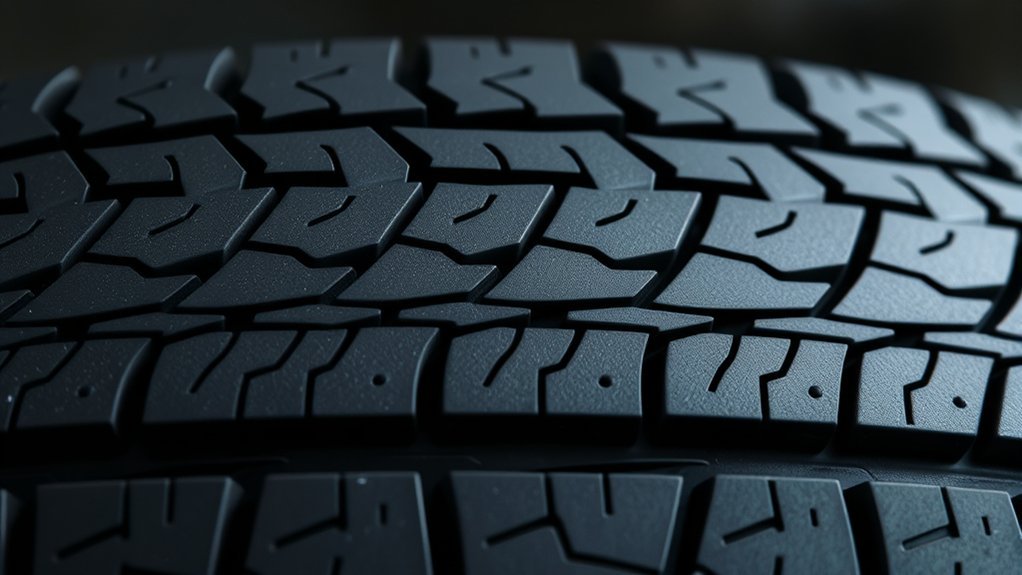
Sipes on tires are the small, thin cuts built into a tire’s tread blocks. Their job is to create extra biting edges, help the tread flex, and improve grip in conditions where the road surface is wet, snowy, or icy. Factory-designed sipes are common on winter, all-weather, all-season, and some all-terrain tires, but aftermarket siping is a separate modification that should be approached carefully.
Quick Answer
Tire sipes are tiny slits in the tread that add biting edges for better grip, especially on wet, snowy, or icy roads. They can help traction and water movement, but they do not replace proper tread depth, correct tire pressure, winter tires, or safe driving. Aftermarket siping can also affect tire wear, structure, and warranty coverage.
Key Takeaways
- Sipes are thin cuts in tread blocks that create extra biting edges for rain, snow, and ice traction.
- Factory sipes are engineered into the tire; aftermarket siping cuts into an existing tire and carries more risk.
- Sipes can help reduce slipping, but they cannot prevent hydroplaning by themselves.
- More siping is not always better. Too much tread movement can increase wear, heat, noise, or a squirmy feel on dry pavement.
- Before siping a tire, check the tire maker’s guidance, warranty terms, tread depth, and vehicle use.
What Exactly Are Tire Sipes?
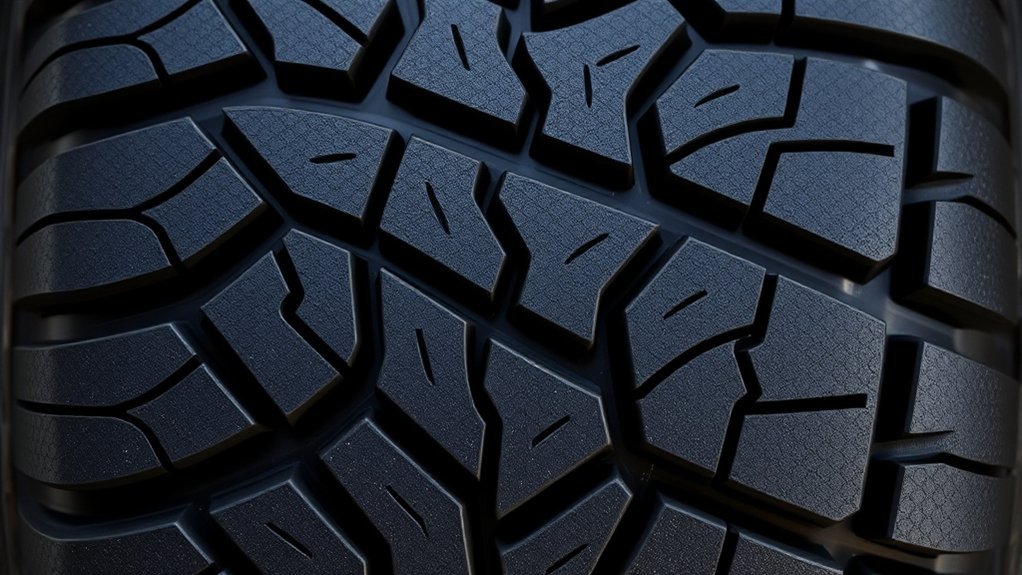
Tire sipes are narrow slits cut or molded into the tread blocks of a tire. They are smaller than main tread grooves and usually do not look as deep or open as the channels that run around or across the tire.
The easiest way to understand them is to compare the main tread features:
| Sipes | Thin cuts in tread blocks that create biting edges and allow controlled tread flex. |
| Grooves | Larger channels that help move water, slush, mud, and snow away from the contact patch. |
| Tread blocks | The raised rubber sections that touch the road and carry most braking, steering, and acceleration forces. |
| Studs | Metal or hard inserts used on some winter tires for ice grip where legally allowed. They are not the same as sipes. |
Factory sipes are part of the tire’s original design. Engineers choose the depth, shape, spacing, angle, and placement to match the tire’s compound and purpose. That is different from aftermarket siping, where a shop cuts additional slits into a tire after it has already been manufactured.
The Science Behind Tire Siping
Sipes work because tire grip is not just about rubber touching the road. It is also about how the tread deforms, how quickly water moves away, how the rubber compound behaves at temperature, and how many edges can bite into snow or ice.
On a slippery surface, a solid tread block can skate more easily. Adding small cuts gives that block more edges. Those edges can press into thin water films, packed snow, and uneven road texture. This is why winter tires often use many sipes: Bridgestone describes winter tires as having increased biting edges and high sipe densities, or thousands of tiny slits, to help traction on ice.
Sipes also let parts of the tread block flex. That controlled movement helps the tire conform to small surface irregularities. However, too much movement can make the tread feel soft or unstable, especially on warm, dry pavement. That is why siping has to be balanced with tread-block stiffness, rubber compound, vehicle weight, and intended use.
Note: A tire’s grip comes from the whole design: compound, tread depth, grooves, sipes, tire pressure, load rating, temperature, and road surface. Sipes are helpful, but they are only one part of the traction system.
How Do Sipes Improve Traction and Grip?
Sipes improve grip in three main ways: they create extra edges, help tread blocks flex, and support water or slush movement through the tread pattern. The benefit is strongest when the tire was designed for the condition you are driving in.
Increased Biting Edges
Each sipe creates small edges in the tread. On snow or ice, those edges help the tire claw into the surface instead of sliding across it. This is one reason winter tires have more siping than most summer tires.
The effect is most noticeable in cold, slippery conditions. In warm, dry conditions, however, too many cuts can let the tread blocks move more than intended. That can make steering feel less crisp and may increase tread wear.
Enhanced Water Evacuation
Sipes can support wet traction, but they should not be confused with the tire’s main water channels. The larger grooves in the tread do most of the work of moving standing water away from the contact patch. Sipes can help by opening small paths through tread blocks, but they do not make a worn or poorly inflated tire safe in heavy rain.
This distinction matters because hydroplaning happens when a tire cannot move water away fast enough and loses contact with the road. Adequate tread depth, proper tire pressure, lower speed, and a suitable tread design are still essential.
Sipes can help wet grip, but they do not “prevent” hydroplaning by themselves. A tire with worn tread, low pressure, or the wrong design can still lose traction on wet roads.
Benefits of Tire Siping in Various Weather Conditions
The value of siping depends heavily on the weather, tire type, tread depth, and how the sipes were designed.
| Condition | How Sipes Can Help | Important Limit |
|---|---|---|
| Rain | Extra edges and small channels can support wet traction. | Main grooves, tread depth, tire pressure, and speed matter more for hydroplaning resistance. |
| Snow | Biting edges help the tire grip packed snow and maintain braking and steering control. | Sipes do not turn a summer tire into a winter tire. |
| Ice | High sipe density can improve edge grip on slick surfaces. | Ice traction also depends on winter compound, temperature, and whether studs or chains are needed and legal. |
| Dry pavement | Moderate factory siping can preserve everyday comfort and handling. | Too much siping can increase tread squirm, noise, heat, or wear. |
Factory Sipes vs. Aftermarket Siping
This is the most important distinction in the article. A factory-siped tire and an aftermarket-siped tire are not the same thing.
Factory sipes are designed into the tire before it is made. The tire maker can match the sipe pattern to the rubber compound, belt package, tread depth, expected load, heat buildup, and speed rating. Many winter and all-weather tires use advanced siping patterns such as zigzag, wave, 3D, or full-depth sipes.
Aftermarket siping means additional cuts are made after the tire is already built. This can sometimes help specialty tires in specific environments, such as commercial, off-road, or severe winter use, but it can also change how the tread blocks move and wear.
Warning: Do not hand-cut or DIY-sipe passenger tires. Cutting too deep, cutting into the wrong part of the tread, or siping a tire that is worn, damaged, overloaded, or not designed for it can reduce safety and may affect warranty coverage. Ask the tire manufacturer or a qualified tire professional before modifying any tire.
[Products Worth Considering]

The Topeak SmartGauge D2 delivers precise digital tire pressure readings for bikes, motorcycles, and sports equipment up to 250 psi (17 bar). Its rotating SmartHead works with both Presta and Schrader valves, so you can check pressure quickly without adapters. The LCD display makes it easy to read results in psi, bar, or kg/cm² with an included CR2032 battery for immediate use.

Measure tire tread depth quickly and accurately with this LUMITECO dial gauge that reads in 1/32" increments up to 14/32". The color-coded green/yellow/red zones make it easy to judge tire wear and know when replacement is needed. A rugged, compact design with a protective pouch helps keep the gauge ready for use on cars, trucks, motorcycles, and more.

Monitor tire tread wear with a smart, color-coded depth gauge that shows clear condition ranges at a glance. The bar is range marked for fast, easy readings, helping you maintain safer traction and performance. Each gauge is portable with a pocket clip, and the set includes 20 units for daily use and sharing.
Potential Downsides of Tire Siping
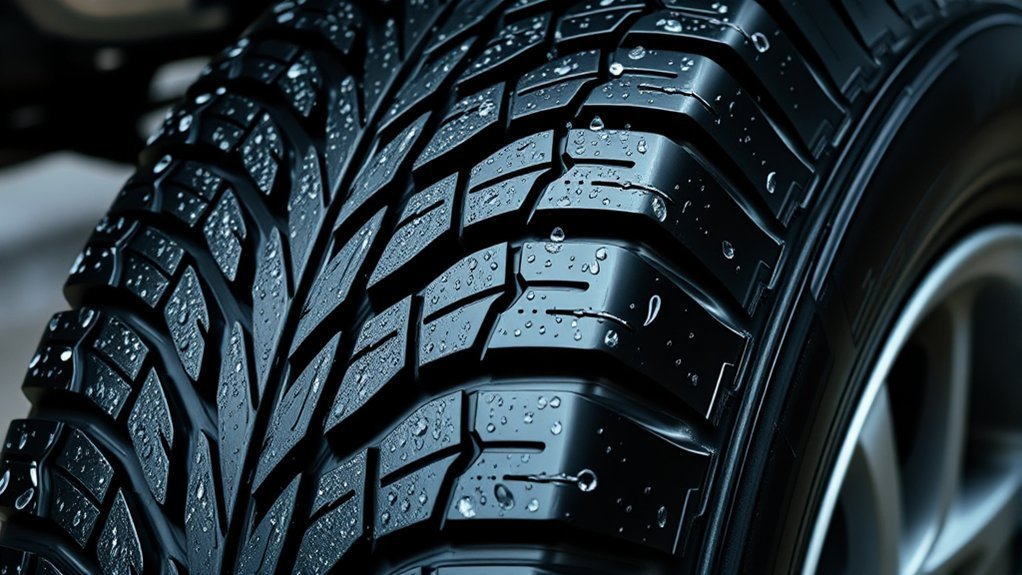
Tire siping is not automatically good or bad. The risk depends on whether the siping is part of the original tire design or added later.
- More tread movement: Extra cuts can allow tread blocks to flex more. In warm or dry conditions, that can create a soft, squirmy feel.
- Possible faster wear: If the tire runs hot, carries heavy loads, or spends most of its life on dry pavement, too much siping can increase uneven wear.
- Noise and comfort changes: Extra tread edges may change road noise, especially as the tire wears.
- Warranty concerns: Some tire warranties may limit coverage if the tire has been modified. Check the warranty before aftermarket siping.
- Wrong tire type: Summer, ultra-high-performance, worn, cracked, damaged, or shallow-tread tires are usually poor candidates for aftermarket siping.
Another downside is false confidence. A siped tire still needs the correct pressure, enough tread depth, proper rotation, and safe speeds for the weather. NHTSA advises replacing tires when tread is worn to 2/32 inch, and tread should be checked at least monthly when checking pressure.
How Do They Sipe Tires?
Factory siping happens during tire manufacturing when the tread pattern is molded into the tire. Aftermarket siping is different: a specialized machine rotates the tire while a blade cuts shallow slits into the tread blocks.
Siping Process Overview
In a professional aftermarket setup, the technician first inspects the tire. The tire should have enough tread depth, no visible damage, no cracking, and no condition that would make cutting unsafe. The machine then makes controlled cuts across selected tread blocks at a set depth and spacing.
The goal is to add edges without cutting so deeply that the tire structure or tread stability is compromised. That is why the process should be done only with proper equipment and only when the tire is suitable.
Specialized Equipment Used
Aftermarket siping machines use rotating fixtures and blades designed to cut consistent slits. The equipment matters because inconsistent depth or spacing can lead to poor wear, weak tread blocks, and unpredictable handling.
A shop should also understand the tire’s design. A heavy-duty all-terrain tire used in snow may be a better candidate than a summer performance tire used in hot weather. Even then, the tire maker’s guidance should come first.
Benefits of Siping
When siping is designed or applied correctly, it may provide these benefits:
- Better winter grip: More biting edges can help on packed snow and ice.
- Improved wet traction: Sipes can support the tread pattern in moving thin water films away from the contact area.
- More tread flexibility: The tread can conform better to small road-surface irregularities.
- More confidence in specific use cases: Some drivers in cold, wet, or mixed conditions may prefer factory-siped winter, all-weather, or all-terrain tires.
Is Tire Siping Right for Your Vehicle?
At a Glance
| Time Required | 10–15 minutes to inspect your tires and review manufacturer guidance; longer if a shop evaluates them. |
| Difficulty | Easy to decide; not a DIY cutting job. |
| Tools Needed | Tread-depth gauge, tire-pressure gauge, owner’s manual, tire warranty, and advice from a qualified tire professional. |
| Cost | Factory siping is included in the tire design. Aftermarket siping cost varies by shop and tire size. |
For most drivers, the better question is not “Should I add sipes?” It is “Am I using the right tire for my conditions?”
Factory-siped winter or all-weather tires are usually the better choice if you regularly drive in snow, ice, freezing rain, or cold temperatures. They combine sipes with winter-focused rubber compounds and tread patterns.
Aftermarket siping may be worth asking about if you use suitable tires in frequent wet, snowy, off-road, or commercial conditions and a qualified tire shop confirms the tire is a good candidate.
Aftermarket siping is usually not a good idea if your tires are worn, damaged, cracked, already noisy, used mostly in hot dry weather, or designed for summer/high-performance driving.
[Products Worth Considering]

Milton S-921 pencil tire pressure gauge helps you maintain optimal tire pressure for passenger cars with accurate readings in PSI and kPa. It features a built-in deflator valve for convenient pressure adjustments, plus a single chuck head and nylon indicator bar for easy use on the go. Built from durable plated brass and designed for reliable performance, it’s a practical road trip and cold-weather maintenance tool.

Accurately measure tire tread depth with a calibrated gauge marked from 0 to 1 inch in 1/32 inch increments. The color-coded bar helps you quickly identify tread condition ranges, supporting safe driving for trucks, motorcycles, automobiles, and passenger vehicles.

Measure tyre tread depth precisely with a digital gauge that reads in both MM and inches, helping you monitor safe driving conditions. The large LCD screen is easy to operate, and the compact tool fits for cars, trucks, and motorcycles. It provides high accuracy with a 0-25.4mm range and includes a 1-year warranty for added peace of mind.
Expert Tips for Choosing Siped Tires
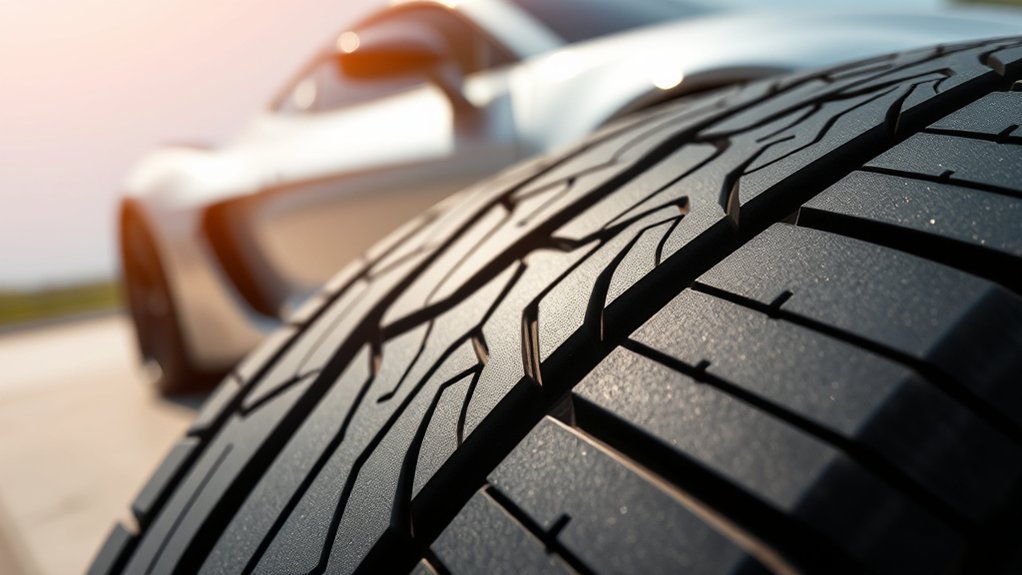
- Choose the tire type first. Winter tires are best for regular snow and ice. All-weather tires may fit drivers who need year-round convenience with better winter capability than many all-season tires. Summer tires are for warm-weather performance and are not meant for snow or ice.
- Look for factory-engineered siping. Zigzag, wave, 3D, and full-depth sipes can all be useful when designed into the tire from the start.
- Do not chase the highest number of sipes. More cuts are not always better. The best tire balances biting edges, tread stiffness, compound, and water channels.
- Check tread depth before blaming the design. A worn tire with little remaining tread will struggle in rain or snow even if it has sipes.
- Use a full matching set for winter tires. Mixing winter tires on only one axle can upset vehicle balance and make handling less predictable.
- Review warranty terms before aftermarket siping. Cutting a tire after manufacture may affect coverage depending on the brand, tire, and failure type.
Pro Tip: If you are buying new tires for wet or winter roads, prioritize the right tire category and tread design over aftermarket modifications. Factory-engineered siping is usually more predictable than cutting extra slits into an existing tire.
[Products Worth Considering]

The SAFELIFE dial tire tread depth gauge measures tread depth in 1/32 inch increments with clear, easy-to-read 2-inch dial face. Color zones using a traffic light system help you quickly judge whether tread is low, marginal, or ample for safer driving. Built with a durable zinc cast body and a metal detect probe for precise, comfortable use across cars, motorcycles, trucks, and buses.

The Naked Bee Foot Balm for Restoration Heel is an intensive foot treatment designed to penetrate and soften calloused, dry, and cracked feet. Honey, beeswax, and neem oil help deeply moisturize and soothe, while meadowfoam oil supports a protective barrier against moisture loss. Simply roll on to target tired feet and support visibly healthier-looking heels.

ETENWOLF’s tire pressure gauge helps you quickly and accurately check tire PSI across cars, trucks, motorcycles, bikes, and more. It’s manually calibrated to ANSI B40.1 Grade A for reliable readings, includes a large glow dial for easy nighttime viewing, and features a 360-degree swivel chuck for use at any valve angle. The gauge also works consistently in extreme hot or cold weather.
Tire Maintenance Matters More Than Extra Sipes
Sipes cannot make up for poor tire care. For safe wet and winter driving, keep these basics in order:
- Check tire pressure monthly when tires are cold.
- Measure tread depth and replace tires at or before the legal/safety limit.
- Rotate tires according to the owner’s manual unless your vehicle uses non-rotatable staggered sizes.
- Fix alignment or balance problems if you see uneven wear, vibration, or pulling.
- Slow down in rain, snow, and ice because no tread feature can overcome physics.
NHTSA’s TireWise guidance says tread provides the gripping action that helps prevent slipping and sliding, especially on wet or icy roads, and that tires are not safe when worn down to 2/32 inch.
Frequently Asked Questions
What are the downsides of siping tires?
The main downsides are extra tread movement, possible faster wear, more road noise, and warranty concerns if the tire is modified after manufacture. Excessive or poorly placed cuts can also reduce tread-block stability. Factory sipes are usually safer and more predictable because they are engineered into the tire.
Does tire siping really work?
Yes, siping can work when it is part of a well-designed tire. Sipes create biting edges that help in wet, snowy, and icy conditions. The benefit is most reliable when the sipes are factory-designed for the tire’s compound and tread pattern. Aftermarket siping is more variable.
What type of tire has tiny cuts called sipes?
Winter tires usually have the most visible siping, but sipes are also common on all-weather, all-season, touring, highway, all-terrain, and some performance tires. Summer performance tires may have fewer sipes because they prioritize warm, dry handling and tread-block stability.
Do sipes stop hydroplaning?
No. Sipes can help wet traction, but they do not stop hydroplaning by themselves. Hydroplaning risk depends on water depth, speed, tire pressure, tread depth, vehicle load, and the tire’s main water-channeling grooves.
Can I sipe my tires myself?
No. Tire siping should not be done by hand or with improvised tools. Incorrect cuts can damage the tread, weaken tread blocks, and create unsafe handling or wear. Ask the tire manufacturer or a qualified tire shop before any aftermarket siping.
Are siped tires good for summer driving?
Moderate factory siping can be fine on all-season or touring tires, but heavy siping is not ideal for warm, dry performance driving. Too much tread flex can reduce steering precision and increase wear. Dedicated summer tires are designed for warm pavement and usually should not be aftermarket-siped.
Conclusion
Sipes are small tread cuts that help tires grip wet, snowy, and icy surfaces by adding biting edges and controlled flexibility. They are especially useful when they are engineered into winter, all-weather, all-season, or all-terrain tires from the factory.
Aftermarket siping is more complicated. It may help in certain cold, wet, or off-road use cases, but it can also affect handling, wear, heat, noise, and warranty coverage. For most drivers, the best move is to choose the right tire for the climate, keep tread depth and pressure in check, and use aftermarket siping only after professional guidance.
Sources
- NHTSA TireWise — tire tread, wet/icy traction, maintenance, pressure, and 2/32-inch replacement guidance.
- Bridgestone: Winter & Snow Tires vs. All-Season Tires — winter-tire sipe density, biting edges, winter compounds, and warm-pavement wear guidance.
- Analysis of the Water Flow Inside Tire Grooves of a Rolling Car Using r-PIV — research on water behavior inside rolling tire grooves.
- Rubber Friction on Wet and Dry Road Surfaces: The Sealing Effect — research explaining why wet-road friction is reduced compared with dry-road friction.