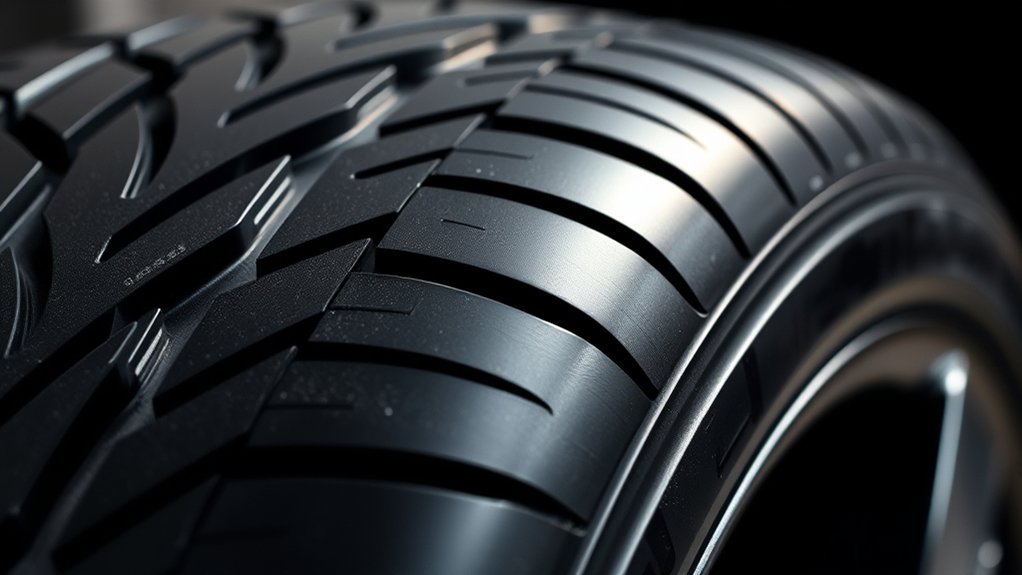
Tire sipes on Honda Accord tires can help with traction, but the most important point is simple: the sipes should be part of a well-engineered tire design, not a quick fix for worn or unsuitable tires. Modern all-season, all-weather, and winter tires already use carefully placed sipes, tread blocks, grooves, and rubber compounds to balance wet grip, snow traction, braking, ride comfort, noise, and tread life.
Quick Answer
Tire sipes are thin cuts in the tread that create extra biting edges for wet, snowy, or icy roads. On a Honda Accord, factory-engineered sipes are helpful, but aftermarket siping is usually unnecessary unless a qualified tire professional confirms it will not hurt warranty, wear, or braking performance.
Key Takeaways
- Sipes help a tire create more biting edges, especially on wet, snowy, slushy, or icy pavement.
- Factory siping is usually better than aftermarket cutting because it is designed with the tire’s tread pattern, rubber compound, and stability in mind.
- Aftermarket siping can sometimes improve snow or ice grip, but it may also lengthen wet or dry braking and affect treadwear warranty coverage.
- For most Honda Accord owners, the smarter choice is buying the right tire type: touring all-season, all-weather, or dedicated winter tires.
- Tire pressure, tread depth, rotation, alignment, and TPMS calibration matter more for everyday safety than adding extra cuts to the tread.
At a Glance
| Time Required | 10–15 minutes to inspect tread depth, tire pressure, and visible tire condition before deciding whether siping is even worth discussing. |
| Difficulty | Easy for inspection; professional-only for any tire cutting or modification. |
| Tools Needed | Tire-pressure gauge, tread-depth gauge or penny, flashlight, Honda tire placard, and your tire warranty information. |
| Cost | Basic inspection can be free. Professional siping cost varies by shop, but the bigger risk is possible warranty or performance tradeoff. |
What Tire Sipes Are and How They Help Traction
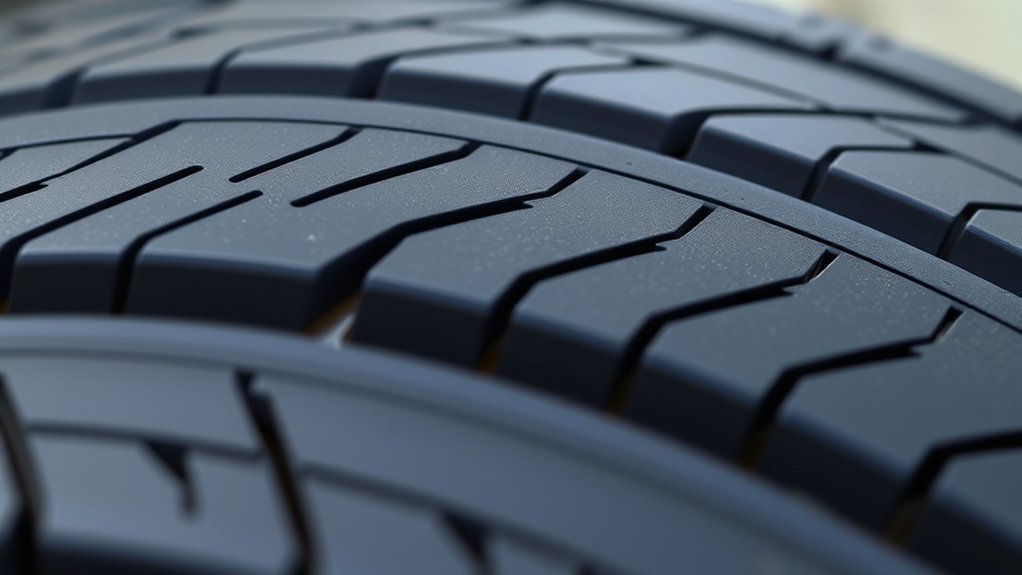
Tire sipes are the small, narrow slits cut or molded into a tire’s tread blocks. They are different from the larger grooves that move water and slush away from the contact patch. Sipes work by creating extra biting edges that can grip into water film, packed snow, slush, or light ice.
On a well-designed tire, siping works with the rubber compound, tread depth, shoulder blocks, circumferential grooves, and tire stiffness. That is why factory-engineered sipes are more reliable than random aftermarket cuts. Michelin, for example, describes its 3D SipeLock technology as a way to create biting edges for snow and ice while helping tread blocks stay stable for even wear.
For a Honda Accord, this matters because the car is often used as a daily commuter, family sedan, or highway vehicle. You need predictable braking and steering in rain, not just extra bite in one condition. A tire with smart factory siping can help, but siping alone does not make a worn tire safe or turn an all-season tire into a true winter tire.
Note: Sipes are only one part of tire performance. Tread depth, rubber compound, tire pressure, alignment, load rating, speed rating, and seasonal tire type all affect how your Accord stops, steers, and handles.
Benefits of Tire Siping for Your Honda Accord
Factory-designed tire siping can make your Honda Accord feel more controlled in wet or light winter conditions. The benefit is not magic; it comes from the way the tread edges interact with the road surface.
Here is a clearer look at what sipes can do when they are built into a quality tire:
| Benefit | How It Helps | What Accord Owners Should Know |
|---|---|---|
| Wet-road grip | Sipes and grooves can help break water film and move moisture away from the tread. | Good tread depth and correct pressure are still essential for hydroplaning resistance. |
| Snow and slush traction | Extra biting edges can help the tread grip packed snow and slush. | If you regularly drive in snow, choose all-weather or winter tires instead of relying on aftermarket siping. |
| Braking confidence | Purpose-built siping can support better grip when the tire is designed for that road condition. | Aftermarket siping can have mixed results, especially on wet or dry pavement. |
| Tread-block control | Modern 3D sipes can help tread blocks interlock under load. | This is a design feature of the tire, not something every shop-cut sipe can reproduce. |
| Longer useful performance | Some tires use full-depth or evolving sipes to maintain grip as the tread wears. | Siping does not replace rotation, alignment, pressure checks, or timely tire replacement. |
The best siping is engineered into the tire from the start. If your Honda Accord needs better rain, snow, or ice performance, start by choosing the right tire type before modifying the tread.
Do Honda Accord Tires Need Aftermarket Siping?
Most Honda Accord tires do not need aftermarket siping. If your current tires are quality all-season, grand touring, all-weather, or winter tires, they probably already have factory-designed sipes. Cutting more slits into the tread can change tread-block stiffness, noise, wear, and braking feel.
The better question is not “Should I add sipes?” It is “Do I have the right tires for my climate and driving?”
- Mostly dry and warm roads: A quality touring all-season tire is usually the better match.
- Frequent heavy rain: Look for strong wet-braking and hydroplaning ratings, deep circumferential grooves, and good tread depth.
- Regular snow or freezing weather: Consider all-weather tires with the Three-Peak Mountain Snowflake marking or a dedicated winter tire set.
- Sportier Accord trims or highway driving: Avoid modifications that may make the tread feel less stable during dry braking or cornering.
Pro Tip: Before paying for aftermarket siping, check the tire model’s existing tread design. Many modern tires already use advanced siping, and replacing an unsuitable tire is often safer than modifying it.
[Products Worth Considering]

Steelman white tire marking crayons provide high-contrast, semi-permanent marks for repairing and inspecting tires and equipment. They write on wet or dry, smooth or coarse surfaces including rubber, metal, glass, and wood, making them ideal for puncture location and damage outlining. The lead- and zinc-free crayons resist weather and fading yet wipe away when you no longer need the marks.

Monitor tire tread wear with a smart, color-coded depth gauge that shows clear condition ranges at a glance. The bar is range marked for fast, easy readings, helping you maintain safer traction and performance. Each gauge is portable with a pocket clip, and the set includes 20 units for daily use and sharing.

Accurately measure tire tread depth with a calibrated gauge marked from 0 to 1 inch in 1/32 inch increments. The color-coded bar helps you quickly identify tread condition ranges, supporting safe driving for trucks, motorcycles, automobiles, and passenger vehicles.
Factory vs. Aftermarket Siping: Which One Should You Choose?
Factory siping is molded into the tire during manufacturing. Aftermarket siping is added later by cutting extra slits into the tread. For a Honda Accord, factory siping is usually the safer and more predictable choice because the tire maker designs the tread pattern, compound, and siping together.
| Option | Best For | Main Risk | Verdict |
|---|---|---|---|
| Factory-siped all-season tire | Daily commuting, rain, mild winter use | May not be enough for severe winter roads | Best default choice for most Accord owners |
| Factory-siped all-weather tire | Year-round use with occasional snow | May ride firmer or wear differently than touring tires | Good compromise if you see light to moderate winter weather |
| Factory-siped winter tire | Snow, ice, freezing rain, and cold climates | Not ideal for warm-weather use | Best traction choice for real winter driving |
| Aftermarket siping | Limited cases where a tire shop and tire warranty allow it | May affect wet/dry braking, tread stability, noise, and treadwear warranty | Usually skip it unless a qualified professional recommends it for your exact tire |
Consumer Reports testing found that aftermarket siping produced modest improvements in snow traction and ice braking for tested tires, but wet and dry braking distances became a few feet longer. That is why aftermarket siping should be treated as a tradeoff, not an automatic upgrade.
Warning: Do not sipe tires that are worn, cracked, bulging, unevenly worn, repaired near the tread shoulder, or already close to replacement. Also check your tire warranty first, because aftermarket siping may affect treadwear coverage.
[Products Worth Considering]

The SAFELIFE dial tire tread depth gauge measures tread depth in 1/32 inch increments with clear, easy-to-read 2-inch dial face. Color zones using a traffic light system help you quickly judge whether tread is low, marginal, or ample for safer driving. Built with a durable zinc cast body and a metal detect probe for precise, comfortable use across cars, motorcycles, trucks, and buses.

Measure tire tread depth quickly and accurately with this LUMITECO dial gauge that reads in 1/32" increments up to 14/32". The color-coded green/yellow/red zones make it easy to judge tire wear and know when replacement is needed. A rugged, compact design with a protective pouch helps keep the gauge ready for use on cars, trucks, motorcycles, and more.

Measure tyre tread depth precisely with a digital gauge that reads in both MM and inches, helping you monitor safe driving conditions. The large LCD screen is easy to operate, and the compact tool fits for cars, trucks, and motorcycles. It provides high accuracy with a 0-25.4mm range and includes a 1-year warranty for added peace of mind.
When to Consider Tire Siping for Your Driving Conditions
You might consider tire siping only after you understand your driving conditions and your current tire design. For most Accord drivers, the answer will be to buy a better-matched tire rather than cut the current one.
[Products Worth Considering]

Keep your tires properly inflated with this analog VONDIOR tire pressure gauge, designed for fast, easy readings without batteries. The swiveling, two-axis hose and large glow dial help you measure at any tire angle with instant visibility. Built with a protective rubber shield, it supports durable, low-maintenance use for cars and trucks.

Milton S-921 pencil tire pressure gauge helps you maintain optimal tire pressure for passenger cars with accurate readings in PSI and kPa. It features a built-in deflator valve for convenient pressure adjustments, plus a single chuck head and nylon indicator bar for easy use on the go. Built from durable plated brass and designed for reliable performance, it’s a practical road trip and cold-weather maintenance tool.

These aluminum alloy tire valve stem caps protect the valve core from corrosion and help prevent air leakage for more stable tire pressure. The rubber ring design helps support a secure, safe seal while adding a stylish look to your Honda wheels. Easy to install by hand, these caps are ideal for everyday driving and weather exposure.
Siping May Help in These Conditions
- Light snow or slush: Sipes can create extra biting edges, especially when they are factory-designed into an all-weather or winter tire.
- Cold, wet pavement: Proper tread design can help the tire manage water film and maintain more consistent contact.
- Mixed winter commuting: Factory-siped all-weather tires can be useful when you drive through rain, slush, and occasional snow in one season.
- Low-speed neighborhood driving in winter: More tread edges may help, but only if the tire compound is suitable for cold weather.
Siping Is Not a Good Fix in These Conditions
- Hot, dry highway driving: Extra cuts can reduce tread-block stability and may not improve real-world stopping distance.
- Sporty driving: Steering response and dry braking can suffer if tread blocks move too much.
- Worn tires: If tread depth is low, replacement is the safer answer.
- Damaged tires: Never use siping to hide cracks, bulges, puncture damage, or uneven wear.
- Severe winter roads: Use dedicated winter tires instead of trying to modify all-season tires.
How to Check Whether Your Current Accord Tires Are Safe Before Siping
Before you think about siping, check the basics. These steps help you decide whether your Accord needs maintenance, replacement tires, or simply better seasonal tire selection.
- Check cold tire pressure monthly. Use the pressure listed on the Honda tire placard or owner information, not the maximum pressure printed on the tire sidewall. Federal TPMS guidance says tires should be checked monthly when cold and inflated to the manufacturer’s recommended pressure.
- Measure tread depth in several grooves. Check the inner, center, and outer tread. NHTSA states that treadwear indicators are molded at 2/32 inch because traction rapidly drops at that level.
- Inspect for uneven wear. Feathering, cupping, inner-edge wear, or one-sided wear can point to alignment, suspension, rotation, or inflation issues.
- Look for damage. Replace or professionally inspect tires with cracks, exposed cords, sidewall bubbles, deep cuts, or repeated air loss.
- Follow Honda rotation guidance. Honda says rotating tires according to the maintenance messages helps distribute wear more evenly. Directional tires should rotate front-to-back only, and TPMS should be calibrated after rotation.
- Check warranty before cutting. If the tire maker or retailer does not allow aftermarket siping, skip it.
Proper tire pressure also helps fuel economy. FuelEconomy.gov says keeping tires properly inflated can improve gas mileage by 0.6% on average and up to 3% in some cases.
Essential Maintenance Tips for Siped Tires
If your Honda Accord already has factory-siped tires, maintaining them is simple. Treat them like any other quality tire, but pay close attention to wear patterns because the small tread edges only work well when the tread is healthy.
- Keep pressure correct: Check tires when cold at least once a month and before long trips. TPMS is a warning system, not a replacement for a manual gauge.
- Rotate on schedule: Follow your Honda Maintenance Minder or tire warranty schedule. Rotation helps the sipes and tread blocks wear evenly.
- Calibrate TPMS after rotation: Honda owner guidance says TPMS should be calibrated after tire rotation when applicable.
- Use a tread-depth gauge: Replace tires at 2/32 inch at the latest, and consider replacement earlier if you often drive in rain or snow.
- Maintain alignment: If your Accord pulls, vibrates, or wears one tire edge faster than the other, get the alignment and suspension checked.
- Clean packed debris: Remove stones, mud, and compacted snow from the tread when safe to do so, because clogged grooves reduce water and slush evacuation.
Note: If your Accord’s tires are noisy, vibrating, or wearing unevenly, do not blame the sipes first. Check pressure, balance, alignment, rotation history, and suspension condition.
Frequently Asked Questions
What are the downsides of siping tires?
The main downsides are possible tread-block movement, faster or uneven wear, added road noise, reduced dry or wet braking performance, and warranty concerns. These risks are mostly tied to aftermarket siping, not factory-engineered siping built into the tire design.
Does tire siping really work?
Yes, tire siping can work when it is part of a complete tire design. Sipes add biting edges that can help in wet, snowy, slushy, or icy conditions. Aftermarket siping is less predictable because it changes a finished tire after the tire maker designed and tested it.
What are the benefits of siping tires?
The benefits can include better wet grip, improved snow or slush traction, more biting edges, and more confident braking in certain conditions. The biggest benefits usually come from tires that were factory-designed with sipes, grooves, tread depth, and rubber compound working together.
Should I sipe my Honda Accord tires myself?
No. Do not cut your Honda Accord tires yourself. A wrong cut can damage the tread, reduce stability, or create uneven wear. If you are considering aftermarket siping, ask the tire manufacturer or a qualified tire shop whether your exact tire model is approved for it.
Are winter tires better than siping all-season tires?
For regular snow, ice, or freezing temperatures, yes. Winter tires use cold-weather rubber compounds and winter-specific tread designs. Siping an all-season tire cannot fully copy the compound, structure, and testing of a dedicated winter tire.
Can tire siping void my tire warranty?
It can affect warranty coverage, especially treadwear coverage, depending on the tire maker and retailer. Always read the warranty terms before aftermarket siping. If the warranty excludes modified tires, choose a tire with factory siping instead.
Conclusion
Tire sipes can improve how your Honda Accord tires grip wet, snowy, slushy, or icy roads, but only when the tire is designed well and maintained correctly. For most drivers, factory-siped tires are the best choice. Aftermarket siping is a niche modification with possible tradeoffs, including warranty issues and mixed braking results. Before cutting anything, check your tire pressure, tread depth, wear pattern, Honda rotation guidance, and seasonal tire needs. A better tire choice is usually safer than modifying a worn or mismatched tire.
Sources
- Michelin Tire Test: Winter tire education — backs up the role of 3D sipes, biting edges, wet grip, snow grip, and tread-block stability.
- Consumer Reports: Does tire siping really increase traction? — backs up the mixed results and warranty concerns around aftermarket siping.
- Honda 2025 Accord Hybrid owner information: Tire Rotation — backs up Honda rotation guidance, directional tire rotation, wheel torque, and TPMS calibration after rotation.
- eCFR 49 CFR 571.138: Tire pressure monitoring systems — backs up monthly cold tire-pressure checks and the warning that TPMS is not a substitute for proper tire maintenance.
- NHTSA Interpretation 11497AWKM — backs up 2/32-inch treadwear indicators and the safety concern when tread is worn to that level.
- FuelEconomy.gov: Gas Mileage Tips — backs up fuel-economy benefits of proper tire inflation.