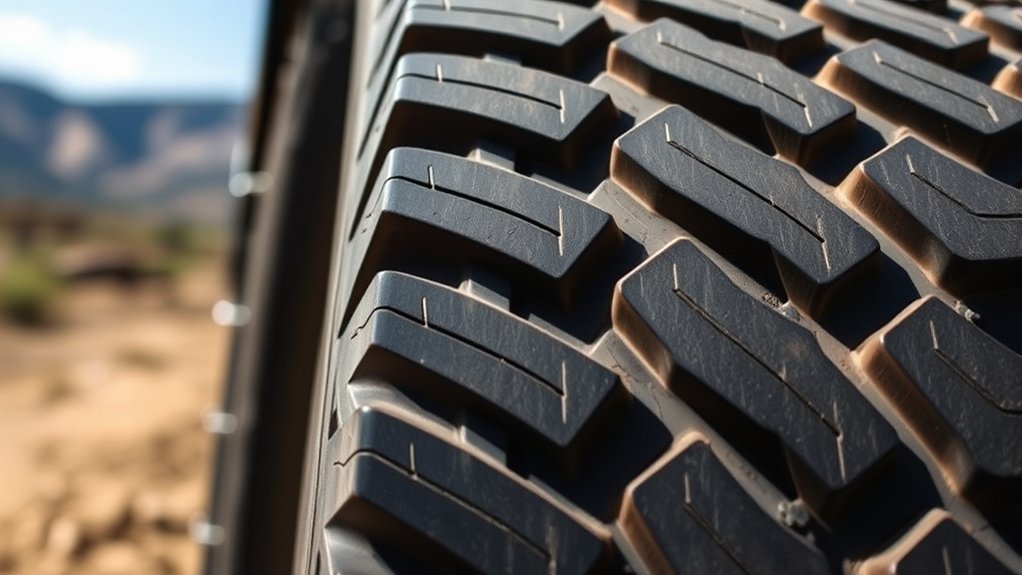
Tire siping can help some truck tires grip better on wet pavement, packed snow, and light ice, but it is not a magic upgrade for every tire. The safest choice depends on your tire type, tread depth, climate, warranty, and whether the cuts are factory-engineered or added later by a shop.
Quick Answer
Tire siping is worth considering only if you drive a truck with suitable, healthy tires in cold, wet, or light-snow conditions. Factory-siped winter and all-weather tires are usually the better solution. Aftermarket siping can affect warranty coverage, shorten tread life, and create safety problems if cut too deep.
Key Takeaways
- Siping means adding thin cuts in the tread blocks to create extra biting edges.
- Factory sipes are engineered into the tire; aftermarket siping cuts an already-finished tire.
- Siping may help some blocky truck tires in wet or light-snow conditions, but results vary.
- Avoid siping worn, cracked, summer, high-performance, or already well-siped winter tires.
- Check tread depth, tire warranty, state rules, and commercial-truck requirements before cutting any tire.
At a Glance
| Time Required | A tire inspection takes about 10–20 minutes; shop siping time varies by tire size and equipment. |
| Difficulty | Professional-only for road tires; DIY cutting is not recommended. |
| Tools Needed | Tread-depth gauge, tire inspection, warranty check, and a professional siping machine if the tire is approved. |
| Cost | Shop-specific and usually charged per tire; confirm price and warranty impact before approving the work. |
What Is Tire Siping and How Does It Work?
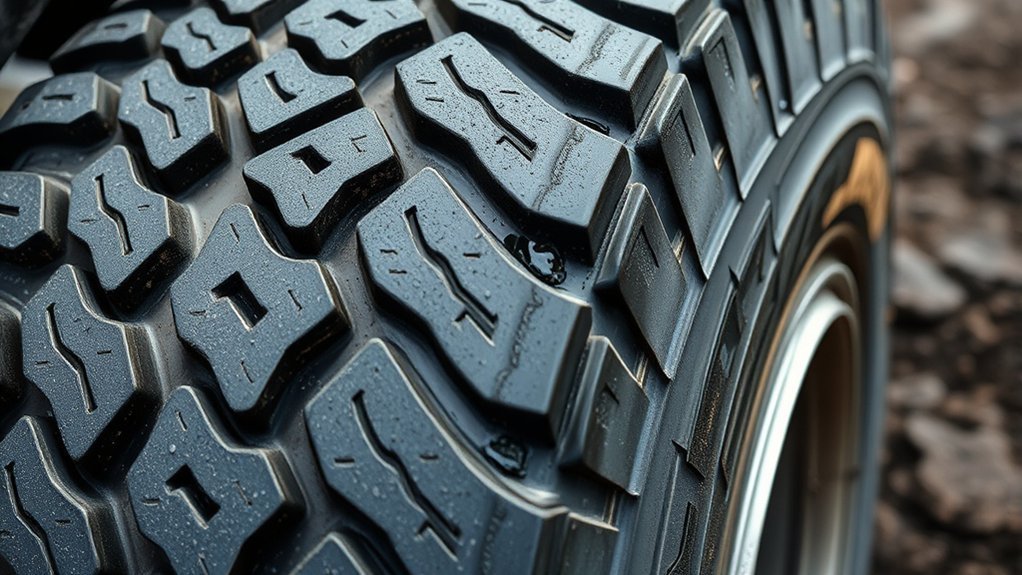
Tire siping is the use of thin slits in the tread blocks of a tire. These slits create extra edges that can flex as the tire rolls through the contact patch. On wet pavement, light snow, or packed snow, those edges may help the tread bite into the surface and move thin layers of water or slush away from the contact area.
The most important distinction is factory siping versus aftermarket siping. Factory sipes are molded into the tire by the manufacturer as part of the tread pattern, rubber compound, block stiffness, noise control, and wear design. Aftermarket siping is different: a shop cuts extra slits into a tire after it has already been built.
Modern tire tread patterns already use ribs, blocks, grooves, and molded sipes to balance traction, handling, noise, and wear. That is why adding more cuts is not automatically better. Too many cuts, cuts in the wrong place, or cuts that go too deep can weaken tread blocks, increase heat, speed up irregular wear, or damage the tire.
Note: Siping is not the same as regrooving. Siping cuts thin slits without removing tread rubber. Regrooving cuts new grooves and removes rubber, and it is controlled by specific tire regulations.
Factory vs. Aftermarket Siping
Factory siping is usually the safest and most effective form of siping because the tire maker designs the slits, tread compound, internal structure, and tread-block stiffness together. Winter, all-weather, and many all-terrain tires already include engineered siping for snow, slush, and wet-road grip.
Aftermarket siping can sometimes help older-style or blocky truck tires that do not have many biting edges. It is most often discussed for all-terrain, rugged-terrain, and some commercial-style tread patterns. However, it should only be done after checking the tire maker’s warranty, tread depth, tire condition, and local rules.
For most drivers, buying the right tire for the season is a better first move than modifying the wrong tire. A dedicated winter tire, all-weather tire with the Three-Peak Mountain Snowflake rating, or a fresh set of quality all-terrain tires will usually give more predictable performance than cutting extra sipes into a tire that was not designed for it.
Top Benefits of Siping for Trucks
When siping is done correctly on a suitable truck tire, the main benefit is extra tread-edge bite. That can make the tire feel more confident during low-speed starts, gentle braking, and turning on wet pavement or packed snow.
- Better wet-road bite: Extra edges may help the tread break through thin water film on the road surface.
- Improved light-snow traction: More biting edges can help on packed snow, especially on blocky tread designs.
- More tread flexibility: Thin slits allow tread blocks to flex slightly, which may help the tire conform to uneven winter surfaces.
- Potential braking improvement in limited conditions: Some drivers notice better initial bite in cold, slick conditions, but this is not guaranteed for every tire.
The biggest mistake is treating siping as a cure-all. It may help a suitable tire in the right conditions, but it will not turn a worn all-season tire into a true winter tire.
Risks of Aftermarket Siping: What Truck Owners Must Know
Aftermarket siping has real downsides. The added cuts can make tread blocks move more than the tire maker intended. That extra movement may increase heat, tread squirm, road noise, feathering, or chunking, especially on heavy trucks, gravel roads, towing setups, or hot highways.
Warranty is another major issue. Tire warranties vary by manufacturer and tire model. Because aftermarket siping changes the tread after manufacture, it may affect treadwear or defect coverage. Always read the tire warranty and ask the tire maker or selling dealer for written guidance before approving the cut.
Legal and safety rules also matter. Under federal regrooved-tire rules, siping must not damage tire cord material and must not be deeper than the original or retread groove depth. Commercial trucks also have tire-condition and tread-depth requirements, including stricter minimum tread depth for front tires on trucks, truck tractors, and buses. State inspection rules can add more restrictions; for example, Pennsylvania rules reject tires with regrooving or recutting below the original tread design depth.
Warning: Do not DIY-sipe road tires with a knife, hot tool, or handheld cutter. A cut that reaches the belt, cord, or casing can make the tire unsafe and may cause rapid failure.
How Does Siping Impact Tire Longevity and Safety?
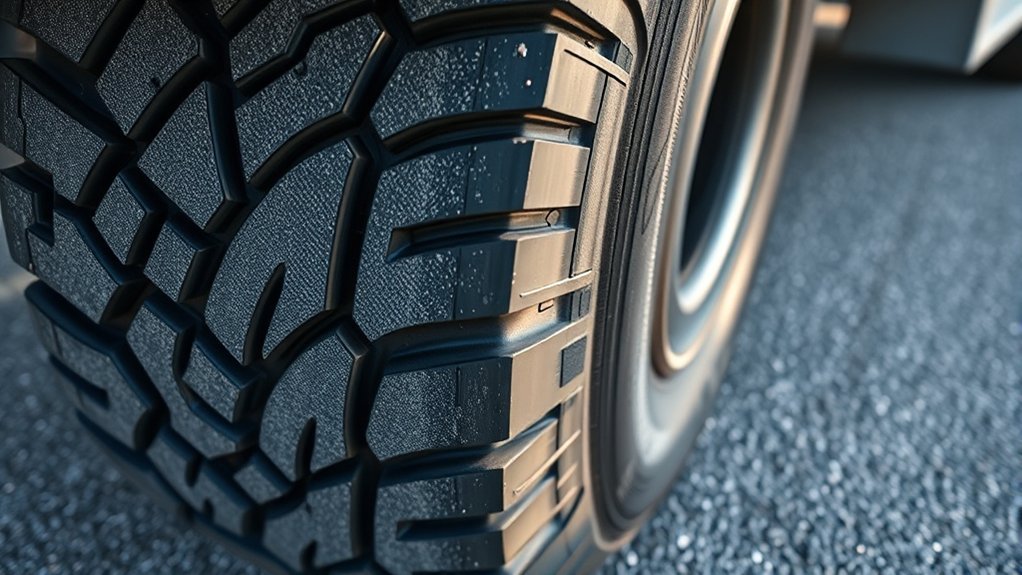
Siping can improve grip in some cold, slick conditions, but it may reduce tread life if the tire is not a good candidate. Extra cuts can let tread blocks flex more. In the right tire, that flex can help traction. In the wrong tire, it can create heat, cupping, feathering, or chunking.
Safety depends on depth, location, tread condition, and tire design. A shallow, professional cut on a healthy, suitable tread is very different from a deep cut on a worn tire. Tires with exposed cords, cracks, bulges, tread separation, severe uneven wear, or low tread depth should be replaced, not siped.
Tread depth is especially important for winter driving. As tread wears down, the tire loses its ability to pack and release snow through the grooves. If your truck tires are already near the end of useful winter tread depth, siping is not a smart fix. Replacement is safer.
Is Tire Siping Right for Your Truck?
Tire siping may be worth discussing with a tire professional if your truck has healthy, blocky all-terrain or rugged-terrain tires and you regularly drive in cold rain, slush, or packed snow. It is less attractive if you drive mostly dry highways, tow heavy loads in warm weather, run tires with advanced factory siping, or use a tire that the manufacturer does not approve for modification.
Better Candidates for Siping
- Truck tires with large, blocky tread lugs and limited factory siping.
- Healthy tires with even wear and enough remaining tread depth.
- Drivers in cold, wet, or light-snow climates who do not want a full winter-tire setup.
- Work trucks that need low-speed traction on slick lots, packed snow, or wet job sites.
Poor Candidates for Siping
- Worn tires, cracked tires, weather-checked tires, or tires with uneven wear.
- Modern winter tires that already have engineered siping and winter compounds.
- Summer tires, ultra-high-performance tires, and tires used mostly in hot, dry conditions.
- Tires used for frequent heavy towing, high-speed highway driving, or sharp gravel service unless the tire maker and dealer approve.
- Any tire whose warranty excludes tread modification.
Pro Tip: If your main problem is winter traction, compare the cost of siping with the cost of proper winter or all-weather tires. The right tire often beats a modified tire.
When Should You Consider Tire Siping?
Consider siping only after you know what problem you are trying to solve. If your truck slides during cold rain or packed snow but your tires are otherwise healthy, siping might be worth a professional opinion. If your truck struggles because the tires are old, bald, overinflated, underinflated, or wrong for the season, siping is the wrong fix.
[Products Worth Considering]
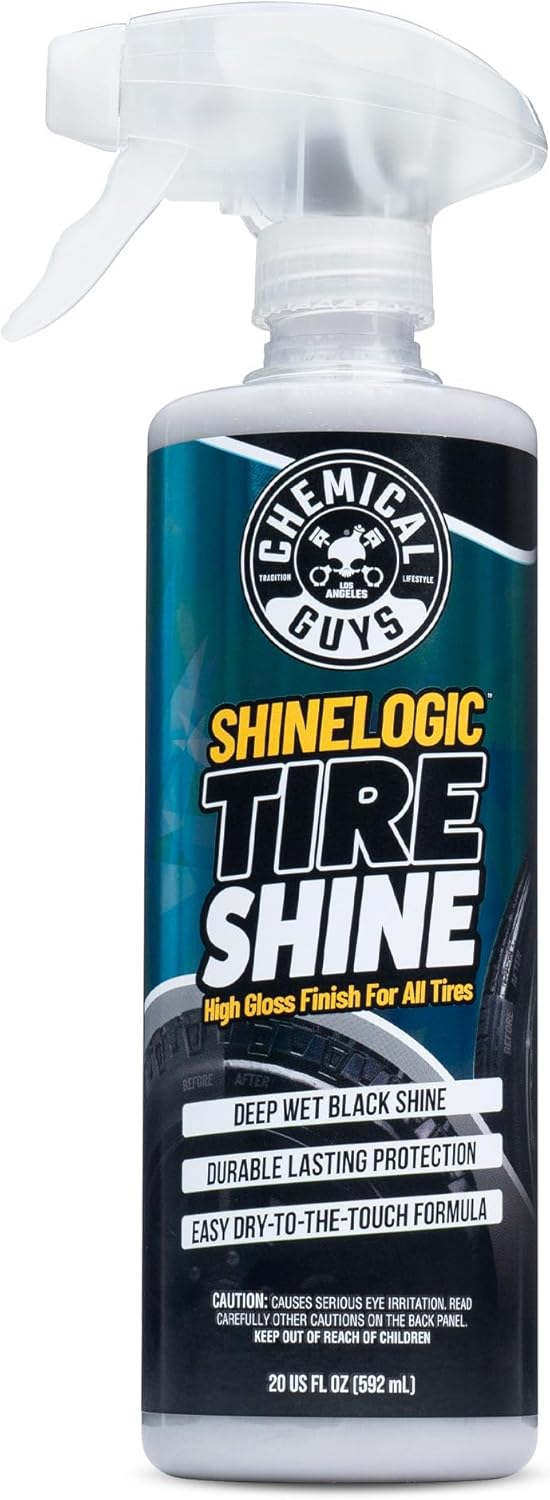
Chemical Guys ShineLogic Tire Shine delivers a deep wet black, high-shine finish for rubber tires with a sleek look. It’s designed for durable, one-step application with minimal drips, streaks, or runs, and it helps produce effortless, long-lasting shine. Choose aerosol or trigger spray for easy use on cars, trucks, motorcycles, RVs, and more.

Monitor tire tread wear with a smart, color-coded depth gauge that shows clear condition ranges at a glance. The bar is range marked for fast, easy readings, helping you maintain safer traction and performance. Each gauge is portable with a pocket clip, and the set includes 20 units for daily use and sharing.

The SAFELIFE dial tire tread depth gauge measures tread depth in 1/32 inch increments with clear, easy-to-read 2-inch dial face. Color zones using a traffic light system help you quickly judge whether tread is low, marginal, or ample for safer driving. Built with a durable zinc cast body and a metal detect probe for precise, comfortable use across cars, motorcycles, trucks, and buses.
Ideal Weather Conditions
Siping makes the most sense in cold, wet, slushy, or light-snow conditions. It is less useful in deep mud, hot dry pavement, or high-speed summer driving. On ice, siping may help slightly, but it cannot replace a true winter tire, tire chains where legal, or careful driving.
Vehicle Type Considerations
Light trucks, pickups, and SUVs with all-terrain tires are the most common candidates. Commercial trucks require extra care because tire load ratings, tread depth, axle position, and federal or state rules may apply. If the tire is on a steer axle, used in a regulated fleet, or carries heavy loads, get written approval before making any tread modification.
Pre-Siping Safety Checklist
Before any tire is siped, inspect it carefully. A shop should refuse to sipe a tire that is not safe enough to modify.
- Measure tread depth: Use a tread-depth gauge across multiple grooves and shoulders.
- Check tire age: Read the DOT date code and inspect for weather cracking.
- Look for damage: Reject tires with bulges, exposed cord, cuts, separation, plugs near the sidewall, or irregular wear.
- Confirm tire type: Do not treat a non-regroovable tire like a regroovable commercial tire.
- Check warranty: Read the tire maker’s warranty and ask whether aftermarket siping affects coverage.
- Check local rules: State inspection rules and commercial-vehicle rules can vary.
- Match your use: Avoid siping if you mostly drive hot highways, tow heavy loads, or run sharp gravel roads.
Professional vs. DIY Siping: What You Need to Know
Professional siping uses a machine designed to make consistent shallow cuts across the tread. A trained shop can inspect the tire, control cut depth, and avoid obvious unsafe candidates. That does not guarantee better performance or warranty protection, but it reduces the risk compared with hand-cutting.
[Products Worth Considering]

Measure tire tread depth quickly and accurately with this LUMITECO dial gauge that reads in 1/32" increments up to 14/32". The color-coded green/yellow/red zones make it easy to judge tire wear and know when replacement is needed. A rugged, compact design with a protective pouch helps keep the gauge ready for use on cars, trucks, motorcycles, and more.

Accurately measure tire tread depth with a calibrated gauge marked from 0 to 1 inch in 1/32 inch increments. The color-coded bar helps you quickly identify tread condition ranges, supporting safe driving for trucks, motorcycles, automobiles, and passenger vehicles.

Check tire pressure with the Milton S-925 pencil gauge built for trucks, RVs, and bicycles. It features a single-head chuck with a built-in deflator valve, and it displays readings in both PSI and kPa for convenient use. The gauge is designed for accurate, repeatable pressure checks within its working range.
Professional Siping Benefits
- More consistent cut depth and spacing.
- Better chance of avoiding cords, belts, and casing damage.
- Pre-service inspection by someone who works with tires daily.
- Clearer documentation if you later need warranty or fleet records.
DIY Siping Risks
DIY siping is risky because it is easy to cut too deep or cut unevenly. A tire may look fine from the outside while the cuts weaken tread blocks or reach structural material. DIY siping can also leave you with no warranty support if the tire wears rapidly or fails.
Cost Considerations And Guidelines
Siping prices vary by shop, tire size, and region. Ask for the total installed price, whether balancing or rotation is included, and whether the shop will document cut depth and tire condition. If the tire is already worn enough that replacement is likely soon, put the money toward better tires instead.
How to Maintain Siped Tires
After siping, inspect the tires more often than usual for the first few thousand miles. Look for feathering, chunking, cupping, or small cracks spreading from the cuts. Keep pressures at the truck manufacturer’s recommended cold inflation pressure unless your load chart or tire professional specifies otherwise.
- Rotate tires on schedule to control uneven wear.
- Recheck tread depth across the center and both shoulders.
- Inspect tread blocks after gravel, towing, or long hot highway trips.
- Stop using the tire if cuts expose cord, create chunking, or spread into cracks.
Better Alternatives to Aftermarket Siping
Before choosing aftermarket siping, compare it with simpler and safer fixes. In many cases, these upgrades give more predictable results:
- Replace worn tires: Low tread depth hurts wet and snow traction more than siping can fix.
- Choose winter tires: Dedicated winter tires use cold-weather rubber and engineered siping.
- Use all-weather tires: A quality all-weather tire can be a strong year-round option in moderate winter climates.
- Maintain inflation: Underinflation and overinflation both reduce the tread’s ability to work correctly.
- Rotate regularly: Even tread wear keeps all four tires performing consistently.
[Products Worth Considering]

This 2-pack closed-flow locking air chuck set delivers controlled airflow only when the valve stem is held in place, helping prevent leaks during inflation. Made for heavy-duty use with a 300 PSI maximum rating, it features a brass body for corrosion resistance and long service life. The 1/4" FNPT connection and quick-plug compatibility make it convenient for use with Schrader valve systems and common truck, RV, and auto air compressors.

Measure tyre tread depth precisely with a digital gauge that reads in both MM and inches, helping you monitor safe driving conditions. The large LCD screen is easy to operate, and the compact tool fits for cars, trucks, and motorcycles. It provides high accuracy with a 0-25.4mm range and includes a 1-year warranty for added peace of mind.

The Big Rig Defense Tire Thumper is a truck tire pressure checker that lets you quickly check multiple tires by giving them a firm whack. Listen for a reassuring thump and feel the stick bounce when a tire is fully inflated, helping you get back on the road safely. It features a comfortable, glove-friendly handle and a secure wrist strap for confident use on busy routes.
Frequently Asked Questions
Is it worth getting tires siped?
It can be worth it for some healthy, blocky truck tires used in cold, wet, or light-snow conditions. It is usually not worth it for worn tires, modern winter tires, summer tires, hot-climate highway use, or tires whose warranty may be affected.
Does tire siping really work?
Siping can work in specific conditions because it adds extra biting edges to the tread. The benefit depends on tire design, cut depth, tread condition, road surface, temperature, and driving style. It will not make a poor tire perform like a dedicated winter tire.
Can siping ruin a tire?
Yes. Siping can ruin a tire if the cuts are too deep, uneven, placed poorly, or made on a tire that is already worn, cracked, or damaged. Cutting into cord or belt material is a serious safety problem.
Does siping void a tire warranty?
It may. Tire warranties vary by manufacturer and model, and aftermarket tread modification can affect defect or treadwear coverage. Read the warranty document and ask the tire maker or dealer before siping.
Should I sipe winter tires?
Usually no. Most winter tires already have engineered siping and cold-weather compounds. Adding aftermarket cuts can disturb the tread design and may affect warranty coverage. Replace worn winter tires instead of modifying them.
Conclusion
Tire siping can help the right truck tire in the right conditions, but it is not a universal upgrade. For cold rain, slush, or packed snow, a professionally siped all-terrain tire may offer extra bite. For worn tires, summer tires, modern winter tires, heavy towing, hot highway use, or uncertain warranty coverage, skip it. Check tread depth, tire condition, legal requirements, and the written warranty first. When in doubt, choosing a better tire is safer than cutting the tire you already have.
Sources
- NHTSA TireWise: Tire Safety Ratings and Awareness — tire safety, maintenance, ratings, and general tire-care guidance.
- 49 CFR Part 569 — Regrooved Tires — federal requirements for regrooved and siped regroovable tires.
- 49 CFR 393.75 — Tires — commercial motor vehicle tire condition, tread-depth, and front-axle tire rules.
- Tire Rack: Tire Tread Pattern Differences — how tread blocks, grooves, and molded sipes affect traction, handling, noise, and wear.
- Tire Rack: How Much Tread Depth Is Enough? — tread-depth guidance for wet and winter traction.
- 67 Pa. Code § 175.174 — Tires and Wheels — example of state inspection language covering unsafe tire conditions and recutting below original tread depth.