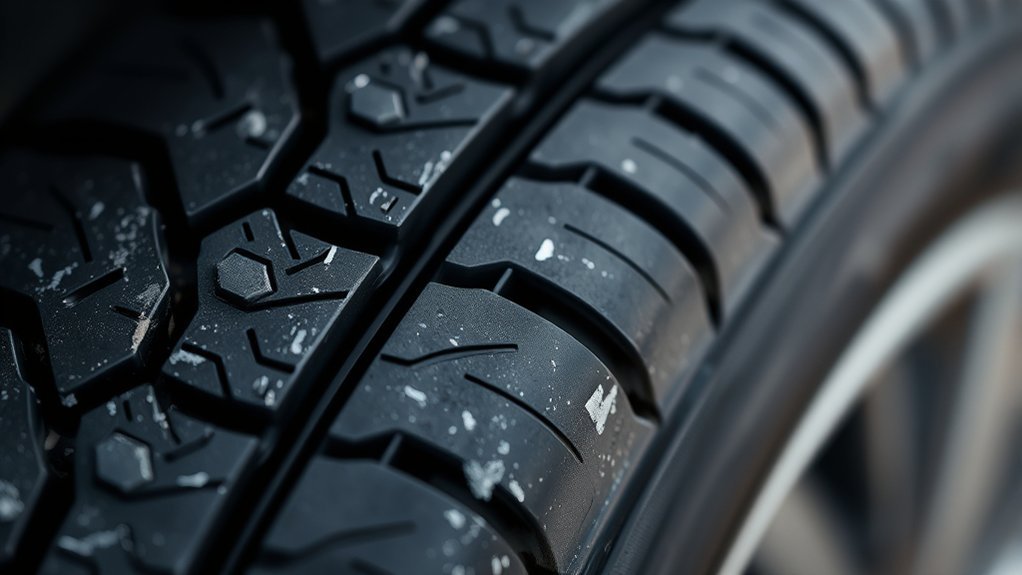
Tire sipes are the thin slits molded or cut into a tire’s tread blocks. On a Hyundai Sonata, they can help the tire create more biting edges on wet, slushy, snowy, or icy roads, but they are not a magic fix for worn tires, poor tread depth, or the wrong tire type. For most Sonata owners, the best choice is a tire that already has factory-engineered sipes rather than adding aftermarket cuts later.
Quick Answer
Tire sipes can improve a Hyundai Sonata’s wet and winter traction when they are engineered into the tire tread. Factory siping is usually the safer, better-performing option. Aftermarket siping may affect tread life, dry-road handling, and warranty coverage, so it should only be considered after checking the tire manufacturer’s guidance and your driving conditions.
Key Takeaways
- Sipes are small tread slits that create extra biting edges for wet, snowy, and icy surfaces.
- Factory sipes are designed into the tire and can support traction while keeping tread blocks stable.
- Aftermarket siping is different from factory siping and may reduce tread life, dry handling, fuel economy, or warranty coverage.
- Siping is not a substitute for correct tire pressure, safe tread depth, proper tire size, rotation, or replacing worn tires.
- For frequent winter driving, a winter tire or all-weather tire with the right severe-snow rating is usually a better investment than cutting extra sipes into existing tires.
At a Glance
| Time Required | 10–15 minutes to inspect your tires; longer if a tire shop evaluates them for aftermarket siping. |
| Difficulty | Easy for inspection and tire selection; professional-only if tire cutting is being considered. |
| Tools Needed | Tire pressure gauge, tread depth gauge or quarter, Sonata owner’s manual, and the Tire and Loading Information Label on the driver-side door area. |
| Cost | Inspection can be free or low-cost. Some shops quote about $10–$15 per tire for siping, but buying the right factory-siped tire is often the better value. |
What Are Tire Sipes and How Do They Work?
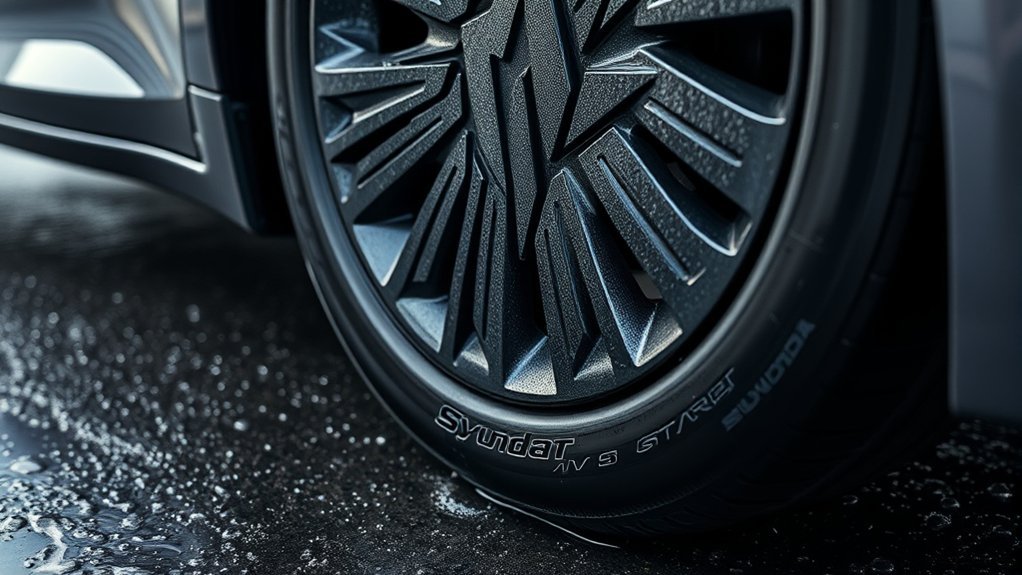
Tire sipes are narrow slits in the tread blocks. As the tire rolls, these small openings can flex and create extra biting edges. That extra edge effect can help the tread grip slick pavement, packed snow, slush, and light ice better than a smooth tread block would.
Modern tire manufacturers design sipes as part of the tire’s full tread system. That system includes the rubber compound, tread depth, circumferential grooves, block shape, shoulder design, and internal construction. In other words, sipes matter, but they are only one part of traction.
Discount Tire explains that factory sipes are molded into the tire and can be designed to flex for grip while interlocking for tread-block stability. That is different from aftermarket siping, where extra slits are cut into a finished tire.
How Tire Sipes Affect Wet and Winter Traction in Your Hyundai Sonata
On a Hyundai Sonata, siping can help most in wet, cold, slushy, snowy, or icy conditions. Because the Sonata is a passenger sedan, the tire’s ability to maintain contact with the road is especially important during braking, lane changes, and highway driving in bad weather.
Wet Road Grip
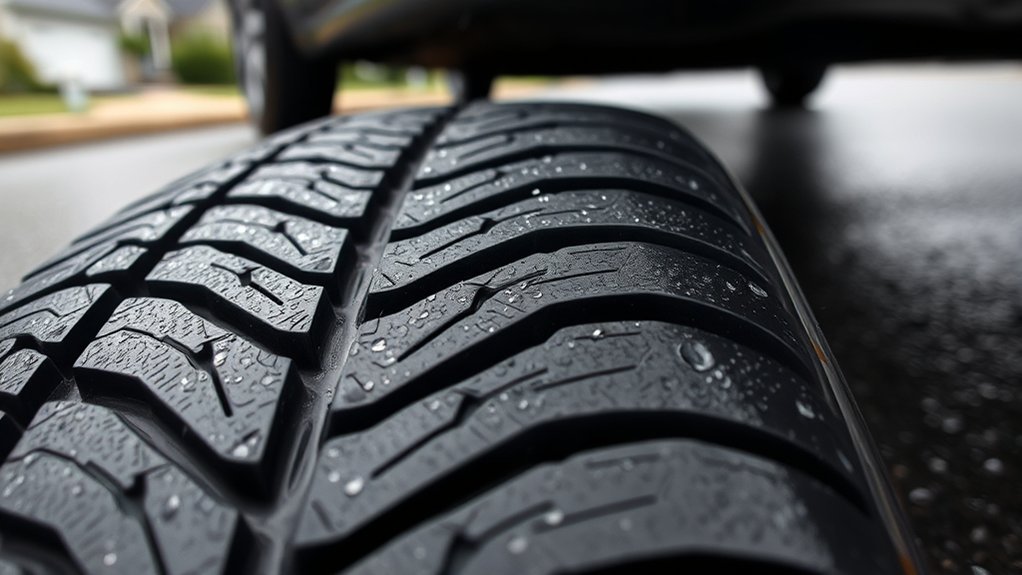
In rain, sipes can help create smaller biting edges while tread grooves move water away from the contact patch. This can support wet traction, but tread depth and tire condition are just as important. A tire with worn tread can still hydroplane or take longer to stop, even if it has sipes.
AAA testing found that, compared with new tires, tires worn to 4/32 inch increased average wet stopping distance by 87 feet for a passenger car.
That is why siping should never be treated as a shortcut around tire replacement. If the tread is worn, cracked, cupped, uneven, or damaged, replace the tire instead of modifying it. AAA’s wet-road tire testing shows how much worn tread can affect stopping and handling.
Snow and Ice Performance
In winter conditions, sipes can help tread blocks create a claw-like edge against packed snow and ice. Michelin describes full-depth 3D sipes as part of winter tire technology that helps provide biting edges for snow and ice traction while supporting tread block stability.
Bridgestone also uses optimized sipes in its winter tire designs. In its Blizzak IcePeak tire announcement, Bridgestone says small slits in the tread blocks are optimized by shape and angle to increase gripping-edge effect.
Note: A siped all-season tire is not the same as a dedicated winter tire. If you regularly drive your Sonata in snow, ice, or temperatures near freezing, compare winter tires or all-weather tires designed for severe snow service before paying for aftermarket siping.
Factory Siping vs. Aftermarket Siping
The most important distinction is whether the sipes were engineered into the tire at the factory or cut into the tread after purchase.
[Products Worth Considering]

Vigorder rubber cement glue delivers superior adhesion and cures quickly within about 30 seconds for seamless rubber bonding. Once cured, it helps provide a strong, durable, waterproof seal that holds up to vehicle weight, pressure, and heat. Suitable for cars, motorcycles, trucks, bicycles, and off-road tires, it’s designed for emergency patch and maintenance repairs.

The SAFELIFE dial tire tread depth gauge measures tread depth in 1/32 inch increments with clear, easy-to-read 2-inch dial face. Color zones using a traffic light system help you quickly judge whether tread is low, marginal, or ample for safer driving. Built with a durable zinc cast body and a metal detect probe for precise, comfortable use across cars, motorcycles, trucks, and buses.

Measure tire tread depth quickly and accurately with this LUMITECO dial gauge that reads in 1/32" increments up to 14/32". The color-coded green/yellow/red zones make it easy to judge tire wear and know when replacement is needed. A rugged, compact design with a protective pouch helps keep the gauge ready for use on cars, trucks, motorcycles, and more.
Factory-Siped Tires
Factory-siped tires are designed as a complete package. The manufacturer chooses the sipe depth, angle, pattern, tread compound, groove layout, and tread-block support together. This helps the tire balance wet grip, winter traction, dry handling, noise, fuel economy, wear, and ride comfort.
For most Hyundai Sonata drivers, this is the better route. Instead of modifying a finished tire, choose a tire model that already matches your climate and driving needs.
Aftermarket Siping
Aftermarket siping means a shop cuts additional slits into a tire that has already been manufactured. Some tire shops offer this service, often for a per-tire fee. However, it is not the same as factory engineering.
Aftermarket siping may provide a small traction benefit in certain conditions, especially on some blocky tread patterns, but it can also increase tread squirm, wear, road noise, and dry-road softness. It may also affect the tire’s treadwear warranty.
Warning: Do not cut tire sipes yourself with a knife, razor, or improvised tool. Poorly cut sipes can damage the tire, weaken the tread, create irregular wear, and create a safety risk.
Should You Choose Siped or Non-Siped Tires for Your Sonata?
The right choice depends on your weather, driving style, and tire type.
- Frequent rain: Choose a tire with strong wet traction ratings, good tread depth, wide water channels, and factory sipes.
- Light snow or mixed seasons: Consider an all-weather tire or a high-quality all-season tire with factory siping.
- Frequent snow, ice, or freezing temperatures: Dedicated winter tires are usually the safest choice.
- Hot, dry climate: You may not need aggressive siping. Dry handling, tread life, heat resistance, and comfort may matter more.
- Summer or performance tires: Avoid aftermarket siping unless the tire manufacturer or a qualified tire professional specifically says it is appropriate.
Always match the tire to your exact Sonata year, trim, wheel size, speed rating, and load requirement. NHTSA advises drivers to use the vehicle owner’s manual or the Tire and Loading Information Label on the driver-side door edge or post to find the correct tire size and pressure.
[Products Worth Considering]

Monitor tire tread wear with a smart, color-coded depth gauge that shows clear condition ranges at a glance. The bar is range marked for fast, easy readings, helping you maintain safer traction and performance. Each gauge is portable with a pocket clip, and the set includes 20 units for daily use and sharing.

Accurately measure tire tread depth with a calibrated gauge marked from 0 to 1 inch in 1/32 inch increments. The color-coded bar helps you quickly identify tread condition ranges, supporting safe driving for trucks, motorcycles, automobiles, and passenger vehicles.

Measure tyre tread depth precisely with a digital gauge that reads in both MM and inches, helping you monitor safe driving conditions. The large LCD screen is easy to operate, and the compact tool fits for cars, trucks, and motorcycles. It provides high accuracy with a 0-25.4mm range and includes a 1-year warranty for added peace of mind.
What Should You Know About the Risks of Aftermarket Siping?
Aftermarket siping is not automatically unsafe, but it is easy to overstate its benefits. Before paying for it, understand the trade-offs.
Warranty Concerns
Aftermarket siping may affect manufacturer warranty coverage, especially treadwear coverage. Some tire warranties exclude altered tires. Before siping your Sonata’s tires, read the warranty for your exact tire brand and model, and ask the shop to explain in writing whether siping could affect coverage.
Handling and Tread Life
Extra cuts can make tread blocks flex more. In some conditions that may help grip, but too much flex can also increase tread squirm, heat, wear, road noise, and softer steering response on dry pavement.
Legal and Regulatory Cautions
Do not rely on a generic claim that tire siping is always legal or always illegal. The rules can depend on the tire type, how the work is done, and local requirements. Federal regulation 49 CFR Part 569 addresses regrooved and regroovable tires and says siping must not damage cord material or go deeper than the original or retread groove depth. A qualified tire professional should know the difference between safe siping, regrooving, and tire damage.
When Should You Consider Siping Your Tires?
You should only consider aftermarket siping if all of the following are true:
- Your tires are in good condition, with safe tread depth and no cracks, bulges, punctures, exposed cords, or uneven wear.
- Your tire warranty will not matter to you, or the manufacturer confirms siping will not affect coverage.
- A qualified shop inspects the tires first and says the tread design is suitable.
- You mainly need help with wet, slushy, or light winter conditions, not aggressive dry-road performance.
- You understand that results vary and may not justify the cost.
Do not sip tires that are already near replacement, heavily worn on one edge, damaged by underinflation, used for high-performance driving, or designed as summer tires. In those cases, replacement is safer than modification.
Pro Tip: If your Sonata feels slippery in rain or snow, check tire pressure and tread depth first. Many traction complaints come from worn tread, underinflation, old tires, or the wrong tire type—not from a lack of extra sipes.
Choosing Tires With Built-In Sipes
For most Sonata owners, buying tires with factory-designed sipes is better than modifying current tires. Look for a tire that matches your climate:
- Touring all-season tires: Good for mild climates, highway comfort, and everyday commuting.
- All-weather tires: Better for drivers who see rain, slush, and occasional snow but do not want a separate winter set.
- Winter tires: Best for regular snow, ice, and freezing temperatures.
- Performance tires: Best for sharper dry handling, but not usually ideal for snow or aftermarket siping.
When comparing tires, do not shop by siping alone. Compare wet traction, winter rating, treadwear warranty, noise, ride comfort, rolling resistance, and user reviews for your Sonata’s wheel size.
[Products Worth Considering]

Keep your tires properly inflated with this analog VONDIOR tire pressure gauge, designed for fast, easy readings without batteries. The swiveling, two-axis hose and large glow dial help you measure at any tire angle with instant visibility. Built with a protective rubber shield, it supports durable, low-maintenance use for cars and trucks.

Milton S-921 pencil tire pressure gauge helps you maintain optimal tire pressure for passenger cars with accurate readings in PSI and kPa. It features a built-in deflator valve for convenient pressure adjustments, plus a single chuck head and nylon indicator bar for easy use on the go. Built from durable plated brass and designed for reliable performance, it’s a practical road trip and cold-weather maintenance tool.

The TYAMATE TM8 solar-powered wireless TPMS delivers real-time tire pressure and temperature monitoring with six alarm modes for safer driving. A vibrant color LCD display shows readings clearly while windshield mounting keeps it hands-free and easy to read. With a wide 0–87 PSI range, strong 433.92 MHz signal transmission, and quick sensor pairing, it’s ideal for RV, sedan, SUV, MPV, and truck use.
How Siping Affects Tire Longevity and Safety
Factory siping can support traction while preserving the tire’s intended structure. Aftermarket siping is less predictable because it changes a finished tire. Depending on the tread design and cut quality, it may increase tread flexibility, which can affect wear and handling.
The safer path is to keep your Sonata’s tires maintained:
- Check tire pressure monthly when the tires are cold.
- Use the recommended pressure on the Sonata’s door placard or owner’s manual, not the maximum pressure printed on the tire sidewall.
- Check tread depth at least monthly.
- Replace tires when they reach 2/32 inch tread depth at the latest, and consider earlier replacement for wet-weather safety.
- Rotate tires at the interval recommended in your owner’s manual, unless your tire setup cannot be rotated.
- Inspect for cracks, bulges, punctures, exposed cords, vibration, or uneven wear.
NHTSA also notes that Tire Pressure Monitoring Systems are not a substitute for regular tire maintenance because they warn only when pressure is significantly low.
Professional vs. DIY Tire Siping: Which Is Best for You?
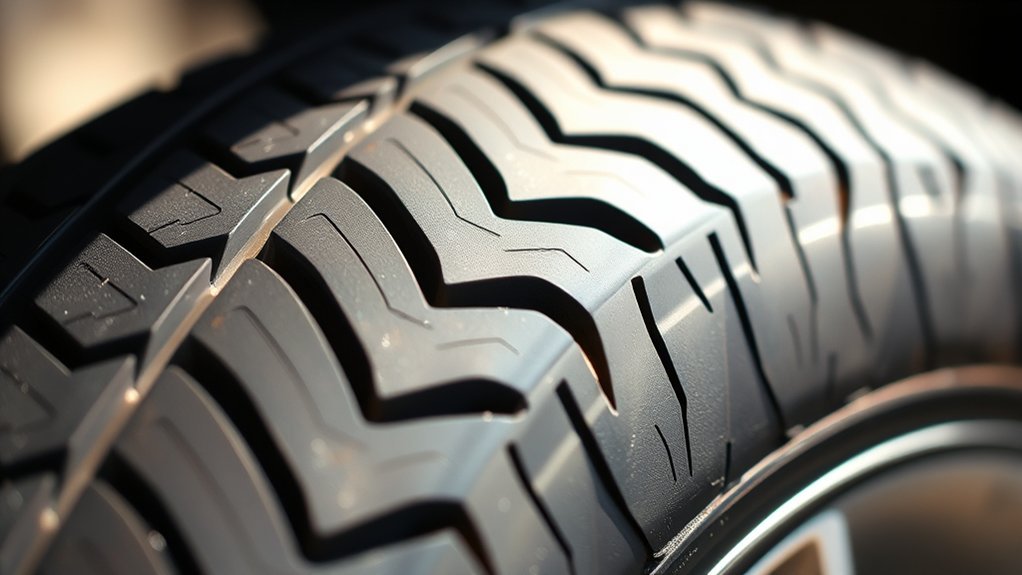
If you still want aftermarket siping, professional inspection is the only sensible option. A tire shop with proper siping equipment can control cut spacing and depth better than a DIY method. Even then, the shop should inspect the tire first and explain the risks.
DIY tire siping is not recommended. Hand-cutting the tread can go too deep, damage the tire structure, create uneven tread blocks, or make the tire unsafe. The small amount you might save is not worth the risk of tire failure, poor handling, or voided coverage.
How to Schedule a Tire Siping Appointment at RNR Tire Express or Another Shop
If your local RNR Tire Express or another tire retailer offers tire siping, call before scheduling. Not every shop recommends siping, and some major tire retailers do not offer it because of warranty and performance concerns.
Ask these questions before booking:
- Do you sip passenger-car tires, or only certain truck/off-road tread patterns?
- Will siping affect my tire manufacturer’s warranty?
- How do you confirm the tire has enough tread depth and no hidden damage?
- What machine and cut depth do you use?
- Do you provide the recommendation and estimate in writing?
- Would replacing the tires with factory-siped all-season, all-weather, or winter tires be safer?
If the shop cannot answer clearly, skip the service. For a Hyundai Sonata, the safer upgrade is often a better tire matched to your climate rather than cutting extra slits into the tires you already own.
Frequently Asked Questions
Does tire siping really work?
Yes, sipes can help traction when they are part of a well-designed tread pattern. Factory-engineered sipes are the best example. Aftermarket siping may help in limited conditions, but the benefit varies and can come with trade-offs in tread life, dry handling, road noise, and warranty coverage.
What are the downsides of siping tires?
The main downsides of aftermarket siping are possible treadwear warranty issues, more tread squirm, faster wear, extra road noise, reduced dry-road precision, and inconsistent results. Poorly cut sipes can also damage the tire.
What are the benefits of tire sipes?
Tire sipes create extra biting edges that can help with wet, slushy, snowy, and icy traction. In factory-designed tires, sipes can work with the tread compound and grooves to support grip without weakening the tread blocks too much.
Is siping necessary for a Hyundai Sonata?
Aftermarket siping is usually not necessary for a Hyundai Sonata. Most drivers are better served by choosing the correct factory-siped tire for their climate and keeping tire pressure, tread depth, rotation, and alignment in good condition.
Can siping fix worn tires?
No. Siping should not be used to fix worn, damaged, cracked, or unevenly worn tires. If the tread is low or the tire is damaged, replacement is the safer choice.
Are factory sipes better than aftermarket sipes?
Yes, in most cases. Factory sipes are engineered with the tire’s tread compound, tread depth, groove layout, and block stability. Aftermarket sipes are added after manufacturing and may not preserve the tire’s intended performance balance.
Conclusion
Tire sipes can help your Hyundai Sonata maintain traction in wet and winter driving, but the safest option is usually a tire that already has factory-engineered siping. Avoid relying on aftermarket siping as a cure for worn tread, poor tire pressure, or the wrong tire type. Before modifying any tire, check the tire warranty, inspect tread depth and condition, and ask a qualified tire professional whether replacement would be safer.
Sources
- Discount Tire — Tire Sipes — explains factory siping, aftermarket siping, cost estimates, and warranty concerns.
- NHTSA TireWise — supports tire pressure, tread depth, tire size, TPMS, rotation, and tire safety guidance.
- AAA Newsroom — Worn Tires Put Drivers at Risk — supports wet stopping distance and tread-depth safety claims.
- Michelin Winter Tire Technology — supports factory 3D sipes and winter traction explanation.
- Bridgestone Blizzak IcePeak Press Release — supports modern tire engineering and optimized sipe design.
- eCFR 49 CFR Part 569 — supports regulatory caution around regrooved/regroovable tires and siping depth.