
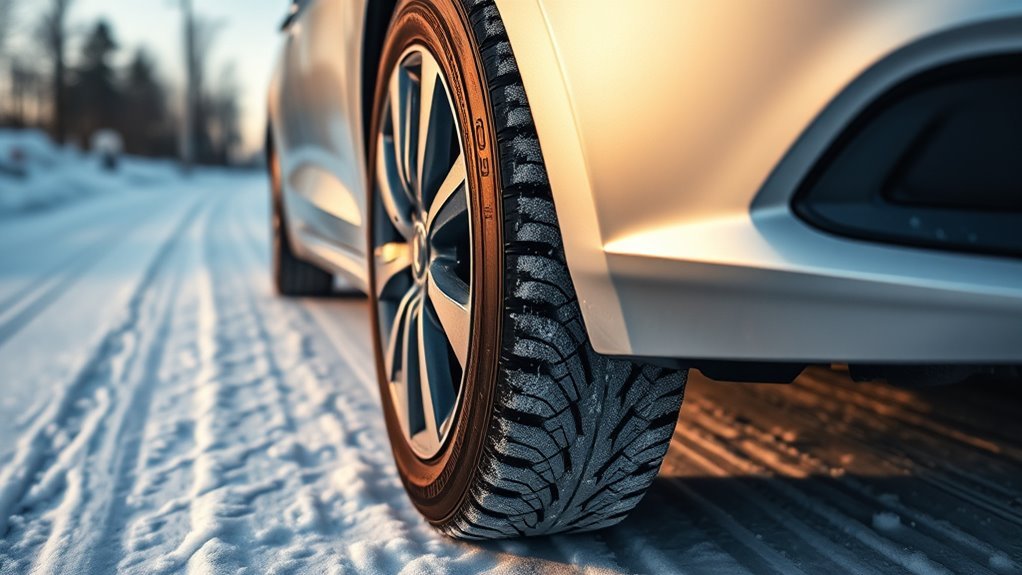
Winter tires on a Hyundai Sonata can last several winter seasons when they are used only in cold weather, rotated regularly, stored correctly, and kept at the right pressure. Mileage alone should not decide when to replace them, though. The safer way to judge winter tire life is to check tread depth, tire age, visible damage, uneven wear, and how the tires feel on snow, slush, and ice.
Quick Answer
Hyundai Sonata winter tires commonly last about 3 to 5 winter seasons in normal seasonal use, but heavy mileage, warm-weather driving, poor storage, low pressure, and aggressive braking can shorten that. Replace them sooner if tread is too low for winter traction, the tire is damaged, or the rubber is aging.
Key Takeaways
- Do not rely on mileage alone. Tread depth, age, damage, pressure, storage, and driving conditions matter more.
- Check the Sonata’s driver-door Tire and Loading Information label or owner’s manual for the correct cold tire pressure and tire size.
- For serious winter driving, plan replacement before the tires are near the general 2/32-inch legal minimum.
- Remove winter tires when temperatures are consistently above about 45°F to avoid faster warm-weather wear.
- Rotate, inspect, and pressure-check your winter tires monthly during the season.
At a Glance
| Time Required | 10 to 15 minutes for a basic tread, pressure, and damage check |
| Difficulty | Easy for inspection; use a tire professional for repairs, mounting, balancing, or alignment |
| Tools Needed | Tread-depth gauge, tire-pressure gauge, flashlight, gloves, and your Sonata owner’s manual or door-jamb label |
| Cost | Usually under $15 for basic gauges; professional inspection costs vary by shop |
Winter Tire Lifespan for Hyundai Sonata Owners
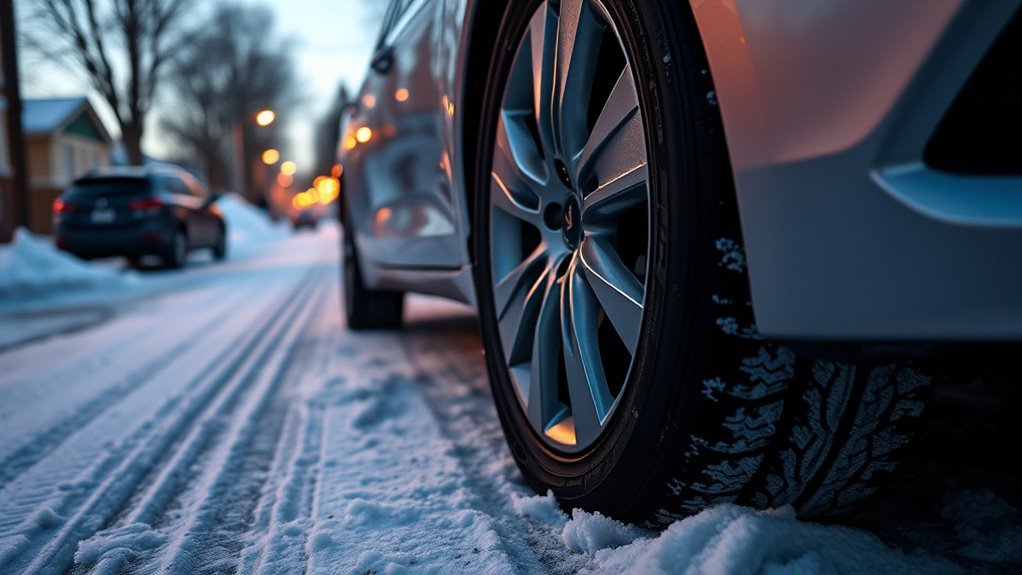
Most Hyundai Sonata owners should think of winter tire life as a range, not a fixed mileage promise. A lightly driven Sonata that uses winter tires only during cold months may get several seasons from a set. A Sonata driven daily on rough roads, dry pavement, or warmer days may wear through the same type of tire much faster.
The key is to judge the tire, not just the odometer. Check tread depth, pressure, age, cracks, bulges, punctures, vibration, and uneven wear. The National Highway Traffic Safety Administration recommends monthly tire checks and notes that proper tire pressure, tread, rotation, balancing, and alignment all affect tire safety and life.
Note: Your Sonata’s correct cold tire pressure is not the number printed on the tire sidewall. Use the Tire and Loading Information label on the driver’s door jamb or the Hyundai owner’s manual resources for your exact model year, trim, and tire size.
Key Factors That Shorten or Extend Winter Tire Life
Winter tires use softer rubber compounds and tread designs to improve grip in cold weather. That is why they work well in snow and ice, but it is also why they can wear quickly if you run them when the weather is warm. Continental explains that winter tire rubber is designed to stay soft below about 7°C, or 46°F, and that using winter tires in warmer conditions can shorten service life.
- Warm pavement: Driving winter tires through spring and summer can wear the softer tread faster.
- Aggressive driving: Hard acceleration, sharp cornering, high speeds, and sudden braking increase tread wear.
- Low tire pressure: Underinflation causes heat buildup and uneven wear. Check pressure when tires are cold.
- Poor alignment or balance: Feathered, cupped, or one-sided wear can shorten a set long before the tread is evenly worn.
- Road conditions: Potholes, rough pavement, salt, gravel, and repeated curb strikes can damage tires.
- Storage: Heat, sunlight, moisture, and ozone exposure can age rubber while the tires are off the car.
- Driving mileage: A high-mileage commute can wear out winter tires in fewer seasons than occasional local driving.
Pro Tip: Mark each tire’s position before storage, such as “front left” or “rear right.” That makes seasonal rotation easier and helps you spot whether one corner of the Sonata is wearing tires faster than the others.
When to Replace Winter Tires on a Hyundai Sonata
Replace winter tires when they no longer have enough tread for the winter conditions you drive in, when they show damage, or when age has made the rubber less reliable. The NHTSA says tires are not safe and should be replaced when tread is worn to 2/32 inch, but winter driving often demands more tread than the bare minimum because snow, slush, and standing water need deeper grooves to clear properly.
| What You See | What It Means | What to Do |
|---|---|---|
| Deep, even tread with no cracks or bulges | Tires may still be serviceable | Check pressure monthly and rotate as recommended |
| Tread is getting shallow before winter | Snow and slush grip may be reduced | Plan replacement before heavy winter driving |
| Tread is at or near 2/32 inch | General minimum replacement point | Replace the tires; do not use them for winter driving |
| Cracks, bulges, exposed cords, repeated pressure loss, vibration, or uneven wear | Possible damage, aging, alignment issue, or internal tire problem | Stop relying on the tire and have it inspected by a tire professional |
| Tires are 6 to 10 years old | Age can weaken rubber even if tread remains | Check the DOT date code and follow tire-maker or vehicle-maker replacement guidance |
Some local winter-driving rules require more tread than the general minimum. For example, the Colorado Department of Transportation lists 3/16-inch tread depth as part of its Passenger Vehicle Traction Law requirements when traction laws are active. If you drive your Sonata in mountain areas or states with winter traction laws, check local rules before the season starts.
Warning: Do not wait for a tire to look bald before replacing it for winter use. A tire can still have some tread and still be poor in snow, slush, or ice if the tread is shallow, the rubber is hardened, or the tire is damaged.
[Products Worth Considering]

Accurately measure tire tread depth with a calibrated gauge marked from 0 to 1 inch in 1/32 inch increments. The color-coded bar helps you quickly identify tread condition ranges, supporting safe driving for trucks, motorcycles, automobiles, and passenger vehicles.

The SAFELIFE dial tire tread depth gauge measures tread depth in 1/32 inch increments with clear, easy-to-read 2-inch dial face. Color zones using a traffic light system help you quickly judge whether tread is low, marginal, or ample for safer driving. Built with a durable zinc cast body and a metal detect probe for precise, comfortable use across cars, motorcycles, trucks, and buses.

Measure tire tread depth quickly and accurately with this LUMITECO dial gauge that reads in 1/32" increments up to 14/32". The color-coded green/yellow/red zones make it easy to judge tire wear and know when replacement is needed. A rugged, compact design with a protective pouch helps keep the gauge ready for use on cars, trucks, motorcycles, and more.
How to Check Winter Tire Tread, Age, and Condition
A quick inspection before the first cold snap can prevent surprises later. Do this check before installing your winter tires and repeat it monthly while they are on your Sonata.
- Measure tread depth: Use a tread-depth gauge in several grooves across each tire. Check the inner, center, and outer tread, not just one spot.
- Look for uneven wear: More wear on one edge can point to alignment, suspension, or inflation problems.
- Check tire pressure cold: Measure pressure before driving or after the car has been parked for at least three hours. Adjust to the Sonata’s door-jamb label, not the sidewall maximum.
- Inspect sidewalls: Look for cracks, cuts, bulges, bubbles, embedded objects, or exposed cords.
- Check the DOT date code: The last four digits show the week and year the tire was made. For example, “3222” means the 32nd week of 2022.
- Pay attention to performance: If the car slides more than usual, vibrates, pulls, or struggles to hold pressure, have the tires inspected.
A winter tire’s real lifespan ends when it can no longer provide safe cold-weather traction, not when it reaches a guessed mileage number.
[Products Worth Considering]

Milton S-921 pencil tire pressure gauge helps you maintain optimal tire pressure for passenger cars with accurate readings in PSI and kPa. It features a built-in deflator valve for convenient pressure adjustments, plus a single chuck head and nylon indicator bar for easy use on the go. Built from durable plated brass and designed for reliable performance, it’s a practical road trip and cold-weather maintenance tool.

Monitor tire tread wear with a smart, color-coded depth gauge that shows clear condition ranges at a glance. The bar is range marked for fast, easy readings, helping you maintain safer traction and performance. Each gauge is portable with a pocket clip, and the set includes 20 units for daily use and sharing.

Keep your tires properly inflated with this analog VONDIOR tire pressure gauge, designed for fast, easy readings without batteries. The swiveling, two-axis hose and large glow dial help you measure at any tire angle with instant visibility. Built with a protective rubber shield, it supports durable, low-maintenance use for cars and trucks.
Best Practices for Winter Tire Maintenance
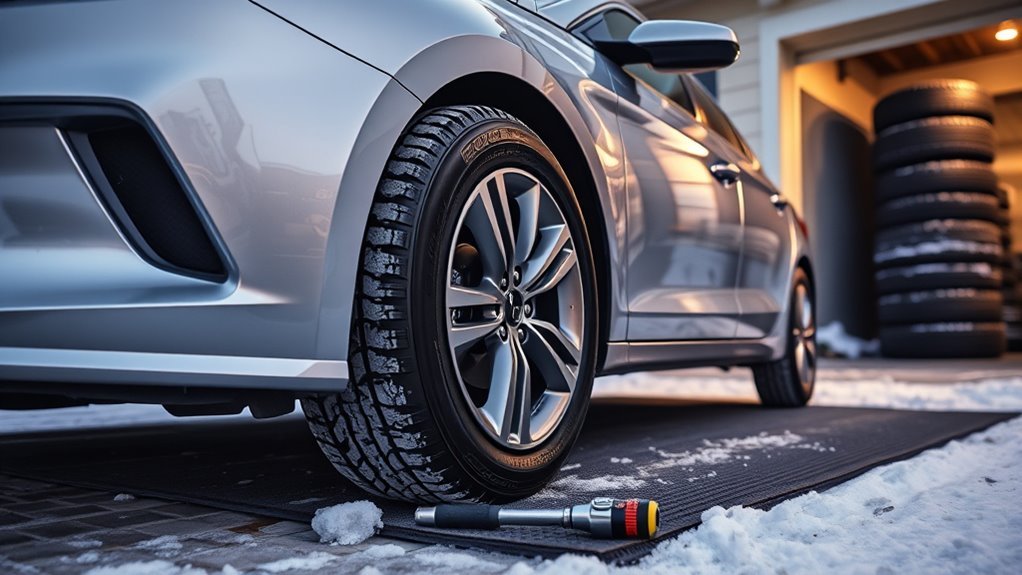
Good maintenance helps your winter tires wear evenly and last longer on your Hyundai Sonata. It also helps the car brake, steer, and handle more predictably in cold weather.
- Check pressure monthly: Cold temperatures can trigger pressure drops, and TPMS is not a substitute for a gauge check.
- Rotate regularly: If your tire model and Sonata setup allow rotation, follow the owner’s manual. NHTSA notes that tire rotation every 5,000 to 8,000 miles may be recommended by the vehicle manufacturer.
- Use the correct size and load rating: Match the Sonata’s label, manual, or tire professional’s recommendation.
- Install four matching winter tires: Mixing winter and non-winter tires can create uneven grip from front to rear.
- Balance when mounted: Vibration can cause uneven wear and make winter driving less stable.
- Fix alignment issues early: If the Sonata pulls, the steering wheel is off-center, or one tire wears faster, schedule an alignment check.
- Wash before storage: Remove salt and grime, let tires dry fully, and store them in a cool, dry place away from direct sunlight.
Note: If your winter tires are mounted on separate wheels, store them stacked horizontally or hanging from the wheels. If they are unmounted tires, store them upright and rotate their position occasionally to help prevent flat spots.
When to Install and Remove Winter Tires
Install winter tires when temperatures are consistently near or below about 45°F, especially if snow, ice, freezing rain, or early-morning frost is likely. Remove them when temperatures are consistently above that range and winter weather has passed.
Leaving winter tires on through warm weather is one of the fastest ways to shorten their life. Winter rubber is built for cold flexibility, not hot pavement. In warmer conditions, winter tires may wear faster, feel less responsive, and reduce fuel economy compared with season-appropriate tires.
Why Choose Winter Tires Over All-Season Options?
Winter tires are designed for cold-weather traction. All-season tires are built as a compromise for a wider range of conditions, while all-weather tires are a middle-ground option that may carry winter-rated markings depending on the model. If your Sonata regularly sees snow, ice, or freezing slush, true winter tires provide the strongest seasonal advantage.
Here’s a clearer comparison:
| Feature | Winter Tires | All-Season or All-Weather Tires |
|---|---|---|
| Cold-weather rubber | Designed to stay flexible in cold conditions | Broader compromise; performance depends heavily on the specific tire |
| Snow and ice grip | Best choice for regular snow, ice, and slush | Adequate for mild conditions; all-weather tires may be better than standard all-season tires |
| Warm-weather use | Not ideal; can wear faster on warm pavement | Better suited for warmer months or year-round mild climates |
| Best for Sonata owners who… | Drive in real winter weather every year | Live where winters are light, roads are usually clear, or tire swaps are impractical |
Winter tires can improve traction and control, but they cannot overcome unsafe speed, poor visibility, black ice, or sudden braking. Drive slower in winter weather and leave more following distance than you would on dry pavement.
[Products Worth Considering]

Measure tyre tread depth precisely with a digital gauge that reads in both MM and inches, helping you monitor safe driving conditions. The large LCD screen is easy to operate, and the compact tool fits for cars, trucks, and motorcycles. It provides high accuracy with a 0-25.4mm range and includes a 1-year warranty for added peace of mind.

ETENWOLF’s calibrated tire pressure gauge delivers accurate readings for cars, trucks, motorcycles, bikes, SUVs, RVs, and ATVs across a 0–75 PSI range. The large glow dial improves visibility in low light, while the 360° swivel chuck makes it easy to check valve pressure from any angle. It’s designed to stay accurate even in extreme hot or cold weather.

ETENWOLF T300 is a calibrated digital tire pressure gauge for accurate readings from 3 to 200 PSI across light and heavy-duty vehicles. It includes thermal compensation for reliable performance in extreme cold or heat, with an auto shut-off to extend battery life and an LED for easier reading. The sturdy design supports rugged everyday use, making it ideal for pickups, RVs, and industrial applications.
Frequently Asked Questions
How many miles do winter tires typically last?
There is no single mileage number that applies to every winter tire or every Hyundai Sonata. Many owners get several winter seasons from a set, but heavy driving, warm pavement, low pressure, rough roads, and poor storage can shorten life. Use tread depth, age, damage, and winter performance as your replacement triggers.
How long do factory tires last on a Hyundai Sonata?
Factory tires on a Hyundai Sonata are usually all-season or performance-oriented tires, not dedicated winter tires. Their life depends on the tire model, treadwear rating, rotation schedule, alignment, pressure, and driving style. Inspect them the same way: tread depth, age, damage, and uneven wear matter more than a guessed mileage number.
What is the 7 7 Rule for winter tires?
The “7 7 Rule” is not a universal winter-tire standard. A safer approach is to check the DOT date code, inspect tread depth monthly, and follow the tire maker’s age guidance. NHTSA notes that some vehicle and tire manufacturers recommend replacing tires that are 6 to 10 years old, even if tread remains.
How do you tell if winter tires need replacing?
Replace winter tires if tread is too shallow for the conditions you drive in, if they are at the general 2/32-inch minimum, if they show cracks, bulges, exposed cords, repeated pressure loss, or uneven wear, or if winter grip has noticeably declined. When in doubt, have a tire professional inspect them before winter weather arrives.
Can I use winter tires on my Sonata all year?
You should avoid year-round winter tire use unless a tire professional specifically recommends it for your situation. Winter tires are made for cold conditions, and warm pavement can wear them faster, reduce steering response, and shorten their useful life.
Do I need four winter tires or only two?
Use four matching winter tires. Installing only two can create a grip imbalance between the front and rear of the car, which can make braking and cornering less predictable in snow or ice.
Conclusion
Winter tires on a Hyundai Sonata usually last several cold-weather seasons when they are used at the right time, maintained well, and stored correctly. The safest replacement decision comes from inspection, not guesswork. Check tread depth, cold pressure, tire age, damage, and winter traction before every season. If the tires are worn, old, cracked, uneven, or no longer gripping confidently, replace them before the next snowstorm.
Sources
- NHTSA TireWise: Tire Safety Ratings and Awareness — tire pressure, tread depth, tire rotation, TPMS, and tire aging guidance
- Hyundai Manuals & Warranties — official Hyundai owner manual lookup for model-specific tire and maintenance information
- Continental Tires: Winter Tires in Summer — winter tire compounds, warm-weather wear, and seasonal tire-use guidance
- Colorado Department of Transportation: Passenger Vehicle Traction and Chain Laws — example of winter traction-law tread-depth requirements

1 thought on “How Long Do Winter Tires Last on a Hyundai Sonata? (Miles & Seasons)”