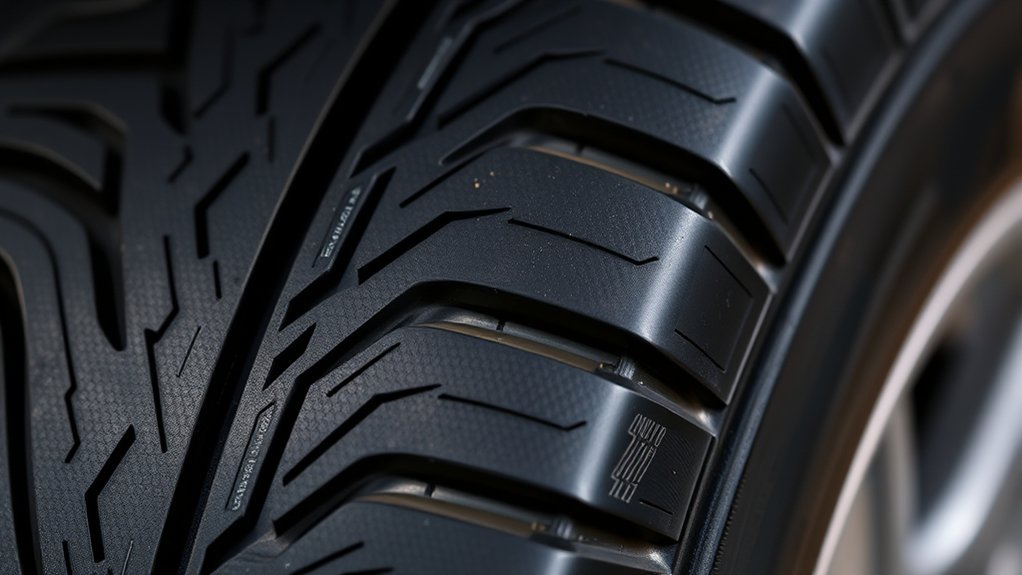
Tire rubber compounds affect how your Honda Accord grips, stops, rides, wears, and uses fuel. The right tire is not just the right size; it is the right mix of tread compound, tread design, load rating, speed rating, and weather capability for the roads you drive most often.
Quick Answer
A Honda Accord tire compound is the tread rubber recipe that affects grip, wear, comfort, and rolling resistance. Most Accord drivers do best with quality all-season or grand-touring tires; choose winter tires for regular snow or freezing roads, and summer/performance tires only for warm-weather driving.
Key Takeaways
- Tire compounds use natural rubber, synthetic rubber, fillers such as carbon black and silica, oils, antioxidants, and curing materials.
- Softer cold-weather compounds improve winter flexibility, while touring compounds usually balance grip, ride comfort, tread life, and fuel economy.
- For any Honda Accord, always match the tire size, load index, speed rating, and cold tire pressure shown on the driver’s doorjamb label or owner’s manual.
- Low-rolling-resistance tires can help fuel economy, but the improvement is usually modest and should not come at the expense of safe wet or winter traction.
- Do not judge tire replacement by mileage alone. Replace tires when tread is worn, damage appears, age becomes a concern, or traction noticeably declines.
At a Glance
| Time Required | 10–20 minutes to check your tire label, tire size, weather needs, and tread condition before shopping. |
| Difficulty | Easy for choosing a tire category; professional installation is required for mounting, balancing, and TPMS service. |
| Tools Needed | Tire pressure gauge, tread-depth gauge or penny, flashlight, owner’s manual, and the driver’s doorjamb tire label. |
| Cost | Free to inspect; replacement cost varies by Accord tire size, brand, category, installation, valve stems, balancing, and alignment needs. |
What Are Tire Rubber Compounds and Why Are They Important?
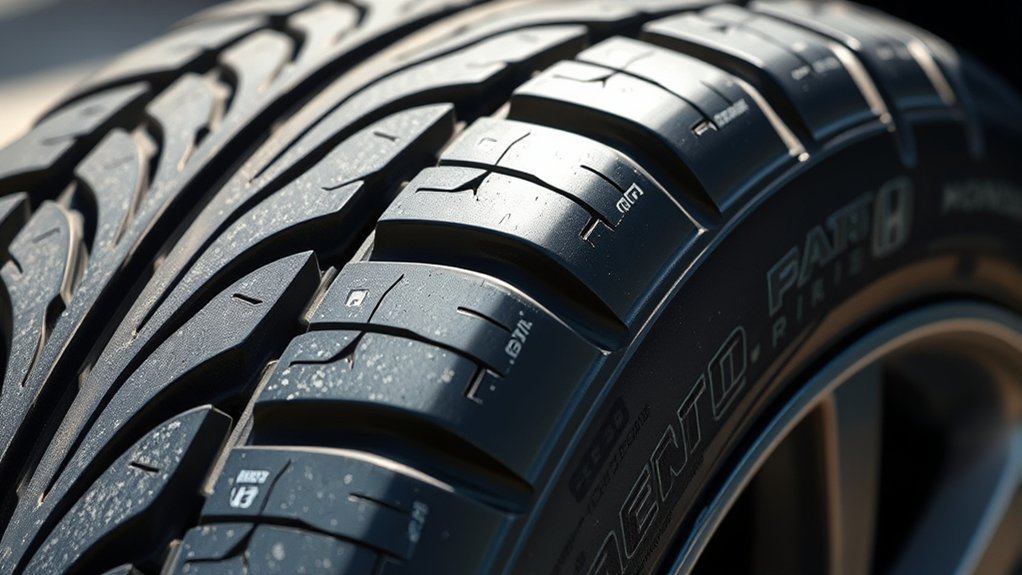
Tire rubber compounds are the engineered mixtures used in the tread, sidewall, inner liner, and other tire parts. According to the U.S. Tire Manufacturers Association, tire production begins by selecting different rubbers, oils, carbon black, pigments, antioxidants, silica, and other additives to deliver specific performance characteristics.
For your Honda Accord, the most noticeable compound effects are traction, braking feel, tread life, ride comfort, road noise, heat resistance, and rolling resistance. A compound is not usually shown on the sidewall as one simple label, so you have to judge it through the tire category, manufacturer description, UTQG ratings, winter markings, reviews, and the tire’s intended use.
The tread compound works with the tread pattern. Compound chemistry helps the rubber stay flexible or resist heat; the tread pattern moves water, snow, and slush away from the contact patch. That is why two tires in the same size can feel very different on the same Accord.
For a deeper general explanation, this related guide on tire compounds can help you compare how rubber chemistry affects grip and wear across passenger vehicles.
How Can Tire Rubber Compounds Improve Your Honda Accord’s Performance and Safety?
The right tire compound helps your Accord feel stable, predictable, and comfortable. The wrong compound can reduce traction, increase stopping distance, wear too quickly, or feel harsh on rough pavement.
- Wet grip: A good touring or performance compound can help the tire conform to the road surface while the tread channels water away.
- Dry handling: Warmer-weather and performance-focused compounds can sharpen steering response, but they may wear faster or perform poorly in freezing temperatures.
- Tread life: Long-wearing compounds resist abrasion, which is useful for commuting and highway miles.
- Fuel economy: Low-rolling-resistance compounds reduce energy loss as the tire rolls, which can modestly improve fuel economy.
- Ride comfort: Touring compounds are usually tuned to balance grip, tread life, quietness, and comfort rather than maximum cornering grip.
NHTSA estimates that a 10% reduction in tire rolling resistance can improve vehicle fuel economy by about 1–2%, so low-rolling-resistance tires can help, but they are not a magic 10% fuel-saving upgrade.
Warning: Never choose a tire only because it promises long tread life or better fuel economy. Your Accord still needs the correct size, load rating, speed rating, cold tire pressure, and traction capability for your climate.
[Products Worth Considering]

The 22800 wheel stud installer makes replacing wheel studs quick and secure, saving time and effort during tire service. It uses a ratchet or impact wrench to pull new studs firmly into place, helping when existing studs are too long. Compatible with most automotive wheels and light-duty truck wheel studs, it’s designed for easy, tool-assisted installation.

Keep your tires properly inflated with this analog VONDIOR tire pressure gauge, designed for fast, easy readings without batteries. The swiveling, two-axis hose and large glow dial help you measure at any tire angle with instant visibility. Built with a protective rubber shield, it supports durable, low-maintenance use for cars and trucks.

Measure tyre tread depth precisely with a digital gauge that reads in both MM and inches, helping you monitor safe driving conditions. The large LCD screen is easy to operate, and the compact tool fits for cars, trucks, and motorcycles. It provides high accuracy with a 0-25.4mm range and includes a 1-year warranty for added peace of mind.
What Role Do Natural and Synthetic Rubber Play in Accord Tires?
Natural and synthetic rubber both matter because they bring different strengths to the tire. USTMA explains that natural rubber is especially useful for tear and fatigue-crack resistance, while synthetic polymers such as butadiene rubber and styrene-butadiene rubber help determine rolling resistance, wear, and traction.
Passenger tires also use fillers and additives. Carbon black and silica reinforce the rubber, helping with strength, abrasion resistance, traction, and rolling resistance. Antioxidants and antiozonants help slow rubber breakdown from heat, oxygen, and ozone exposure. Curing materials such as sulfur and zinc oxide help transform soft rubber into a durable tire structure.
For Accord owners, the practical point is simple: the “best” compound is the one that fits your use. A daily commuter may benefit from a quiet grand-touring compound. A driver in snowy climates should prioritize winter or severe-snow-rated tires. A warm-climate driver who values sharper steering may prefer a summer or performance compound, as long as the car will not be driven in freezing conditions.
Silica is one of the most common materials discussed in modern tire marketing. This related guide to silica in tire compounds explains why tire makers use it to balance grip and rolling resistance.
How to Select the Best Tire Compound Based on Your Driving Conditions
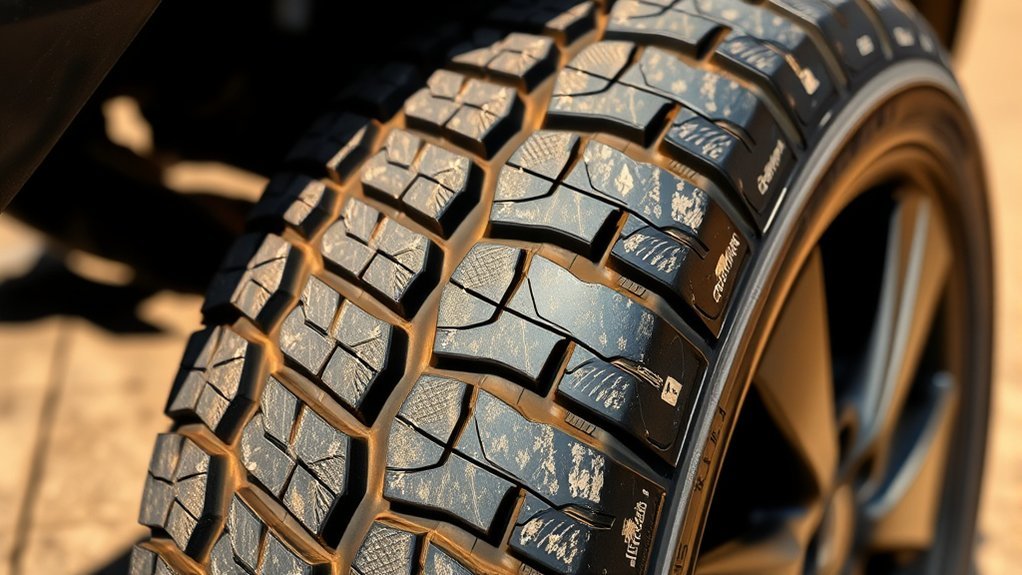
Start with your Accord’s requirements, then choose the compound category that matches your climate and driving style.
- Check the driver’s doorjamb label: Honda’s Accord tire and loading label lists the original tire size and the proper cold tire pressure for the front, rear, and spare, if equipped. Use that label and your owner’s manual before shopping.
- Match size, load index, and speed rating: Do not downgrade load capacity or speed rating. If you are unsure, ask a tire professional to match the original equipment specification.
- Choose by climate: Use all-season or grand-touring tires for mild climates, winter tires for regular snow or freezing roads, and summer tires only when temperatures stay warm.
- Choose by driving style: Daily commuting favors comfort and tread life. Spirited warm-weather driving favors performance compounds. Long highway driving favors low noise, stability, and rolling resistance.
- Check UTQG ratings: In the U.S., passenger tires may show treadwear, traction, and temperature grades. These are comparison tools, not absolute guarantees, but they help you compare tires within a category.
- Look for 3PMSF in winter climates: The Three-Peak Mountain Snowflake symbol is a stronger winter-traction signal than M+S alone.
Pro Tip: If your Accord is a hybrid, consider low-rolling-resistance touring tires that match the original size and load rating, but do not sacrifice wet braking or winter traction if your local roads demand it.
Understanding the differences between winter and all-season tire compounds can help you decide whether one all-season set is enough or whether a dedicated winter set is safer.
[Products Worth Considering]

The SAFELIFE dial tire tread depth gauge measures tread depth in 1/32 inch increments with clear, easy-to-read 2-inch dial face. Color zones using a traffic light system help you quickly judge whether tread is low, marginal, or ample for safer driving. Built with a durable zinc cast body and a metal detect probe for precise, comfortable use across cars, motorcycles, trucks, and buses.

Monitor tire tread wear with a smart, color-coded depth gauge that shows clear condition ranges at a glance. The bar is range marked for fast, easy readings, helping you maintain safer traction and performance. Each gauge is portable with a pocket clip, and the set includes 20 units for daily use and sharing.

The Continental Grand Prix 5000 is an allround road bike tire engineered for faster rolling, improved ride comfort, and enhanced puncture protection. It features a Vectran Breaker cut-protection layer, Lazer Grip micro-profile tread for confident cornering control, and Active Comfort Technology to damp vibration for smoother rides. BlackChili compound optimizes grip and speed for everyday performance and long-lasting confidence.
How Do Different Tire Compounds Perform in Various Weather Conditions?
Weather is one of the biggest reasons tire compounds differ. A compound that feels excellent in July can become stiff and less predictable in freezing weather. A soft winter compound that grips snow well can wear quickly and feel less stable in summer heat.
- All-season touring tires: Best for most Accord owners in mild to moderate climates. They balance wet grip, dry grip, tread life, comfort, and fuel economy.
- All-weather tires: A stronger choice than standard all-season tires for drivers who see winter weather but do not want to swap seasonal sets. Look for the 3PMSF symbol.
- Winter tires: Best for regular snow, ice, slush, and freezing temperatures. Michelin notes that winter tires stay flexible below 45°F (7°C), while summer tires harden and lose grip below that temperature.
- Summer or performance tires: Best for warm-weather handling and braking. Avoid using them in freezing temperatures, snow, or ice.
- Low-rolling-resistance tires: Useful for fuel economy and hybrid efficiency, but compare wet traction and braking performance before buying.
Note: Front-wheel drive helps your Accord move forward, but it does not replace winter tires. Braking and steering still depend on the four contact patches touching the road.
This guide on winter tire traction covers why flexible cold-weather compounds matter when roads are slick.
[Products Worth Considering]

Milton S-921 pencil tire pressure gauge helps you maintain optimal tire pressure for passenger cars with accurate readings in PSI and kPa. It features a built-in deflator valve for convenient pressure adjustments, plus a single chuck head and nylon indicator bar for easy use on the go. Built from durable plated brass and designed for reliable performance, it’s a practical road trip and cold-weather maintenance tool.

Accurately measure tire tread depth with a calibrated gauge marked from 0 to 1 inch in 1/32 inch increments. The color-coded bar helps you quickly identify tread condition ranges, supporting safe driving for trucks, motorcycles, automobiles, and passenger vehicles.

Measure tire tread depth quickly and accurately with this LUMITECO dial gauge that reads in 1/32" increments up to 14/32". The color-coded green/yellow/red zones make it easy to judge tire wear and know when replacement is needed. A rugged, compact design with a protective pouch helps keep the gauge ready for use on cars, trucks, motorcycles, and more.
What Tire Label Terms Should Honda Accord Owners Check?
The tire compound itself is not usually written as “soft,” “hard,” or “silica” on the sidewall. Instead, use the label and ratings to understand whether a tire fits your Accord.
- Size: Example formats look like 225/50R17 or 235/40R19. Use the size on your Accord’s tire placard or an approved alternate size.
- Load index: This number tells you how much weight each tire can carry. Never choose a lower load index than required.
- Speed rating: This letter indicates the tire’s certified speed capability. Match the original equipment rating unless Honda or a qualified tire professional approves another option.
- UTQG treadwear: A relative comparison of expected wear. Higher numbers generally suggest longer wear within similar tire categories.
- UTQG traction: A wet-stopping comparison grade, shown as AA, A, B, or C.
- UTQG temperature: A heat-resistance grade, shown as A, B, or C.
- 3PMSF: The Three-Peak Mountain Snowflake marking indicates the tire meets a severe-snow traction standard.
- M+S: Mud and Snow marking appears on many all-season tires, but it does not equal dedicated winter-tire performance.
How to Maintain Tire Compound Performance After Installation
Even the best tire compound will perform poorly if it is underinflated, overinflated, misaligned, overloaded, or worn out. Maintenance is part of tire performance.
- Check pressure cold: Honda says to measure Accord tire pressure when the vehicle has been parked for at least three hours or driven less than 1 mile. Hot readings can be 4–6 psi higher than cold readings.
- Use the placard pressure, not the sidewall maximum: The correct pressure is on the driver’s doorjamb label or in the owner’s manual.
- Recalibrate TPMS when required: Honda says TPMS calibration is needed whenever tire pressure is adjusted and whenever tires are rotated on equipped models.
- Rotate on schedule: Follow Honda maintenance messages and your tire manufacturer’s guidance. Rotation helps reduce irregular wear and extend tire life.
- Balance and align when needed: Vibration, pulling, uneven wear, or a recent hard impact may mean the tires need balancing, alignment, or inspection.
- Measure tread depth monthly: NHTSA says tires are not safe when tread is worn to 2/32 inch. In wet or winter conditions, many drivers replace sooner for better traction.
- Watch tire age: Rubber changes over time. NHTSA notes some vehicle and tire manufacturers recommend replacing tires at six to 10 years regardless of treadwear.
Warning: Replace or professionally inspect a tire immediately if you see cords, bulges, deep cuts, sidewall cracking, repeated pressure loss, vibration, or uneven wear. Do not rely on tread depth alone.
Frequently Asked Questions
How often should I replace my Honda Accord tires?
Do not replace tires by mileage alone. Replace them when tread reaches the legal/safety limit, when traction drops, when damage appears, when wear is uneven, or when tire age becomes a concern. NHTSA says tires are not safe at 2/32 inch tread depth, and some manufacturers recommend replacement at six to 10 years regardless of tread.
What tire pressure is recommended for Honda Accord tires?
Use the exact cold tire pressure on your Accord’s driver-side doorjamb tire and loading label or owner’s manual. The correct PSI can vary by model year, trim, tire size, and load. Check pressure cold, and recalibrate TPMS if your Accord requires it after pressure adjustment.
Can I mix different tire compounds on my Accord?
Avoid mixing tire categories, sizes, tread patterns, or seasonal compounds unless Honda or a qualified tire professional approves it. A matched set gives the most predictable braking, steering, and stability. Winter tires should be installed on all four wheels, not just one axle.
How do tire compounds affect fuel efficiency?
Compounds affect rolling resistance, which is the energy lost as the tire rolls. Lower rolling resistance can modestly improve fuel economy, especially on highway drives and hybrid models. Still, proper inflation, alignment, tire size, tread design, and driving habits also matter.
Are there specific brands best suited for Honda Accord tires?
Several major brands make excellent Accord-fit tires, including Michelin, Bridgestone, Continental, Goodyear, Pirelli, Yokohama, and others. The best choice is not the brand alone; it is the tire that matches your exact size, load rating, speed rating, climate, ride preference, and budget.
Are all-season tires enough for a Honda Accord in snow?
All-season tires can handle mild cold and light snow, but they are not ideal for frequent snow, ice, slush, or freezing roads. If winter weather is common where you drive, choose dedicated winter tires or all-weather tires with the Three-Peak Mountain Snowflake symbol.
Do Honda Accord Hybrid tires need a different compound?
Accord Hybrid models often benefit from quiet, low-rolling-resistance touring tires, but they still need the correct size, load index, speed rating, and cold PSI. Choose a tire that supports fuel economy without giving up wet braking, winter grip, or ride comfort you need.
What does a silica tire compound do?
Silica is a reinforcing filler used in many modern tire compounds. Depending on the full tire design, silica can help balance wet traction, wear, and rolling resistance. It is helpful, but it should be judged alongside tread pattern, tire category, and real-world test results.
Conclusion
Understanding tire rubber compounds helps you choose Honda Accord tires that fit your climate, driving style, and safety needs. For most drivers, a quality touring or all-season tire is the best balance of comfort, wet grip, tread life, and fuel economy. If you drive in regular snow or freezing temperatures, winter or all-weather tires with the right markings are safer than relying on standard all-seasons.
Before buying, check your Accord’s driver-doorjamb label, match the correct size and ratings, compare treadwear and traction information, and think honestly about your local weather. After installation, maintain cold tire pressure, rotate as recommended, watch tread depth, and inspect for age or damage. The right compound matters, but the right maintenance keeps that compound working.
Sources
- U.S. Tire Manufacturers Association — Tires 101 — tire composition, natural rubber, synthetic polymers, fillers, silica, tread, and sidewall functions.
- U.S. Tire Manufacturers Association — How a Tire Is Made — tire materials, compounding, curing, and tire construction process.
- Honda Accord Owner’s Manual — Checking Tires — cold pressure checks, inflation guidance, TPMS calibration, and tire maintenance cautions.
- Honda Accord Owner’s Manual — Tire and Loading Information Label — driver-doorjamb label information, original tire size, load information, and cold tire pressure.
- NHTSA TireWise — tread depth, tire pressure, tire rotation, tire aging, UTQG ratings, and rolling-resistance fuel-economy guidance.
- Michelin Winter Tire Buying Guide — winter, all-season, and summer tire temperature guidance, 3PMSF marking, and winter tire use.