
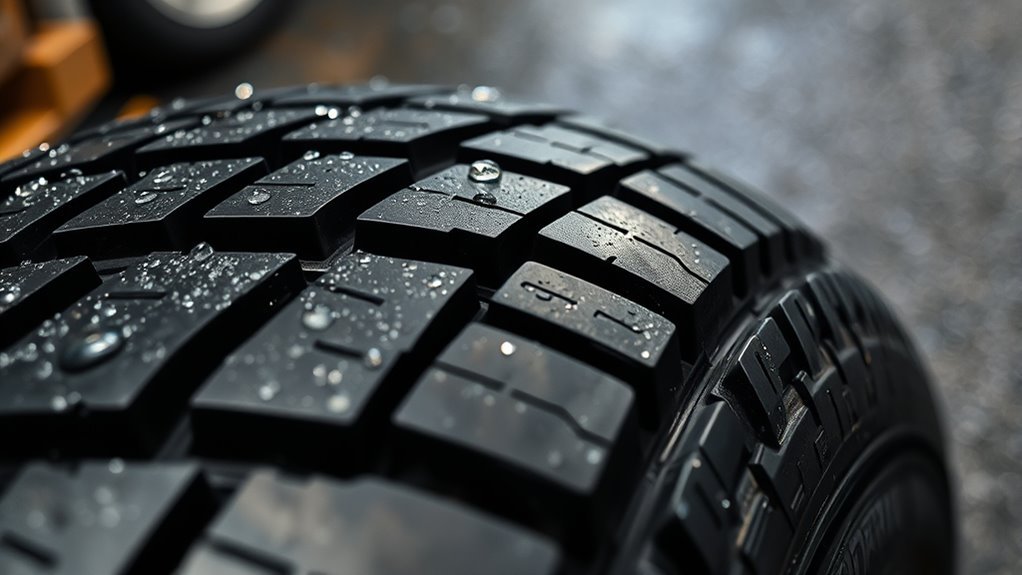
Silica is a mineral filler that tire makers mix into tread compounds to improve wet grip, lower rolling resistance, and boost overall performance. Its tiny particles bond chemically with rubber during vulcanization (the high-heat process that gives tires their final shape), creating stronger contact between tread and road. The result: better traction in wet conditions, shorter braking distances, improved fuel efficiency, and longer tire life.
Quick Answer
- Silica can improve wet braking distances by 15–50% depending on the tire and compound, with Continental reporting nearly 50% improvement over traditional carbon black.
- It reduces rolling resistance by 20–35%, saving fuel and extending electric vehicle range.
- Silica bonds chemically with rubber, creating a flexible compound that grips wet roads without sacrificing durability.
- Trade-offs include higher manufacturing complexity and potential impacts on tread wear that must be balanced through careful formulation.
What Silica Is and Why Tire Makers Use It
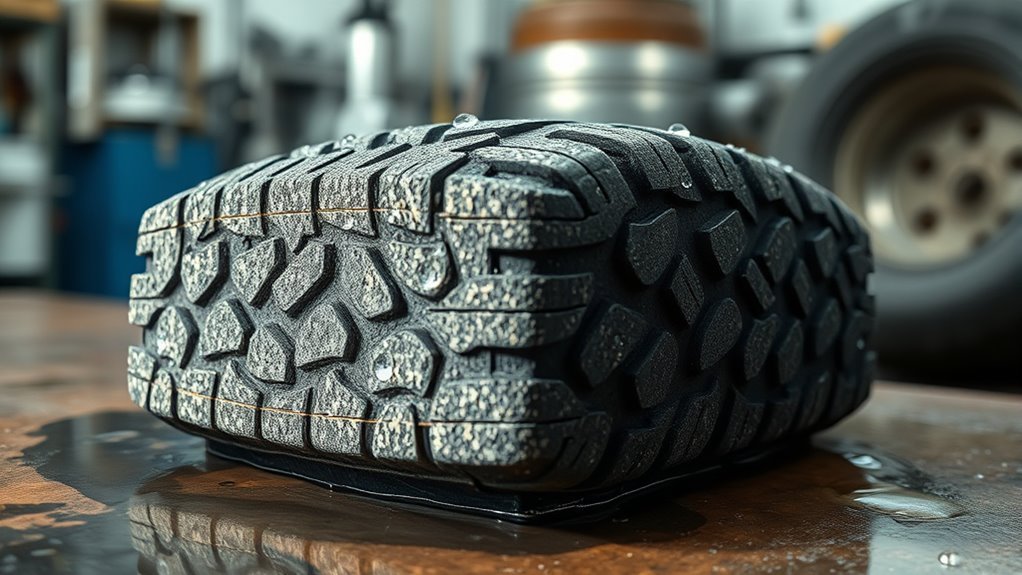
Silica (silicon dioxide) is a common mineral found in sand and quartz. In tire manufacturing, a specially prepared “amorphous” form of silica is used as a filler in tread compounds. Michelin pioneered this approach in 1992 with their Green Tires series, and Continental followed with successful trials in 1993–94 and their first production tire in 1995. Within a few years, silica had transformed the industry — today, virtually no premium tire is made without it.
So why did silica change everything? It works by replacing or complementing carbon black when engineers need lower hysteresis (energy loss during tire flex). That reduced energy loss directly lowers rolling resistance and improves fuel efficiency and electric vehicle range. Silica’s high dispersibility during mixing lets manufacturers achieve uniform compound properties, so tire performance stays consistent across the tread. It also increases rubber flexibility, allowing the contact patch to conform to wet road irregularities and maintain traction.
Silica’s Effect on Rubber at the Molecular Level
Think of silica particles as tiny anchors inside the rubber. During vulcanization, a binding agent called silane connects these anchors to the rubber’s long molecular chains and to the sulfur crosslinks that hold everything together. The result is a tightly woven network where silica, rubber, and sulfur all work as one unit.
This network is what makes silica compounds special. Because each silica particle has a huge surface area relative to its size, there are thousands of connection points inside every small section of rubber. The network holds the rubber firmly in place during big movements (like a tire flexing under load) while still allowing tiny molecular-level movement. That balance is why silica compounds waste less energy as heat — they flex without fighting themselves.
Because silica particles are small and spread evenly through the compound, the stress of hitting a pothole or braking hard gets distributed uniformly. The rubber stays flexible enough to grip wet roads but strong enough to handle heavy loads without breaking down. That’s why silica lowers rolling resistance and improves durability at the same time — something that was nearly impossible with carbon black alone.
Silica and Wet Grip: Contact Area, Bound Rubber, and Traction
Adding silica changes how a tire’s tread actually touches wet pavement. It increases the real contact area between rubber and road, builds up stabilizing layers of rubber around each particle, and helps the compound mold itself into the road’s tiny surface textures. Together, these effects give you more grip without making the tire stiff.
Here’s how it works in practice: silica’s fine particle structure fills in the microscopic valleys and bumps on the road surface. This means more rubber is actually touching the road at any given moment, which spreads braking and cornering forces more evenly and helps resist hydroplaning. Around each silica particle, a thin layer of rubber bonds tightly — this “bound rubber” acts like a stabilizer at the point where tread meets water, preventing the kind of slip that causes skidding. Meanwhile, the rest of the compound stays soft enough to press into the road’s fine texture, maintaining grip through both adhesion (sticking) and hysteresis (energy absorption).
The combined effect is predictable, confident handling on wet roads. Continental reports that their silica-based tires nearly halved braking distances on wet roads compared to their earlier carbon black compounds. Independent sources cite more conservative but still significant improvements of 15–20% in wet traction across the broader industry.
Trade-Offs: Rolling Resistance, Wear, and Manufacturability
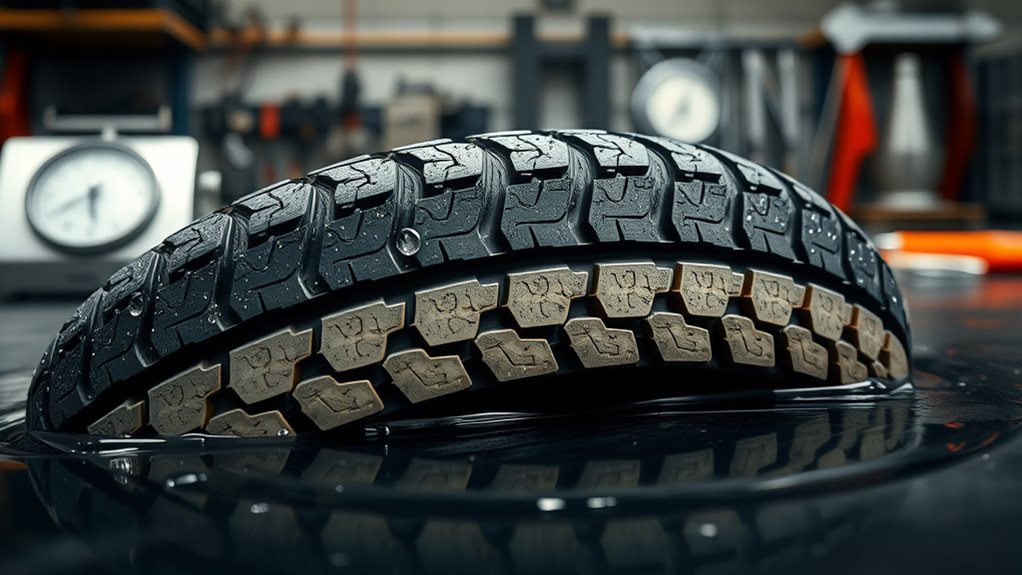
Improving wet grip often shifts the balance of other tire properties. This is known in the industry as the “Magic Triangle” — rolling resistance, wet grip, and tread wear are all connected, and improving one has traditionally meant compromising another.
Increasing silica content boosts wet traction through better rubber-to-road contact, but push it too far and you can actually increase energy loss at certain flex levels, raising rolling resistance and hurting fuel economy. Similarly, formulating for maximum wear resistance requires chemistry adjustments that can reduce the wet-grip benefits silica provides. Engineers constantly balance these competing goals.
Silica also makes manufacturing harder. Its surface chemistry demands specialized coupling agents (silane), energy-intensive mixing, and tighter temperature control to avoid clumping and uneven curing. These process constraints affect production speed, reject rates, and costs. Tire engineers optimize formulations through repeated testing — adjusting compound chemistry, tread design, and processing conditions — to deliver strong wet performance without creating problems in wear or fuel efficiency.
[Products Worth Considering]

This tire inflator with pressure gauge delivers long-lasting performance with a durable rubber-protected gauge and sturdy build. The longer hose and 360 swivel air chuck help you seal the valve securely and keep your hands free while measuring, inflating, or deflating. It’s battery-free for reliable use and provides ±2 PSI accuracy in the mid-range for most typical tires, with universal compatibility for 1/4 NPT compressor outputs.

Keep your tires properly inflated with this analog VONDIOR tire pressure gauge, designed for fast, easy readings without batteries. The swiveling, two-axis hose and large glow dial help you measure at any tire angle with instant visibility. Built with a protective rubber shield, it supports durable, low-maintenance use for cars and trucks.

The Continental Grand Prix 5000 is an allround road bike tire engineered for faster rolling, improved ride comfort, and enhanced puncture protection. It features a Vectran Breaker cut-protection layer, Lazer Grip micro-profile tread for confident cornering control, and Active Comfort Technology to damp vibration for smoother rides. BlackChili compound optimizes grip and speed for everyday performance and long-lasting confidence.
Sustainable Silica: The Future of Tire Compounds
The tire industry is increasingly focused on where silica comes from, not just how it performs. Continental now produces silica from rice husk ash — a byproduct of rice farming that would otherwise go to waste. This manufacturing process uses less energy than extracting silica from traditional quartz sand, and it’s already being used in production tires like Continental’s UltraContact NXT.
As regulations tighten around tire sustainability (including EU tire labeling requirements for rolling resistance and wet grip), expect silica sourcing and compound efficiency to become key differentiators between tire brands. This is worth watching if you care about both performance and environmental impact.
[Products Worth Considering]

Rubber Care delivers a beautiful dark black satin/matte finish on tires and other rubber or plastic surfaces, drying to the touch without oily shine. Its ceramic aircraft-grade formula helps repel dirt and brake dust residue, keeping surfaces cleaner longer. Triple nano ceramic polymer technology provides best-in-industry UV protection, restoring and protecting rubber while also working on weather stripping and de-ice boot care.

Milton S-921 pencil tire pressure gauge helps you maintain optimal tire pressure for passenger cars with accurate readings in PSI and kPa. It features a built-in deflator valve for convenient pressure adjustments, plus a single chuck head and nylon indicator bar for easy use on the go. Built from durable plated brass and designed for reliable performance, it’s a practical road trip and cold-weather maintenance tool.

Accurately measure tire tread depth with a calibrated gauge marked from 0 to 1 inch in 1/32 inch increments. The color-coded bar helps you quickly identify tread condition ranges, supporting safe driving for trucks, motorcycles, automobiles, and passenger vehicles.
Choosing Tires: What Silica Means for Drivers
If you prioritize wet-weather safety and fuel savings, tires with silica-rich compounds will make a noticeable difference in braking and traction. Here’s how to identify them and make a smart choice.
First, check the EU tire label (or equivalent rating in your region). The wet grip rating runs from A (best) to E (worst) — tires rated A or B almost always use advanced silica compounds. The rolling resistance rating works the same way, and lower rolling resistance means better fuel economy or longer EV range.
Second, look at the manufacturer’s product page for the specific tire model. Most premium brands now highlight silica content in their compound descriptions. Terms like “silica-enriched compound,” “Green Tire technology,” or “HD silica” indicate significant silica use.
All-season and all-weather models that specify silica in their compound formulations tend to deliver the most consistent performance across conditions. Compare the wet grip rating, rolling resistance class, and warranty mileage between models in your price range — that combination tells you how well the manufacturer balanced the Magic Triangle for that particular tire.
[Products Worth Considering]
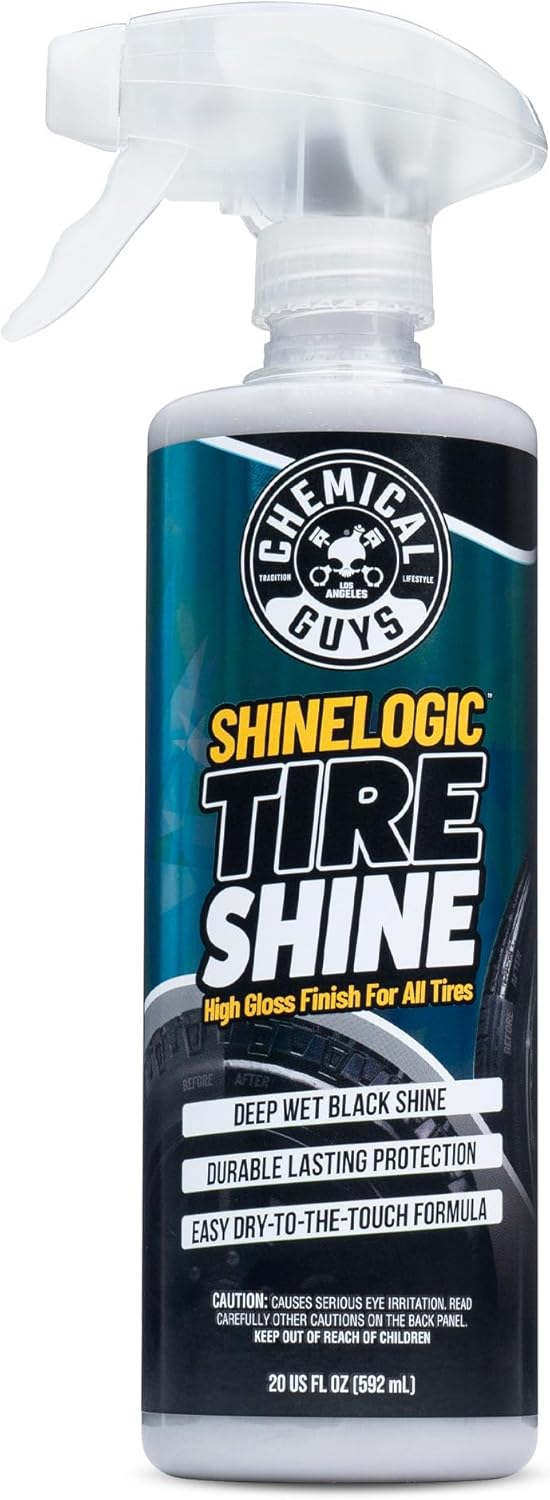
Chemical Guys ShineLogic Tire Shine delivers a deep wet black, high-shine finish for rubber tires with a sleek look. It’s designed for durable, one-step application with minimal drips, streaks, or runs, and it helps produce effortless, long-lasting shine. Choose aerosol or trigger spray for easy use on cars, trucks, motorcycles, RVs, and more.

Measure tire tread depth quickly and accurately with this LUMITECO dial gauge that reads in 1/32" increments up to 14/32". The color-coded green/yellow/red zones make it easy to judge tire wear and know when replacement is needed. A rugged, compact design with a protective pouch helps keep the gauge ready for use on cars, trucks, motorcycles, and more.

Monitor tire tread wear with a smart, color-coded depth gauge that shows clear condition ranges at a glance. The bar is range marked for fast, easy readings, helping you maintain safer traction and performance. Each gauge is portable with a pocket clip, and the set includes 20 units for daily use and sharing.
Frequently Asked Questions
What Are the Benefits of Silica in Tires?
Silica improves wet grip, reduces rolling resistance, and keeps the tread flexible across temperatures. In practical terms, you get shorter braking distances on wet roads, better fuel economy (or longer EV range), and more consistent handling in rain and cold weather.
How to Get Better Traction on Wet Roads?
Start with tires that have silica-based compounds — check the EU wet grip rating (aim for A or B). Beyond that, maintain proper tire pressure, replace tires before the tread wears below 4/32 of an inch, rotate tires regularly, and drive smoothly in wet conditions by avoiding sudden braking or sharp steering inputs.
Do All Tires Have Silica?
Most modern tires use some amount of silica, but the concentration varies widely. Premium and mid-range tires typically use high amounts of silica in their tread compounds, while budget tires may still rely heavily on carbon black. Racing tires can contain up to 88% silica with only 12% carbon black.
Is Silica Better Than Carbon Black in Tires?
Neither is universally “better” — they serve different purposes. Silica excels at wet grip and low rolling resistance, while carbon black provides strong abrasion resistance and UV protection. Most modern tires use a blend of both to balance grip, wear, and efficiency. The ideal ratio depends on the tire’s intended use.
Are Silica Tires More Expensive?
Tires with high silica content tend to cost more because the manufacturing process is more complex — silica requires special coupling agents and tighter quality control during production. However, the fuel savings from lower rolling resistance and potentially longer tread life can offset the higher upfront cost over the life of the tire.
How Do I Know if My Tires Have Silica?
The tire sidewall won’t list silica content directly. Check the manufacturer’s website for your specific tire model — most brands list compound details on the product page. EU tire labels also give indirect clues: tires with A or B wet grip ratings and low rolling resistance grades almost certainly use significant silica in their compounds.
Conclusion
Silica works like a microscopic bridge between rubber and the road — it bonds the compound together, keeps it flexible, and helps the tread push water aside instead of sliding over it. You’ll feel this as shorter stopping distances in rain and slightly better fuel economy, though manufacturers do have to work harder (and spend more) to get the compound right. When shopping for tires, check the wet grip and rolling resistance ratings, look for silica in the compound specs, and match those numbers to what matters most to you — whether that’s wet-weather safety, fuel savings, or long tread life.

1 thought on “How Silica in Tires Improves Wet Grip and Safety”