
Hot weather affects tires in two main ways: it changes tire pressure and it speeds up heat-related wear. The biggest risk is not simply “hot air” inside the tire; it is a tire that is already underinflated, overloaded, damaged, aging, or driven fast for long periods on hot pavement. With a few simple checks, you can reduce blowout risk, protect tread life, and keep handling predictable in summer driving.
Quick Answer
Hot weather can raise tire pressure by about 1 PSI for every 10°F change, while hot pavement and high-speed driving increase tire temperature. Check PSI when tires are cold, use the vehicle placard pressure, inspect tread and sidewalls, avoid overloading, and do not ignore TPMS warnings.
Key Takeaways
- Tire pressure naturally rises in heat, but recommended PSI is based on a cold tire reading.
- Underinflation is one of the biggest heat-related tire hazards because it causes extra flexing and heat buildup.
- Sustained high temperatures can accelerate tire aging, tread wear, blowouts, and tread separation.
- TPMS is helpful, but it is not a substitute for monthly manual pressure and tread checks.
- Bulges, cracks, blisters, exposed cords, rapid leaks, or a strong burning-rubber smell mean you should stop and inspect before driving farther.
At a Glance
| Time Required | 5–10 minutes for a basic tire check |
| Difficulty | Easy |
| Tools Needed | Tire pressure gauge, air compressor, tread depth gauge or penny |
| Cost | Usually free to low cost; a good pressure gauge is inexpensive |
How Hot Weather Changes Tire Pressure: And What to Do Now
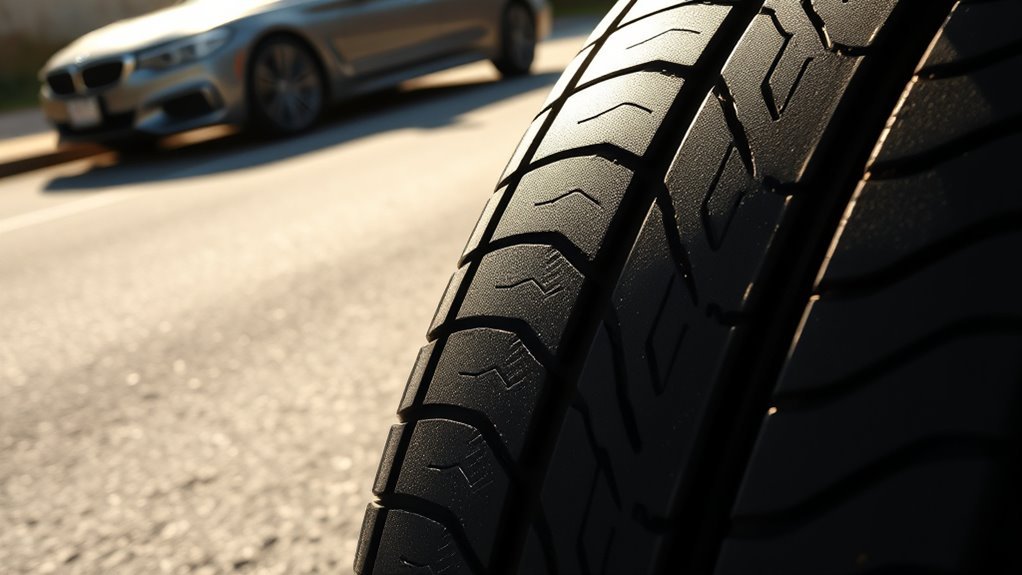
Air expands as temperature rises, so tire pressure usually increases in hot weather. A practical rule is about 1 PSI for every 10°F change in temperature. That means a tire set to 35 PSI on a cool morning may read several PSI higher after sitting in the sun or after highway driving.
The important detail is this: your vehicle’s recommended tire pressure is a cold inflation pressure. According to NHTSA TireWise, “cold” means the vehicle has not been driven for at least three hours. The correct PSI is listed on the driver’s doorjamb Tire and Loading Information Label or in the owner’s manual, not on the tire sidewall.
Note: Do not lower pressure from a hot tire just because it reads above the placard number after driving. Hot running pressure is expected to be higher. Check and adjust when the tire is cold unless you are dealing with a clear safety issue or professional guidance.
If your cold tire pressure is too high, release air slowly and recheck with a reliable gauge. If it is too low, add air to the vehicle manufacturer’s recommended PSI. Low pressure in summer is especially risky because it makes the tire flex more, which generates heat and can lead to rapid wear, blowout, or loss of control.
How Summer Heat Wears Tires Out: And How That Reduces Grip
Summer heat raises both the pressure inside the tire and the temperature of the rubber, tread, belts, and sidewall. Hot pavement adds friction, and long highway trips keep the tire under load for hours. When pressure, load, speed, and temperature are not managed, the tire works harder than it should.
NHTSA notes that sustained high temperature, such as driving long distances in hot weather, can cause tires to deteriorate and may lead to blowouts or tread separation. The agency’s tire safety guidance also states that tires should be replaced when tread reaches 2/32 of an inch.
| Heat-related issue | What happens | What to check |
|---|---|---|
| Underinflation | More sidewall flexing and heat buildup | Cold PSI, slow leaks, punctures |
| Overinflation | Smaller contact patch, harsher ride, center wear | Cold PSI compared with placard PSI |
| Hot tread | Faster wear and reduced wet-road performance as tread gets shallow | Tread depth, uneven wear, tire age |
| Overloading | Extra stress on the tire structure | Vehicle load label, cargo weight, trailer tongue weight |
Proper inflation is not just about fuel economy. NHTSA research notes that underinflation can cause high heat generation, rapid tire wear, blowout, and loss of vehicle control.
Which Tire Compounds Work Best for Summer Driving
The best summer tire compound depends on your vehicle, climate, speed, load, and road conditions. In general, you want a tire designed to keep its shape, shed heat, and maintain grip at warm operating temperatures. Look at the tire type, load rating, speed rating, treadwear grade, traction grade, and temperature grade before buying.
Passenger tires sold in the United States use the Uniform Tire Quality Grading system, which includes treadwear, traction, and temperature resistance. The temperature grade shows a tire’s resistance to heat, from A as the highest to C as the lowest.
[Products Worth Considering]

Monitor tire tread wear with a smart, color-coded depth gauge that shows clear condition ranges at a glance. The bar is range marked for fast, easy readings, helping you maintain safer traction and performance. Each gauge is portable with a pocket clip, and the set includes 20 units for daily use and sharing.

The TYAMATE TM8 solar-powered wireless TPMS delivers real-time tire pressure and temperature monitoring with six alarm modes for safer driving. A vibrant color LCD display shows readings clearly while windshield mounting keeps it hands-free and easy to read. With a wide 0–87 PSI range, strong 433.92 MHz signal transmission, and quick sensor pairing, it’s ideal for RV, sedan, SUV, MPV, and truck use.

Measure tire tread depth quickly and accurately with this LUMITECO dial gauge that reads in 1/32" increments up to 14/32". The color-coded green/yellow/red zones make it easy to judge tire wear and know when replacement is needed. A rugged, compact design with a protective pouch helps keep the gauge ready for use on cars, trucks, motorcycles, and more.
Harder Rubber Compounds
A harder rubber compound can improve wear life, but harder is not automatically safer in summer. The better choice is a compound designed for the temperature range you actually drive in. Summer and performance tires are usually engineered to work well in warm conditions, while winter tires are designed for cold weather and can wear faster in heat.
For everyday drivers, the goal is balance: enough firmness to resist rapid wear, enough flexibility to maintain contact with the road, and enough wet traction for summer storms. Check independent test data, the tire’s UTQG ratings, and the vehicle manufacturer’s approved tire specifications before switching tire types.
Heat-Resistant Tread Blocks
Heat-resistant tread designs help the tire maintain stable contact with the road. The exact technology varies by brand, but useful features often include reinforced construction, tread patterns that manage water, and compounds designed to resist heat buildup.
- Temperature rating: Choose a tire with a heat resistance rating that fits your driving needs.
- Correct load index: Never install tires with a lower load rating than the vehicle requires.
- Wet traction: Summer heat is often followed by heavy rain, so wet braking matters.
- Reinforced sidewalls: These can help with stability under load, especially for SUVs, trucks, and towing.
- Proper size: Use the size listed on the door placard or in the owner’s manual unless a qualified tire professional confirms an alternative.
Overheating Signs: When to Stop and Inspect Your Tires
Most tire heat problems start quietly. You may notice a vibration, pulling, a TPMS alert, a burning smell, or a tire that looks different from the others. Do not keep driving at highway speed while hoping it clears up.
Warning: If you see a sidewall bulge, blister, exposed cords, tread separation, or rapid pressure loss, stop driving as soon as it is safe. These are structural warning signs, not normal heat symptoms.
Visible Tire Deformation
Visible deformation includes bulges, bubbles, tread lifting, unusual sidewall swelling, or a tire that looks saggy compared with the others. A bulge often means the internal structure has been damaged. Adding air will not fix that damage.
- Inspect the sidewall for bulges, bubbles, cuts, cracks, and blisters.
- Look across the tread for separation, exposed belts, or uneven wear.
- Compare all four tires for shape, height, and wear pattern.
- Check the DOT date code if the tire is older or weather-cracked.
- Replace the tire or have it inspected by a qualified professional if structural damage is present.
Excessive Heat Smell
A strong burning-rubber smell after normal driving is a warning sign. It may come from a tire, brake, wheel bearing, or another nearby component, but it should be checked before you continue. Let the tire cool before touching it, then inspect the tread, sidewall, valve stem, and wheel area.
Common causes include underinflation, overloading, dragging brakes, aggressive driving, long high-speed trips, and damaged tire structure. If the smell returns after pressure and load are corrected, get the vehicle inspected.
Rapid Pressure Loss
Rapid pressure loss in hot weather can point to a puncture, valve problem, bead leak, wheel damage, or internal tire failure. A hot tire that is losing air should be treated seriously because heat and low pressure can worsen each other quickly.
- Pull over safely and turn on hazard lights.
- Check for visible punctures, cracks, bulges, or tread separation.
- Use a pressure gauge, but remember the reading will be higher if the tire is hot.
- Do not drive on a flat or severely underinflated tire unless the tire is a run-flat and you are following its limits.
- Install the spare, call roadside assistance, or have the tire professionally inspected.
Summer Tire Pressure Checklist: How to Check and Adjust PSI
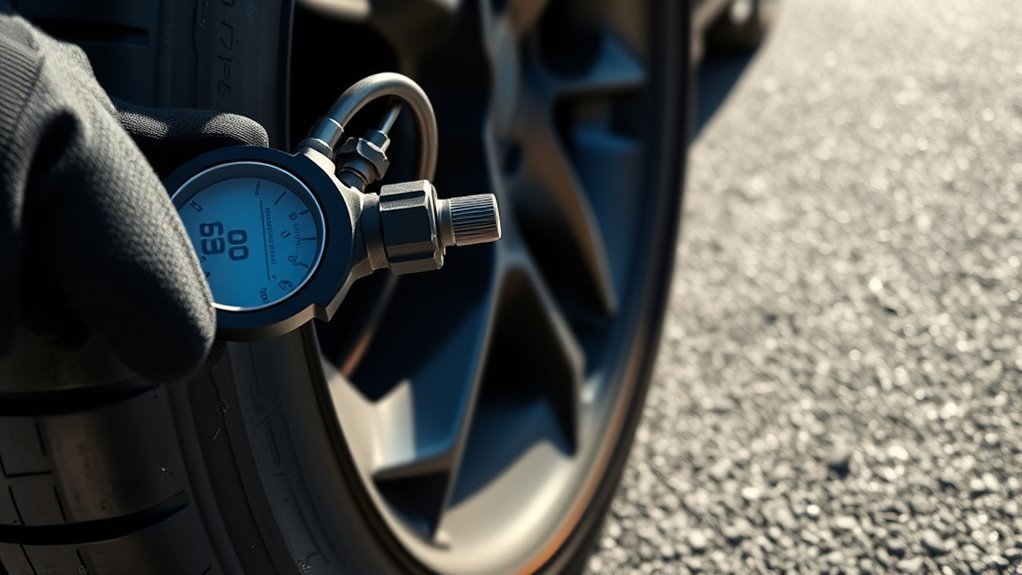
Checking tire pressure is the simplest summer tire safety habit. Do it at least once a month, before long trips, and before towing or carrying heavy cargo. Always check when the tires are cold whenever possible.
- Find the correct PSI. Look at the Tire and Loading Information Label on the driver’s doorjamb or check the owner’s manual.
- Check tires cold. Wait at least three hours after driving, or check before the first drive of the day.
- Use a reliable gauge. Press it firmly onto the valve stem and record the reading.
- Check all tires. Include the spare if your vehicle has one.
- Add air if low. Inflate to the recommended cold PSI.
- Release air if cold PSI is too high. Let out air slowly, then recheck.
- Inspect while you are there. Look for nails, cracking, bulges, uneven wear, and low tread.
- Recheck after service. If a shop inflates your tires, confirm the cold pressure yourself later.
Pro Tip: Keep a digital gauge in the glove box. Gas station gauges can be inaccurate or damaged, and TPMS usually warns only after pressure is already significantly low.
[Products Worth Considering]

Milton S-921 pencil tire pressure gauge helps you maintain optimal tire pressure for passenger cars with accurate readings in PSI and kPa. It features a built-in deflator valve for convenient pressure adjustments, plus a single chuck head and nylon indicator bar for easy use on the go. Built from durable plated brass and designed for reliable performance, it’s a practical road trip and cold-weather maintenance tool.
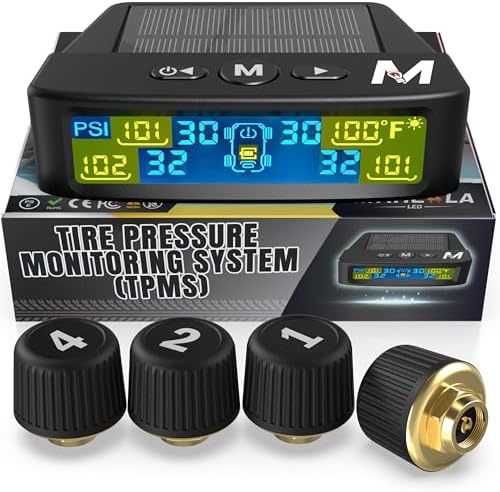
Marcala’s TPMS set of four sensors helps you monitor tire pressure and temperature in real time while driving, with updates every second. The bright color LCD uses auto-dimming for easy viewing, powered by dual solar and USB charging, and offers six alarm modes. Built for trailers, RVs, campers, trucks, and towing setups, the sensors support monitoring 1-4 wheels up to 98 PSI with IP67 waterproof protection.
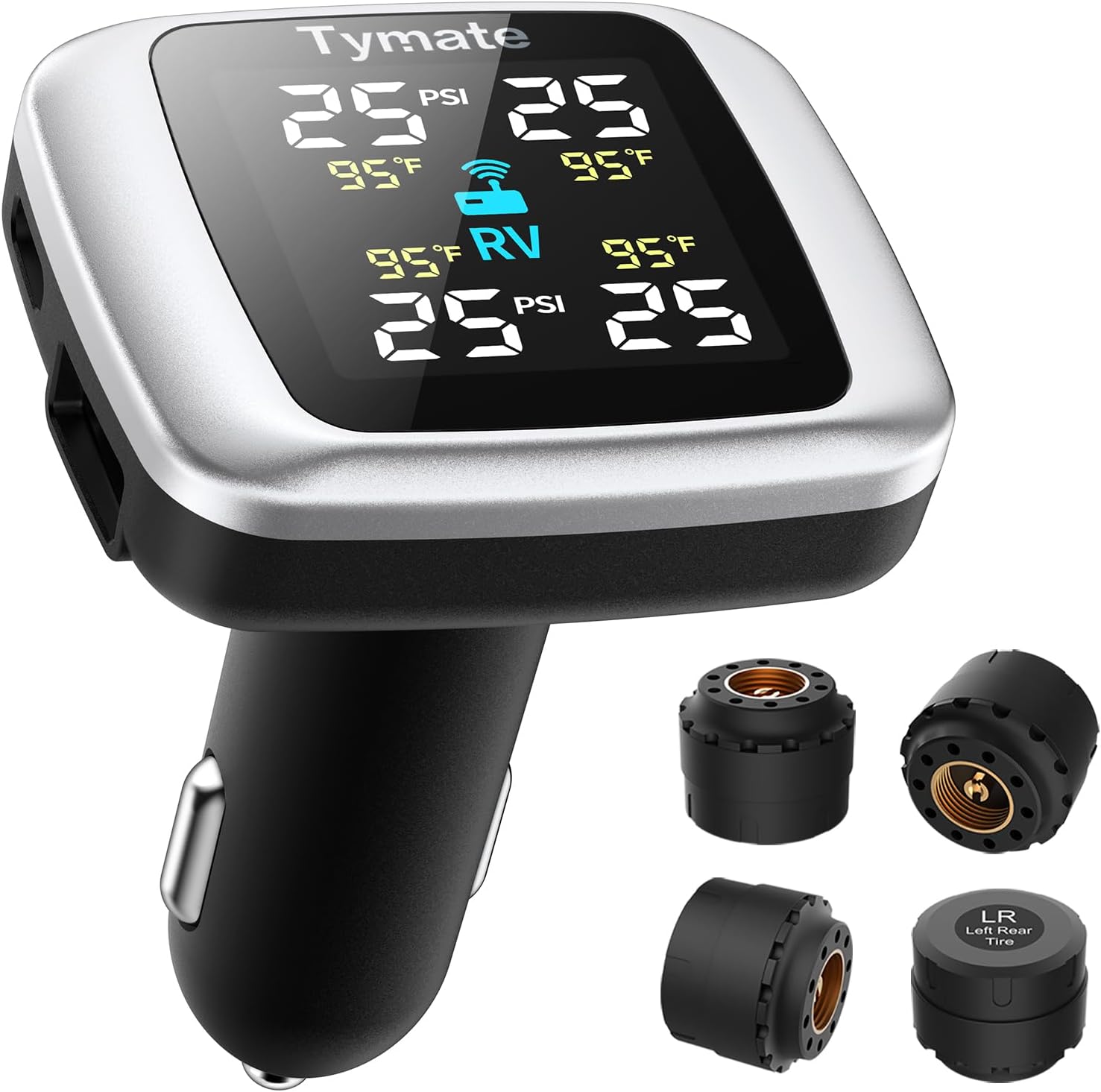
Tymate TM7 is a wireless tire pressure monitoring system that delivers real-time pressure and temperature readings for safer driving. It includes four external sensors, a bright color LCD display with adjustable backlight, and six alarm modes for high/low pressure, fast leakage, high temperature, and sensor signal or battery issues. The system covers a wide 0–144 PSI range and plugs into your vehicle’s cigarette lighter socket for quick DIY setup.
Parking, Loading, and Driving Habits to Keep Tires Cooler
You cannot control summer pavement temperature, but you can reduce unnecessary tire stress. Heat problems get worse when tires are underinflated, overloaded, old, damaged, or driven aggressively for long distances.
- Park in shade when possible. Shade reduces sun exposure and slows rubber aging.
- Avoid overloading. Use the vehicle’s load label and stay within gross vehicle weight and tire load limits.
- Distribute cargo evenly. Uneven load can overwork one axle or one tire position.
- Slow down on very hot days. Sustained high speed increases heat buildup.
- Take breaks on long trips. Use fuel or rest stops to walk around the vehicle and check for visible tire issues.
- Rotate tires on schedule. Rotation helps reduce irregular wear when your owner’s manual recommends it.
- Fix alignment problems. Pulling, feathered tread, or fast edge wear can point to alignment or suspension issues.
Tires and Tech for Everyday Drivers: TPMS and Heat-Resistant Options
Tire Pressure Monitoring Systems are useful because they warn you when tire pressure is significantly low. Federal rules define TPMS as a system that detects when one or more tires are significantly underinflated and illuminates a warning telltale. Under 49 CFR 571.138, the warning threshold can be around 25 percent below the vehicle manufacturer’s recommended cold inflation pressure, depending on the tire and standard requirements.
That is why TPMS should be treated as a backup, not your only tire check. A tire can be low enough to reduce fuel economy, handling, tread life, and heat resistance before the dashboard light appears.
When buying tires for hot climates, look for:
- Correct size, load index, and speed rating for your vehicle
- Good temperature resistance and wet traction ratings
- A tread pattern suited to your mix of dry roads, rain, highway driving, and load
- A reputable brand with clear warranty and service guidance
- Fresh manufacturing date, especially if the tire has been sitting in storage
[Products Worth Considering]

Keep your tires properly inflated with this analog VONDIOR tire pressure gauge, designed for fast, easy readings without batteries. The swiveling, two-axis hose and large glow dial help you measure at any tire angle with instant visibility. Built with a protective rubber shield, it supports durable, low-maintenance use for cars and trucks.
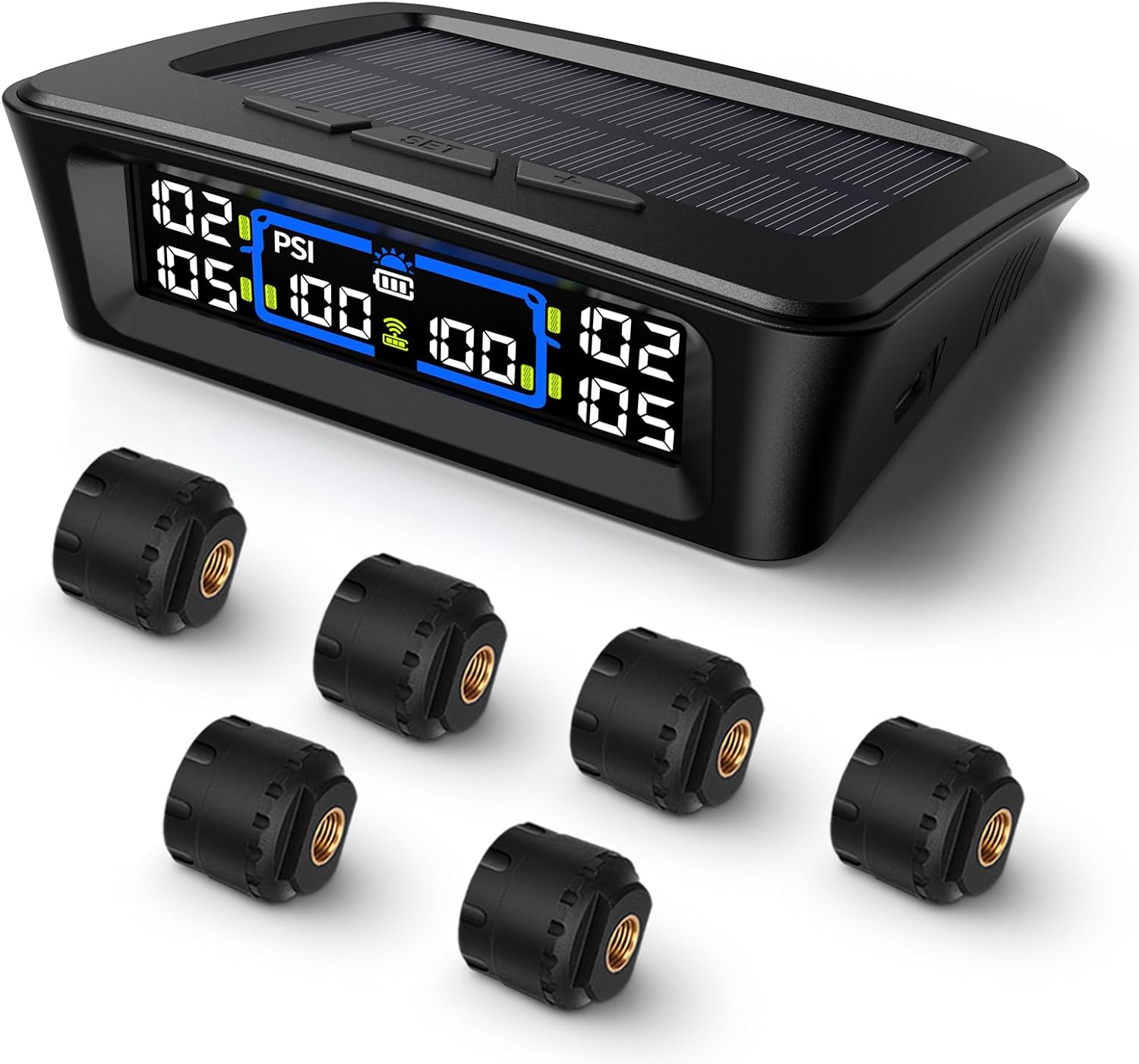
The Tymate TM12 RV TPMS delivers real-time tire pressure and temperature monitoring with a stable 433Hz display for safer long-distance driving. It supports simultaneous monitoring across vehicle and trailer zones, includes six alarm modes for pressure, temperature, leakage, battery, and signal loss, and features easy DIY installation with auto calibration. Power is supplied via USB-C charging or solar recharging, with a wide 0–144 PSI range and up to 50 ft signal coverage for RVs and towable trailers.

Measure tyre tread depth precisely with a digital gauge that reads in both MM and inches, helping you monitor safe driving conditions. The large LCD screen is easy to operate, and the compact tool fits for cars, trucks, and motorcycles. It provides high accuracy with a 0-25.4mm range and includes a 1-year warranty for added peace of mind.
Hot-Weather Tire Mistakes to Avoid
Summer tire problems are often caused by simple mistakes. Avoid these habits to reduce preventable tire damage:
- Do not use the tire sidewall number as your target PSI. The sidewall usually shows maximum pressure, not the recommended vehicle pressure.
- Do not bleed hot tires down to the cold placard pressure. Recheck cold and adjust then.
- Do not ignore a slow leak. A tire that loses air every few days needs inspection.
- Do not overload the vehicle for a road trip. Extra passengers, cargo, roof boxes, and trailers all add stress.
- Do not drive on damaged sidewalls. Sidewall bulges, deep cuts, and exposed cords are replacement-level problems.
- Do not rely only on visual checks. Modern radial tires can look normal while underinflated.
Frequently Asked Questions
Can switching tire brands reduce heat-related wear?
Yes, but brand alone is not the key factor. Choose a tire with the correct size, load index, speed rating, temperature resistance, and tread design for your vehicle and climate. A high-quality tire that is still underinflated or overloaded can still overheat.
Do run-flat tires handle heat differently?
Run-flat tires have reinforced sidewalls that can support limited driving after pressure loss, but they still generate heat when underinflated or driven after a puncture. Follow the tire maker’s speed and distance limits and replace or inspect the tire after run-flat operation.
How does sidewall damage affect heat tolerance?
Sidewall damage reduces structural strength. A cut, bulge, bubble, or cracked sidewall can allow heat and flexing stress to turn into sudden failure. Because sidewalls are not repaired the same way tread punctures are, visible sidewall damage usually means the tire should be replaced.
Are nitrogen-filled tires better in hot weather?
Nitrogen can reduce moisture and may leak slightly slower than regular air, but it still expands and contracts with temperature. The bigger safety factor is maintaining the correct cold PSI. If nitrogen is not available, adding regular air is better than driving underinflated.
Can wheel alignment influence tire overheating?
Yes. Poor alignment can create uneven tread contact, extra friction, and localized heat. If the vehicle pulls to one side, the steering wheel is off-center, or the tread shows feathering or edge wear, have the alignment and suspension checked.
Should I lower tire pressure before driving on a very hot day?
No, not if the cold tire pressure is already correct. Tire pressure is expected to rise after driving and in hot conditions. Set pressure to the vehicle placard value when the tires are cold, then leave normal hot pressure increase alone.
How often should I check tire pressure in summer?
Check all tires, including the spare, at least once a month when cold. Also check before road trips, before towing, after hitting a pothole, and whenever the TPMS light appears.
Conclusion
Hot weather raises tire pressure, increases tread and sidewall temperature, and speeds up wear when tires are neglected. The safest summer routine is simple: check cold PSI monthly, use the vehicle placard pressure, inspect tread and sidewalls, avoid overloading, slow down during extreme heat, and respond quickly to TPMS warnings, bulges, leaks, vibration, or burning smells.
Heat does not have to ruin your tires. Proper inflation, good tread depth, correct load management, and timely replacement give your tires the best chance to handle summer roads safely.
Sources
- NHTSA TireWise — tire pressure, tread depth, tire aging, TPMS, tire ratings, and heat resistance guidance
- NHTSA Tire Safety Brochure — proper inflation, load limits, inspection, and tire failure prevention
- NHTSA Tire Pressure Maintenance: A Statistical Investigation — underinflation, heat generation, rapid wear, blowout, and loss of control
- eCFR 49 CFR 571.138 — federal tire pressure monitoring system requirements
- Tire Rack: Should I Use Nitrogen In My Tires? — temperature-related PSI change and nitrogen inflation limits


1 thought on “Tire Performance in Hot Weather: Pressure & Wear Effects”