
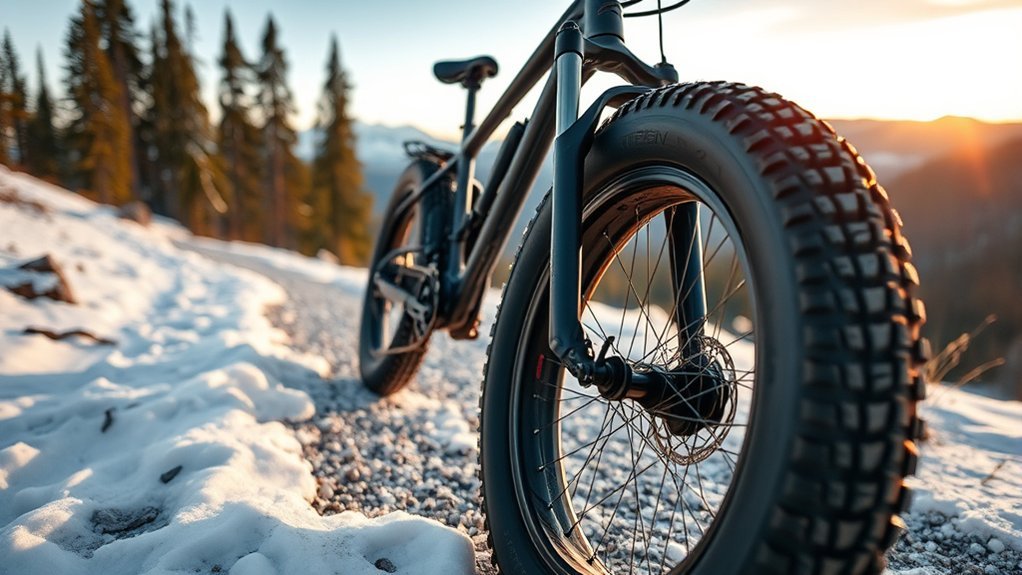
A fat tire bike is built for soft, loose, and low-traction terrain where a standard mountain bike can bog down. Its extra-wide tires, usually about 3.8 inches or wider, spread your weight over a larger contact patch so you get more traction, float, and control on snow, sand, mud, gravel, and rough trails. You can ride one year-round, but the best setup depends on tire width, pressure, wheel size, terrain, rider weight, and whether you choose a traditional bike or an electric fat bike.
Quick Answer
A fat tire bike is a bicycle with oversized tires, usually 3.8 to 5 inches wide, designed to float over snow, sand, mud, and loose trails. It gives you excellent grip and comfort at low tire pressure, but it is heavier and slower on pavement than a regular mountain bike.
Key Takeaways
- Fat tire bikes use extra-wide tires to improve flotation, traction, and stability on soft terrain.
- Most riders start around 4 to 10 psi off-road, then adjust based on snow depth, sand firmness, rider weight, and tire size.
- They are excellent for snow, sand, mud, bikepacking, and confidence-focused trail riding.
- The biggest drawbacks are extra weight, slower acceleration, higher rolling resistance, and wider pedal stance.
- Before buying, compare tire clearance, wheel size, drivetrain range, brake quality, tubeless compatibility, and current model-year specs.
At a Glance
| Time Required | 5 to 10 minutes to choose a starting tire pressure; longer if you are comparing bikes before buying. |
| Difficulty | Beginner-friendly to ride, but pressure tuning takes practice. |
| Tools Needed | Low-pressure tire gauge, bike pump, spare tube or plug kit, chain lube, and basic multi-tool. |
| Cost | Varies widely. Entry-level fat bikes cost far less than carbon race builds or electric fat bikes. |
What Is a Fat Tire Bike?
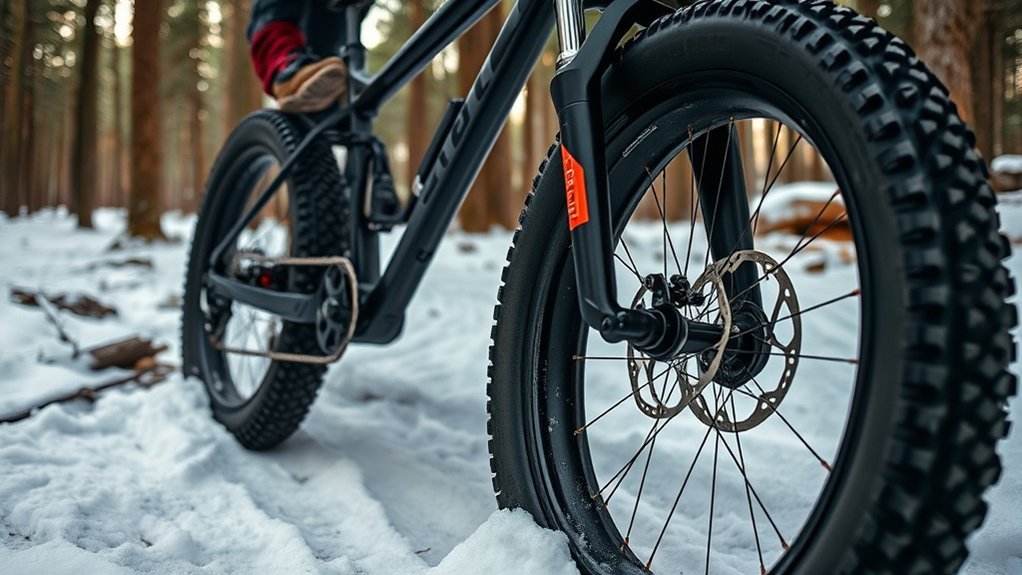
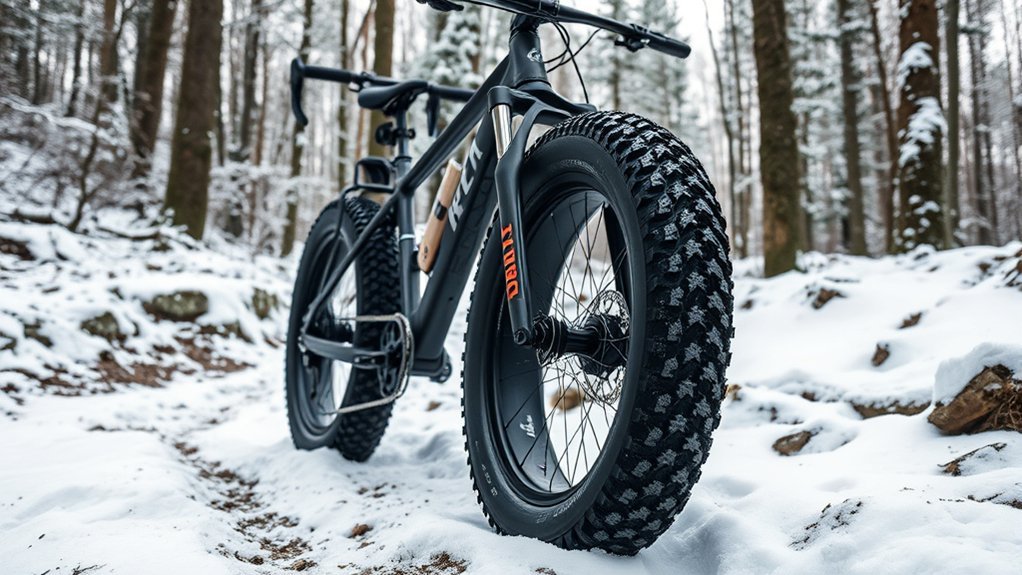
A fat tire bike, also called a fat bike, is a bicycle designed around oversized tires and extra frame clearance. Most fat bikes use tires about 3.8 to 5 inches wide, paired with wide rims, wider forks, and wider chainstays so the tires can spin without rubbing.
The wide tire casing lets you run low tire pressure. Instead of cutting into snow or sand, the tire spreads your weight across the surface. That is why fat bikes feel stable on soft ground and can smooth out roots, rocks, and washboard trail chatter even when the bike has no suspension.
Fat bikes became more widely known in the 2000s as purpose-built models such as the Surly Pugsley helped bring wide-tire snow and sand bikes into regular bike shops. Modern fat bikes now range from simple rigid aluminum builds to carbon race bikes, bikepacking rigs, and electric fat bikes.
Note: A fat bike is not just a mountain bike with bigger tires. The frame, fork, rims, hubs, drivetrain spacing, and tire clearance all need to be built around those wide tires.
Fat Tire Bike Pros and Cons
Fat tire bikes give you serious traction and stability, but they also come with real tradeoffs. They are best when control matters more than speed.
| Pros | Cons |
|---|---|
| Excellent grip on snow, sand, mud, gravel, and loose dirt. | Heavier wheels take more effort to accelerate. |
| Low pressure improves comfort and bump absorption. | Higher rolling resistance makes pavement riding slower. |
| Stable handling helps beginners feel more confident. | Wider Q-factor can bother some riders’ knees or hips. |
| Great for winter riding, beach riding, and bikepacking loads. | Tires, rims, and tubes can cost more than standard mountain bike parts. |
The big benefit is simple: a fat bike lets you ride where a narrow tire might dig in, slip, or stall. The drawback is also simple: more tire means more weight and drag. That is why fat bikes feel amazing on loose terrain but less efficient on smooth pavement.
Pro Tip: If you mostly ride paved roads, choose a regular hybrid, gravel bike, or mountain bike. Choose a fat bike when snow, sand, mud, or rough adventure routes are part of your regular riding.
Fat Tire Bike vs Mountain Bike vs Plus Bike
A fat tire bike is one option in the wider off-road bike world. It helps to compare it with standard and plus-size mountain bikes before you buy.
| Bike Type | Typical Tire Width | Best For |
|---|---|---|
| Standard mountain bike | About 2.2 to 2.6 inches | Singletrack, climbing, faster trail riding, and technical terrain. |
| Plus bike | About 2.8 to 3.25 inches | Extra grip and comfort without the full weight of a fat bike. |
| Fat tire bike | About 3.8 to 5 inches | Snow, sand, mud, loose terrain, bikepacking, and confidence-focused riding. |
If you want one bike for year-round trail speed, a standard mountain bike is usually faster. If you want a bike that floats over unstable ground and feels planted at low speed, the fat bike is the better tool.
How to Choose a Fat Tire Bike
When you choose a fat tire bike, start with the terrain you ride most. Snow riders, beach riders, hunters, bikepackers, trail riders, and urban e-bike commuters do not all need the same setup.
[Products Worth Considering]

This heavy-duty fat bike inner tube is built for secure fit on 20-inch wheels with 3.5 to 4.0 inch wide tires, including e-bikes and mountain bikes. It uses thick butyl rubber for improved durability, air tightness, and a smoother, more comfortable ride. A standard Schrader valve makes inflation easy and helps keep pressure stable for safer rides, with tire levers included for simpler installation.
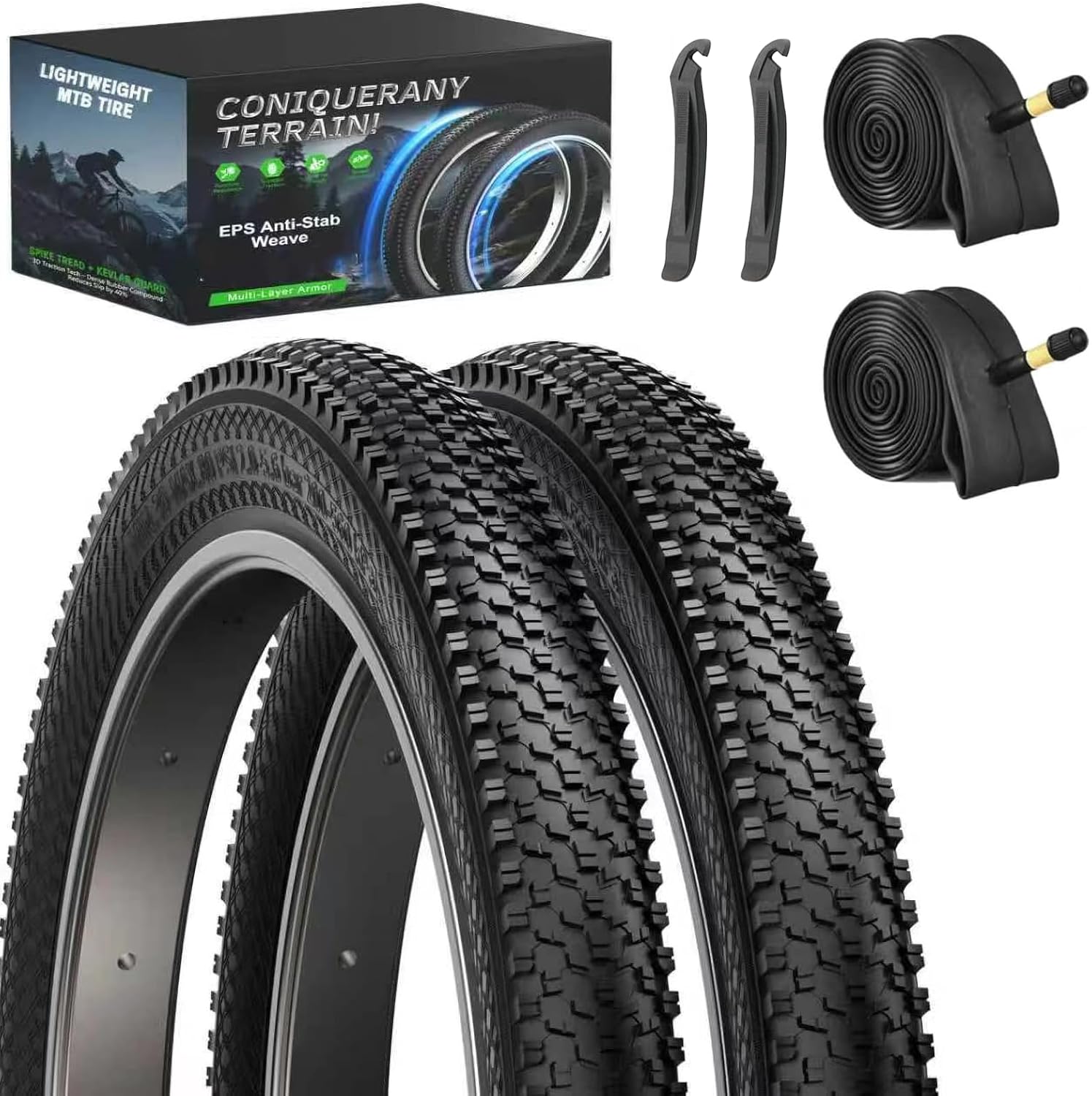
This 2-pack set includes two folding mountain bike tires, two inner tubes, and two tire levers for quick, budget-friendly replacements. The tires feature an anti-stab weave for added protection, plus strong grip and durable construction to help you stay stable across common trail and road conditions. Foldable design makes storage and travel convenient, while the included tubes provide a matched fit for smoother setup.
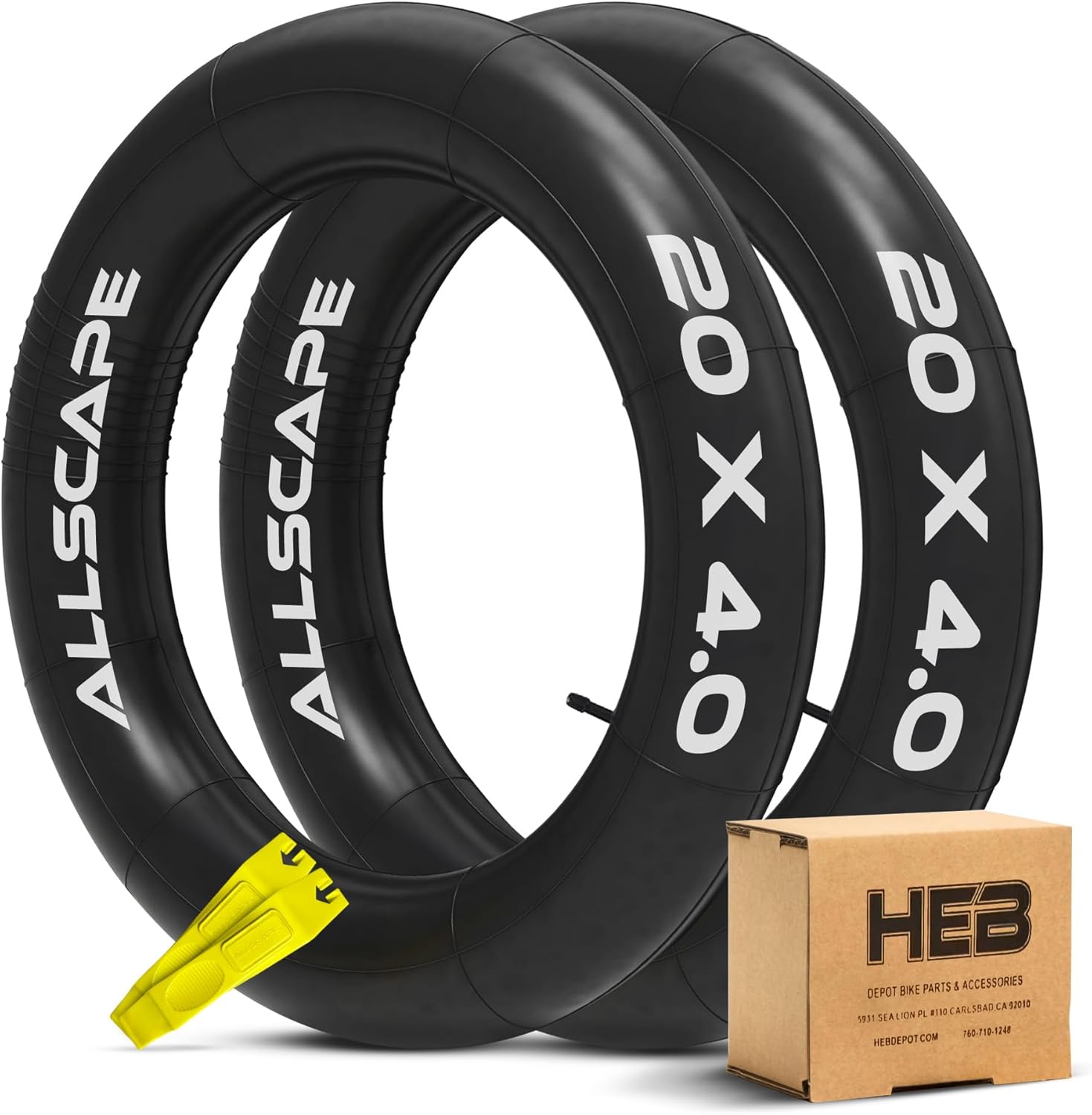
HEB heavy duty inner tubes deliver reliable puncture resistance for fat tire electric bikes and mountain bikes running 20x4 or 26x4 tires. Built for rugged backcountry trails, they help prevent flats from rocks and thorns while providing stability and traction. Choose a single tube or multi-packs for better value and keep your ride running smoothly in all seasons.
Choose Tire Width and Wheel Size
For maximum float on snow and sand, choose FAT tires in the 4- to 5-inch range. For firmer trails and mixed riding, tires closer to 3.8 or 4 inches often feel quicker and easier to steer. Most traditional fat bikes use 26-inch wheels, while 27.5-inch fat wheels roll faster and can feel smoother over bumps.
Check Frame and Rim Clearance
Wide tires need matching rims and plenty of space at the fork, chainstays, and seatstays. Always check the maximum tire size listed by the bike maker. If you want to swap between fat tires and standard mountain bike wheels, confirm that the frame, hubs, brake rotors, and drivetrain will support that setup.
Compare Brakes and Drivetrain
Fat bikes often carry more rotating mass, so strong brakes matter. Hydraulic disc brakes are a good choice for control in snow, mud, and loaded bikepacking conditions. A wide-range drivetrain also helps because heavy wheels and soft terrain can make climbs harder.
Think About Q-Factor and Fit
Q-factor is the distance between your pedals. Fat bikes often have a wider stance because the frame must clear wide tires. Some riders barely notice it, while others feel knee or hip strain. Test ride before buying if you have sensitive knees.
Look for Tubeless Compatibility
Tubeless-ready rims and tires help you run lower pressure with fewer pinch flats. They also let you fine-tune grip more easily. If you ride thorns, rocks, or remote winter routes, tubeless wheels plus sealant can be a major advantage. Existing guides to tire sealants can help you understand the basic role of sealant, but always choose a sealant made for bicycle tires.
Match Tread to Terrain
Tread matters as much as width. A low, fast tread can work on packed snow or firm dirt, while tall knobs help in loose snow, sand, and mud. Many fat bike tires use aggressive tread designs or a knobby tread to increase bite on uneven surfaces.
Best Fat Tire Bikes for Different Rides
The best fat tire bike depends on how you ride. Treat any model name as a starting point, not a permanent ranking, because bike specs, prices, weights, and availability change by model year.
| Bike or Category | Best Use | Why It Fits |
|---|---|---|
| Kona Woo | Snow, sand, and bikepacking | Kona lists 26×4.8-inch tires, a 12-speed drivetrain, hydraulic disc brakes, and a carbon disc fork. |
| Carbon fat bike models | Lighter, more responsive riding | A carbon frame can reduce weight, but always verify the current weight and build kit for the exact model year. |
| Entry-level aluminum fat bike | Budget trail and winter riding | Aluminum frames are usually cheaper and durable, though heavier than carbon options. |
| Aventon Aventure fat-tire e-bikes | Electric assist, commuting, and all-terrain utility | Aventon’s current Aventure line includes 4-inch all-terrain fat tires and safety certification details. |
Older buyer lists may mention the State 6061 Trail and Fat Bike, Trek Farley 9.6, or Aventon Sinch.2. Before you buy any of those, verify current availability, tire size, frame material, warranty, battery certification for e-bikes, and real weight from the manufacturer or a trusted bike shop.
Warning: Do not buy a fat bike based only on tire width. Check fit, brakes, drivetrain, service support, and replacement tire availability first.
[Products Worth Considering]

Upgrade your ride with a 2-pack set of 26x1.95 folding mountain bike tires built for dependable traction on mud, rocks, and trail surfaces. A reinforced puncture-resistant layer helps protect against sharp debris, while included butyl inner tubes provide strong sealing and shock absorption. Ready for fast swaps with included tire levers and universal sizing for most bikes.

Ride with confidence using these fat tire inner tubes designed for 26-inch e-bikes and bikes. The butyl rubber construction delivers good airtightness, durability, and shock absorption for a smoother ride. Each tube fits 26x3.5 to 4.0 tires with an AV 32mm Schrader valve, and the kit includes tire levers for easier installation.

This Hycline 2-pack mountain bike tire set delivers durable, puncture-resistant performance with a high-grip, aggressive tread designed for traction on hard surfaces and confident handling through mud and soil. Includes matching inner tubes and tire levers for easier everyday maintenance and quicker installation after folding storage. Built for a range of riding conditions with reinforced rubber and nylon cord for wear-resistant reliability.
Set Up Your Fat Tire Bike for Terrain
To set up your fat tire bike, match tire pressure to the surface. Lower pressure increases contact patch and float. Higher pressure improves efficiency and steering on firm ground. The numbers below are starting points only.
| Terrain | Starting Pressure | Setup Notes |
|---|---|---|
| Packed snow | 4 to 7 psi | Use wide tires and steady cadence. Add studs if ice is common. |
| Soft snow | 2 to 5 psi | Use very wide tires. Stop if you are leaving deep ruts on groomed trails. |
| Beach sand | 4 to 8 psi | Ride closer to firm, damp sand when possible. Rinse salt and sand after the ride. |
| Mud | 5 to 8 psi | Use open knobs for mud clearing. Avoid sensitive wet trails that can be damaged. |
| Hardpack dirt | 8 to 12 psi | Raise pressure for sharper steering and less tire squirm. |
| Pavement | 10 to 15 psi or more if allowed by the tire | Use higher pressure for efficiency, but stay within the tire and rim limits. |
For fat biking, tune your setup with intent:
- Use wider, lower-pressure tires when you need flotation on soft terrain.
- Use tubeless wheels if you want lower pressure with less pinch-flat risk.
- Use studded tires on icy routes where normal knobs slide.
- Carry a low-pressure gauge because normal floor pump gauges can be inaccurate at very low psi.
- Raise pressure if the tire folds, squirms, burps air, or hits the rim on bumps.
Warning: Very low pressure can damage rims, burp tubeless tires, or cause pinch flats with tubes. Never go below what your tire, rim, and riding conditions can safely handle.
Electric Fat Tire Bikes
An electric fat tire bike adds motor assist to the wide-tire platform. This can be useful for commuting, hauling gear, climbing soft terrain, or riding longer distances, but it also adds weight and legal considerations.
Before choosing an e-fat bike, check these points:
- Bike class: Local rules may treat Class 1, Class 2, and Class 3 e-bikes differently, especially on trails.
- Battery safety: Look for recognized electrical safety certification and buy from a brand with service support.
- Cold-weather range: Batteries can lose range in cold conditions, so winter riders should plan conservatively.
- Weight: Many electric fat bikes are much heavier than non-electric models, which matters when lifting, storing, or transporting the bike.
- Tire choice: A 4-inch e-bike tire is stable and comfortable, but it still needs the right tread for snow, sand, or pavement.
Note: Trail access for electric fat bikes varies by location. Check local land manager rules before riding an e-bike on singletrack, snowmobile routes, beaches, or groomed winter trails.
[Products Worth Considering]

Upgrade your 20x4.0 fat tire ebike with these perfectly fitting inner tubes designed for 20-inch fat tires. The Schrader valve makes inflation easy and the premium butyl construction helps resist everyday wear. Each pack includes two tubes, making it simple to be ready for flats and keep your ride moving.

The TANX hitch bike rack securely fits any 2-inch receiver and carries up to two bikes, including heavy-duty e-bikes and fat tires up to 5 inches wide. Its foldable, smart tilting design lets you access your trunk or tailgate without removing the bikes. An anti-wobble hitch tightener and locking hitch pin help keep the ride stable, while padded, adjustable cradles and straps protect bike finishes during transport.

Protect your inner tube with this universal bike tire liner designed to block thorns, glass, nails, and sharp trail debris. It installs easily by measuring and trimming to fit, creating a durable barrier between tire and tube. Lightweight polyurethane construction helps reduce sudden flats for more confident rides.
Maintenance and Safety Tips
Fat bikes often ride in harsh conditions, so maintenance matters. Snow, salt, sand, and mud can wear chains, bearings, brake pads, and drivetrain parts faster than dry pavement.
- Rinse sand and salt from the frame, chain, cassette, brakes, and rims after beach or winter rides.
- Use a chain lube that matches your conditions: wet lube for sloppy weather, dry lube for dusty terrain.
- Check tire pressure before every ride because low-pressure tires change feel quickly.
- Inspect sidewalls for cuts, especially after riding rocks, frozen ruts, or debris.
- Refresh tubeless sealant on schedule, especially if you ride in dry or hot conditions.
- Use lights and reflective gear for winter riding when visibility is poor.
- Brake early on snow and ice, and avoid sudden steering inputs.
Durability language can be confusing across vehicle types. For example, 6-ply construction is common wording in ATV and UTV tire discussions, but bicycle tire strength is usually described by casing, bead, TPI, sidewall protection, and tubeless compatibility. Likewise, all-terrain tires for vehicles are not directly comparable to bicycle fat tires, even though both are built to improve traction off pavement.
Frequently Asked Questions
What kind of beer is Fat Tire?
This is a separate meaning of “Fat Tire.” New Belgium currently labels Fat Tire as a Classic Ale with 5.2% ABV. It is unrelated to fat tire bikes, other than the name being inspired by a bicycle story.
What is the point of fat tires on a bike?
Fat tires spread your weight over a larger contact patch. That helps the bike float over snow, sand, mud, and loose dirt instead of digging in. The larger air volume also smooths bumps and improves low-speed stability.
Is a fat tire bike harder to pedal?
Yes, a fat tire bike is usually harder to pedal on pavement or firm ground because the tires are wider, heavier, and less aerodynamic. On soft snow or sand, though, a fat bike may be easier to keep moving than a narrow-tire bike because it floats better.
What are the disadvantages of a fat tire bike?
The main disadvantages are extra weight, slower acceleration, higher rolling resistance, wider pedal stance, and higher replacement tire cost. A fat bike is also less efficient than a road, gravel, or standard mountain bike on smooth surfaces.
Are fat tire bikes good on pavement?
They can ride on pavement, but they are not the fastest choice. Raise tire pressure within the safe range, use a smoother tread if you ride pavement often, and expect more drag than you would get from a hybrid, gravel bike, or regular mountain bike.
Do fat tire bikes need suspension?
Not always. Many fat bikes are rigid because the large tires already add comfort at low pressure. Front suspension can help on rocky trails, but it adds cost, weight, and maintenance.
What tire pressure should I run on a fat bike?
Start around 4 to 8 psi for many off-road conditions, lower it for soft snow, and raise it for firm dirt or pavement. Rider weight, cargo, tire size, tube or tubeless setup, and terrain all change the ideal number.
Conclusion
A fat tire bike is the right choice when you want stability, traction, and flotation more than top speed. Its wide tires help you ride snow, sand, mud, and rough ground with more control, but they also add weight and rolling resistance on pavement. Choose the tire width, wheel size, drivetrain, brakes, and pressure range around your terrain. Then fine-tune the setup ride by ride, and you will get a bike that feels confident where ordinary tires struggle.
Sources
- Kona Woo official product page — current Kona Woo tire size, build details, drivetrain, brakes, and frame information.
- Aventon Aventure eBikes official collection — current Aventon fat-tire e-bike category, 4-inch fat tire examples, and safety certification notes.
- New Belgium Fat Tire official page — Fat Tire beer style, ABV, brewing notes, and origin story.
- Deformation of an Inflated Bicycle Tire When Loaded — technical background on how loaded bicycle tires deform under pressure and rider load.

