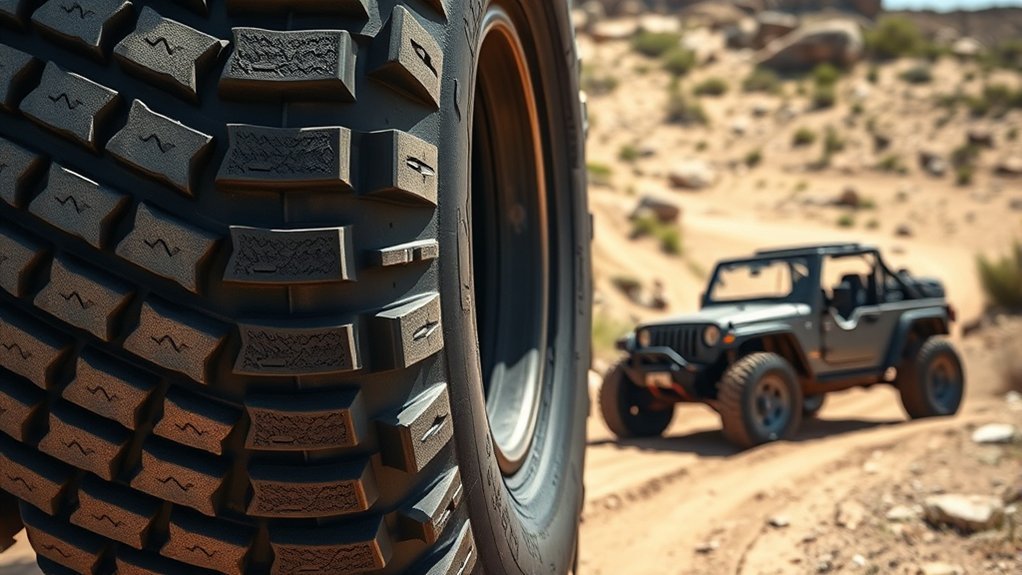
Flotation tire sizing helps you choose tires that stay on top of soft ground instead of digging in. The right size can improve traction in sand, mud, snow, loose soil, and farm fields, but the wrong size can rub, overload the tire, change gearing, affect braking, or make highway driving unsafe.
Quick Answer
Flotation tire sizing uses overall diameter × section width × rim diameter, such as 33×12.50R15. Match the diameter, width, construction, load index, speed rating, rim width, and inflation/load table to your vehicle and terrain. Bigger tires add footprint, but only if they fit and can safely carry the load.
Key Takeaways
- A size like 33×12.50R15 means about 33 inches tall, 12.50 inches wide, radial construction, and a 15-inch wheel.
- Do not choose by size alone. Check load index, speed symbol, load range, rim width, clearance, and tire pressure tables.
- Lower pressure can help off-road or field flotation, but only within the tire maker’s load/inflation limits; re-inflate before driving at road speed.
- M+S, 3PMSF, DOT, NHS, LT, radial, and bias markings all mean different things, so read the whole sidewall before buying.
At a Glance
| Time Required | 15–30 minutes to decode the size and check specs; longer if you measure wheel-well clearance. |
| Difficulty | Easy to moderate, depending on whether the tire is stock size or an oversized upgrade. |
| Tools Needed | Owner’s manual, tire placard, tape measure, tire pressure gauge, wheel specs, and the tire manufacturer’s spec sheet. |
| Cost | $0 to research and measure; tire cost varies widely by size, load rating, construction, and application. |
An Overview of Flotation Tires for Off-Road Vehicles
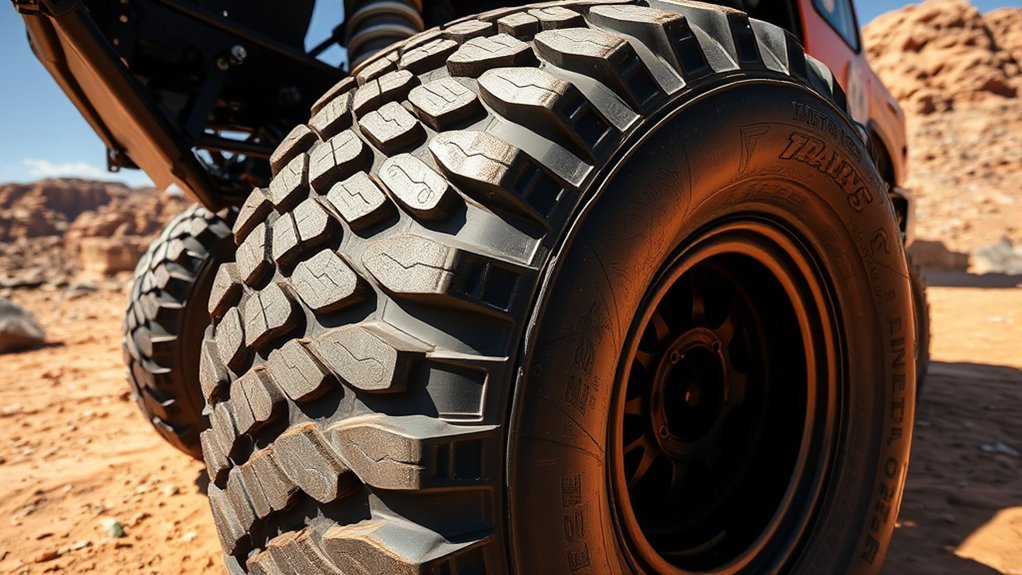
Flotation tires are built to spread vehicle weight over a larger contact patch. That wider footprint helps the tire stay closer to the surface on soft ground, which can improve traction and reduce rutting in mud, sand, loose snow, wet fields, and other low-support surfaces.
On light trucks, Jeeps, and many off-road vehicles, flotation sizes are often written in inches, such as 33×12.50R15 or 35×12.50R17LT. On agricultural trailers, implements, spreaders, and sprayers, high-flotation tires may also use metric-style sizes such as VF650/55R26.5 or 600/50R22.5. Both systems describe fitment, but they do not replace the need to check load, speed, rim, and pressure data.
The goal of flotation is not simply a taller tire. It is the right contact patch, load capacity, and pressure for the surface, speed, and vehicle weight.
For safety, start with the vehicle’s tire placard or owner’s manual, then compare it with the tire maker’s published specifications. NHTSA TireWise recommends using the owner’s manual or tire and loading information label to identify the correct tire size for a car or truck.
What Makes Flotation Tires Different From Standard Tires?
Flotation tires differ from standard passenger or LT-metric tires mainly in how they are sized and how they are intended to work on soft surfaces. They are often wider for their height, which helps distribute weight across more ground area.
| Feature | Flotation Tire | P-Metric / LT-Metric Tire |
|---|---|---|
| Common size format | 33×12.50R15 or 35×12.50R17LT | P265/70R17 or LT285/70R17 |
| Width measurement | Usually shown in inches for light-truck flotation sizes | Usually shown in millimeters for metric sizes |
| Main advantage | Larger footprint for soft surfaces and lower ground pressure when correctly matched | Balanced road handling, load, fuel economy, and OE fitment |
| Biggest risk | Rubbing, overload, wrong rim width, speedometer error, or unsafe pressure if chosen by size alone | Less flotation in deep sand, mud, or loose soil compared with a properly matched wider tire |
In agriculture, high-flotation designs can help protect soil by spreading load over a wider footprint. For example, Michelin describes its CARGOXBIB HIGH FLOTATION tire as a low-pressure trailer tire designed for flotation, load distribution, and reduced soil impact in agricultural transport and soil-preparation work.
Note: “Flotation” does not automatically mean “safe for every road, speed, or load.” Always check whether the tire is DOT-approved for road use, marked NHS for non-highway service, or limited by a specific speed/load table.
How to Read Flotation Tire Sizes and Specs
Understanding flotation tire sizing starts with the printed size, but it does not end there. A complete sidewall check includes size, construction, service type, load index, speed symbol, load range, and pressure/load data. Yokohama’s sidewall sizing guide explains that sidewall sizing helps identify dimensions, intended service, load capacity, speed, and construction.
Example: 35×12.50R17LT 121Q Load Range E
- 35 — nominal overall tire diameter in inches.
- 12.50 — nominal section width in inches, measured sidewall to sidewall.
- R — radial construction. A D may indicate bias or diagonal construction.
- 17 — wheel/rim diameter in inches. This must match the wheel exactly.
- LT — light-truck service designation, common on pickup, Jeep, and SUV flotation sizes.
- 121 — load index. This tells you how much weight the tire can carry at its rated pressure.
- Q — speed symbol. This limits the maximum rated speed under proper load and inflation.
- Load Range E — a strength/load category, not a substitute for checking the exact load index and tire table.
Pro Tip: Treat flotation tire sizes as nominal. The actual mounted diameter and section width can vary by brand, tread design, rim width, inflation pressure, and load. Always compare the manufacturer’s published specs before buying.
| Size Designation | Nominal Height | Nominal Width | Rim Diameter | Construction |
|---|---|---|---|---|
| 33×12.50R15 | 33 in. | 12.50 in. | 15 in. | Radial |
| 35×14.00D16 | 35 in. | 14.00 in. | 16 in. | Bias/diagonal |
| 31×10.50R15 | 31 in. | 10.50 in. | 15 in. | Radial |
| 37×13.50R18 | 37 in. | 13.50 in. | 18 in. | Radial |
Popular Flotation Tire Sizes and Their Uses
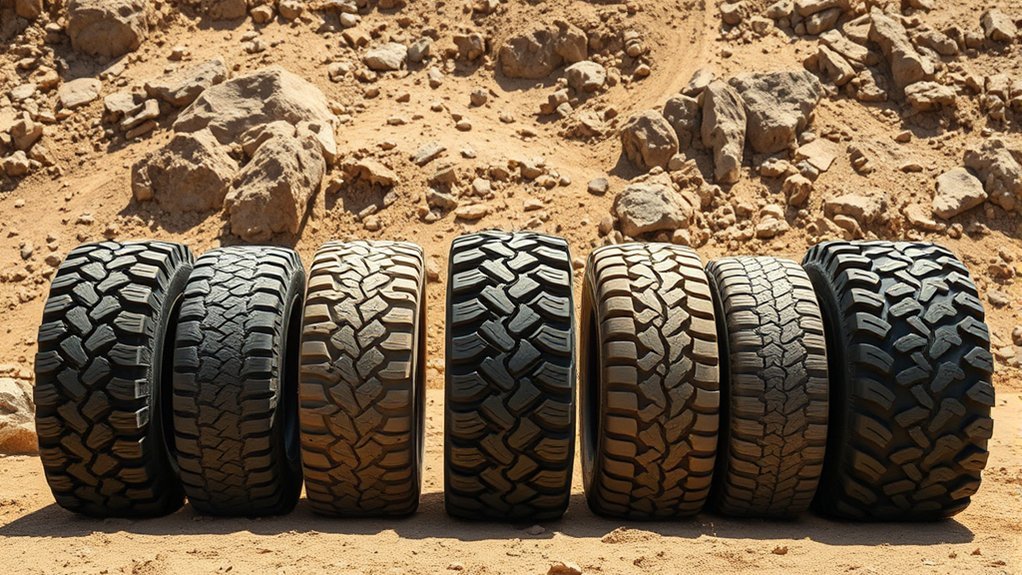
Popular flotation tire sizes depend on the vehicle. A 33-inch light-truck tire, a 37-inch rock-crawling tire, and a 650/55R26.5 agricultural tire are all very different products, even though each may be discussed as a flotation-style tire.
| Size | Common Use | Best For | Watch For |
|---|---|---|---|
| 31×10.50R15 | Older Jeeps, compact trucks, mild off-road builds | Balanced clearance and daily drivability | Load index and age of existing wheels |
| 33×12.50R15 | Light trucks, Jeeps, and off-road SUVs | Mud, sand, rocks, and general trail use | Wheel width, fender clearance, and speedometer change |
| 35×12.50R17LT | Modified trucks and SUVs | More clearance and footprint than 33-inch sizes | Updated load-index requirements on some 17-inch LT/flotation replacements |
| 37×12.50R17 or 37×13.50R18 | Heavily modified off-road trucks, Jeeps, and SUVs | Deep ruts, rocks, and high-clearance trail builds | Lift, axle gearing, brakes, spare carrier, steering stress, and legal coverage |
| 550/45R22.5 or 600/50R22.5 | Spreaders, trailers, and agricultural equipment | Carrying load while reducing rutting in fields | Load/speed table, rim approval, and field-to-road pressure settings |
| VF650/55R26.5 or VF710/50R26.5 | High-flotation agricultural trailers and implements | High load capacity with lower pressure options when properly specified | Exact pressure must match load per tire, speed, and work type |
Warning: Do not assume a truck flotation tire fits an ATV or UTV. Powersports tires use different fitment, load, and speed requirements. Use the ATV/UTV manufacturer’s approved tire size and wheel specifications.
[Products Worth Considering]

Accurately measure tire tread depth with a calibrated gauge marked from 0 to 1 inch in 1/32 inch increments. The color-coded bar helps you quickly identify tread condition ranges, supporting safe driving for trucks, motorcycles, automobiles, and passenger vehicles.

The SAFELIFE dial tire tread depth gauge measures tread depth in 1/32 inch increments with clear, easy-to-read 2-inch dial face. Color zones using a traffic light system help you quickly judge whether tread is low, marginal, or ample for safer driving. Built with a durable zinc cast body and a metal detect probe for precise, comfortable use across cars, motorcycles, trucks, and buses.

Measure tire tread depth quickly and accurately with this LUMITECO dial gauge that reads in 1/32" increments up to 14/32". The color-coded green/yellow/red zones make it easy to judge tire wear and know when replacement is needed. A rugged, compact design with a protective pouch helps keep the gauge ready for use on cars, trucks, motorcycles, and more.
How to Choose the Right Flotation Tire for Your Vehicle Type
To choose the right flotation tire size, work from the vehicle and load first, then pick the footprint. The biggest tire that fits the wheel opening is not always the best tire for braking, steering, towing, gearing, or fuel economy.
- Start with the tire placard and owner’s manual. Confirm the original tire size, load index, speed rating, and recommended cold pressure. Replacement tires should meet or exceed the vehicle’s requirements.
- Define the main terrain. Sand and mud usually benefit from a wider footprint; rocks may need stronger sidewalls; farm fields may need a tire that carries heavy load at lower pressure.
- Match the rim diameter and approved rim width. The last number in the tire size must match the wheel diameter exactly. The wheel width must also fall within the tire maker’s approved range.
- Measure clearance before upsizing. Check fenders, suspension arms, brake lines, frame rails, mud flaps, trailer fenders, and spare-tire storage. Turn the steering from lock to lock and consider suspension compression.
- Check load index, load range, and axle weight. Divide the loaded axle weight by the number of tires on that axle, then compare it with the tire maker’s load table.
- Check speed symbol and road approval. A tire that works well in fields or trails may not be rated for highway speed. Look for DOT approval on road-going tires and avoid highway use if the tire is marked NHS.
- Choose construction and tread. Radial tires usually ride cooler and smoother at road speed. Bias tires may be chosen for certain agricultural, industrial, or low-speed applications where sidewall stiffness is useful.
- Set pressure from the correct chart. Do not use one universal PSI number. Use the tire maker’s load/inflation table for the tire, vehicle weight, speed, and work type.
- Test fit and recalibrate. After installation, check rubbing, TPMS behavior, speedometer error, alignment, braking feel, and spare-tire compatibility.
Note: USTMA’s TISB 55 bulletin warns that certain 17-inch LT-metric and flotation tires have updated load indexes. If you are replacing 17-inch LT flotation tires, match the vehicle placard requirements and do not rely only on the old size and load range.
[Products Worth Considering]

Keep your tires properly inflated with this analog VONDIOR tire pressure gauge, designed for fast, easy readings without batteries. The swiveling, two-axis hose and large glow dial help you measure at any tire angle with instant visibility. Built with a protective rubber shield, it supports durable, low-maintenance use for cars and trucks.

Secure your vehicle during transport with this 4-pack of heavy-duty tire tie down straps designed for trailers and hauling. The ratchet system with flat hooks and D-rings helps you tension the straps quickly, while the wheel-friendly design protects tires. With high break strength and corrosion-resistant hardware, these straps provide reliable, confidence-inspiring tie-down security for cars, trucks, and UTVs.

This manual duck head tire changer kit makes tire installation and removal simpler by letting you embed the duck head into the tire with applied pressure. The integrated design and durable steel construction help reduce friction and improve efficiency and safety during use. Suitable for 16–21 inch wheels, it’s convenient for cars, trucks, SUVs, and ATV tires, with 24-hour after-sales support.
Flotation Tire Pressure, Load, and Speed Ratings
Tire pressure is where many flotation tire mistakes happen. Lower pressure can increase footprint, but the tire still has to carry the load without overheating, damaging the sidewall, unseating the bead, or exceeding its speed rating.
| Situation | How to Set Pressure | Key Caution |
|---|---|---|
| Daily road use | Use the vehicle placard, owner’s manual, and tire maker’s replacement guidance. | Too little pressure can build heat and cause tire damage. |
| Off-road airing down | Lower only for low-speed trail use when appropriate, then re-inflate before highway driving. | Very low pressure can unseat the bead or damage the sidewall. |
| Agricultural field work | Use the tire maker’s pressure/load table for load per tire, speed, and work type. | Field pressure and road pressure may not be the same. |
| Towing or heavy cargo | Weigh the loaded vehicle or trailer axle and match the tire’s load table. | Never exceed the tire load index, wheel rating, axle rating, or speed rating. |
Warning: There is no single “ideal PSI” for all flotation tires. A trail pressure that works briefly at low speed can be unsafe on pavement, while an agricultural pressure must be chosen from the tire’s load, speed, and work tables.
Radial vs. Bias Construction and Tread Patterns
The construction letter matters because it affects heat, ride, footprint, and sidewall behavior. In flotation sizing, R means radial. A D marking may indicate diagonal or bias construction.
- Radial flotation tires are common for modern light trucks, highway-capable off-road tires, and many agricultural flotation applications. They often run cooler at road speed and can provide a more flexible footprint.
- Bias flotation tires may be used in certain low-speed, implement, industrial, or specialty applications where stiff sidewalls and impact resistance matter more than road comfort.
- All-terrain tread is usually better for mixed pavement and trail use.
- Mud-terrain tread has larger voids for mud and loose soil but can be louder and less efficient on pavement.
- Agricultural flotation tread may use block, rib, lug, or implement patterns designed for soil protection, self-cleaning, and load distribution.
Note: M+S means mud and snow marking, but it is not the same as the 3PMSF severe-snow traction symbol. Some tire listings, such as BFGoodrich 33×12.50R15 examples, show these markings separately. Choose winter-capable tires by the conditions and symbols you actually need.
[Products Worth Considering]

Upgrade your 2024-2026 Tesla Model 3 Highland with REEVAA all-weather mud flaps designed for seamless fit along the original body lines. The set of four delivers strong splash protection against mud, gravel, and road debris while using OEM-grade durable materials. Installation is non-destructive with original hole positions and snap-in clips, and the aerodynamic design helps minimize impact on efficiency.
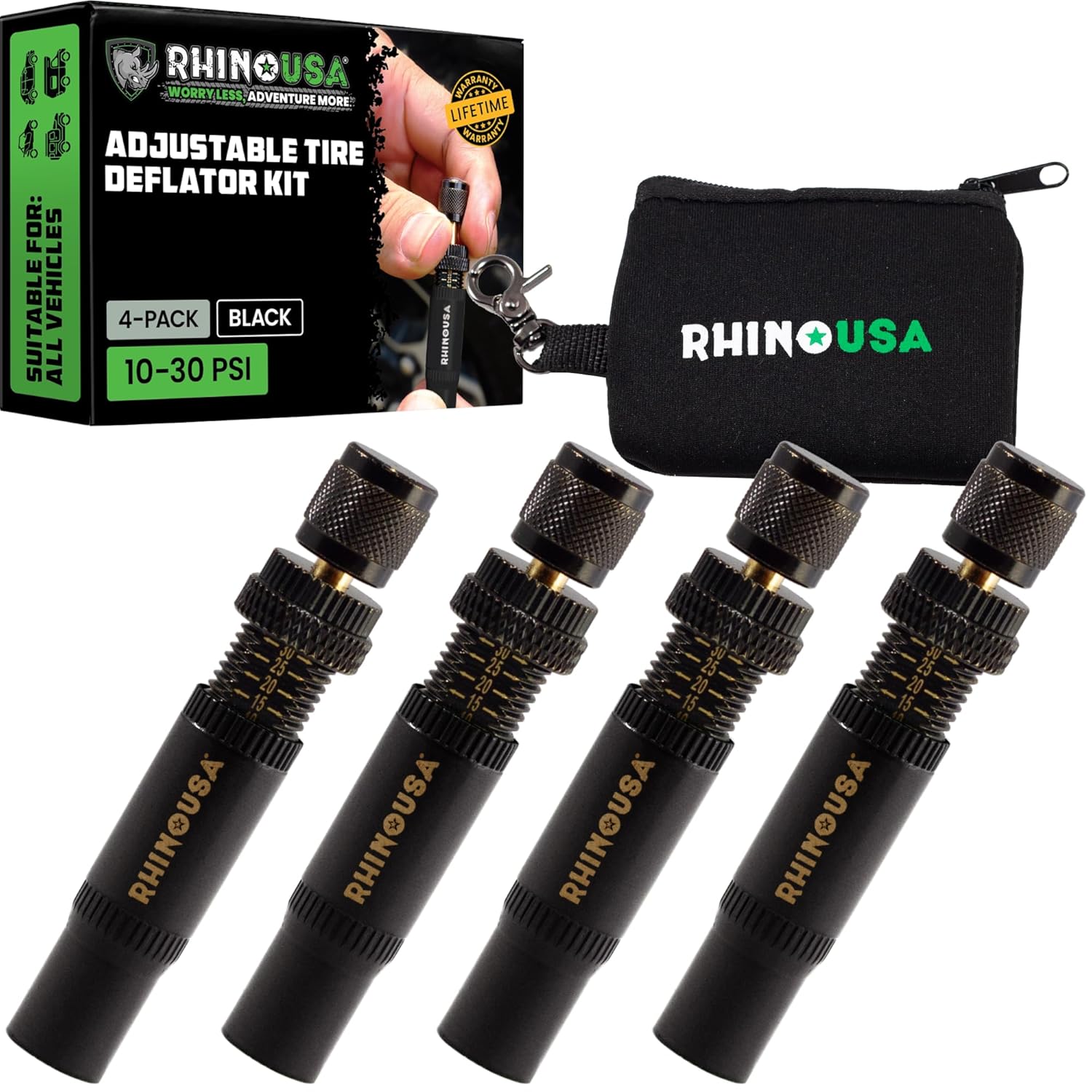
Use the Rhino USA adjustable tire deflators to air down all four tires at once by screwing one deflator onto each valve stem, letting you step away while the tires reach your preset pressure. Each deflator independently adjusts across a 10–30 PSI range with laser-etched indicators for quick setup and verification, making it ideal for beach, sand, and rocky off-road trails.

Clean wheels and rims with soft feathered bristles that safely remove dirt and road grime while helping restore original luster. The short non-slip handle makes it easy to scrub in tight wheel wells, and the brush is suitable for vehicles and hard-to-reach areas. It can also be soaked and rubbed to help restore bristles to their shape after use.
Common Flotation Tire Fitment Mistakes
- Choosing only by diameter. Width, rim width, load, speed, and clearance matter just as much.
- Ignoring actual tire dimensions. Two 35×12.50 tires from different brands may not measure exactly the same.
- Installing a tire with too low a load index. This is especially risky for towing, hauling, and heavy agricultural equipment.
- Running aired-down pressure on the highway. Re-inflate before road speed to reduce heat and sidewall damage.
- Assuming “LT” means unlimited towing strength. LT tires still have specific load indexes, speed symbols, and inflation requirements.
- Forgetting the spare. Oversized flotation tires may not fit the factory spare location or tire carrier.
- Skipping brake and suspension checks. Larger tires add rotating mass and can affect braking, steering, wheel bearings, and gearing.
Flotation Tire Maintenance for Longer Life
Good maintenance protects the tire and the vehicle. USTMA’s Tire Care and Safety Guide is a useful reference for basic tire care, and NHTSA notes that poor tire maintenance can contribute to flats, blowouts, and tread separation.
- Check cold tire pressure before long trips, towing, heavy loads, and trail or field work.
- Inspect sidewalls and tread for cuts, punctures, exposed cords, bulges, uneven wear, and embedded debris.
- Rotate tires according to the vehicle or tire maker’s schedule when the tire type and vehicle setup allow it.
- Clean out mud, stones, crop stubble, and debris that can hide damage or cause imbalance.
- Recheck lug torque after wheel changes, especially on trucks, trailers, and agricultural equipment.
- Keep alignment, steering, and suspension in good condition to prevent uneven wear.
- Replace damaged, overloaded, aged, or weather-cracked tires instead of trying to stretch their service life.
Frequently Asked Questions
How do I maintain flotation tires for longevity?
Check cold pressure regularly, rotate when the vehicle and tire maker allow it, inspect for cuts or bulges, avoid overloading, clean debris from the tread, and keep alignment and suspension in good condition. Flotation tires often work in harsh terrain, so visual inspection matters as much as tread depth.
Can flotation tires be used on highways?
Some light-truck flotation tires are highway-capable when they are DOT-approved, correctly inflated, properly loaded, and used within their speed rating. Other flotation tires, especially some agricultural, implement, ATV/UTV, or NHS-marked tires, are not intended for highway service. Always check the sidewall and manufacturer specs.
What is the ideal tire pressure for flotation tires?
There is no universal ideal pressure. Use the vehicle placard or owner’s manual for normal road use, and use the tire manufacturer’s load/inflation table for off-road, towing, hauling, or agricultural work. Lower pressure may improve flotation at low speed, but it can be unsafe if used on pavement or under heavy load.
Are flotation tires suitable for towing heavy loads?
They can be, but only if the tire’s load index, load range, wheel rating, axle rating, and speed symbol match the actual loaded weight. For towing, weigh the loaded axle when possible and compare the load per tire with the tire maker’s table. Never assume a wider tire automatically carries more weight.
How do flotation tires affect fuel efficiency?
Flotation tires can reduce fuel efficiency if they are wider, heavier, more aggressive, or underinflated for road use. They may also change gearing and rolling resistance. The trade-off is better traction and flotation on soft ground, so choose the tire based on where the vehicle spends most of its time.
Are flotation and metric tire sizes interchangeable?
Sometimes there is a close metric equivalent, but it is rarely a perfect match. Compare actual diameter, section width, approved rim width, load index, speed rating, and manufacturer specs before switching between flotation and metric sizes.
What does LT mean on a flotation tire?
LT means light truck. In a size like 35×12.50R17LT, it indicates a light-truck tire intended for vehicles such as pickups, Jeeps, and SUVs. LT does not replace the need to check load index, load range, speed symbol, rim width, and inflation requirements.
Does M+S mean a flotation tire is good for winter?
Not by itself. M+S means mud and snow marking, but it is not the same as the 3PMSF severe-snow symbol. If winter braking and packed-snow traction matter, look for the correct winter or all-weather rating and choose a tire designed for those conditions.
Conclusion
Flotation tire sizing is about more than choosing the biggest tire. A larger footprint can improve traction and reduce rutting, but only when the tire fits the wheel, clears the vehicle, carries the load, matches the speed requirement, and runs at the correct pressure. Read the full sidewall, check the manufacturer’s load and inflation data, and match the tire to your real terrain before buying.
Sources
- NHTSA TireWise — tire placard, tire safety, tire maintenance, and loading guidance.
- USTMA Tire Care and Safety Guide — tire care, inflation, replacement, and safety basics.
- USTMA TISB 55: Change in 17-Inch Rim Diameter LT-Metric and Flotation Tire Load Indexes — updated load-index guidance for certain 17-inch LT flotation replacements.
- Yokohama Tire Sizing Information — sidewall size, construction, service type, load, and speed markings.
- Michelin CARGOXBIB HIGH FLOTATION — agricultural high-flotation tire footprint, load, and pressure data.
- BFGoodrich 33×12.50R15 Tire Listings — examples of 33×12.50R15 load index, speed symbol, M+S, and 3PMSF markings.