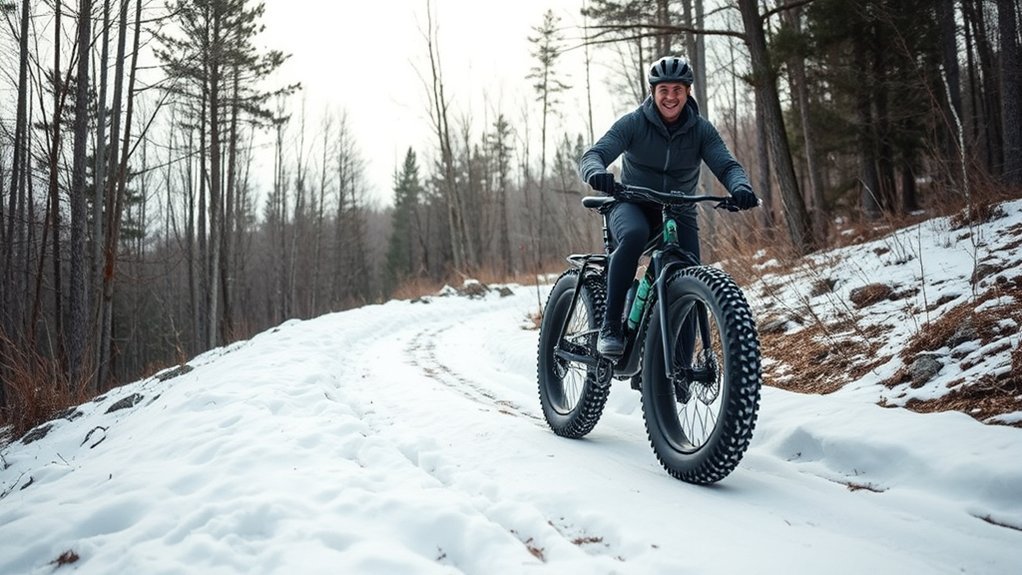
Fat tire bikes are built for riders who want grip, float, and control on surfaces that make regular bicycle tires sink, slip, or bounce around. Their oversized tires shine on snow, sand, mud, loose gravel, rutted dirt, and rough pavement. They are not the fastest bikes on clean asphalt, but they are one of the most confidence-inspiring choices when the ground gets soft or unpredictable.
Quick Answer
Fat tire bikes are for snow, sand, mud, rough roads, and loose terrain where extra tire width helps the bike float instead of sink. They give you more traction, comfort, and stability than narrower bikes, but they are usually heavier and slower on smooth pavement.
Key Takeaways
- Fat tire bikes are best for soft, loose, or unstable terrain such as snow, sand, mud, and loose gravel.
- Their wide tires, often about 3.7 to 5 inches or more, spread your weight over a larger contact patch for better float and grip.
- Low tire pressure can improve comfort and traction, but the right PSI depends on rider weight, tire size, rim setup, and terrain.
- They can work for commuting on rough roads, but they feel slower and heavier than road, hybrid, or standard mountain bikes on clean pavement.
- Before buying one, check tire clearance, total weight limit, local trail rules, and whether you need studded tires for ice.
What Are Fat Bikes Best For?
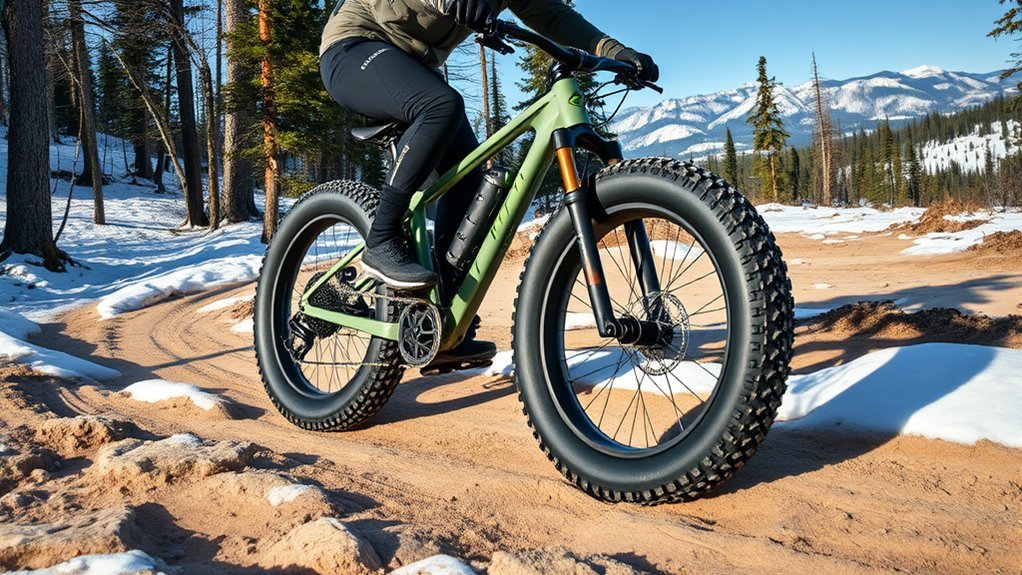
Fat bikes are best for places where a narrow tire struggles to stay on top of the surface. The wide tires create more ground contact, which helps the bike float over soft terrain and hold traction on loose ground. According to REI’s mountain bike guide, fat-tire bikes use oversize tires, roughly 3.7 to 5 inches or more, to provide flotation and traction on sand or snow.
That makes a fat bike useful for winter riding, beach riding where bikes are allowed, muddy or loose dirt routes, bikepacking, and rough utility riding. It can also be a good confidence bike for riders who value stability over speed.
Note: A fat bike does not automatically make every surface rideable. Wet trails, protected beaches, ski trails, and wildlife areas may restrict bikes. Always follow local signs and land-manager rules.
| Terrain | Why a fat bike helps |
| Snow | Wide, low-pressure tires spread weight out and reduce sinking. |
| Sand | Extra float helps the front wheel track straighter instead of plowing. |
| Mud and loose dirt | Large tread contact can improve grip, but riding saturated trails can cause damage. |
| Rough roads | High-volume tires absorb chatter from potholes, gravel, and broken pavement. |
Fat Tire Bikes for Snow, Sand, and Mud
Snow, sand, and mud are the classic fat-bike conditions. A standard mountain bike tire can cut into soft surfaces and stall. A fat tire spreads the load, similar to how a snowshoe works, so the bike has a better chance of staying on top of the surface. Surly describes its Moonlander fat bike as using 4.8-inch tires on 100 mm rims to create a large footprint for very low pressure, traction, and float over gravel, sand, and many types of snow.
Tire pressure is where fat bikes become especially different from regular bikes. On snow, IMBA says fat-bike tire pressure is often less than 10 PSI, with 4 to 6 PSI typical for snow riding. That is a starting point, not a universal rule. A heavier rider, narrower rim, tube setup, rocky route, or hardpack surface may need more pressure to protect the rim and prevent tire squirm.
Pro Tip: Carry a low-pressure gauge and a small pump. A 1 PSI change can make a fat bike feel completely different on snow or sand.
For mud, use judgment. Fat tires can grip sloppy ground well, but riding wet trails can leave deep ruts. If your tires are sinking, sliding sideways, or leaving a trench, turn around and wait for better conditions.
Warning: Ice is different from snow. Wide rubber alone may not be enough on glare ice. Use studded tires where conditions call for them, ride slowly, and avoid frozen lakes or rivers unless you know the ice is safe.
Fat Tire Bikes for Commuting and Rough Roads
You can commute on a fat tire bike, especially if your route includes cracked pavement, potholes, gravel shoulders, packed snow, or uneven paths. The high-volume tires smooth out chatter and make the bike feel stable when the surface changes without warning.
The tradeoff is speed. Fat tires create more rolling resistance, and fat bikes are often heavier than hybrids, gravel bikes, and standard mountain bikes. On clean pavement, you will usually work harder to hold the same speed. For road use, raise the pressure above your snow or sand setup, but stay within the tire and rim manufacturer’s limits. Do not assume 25 to 30 PSI is safe for every fat-bike tire.
A fat bike can be a smart commuter if you ride through winter, carry gear, or value control more than pace. If your commute is mostly smooth pavement and you want efficiency, a hybrid, gravel bike, or commuter e-bike may make more sense.
[Products Worth Considering]
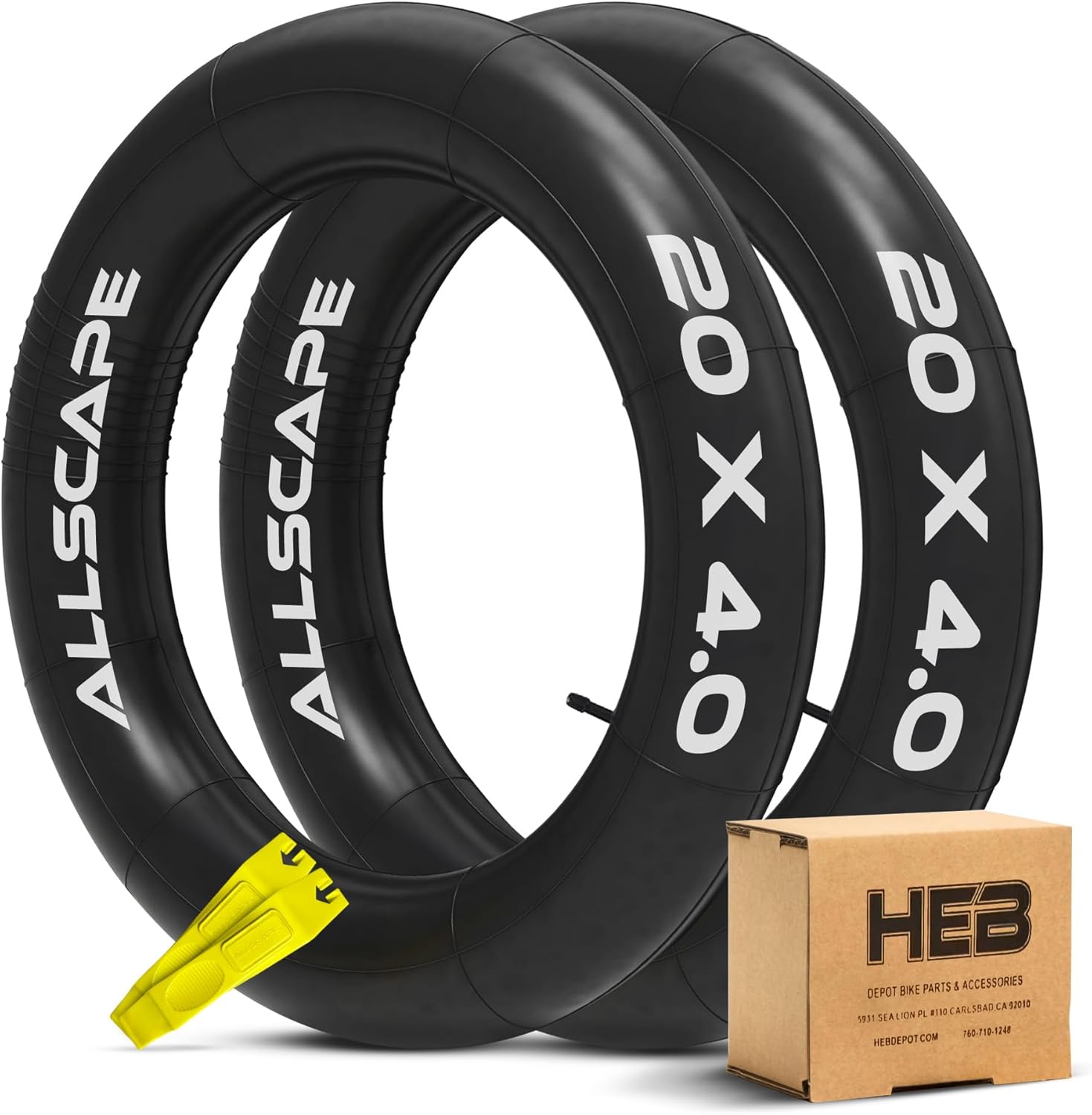
HEB heavy duty inner tubes deliver reliable puncture resistance for fat tire electric bikes and mountain bikes running 20x4 or 26x4 tires. Built for rugged backcountry trails, they help prevent flats from rocks and thorns while providing stability and traction. Choose a single tube or multi-packs for better value and keep your ride running smoothly in all seasons.

The TANX hitch bike rack securely fits any 2-inch receiver and carries up to two bikes, including heavy-duty e-bikes and fat tires up to 5 inches wide. Its foldable, smart tilting design lets you access your trunk or tailgate without removing the bikes. An anti-wobble hitch tightener and locking hitch pin help keep the ride stable, while padded, adjustable cradles and straps protect bike finishes during transport.

Ride with confidence using these fat tire inner tubes designed for 26-inch e-bikes and bikes. The butyl rubber construction delivers good airtightness, durability, and shock absorption for a smoother ride. Each tube fits 26x3.5 to 4.0 tires with an AV 32mm Schrader valve, and the kit includes tire levers for easier installation.
Fat Tire Bikes vs Mountain Bikes
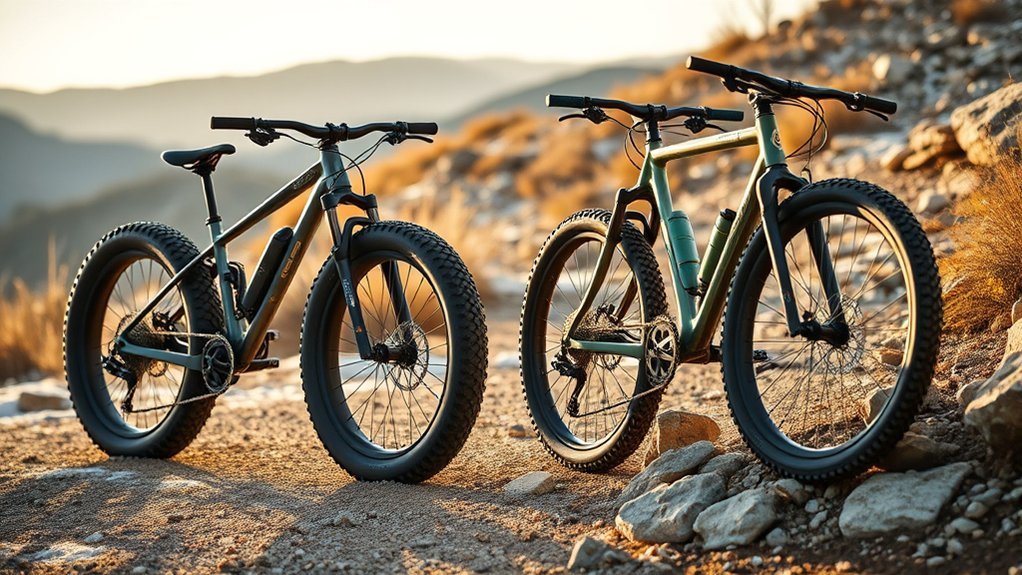
Fat tire bikes and mountain bikes overlap, but they are not the same tool. A regular mountain bike is usually better for technical trail speed, climbing efficiency, tight turns, and aggressive descending. A fat bike is usually better when the trail is soft, loose, snowy, sandy, or rough enough that float matters more than sharp handling.
| Feature | Fat Tire Bike | Standard Mountain Bike |
| Tire width | Often about 3.7–5 inches or more | Commonly much narrower, depending on discipline |
| Best terrain | Snow, sand, soft dirt, rough mixed surfaces | Singletrack, climbs, descents, rocky trails |
| Ride feel | Stable, cushioned, planted | Quicker, more precise, more responsive |
| Main drawback | Heavier and slower on pavement | Less float on soft snow or sand |
Choose a fat bike when grip, comfort, and float matter most. Choose a standard mountain bike when you want faster trail handling, better climbing efficiency, or a bike mainly for dry dirt singletrack.
[Products Worth Considering]

This heavy-duty fat bike inner tube is built for secure fit on 20-inch wheels with 3.5 to 4.0 inch wide tires, including e-bikes and mountain bikes. It uses thick butyl rubber for improved durability, air tightness, and a smoother, more comfortable ride. A standard Schrader valve makes inflation easy and helps keep pressure stable for safer rides, with tire levers included for simpler installation.

Ultraverse 700c inner tubes are built for 700x28C to 32C tires and feature a 48mm Presta valve for accurate, secure inflation. The high-elasticity butyl rubber construction helps seal air tightly, resist pressure loss, and absorb road vibrations for a smoother ride. A reinforced valve base and thick walls add durability and puncture resistance for reliable everyday performance on road, gravel, and city routes.

Upgrade your 20x4.0 fat tire ebike with these perfectly fitting inner tubes designed for 20-inch fat tires. The Schrader valve makes inflation easy and the premium butyl construction helps resist everyday wear. Each pack includes two tubes, making it simple to be ready for flats and keep your ride moving.
Who Benefits Most From a Fat Bike?
A fat bike fits you best if you ride in winter, live near sand or loose dirt, carry gear on rough routes, or want a more stable bike for mixed surfaces. Beginners may also like the planted feel because the tires make the bike feel forgiving at low speeds.
Fat bikes can also help riders who carry cargo, but the weight limit is not the same on every bike. For example, Trek’s Farley 5 lists a maximum total weight limit of 300 pounds, including the bike, rider, and cargo. Always check the manufacturer’s combined weight limit before assuming a fat bike can handle a heavy rider or loaded bags.
You may not benefit from a fat bike if your riding is mostly fast pavement, long road miles, lightweight climbing, or tight technical trails where quick handling matters more than tire float.
What to Check Before Buying or Riding a Fat Bike
Before you buy or set up a fat bike, check the details that affect comfort, safety, and performance:
- Tire clearance: Not every frame fits every fat tire. Check maximum tire size for the frame and fork.
- Rim and tire compatibility: Wider tires often need wider rims to feel stable at low pressure.
- Pressure range: Use the sidewall, rim guidance, and terrain as your limits. Snow pressure is not road pressure.
- Tubes vs. tubeless: Tubeless setups can reduce pinch-flat risk and let some riders run lower pressure, but setup can be messier.
- Studded tires: If you ride on ice or frozen streets, consider studded fat-bike tires from a winter cycling brand such as 45NRTH.
- Brakes and gearing: Low gears help on snow, sand, and loaded climbs. Strong brakes matter because fat bikes can be heavy.
- Local rules: Some groomed ski trails, beaches, wildlife areas, and parks restrict bicycle access or require minimum tire widths.
- Helmet and lights: Wear a bicycle helmet that meets the U.S. CPSC bicycle helmet standard, and use lights or reflective gear when visibility is poor.
[Products Worth Considering]

Upgrade your ride with a 2-pack set of 26x1.95 folding mountain bike tires built for dependable traction on mud, rocks, and trail surfaces. A reinforced puncture-resistant layer helps protect against sharp debris, while included butyl inner tubes provide strong sealing and shock absorption. Ready for fast swaps with included tire levers and universal sizing for most bikes.

This hitch-mounted bike rack securely carries two bikes with soft padded hooks that help prevent swaying and frame scratches. It folds up when not in use and tilts down for easy trunk access without removing the bikes. Designed for a 2-inch receiver, it provides a wobble-free fit and supports bikes up to a total capacity of 200 lb, including fat tires up to 5 inches.

Protect your inner tube with this universal bike tire liner designed to block thorns, glass, nails, and sharp trail debris. It installs easily by measuring and trimming to fit, creating a durable barrier between tire and tube. Lightweight polyurethane construction helps reduce sudden flats for more confident rides.
Frequently Asked Questions
What are the disadvantages of a fat tire bike?
The biggest disadvantages are weight, slower pavement speed, higher rolling resistance, and less precise handling compared with many standard mountain bikes. Fat tires and wide rims can also cost more to replace, and dialing in tire pressure takes practice.
Is a fat tire bike harder to pedal?
Yes, it usually feels harder to pedal on smooth pavement because the tires are wider and the bike is often heavier. On snow, sand, or loose ground, though, a fat bike can feel easier than a narrow-tire bike because it floats and keeps traction better.
Can you ride a fat tire bike on the road?
Yes, you can ride a fat tire bike on the road. It is stable and comfortable on rough pavement, potholes, and winter streets, but it will usually be slower than a road bike, hybrid, or gravel bike on clean asphalt. Use a pavement-appropriate pressure that stays within your tire and rim limits.
Are fat tire bikes good for beginners?
Fat tire bikes can be good for beginners because they feel stable, forgiving, and confidence-building at slower speeds. The main downside is weight. A beginner who mostly rides paved bike paths may be happier on a lighter hybrid, while a beginner riding snow, sand, or rough dirt may love a fat bike.
What tire pressure should a fat bike use?
There is no single correct PSI. Snow riders often start below 10 PSI, and 4 to 6 PSI is common on groomed or soft snow, but pressure depends on rider weight, tire width, rim width, tubes or tubeless setup, and terrain. Use the tire and rim limits as your safety boundary.
Do fat bikes need suspension?
Not always. The large, low-pressure tires provide a lot of natural cushioning, so many fat bikes use rigid forks. Suspension can help on rocky trails or faster riding, but it adds weight, cost, and maintenance.
Are fat bikes good for beach riding?
Yes, fat bikes are one of the better bicycle choices for firm sand and some soft beach conditions. Lower pressure helps the tires float, but very deep dry sand can still be difficult. Check local beach rules before riding, and rinse salt and sand from the bike afterward.
Conclusion
A fat tire bike is worth it when your rides include snow, sand, loose dirt, rough roads, or mixed terrain where grip matters more than speed. Its wide tires give you flotation, stability, and comfort that narrower bikes cannot match in soft conditions. The tradeoff is that fat bikes are heavier, slower on pavement, and more sensitive to tire-pressure setup. For the right terrain, though, they are practical, capable, and genuinely fun.
Sources
- REI Expert Advice: How to Choose a Mountain Bike — supports fat-bike tire width, flotation, traction, and best-use guidance.
- Surly Moonlander — supports the role of very wide tires, low pressure, and float on snow, sand, gravel, and rough terrain.
- IMBA Fat Biking Best Practices — supports snow tire-pressure ranges, rut prevention, trail etiquette, and winter safety guidance.
- 45NRTH: Rules of Fat — Dialing in Tire Pressure — supports pressure adjustment guidance for snow and icy conditions.
- Trek Farley 5 Specifications — supports manufacturer-specific total weight limit guidance.
- U.S. Consumer Product Safety Commission: Bicycle Helmets — supports helmet-safety standard guidance.