
Can You Repair Honda Accord Tire Sidewall Damage
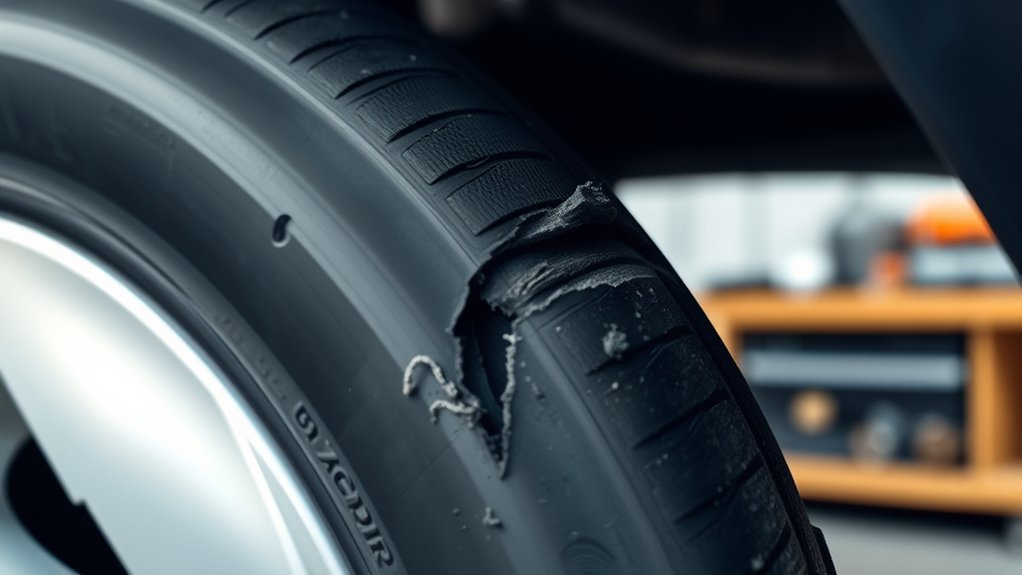
If your Honda Accord has tire sidewall damage, treat it as a safety issue first and a repair question second. A light surface scuff may only need cleaning and monitoring, but a puncture, bulge, exposed cord, air leak, deep cut, or vibration usually means the tire should be replaced, not patched for highway use.
Quick Answer
You should not repair structural tire sidewall damage on a Honda Accord for normal road use. Small cosmetic scuffs can be watched, but sidewall punctures, bulges, cracks that reach the cords, exposed fabric, or air loss call for professional inspection and usually tire replacement.
Key Takeaways
- A sidewall is a load-bearing part of the tire, so deep damage is not the same as a tread puncture.
- Replace the tire if you see a bulge, bubble, exposed cords, air leak, deep cut, or repeated pressure loss.
- Adhesives, patches, plugs, and sealants should not be trusted as highway repairs for a damaged sidewall.
- Check tire pressure cold, inspect tread and sidewalls monthly, and use the pressure listed on your Accord’s door placard.
At a Glance
| Time Required | 5 to 15 minutes for a driveway inspection; longer if a tire shop must remove and inspect the tire. |
| Difficulty | Easy for visual inspection; professional help is needed for any structural damage or pressure loss. |
| Tools Needed | Flashlight, tire pressure gauge, tread depth gauge or penny, soapy water, gloves, and your Accord owner’s manual or tire placard. |
| Cost | Inspection may be free or low cost; replacement cost depends on tire size, brand, labor, and whether the matching tire on the same axle also needs replacement. |
Understanding Sidewall Damage on a Honda Accord Tire
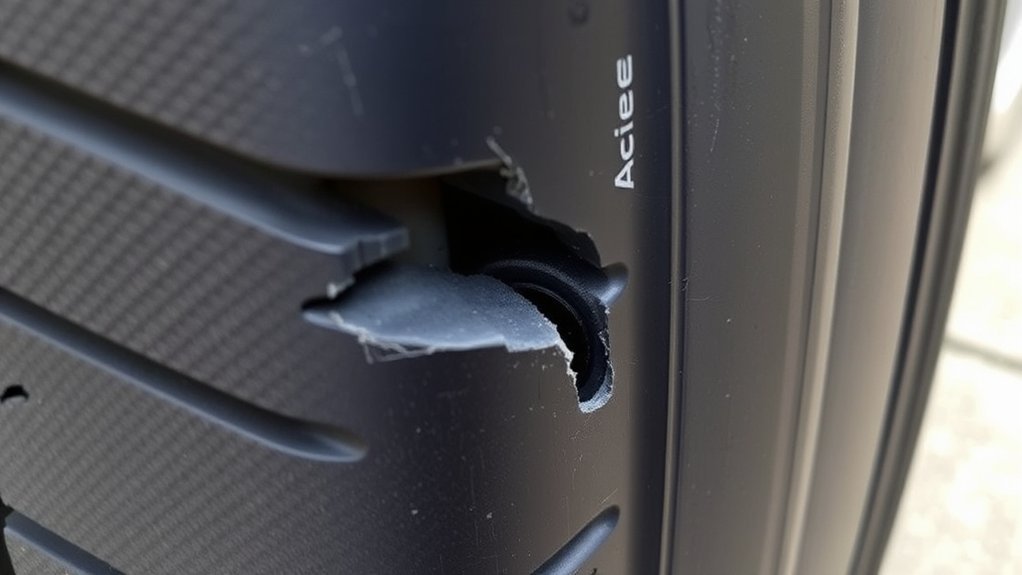
The sidewall is the smooth outer area between the tread and the wheel rim. It flexes every time your Accord rolls, turns, brakes, or hits a bump. Because it flexes so much, damage in this area can weaken the tire even when the tread still looks fine.
Start by looking for cuts, cracks, gouges, bubbles, bulges, exposed cords, missing rubber, and wet spots that may show air leakage. Also check whether the tire looks lower than the others or whether your Tire Pressure Monitoring System warning light is on. A sidewall problem can get worse quickly after a curb strike, pothole impact, or long drive on low pressure.
Dry cracking is also important, especially on older tires. Small surface checking may only be age-related weathering, but deep cracks near the sidewall or tread shoulder can signal that the rubber is losing strength. For a deeper look at cracking patterns, see this guide to sidewall cracks on tires.
Warning: Do not drive at highway speed on a tire with a sidewall bulge, exposed cords, a sidewall puncture, or visible air loss. Install the spare if your Accord has one, use roadside assistance, or have the tire inspected before driving farther.
[Products Worth Considering]

TireJect Off-Road Tire Sealant Kit provides 5-in-1 sealing to help fix tread punctures up to 3/8", sidewall punctures up to 3/8", bead leaks, slow leaks, and minor dry rot on low-speed tires. It permanently seals with liquid rubber, recycled tire particles, and Aramid fibers, making it ideal for flats caused by thorns, nails, and screws. The included dispensing cap attaches to the valve stem for a no-mess installation, along with a metal valve core remover tool and valve stem cap. This kit is for off-road use only.

Vigorder rubber cement glue delivers superior adhesion and cures quickly within about 30 seconds for seamless rubber bonding. Once cured, it helps provide a strong, durable, waterproof seal that holds up to vehicle weight, pressure, and heat. Suitable for cars, motorcycles, trucks, bicycles, and off-road tires, it’s designed for emergency patch and maintenance repairs.

Monitor tire tread wear with a smart, color-coded depth gauge that shows clear condition ranges at a glance. The bar is range marked for fast, easy readings, helping you maintain safer traction and performance. Each gauge is portable with a pocket clip, and the set includes 20 units for daily use and sharing.
Cosmetic vs. Structural Sidewall Damage
The key question is not “Can I make the mark disappear?” It is “Did the damage reach the tire’s strength layers?” Cosmetic damage affects the outer rubber. Structural damage affects the body plies, cords, bead area, or the tire’s ability to hold air.
Cosmetic Sidewall Damage
Cosmetic damage may include light curb rash, shallow scuffs, or small surface nicks that do not leak air and do not expose fabric or steel cords. These marks can look ugly, but they may not make the tire unsafe by themselves.
Even then, you should clean the area, photograph it, check pressure over the next few days, and inspect it again after a few drives. If the mark grows, starts leaking, or turns into a bulge, treat it as structural damage.
Structural Sidewall Damage
Structural sidewall damage usually means replacement. Do not rely on glue, a plug, or a patch if you see any of these signs:
- Bulge or bubble: often means the inner cords have been damaged. Learn more about why a tire bulge on the sidewall is dangerous.
- Exposed cords or fabric: the protective rubber has been cut through.
- Sidewall puncture: a nail, screw, glass cut, or sharp-object hole in the sidewall is not a normal tread repair.
- Air leak: pressure drops after inflation or bubbles appear when you apply soapy water.
- Deep cracking: cracks spread, open, or reach below the outer rubber.
- Vibration, thumping, or pulling: the tire may be deforming under load.
How to Inspect Sidewall Damage Safely
Use this quick inspection before deciding whether to drive, replace the tire, or call for help.
- Park safely: Stop on level ground away from traffic. Set the parking brake.
- Check pressure cold if possible: Use the pressure on the driver-side door placard, not the maximum pressure molded on the tire.
- Look across the whole sidewall: Turn the wheel outward if the damage is on a front tire. Use a flashlight for the inner sidewall.
- Run a visual leak test: Spray soapy water on the damaged area. Growing bubbles suggest an air leak.
- Check tread depth: Use a tread depth gauge or penny test. Sidewall damage matters even if the tread is still deep.
- Inspect the opposite side: A pothole or curb impact can damage both the visible and inner sidewall.
- Ask a tire shop to demount the tire if needed: Some internal damage cannot be confirmed from the outside.
Note: TPMS helps warn you about low pressure, but it does not prove the sidewall is safe. A tire can have impact damage before the pressure drops enough to trigger a warning.
Temporary Repairs: Adhesives, Patches, and Sealants
Sidewall repair products can create confusion because some rubber adhesives and off-road patch systems exist. For a Honda Accord driven on public roads, use a stricter rule: a sidewall patch, plug, glue repair, or sealant is not a safe permanent highway repair for structural damage.
Flexible rubber adhesive may be used only for a shallow cosmetic flap or surface scuff when there is no leak, no bulge, and no exposed cord. That type of work is cosmetic protection, not a tire repair. If the damage goes through the sidewall, the tire needs professional inspection and usually replacement.
Sealant kits are mainly meant for small tread punctures, depending on the vehicle kit and tire condition. They are not meant to restore sidewall strength. If your Accord has a tire repair kit instead of a spare, read the kit instructions before use and check the NHTSA recall lookup by VIN, especially on late-model Accord Hybrids that may have repair-kit recall coverage.
For a broader comparison of tread-area repairs, see this tire plug vs. patch repair comparison. Just remember that tread repair rules do not make sidewall damage safe.
What to Do If You Find Sidewall Damage
Your next step depends on the damage and whether the tire holds air.
- Light scuff, no leak, no bulge: Check pressure, monitor the area, and have it inspected at your next tire service.
- Deep cut or exposed cord: Do not repair it for road use. Replace the tire.
- Bulge or bubble: Stop driving on that tire. A bulge can fail without much warning.
- Sidewall nail or screw: Do not plug it. Replace the tire after professional inspection.
- Fast air loss: Pull over safely and use roadside assistance, a spare, or towing.
Pro Tip: Take a clear photo of the damage before you drive to a shop. It helps the technician understand whether the mark changed, grew, or started leaking after the first inspection.
When to Replace Your Tire
Replace the tire when sidewall damage affects safety, even if the tread still has life left. Sidewall condition, tread depth, air pressure, age, and handling all matter together.
[Products Worth Considering]

AUTOWN’s 68-piece tire repair kit helps you fix punctures and plug flats quickly and effectively. It includes a T-handle and spiral probe tool for easy insertion, while the steel patch and plug materials are designed for strong adhesion and long-lasting airtight performance. The compact case makes it convenient for roadside repairs across a wide range of vehicles.

Measure tyre tread depth precisely with a digital gauge that reads in both MM and inches, helping you monitor safe driving conditions. The large LCD screen is easy to operate, and the compact tool fits for cars, trucks, and motorcycles. It provides high accuracy with a 0-25.4mm range and includes a 1-year warranty for added peace of mind.

This tire repair screw plug kit includes 60 pieces in two sizes to help you fix punctures quickly on the road. Choose the right screw by puncture size, then drive it in with a screwdriver for an effective seal without needing a flaring tool. The coated screws help prevent leaks and are designed for convenient emergency use across cars, trucks, ATVs, motorcycles, and bicycles.
Replace Immediately for These Sidewall Signs
- Bulge, bubble, or raised soft spot
- Visible cords, fabric, or steel
- Puncture through the sidewall
- Cut that opens when the tire flexes
- Pressure loss after inflation
- Cracks that extend below the surface rubber
- Vibration, wobble, thumping, or pulling after an impact
Check Tread Depth and Age Too
Tread depth still matters. At 2/32 inch, the tire is worn out and should be replaced. In wet climates, many drivers plan replacement earlier, around 4/32 to 5/32 inch, because stopping distance and water evacuation get worse as tread wears down.
Age matters as well. Find the DOT Tire Identification Number on the sidewall. The last four digits show the week and year of manufacture. For example, “2422” means the tire was made in the 24th week of 2022. Some vehicle and tire manufacturers recommend replacing tires at six to 10 years, even when tread remains.
If you need a broader replacement checklist, see this guide on when to replace tires.
Match the Replacement Correctly
Use the tire size, load index, speed rating, and inflation pressure listed for your Accord. The driver-side door placard and owner’s manual are the best places to confirm the correct size and cold tire pressure. If one tire is replaced, ask the shop whether the tire on the same axle should also be replaced so tread depth and handling stay balanced.
Expert Opinions From Tire Professionals
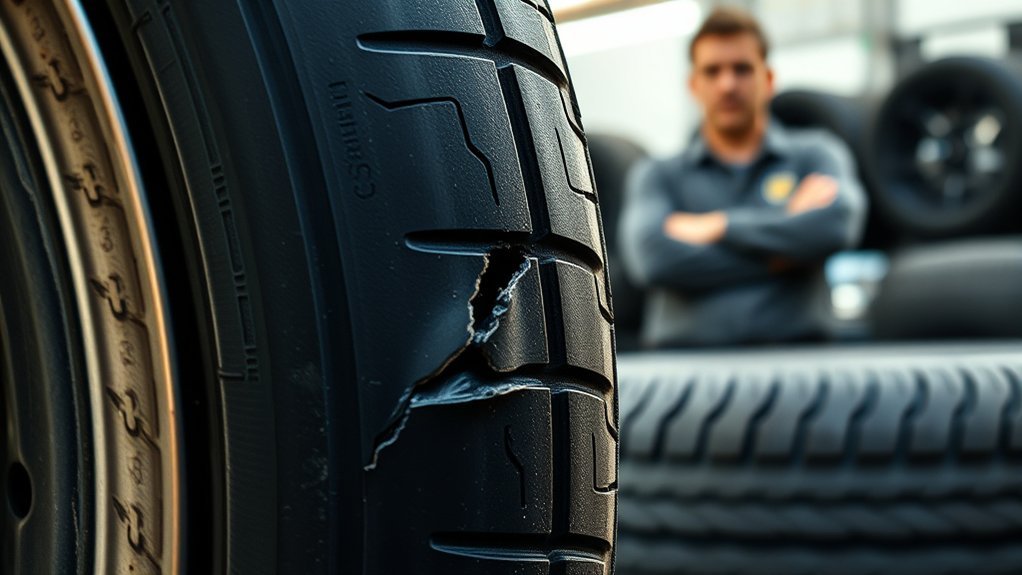
Tire professionals usually look for three things: whether the tire holds air, whether the cords or plies are damaged, and whether the tire changed shape. Shape changes matter because a sidewall bulge can mean the inside structure has separated or weakened.
A shop may also check the inside of the tire after demounting it. This is important after a hard pothole hit or curb strike because the outer mark may look minor while the inner liner or sidewall cords are damaged.
If you want to compare sidewall guidance across vehicle examples, this sidewall damage repair guide explains similar replacement-first safety concerns. The same core rule applies to a Honda Accord: do not treat structural sidewall damage like a simple tread puncture.
Tires are the only contact points between your Accord and the road. If the sidewall structure is damaged, saving one tire is not worth the risk of sudden air loss.
Maintenance Tips to Prevent Sidewall Damage
You cannot prevent every pothole or road hazard, but you can lower the risk of sidewall failure with simple habits.
- Check pressure monthly: Use a reliable gauge when the tires are cold. Low pressure allows extra sidewall flex and heat.
- Inspect after impacts: Check both sidewalls after hitting a curb, pothole, or road debris.
- Avoid curb pinching: Pulling tightly against curbs can scrape or cut the sidewall.
- Rotate on schedule: Follow your Accord owner’s manual and watch for uneven wear.
- Watch the TPMS light: If it comes on, check pressure with a gauge instead of only resetting the warning.
- Check recalls twice a year: Use the NHTSA recall lookup for vehicles, tires, and tire repair equipment.
For a deeper look at sealant limitations, see this tire sealant vs. patch comparison.
Real User Experiences With Tire Sidewall Damage
Many drivers report that small curb scuffs caused no later problems. Others say a bubble appeared days after a pothole hit, even though the tire held pressure at first. These stories are useful, but they should not replace a professional inspection.
The safest way to read user experiences is to separate cosmetic marks from structural damage:
| User Situation | Safer Takeaway |
|---|---|
| Light curb rash with no leak | Monitor pressure and inspect again after a few drives |
| Small rubber flap on outer sidewall | A flexible adhesive may only be cosmetic, not a road-use repair |
| Nail or screw in the sidewall | Do not plug it; replace after inspection |
| Bulge after pothole impact | Stop driving on that tire and replace it |
| Pressure keeps dropping | Use a spare, towing, or roadside help instead of highway driving |
Frequently Asked Questions
Can you repair tire sidewall damage on a Honda Accord?
Only very light cosmetic damage may be cleaned, monitored, or cosmetically sealed. A puncture, bulge, air leak, deep cut, or exposed cord should not be repaired for highway use. Replace the tire.
How much does it cost to fix a tire sidewall?
A true structural sidewall fix is usually not recommended, so the real cost is often tire replacement. Inspection may be free or low cost, but replacement depends on tire size, brand, labor, disposal fees, and whether the matching tire on the same axle should also be replaced.
Can you repair a car tire with a nail in the sidewall?
No. A nail in the sidewall is not like a small puncture in the tread area. Do not plug or patch it for normal road use. Have the tire inspected and replaced if the puncture entered the sidewall.
Can you fix the sidewall in a new tire?
A new tire with sidewall damage is still unsafe if the damage is structural. Age does not make a puncture, bulge, or exposed cord repairable. Ask the tire seller about road-hazard coverage or warranty options, but do not drive on a compromised sidewall.
Can tire sealant fix a sidewall leak?
Do not count on sealant for a sidewall leak. Sealant may help some small tread punctures, depending on the kit, but it does not restore sidewall strength. Use a spare, towing, or roadside assistance instead.
Is it safe to drive to a tire shop with sidewall damage?
It depends on the damage. A shallow scuff with normal pressure may be safe for a short, cautious trip. Do not drive on a bulge, visible cords, a sidewall puncture, rapid air loss, or strong vibration. Use the spare or call roadside help.
Conclusion
For Honda Accord tire sidewall damage, the safest rule is simple: cosmetic scuffs can be monitored, but structural damage calls for replacement. If you see a bulge, puncture, exposed cord, deep crack, or air leak, do not try to save the tire with glue, a plug, a patch, or sealant. Get the tire inspected and replace it when the sidewall structure is compromised.
Sources
- NHTSA TireWise — tire pressure, tread depth, tire aging, TPMS, and tire damage safety guidance.
- NHTSA Recalls Lookup — vehicle, tire, and equipment recall checks by VIN, year/make/model, tire, or equipment.
- 49 CFR § 571.138 — federal tire pressure monitoring system standard.
- 49 CFR § 571.139 — federal standard for new pneumatic radial tires for light vehicles.
[Products Worth Considering]

Mosconly tire repair glue and nail kit delivers an elastic, waterproof bond for quick sidewall puncture repairs. The adhesive cures securely to help prevent peeling, flaking, and tearing, while the included nails support a strong, seamless repair. Designed for easy roadside use, it works on car, motorcycle, bike, and other tire types, with full curing within 24 hours.
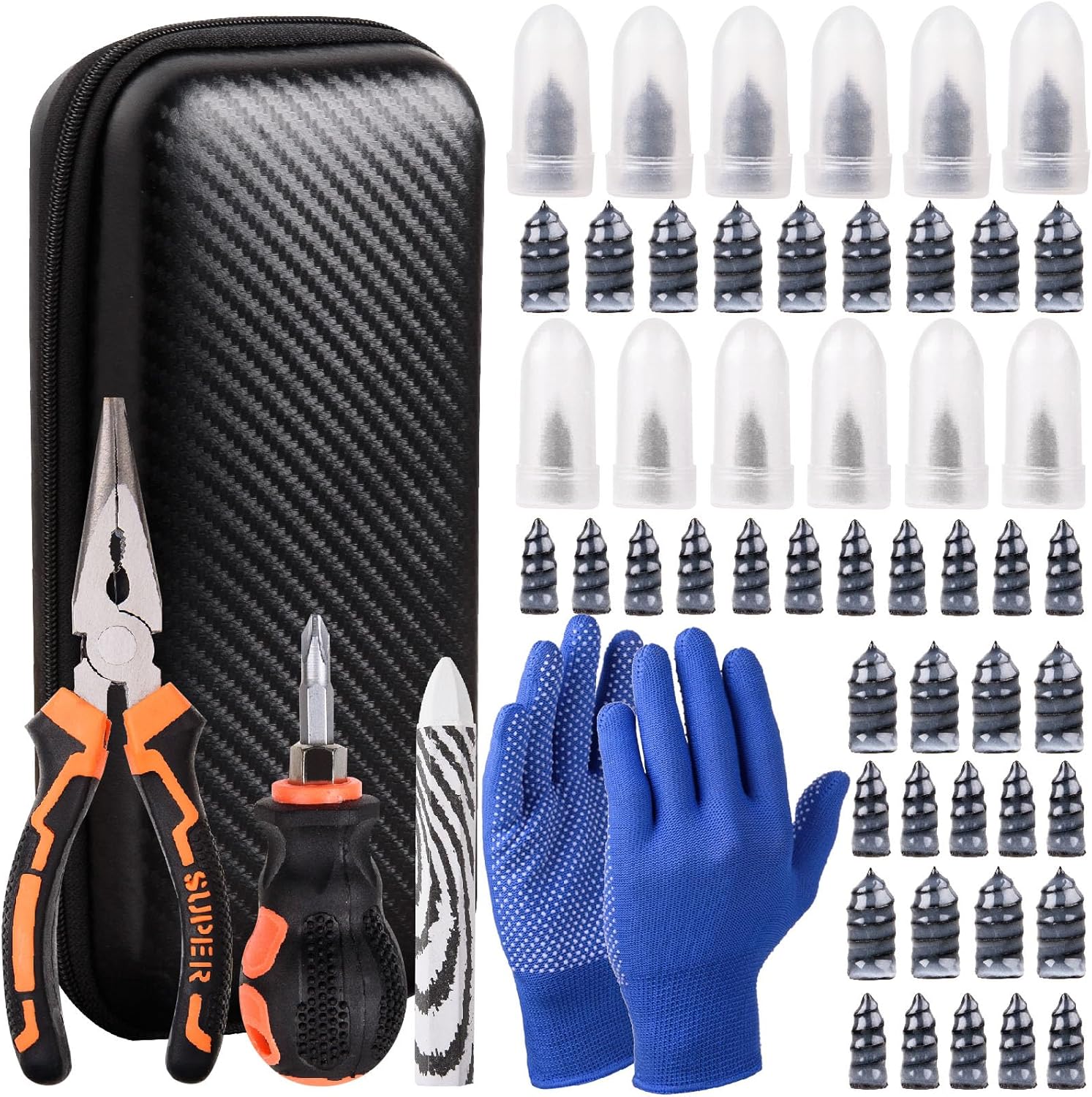
This tire sidewall puncture repair kit fixes flats fast without removing the tire, helping you get back on the road in minutes. It includes self-tapping repair nails, essential tools, gloves, and a portable storage bag for convenient roadside use. Designed for tubeless tires, it helps create a tight, leak-resistant seal for cars, motorcycles, trucks, SUVs, and ATVs.

This self-service tire repair nail kit includes 60 pieces (30 small + 30 large) to help seal punctures quickly without needing an auto shop visit. The nails are designed to fit different hole sizes and provide a tight connection with sealing glue to help prevent air and water intrusion. Suitable for cars, motorcycles, trucks, and other vehicles, it’s an easy, efficient way to patch roadside tire damage.

Related Articles
How Tall Is a 305 70 R17 Tire? Exact Height, Width & Dimensions
Curious how tall a 305 70 R17 tire really is—and whether it fits your truck?
Read More
Can-Am Defender Tire Size Guide: Stock Specs & Upgrade Options
Just how big can you go on a Can-Am Defender before mods become necessary?
Read More
How Tall Is a 275 65 20 Tire? Exact Height, Width & Dimensions
Check the exact height, width, and hidden fitment effects of a 275/65R20 tire before you buy or upgrade.
Read More