What’s in This Article
- What a Sidewall Bulge Is and Why It Matters
- What Causes Tire Sidewall Bubbles or Bulges
- Bulge vs. Other Tire Damage: How to Tell the Difference
- Is It Safe to Drive on a Tire With a Bulge?
- Immediate Steps to Take After You Find a Bulge
- Why Sidewall Bulges Can’t Be Repaired
- Replacement Options, Costs, and Choosing the Right Tire
- How a Technician Inspects a Bulged Tire
- Preventing Bulges: Maintenance, Driving Tips, and Warranty Help
- Frequently Asked Questions
- Conclusion
A tire sidewall bulge can turn a routine drive into a sudden roadside emergency. That raised bubble usually means broken internal cords let air push weakened rubber outward, which can affect steering, load support, and pressure control. This guide explains what causes a sidewall bulge, how to spot one, why repair is unsafe, and what you should do next.
Quick Answer
A sidewall bulge is a visible bubble caused by damaged internal tire cords or separated plies. You shouldn’t keep driving on it because the tire can lose pressure quickly or blow out without much warning. Move to a safe spot, use a spare if you can do so safely, or call for roadside help. Replace the tire because a patch or plug can’t restore the sidewall’s strength.
Key Takeaways
- Treat any visible sidewall bulge as a serious tire safety issue.
- Avoid highway speeds, heavy loads, and long trips once you spot a bulge.
- Replace a bulged tire because sidewall damage can’t be safely repaired.
- Check tire pressure and inspect sidewalls often to reduce bulge risk.
- Ask a technician to document the damage if you may have a warranty claim.
What a Sidewall Bulge Is and Why It Matters
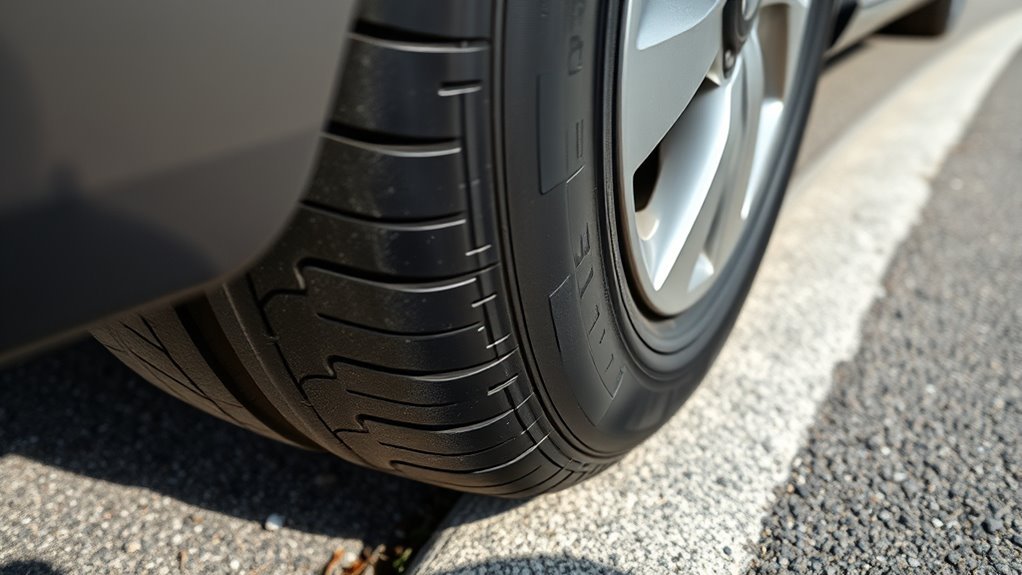
A sidewall bulge is a visible bubble in the tire’s sidewall. It forms when internal cords, plies, or bonds break and pressurized air pushes weak rubber outward.
You should treat this sign as a structural emergency. The bulge shows compromised tire structure, which can reduce load support, steering control, and air containment.
The defect raises the risk of a sudden blowout, especially at higher speeds or under heavy load. Remove the tire from service as soon as you can do so safely, then replace it rather than repair it.
Routine maintenance, regular pressure checks, and visual inspections can lower your chance of facing this failure. Good tire care helps protect the tire’s structure before hidden damage becomes visible.
What Causes Tire Sidewall Bubbles or Bulges
Most sidewall bulges start with structural damage inside the tire. Common causes include pothole hits, curb strikes, low tire pressure, and severe sidewall abrasion.
Impact damage can break cords in one small area. Low tire pressure can also over-flex the sidewall, which builds heat and stress until the internal layers weaken.
Less often, manufacturing defects can cause internal separation without clear outside damage. If the tire looks new or the damage seems unusual, keep records and ask the seller or tire maker about warranty coverage.
- Sudden curb or pothole strikes can break cords and create a local bulge.
- Low tire pressure can over-flex the sidewall and weaken internal plies.
- Sidewall rubbing can thin the rubber and make the tire more vulnerable.
- Rare bond failures can come from a manufacturing flaw.
Bulge vs. Other Tire Damage: How to Tell the Difference
When you inspect a sidewall, look for the shape and feel of the damaged area. A bulge usually looks rounded and raised, while a cut looks like a line, slice, or open split in the rubber.
Check the tread for separation by looking for lifting, ripples, or a flap in the tread area. That damage differs from surface scuffing, which often affects only the outer rubber.
Because bulges signal internal tire damage, you should plan for immediate replacement. Some shallow scuffs may only need monitoring, but exposed cords or deep cuts need professional inspection.
Bulge Versus Cut
You can often tell a bulge from a cut by looking, feeling, and thinking about what happened before the damage appeared. A bulge points to internal structure loss, while a cut often starts at the outer rubber.
- Bulge: A rounded, raised area often follows a pothole hit, curb strike, or underinflation.
- Cut: A linear opening shows sliced rubber, sometimes without a raised bubble.
- Risk: Bulges create high blowout risk and usually require immediate replacement.
- Action: Stop driving on a bulged tire and get a professional inspection.
Tread Separation Signs
Tread separation affects the tire’s contact area rather than the sidewall. You may see tread lifting, uneven bulges across the tread, or a section that looks like it could peel away.
You may also feel rhythmic bumping or vibration while driving. That warning can point to broken belts or heat-related separation inside the tire.
Replace the tire if you suspect tread separation. Repair won’t restore the tire’s internal bond or road strength.
Surface Scuffing Clues
Surface scuffs often look flat, rough, or scratched. A sidewall bulge looks raised, soft, or pillowy because air has pushed into a weakened area.
- Visible shape: A bulge protrudes, while a scuff stays mostly flat.
- Texture: A bulge may feel soft, while a scuff feels rough or scraped.
- Cause: Impact damage often creates bulges near the point of contact.
- Urgency: Replace a bulged tire now, but monitor a shallow scuff unless it worsens.
Is It Safe to Drive on a Tire With a Bulge?
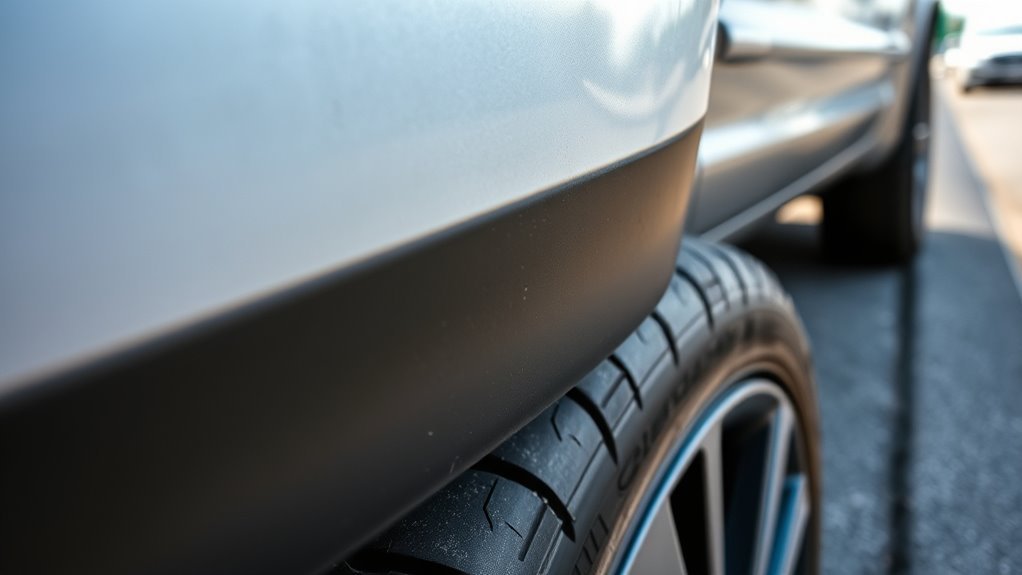
No. You shouldn’t keep driving on a tire with a bulge because the tire’s structure has already failed in that area.
A bulged tire can lose pressure fast or blow out, even during normal driving. The National Highway Traffic Safety Administration (NHTSA) has linked tire-related problems to thousands of crashes each year, which makes this a real safety risk.
Warning: Don’t drive at highway speed or carry heavy loads on a tire with a sidewall bulge.
| Risk Factor | Failure Risk | Recommended Response |
|---|---|---|
| Sidewall bulge | High under load or speed | Stop driving and replace the tire |
| Rapid pressure loss | Moderate to high | Stop safely and use a spare |
| Crash involvement | Increased | Avoid highways and seek help |
| Temporary fixes | Not reliable | Don’t patch a sidewall bulge |
Limit your exposure right away. Use a spare, roadside service, or towing instead of pushing your luck on a damaged tire.
Immediate Steps to Take After You Find a Bulge
If you spot a bulge on the sidewall, slow down and move to safety as soon as traffic allows. Don’t assume the tire can make one more long trip.
Check the tire only when you can stand in a safe place away from traffic. If the vehicle isn’t safe to drive, install a spare or arrange towing to a tire service.
Stop Driving Immediately
- Move off the road to a secure shoulder or parking area as soon as you can.
- Turn on your hazard lights and set the parking brake.
- Change to a serviceable spare only if you can do so safely.
- Call a tow truck or tire service if roadside tire work would put you at risk.
Inspect Tire and Vehicle
Look at the bulge and the surrounding sidewall. Note the size, location, cuts, exposed cords, and any signs of impact on the wheel.
Don’t press hard, cut, puncture, or deflate the damaged area. Those actions can make the tire fail faster.
After the tire comes off the vehicle, ask a tire technician to inspect the wheel and the tire’s inner side. That step helps confirm whether impact damage also bent the rim.
Why Sidewall Bulges Can’t Be Repaired
A sidewall bulge points to internal ply separation, cord damage, or both. A patch or plug can seal some punctures, but it can’t rebuild the tire’s sidewall structure.
The sidewall flexes with every wheel rotation. Broken cords change that flex pattern and focus stress at the bulge.
That stress can lead to sudden failure under normal driving loads. Replace the tire instead of trying field repairs or temporary fixes.
- Internal ply separation creates voids that patches can’t reach.
- Cord breakage changes the tire’s strength and flex pattern.
- External patches don’t restore ply bonding or cord tension.
- Sudden blowout risk makes prompt replacement the safe choice.
Replacement Options, Costs, and Choosing the Right Tire
Once you confirm a sidewall bulge, plan for replacement. Retail passenger tires often vary widely in cost based on size, brand, load rating, speed rating, and tire type.
Ask whether you should replace one tire, a pair, or all four. Matching tires can help maintain balanced handling, especially on all-wheel-drive vehicles or tires with uneven tread depth.
When choosing a tire, match your vehicle’s required size, load rating, and speed rating. Then consider your driving conditions, such as rain, heat, highway use, or rough roads.
Note: If the damaged tire may qualify for warranty coverage, take clear photos before disposal.
Check whether the tire has a workmanship or materials warranty. Keep receipts, mileage records, pressure logs, and inspection notes to support a claim.
[Products Worth Considering]

This heavy duty dual head tire pressure gauge helps you quickly check Schrader valve tires with clear ABS bar markings for both PSI and Bar readings. The straight and 30° reverse chuck designs make it easier to reach inner and outer wheels, while the zinc alloy/brass construction supports reliable use in tough conditions. No battery is required, making it a dependable tool for cars, trucks, RVs, and more.

Accurately measure tire tread depth with a calibrated gauge marked from 0 to 1 inch in 1/32 inch increments. The color-coded bar helps you quickly identify tread condition ranges, supporting safe driving for trucks, motorcycles, automobiles, and passenger vehicles.

The SAFELIFE dial tire tread depth gauge measures tread depth in 1/32 inch increments with clear, easy-to-read 2-inch dial face. Color zones using a traffic light system help you quickly judge whether tread is low, marginal, or ample for safer driving. Built with a durable zinc cast body and a metal detect probe for precise, comfortable use across cars, motorcycles, trucks, and buses.
How a Technician Inspects a Bulged Tire
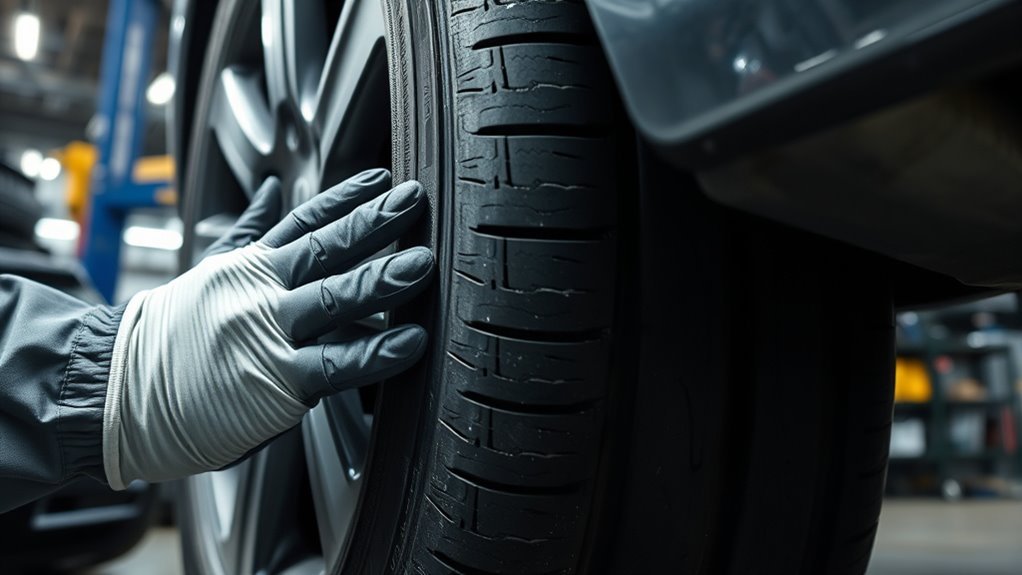
A technician starts by checking the bulge and nearby sidewall for cracks, cuts, punctures, exposed cords, and debris. They also check the tread and bead area for signs of separation.
Next, the technician records tire pressure, tire size, damage location, and visible impact marks. They may measure the bulge and inspect the inner liner once the tire comes off the wheel.
If the inspection points to structural failure, the technician should classify the tire as unsafe. They will recommend replacement rather than repair.
- Document the bulge size and location.
- Check and record tire pressure.
- Inspect for layer separation and soft spots.
- Recommend replacement if the structure has failed.
[Products Worth Considering]

Vigorder rubber cement glue delivers superior adhesion and cures quickly within about 30 seconds for seamless rubber bonding. Once cured, it helps provide a strong, durable, waterproof seal that holds up to vehicle weight, pressure, and heat. Suitable for cars, motorcycles, trucks, bicycles, and off-road tires, it’s designed for emergency patch and maintenance repairs.

Monitor tire tread wear with a smart, color-coded depth gauge that shows clear condition ranges at a glance. The bar is range marked for fast, easy readings, helping you maintain safer traction and performance. Each gauge is portable with a pocket clip, and the set includes 20 units for daily use and sharing.

Measure tire tread depth quickly and accurately with this LUMITECO dial gauge that reads in 1/32" increments up to 14/32". The color-coded green/yellow/red zones make it easy to judge tire wear and know when replacement is needed. A rugged, compact design with a protective pouch helps keep the gauge ready for use on cars, trucks, motorcycles, and more.
Preventing Bulges: Maintenance, Driving Tips, and Warranty Help
You can reduce the risk of sidewall bulges with a simple tire maintenance routine. Check pressure with a reliable gauge, inspect sidewalls for blisters or cuts, and rotate tires at the interval recommended by your vehicle or tire maker.
Your driving habits matter too. Slow down for speed bumps, avoid potholes when you can, and don’t scrape the sidewall against curbs.
If you suspect manufacturing damage, document the defect before the tire gets discarded. Contact the tire seller or manufacturer and ask what warranty review requires.
Pro tip: Keep a simple tire log with pressure checks, rotations, repairs, and impact events.
[Products Worth Considering]

ETENWOLF T300 is a calibrated digital tire pressure gauge for accurate readings from 3 to 200 PSI across light and heavy-duty vehicles. It includes thermal compensation for reliable performance in extreme cold or heat, with an auto shut-off to extend battery life and an LED for easier reading. The sturdy design supports rugged everyday use, making it ideal for pickups, RVs, and industrial applications.

AstroAI’s heavy-duty digital tire pressure gauge delivers quick, accurate readings with 0.1 increments and a secure valve-stem seal. It features a green backlit LCD and built-in flashlight for easy use in low light, plus an ergonomic non-slip stainless-steel design. The wide 0–230 PSI range works across common vehicle tires, with unit selection and an auto shut-off to save battery.

This tire repair screw set includes self-tapping plugs and a screwdriver to help you quickly complete tubeless tire repairs for many vehicle types. The set provides two rubber screw diameters for different puncture needs and uses a sealant-coated screw tip to help prevent air leakage and water entry. It’s designed for secure fixing with wear-resistant metal-and-rubber construction.
Frequently Asked Questions
Is It Safe to Drive on a Tire Sidewall Bulge?
No. You shouldn’t drive on a tire sidewall bulge except to move a very short distance to safety when you have no safer option.
The bulge shows internal damage, and the tire can fail without much warning. Use a spare or call for roadside help.
What’s the Difference Between a Bulge and a Bubble?
Drivers often use “bulge” and “bubble” to mean the same visible sidewall defect. Both terms usually point to internal separation or cord damage.
You shouldn’t drive on either one. Have the tire inspected and replaced.
How Much Sidewall Bulge Is Too Much?
Any visible sidewall bulge is too much. Even a small raised area can signal broken cords or separated plies.
Don’t wait for the bulge to grow. Replace the tire before it fails on the road.
How Long Can You Drive With a Bubble in Your Sidewall?
You shouldn’t plan to drive with a sidewall bubble. Move to a safe place, then use a spare or towing service.
Short, slow movement to exit traffic may be necessary, but long trips and highway driving raise the danger.
Can a Sidewall Bulge Be Covered by a Tire Warranty?
A warranty may cover a sidewall bulge if the tire has a materials or workmanship defect. It may not cover damage from potholes, curbs, underinflation, or road hazards unless you bought separate road hazard coverage.
Save photos, receipts, mileage records, and service notes. Ask the seller or manufacturer to review the tire before disposal.
Safety Disclaimer
Safety Disclaimer: This article is for informational purposes only and does not replace professional tire or vehicle safety advice. Always consult a qualified tire technician or roadside service provider before driving on a damaged tire.
Conclusion
A sidewall bulge is not cosmetic damage. It signals a weakened tire structure that can fail fast.
Your safest next step is simple: stop driving on the damaged tire and replace it promptly. Document the damage if warranty coverage may apply.
With regular pressure checks, careful driving, and quick action after impacts, you can lower the risk of another bulge and keep your trips safer.
References
- Tires — National Highway Traffic Safety Administration
- TireWise: Everything You Need to Know About Buying and Maintaining Tires — National Highway Traffic Safety Administration
- Tire Safety — National Highway Traffic Safety Administration