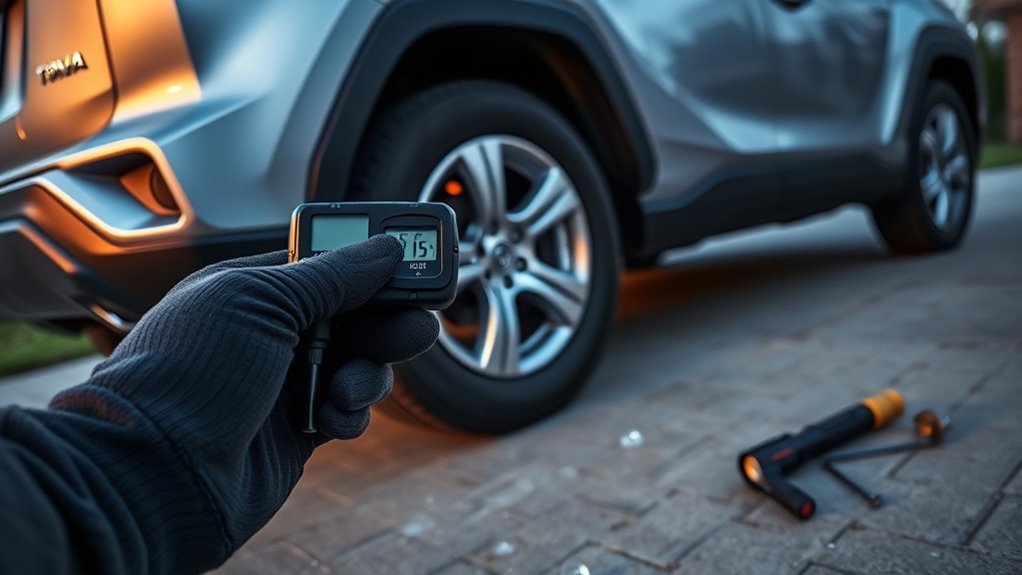
If your Toyota RAV4’s tire pressure keeps dropping, do not assume the tire is “just cold” or that the Tire Pressure Monitoring System will catch every problem early. A small PSI change can be normal with temperature, but repeated refills usually point to a leak, valve issue, bead seal problem, rim damage, tire age, or an incorrect pressure check.
Quick Answer
A RAV4 tire may lose pressure from cold weather, normal air permeation, a nail or screw, a leaking valve stem, a missing or damaged valve cap, a poor bead seal, rim corrosion, or an aging tire. Check pressure cold, use the driver-side door-jamb placard for the correct PSI, and inspect for leaks if the tire loses more than about 2 PSI per month.
Key Takeaways
- Use the cold tire pressure listed on your RAV4’s driver-side door-jamb Tire and Loading Information label, not the maximum PSI printed on the tire sidewall.
- A temperature drop can reduce pressure by about 1 PSI for every 10°F, so seasonal changes can trigger the tire pressure light even without a puncture.
- Losing a little air over time can be normal, but a tire, valve, or wheel should be inspected if it loses more than about 2 PSI per month.
- Use soapy water to check the tread, valve stem, valve core, bead area, and rim for bubbles that reveal escaping air.
- Do not drive on a tire with a bulge, exposed cords, sidewall cracking, or rapid pressure loss. Install the spare or call roadside help.
At a Glance
| Time Required | 10–20 minutes for a basic pressure and leak check |
| Difficulty | Easy for checking PSI; moderate if you need to find a slow leak |
| Tools Needed | Digital tire pressure gauge, portable inflator or air pump, spray bottle with soapy water, flashlight, valve caps, and a tread-depth gauge or penny |
| Cost | Usually free if the tire only needs air; low cost for valve caps or a valve core; tire repair or wheel service varies by shop |
Top Reasons Your Tire Pressure Drops and How to Fix It
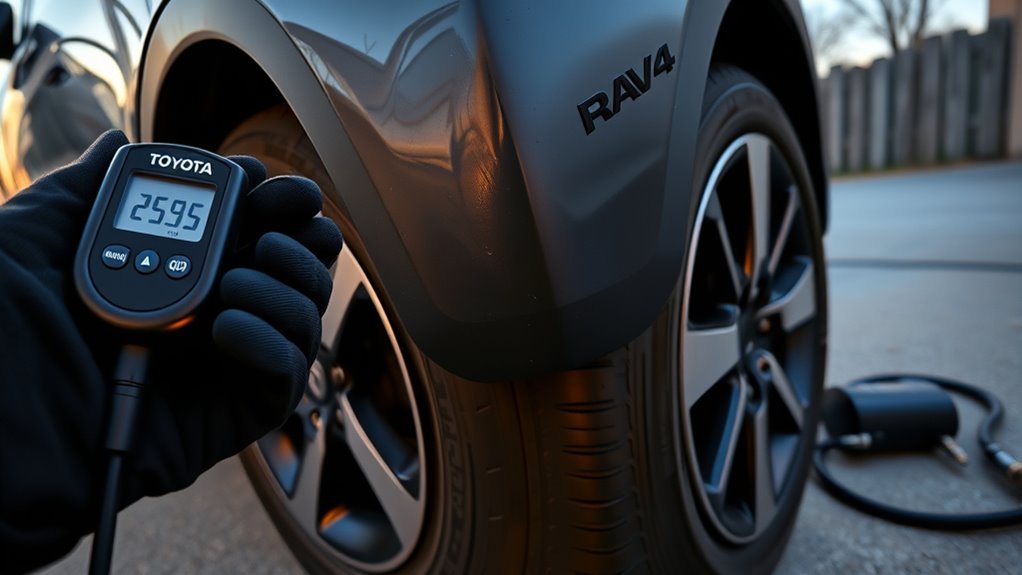
The most common reasons a RAV4 tire keeps losing pressure are temperature changes, normal air loss through the tire, punctures, valve stem leaks, damaged valve caps, bead leaks, rim corrosion, and aging rubber. The right fix depends on how quickly the PSI drops and where the leak is coming from.
| Cause | Common clue | Best fix |
|---|---|---|
| Cold weather | Several tires drop together after a cold night | Inflate cold to the RAV4 door-jamb placard PSI |
| Nail, screw, or tread puncture | One tire loses air faster than the others | Have the tire inspected and repaired from the inside if repairable |
| Valve stem or valve core leak | Bubbles form at the valve when sprayed with soapy water | Tighten or replace the valve core; replace damaged stems |
| Bead leak | Bubbles appear where the tire meets the rim | Clean and reseal the bead at a tire shop |
| Bent or corroded rim | Repeated bead leaks after potholes, curb hits, road salt, or corrosion | Repair or replace the wheel if it cannot seal properly |
| Aging tire | Cracks, dry rot, vibration, or repeated pressure loss despite repair | Have the tire inspected and replaced if unsafe |
[Products Worth Considering]
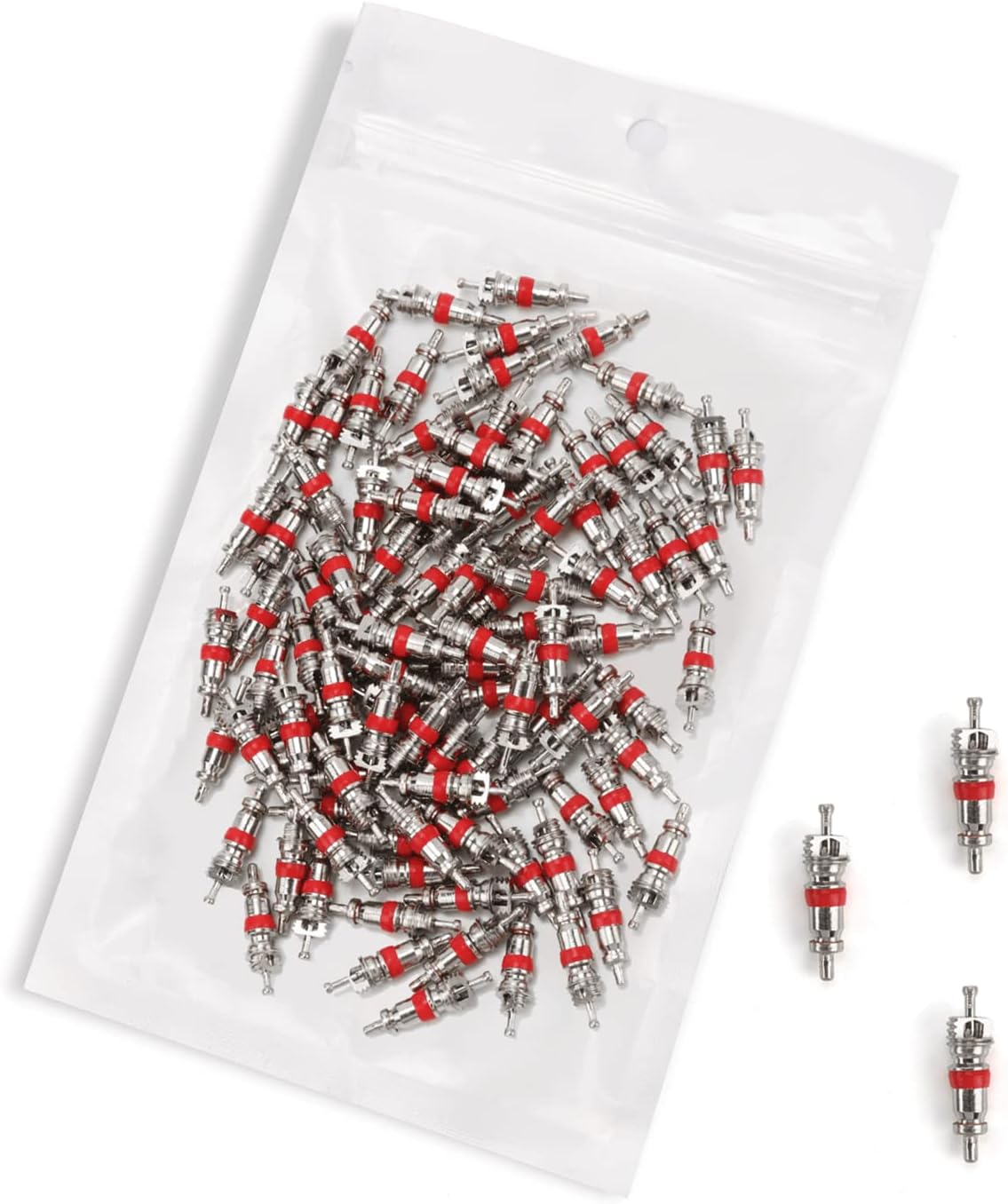
Replace worn Schrader valve cores with durable, nickel-plated replacements designed to resist rust and corrosion for a longer service life. Each core is 100% leakage tested and rated for up to 300 PSI, helping maintain a safe, reliable tire pressure system. Universal fit makes them suitable for cars, RVs, ATVs, motorcycles, bicycles, and many refrigeration/air conditioning applications.

Keep your tires properly inflated with this analog VONDIOR tire pressure gauge, designed for fast, easy readings without batteries. The swiveling, two-axis hose and large glow dial help you measure at any tire angle with instant visibility. Built with a protective rubber shield, it supports durable, low-maintenance use for cars and trucks.

Upgrade your Toyota tire setup with these corrosion-resistant, leak-proof valve stem caps designed to help protect the valve core from water, snow, and road grime. The caps feature a snug rubber seal and durable copper alloy construction to resist rust and oxidation while maintaining stable tire pressure. Ideal for replacing worn original caps and keeping your wheels looking clean and stylish.
Start With the Correct RAV4 Tire Pressure
Before looking for a leak, confirm the correct pressure for your exact RAV4. Toyota’s owner guidance says to check tire inflation pressure when the tires are cold, and NHTSA says the correct tire pressure is the vehicle manufacturer’s listed cold pressure, not the maximum pressure molded into the tire sidewall.
Look for the Tire and Loading Information label on the driver-side door edge or door jamb. That label lists the cold PSI for your specific tire size and configuration. Many RAV4 models are in the low-30s PSI range, but the placard is more reliable than any general online chart.
Note: “Cold” means the vehicle has been parked for several hours or driven only a short distance at low speed. If you check pressure after highway driving, the reading will be higher because the tire is warm.
How Temperature Changes Affect Tire Pressure
Temperature swings are one of the most common reasons RAV4 tire pressure drops overnight. As air cools, it contracts. Tire makers commonly use the rule of thumb that tire pressure changes by about 1 PSI for every 10°F change in ambient temperature.
A 40°F overnight temperature drop can make a tire read about 4 PSI lower by morning, even if the tire has no puncture.
When Temperature Loss Is Normal
Temperature-related pressure loss usually affects all four tires in a similar way. For example, if all tires were set correctly during warm weather and all are a few PSI low after a cold front, the pressure change may be mostly temperature-related. Inflate them cold to the placard pressure and recheck over the next few days.
When Temperature Is Not the Only Problem
If only one tire drops much faster than the others, do not blame the weather alone. A single low tire usually points to a puncture, valve leak, bead leak, rim issue, or internal tire problem.
Easy Steps to Diagnose and Fix Tire Pressure Issues
Use this simple diagnostic flow before you keep adding air every day. It helps separate normal seasonal pressure changes from a real leak.
[Products Worth Considering]

Replace worn or malfunctioning GM TPMS sensors with this 433MHz pre-programmed sensor set designed for compatibility with many Chevrolet, Buick, GMC, and Cadillac models. It includes guidance for proper OBDII relearning/pairing after installation and supports reliable long-term operation with a high-performance CR2032 battery. Quality tested for durability and performance to help restore accurate tire pressure monitoring.

This Dr.Roc tire valve stem puller tools set helps install or remove snap-in tubeless valve stems safely and efficiently. It includes ozone-resistant EPDM snap-in valve stems, a valve stem installer, and a valve core remover for quick core removal or installation during tire service. Designed for reliable tubeless tire repair on motorcycles, ATVs, lawn equipment, cars, and trucks.

This 100-piece set of snap-in tubeless tire valve stems is designed for standard 0.453 in (11.5 mm) rim holes and helps maintain reliable, steady tire pressure. Made with ozone-resistant rubber and brass cores, the valves are built for durability and long-term use. Easy to install by hand, they support safe driving and are suitable for cars, light trucks, trailers, and more.
Step 1: Check All Four Tires When Cold
Use a reliable tire pressure gauge before driving. Record the PSI for all four tires. Compare each reading with the cold PSI on your RAV4’s door-jamb placard.
Step 2: Inflate to the Placard Pressure
Add air only to the recommended cold pressure. If a tire is overinflated while cold, release a small amount of air and recheck. If the tires are hot, do not bleed them down to the cold spec because they may become underinflated once they cool.
Warning: Do not drive on a tire with a sidewall bulge, exposed cords, deep cracking, or rapid pressure loss. Install the spare if equipped, use a tire repair kit only as directed by Toyota, or call roadside assistance.
Step 3: Recheck After 24 Hours and Again After a Week
If all tires remain close to the same PSI, the issue may have been temperature-related. If one tire loses pressure again, continue with a leak check.
Step 4: Inspect the Tread and Sidewall
Look closely for nails, screws, glass, cuts, sidewall cracking, or uneven wear. Run your hand gently over the tread only when the vehicle is parked safely and the tire is cool. Do not pull out a nail or screw unless you are ready to install the spare or go straight to a tire shop; the object may be slowing the leak.
Step 5: Use Soapy Water to Find Air Leaks
Mix dish soap and water in a spray bottle. Spray the tread area, valve stem, valve core, valve base, and the bead area where the tire meets the rim. Bubbles that keep growing show where air is escaping.
Step 6: Check the Valve Cap, Valve Core, and Stem
Valve caps protect the valve core from dirt, water, and road salt. A missing cap does not always cause an instant leak, but it can let debris into the valve and make slow leaks more likely. Replace missing or cracked caps, and have a tire shop replace a damaged valve stem.
Step 7: Check the Bead and Wheel Rim
If bubbles form around the edge of the wheel, the tire bead may not be sealing. Dirt, corrosion, old tire lubricant, wheel damage, or a slightly bent rim can create a slow leak. This usually requires dismounting the tire, cleaning the rim, and resealing the bead.
How Valve Stems Affect Tire Pressure Loss
Valve stems are small, but they are a common source of slow RAV4 tire pressure loss. Rubber stems can age and crack. Metal TPMS stems can leak around seals. Valve cores can loosen. Even a tiny leak can make you refill the same tire again and again.
| Valve issue | What it causes | What to do |
|---|---|---|
| Loose valve core | Slow leak from the center of the valve | Have it tightened or replaced with the proper valve-core tool |
| Cracked rubber valve stem | Leak at the base or side of the stem | Replace the valve stem |
| TPMS valve seal leak | Air loss around the TPMS sensor stem | Replace the service kit or sensor if needed |
| Missing or damaged valve cap | Dirt and moisture can reach the valve core | Install a clean cap on every tire |
Pro Tip: After adding air, put the valve cap back on and spray the valve with soapy water. If bubbles appear after the cap is removed, the valve core or stem may be leaking.
The Impact of Corroded or Bent Rims on Tire Pressure
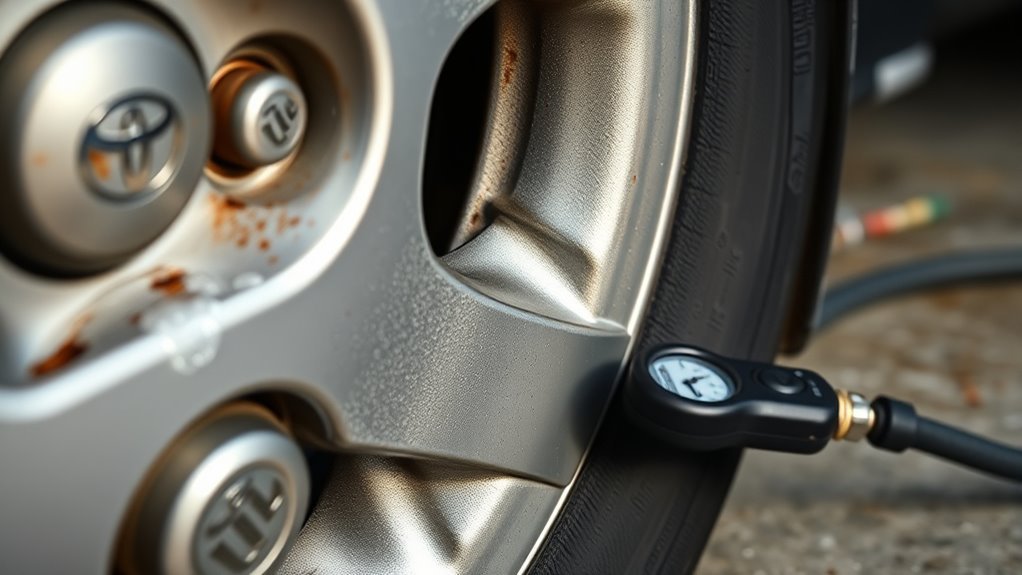
Rim condition matters because the tire must seal tightly against the wheel. Road salt, moisture, pothole impacts, curb damage, and aging wheels can create gaps between the tire bead and rim. Once that seal is weak, air can escape slowly even when the tire itself has no puncture.
Signs of a bead or rim problem include:
- Soapy-water bubbles around the edge of the wheel.
- Pressure loss that returns after the tire has already been inflated.
- Visible corrosion near the bead seat.
- Vibration or wobble after hitting a pothole.
- Repeated leaks after tire rotation or tire replacement.
A tire shop can dismount the tire, clean the bead seat, inspect the rim, apply bead sealer when appropriate, and remount the tire. If the wheel is bent or badly corroded, replacement may be safer than repeated resealing.
How to Spot Bead Leaks and Poor Seals
A bead leak happens where the tire touches the rim. It can be hard to see because the tire may look normal. The easiest home check is the soapy-water test.
- Park on a level surface and set the parking brake.
- Inflate the tire to the correct cold placard pressure.
- Spray soapy water around both sides of the bead area.
- Watch for bubbles that grow or keep coming back.
- Mark the leak area with tape or chalk so a technician can find it faster.
If the leak is at the bead, do not rely on constant refills. A poor bead seal can get worse, especially in cold weather or after pothole impacts.
Why Your Tire’s Age and Condition Matter for Pressure
Older tires can lose air even if the tread still looks acceptable. Rubber hardens and cracks with age, weather, sun exposure, heat, and road chemicals. The bead may also seal less effectively as the tire and rim age together.
Tire Age Considerations
Check the DOT Tire Identification Number on the tire sidewall. The last four digits show the week and year the tire was made. For example, “2324” means the tire was made in the 23rd week of 2024. NHTSA notes that some vehicle and tire manufacturers recommend replacing tires that are six to 10 years old, even if tread remains.
Common Damages Over Time
Age-related tire damage can include sidewall cracks, dry rot, bead damage, uneven wear, internal separation, and slow air permeation through the rubber. If your RAV4 has repeated pressure loss along with vibration, noise, bulges, or cracks, have the tire inspected before driving long distances.
Importance of Regular Inspections
Check tire pressure at least monthly and before long trips. Also inspect tread depth, sidewalls, valve stems, valve caps, and wheel rims. FuelEconomy.gov says underinflated tires can lower gas mileage by about 0.2% for every 1 PSI drop in the average pressure of all tires, and properly inflated tires are safer and last longer.
The Importance of Valve Caps for Tire Maintenance
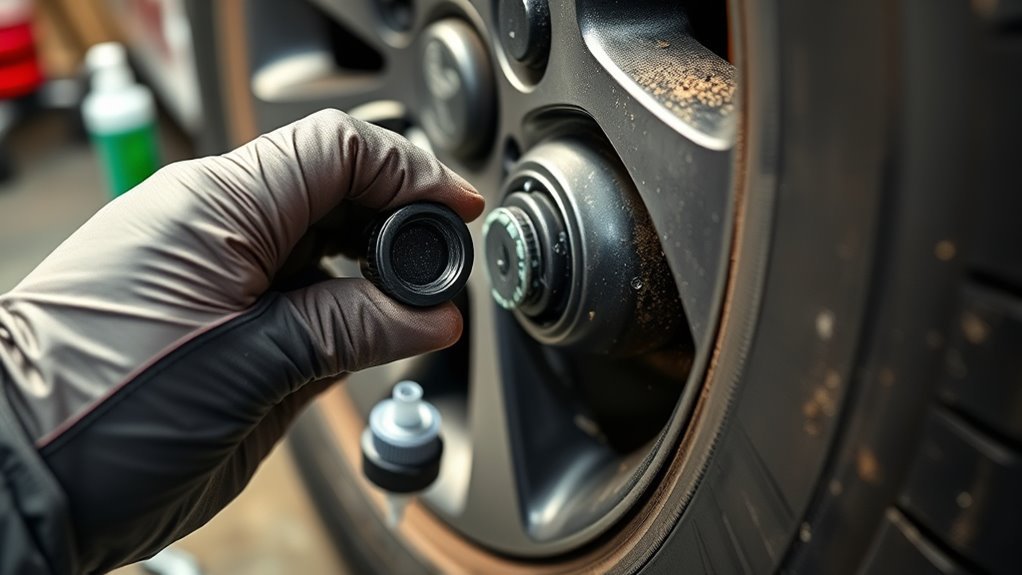
Valve caps are cheap, easy to overlook, and worth replacing when missing. The valve core is what seals air inside the tire, but the cap protects that core from dirt, moisture, and road salt. A clean, tight cap also helps guard against pressure loss if debris would otherwise interfere with the valve.
Use plastic or corrosion-resistant caps that fit properly. Be careful with metal caps in areas with road salt because they can seize onto the valve stem if corrosion forms.
Understanding the RAV4 TPMS Light
Your RAV4’s Tire Pressure Monitoring System is helpful, but it is not a substitute for a tire gauge. TPMS is designed to warn when pressure is significantly low. Under federal TPMS requirements, the warning threshold is tied to pressure that is 25% below the manufacturer’s recommended cold inflation pressure or the applicable minimum threshold, whichever is higher.
That means a tire can be a few PSI low before the light comes on. The light may also appear on cold mornings and turn off after driving because the tires warm up and pressure rises. If the light comes on, check all tires with a gauge as soon as it is safe.
Note: If the TPMS light flashes first and then stays on, that can indicate a TPMS malfunction rather than a simple low-pressure warning. Check your owner’s manual and have the system inspected.
When to Seek Professional Help for Tire Problems
Get professional tire service if you cannot identify the leak, if the same tire keeps dropping, or if pressure loss is faster than normal. Bridgestone’s tire maintenance guidance says a tire that loses more than 2 PSI per month should be checked by a qualified tire service professional.
[Products Worth Considering]

Replace your worn or missing TPMS sensors with pre-programmed, direct-fit sensors for compatible Ford, Lincoln, and select Mazda models. Each sensor comes ready to activate with a scan tool, helping restore accurate tire pressure monitoring and trouble-free installation. Built with a long-life CR2032 battery and tested before factory release, this set provides dependable performance with a one-year warranty.
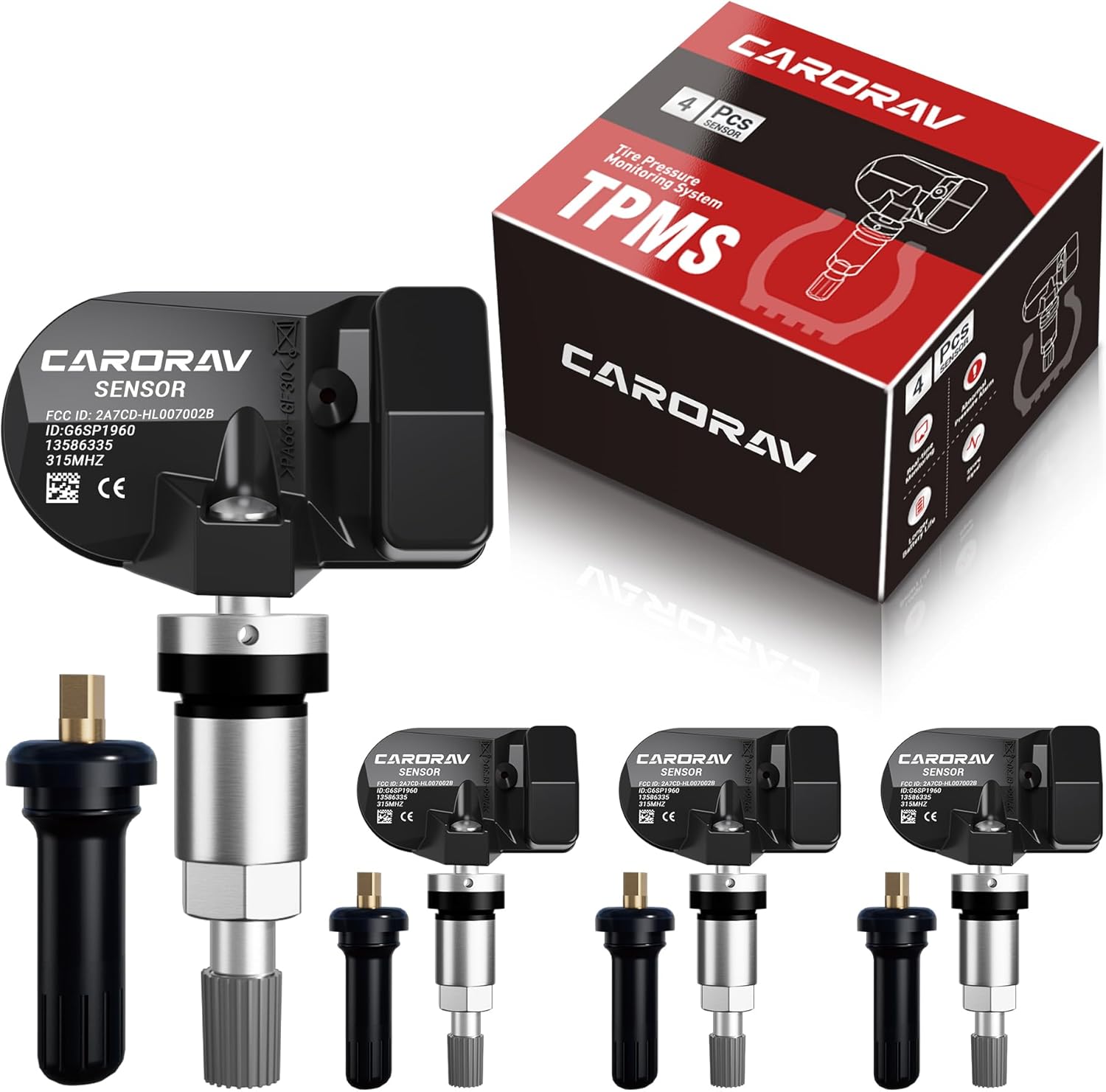
Replace worn or missing TPMS sensors with CARORAV pre-programmed GM-compatible sensors for a smoother installation experience. These 315MHz replacement sensors help monitor tire pressure in real time with long battery life, and they are designed to withstand harsh temperatures. Manual or OBDII relearn may be required to reset the system for proper recognition.

These aluminum alloy tire valve stem caps protect the valve core from corrosion and help prevent air leakage for more stable tire pressure. The rubber ring design helps support a secure, safe seal while adding a stylish look to your Honda wheels. Easy to install by hand, these caps are ideal for everyday driving and weather exposure.
Signs of Tire Damage
Seek help right away if you see a bulge, exposed cord, deep sidewall cut, severe cracking, or a puncture near the shoulder or sidewall. These problems may not be safely repairable.
Persistent Pressure Loss
If one tire needs air every few days, it likely has a leak. Repeated refills can hide a problem until the tire overheats, wears unevenly, or fails. Have the tread, valve, bead, rim, and TPMS hardware inspected.
Inability to Identify Leaks
Some slow leaks appear only under load, at certain temperatures, or when the wheel is turned a specific way. A tire shop can submerge the tire, remove it from the wheel, inspect the inner liner, and check the rim more thoroughly than a driveway test.
Regular Tire Maintenance Tips to Prevent Pressure Loss
Good tire maintenance helps prevent pressure loss and catches small problems early. Make these checks part of your routine:
- Check all tires, including the spare if equipped, at least once a month.
- Always use the cold PSI on the driver-side door-jamb placard.
- Recheck pressure after major temperature swings.
- Keep valve caps installed and replace cracked or missing caps.
- Inspect tread for nails, screws, uneven wear, and low tread depth.
- Look for sidewall cracks, cuts, bulges, or exposed cords.
- Rotate tires according to Toyota’s recommended schedule for your model year.
- Have the wheels inspected if the vehicle vibrates or a tire keeps leaking at the bead.
Proper pressure also supports safer handling, better tread life, and improved fuel economy. Small checks can prevent bigger tire problems later.
Frequently Asked Questions
Why is my tire pressure light on but my tires look fine on my Toyota RAV4?
A tire can be significantly underinflated without looking flat. Check all four tires with a gauge when they are cold and inflate them to the door-jamb placard PSI. If the light stays on after proper inflation, the TPMS may need time to relearn, or the system may have a sensor issue.
Is it normal for a RAV4 tire to lose 5 PSI overnight?
A 5 PSI drop overnight is usually not normal unless there was a large temperature drop or the previous reading was taken when the tire was hot. If one tire loses 5 PSI overnight, check for a puncture, valve leak, bead leak, or rim issue.
Why do I have to keep putting air in my tire every day?
Daily air loss usually means the tire, valve stem, bead seal, or wheel is leaking. Use soapy water to look for bubbles, but have the tire inspected professionally if the leak is not obvious or the pressure drops quickly.
Should I inflate my RAV4 tires to the number on the tire sidewall?
No. The sidewall number is the tire’s maximum inflation pressure, not the recommended pressure for your RAV4. Use the cold PSI on the driver-side door-jamb Tire and Loading Information label.
Can cold weather make the RAV4 tire pressure light turn on?
Yes. Cold weather can lower tire pressure enough to trigger the TPMS light, especially if the tires were already close to the warning threshold. Check pressure cold and inflate to the placard PSI instead of waiting for the light to turn off after driving.
Conclusion
When your RAV4’s tire pressure keeps dropping, start with the basics: check the pressure cold, use the door-jamb placard PSI, and compare all four tires. If one tire keeps losing more air than the others, look for a puncture, valve leak, bead leak, rim corrosion, or aging tire. Temperature changes can explain some PSI loss, but repeated refills are a sign that the tire needs attention. Fixing the cause early helps protect handling, fuel economy, tread life, and safety.
Sources
- NHTSA TireWise: Tire Safety Ratings and Awareness — cold tire pressure, placard guidance, TPMS basics, tread and tire aging guidance
- Toyota Owners: RAV4 Tire Inflation Pressure — RAV4-specific cold tire pressure checking procedure
- Michelin: How to Properly Inflate Your Car Tires — pressure loss causes, valve caps, temperature effects, and monthly checks
- Bridgestone Tire Maintenance and Safety Manual — normal monthly pressure loss, temperature-related PSI changes, and service thresholds
- FuelEconomy.gov: Gas Mileage Tips — fuel economy impact of underinflated tires
- eCFR 49 CFR § 571.138: Tire Pressure Monitoring Systems — TPMS warning threshold requirements