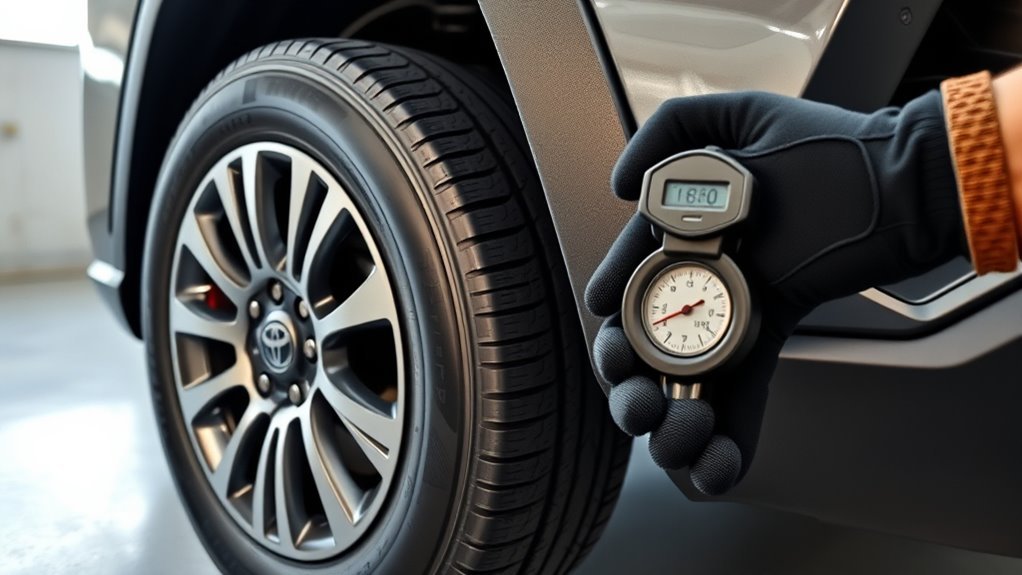
You shouldn’t mix tire brands on a Toyota RAV4 unless the replacement exactly matches size, load and speed rating, tread depth (within 2–4/32″), and overall circumference (within about 1/4–1/2″) because mismatches can degrade traction, ABS and TCS response and, on AWD models, stress the transfer case and differentials. If you must fit one or two tires short-term, match them to the same axle and confirm circumferences. Follow manufacturer guidance, measure tread depth and circumference, and read on for practical checks, safe short-term fixes, and replacement options.
Short Answer: Can You Mix Tire Brands on a Toyota RAV4?
Technically, yes. But you shouldn’t do it casually. Mixing brands creates measurable differences in traction, handling, and braking because tread designs and rubber compounds vary between manufacturers. If you need to replace a single tire, match the size, load rating, and tread pattern as closely as possible to the other three.
On AWD models, avoid pairing different brands front-to-rear. Unequal tread depths or diameters can strain the AWD system and accelerate drivetrain wear. Manufacturer guidance typically recommends replacing all four tires at once to maintain uniform performance. Check your owner’s manual for specific tire specs before making any decisions.
Why Matching Tires Matters for AWD RAV4 Drivetrains
Tires with different circumferences create constant speed differentials across the AWD system. That forces drivetrain components to compensate continuously, raising operating temperatures and accelerating wear on gears, bearings, and couplings. Matching circumference and tread specs across all four tires is the most reliable way to protect the drivetrain.
Equal Tire Circumference
The RAV4’s AWD coupling system constantly adjusts for front-to-rear speed differences, so all four tires need nearly identical circumferences. Keep tread depths within about 2/32–4/32 inch and overall circumferences within 1/4–1/2 inch of each other. Mismatched diameters create different rolling radii, forcing ongoing drivetrain correction that increases wear and risks driveline damage over time.
After mounting and inflating tires, measure circumference with a tape rather than estimating. rotate tires on schedule and replace them in matched sets when tread differences exceed safe limits.
AWD Drivetrain Stress
When tire brands differ in tread pattern or diameter, the RAV4’s AWD system compensates constantly. That means extra stress on the coupling components as the system corrects mismatched rolling circumferences, generating heat and wear in clutch packs or viscous couplers.
Continuous micro-adjustment accelerates component fatigue, risks binding, and causes uneven wear across the tire set. Keep all four tires matched in size, tread depth, and design so rolling circumference stays within the 1/4–1/2 inch tolerance.
Mixing Brands on FWD vs AWD RAV4: Real Risks
On a FWD RAV4, mixing tire brands can compromise traction control and ABS performance. Differing tread patterns and compounds produce inconsistent grip and braking response, especially in wet conditions. On an AWD RAV4, mismatched tires can create unequal rolling diameters that stress the transfer case and differentials, which can lead to mechanical binding and costly repairs. Use identical brand, model, and size tires to preserve handling, stability, and drivetrain integrity.
FWD Handling And Safety
Mixing tire brands on a front-wheel drive RAV4 can noticeably affect handling and safety. Different tread patterns and compounds respond unevenly to steering inputs, braking, and traction-control interventions. That variability interferes with ABS and TCS calibration and raises risk during panic stops or wet-road maneuvers.
- Match fronts: keep the front pair identical to preserve steering response and braking balance.
- Monitor wear: mixed brands accelerate uneven wear, creating feedback issues and noise that can mask developing faults.
- Follow specs: tire size, load rating, and tread depth must meet manufacturer guidelines to avoid drivability shudder and compromised control.
AWD Drivetrain Strain
An AWD RAV4 distributes power across all four wheels, so mismatched tire brands that differ in circumference or tread depth can quickly introduce driveline binding and uneven torque transfer. Unequal rolling diameters can confuse the AWD control logic and place mechanical stress on the axles. Note that the RAV4 uses an electronically controlled coupling rather than a traditional open center differential, which makes it particularly sensitive to circumference mismatches.
That stress accelerates differential wear, increases axle windup risk during cornering, and degrades tire performance across the set. Replace all four tires when sizes or wear differ substantially, and match circumference, load rating, and tread depth as precisely as possible.
Tire Specs That Must Match (Size, Circumference, Load, Speed)
For predictable handling and to avoid drivetrain stress on your RAV4, each tire should match in size (width, aspect ratio, wheel diameter), overall circumference within about 1/4–1/2 inch, and load-index and speed ratings. Match these elements precisely.
- Size: identical width, aspect ratio, and wheel diameter to preserve steering geometry and ABS calibration.
- Circumference: keep overall diameter within 0.25–0.5 inch to protect AWD components and the transfer case.
- Load and Speed Ratings: use equal or higher load-index and the same speed rating to maintain stability under load and at speed.
Also monitor tread depth and keep variations within 2/32–4/32 inch for balanced traction. When in doubt, check the vehicle placard or consult a tire professional, and replace to the strictest matching standard.
[Products Worth Considering]

Accurately measure tire tread depth with a calibrated gauge marked from 0 to 1 inch in 1/32 inch increments. The color-coded bar helps you quickly identify tread condition ranges, supporting safe driving for trucks, motorcycles, automobiles, and passenger vehicles.

Measure tire tread depth quickly and accurately with this LUMITECO dial gauge that reads in 1/32" increments up to 14/32". The color-coded green/yellow/red zones make it easy to judge tire wear and know when replacement is needed. A rugged, compact design with a protective pouch helps keep the gauge ready for use on cars, trucks, motorcycles, and more.

Monitor tire tread wear with a smart, color-coded depth gauge that shows clear condition ranges at a glance. The bar is range marked for fast, easy readings, helping you maintain safer traction and performance. Each gauge is portable with a pocket clip, and the set includes 20 units for daily use and sharing.
Don’t Mix Winter, Summer, and All-Season Tires
Fitting different tire types on the same RAV4 removes the vehicle’s ability to predict grip and rolling resistance consistently. Winter tires stay soft and bite in cold temperatures; summer tires stiffen and lose grip below about 45°F; all-seasons fall somewhere in between. Running any combination of these across axles degrades braking distances and handling stability.
For an AWD RAV4, the system expects matched characteristics across all four wheels. Mixing types can confuse torque distribution and stress drivetrain components. Consult your owner’s manual before making any seasonal tire decisions.
The practical approach: fit a full set of winter tires for cold months and a matched summer or all-season set for warm months. That keeps tire performance consistent and protects the drivetrain year-round.
How Brand Differences Lead to Uneven Wear and Handling Loss
Tire brands may look similar, but their tread patterns, rubber compounds, and sidewall constructions often differ enough to produce uneven wear and unpredictable handling. Varying wear rates and rolling diameters across axles degrade straight-line stability and cornering predictability. Check tread wear regularly to catch mismatches early.
- Different compounds and tread geometry cause uneven wear, reduced grip, and inconsistent steering response.
- Varied sidewall stiffness and diameter create handling imbalances and accelerate localized tread degradation.
- Inconsistent performance under load amplifies wear asymmetry and compromises vehicle stability.
Fit identical brand and model tires to maintain predictable handling, extend service life, and reduce mechanical strain. Replace promptly when tread wear analysis shows divergence across the set.
How Mismatched Tires Affect ABS, TCS, and AWD Systems
Mismatched tires can feed the ABS and TCS inconsistent wheel-speed signals, causing those systems to misapply braking or traction interventions at the wrong moment. The RAV4’s adaptive AWD also has to compensate for differing tire diameters and tread grip, which increases mechanical load and heat in the drivetrain. Match tire brand, size, and tread depth so electronic controls and the coupling system operate within their designed parameters.
ABS And TCS Interference
Because different tire brands often have varying rolling circumferences and tread depths, the RAV4’s ABS and TCS can receive conflicting wheel-speed signals that impair braking and stability control. Mismatched rotation rates can trigger false interventions or delay correct ones.
- False signals: varying tread depth triggers inconsistent wheel-speed readings, causing premature TCS activation.
- Braking impact: ABS may misapply pulsing during emergency stops, increasing stopping distances.
- Wear and feedback: repeated corrective interventions accelerate tire wear and mask true vehicle feedback.
Uniform tire specs keep electronic controls accurate and braking response predictable.
AWD Drivetrain Strain
Running tires with different rolling circumferences or tread depths gives the AWD system and its ABS and TCS sensors mismatched speed inputs. That forces unequal torque distribution and can cause axle windup or driveline binding. The control modules compensate by modulating brakes or engine torque, but persistent compensation stresses differentials, transfer case seals, and CV joints.
Keep rolling radii within manufacturer tolerances, typically within 1/4 to 1/2 inch, and match tread patterns where possible. Measure tire circumference, replace tires in compatible sets, and avoid mixing brands or tread depths to protect drivetrain longevity.
Practical Checks: Measure Tread Depth and Circumference Yourself
Check each tire’s tread depth and circumference yourself before problems develop. Use a tread depth gauge or the penny test: insert a penny with Lincoln’s head facing down into the tread groove. If you can see the top of his head, the tread is too low and the tire needs replacing. Measure circumference by wrapping a flexible tape around the outer edge of the inflated, mounted tire and recording the result in inches. You can also find further guidance in the NHTSA tire safety guidelines.
- Use a tread depth gauge at multiple points across each tread. Confirm depths remain within 2/32–4/32 inch of each other for AWD safety.
- Wrap a flexible measuring tape snugly around each tire to get circumference. Aim for differences no greater than 1/4–1/2 inch across all four tires to avoid drivetrain strain.
- Log readings and compare front-to-rear and side-to-side. Repeat checks after any replacement to confirm the set stays within tolerance.
Work on level ground, wear gloves, and be methodical. Catching a mismatch early is far cheaper than repairing a stressed drivetrain later.
Safe Short-Term Fixes: Rotate, Match Axles, or Shave Tires
Once you’ve logged tread depths and circumferences, three practical steps can keep a mixed set safer in the short term: rotate tires frequently to even out wear, mount identical brands at similar depths on each axle to limit driveline mismatch, and consider having new tires shaved to match the remaining tread height of worn ones.
Schedule tire rotation no later than every 5,000–7,500 miles when running mixed brands. Keep detailed records of tread depth at each corner and never let axle differences exceed about 2/32–4/32 inch. Fit identical tires in pairs on the same axle, matching brand, model, and tread depth, to preserve predictable handling and reduce AWD system stress.
If you install one or two new tires, have a professional shave them to match the circumference of the existing tires precisely. These steps are a temporary measure, not a long-term solution. Plan a full matched replacement as soon as budget and availability allow.
[Products Worth Considering]

The SAFELIFE dial tire tread depth gauge measures tread depth in 1/32 inch increments with clear, easy-to-read 2-inch dial face. Color zones using a traffic light system help you quickly judge whether tread is low, marginal, or ample for safer driving. Built with a durable zinc cast body and a metal detect probe for precise, comfortable use across cars, motorcycles, trucks, and buses.

Measure tyre tread depth precisely with a digital gauge that reads in both MM and inches, helping you monitor safe driving conditions. The large LCD screen is easy to operate, and the compact tool fits for cars, trucks, and motorcycles. It provides high accuracy with a 0-25.4mm range and includes a 1-year warranty for added peace of mind.

Steelman white tire marking crayons provide high-contrast, semi-permanent marks for repairing and inspecting tires and equipment. They write on wet or dry, smooth or coarse surfaces including rubber, metal, glass, and wood, making them ideal for puncture location and damage outlining. The lead- and zinc-free crayons resist weather and fading yet wipe away when you no longer need the marks.
Replace All Four or Stagger? Choosing Tires and Questions to Ask Your Shop
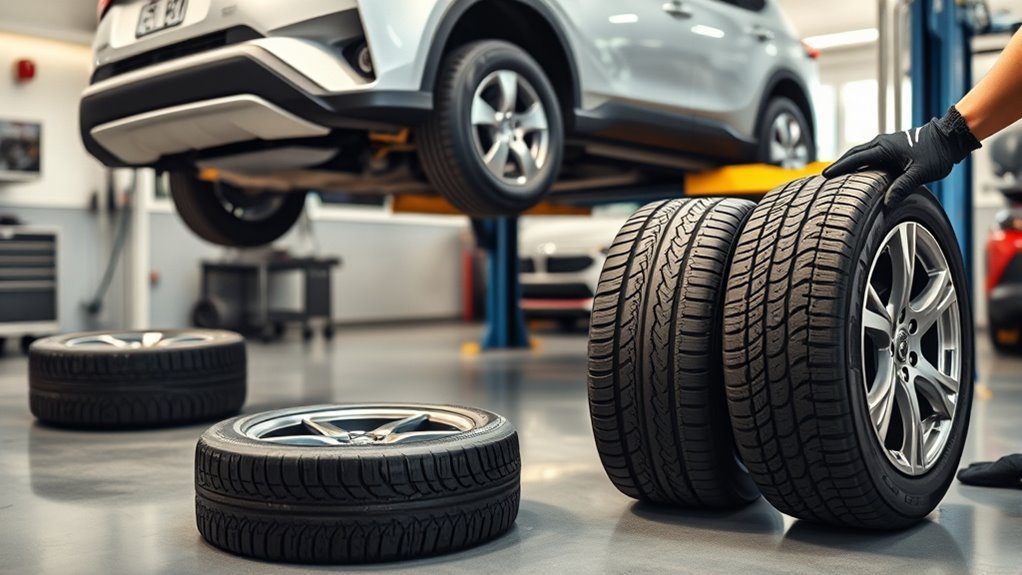
Replacing all four tires at once is the best option for an AWD RAV4. If budget or availability forces you to replace only two, fit them on the rear axle and match brand, model, size, and tread depth to the front pair as closely as possible. This protects drivetrain components and keeps handling predictable across varied conditions.
- Ask your shop: will mixed brands or tread patterns alter my RAV4’s handling, ABS and traction calibration, or tire longevity?
- Confirm exact-match options: the same model and size maintain uniform rolling circumference and response. If staggered sizes are offered, verify compatibility with your drivetrain and owner’s manual first.
- Request a tread-depth measurement and installation plan: a good shop will place newer tires on the rear, balance precisely, and explain expected wear under your typical driving conditions.
Get written documentation of what was installed and why. That record is useful for future maintenance decisions and any warranty conversations.
[Products Worth Considering]

Replace worn tires quickly with this universal 4.80/4.00-8 tire and inner tube set designed for wheelbarrows and outdoor utility carts. The ribbed tread helps reduce turf damage while the natural rubber construction supports longer service life. Compatible with 15.5-inch outer diameter, 4-inch width, and 8-inch rim diameter wheels, it uses a straight TR-13 valve stem for easy installation. For best results, inflate with a manual pump and do not exceed 25 PSI.

This metal-free wheel and tire cleaning brush uses dense, fluffy synthetic wool to safely clean rims, spokes, fenders, and engine areas without worrying about damaging surfaces. Its flexible, comfortable design helps you reach detailed areas while maintaining durability, and the extra absorbent fibers work well with wheel spray cleaners for faster cleanup. Reusable and washable performance helps prevent grime and build-up for cleaner vehicles and easier maintenance at home.

The Tymate TM2 RV tire pressure monitoring system keeps you informed with a color LCD display, automatic backlight, and solar charging for dependable operation. It supports up to 10 tire positions with four pre-paired sensors, while offering multiple alarm modes for fast leak detection, pressure extremes, temperature alerts, and low-signal warnings. Built-in monitoring uses accurate readings and reliable 433.92MHz communication to help protect your RV, trailer, truck, or SUV.
Frequently Asked Questions
Can I Mix Tires Temporarily While Waiting for an Exact Match?
Yes, but keep a close eye on tread depth differences and expect some change in handling feel. Prioritize matching sizes and axle placement, and replace the mismatched tire as soon as a correct one is available.
Will Mixing Tire Brands Void My RAV4’s Warranty?
Mixing brands won’t automatically void your vehicle coverage, but it could affect claims related to drivetrain damage if the mismatch is a contributing factor. Document any temporary mix, stay within load and speed specs, and check with your dealer if you’re unsure.
How Do Tire Pressure Differences Affect Mixed-Brand Performance?
Uneven pressures make handling less predictable. Underinflation increases flex and wear; overinflation reduces grip. Even small pressure differences between tires can create a pull or steering imbalance. Check and set all four tires to the manufacturer’s recommended pressure regularly.
Can Spare/Full-Size Mismatched Tires Damage AWD Components?
Yes. A mismatched spare or full-size tire can stress differentials and driveshafts through uneven rolling circumference. Use it only as needed and replace it with a correctly matched tire as soon as possible.
Do Aftermarket Wheels Change Risks of Mixing Tire Brands?
Yes. Aftermarket wheels can change load ratings, offset, and effective tire fit, which compounds the risks of mixing brands. Confirm precise sizing compatibility, correct torque specs, and sensor compatibility before mixing any tire or wheel combination.
Conclusion
Mixing tire brands on a RAV4 is manageable as a short-term workaround, but it’s not a substitute for a properly matched set. Size, circumference, load rating, and speed rating all need to align. Mismatches can stress the AWD system, interfere with ABS and traction control, and accelerate wear. Never pair winter tires with summer or all-season tires on the same vehicle.
Measure tread depth and circumference before driving on a mixed set, and plan to replace all four tires as soon as possible. If you must run mixed tires temporarily, rotate frequently, match brands on the same axle, and consult a shop. Safety is non-negotiable, and the right tires are one of the simplest ways to protect it.