

To reset the TPMS on your Toyota RAV4, first confirm all tires are inflated to the recommended pressure. Turn the ignition to the “ON” position without starting the engine. Press and hold the reset button—located below the steering wheel—until the flat tire light blinks three times. Release the button. If the light stays on, check your tire pressures again and repeat the process. Knowing these steps helps you maintain your tires and drive safely.
Quick Answer
- Inflate all tires to the pressure listed on the driver’s side door jamb sticker.
- Turn the vehicle ignition to the “ON” position.
- Press and hold the TPMS reset button below the steering wheel until the dashboard tire light blinks three times.
- Release the button and give the system time to recalibrate.
Understanding the TPMS: What It Is and Why It Matters

The Tire Pressure Monitoring System (TPMS) manages vehicle safety and efficiency. This system uses sensors in each tire to monitor air pressure. If the pressure drops below a safe level, it triggers a dashboard warning light. Maintaining proper tire pressure is critical. Low pressure makes the vehicle harder to handle and increases the risk of blowouts. Underinflated tires also lower fuel efficiency and cause tires to wear out faster. Checking your tire pressure regularly and responding to TPMS alerts keeps your RAV4 running safely.
Step-by-Step Guide to Resetting the TPMS Light
To reset the TPMS light on your Toyota RAV4, you first need to locate the TPMS reset button. This is typically found below the steering wheel. Once you find it, follow the reset steps to help the system recognize the new tire pressures.
Locate The TPMS Button
Finding the TPMS reset button is the first step to clearing the alert. On most models, including the 2011 Limited V6 RAV4, look below the steering wheel on the left-hand side. It is clearly labeled with a flat tire symbol and the word “SET.” Pressing this button starts the reset process. Before doing this, verify that all tires are inflated to the correct pressure. If the TPMS light stays on after the reset, you may have faulty sensors or a system error.
Follow Reset Procedure Steps
Once you locate the TPMS reset button, start your vehicle or turn the key to the ON position without starting the engine. Press and hold the reset button until the flat tire light blinks slowly three times, then release it. Make sure all tires are properly inflated before you do this to guarantee accurate sensor calibration. After you release the button, the TPMS light should go out. If it stays on, double-check your tire pressures and repeat the process.
How to Find Your RAV4’s Recommended Tire Pressure
Before resetting your system, you need the correct target pressure. Do not use the maximum pressure listed on the tire sidewall. Instead, open the driver’s side door and locate the factory sticker on the door jamb. This placard lists the correct cold tire pressure for both the front and rear tires.
Why Your TPMS Light Might Be On: Common Causes and Solutions
A TPMS light usually signals low tire pressure or a problem with the sensors. Recent tire changes or rotations can also trigger the light, meaning the system needs recalibration.
Common Sensor Failures
If your RAV4’s TPMS light stays on, the system itself might be failing. Common sensor issues include:
- Depleted sensor battery: Sensor batteries drain over time, causing false readings.
- Sensor malfunction: Damaged sensors cannot communicate accurate pressure data.
- Sensor recalibration: rotating your tires often triggers the light until the system is reset.
- Diagnostic tools: Software like Techstream can check individual tire PSI to find the broken sensor.
- Timely sensor replacement: Replacing old sensors prevents dashboard errors.
Incorrect Tire Pressures
The most common reason for an active TPMS light is incorrect tire pressures. Underinflated tires drop below the manufacturer’s recommended levels. This happens frequently during seasonal temperature changes, which naturally cause pressure drops. If you recently fixed a flat, the sensor might just need a reset. However, slow leaks or damaged valves will keep triggering the light. Check your tire pressure at least once a month to avoid these issues.
Recent Tire Changes
Getting new tires can cause the TPMS light to turn on. Common reasons include:
- Low tire pressure: The shop may not have inflated the tires fully.
- Incorrect sensor positioning: A sensor may have been installed incorrectly during a change.
- Sensor battery depletion: The sensor may have died coincidentally or been damaged.
- Tire alignment issues: Severe misalignment can sometimes impact sensor performance.
- Resetting the TPMS: The system simply needs to be reset after the new tires are installed.
How TPMS Affects Tire Pressure: Ensuring Proper Functionality
The Tire Pressure Monitoring System is vital for your vehicle’s safety and performance. Each tire has a sensor that tracks pressure levels and alerts you to sudden drops. Paying attention to TPMS alerts improves fuel efficiency and extends your tire lifespan by stopping uneven tread wear. Keep the system working by replacing dead sensor batteries when needed. Always reset the TPMS after rotating your tires to avoid false alerts.
Troubleshooting Persistent TPMS Light Issues

When the TPMS light stays on even though your tires are fully inflated, try these troubleshooting steps:
- Check tire pressures: Verify all tires match the door jamb sticker perfectly.
- Inspect sensor batteries: Dead batteries are the leading cause of persistent warnings.
- Utilize diagnostic tools: Tools like Techstream display exact PSI data for each wheel.
- Recalibrate after tire rotation: Drive above 25 mph for a few minutes after resetting the button to help the system calibrate.
- Consult a mechanic: Take the vehicle to a professional if the light refuses to turn off.
[Products Worth Considering]

This TPMS sensor training and relearn reset tool is customized for Ford, Lincoln, and Mercury vehicles to help activate tire pressure programming after sensor replacement or tire rotation. It can activate individual tire pressure sensors with one-button operation, helping prevent TPMS warning light illumination. It is not a sensor programming tool and cannot program replacement sensors—use it to trigger/activate sensors only.

The VEHLIVE SU-50448 II TPMS relearn tool provides a fast activation reset to restore accurate tire pressure monitoring after sensor replacement or tire rotation. It supports 315 MHz and 433 MHz GM series sensors and helps clear dashboard pressure warnings. With simple two-button operation and horn-confirmed relearning order, you can reprogram sensors conveniently at home.
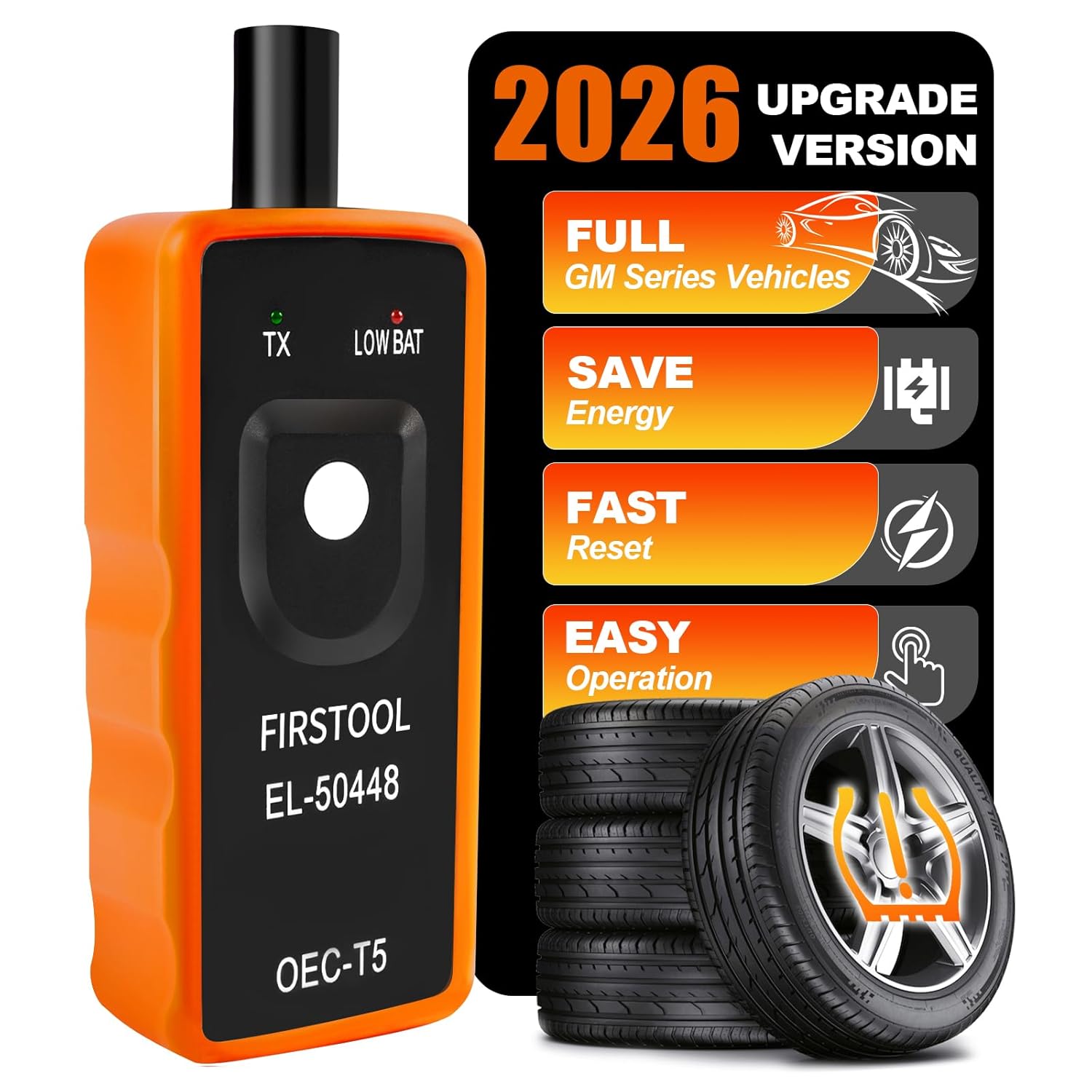
This TPMS relearn tool helps you quickly activate, match, and reset GM tire pressure sensors to keep the vehicle monitoring system working properly. It clears tire pressure alarms and dashboard warning lights after sensor replacement or tire rotation, and supports learning for common 315/433 MHz TPMS sensors. Designed for simple one-button operation, it can help you avoid unnecessary trips to repair shops.
Use Techstream for Advanced TPMS Diagnostics
Techstream is the official diagnostic software used for Toyota vehicles. It allows you to access detailed TPMS data through a laptop or diagnostic device. You can read the exact PSI for each individual tire, making it easy to find out which tire is causing the dashboard warning. Techstream also helps with sensor calibration after tire rotations. If a sensor breaks, this software will identify exactly which faulty sensor needs to be replaced.
[Products Worth Considering]
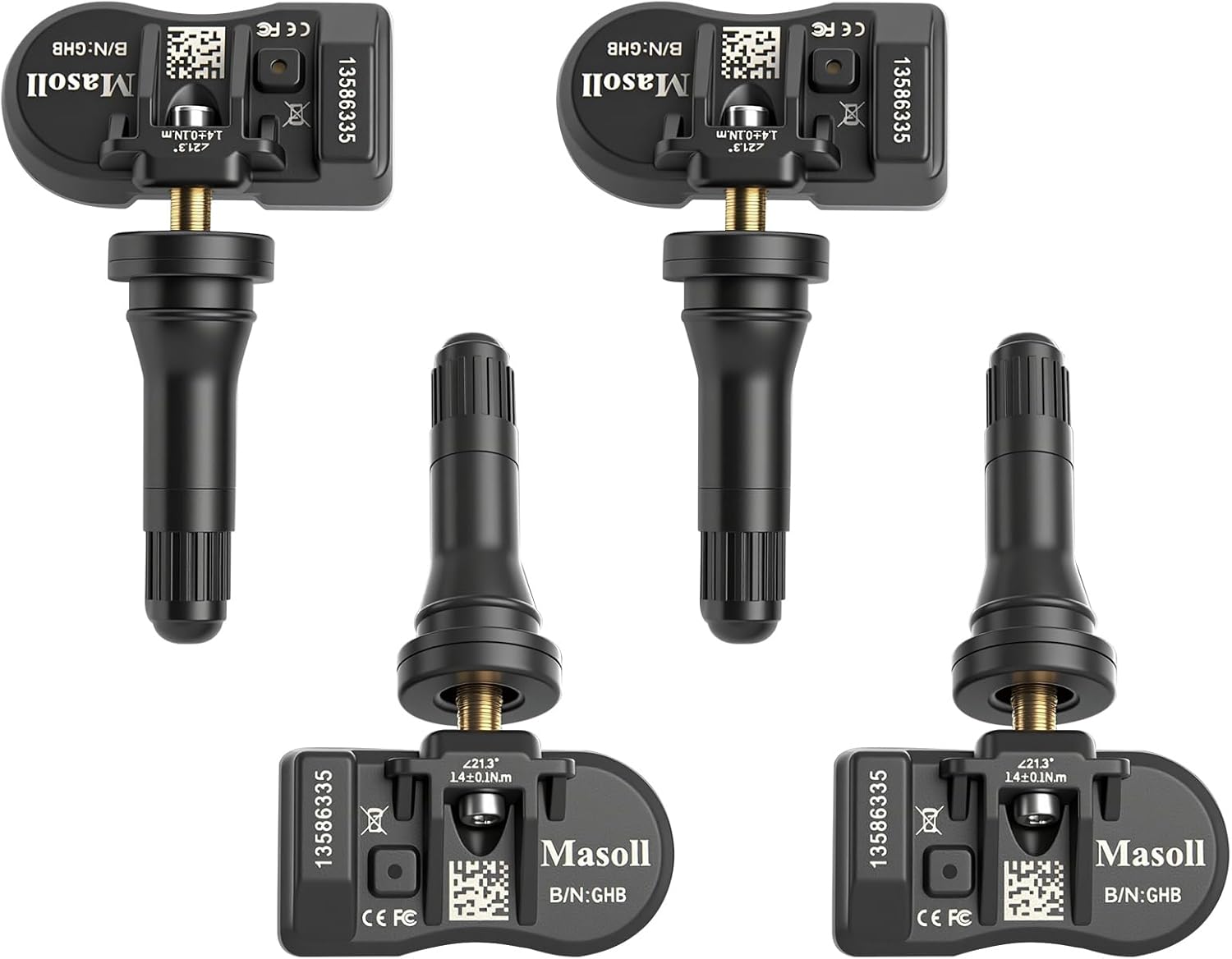
Masoll TPMS sensors are designed for most GM vehicles after 2006, helping you clear tire pressure warnings with OEM-level 315/433MHz compatibility. The 4-pack includes pre-programmed sensors, but re-learning is required after installation using a GM TPMS relearn tool or scan tool. Built with a dual-antenna design and a long-life CR2050 battery, these sensors deliver reliable performance in extreme temperatures with corrosion-resistant valve construction.

The Tymate TM12 RV TPMS delivers real-time tire pressure and temperature monitoring with a stable 433Hz display for safer long-distance driving. It supports simultaneous monitoring across vehicle and trailer zones, includes six alarm modes for pressure, temperature, leakage, battery, and signal loss, and features easy DIY installation with auto calibration. Power is supplied via USB-C charging or solar recharging, with a wide 0–144 PSI range and up to 50 ft signal coverage for RVs and towable trailers.

Replace worn or malfunctioning GM TPMS sensors with this 433MHz pre-programmed sensor set designed for compatibility with many Chevrolet, Buick, GMC, and Cadillac models. It includes guidance for proper OBDII relearning/pairing after installation and supports reliable long-term operation with a high-performance CR2032 battery. Quality tested for durability and performance to help restore accurate tire pressure monitoring.
Do You Need a Mechanic for Your TPMS Problems?
Resetting your TPMS is usually a simple task you can do at home. However, some situations require a professional mechanic:
- Complex Issues: Persistent wiring or computer faults need professional diagnostics.
- Sensor Assessment: Mechanics have tools to test sensor battery life instantly.
- Professional Tools: Shops carry advanced scanners that pinpoint deep system errors.
- Safety First: A mechanic can find hidden tire damage causing slow leaks.
- Cost-Effectiveness: A quick professional fix prevents you from buying sensors you do not actually need.
[Products Worth Considering]
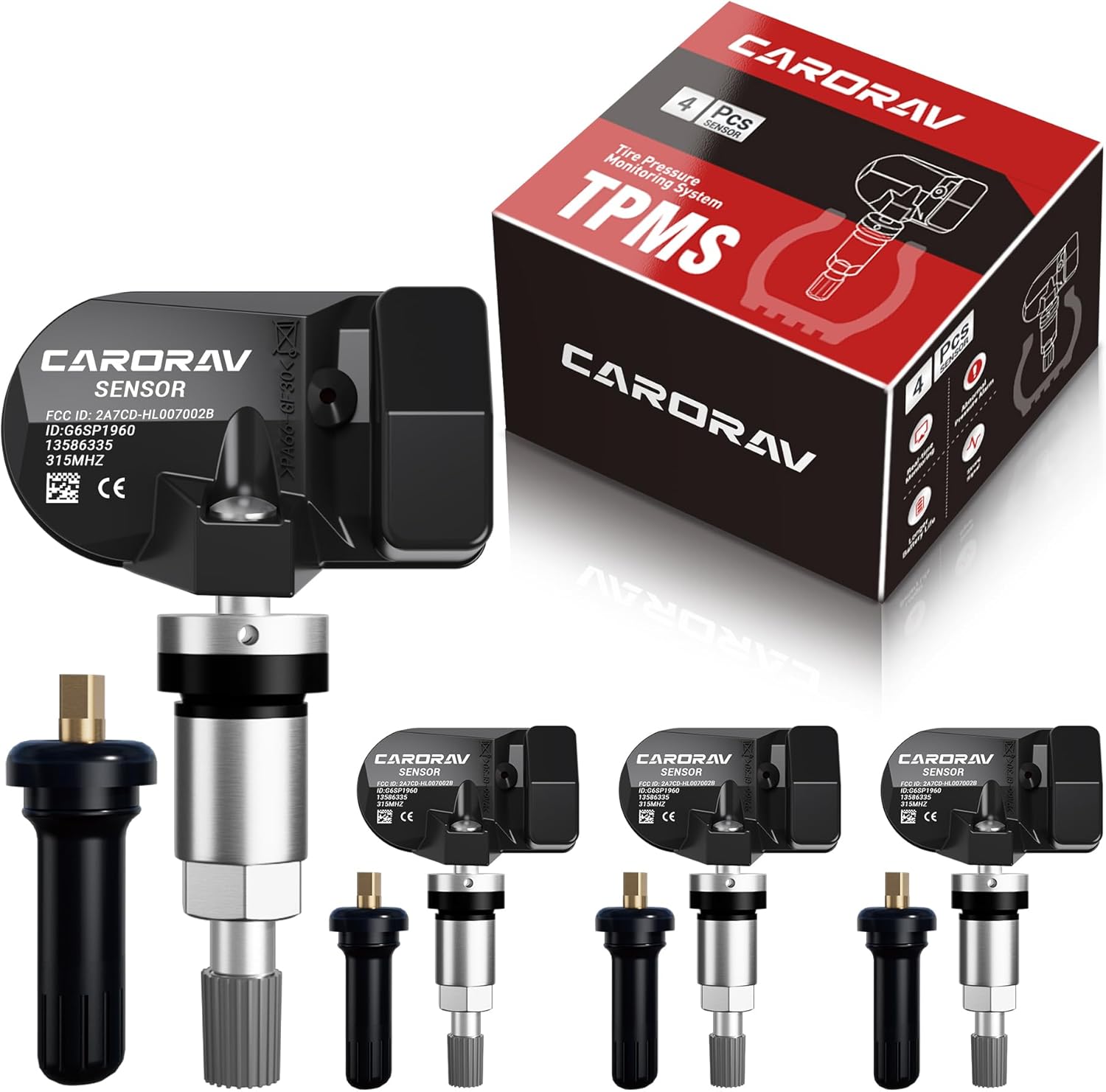
Replace worn or missing TPMS sensors with CARORAV pre-programmed GM-compatible sensors for a smoother installation experience. These 315MHz replacement sensors help monitor tire pressure in real time with long battery life, and they are designed to withstand harsh temperatures. Manual or OBDII relearn may be required to reset the system for proper recognition.

Masoll M13 TPMS monitors tire pressure across RV and trailer applications and helps protect safety on the road. Set your reference pressure for auto alarm triggers, while the system automatically calibrates as you inflate or deflate. Solar charging with intelligent sleep/wake keeps operation efficient, and the color LCD provides clear readings in day or night driving.

AstroAI’s calibrated digital tire pressure gauge delivers precise readings across a 0–150 PSI range, with high clarity from a backlit LCD. Built for everyday road use, it features one-button operation, an anti-slip ergonomic grip, and support for multiple pressure units plus auto shutoff. Powered by AAA batteries, it’s an all-weather essential for checking tire health and TPMS warnings.
Finding the TPMS Reset Button on Your RAV4
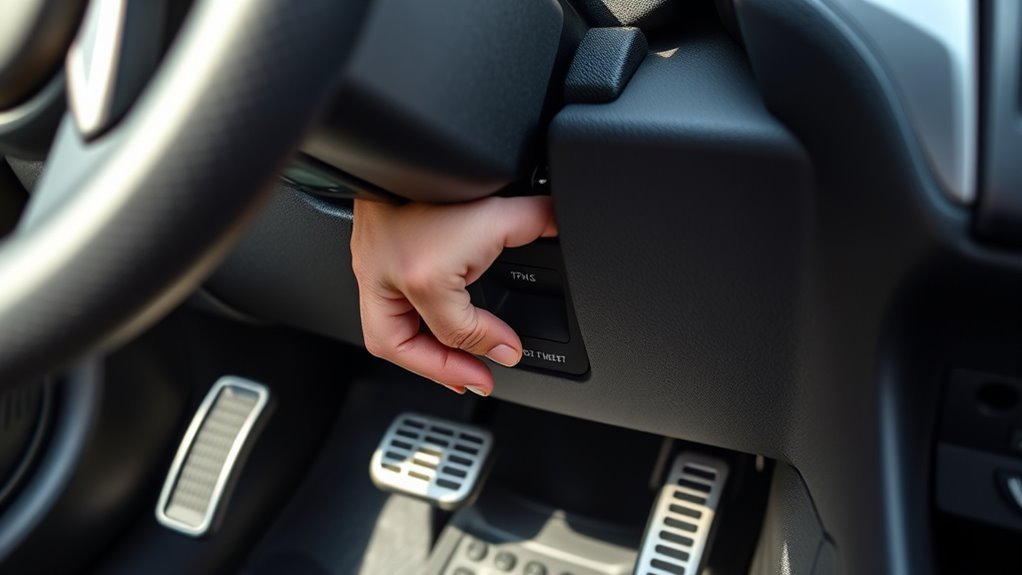
As mentioned earlier, you must locate the TPMS reset button to clear the alert. It is located below the steering wheel on the left side, near the driver’s knee bolster. Look for a flat tire symbol and the word “SET.” Turn the key to the “ON” position, then press and hold the button until the TPMS light blinks three times. Make sure the tires are at the recommended pressure before starting. The exact location can vary slightly depending on the year of your RAV4, so check your owner’s manual if you cannot find it.
Frequently Asked Questions
Can I Reset the TPMS Without a Professional Tool?
Yes. You can reset the system yourself by using the TPMS reset button below the steering wheel. Your owner’s manual will have specific instructions for your exact model year.
How Often Should I Check My Tire Pressures?
Check your tire pressures at least once a month. Regular maintenance improves safety, prevents uneven wear, and keeps your fuel efficiency high.
What Happens if I Ignore the TPMS Warning Light?
Ignoring the light often means driving on underinflated tires. This causes poor handling, worse gas mileage, and a much higher risk of a dangerous tire blowout at highway speeds.
Will Changing Tires Affect the TPMS System?
Yes. If you install new tires, change tire sizes, or rotate your wheels, you must recalibrate the TPMS so the sensors can read the new setup accurately.
Can a Dead Battery Trigger the TPMS Light?
Yes. The sensors inside the tires rely on small batteries. When these batteries die, the system cannot read the tire pressure and will trigger the dashboard warning light.
Conclusion
Maintaining your Toyota RAV4’s TPMS protects your safety and saves you money. Keeping your tires properly inflated can even improve your fuel efficiency by up to 3%. By understanding how to reset the system and read the alerts, you can maximize your vehicle’s performance and make your tires last longer. Monitor your dashboard, check your tire pressure monthly, and contact a professional if the warning light will not turn off.

