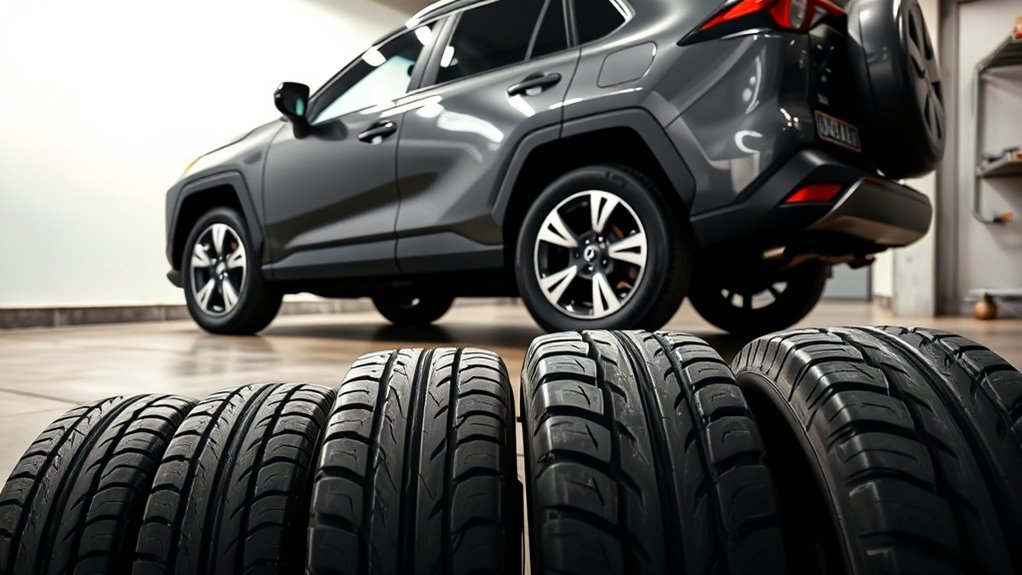
A single new tire can look harmless on a Toyota RAV4 AWD, but the wrong match can make the drivetrain work harder every mile. Even small differences in rolling diameter can affect sensors, traction control, and driveline parts. This guide explains when one tire is acceptable, when you need two or four, and how to measure your tires before you buy.
Quick Answer
You should not replace just one tire on a RAV4 AWD unless the new tire closely matches the other three in size, brand, model, tread depth, and rolling circumference. Aim to keep tread depth within about 2/32 inch across all four tires. If one tire fails and the others still have useful tread, ask a tire shop about shaving the new tire to match.
Key Takeaways
- Match all four tires by size, brand, model, load rating, and tread depth whenever possible.
- Keep tread depth differences near 2/32 inch or less to reduce AWD driveline strain.
- Use tire shaving when one new tire must match three partly worn tires.
- Mount two new tires on the rear axle if you replace only a pair.
- Check your owner’s manual or a Toyota dealer before you approve a mixed-tire repair.
What’s in This Article
- Can You Replace One Tire on a RAV4 AWD? Quick Answer and Rule of Thumb
- How Different Tire Diameters Damage AWD Systems
- How Much Tread and Circumference Difference Is Safe?
- Measure and Match Tires: Step-by-Step for RAV4 AWD
- When You Can Replace Two Tires Instead of All Four
- How Tire Shaving Works to Match a New Tire to Worn Tires
- How RAV4 Prime’s AWD Layout Changes Tire-Matching Rules
- Dealer Policies, Cost, and Liability: What Shops Will and Won’t Do
- Frequently Asked Questions
Can You Replace One Tire on a RAV4 AWD? Quick Answer and Rule of Thumb
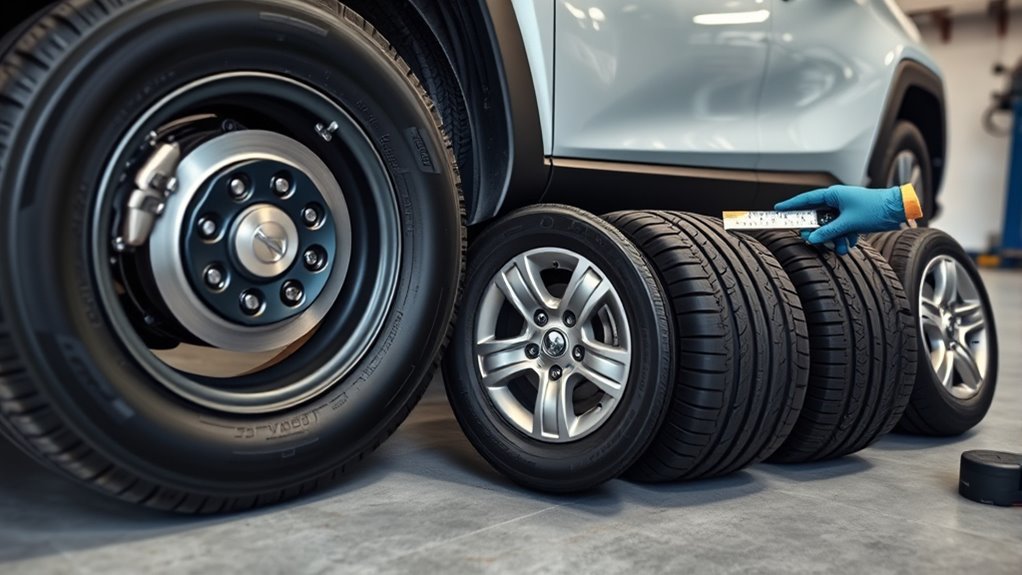
You should not replace just one tire on a RAV4 AWD as a general rule. A tire with a different rolling diameter can strain the drivetrain because the all-wheel drive (AWD) system must manage uneven wheel speeds. Match all four tires by size, brand, model, speed rating, load rating, and tread pattern whenever you can.
As a practical target, keep tread depth differences near 2/32 inch or less across the set. Some shops may allow a slightly wider range, but tighter matching gives your drivetrain the best protection. If one tire fails while the other three still have good tread, ask a shop whether it can shave the new tire to match the worn tires.
Check your owner’s manual before you approve a one-tire repair. Toyota model years and AWD layouts can vary, and the manual gives the safest rule for your vehicle. A Toyota dealer or trusted tire shop can also measure rolling circumference before you buy.
How Different Tire Diameters Damage AWD Systems
If your tires have unequal rolling circumferences, the AWD system sees different wheel speeds. That mismatch can create torque imbalance, extra heat, and driveline stress. You may feel shuddering, binding, or poor traction control response when the system keeps correcting the difference.
Warning: Do not ignore vibration, binding, warning lights, or shuddering after a tire change.
Unequal Rolling Circumferences
AWD systems depend on tires that roll at nearly the same rate. When one tire travels a different distance per rotation, the drivetrain must correct that gap over and over. That constant correction can add wear to differentials, axles, couplers, and related parts.
Check tire diameter, tread depth, and pressure before you compare tires. Low pressure can change effective rolling diameter and make a good tire look mismatched. Use the same pressure target from the driver’s door placard before you take final readings.
- Check tread depth on all four tires every month.
- Rotate tires on schedule to keep wear even.
- Measure rolling circumference before replacing only one tire.
Differential Overload and Wear
Different-diameter tires can make the differential work more than normal. The unit must manage wheel-speed differences that should not exist during straight-line driving. Over time, that extra work can increase heat and wear.
You may also notice binding in tight turns, shuddering, or a less stable feel on wet roads. These signs do not prove the tire mismatch caused damage, but they deserve a prompt inspection. Matching tires helps preserve smooth AWD operation and reduces avoidable repair risk.
How Much Tread and Circumference Difference Is Safe?
For a RAV4 AWD, use tread depth as your first check because it’s easy to measure. Keep the difference between the deepest and shallowest tire near 2/32 inch when possible. That target helps keep rolling diameter close across all four corners.
You can also compare tire circumference with a flexible tape. Many shops treat small differences as acceptable, but exact limits depend on the vehicle, tire size, and manufacturer guidance. If your readings sit near the edge, choose the safer option and ask a Toyota dealer or tire specialist.
Recommended Tread Difference
Aim for no more than 2/32 inch tread depth variation across all four tires. This rule gives you a simple way to judge whether one new tire will match the rest. If the old tires have lost much more tread, replacing one full-depth tire can create a large rolling-diameter gap.
- Measure each tire in three tread grooves.
- Record the lowest safe reading from each tire.
- Compare the deepest tire with the shallowest tire.
Safe Circumference Variation
Rolling circumference matters because it tells you how far each tire travels in one full turn. A tire with less tread has a smaller rolling radius than a new tire. That difference repeats thousands of times during a normal drive.
Keep circumference differences as small as you can. Some tire and vehicle guidance uses a percentage limit, while some shops use tread-depth rules. When the numbers conflict, follow the stricter guidance from your owner’s manual or Toyota service source.
Percent Difference Guidelines
Percent difference compares one tire’s rolling circumference with another tire’s circumference. A small percentage can still matter because AWD systems respond to wheel-speed differences. Use percent checks as a second tool, not as a substitute for tread-depth measurement.
- Use a circumference tape or a measured mark on the floor.
- Compare all four tires after you set pressure correctly.
- Ask the shop to document the readings on your repair order.
Consistent measurements help you avoid guesswork. They also give the shop a clear basis for shaving, replacing two tires, or replacing all four.
Measure and Match Tires: Step-by-Step for RAV4 AWD
Measure all four tires before you replace only one or two. The goal is simple: confirm that the replacement tire will roll at nearly the same rate as the others. Use tread depth, size markings, and pressure checks together.
| Step | Action |
|---|---|
| 1 | Inspect manufacturer size on sidewall |
| 2 | Measure diameter with tape measure |
| 3 | Check tread depth with gauge |
| 4 | Verify and adjust tire pressure |
| 5 | Consult owner’s manual |
Measure diameter at more than one point because tires can sit slightly out of round under load. Use a tread depth gauge at the center and both outer grooves. Write down each reading so you can compare the set instead of relying on a quick look.
Adjust inflation to the recommended pounds per square inch (PSI) before the final check. Pressure changes the tire’s loaded shape and rolling behavior. If any tire falls outside your manual’s limit, choose a matched replacement plan.
[Products Worth Considering]

Monitor tire tread wear with a smart, color-coded depth gauge that shows clear condition ranges at a glance. The bar is range marked for fast, easy readings, helping you maintain safer traction and performance. Each gauge is portable with a pocket clip, and the set includes 20 units for daily use and sharing.
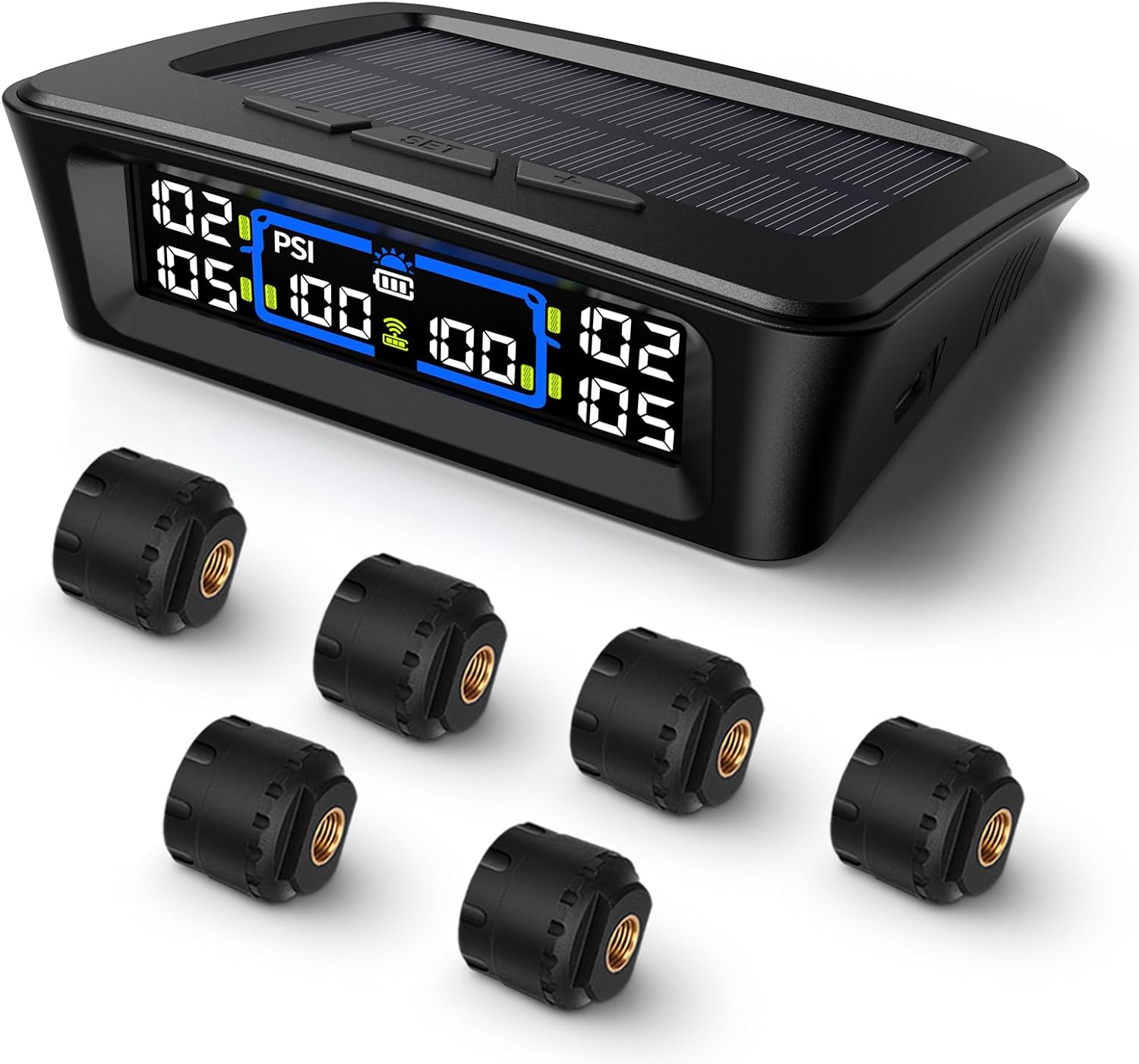
The Tymate TM12 RV TPMS delivers real-time tire pressure and temperature monitoring with a stable 433Hz display for safer long-distance driving. It supports simultaneous monitoring across vehicle and trailer zones, includes six alarm modes for pressure, temperature, leakage, battery, and signal loss, and features easy DIY installation with auto calibration. Power is supplied via USB-C charging or solar recharging, with a wide 0–144 PSI range and up to 50 ft signal coverage for RVs and towable trailers.

The TYAMATE TM8 solar-powered wireless TPMS delivers real-time tire pressure and temperature monitoring with six alarm modes for safer driving. A vibrant color LCD display shows readings clearly while windshield mounting keeps it hands-free and easy to read. With a wide 0–87 PSI range, strong 433.92 MHz signal transmission, and quick sensor pairing, it’s ideal for RV, sedan, SUV, MPV, and truck use.
When You Can Replace Two Tires Instead of All Four
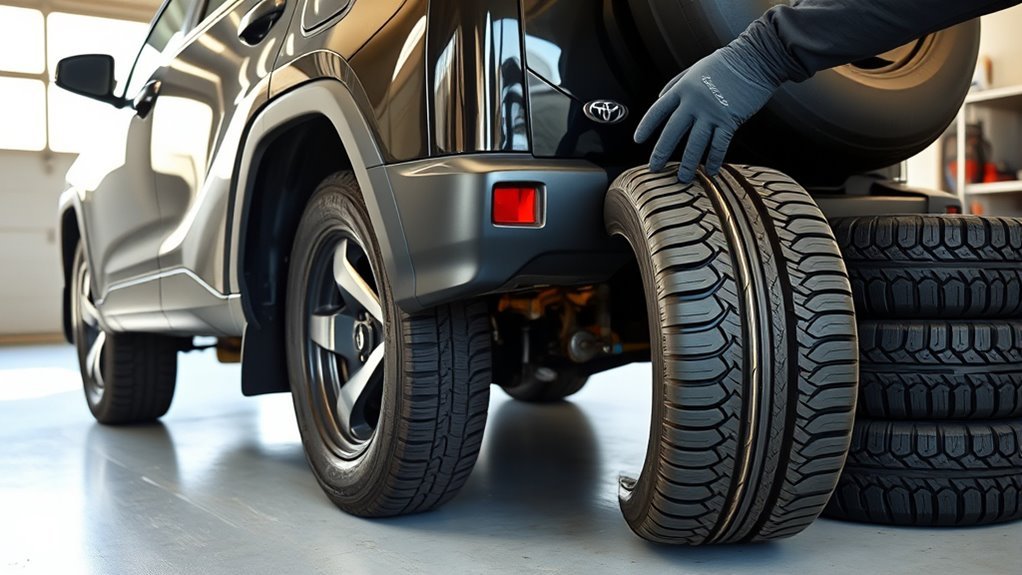
You may replace two tires instead of all four when the remaining pair closely matches the new pair. Confirm the tread depth, tire size, brand, model, and load rating before you approve the work. If the older pair has too much wear, two new tires can still create a mismatch.
Most tire safety guidance recommends placing the newer pair on the rear axle. Better rear traction helps reduce the risk of oversteer on wet roads. After the tires wear in, follow the rotation pattern in your owner’s manual to keep the set even.
If tread depth and rolling diameter match closely, you may replace two tires instead of all four, but mount the new pair on the rear axle.
- Verify tread depth before purchase.
- Install the newer pair on the rear axle.
- Rotate on schedule to even out wear.
This approach can lower cost while protecting handling and AWD components. Keep the repair invoice and measurements in case you need warranty support later.
How Tire Shaving Works to Match a New Tire to Worn Tires
Tire shaving trims tread from a new tire so it matches the depth of your existing tires. This service can help when one tire fails and the other three still have safe, usable tread. The goal is to bring rolling diameter closer across the set.
A trained shop removes a measured amount of rubber while keeping the tread surface even. The shop should measure your existing tires, set a target tread depth, shave the new tire, then balance it. Ask for the final tread depth in writing.
Pro tip: Call ahead because not every tire shop offers shaving, and some may need to order the tire first.
Tire shaving only makes sense when the remaining tires still have enough tread life. Do not shave a new tire to match tires near the legal wear limit. In that case, replacing all four usually gives you a safer long-term repair.
[Products Worth Considering]

Measure tire tread depth quickly and accurately with this LUMITECO dial gauge that reads in 1/32" increments up to 14/32". The color-coded green/yellow/red zones make it easy to judge tire wear and know when replacement is needed. A rugged, compact design with a protective pouch helps keep the gauge ready for use on cars, trucks, motorcycles, and more.

The SAFELIFE dial tire tread depth gauge measures tread depth in 1/32 inch increments with clear, easy-to-read 2-inch dial face. Color zones using a traffic light system help you quickly judge whether tread is low, marginal, or ample for safer driving. Built with a durable zinc cast body and a metal detect probe for precise, comfortable use across cars, motorcycles, trucks, and buses.

Measure tyre tread depth precisely with a digital gauge that reads in both MM and inches, helping you monitor safe driving conditions. The large LCD screen is easy to operate, and the compact tool fits for cars, trucks, and motorcycles. It provides high accuracy with a 0-25.4mm range and includes a 1-year warranty for added peace of mind.
How RAV4 Prime’s AWD Layout Changes Tire-Matching Rules
The RAV4 Prime uses electronic all-wheel drive rather than a traditional mechanical center differential. The front and rear axles do not connect in the same way as many mechanical AWD systems. This layout may give the system more room to manage small front-to-rear differences.
That does not mean you can ignore tire matching. The vehicle still uses wheel-speed sensors, stability control, traction control, and tire pressure monitoring system (TPMS) data. Large differences can still affect handling, alerts, traction response, and tire wear.
- Keep tires matched on each axle.
- Rotate tires on the schedule in your manual.
- Track tread depth so you can plan replacements early.
Use the RAV4 Prime’s manual as your final guide. If your dealer gives a different limit than a tire shop, ask both to show the source for that guidance.
Dealer Policies, Cost, and Liability: What Shops Will and Won’t Do
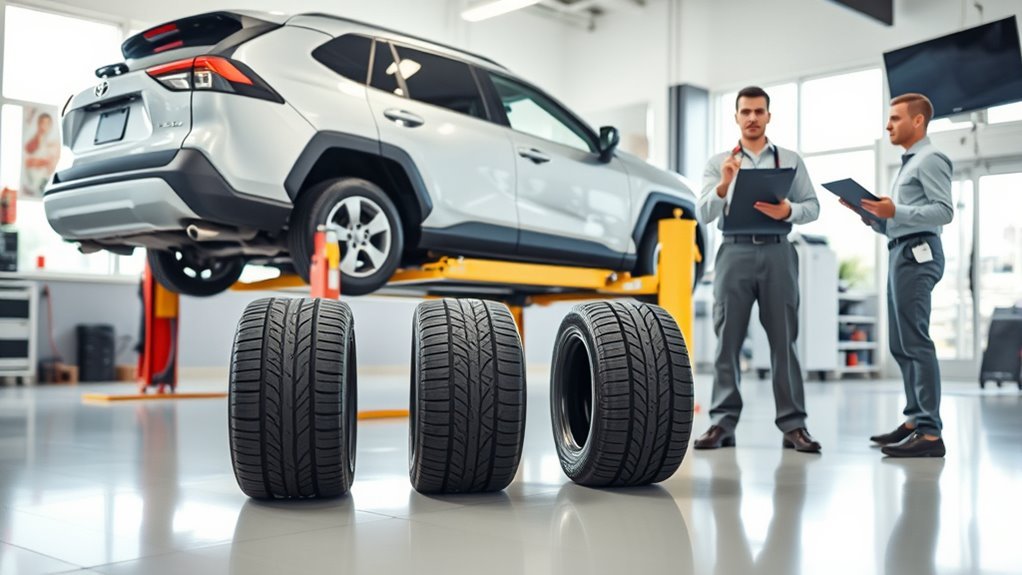
Many dealers and tire shops set strict rules for AWD tire replacement. They may refuse to install one tire if the tread depth or circumference does not match the other three. Those policies protect your vehicle and reduce the shop’s risk if drivetrain or handling problems follow.
Replacing all four tires costs more up front, but it may cost less than repairing AWD damage later. A shop may also ask you to sign a waiver if you approve a repair outside its normal policy. Read that paperwork before you decide.
Ask the shop these questions before the work starts:
- What tread-depth difference do you allow on this RAV4?
- Will you measure rolling circumference before installation?
- Can you shave a new tire to match the others?
- Will this repair affect tire or drivetrain warranty coverage?
[Products Worth Considering]

Replace worn or malfunctioning GM TPMS sensors with this 433MHz pre-programmed sensor set designed for compatibility with many Chevrolet, Buick, GMC, and Cadillac models. It includes guidance for proper OBDII relearning/pairing after installation and supports reliable long-term operation with a high-performance CR2032 battery. Quality tested for durability and performance to help restore accurate tire pressure monitoring.

Replace worn or missing TPMS sensors with a pre-programmed 4-pack designed for compatible GM vehicles. These 315MHz sensors provide real-time tire pressure monitoring and alert you if pressure is too high, too low, or if a rapid air leak occurs. Most installations are ready with minimal relearn effort after mounting, helping improve safety and driving confidence.

Replace your worn or missing TPMS sensors with pre-programmed, direct-fit sensors for compatible Ford, Lincoln, and select Mazda models. Each sensor comes ready to activate with a scan tool, helping restore accurate tire pressure monitoring and trouble-free installation. Built with a long-life CR2032 battery and tested before factory release, this set provides dependable performance with a one-year warranty.
What to Check Before You Approve a Tire Repair
Before you buy one tire, check whether the damaged tire can receive a safe repair. A puncture in the center tread area may qualify, but sidewall damage usually does not. A shop must inspect the inside of the tire to judge the damage.
Also check the age of your tires. Old rubber can crack or lose grip even when tread looks acceptable. If your tires have aged out or show uneven wear, replacing all four may give you the safest result.
Frequently Asked Questions
How Much Difference in Tire Size Is Acceptable on AWD?
Keep tire size and tread depth differences as small as possible on AWD vehicles. A common practical target is about 2/32 inch or less of tread-depth variation across all four tires. Your owner’s manual or Toyota dealer should guide the final limit for your exact RAV4.
Do You Have to Replace All Four Tires on an AWD RAV4?
You often need to replace all four tires when the existing tires have worn enough to create a mismatch with a new tire. You may avoid that cost if the new tire can match the others or a shop can shave it. Measure first, then decide.
What Size Tires Are on a Toyota RAV4 AWD?
Tire size depends on the RAV4 model year, trim, and wheel package. Check the driver’s door placard, the owner’s manual, or the tire sidewall for the exact size. Do not rely on a general RAV4 size list when you order a replacement.
Can You Run Different Size Tires on AWD?
You should not run different-size tires on an AWD RAV4 for normal driving. Mixed sizes can change rolling speed, handling, and system response. Use the same size, brand, model, and tread depth range unless Toyota guidance says otherwise.
Can You Drive Home on a Mismatched Spare Tire?
You can use a temporary spare only as your owner’s manual allows. Keep speed and distance within the manual’s limits, and replace or repair the tire as soon as possible. A spare tire does not count as a long-term AWD tire match.
Is It Better to Patch a RAV4 AWD Tire Than Replace One Tire?
A proper patch-plug repair can save you from a mismatch if the damage sits in a repairable tread area. Sidewall damage, shoulder damage, large punctures, or run-flat damage may rule out repair. Let a qualified tire technician inspect the tire from the inside.
Conclusion
The safest rule for a RAV4 AWD is simple: keep all four tires closely matched. Measure tread depth, verify size, and compare rolling circumference before you replace only one tire. If the numbers do not match, choose tire shaving, a pair replacement, or a full set based on your manual and shop advice. That careful check helps protect your AWD system and keeps the vehicle predictable on the road.
References
- Toyota Owner’s Manuals and Warranty Guides — Toyota, 2026
- Tires — National Highway Traffic Safety Administration, 2026
- Tire Safety — U.S. Tire Manufacturers Association, 2026