Hyundai Sonata Tire Bubble on Sidewall: Is It Dangerous? Yes
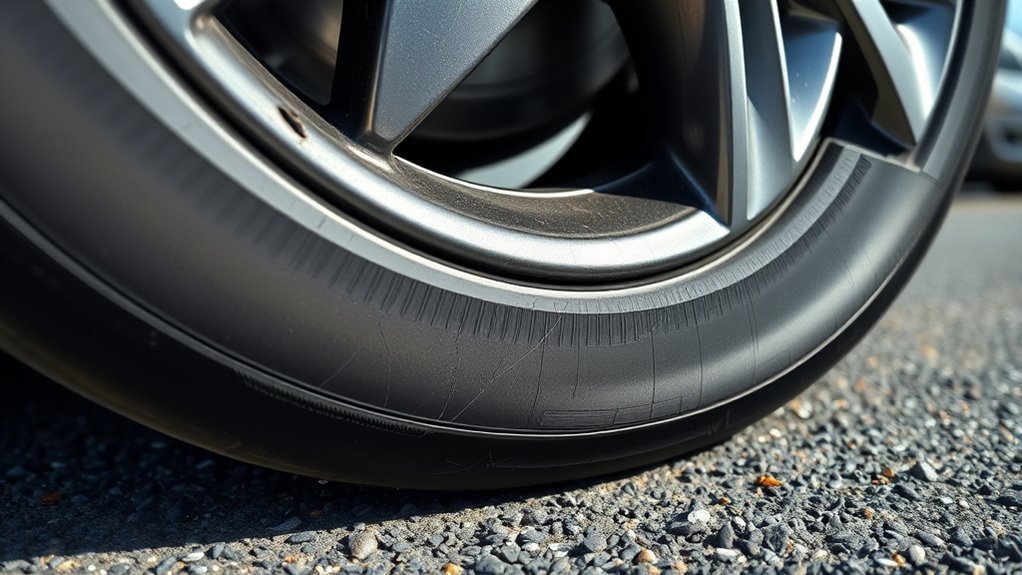
A sidewall bubble on your Hyundai Sonata is a serious tire-safety warning. If the bubble is an outward bulge on the tire sidewall, treat it as internal tire damage and do not keep driving on it. Move the car to a safe place, use the spare if your Sonata has one, or have the vehicle towed for tire replacement.
Quick Answer
A true outward sidewall bubble on a Hyundai Sonata is not safe to drive on. It usually means the tire’s internal cords or layers have been damaged, which can lead to sudden air loss or a blowout. Do not patch it; replace the tire immediately.
Key Takeaways
- A true outward sidewall bubble or bulge is a replacement-level tire problem, not a normal cosmetic mark.
- Do not drive on a bubbled tire except to move out of traffic to a safe location.
- Sidewall bubbles cannot be safely repaired like a small puncture in the tread area.
- Check your Sonata’s tire pressure using the driver-door placard or owner’s manual, not the maximum PSI printed on the tire sidewall.
- If the tire is newer, ask the tire shop whether the damage looks like road-impact damage, road-hazard coverage, or a possible manufacturing/warranty issue.
At a Glance
| Time Required | 5–10 minutes to inspect; same day for tire replacement |
| Difficulty | Easy to spot, but replacement should be handled by a tire professional |
| Tools Needed | Flashlight, tire pressure gauge, spare tire or roadside assistance, and a tire shop inspection |
| Cost | Inspection is often free; replacement cost depends on tire size, brand, warranty, and whether one or more tires need replacing |
Why Sidewall Bubbles Are Dangerous
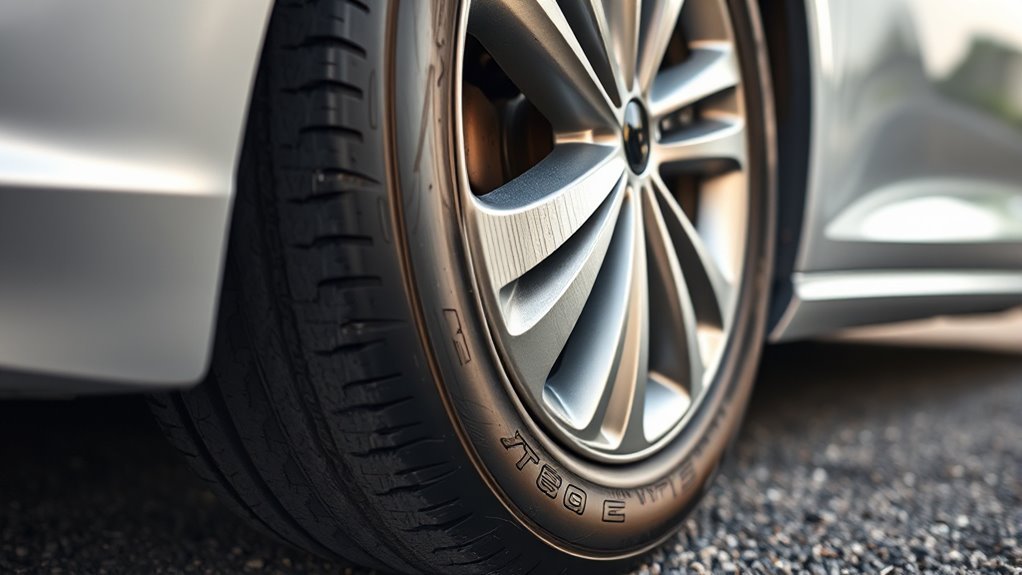
When you spot an outward bubble or bulge on your Hyundai Sonata tire, the safest assumption is that the tire’s internal structure has been weakened. The sidewall carries load, flexes constantly, and helps hold air pressure. When internal cords or layers are damaged, air pressure can push the weakened area outward.
This is not the same as a light inward sidewall indentation. The U.S. Tire Manufacturers Association explains that sidewall indentations can be cosmetic, but if bulges appear, or if you are unsure what you are seeing, the tire should be examined by a tire service professional. A service bulletin hosted by the National Highway Traffic Safety Administration also notes that an outward sidewall bulge can indicate spread or broken cords and that tires with outward bulges should be replaced.
Warning: Do not keep driving on a tire with a true sidewall bubble. A weakened sidewall can fail without much warning, especially at highway speed, while cornering, or after another pothole impact.
[Products Worth Considering]

EVOULTES heavy duty tire inflator with an integrated gauge delivers accurate pressure readings from 10–120 PSI, helping you inflate, deflate, and check tires in one tool. The 16.5-inch extended dual-head air chuck with swivel base reaches hard-to-access dual wheel valves on trucks and RVs. A brass trigger core and side-mounted air release valve make operation smooth, with standard 1/4" NPT threading and quick-connect compatibility for easy setup.

This portable cordless tire inflator delivers up to 160 PSI with fast 17 L/min airflow to help you quickly top up tires and get back on the road. It features dual power mode, running on a 21V rechargeable battery or a 12V DC adapter for convenient roadside use. An automatic shut-off with digital pressure gauge helps prevent overinflation, and a built-in LED light improves visibility in low-light conditions.

The JACO FlowPro Tire Inflator measures, inflates, and airs down tires up to 100 PSI with battery-free operation and ±2% accuracy after calibration. It features a glowing pressure dial for night visibility, a heavy-duty steel build with a hybrid hose, and a precision push-to-inflate thumb trigger. The patented Lightning Air Chuck locks on for a secure seal, and the kit includes quick-connect hardware for easy inline use with your air compressor.
Can You Drive on a Tire With a Bubble?
No, you should not drive normally on a tire with a sidewall bubble. If you notice it while parked, do not take the car on the road. If you notice vibration, wobbling, or a visible bulge while you are already driving, slow down gently, avoid sudden braking or sharp steering, and pull over where it is safe.
Once stopped, use the temporary spare only if your Sonata is equipped with one and you can install it safely. Follow the speed and distance limits printed on the spare tire or in your Hyundai owner’s manual. If you do not have a usable spare, call roadside assistance or have the vehicle towed to a tire shop.
Note: Adding air will not fix a sidewall bubble. The problem is structural, not simply low pressure.
What to Do If You Find a Sidewall Bubble
- Stop using that tire. Do not drive to “test it” or wait for the bubble to grow.
- Move only if needed for safety. If the car is in traffic, move slowly to the nearest safe shoulder, parking lot, or driveway.
- Inspect all four tires. Look for other bulges, cuts, exposed cords, cracks, or uneven wear.
- Use a spare or tow. Do not drive highway speeds on the damaged tire.
- Ask for a professional inspection. The tire should be removed from service and evaluated by a tire technician.
- Save the damaged tire if warranty might apply. If the tire is newer and there is no clear pothole or curb impact, ask the seller or manufacturer about warranty review before discarding it.
What Causes Tire Bubbles in Your Hyundai Sonata?
Most tire bubbles come from impact damage or structural separation inside the tire. On a Hyundai Sonata, common triggers include potholes, curb strikes, road debris, underinflation, overloading, or a manufacturing defect. Sometimes the tire looks fine right after the impact, and the bubble appears later after more driving and sidewall flexing.
Common Causes Explained
- Potholes and curbs: A hard hit can pinch the sidewall between the wheel and road, damaging internal cords.
- Underinflation: Low pressure makes the sidewall flex more than designed, increasing heat and stress.
- Overloading: Carrying too much passenger or cargo weight strains the tire and sidewall.
- Road debris: Sharp impacts can damage the tire even when the tread still looks usable.
- Manufacturing defects: Less common, but possible. This is why warranty review matters when the tire is newer and there is no obvious impact damage.
The NHTSA tire-safety brochure lists proper pressure, load limits, road-hazard avoidance, and regular inspection as key ways to reduce tire failure risk.
Preventive Measures to Consider
- Check pressure when tires are cold. Use the recommended cold PSI on your Sonata’s tire placard or owner’s manual.
- Avoid road impacts when possible. Slow down for rough roads, potholes, railroad crossings, and speed bumps.
- Stay within the vehicle load limit. Do not exceed the passenger and cargo weight shown on the tire and loading label.
- Inspect after a hard hit. If you strike a curb or pothole, check the sidewalls immediately and again over the next few days.
- Rotate and inspect regularly. Tire rotation helps even out wear, but sidewall damage still requires immediate attention.
Why You Can’t Fix Tire Bubbles
A sidewall bubble is not a simple puncture. It usually means the tire’s internal structure has been damaged or separated. A patch or plug cannot restore broken cords, rebuild the sidewall, or guarantee that the tire will hold pressure safely under load.
The U.S. Tire Manufacturers Association tire repair guidance says passenger and light truck tire repairs are limited to the tread area and require the tire to be removed from the wheel for internal inspection. Damage that extends into the shoulder or sidewall area should not be treated like a normal tread puncture.
Structural Integrity Compromise
The sidewall is thinner and more flexible than the tread area. That flexibility is normal, but it also means sidewall damage is harder to repair safely. Once the sidewall develops a bubble, the damaged section can keep weakening as the tire heats, flexes, and carries weight.
Repair Limitations Explained
| Issue | What It Means | Safe Action |
|---|---|---|
| Outward sidewall bubble | Possible internal cord or ply damage | Replace the tire |
| Small tread puncture | May be repairable if within repair limits | Demount and inspect before repair |
| Sidewall cut or exposed cords | Structural damage | Replace the tire |
| Light inward indentation | May be normal radial tire construction | Have it inspected if unsure |
Safety Risks Involved
Driving on a bubbled tire increases the chance of rapid air loss, vibration, loss of control, and a blowout. The risk is higher at highway speed, in hot weather, with heavy cargo, or after another pothole strike.
A sidewall bubble is a “replace now” warning, even if the tire still has plenty of tread left.
Recognizing Critical Signs for Tire Replacement
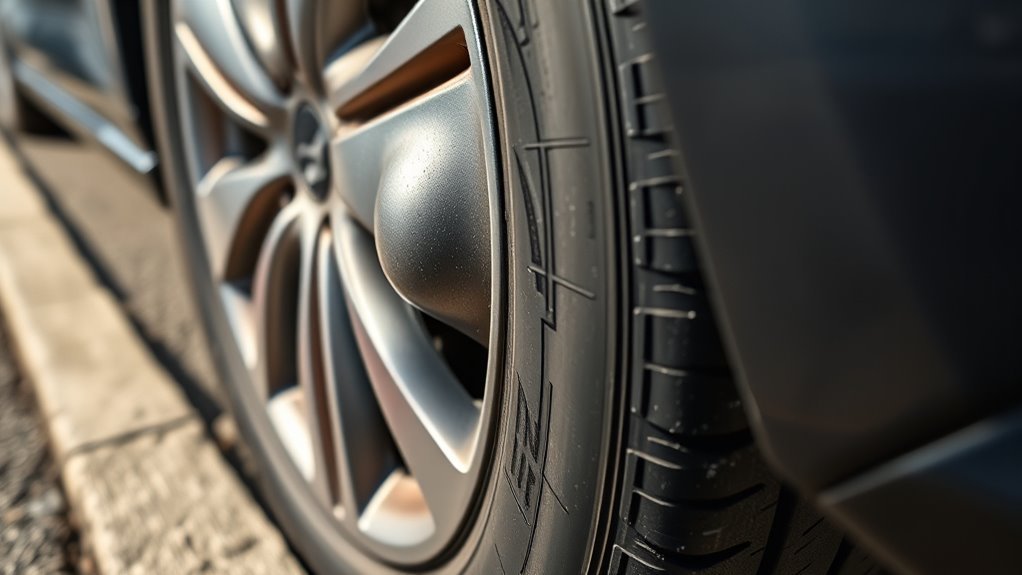
Look at the sidewall and tread in good light. A true bubble usually looks like a raised blister or lump pushing outward from the sidewall. Compare it with the same area on the opposite tire if you are unsure.
| Sign | What to Look For | Action Needed |
|---|---|---|
| Sidewall bubble | Raised outward bulge or blister on the sidewall | Replace the tire immediately |
| Sidewall indentation | Slight inward dip, often vertical | Inspect professionally if uncertain |
| Cracks or cuts | Visible damage, deep cuts, or exposed cords | Replace if structural damage is present |
| Uneven wear | One edge or patch worn faster than the rest | Check alignment, suspension, and pressure |
| Low tread depth | Wear bars flush with tread or failing the penny test | Replace the tire |
For tread depth, Bridgestone explains that 2/32 inch is the common replacement threshold, and that checking multiple spots around each tire helps catch uneven wear. Remember, though, tread depth does not make a sidewall bubble safe. A bubbled sidewall needs replacement even when the tread looks good.
How to Prevent Tire Bubbles
You cannot prevent every road hazard, but good tire habits lower the risk of sidewall damage.
- Use the correct cold PSI. The NHTSA TireWise guide says the correct pressure is the vehicle manufacturer’s recommended pressure on the tire information placard or certification label, not the number molded into the tire sidewall.
- Find your Sonata’s placard. Open the driver door and check the tire and loading label on the door edge or door post. You can also use the official Hyundai owner’s manual portal for your specific model year.
- Check pressure monthly. Measure when the tires are cold, before long driving or at least three hours after parking.
- Avoid potholes and curbs. Slow down when rough pavement is unavoidable and do not climb curbs when parking.
- Respect load limits. Heavy cargo and passengers increase tire stress.
- Replace damaged tires promptly. Do not wait for the TPMS light. TPMS warns about low pressure; it may not warn you about a sidewall bubble.
Pro Tip: After hitting a pothole hard enough to make you wince, check both the tire sidewall and wheel rim. A bent rim, vibration, or new air leak means the car should be inspected before regular driving.
[Products Worth Considering]

This portable cordless tire inflator delivers fast, efficient inflation for cars, motorcycles, bikes, and sports balls with a digital pressure gauge. Use the one-click PSI preset with auto shut-off for accurate, hands-free topping to your target pressure up to 150 PSI. It’s compact and rechargeable with a built-in emergency LED light plus valve adapters and accessories for quick, ready-to-go use.

This roadside assistance kit helps drivers and passengers in urgent situations after an accident or breakdown, providing practical support while waiting for help. It includes a lightweight, compact tire inflator for fast inflation of standard vehicle tires, plus reinforced jumper cable protection for safer handling. Ideal for winter weather, road trips, camping, and travel, with everything stowed neatly in a trunk bag.
Should You Replace One Tire or More?
If only one Sonata tire has a sidewall bubble, that tire must be replaced. Whether you replace one tire, a pair, or all four depends on tread depth, tire age, tire type, and drivetrain needs.
- Replace one tire if the other tires are nearly new, the same model is available, and the tread depth can be closely matched.
- Replace two tires if the matching tire on the same axle is also worn or if a shop recommends keeping tread depth balanced across the axle.
- Replace all four if the tires are old, mismatched, near the wear bars, cracked, or unevenly worn.
Ask the tire shop to check the wheel, alignment, and suspension if the bubble appeared after a hard impact. Replacing the tire without fixing a bent wheel or alignment problem can lead to another tire issue.
Where to Get Professional Tire Inspection for Bubbles
Take your Sonata to a qualified tire shop, Hyundai dealer, or trusted auto repair shop. Many tire retailers will visually inspect a tire at no charge, but the damaged tire may need to be removed from the wheel to confirm the full extent of the damage.
Bring the tire purchase receipt if you have it. A shop can help determine whether the bubble looks like impact damage, road-hazard damage, or a possible defect. Standard tire warranties often exclude pothole or curb damage, but separate road-hazard coverage may help if you bought it.
What If the Tire Blows Out While Driving?
If a tire fails while you are driving, stay calm and keep the vehicle pointed straight. The NHTSA recommends holding the steering wheel with both hands, avoiding sudden braking, gradually releasing the accelerator, correcting the steering as needed, and pulling off the road once the vehicle is stable and it is safe to stop.
After stopping, turn on your hazard lights, stay away from traffic, and call for help if you cannot safely change the tire.
Frequently Asked Questions
What’s the difference between a bulge and a bubble?
For most drivers, a tire “bubble” and an outward sidewall “bulge” mean the same practical thing: the sidewall is pushing outward and the tire should be replaced. The important distinction is between an outward bulge and a slight inward indentation. Inward indentations can be normal on radial tires, but an outward bulge needs professional inspection and usually replacement.
How long can I drive with a bubble on the side of my tire?
You should not keep driving on it. If you are already on the road, slow down gently and pull over somewhere safe. Then use a spare tire if available or call for a tow. A sidewall bubble can fail suddenly, so do not drive to work, finish errands, or take the highway on that tire.
Can a tire sidewall bubble be patched?
No. A sidewall bubble is structural damage, not a simple tread puncture. Tire repair procedures are limited to specific areas of the tread, and the tire must be removed from the wheel for inspection. A bubbled sidewall should be replaced.
Is a tire bubble covered by warranty?
It depends on the cause and your coverage. Bubbles caused by potholes, curbs, or road impacts are usually treated as road-hazard damage, not a manufacturing defect. If you bought road-hazard protection, it may help. If the tire is new and there is no impact evidence, ask the tire seller or manufacturer to inspect it for possible warranty coverage.
Can low tire pressure cause a sidewall bubble?
Low pressure can contribute to sidewall stress because the tire flexes more than intended. That extra flexing can build heat and weaken the tire. However, many bubbles also come from impact damage, such as hitting a pothole or curb.
Will my Hyundai Sonata TPMS warn me about a tire bubble?
Not necessarily. TPMS is designed to warn you when tire pressure is significantly low. A sidewall bubble can exist before pressure drops enough to trigger the warning light, so visual inspection still matters.
Conclusion
Do not ignore a sidewall bubble on your Hyundai Sonata. A true outward bubble means the tire’s structure may be damaged, and that can lead to sudden air loss or a blowout. The safe move is simple: stop driving on that tire, use a spare or tow, and replace it as soon as possible. Regular pressure checks, careful driving around potholes, and quick inspections after impacts can help prevent the next one.
Sources
- NHTSA TireWise — tire pressure, placard guidance, TPMS, and blowout safety.
- NHTSA Tire Safety Brochure — tire pressure, load limits, road hazards, and inspection basics.
- U.S. Tire Manufacturers Association: Tire Repair Basics — repair-area limits and inspection requirements.
- USTMA TISB 21: Sidewall Indentations in Radial Tires — difference between cosmetic indentations and bulges needing inspection.
- NHTSA-hosted Service Bulletin: Tire Sidewall Irregularities — outward bulge guidance and replacement note.
- Hyundai Owner’s Manual Portal — model-specific tire pressure, spare tire, and load-limit information.

Related Articles
7 Winter Tires to Keep Your Hyundai Sonata Safe This Season
You rely on your Hyundai Sonata every day, and winter roads can turn routine drives into risky trips. Choosing the right tires improves safety,…
Read More
7 Snow Tires That Will Transform Your Hyundai Sonata This Season
You rely on your Hyundai Sonata for daily drives, and winter changes everything about traction and stopping distance. Choosing the right tire is one…
Read More
10 Must-Have Summer Tires for Your Hyundai Sonata This Spring
You want a safe, quiet and predictable ride when the temperatures rise, and choosing the right set of summer or touring tires makes a…
Read More