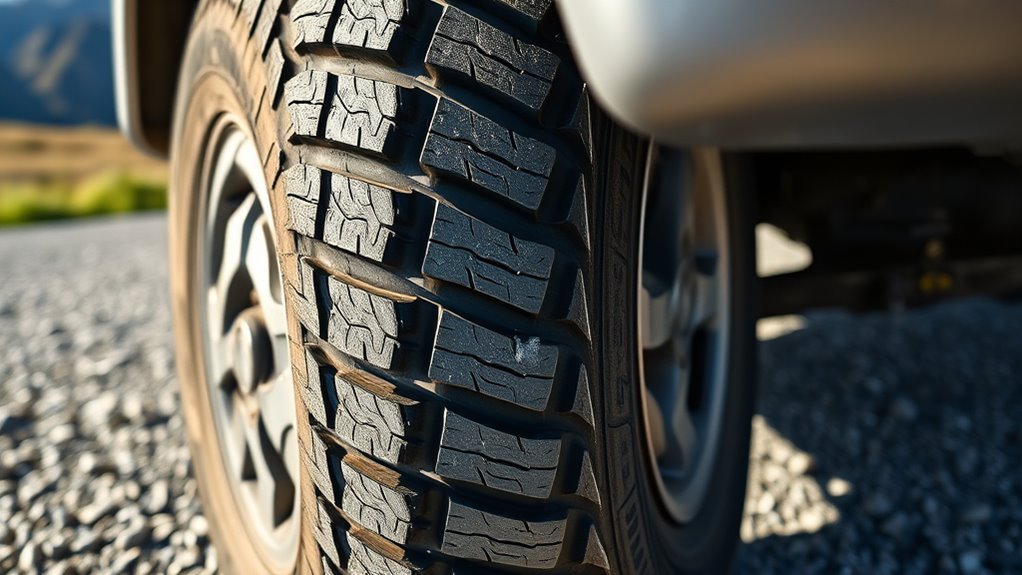
Your Toyota 4Runner’s stock tires do not have one guaranteed lifespan. The exact result depends on the factory tire fitted to your model year and trim, your driving conditions, inflation pressure, rotation schedule, alignment and tire age. Instead of replacing tires at one fixed odometer reading, inspect their tread, condition and performance regularly.
Quick Answer
Stock 4Runner tire life varies too much for one guaranteed mileage figure. Check the tires at every service and replace them when the tread reaches 2/32 inch, damage appears, air loss continues, handling worsens or age becomes a concern. Your door placard and year-specific Toyota manual provide the correct size and cold inflation pressure.
Key Takeaways
- Factory tire brand, model and size can vary by 4Runner year, trim, wheel package and production run.
- Mileage alone cannot tell you whether a tire is safe. Tread depth, damage, age, pressure loss and handling matter more.
- Check cold tire pressure monthly and use the pressure printed on the driver-side placard, not the maximum pressure on the tire sidewall.
- UTQG helps compare relative treadwear, wet traction and heat resistance, but it does not guarantee a specific number of road miles.
- Use winter tires on all four wheels when your conditions require them, and follow the chain restrictions in your exact owner’s manual.
How Long Do Stock 4Runner Tires Actually Last?
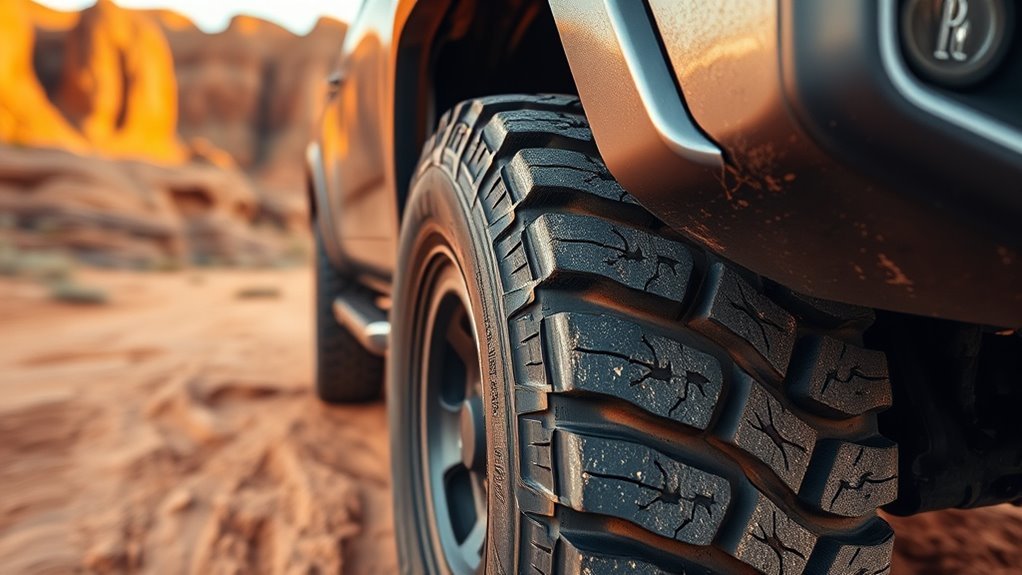
No official mileage number applies to every stock 4Runner tire. Toyota has used different tire sizes and specifications across model years and trim levels, and the actual tire brand may also vary. Start by reading the brand, model, size, load index and speed rating molded into your tire’s sidewall.
You should also check the Tire and Loading Information label on the driver-side door area. That label gives the vehicle manufacturer’s recommended tire size and cold inflation pressure. Toyota’s current 4Runner documentation lists specifications by configuration, so information from a different year or trim may not apply to your vehicle.
Tires used mainly on smooth highways may wear differently from tires exposed to gravel, rocks, deep sand, towing loads or frequent low-pressure off-road driving. Hard acceleration, sharp braking, poor alignment, overloading and incorrect pressure can shorten service life.
Note: Original-equipment tires are designed to balance several goals, including handling, ride comfort, noise, efficiency and cost. That does not automatically make them inferior, but the balance may not match your preferred terrain or climate.
Why One 4Runner’s Tires Last Longer Than Another’s
Two similar 4Runners can experience very different tire wear because their operating conditions are different. The following factors explain most of that variation.
| Factor | Usually Shortens Tire Life | Usually Supports Even Wear |
|---|---|---|
| Driving style | Hard acceleration, late braking and fast cornering | Smooth acceleration, controlled braking and steady cornering |
| Terrain | Sharp rocks, rough trails, potholes and repeated impacts | Mostly paved roads with limited impact damage |
| Pressure | Persistent underinflation or overinflation | Monthly cold-pressure checks using the door placard |
| Rotation | Skipped rotations and ignored uneven wear | Rotation at the interval specified for the vehicle |
| Alignment | Incorrect toe, camber or damaged suspension parts | Prompt inspection after impacts or when wear becomes uneven |
| Load | Overloading or frequent heavy use without pressure adjustment | Staying within vehicle and tire load limits |
Do not assume that gentle highway use always produces perfect wear. A misaligned wheel, worn suspension component or slow leak can damage a tire even when your driving style is careful.
What UTQG Ratings Reveal About Your Stock Tires
The Uniform Tire Quality Grading system provides three ratings for many passenger tires: treadwear, traction and temperature. You can usually find these ratings on the sidewall.
- Treadwear: A relative wear-rate comparison made against a control tire under a standardized test. A higher number suggests slower wear in that test, but it does not promise a specific number of road miles.
- Traction: A grade of AA, A, B or C that relates to straight-line stopping performance on wet pavement under the test procedure. It does not rate snow, ice, dry cornering or off-road grip.
- Temperature: A grade of A, B or C that describes resistance to heat generation and the ability to dissipate heat under test conditions. It is not a cold-weather rating.
The National Highway Traffic Safety Administration recommends using these grades as comparison information. You should still consider the tire’s intended use, fitment, load rating, speed rating, warranty terms and independent test results.
Do not directly compare a treadwear grade with an expected mileage figure. Road surface, inflation, alignment, vehicle weight, driving style and differences between tire designs can change real-world wear.
Do You Need New Tires for Winter? Location Matters
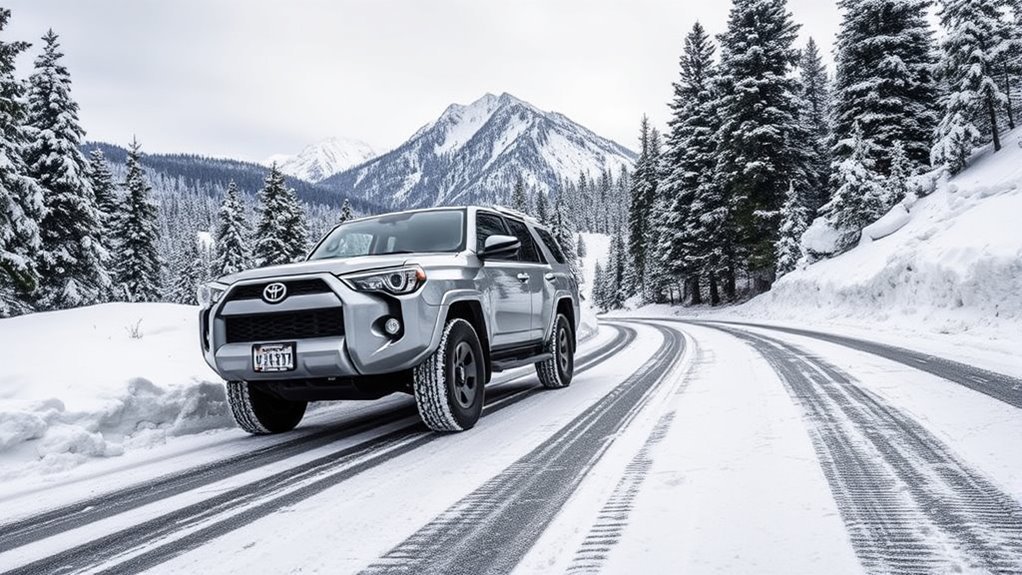
Your winter tire decision should reflect the roads you actually drive. Occasional cold rain in a mild region creates different needs from regular travel through deep snow, packed snow, mountain passes or ice.
[Products Worth Considering]

Measure tire tread depth quickly and accurately with this LUMITECO dial gauge that reads in 1/32" increments up to 14/32". The color-coded green/yellow/red zones make it easy to judge tire wear and know when replacement is needed. A rugged, compact design with a protective pouch helps keep the gauge ready for use on cars, trucks, motorcycles, and more.

Monitor tire tread wear with a smart, color-coded depth gauge that shows clear condition ranges at a glance. The bar is range marked for fast, easy readings, helping you maintain safer traction and performance. Each gauge is portable with a pocket clip, and the set includes 20 units for daily use and sharing.

Steelman white tire marking crayons provide high-contrast, semi-permanent marks for repairing and inspecting tires and equipment. They write on wet or dry, smooth or coarse surfaces including rubber, metal, glass, and wood, making them ideal for puncture location and damage outlining. The lead- and zinc-free crayons resist weather and fading yet wipe away when you no longer need the marks.
Climate Considerations
All-season tires can handle a range of conditions, but they do not provide the same deep-snow capability as dedicated winter tires. If you regularly drive through severe winter conditions, a complete set of suitable winter tires can provide a more appropriate tread pattern and rubber compound.
- Mild winters: A well-maintained all-season or all-terrain tire may be suitable when snow and ice are rare.
- Frequent snow: Consider winter tires with the correct size, load capability and winter-service markings.
- Mountain travel: Check seasonal traction-device laws and the chain restrictions listed in your exact 4Runner manual.
- Mixed conditions: Select tires based on the most demanding conditions you expect to face, not only your normal commute.
Regional Tire Needs
Toyota’s winter guidance recommends fitting snow tires on all four wheels and maintaining the specified air pressure. It also warns against mixing incompatible tires on four-wheel-drive models. Chain compatibility can differ by tire size, so you must check the manual for your year and configuration.
Warning: Do not install winter tires on only one axle of a 4Runner. Unequal traction can make the vehicle less predictable during braking and cornering. Use four compatible tires and follow Toyota’s size, pressure and chain instructions.
See Toyota’s official winter-driving guidance as an example, then select your exact model year in Toyota’s manual library before applying any tire or chain specification.
Maintenance Habits That Extend 4Runner Tire Life
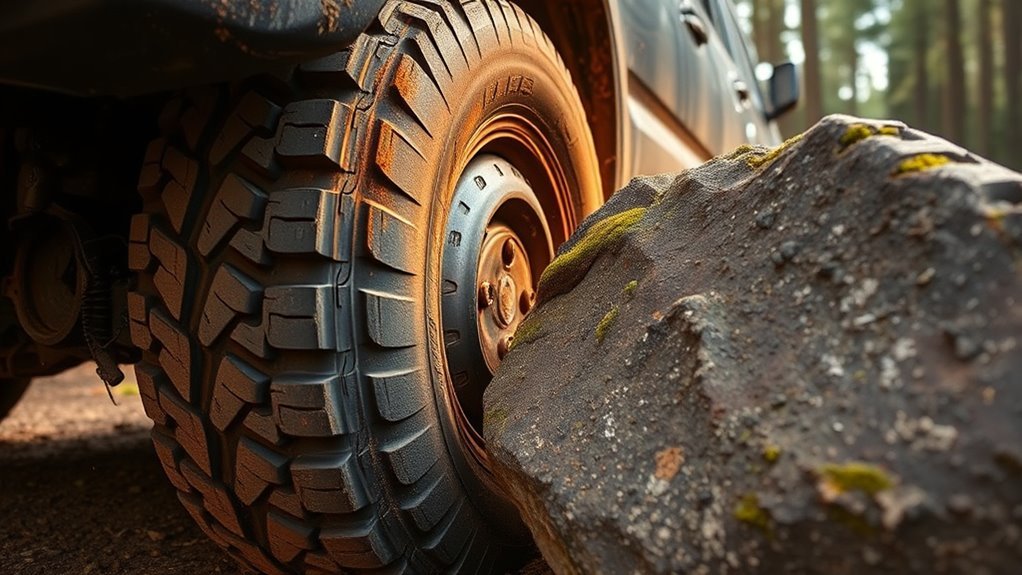
Good maintenance cannot prevent every puncture or impact, but it can reduce irregular wear and help you identify problems before a tire becomes unsafe.
- Check pressure monthly: Measure all tires, including the spare, when they are cold. Use the pressure on the vehicle placard or in the owner’s manual.
- Rotate on schedule: Follow the interval and pattern in your year-specific maintenance guide. NHTSA notes that 5,000 to 8,000 miles is common when the vehicle manufacturer recommends rotation.
- Inspect tread: Measure several points across every tire because the inner, center and outer tread can wear at different rates.
- Watch for damage: Check for cuts, cracking, exposed cords, punctures, bulges and objects lodged in the tread.
- Check alignment: Arrange an inspection if the vehicle pulls, the steering wheel sits off-center or one edge wears faster.
- Balance the wheels: Investigate new vibration rather than assuming it is normal tire noise.
- Respect load limits: Avoid exceeding the vehicle or tire load rating, especially during towing or heavily loaded trips.
- Inspect after off-roading: Look for sidewall cuts, tread chunking, bent wheels and pressure loss after rocky or rough trails.
Pro Tip: Record tread depth at every rotation. A simple log makes it easier to spot one tire wearing faster than the others and can reveal alignment or suspension problems early.
How to Check Whether Your 4Runner Tires Need Replacement
Replace or professionally inspect a tire when any of the following conditions appears:
- The treadwear indicators are level with the tread. NHTSA says tires should be replaced when tread reaches 2/32 inch.
- A sidewall bulge or exposed cord is visible. Do not continue driving on a tire with signs of structural damage.
- The tire repeatedly loses pressure. A recurring leak may involve a puncture, valve, wheel or internal problem.
- Wear is uneven. Cupping, one-sided wear or a worn center can indicate pressure, alignment, balance or suspension issues.
- Noise or vibration changes. New vibration, thumping or instability deserves prompt inspection.
- Wet or winter grip has noticeably declined. You do not have to wait for the wear bars if the tire no longer meets your driving needs.
- The tire is aging. NHTSA notes that some vehicle and tire manufacturers recommend replacement after six to ten years regardless of visible tread.
You can read the tire’s age from the final four digits of its DOT Tire Identification Number. The first two digits identify the production week, and the last two identify the year. A code ending in 2423, for example, indicates the twenty-fourth week of 2023.
Inspect the full-size spare as well. A spare may have deep tread but still be affected by age, low pressure or storage conditions. NHTSA advises against using an aged full-size spare as a routine replacement for a worn road tire.
Should You Replace Stock Tires Early or Wait?
You do not have to replace safe stock tires simply because another tire offers more aggressive styling. However, replacing them before they are fully worn can make sense when the factory tire does not suit your climate, terrain, towing demands or required level of traction.
[Products Worth Considering]

Upgrade your ride with a 2-pack set of 26x1.95 folding mountain bike tires built for dependable traction on mud, rocks, and trail surfaces. A reinforced puncture-resistant layer helps protect against sharp debris, while included butyl inner tubes provide strong sealing and shock absorption. Ready for fast swaps with included tire levers and universal sizing for most bikes.

Milton S-921 pencil tire pressure gauge helps you maintain optimal tire pressure for passenger cars with accurate readings in PSI and kPa. It features a built-in deflator valve for convenient pressure adjustments, plus a single chuck head and nylon indicator bar for easy use on the go. Built from durable plated brass and designed for reliable performance, it’s a practical road trip and cold-weather maintenance tool.
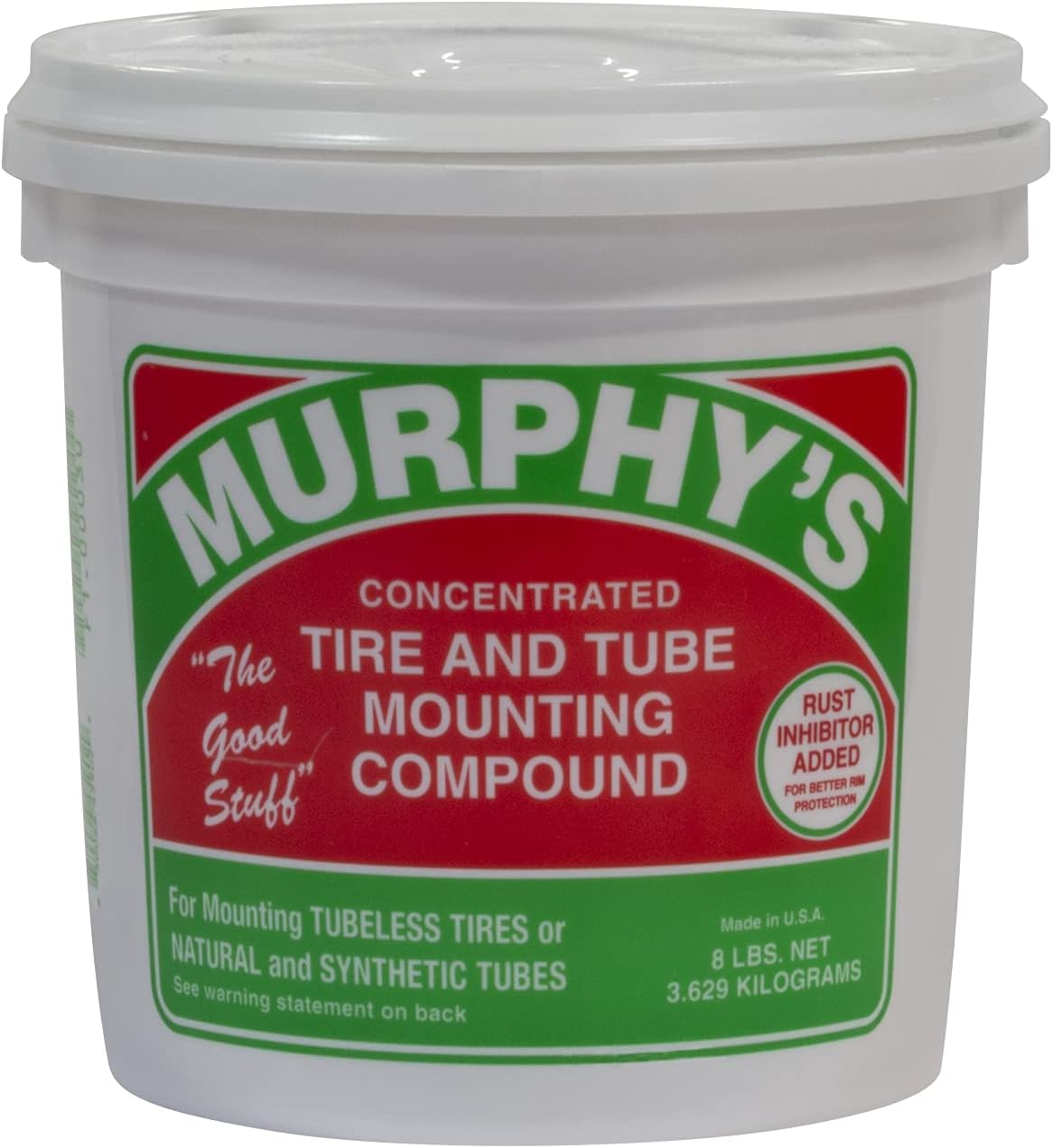
A concentrated tire and tube mounting compound designed to help simplify mounting rubber tires and tubes on passenger, semi truck, construction, and OTR applications. Its ultra-thick formula packs beads effectively and includes rust inhibitors to help protect against corrosion during use.
Performance Trade-offs
Consider what you gain and what you may give up:
- All-terrain tires: May improve loose-surface and trail capability, but can add noise, weight or rolling resistance.
- Highway-terrain tires: Often prioritize quiet road manners and comfort, but may have less aggressive off-road traction.
- Winter tires: Improve suitability for snow and ice, but require seasonal storage and should not be treated as year-round tires unless their manufacturer allows it.
- Heavier-duty tires: May offer stronger construction for demanding use, but can change ride quality and vehicle response.
Compare exact tire models using independent tests that match your needs. A wet-braking test for one size on a passenger car does not automatically predict how another size will behave on a loaded 4Runner.
Financial Timing
Begin researching before replacement becomes urgent. Waiting for a failed inspection, a damaged tire or severe weather can reduce your choices and force a rushed purchase.
If your current set is safe but no longer fits your needs, compare the remaining usable life with the benefit of upgrading. You may choose to continue using it, replace it seasonally or sell it only after a qualified tire professional confirms that it is suitable for continued service.
Do not treat an unused portion of tread as more important than safety. Damage, age or repeated pressure loss can justify replacement even when significant tread remains.
Stock vs. Aftermarket: Which 4Runner Tires Are Right for You?
Stock tires are selected as part of the vehicle’s original ride, handling, noise and efficiency package. Aftermarket tires give you more choices, but the best option depends on your actual use rather than whether a tire is labeled “OEM” or “premium.”
Compare these factors:
- Correct fitment: Match the size, load index, speed rating and wheel requirements specified for your 4Runner.
- Daily driving: Prioritize wet braking, comfort and noise when most mileage is on paved roads.
- Off-road use: Consider tread design, sidewall construction and puncture resistance for your terrain.
- Winter conditions: Look for a suitable winter-service tire when regular snow and ice demand it.
- Treadwear warranty: Read the full terms, including rotation records, eligible sizes and exclusions.
- Fuel use and ride: Heavier or more aggressive tires may affect acceleration, comfort and efficiency.
- Availability: Choose a model and size that can be replaced without excessive delay if one tire is damaged.
The U.S. Tire Manufacturers Association recommends using replacement tires with the size, load index and speed-rating designation required by the vehicle or tire manufacturer. Its replacement-tire guidance also recommends replacing all four tires together when practical.
[Products Worth Considering]

The SAFELIFE dial tire tread depth gauge measures tread depth in 1/32 inch increments with clear, easy-to-read 2-inch dial face. Color zones using a traffic light system help you quickly judge whether tread is low, marginal, or ample for safer driving. Built with a durable zinc cast body and a metal detect probe for precise, comfortable use across cars, motorcycles, trucks, and buses.
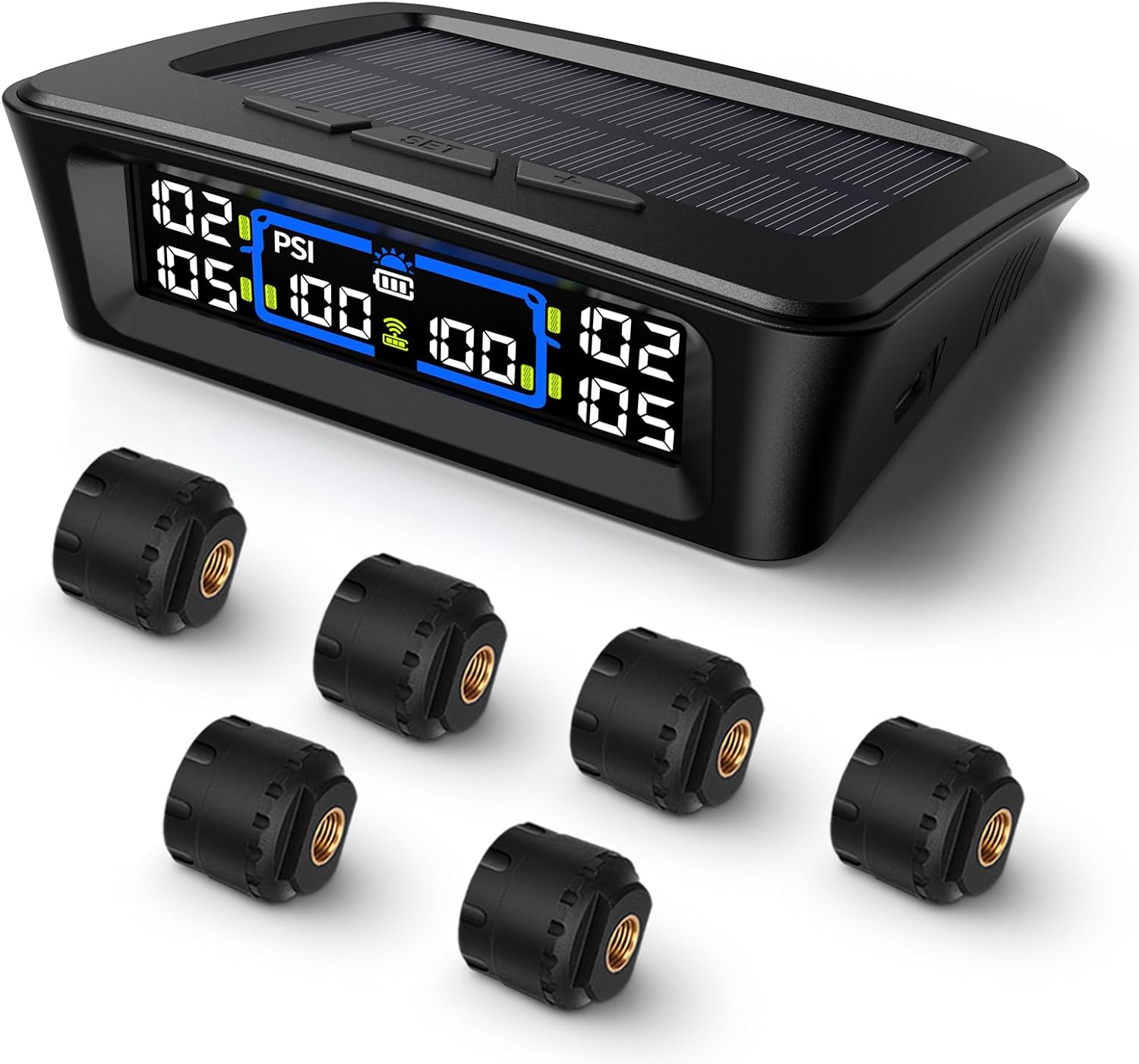
The Tymate TM12 RV TPMS delivers real-time tire pressure and temperature monitoring with a stable 433Hz display for safer long-distance driving. It supports simultaneous monitoring across vehicle and trailer zones, includes six alarm modes for pressure, temperature, leakage, battery, and signal loss, and features easy DIY installation with auto calibration. Power is supplied via USB-C charging or solar recharging, with a wide 0–144 PSI range and up to 50 ft signal coverage for RVs and towable trailers.

Replace your worn or missing TPMS sensors with pre-programmed, direct-fit sensors for compatible Ford, Lincoln, and select Mazda models. Each sensor comes ready to activate with a scan tool, helping restore accurate tire pressure monitoring and trouble-free installation. Built with a long-life CR2032 battery and tested before factory release, this set provides dependable performance with a one-year warranty.
How to Research Replacements Before Your Tires Wear Out
Start by documenting the information on your current tires and vehicle placard:
- Record the tire size, load index and speed rating.
- Confirm the correct cold inflation pressure from the driver-side placard.
- Check the owner’s manual for approved sizes, wheel requirements and chain restrictions.
- List how you use the vehicle, including highway driving, towing, snow, gravel and trails.
- Compare independent wet, dry, snow, noise and rolling-resistance tests for the exact tire category.
- Read the manufacturer’s mileage-warranty terms rather than relying only on the headline mileage.
- Confirm local availability and whether a matching replacement can be obtained later.
- Ask how wheel changes or new sensors affect the tire-pressure monitoring system.
Toyota’s current 4Runner maintenance-data page illustrates why year-specific research matters. Tire sizes, wheel sizes and recommended pressures can differ between configurations.
Do not substitute the maximum pressure printed on a tire sidewall for the vehicle manufacturer’s recommended cold pressure. The sidewall value describes a tire limit, not the normal pressure setting for your 4Runner.
How to Sell Used 4Runner Tires Safely
A tire with remaining tread is not automatically safe to resell. Its history, age, repairs, internal condition, storage and previous pressure or load exposure all matter. Have each tire demounted and inspected by a qualified tire professional before offering it for continued road use.
Warning: Hidden internal damage may not be visible in listing photos. Do not describe a used tire as safe, perfect or road-ready unless a qualified professional has inspected it, and always disclose known punctures, repairs, air loss, impact damage and irregular wear.
Finding Local Buyers
Local owner groups, tire shops and marketplace listings may connect you with buyers who need a matching take-off set. A responsible listing should include:
- The exact brand, model and full tire size
- Load index and speed rating
- Measured tread depth at several points
- The full DOT date code
- Clear photos of both sidewalls and the complete tread
- Any repairs, punctures, plugs, patches or recurring leaks
- Any uneven wear, cracks, cuts, bulges or missing tread blocks
- The professional inspection result
- Whether wheels, sensors or center caps are included
Check your local rules for used-tire sales, fees and disposal. Requirements and market demand vary, so avoid promising a specific selling time or resale percentage.
Using Online Marketplaces
Online marketplaces can reach more buyers, but tires are bulky and expensive to ship. Give buyers enough information to confirm fitment before arranging payment or transport.
| Listing Detail | Why It Matters |
|---|---|
| Exact size and rating | Helps the buyer verify vehicle fitment and load capability |
| DOT date code | Shows when the tire was manufactured |
| Tread measurements | Shows remaining tread and possible uneven wear |
| Repair and damage history | Allows the buyer and installer to assess risk |
| Professional inspection | Helps identify internal or hidden concerns |
The USTMA used-tire safety guidance warns that a used tire’s maintenance, repair and storage history may be unknown and that internal concerns cannot always be identified from an exterior inspection.
Negotiating a Fair Price
Base the asking price on verifiable condition rather than a fixed percentage of new-tire cost. Comparable local listings can provide context, but age, remaining tread, repairs, matching quantity and professional inspection will affect value.
- Measure and photograph each tire separately.
- Price a complete matching set differently from one unmatched tire.
- Disclose defects before discussing payment.
- Avoid hiding old production dates behind general phrases such as “lightly used.”
- Do not pressure a buyer to install a tire before professional inspection.
If a tire is unsafe, damaged or too old for continued use, dispose of it through an approved tire retailer, recycling facility or local waste program instead of reselling it.
4Runner Tire Upgrade Timeline: Plan Your Next Set
Use condition-based checkpoints instead of waiting for one mileage number:
| Stage | What to Do |
|---|---|
| New or recently installed | Record the DOT code, starting tread depth, pressure specification and rotation schedule. |
| Every month | Check cold pressure, tread, sidewalls and the spare. |
| At every rotation | Record tread measurements and investigate any difference between tires. |
| Wear becoming noticeable | Research replacements before weather, damage or inspection creates an urgent purchase. |
| Damage, repeated air loss or poor performance | Arrange immediate professional inspection and replace the tire when advised. |
| Tread at 2/32 inch | Replace the tire. Do not continue normal use at or below the wear indicators. |
Your ideal upgrade point may arrive before the tire is legally worn out. Winter travel, regular off-road use, towing or declining wet grip can justify an earlier change to a tire that better matches your needs.
Frequently Asked Questions
How long should factory Toyota 4Runner tires last?
There is no single guaranteed mileage for every factory 4Runner tire. Tire model, year, trim, terrain, driving style, pressure, alignment, rotation and age all affect service life. Inspect the tires regularly and replace them based on tread, damage, age and performance rather than mileage alone.
What tread depth requires replacement?
NHTSA says a tire should be replaced when its tread reaches 2/32 inch or the treadwear indicators become level with the surrounding tread. Replace or inspect it earlier if you find damage, uneven wear, repeated pressure loss or worsening traction.
What pressure should I use in my 4Runner tires?
Use the cold inflation pressure printed on the Tire and Loading Information label near the driver’s door or listed in the manual for your exact year and configuration. Do not use the maximum pressure molded into the tire sidewall as your normal setting.
Should I replace all four tires on a four-wheel-drive 4Runner?
Replacing all four together is usually the safest way to maintain consistent size, construction, tread pattern and traction. If replacing fewer than four, follow Toyota’s manual and the tire manufacturer’s guidance, and ask a qualified installer to confirm that tread-depth differences will not create a drivetrain or handling problem.
Does off-roading shorten stock tire life?
It can. Sharp rocks, wheelspin, low-pressure operation, sidewall flex and impacts can increase wear or cause damage that normal highway use may not create. Inspect the tread, sidewalls and wheels after difficult trails and restore pressure to the correct road setting before normal driving.
Can I safely sell my used 4Runner tires?
Only offer them for continued road use after a qualified tire professional has inspected them. Disclose the DOT date code, tread depth, repairs, punctures, air loss, uneven wear and known damage. A tire that is unsafe, excessively aged or structurally damaged should be recycled instead.
Conclusion
Your 4Runner’s stock tire life depends on more than the odometer. Identify the exact tire fitted to your vehicle, maintain the correct cold pressure, rotate it on schedule and check for uneven wear, damage and age. Replace tires when their condition or performance demands it, and choose new tires that match your 4Runner’s specified size, load capability and intended use.
Sources
- National Highway Traffic Safety Administration: TireWise — UTQG ratings, tire pressure, tread depth, rotation, tire age and replacement guidance.
- Toyota 2026 4Runner Maintenance Data — model-specific tire sizes, wheel specifications and recommended cold inflation pressures.
- Toyota 4Runner Winter Driving Tips — snow-tire installation, pressure, compatibility and tire-chain precautions.
- U.S. Tire Manufacturers Association: Replacing Tires — replacement size, load capability and guidance for replacing fewer than four tires.
- U.S. Tire Manufacturers Association: Used Tires — hidden damage and safety concerns involving used replacement tires.