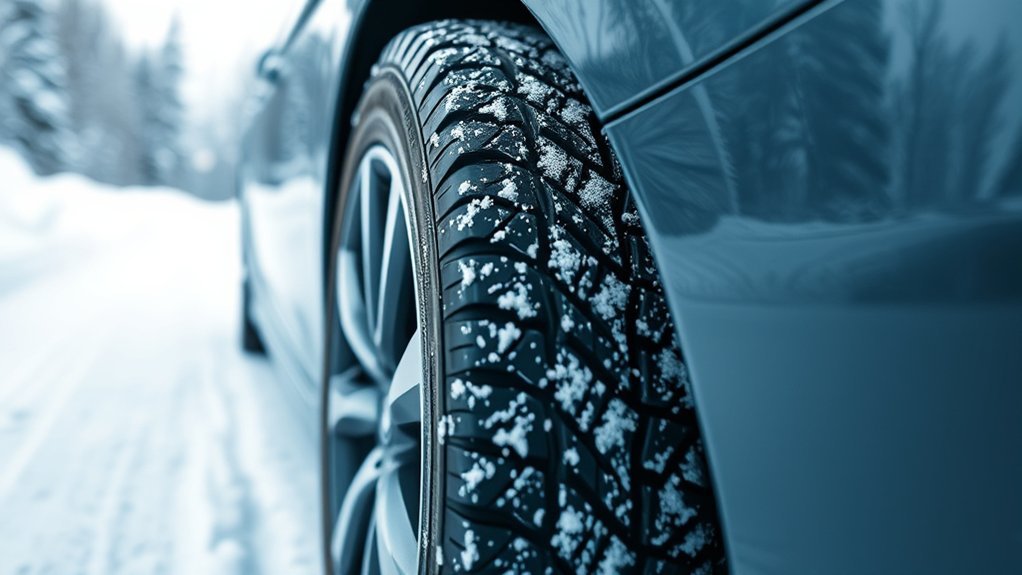
Winter tire rubber compounds are one of the biggest reasons your Honda Accord feels more predictable in cold weather. Unlike summer tires and many standard all-season tires, dedicated winter tires are made to stay pliable as temperatures fall, helping the tread blocks and sipes bite into snow, slush, and icy film instead of skimming over it. For an Accord, the right winter compound can improve braking feel, steering control, and hill starts when roads turn cold and slick.
Quick Answer
Winter tire rubber compounds help your Honda Accord because they stay flexible in cold weather, especially around and below 7°C / 45°F. That flexibility lets the tread maintain better road contact, grip packed snow, clear slush, and brake more confidently than tires that stiffen in winter conditions.
Key Takeaways
- Winter compounds are designed to stay elastic in cold weather, while summer and many all-season compounds can harden and lose grip.
- For an Accord, winter tires should be installed on all four wheels and should match the original tire size and load range recommended for your vehicle.
- Look for the three-peak mountain snowflake symbol for severe snow traction, but remember that snow certification is not the same as a guaranteed ice-braking rating.
- Tread depth and air pressure matter as much as the compound. Check pressure cold and replace winter tires before they become too worn for snow.
How Winter Tire Rubber Compounds Enhance Grip on Snow and Ice
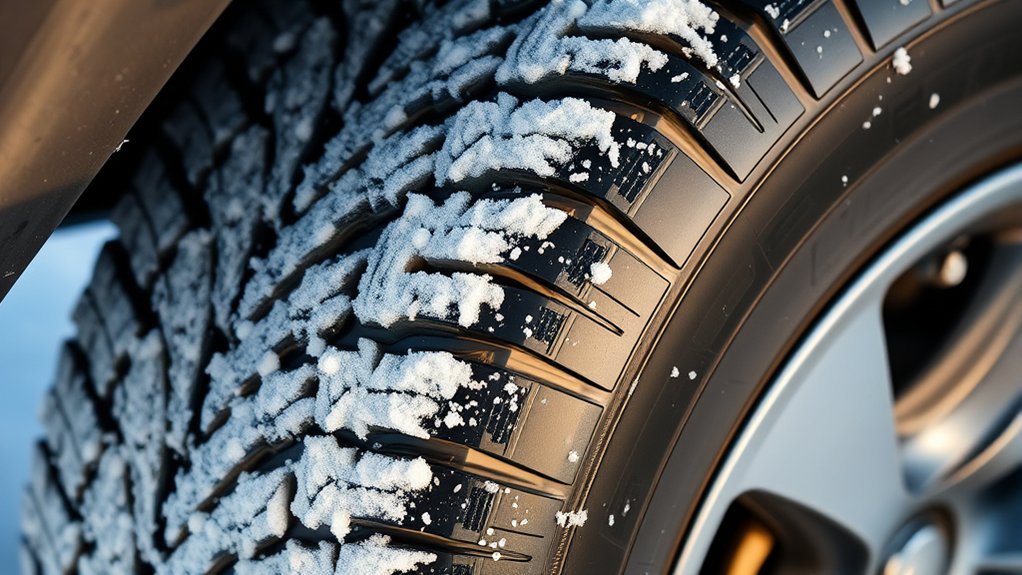
When temperatures drop, the rubber compound becomes just as important as the tread pattern. Transport Canada notes that below 7°C, all-season and summer tires begin to lose elasticity, while winter tires keep their elasticity and grip at much lower temperatures. That flexibility helps the tire conform to tiny road-surface irregularities instead of riding stiffly over them.
Winter compounds often use a softer blend with cold-weather additives such as silica. The exact formula varies by tire maker, but the goal is the same: keep the contact patch active when the pavement is cold, wet, snowy, or icy. Flexible tread blocks can open and close more effectively, allowing the sipes to create biting edges and helping the grooves move snow, water, and slush away from the tire.
This does not make winter tires magic. Braking distance still depends on speed, tread depth, tire model, road surface, temperature, and driver input. But in true winter conditions, a quality winter tire gives your Accord a better chance to accelerate, turn, and stop predictably than a tire that has become stiff in the cold.
The compound gives the tread a chance to work. If the rubber hardens in the cold, even an aggressive-looking tread pattern cannot grip as effectively.
Why Soft Rubber Matters for Cold Weather Driving
Soft rubber matters because winter grip is not only about snow depth. Many winter crashes happen on cold dry pavement, black ice, freezing rain, packed snow, and slush. A tire that stays flexible can maintain more usable contact with the road in these changing conditions.
Benefits of Soft Rubber
Winter tire compounds are softer in cold weather than summer or many standard all-season compounds. That softness helps the tire tread press into rough pavement, packed snow, and icy surface texture. For a Honda Accord, that can make everyday winter maneuvers feel calmer: pulling away from a stop sign, braking for traffic, or steering through a slushy lane change.
The tradeoff is wear. Winter compounds are not designed for hot pavement. If you drive them through warm weather, they can wear faster, feel less precise, and reduce fuel economy. Use them when temperatures are consistently cold, then switch back to all-season, all-weather, or summer tires when the season changes.
Enhanced Traction Performance
The compound and tread design work together. Bridgestone explains that winter tires use softer rubber compounds, deeper tread patterns, and biting edges to help maintain traction on snow, ice, and slush. The compound keeps the tire flexible; the tread blocks, grooves, and sipes use that flexibility to grip.
For Accord drivers, this is especially helpful because most Accords are front-wheel-drive. The front tires handle steering, most braking force, and engine power. If those tires are stiff or worn, the car may push wide in turns or struggle to start on a snowy incline.
Improved Cold Flexibility
Cold flexibility is the biggest difference you can feel when the temperature drops. A winter tire can keep working at temperatures where a summer tire is outside its design range and many all-season tires begin to feel less secure.
| Feature | Winter Tires | Typical All-Season Tires |
|---|---|---|
| Cold-weather flexibility | Designed to stay pliable in cold weather | Can lose elasticity as temperatures fall |
| Snow and slush grip | Deeper grooves and more biting edges | Moderate capability, varies widely by tire |
| Best use | Cold, snow, ice, slush, freezing rain | Mild climates and light winter conditions |
Why Are Winter Tires Essential for Your Accord?
Winter tires are essential for many Accord owners because the Accord is a road-focused sedan, not a high-clearance winter vehicle. Good tires help compensate for low ground clearance, cold pavement, and front-wheel-drive traction demands. They do not replace cautious driving, but they give the car a stronger foundation when roads are cold or slippery.
Warning: Do not install only two winter tires on the front of your Accord. Honda’s current Accord owner guidance says winter tires should be mounted to all four wheels. Mixing winter and non-winter tires can make the car unstable during braking or cornering.
[Products Worth Considering]
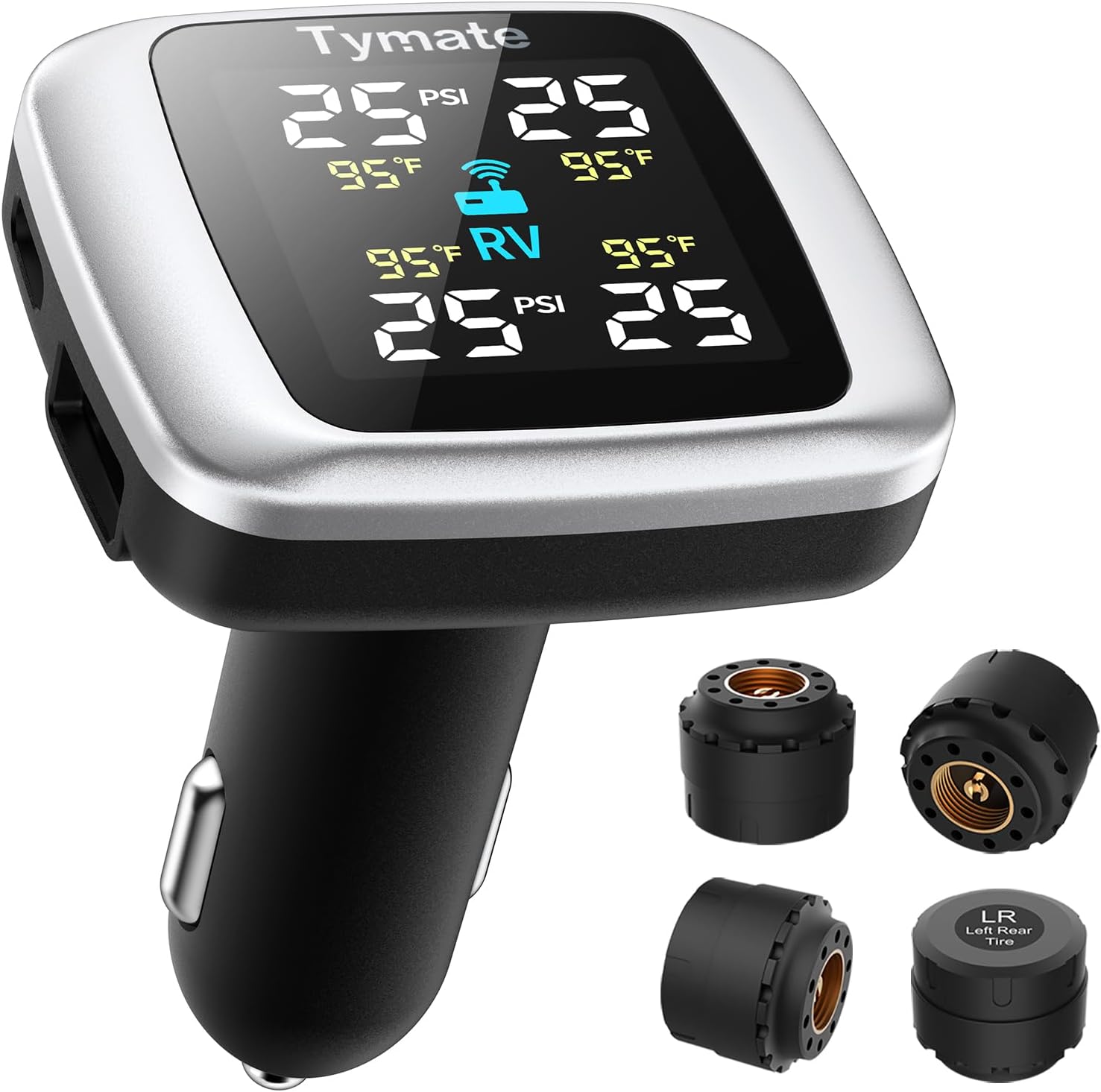
Tymate TM7 is a wireless tire pressure monitoring system that delivers real-time pressure and temperature readings for safer driving. It includes four external sensors, a bright color LCD display with adjustable backlight, and six alarm modes for high/low pressure, fast leakage, high temperature, and sensor signal or battery issues. The system covers a wide 0–144 PSI range and plugs into your vehicle’s cigarette lighter socket for quick DIY setup.

Keep your tires properly inflated with this analog VONDIOR tire pressure gauge, designed for fast, easy readings without batteries. The swiveling, two-axis hose and large glow dial help you measure at any tire angle with instant visibility. Built with a protective rubber shield, it supports durable, low-maintenance use for cars and trucks.

The SAFELIFE dial tire tread depth gauge measures tread depth in 1/32 inch increments with clear, easy-to-read 2-inch dial face. Color zones using a traffic light system help you quickly judge whether tread is low, marginal, or ample for safer driving. Built with a durable zinc cast body and a metal detect probe for precise, comfortable use across cars, motorcycles, trucks, and buses.
Enhanced Traction on Ice
Ice is where compound quality matters most. A flexible winter compound can maintain contact with small surface textures and water films better than a hard tire. Modern studless ice-and-snow tires also use dense siping and specialized tread compounds to create more edges across the contact patch.
That said, ice performance varies heavily by tire model. A three-peak mountain snowflake tire has passed a snow-traction requirement, but that symbol does not mean every winter tire brakes equally well on glare ice. If your winter driving includes freezing rain or frequent black ice, prioritize a studless ice-and-snow tire over a performance winter tire.
Improved Cold Weather Performance
Winter tires are not only for deep snow. They also help in cold rain, slush, early-morning frost, and packed snow. For daily Accord driving, the biggest benefit is predictability: the tire responds more consistently when you brake, steer, or accelerate on cold pavement.
If your area sees only occasional snow but many weeks below 45°F / 7°C, you may also compare dedicated winter tires with severe-snow-rated all-weather tires. All-weather tires can be a practical compromise for mild winters, but dedicated winter tires remain the better choice for frequent snow, ice, and mountain driving.
Shorter Stopping Distances
In winter driving, a few extra feet can matter. Winter tires can significantly shorten stopping distances compared with tires that are not built for cold snow and ice, but no single percentage applies to every tire or road. Your stopping distance depends on your speed, tire model, tread depth, road treatment, temperature, and whether the surface is wet, icy, packed, or loose.
The safest way to think about winter tires is this: they increase your margin for error, but they do not remove the need to slow down and leave more distance between vehicles.
Understanding Tread Design and Its Impact on Performance
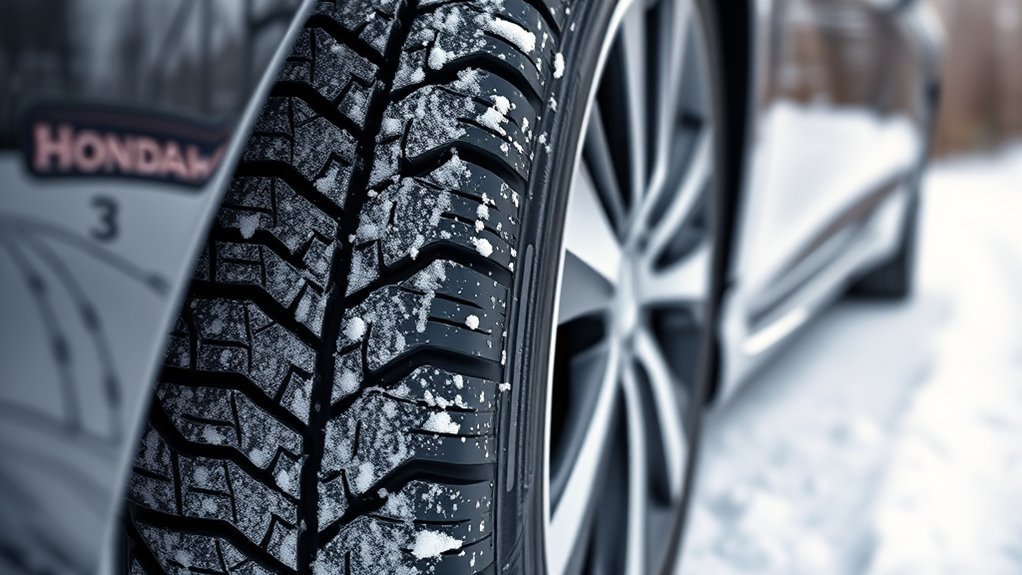
Tread design decides how well the compound can use its grip. Winter tires usually have deeper grooves, more sipes, and block shapes that help snow pack into the tread. This matters because snow can grip snow better than rubber alone, helping the tire claw forward on packed surfaces.
- Deeper grooves: Help the tire move slush and loose snow away from the contact patch.
- Sipes: Small cuts in the tread blocks create biting edges for ice and packed snow.
- Open channels: Reduce the chance of slush buildup and help water escape.
- Flexible blocks: Let the tire conform to uneven winter pavement instead of sliding over it.
Look for the three-peak mountain snowflake symbol when shopping for winter tires. Transport Canada says tires with this symbol meet a snow-traction test and may display the Alpine symbol to help drivers identify winter-capable tires. The symbol is more meaningful than a simple M+S marking, which is based on tread design rather than the same severe-snow performance test.
Note: 3PMSF is a snow-traction symbol. It does not mean every tire with the symbol has the same ice braking, wet braking, comfort, or tread life.
Choosing the Right Winter Tire Compound for Your Driving Style
The best winter tire compound for your Accord depends on where and how you drive. A commuter in cold rain and light slush does not need the same tire as a driver who regularly faces lake-effect snow, mountain passes, or untreated rural roads.
[Products Worth Considering]

Measure tire tread depth quickly and accurately with this LUMITECO dial gauge that reads in 1/32" increments up to 14/32". The color-coded green/yellow/red zones make it easy to judge tire wear and know when replacement is needed. A rugged, compact design with a protective pouch helps keep the gauge ready for use on cars, trucks, motorcycles, and more.

Monitor tire tread wear with a smart, color-coded depth gauge that shows clear condition ranges at a glance. The bar is range marked for fast, easy readings, helping you maintain safer traction and performance. Each gauge is portable with a pocket clip, and the set includes 20 units for daily use and sharing.

The Kurgo Seasonal Tire Tote helps protect your car interior, clothes, and garage from tire grime, brake dust, and residue during seasonal tire changes. Its universal design fits most passenger tires between 22" and 31" in diameter, making storage and transport simpler with less mess. Built for rugged, repeated use, it’s machine washable for easy care and comes with a lifetime warranty.
For City Commuting and Light Snow
Choose a balanced winter tire or severe-snow-rated all-weather tire if your roads are usually plowed and your main challenge is cold pavement, wet snow, and occasional ice. Prioritize quiet ride, wet braking, and predictable handling.
For Heavy Snow and Icy Roads
Choose a studless ice-and-snow winter tire. These tires usually use softer compounds, dense siping, and tread patterns built for packed snow and ice. They may feel less sharp on dry pavement, but they are the right tool for severe winter conditions.
For Highway Driving
Choose a winter tire that balances snow traction with stability, wet braking, and noise comfort. Highway drivers should pay close attention to speed rating, load index, and wear. A tire that feels secure at neighborhood speeds may not feel as composed during long cold highway trips.
For Sportier Accord Trims
If your Accord has larger wheels or a sport-oriented trim, a performance winter tire may preserve sharper steering on cold dry roads. The tradeoff is that performance winter tires usually give up some deep-snow and ice grip compared with studless ice-and-snow tires.
Pro Tip: If you can afford a second wheel set, mount winter tires on dedicated winter wheels that match Honda’s specifications. It can reduce seasonal mounting costs and helps protect nicer wheels from salt and pothole damage.
Accord Installation, Pressure, and Tread Checks
Before buying winter tires, check your Accord’s driver-door placard and owner’s manual for the correct size, load range, and pressure. Honda’s current Accord winter tire guidance says to select winter tires with the same size and load range as the original tires and to mount them to all four wheels.
[Products Worth Considering]

Measure tyre tread depth precisely with a digital gauge that reads in both MM and inches, helping you monitor safe driving conditions. The large LCD screen is easy to operate, and the compact tool fits for cars, trucks, and motorcycles. It provides high accuracy with a 0-25.4mm range and includes a 1-year warranty for added peace of mind.

The 22800 wheel stud installer makes replacing wheel studs quick and secure, saving time and effort during tire service. It uses a ratchet or impact wrench to pull new studs firmly into place, helping when existing studs are too long. Compatible with most automotive wheels and light-duty truck wheel studs, it’s designed for easy, tool-assisted installation.

Accurately measure tire tread depth with a calibrated gauge marked from 0 to 1 inch in 1/32 inch increments. The color-coded bar helps you quickly identify tread condition ranges, supporting safe driving for trucks, motorcycles, automobiles, and passenger vehicles.
Use the Right Size and Load Range
Do not guess based on looks or price. Using the wrong size or load rating can affect ride quality, traction control, ABS behavior, speedometer accuracy, and clearance. If your Accord has larger factory wheels, some owners choose a smaller approved winter wheel size with a taller sidewall, but the overall tire size must remain compatible with the vehicle.
Check Pressure When Tires Are Cold
NHTSA recommends using the vehicle manufacturer’s recommended cold tire pressure from the door placard or owner’s manual, not the maximum pressure printed on the tire sidewall. Check pressure when the tires have not been driven for at least three hours. Cold weather can trigger a TPMS light, but the light is not a substitute for checking pressure with a gauge.
Watch Winter Tread Depth
Winter tires need more tread depth to move snow and slush than tires used only on dry pavement. Tire Rack recommends replacing tires at about 5/32 inch of remaining tread depth for snow driving, while Transport Canada advises not using tires close to 4 mm / 5/32 inch on snow-covered roads. If your winter tires are near that point, they may still look legal but no longer perform well in snow.
Be Careful With Tire Chains
Honda’s current Accord guidance says chains should be installed on the front tires only and warns that the Accord has limited tire clearance. Use only the chain or cable type approved for your model year and tire size, install them tightly, check that they do not contact brake lines or suspension parts, and drive slowly. If you hear contact or rubbing, stop driving and remove them.
Long-Term Advantages of Quality Winter Tires for Your Accord
Quality winter tires are not just a short-term safety upgrade. Used correctly, they can also protect your other tires and make winter driving less stressful.
- Better cold-weather control: Flexible winter compounds help the Accord respond more predictably when the road is cold, wet, snowy, or icy.
- Less wear on your warm-season tires: Switching seasonally lets each tire type work in the temperature range it was designed for.
- More consistent braking and cornering: A full set of winter tires keeps grip more balanced from front to rear.
- Better winter confidence: Good tires reduce the need for harsh steering, braking, and throttle inputs on slippery roads.
Store winter tires properly when the season ends. Keep them clean, dry, and away from direct sunlight, heat, oil, and ozone sources. If they are mounted on wheels, stack them flat or hang them. If they are unmounted, store them upright and rotate their position occasionally.
Frequently Asked Questions
Do Honda Accords handle well in snow?
A Honda Accord can handle light to moderate snow well when it has the right tires, enough tread depth, correct tire pressure, and careful driver inputs. Winter tires make the biggest difference because the Accord’s front tires must handle steering, braking, and acceleration. Ground clearance is still limited, so deep snow can remain a challenge.
What is the 7-for-7 rule for winter tires?
The 7-for-7 rule is an informal planning tip: when temperatures are around 7°C / 45°F or lower for several consistent days, it is time to install winter tires. The core idea is temperature, not the calendar. Winter compounds are designed for cold weather, while many summer and all-season compounds lose elasticity as temperatures fall.
Do I need four winter tires on a Honda Accord?
Yes. Honda’s Accord winter tire guidance says winter tires should be mounted to all four wheels. Installing only two can create uneven grip, which may make the car harder to control during braking, cornering, or sudden avoidance maneuvers.
Is M+S the same as 3PMSF?
No. M+S means mud and snow and is based mainly on tread design. The three-peak mountain snowflake symbol means the tire has met a defined snow-traction performance requirement. For serious winter driving, 3PMSF is the more useful marking to look for.
When should I replace winter tires on my Accord?
Replace winter tires when they are too worn for the conditions you drive in, when they show cracking or damage, or when they have aged beyond the tire maker’s service guidance. For snow driving, start shopping before the tread gets close to 5/32 inch / 4 mm because snow and slush performance drops as tread depth disappears.
Conclusion
Winter tire rubber compounds matter because they help your Honda Accord keep usable grip when cold weather makes ordinary tires stiff and less predictable. The best choice is a full set of winter tires that match your Accord’s required size and load range, carry the right winter traction symbol for your conditions, have healthy tread depth, and are kept at the correct cold tire pressure. Choose the compound and tire category around the roads you actually drive, and winter driving becomes safer, smoother, and easier to control.
Sources
- Transport Canada — Using Winter Tires — backs the 7°C guidance, 3PMSF shopping advice, four-tire installation guidance, air pressure, and tread-depth cautions.
- Honda — 2025 Accord Winter Tires Owner Guidance — backs Accord-specific tire size/load range, four-wheel installation, and tire-chain cautions.
- NHTSA TireWise — Tire Safety Ratings and Awareness — backs cold pressure checks, placard pressure guidance, and TPMS cautions.
- Tire Rack — When Should Tires Be Replaced? — backs tread-depth replacement guidance for snow, wet, and dry driving.
- Bridgestone — Winter and Snow Tires — backs the explanation of softer compounds, sipes, deeper tread, and slush-channeling tread design.
- Transport Canada — Winter Tires Briefing — backs the three-peak mountain snowflake snow-traction standard and limits of ice-performance certification.