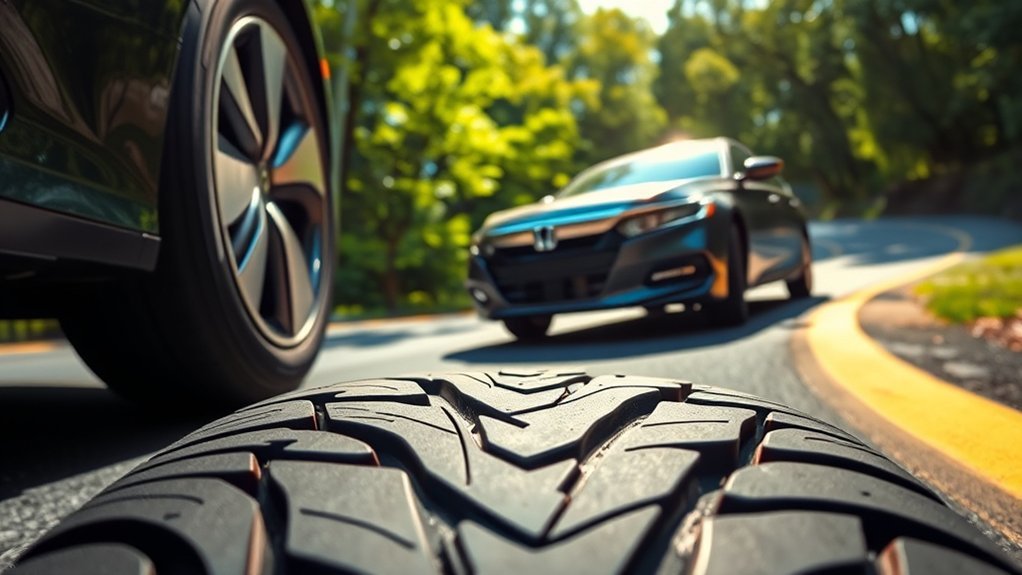
Summer tires can make a Honda Accord feel sharper, more controlled, and more confident in warm weather. They are not the right choice for every driver, but if you live where temperatures stay warm and you care about braking, cornering, and wet-road response, they can be a meaningful upgrade over typical all-season tires.
Quick Answer
Summer tires are worth considering for a Honda Accord if you drive mostly in temperatures above about 45°F/7°C and want stronger warm-weather grip, sharper steering, and shorter braking on dry or wet roads. They are not suitable for snow, ice, or regular cold-weather driving.
Key Takeaways
- Summer tires are designed for warm pavement, where their rubber compound and tread design can improve grip, steering response, and braking.
- Use them only when temperatures are consistently above about 45°F/7°C; they are not safe choices for snow, ice, or regular freezing conditions.
- For a Honda Accord, always match the tire size, load index, speed rating, and cold tire pressure shown on the driver’s doorjamb label or owner information.
- Warm rain does not automatically make summer tires a bad choice, but worn tread, underinflation, standing water, and high speed still increase hydroplaning risk.
The Unique Composition of Summer Tires for the Honda Accord
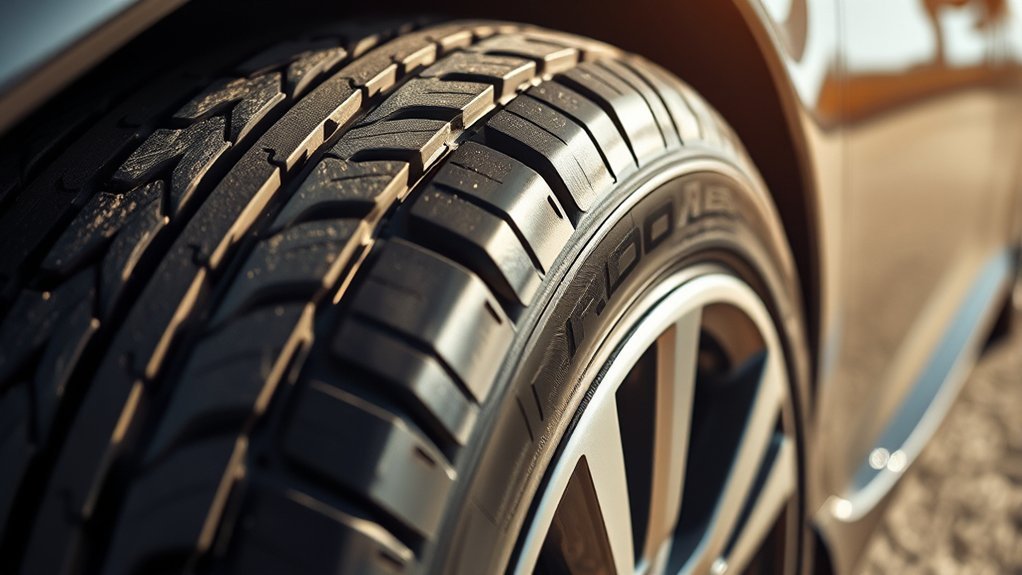
Summer tires use rubber compounds and tread patterns built for warm roads. Compared with many all-season tires, they usually have more emphasis on dry-road contact, steering precision, and warm-weather wet braking. That can make a Honda Accord feel more responsive during lane changes, highway ramps, and quick stops.
The key is temperature. Major tire manufacturers commonly use about 45°F/7°C as the point where seasonal tire choices start to matter. Above that range, summer tires can stay in their intended operating window. Below it, their compound can stiffen, reducing grip and comfort.
Warning: Do not use summer tires as winter tires. If your Accord regularly sees freezing temperatures, snow, ice, or cold rain, choose a quality all-season, all-weather, or dedicated winter tire instead.
[Products Worth Considering]

Monitor tire tread wear with a smart, color-coded depth gauge that shows clear condition ranges at a glance. The bar is range marked for fast, easy readings, helping you maintain safer traction and performance. Each gauge is portable with a pocket clip, and the set includes 20 units for daily use and sharing.

Keep your tires properly inflated with this analog VONDIOR tire pressure gauge, designed for fast, easy readings without batteries. The swiveling, two-axis hose and large glow dial help you measure at any tire angle with instant visibility. Built with a protective rubber shield, it supports durable, low-maintenance use for cars and trucks.

Measure tyre tread depth precisely with a digital gauge that reads in both MM and inches, helping you monitor safe driving conditions. The large LCD screen is easy to operate, and the compact tool fits for cars, trucks, and motorcycles. It provides high accuracy with a 0-25.4mm range and includes a 1-year warranty for added peace of mind.
How Summer Tires Enhance Grip and Performance
Summer tires improve performance by increasing the tire’s ability to stay connected to warm pavement. Their tread blocks and rubber compounds are designed to support harder braking, quicker steering response, and more stable cornering when the road is hot or warm.
For a Honda Accord, that matters because the car is often used as a daily commuter, family sedan, and highway cruiser. Better tires can make routine driving feel more controlled, not just sportier. You may notice:
- Sharper steering: The car responds more directly when you turn the wheel.
- More stable cornering: Warm-weather grip can reduce the vague or slippery feeling some all-season tires have when pushed in heat.
- Stronger braking: A good summer tire can improve stopping confidence on dry and warm wet pavement.
- Better road feedback: The Accord can feel more connected, especially with larger wheel packages.
These benefits depend on the exact tire model, tire size, tread depth, road condition, and maintenance. A worn or underinflated summer tire will not perform like a properly maintained new one.
How Summer Tires Improve Safety and Handling in Wet Weather
Summer tires are not just for dry pavement. Many high-quality summer tires are also designed for warm rain, using tread channels and compounds that help maintain grip on wet roads. The important word is warm. Summer tires can perform well in summer storms, but they are not ideal for cold rain near freezing temperatures.
Wet-road safety depends on more than tire type. Tread depth, tire pressure, speed, standing water, and road surface all affect whether your Accord can brake, steer, and resist hydroplaning.
Hydroplaning happens when water builds between the tire and the road, causing the tire to lose contact with the pavement. A good tread pattern helps move water away from the contact patch, but no tire can ignore deep standing water or excessive speed. Slow down during heavy rain, avoid puddles when possible, and replace tires before wet traction becomes weak.
Summer Tires vs. All-Season Tires: Which Is Best?
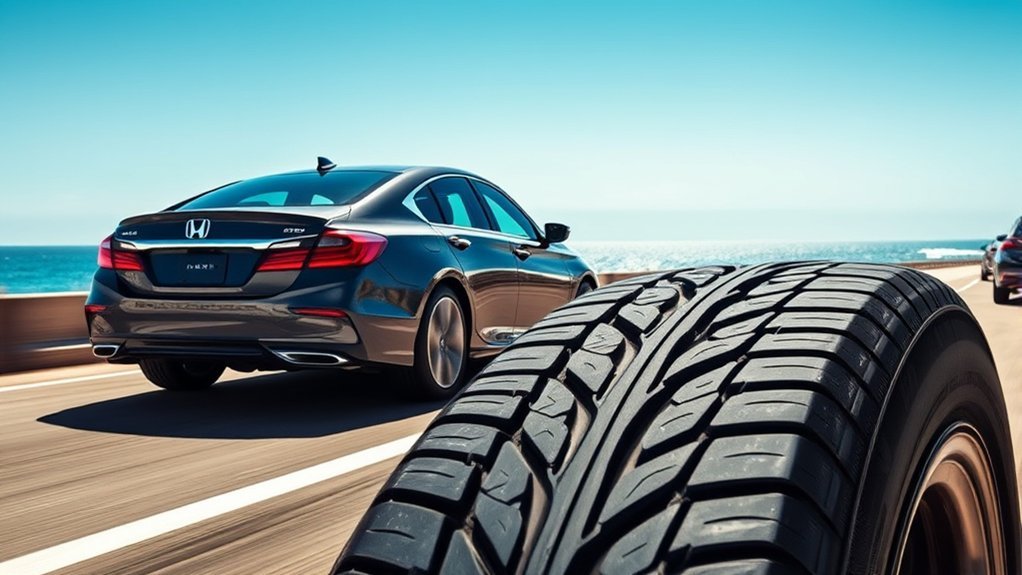
The best choice depends on your climate and driving style. Summer tires are the performance choice for warm weather. All-season tires are the convenience choice for drivers who want one set of tires for a wider range of temperatures.
| Category | Summer Tires | All-Season Tires |
| Best temperature range | Consistently above about 45°F/7°C | Broader mild-weather range |
| Dry handling | Usually sharper and more responsive | Comfortable and predictable, but less focused on peak grip |
| Warm wet grip | Often strong when tread depth is healthy | Good on many modern tires, but varies widely by model |
| Cold, snow, and ice | Poor choice; not intended for winter use | Better for mild cold; winter tires are still best for severe winter weather |
| Convenience | May require seasonal swapping | One-set convenience for many drivers |
If you live in a warm region and rarely see cold mornings, summer tires can be a smart upgrade. If you live somewhere with real winter weather, a two-set strategy—summer tires for warm months and winter tires for cold months—offers better performance than trying to make one tire do everything.
[Products Worth Considering]

These aluminum alloy tire valve stem caps protect the valve core from corrosion and help prevent air leakage for more stable tire pressure. The rubber ring design helps support a secure, safe seal while adding a stylish look to your Honda wheels. Easy to install by hand, these caps are ideal for everyday driving and weather exposure.

The Kurgo Seasonal Tire Tote helps protect your car interior, clothes, and garage from tire grime, brake dust, and residue during seasonal tire changes. Its universal design fits most passenger tires between 22" and 31" in diameter, making storage and transport simpler with less mess. Built for rugged, repeated use, it’s machine washable for easy care and comes with a lifetime warranty.

Milton S-921 pencil tire pressure gauge helps you maintain optimal tire pressure for passenger cars with accurate readings in PSI and kPa. It features a built-in deflator valve for convenient pressure adjustments, plus a single chuck head and nylon indicator bar for easy use on the go. Built from durable plated brass and designed for reliable performance, it’s a practical road trip and cold-weather maintenance tool.
How Temperature Affects Your Tire Performance
Temperature changes how rubber behaves. In warm weather, summer tires can stay flexible enough to grip well while remaining stable under heat. In cold weather, that same compound can become too stiff, which can hurt braking and steering response.
That is why the 45°F/7°C guideline matters. It is not a magic line where every tire instantly changes behavior, but it is a practical point for deciding when summer tires make sense. If your local mornings regularly drop below that range, all-season, all-weather, or winter tires are safer choices.
Note: Tire pressure also changes with temperature. Check your Accord’s tire pressure when the tires are cold, and use the pressure listed on the driver’s doorjamb label or Honda specifications for your exact model.
Summer Tires: Benefits in Wet Conditions
In warm rain, a quality summer tire can provide strong braking and cornering because its compound is still in its intended temperature range. The tread pattern helps evacuate water, while the rubber compound helps the tire stay connected to the pavement.
However, wet-weather performance drops as tread wears down. For rain safety, do not wait until tires are nearly bald. A common legal minimum is 2/32 inch in many places, but wet stopping performance can decline before that. AAA recommends replacing tires at 4/32 inch for safer wet-weather performance.
- Check tread depth monthly: Use a tread-depth gauge rather than guessing by sight.
- Inspect for uneven wear: Feathering, cupping, or one-sided wear can point to alignment or suspension issues.
- Slow down in standing water: Even excellent tires can hydroplane when water is deep enough.
- Keep pressures correct: Underinflation increases heat buildup and can hurt handling and fuel economy.
Top Summer Tire Recommendations for the Honda Accord

The best summer tire for your Honda Accord depends on your wheel size, trim, budget, ride-comfort preference, and climate. Before buying, confirm the tire size, load index, speed rating, and cold inflation pressure on the driver’s doorjamb label or in the owner information for your exact Accord.
Pro Tip: Do not shop by model name alone. A tire that is excellent in one size may not be available or ideal for your Accord’s exact wheel package. Fitment comes first, then performance category.
[Products Worth Considering]

Accurately measure tire tread depth with a calibrated gauge marked from 0 to 1 inch in 1/32 inch increments. The color-coded bar helps you quickly identify tread condition ranges, supporting safe driving for trucks, motorcycles, automobiles, and passenger vehicles.

Measure tire tread depth quickly and accurately with this LUMITECO dial gauge that reads in 1/32" increments up to 14/32". The color-coded green/yellow/red zones make it easy to judge tire wear and know when replacement is needed. A rugged, compact design with a protective pouch helps keep the gauge ready for use on cars, trucks, motorcycles, and more.

The Trivd Frol 1/2" air impact wrench delivers high performance torque up to 1500 ft-lbs with a twin hammer impact mechanism for strong, balanced blows. It features an ergonomic grip, compact lightweight design, and quick-stop control with 3 forward speeds up to 8000 RPM plus a reverse speed. Built for demanding automotive repair and tire shop work, the rear exhaust helps keep debris away from the surface.
Performance Summer Options
These examples are popular performance-focused summer tire lines to compare when they are available in the correct Accord size:
- Michelin Pilot Sport 4 S: A premium max-performance summer tire known for dry and wet traction, precise handling, and strong braking.
- Bridgestone Potenza Sport: A high-performance summer tire aimed at steering response and control in dry or damp conditions.
- Pirelli P Zero: A performance summer tire family used on many premium and sporty vehicles, with versions focused on dry and wet performance.
- Continental ExtremeContact Sport 02: A dynamic summer ultra-high-performance tire designed for responsive handling and wet-road grip.
Do Not Confuse Summer Tires With UHP All-Season Tires
Some tires have sporty names but are not summer tires. For example, the Bridgestone Potenza RE980AS Plus is an ultra-high-performance all-season tire, not a dedicated summer tire. It may be a good choice for drivers who want one set of sporty all-season tires, but it should not be listed as a summer-tire recommendation.
Comfort and Noise Considerations
A performance summer tire may ride firmer and wear faster than a touring all-season tire. If your Accord is mainly a quiet commuting car, balance grip with comfort, road noise, treadwear rating, warranty, and price. The stickiest tire is not always the best daily-driver tire.
Maintenance Tips for Maximizing Summer Tire Lifespan
Good tires still need good maintenance. NHTSA warns that poor tire maintenance, including low air pressure and failure to rotate tires, can contribute to tire failure. For a Honda Accord, build these habits into your routine:
- Check cold tire pressure monthly: Use the pressure on your Accord’s driver’s doorjamb label, not the maximum pressure printed on the tire sidewall.
- Rotate on schedule: Follow Honda’s maintenance guidance or your tire shop’s recommendation to reduce uneven wear.
- Watch tread depth: Replace earlier for wet-weather safety if tread is near 4/32 inch.
- Align when needed: If the Accord pulls, the steering wheel is off-center, or tread wear is uneven, get the alignment checked.
- Balance after installation: New tires and tires that were removed and reinstalled should be properly balanced.
- Store off-season tires correctly: Keep them clean, dry, cool, and away from direct sunlight or ozone sources.
When to Consider Switching to Summer Tires?
Consider summer tires when your daily temperatures are consistently above about 45°F/7°C and your driving priorities include grip, braking, and steering feel. They make the most sense for Accord owners in warm climates, spirited drivers, or anyone who already plans to run a separate winter setup in cold months.
Optimal Temperature Range
Use summer tires when the weather is consistently warm. If your region has surprise freezing mornings, cold rain, or early snow, switch to all-season, all-weather, or winter tires before temperatures fall too far.
Driving Conditions Impact
Summer tires are best on dry pavement, warm wet roads, and hot highways. They are not designed for slush, packed snow, ice, or repeated sub-45°F commuting. If your Accord is a year-round commuter in a four-season climate, one set of all-season tires may be more practical.
Performance Improvement Factors
The biggest improvements usually show up in steering precision, cornering confidence, and warm-weather braking. Drivers who push their Accord through highway ramps, mountain roads, or frequent stop-and-go traffic may notice the difference more than drivers who prioritize quiet ride and long tread life.
Frequently Asked Questions
What are the disadvantages of summer tires?
Summer tires are not suitable for snow, ice, or regular cold-weather driving. They may also wear faster than touring all-season tires, cost more, and require seasonal swapping if you live in a four-season climate.
Are summer and winter tires worth it?
Yes, they can be worth it if you live in a climate with hot summers and cold winters. Summer tires give better warm-weather performance, while winter tires are built for cold, snow, and ice. The downside is the cost and storage of two tire sets.
Can I use summer tires year-round on a Honda Accord?
Only if your area stays warm year-round and rarely drops near 45°F/7°C. If you see freezing temperatures, frost, snow, or ice, summer tires should not be your year-round tire.
Do summer tires help in rain?
Good summer tires can perform very well in warm rain, especially when tread depth is healthy. They still cannot prevent hydroplaning in deep standing water or at excessive speeds, so slow down during heavy rain.
What tire pressure should I use with summer tires on an Accord?
Use the cold tire pressure listed on your Honda Accord’s driver’s doorjamb label or official specifications for your exact model and tire size. Do not use a generic PSI number or the maximum pressure printed on the tire sidewall.
Conclusion
Switching to summer tires for your Honda Accord can make the car feel more confident, responsive, and secure in warm weather. The upgrade is most worthwhile if your climate stays above about 45°F/7°C and you value grip, braking, and handling more than one-set convenience. Just choose the correct size and rating, maintain pressure and tread depth, and switch away from summer tires before cold weather arrives.
Sources
- Michelin: Summer vs. Winter vs. All-Season Tires — supports seasonal tire temperature guidance and tire-category differences.
- Continental: Tires for Summer — supports warm-weather performance, grip, and 45°F/7°C summer tire guidance.
- NHTSA TireWise — supports tire maintenance, inflation, rotation, and tire-safety guidance.
- Honda: Checking Tires — supports using the driver’s doorjamb label or specifications page for correct Accord tire pressure.
- AAA: Worn Tires and Wet-Weather Risk — supports replacing tires around 4/32 inch for wet-weather safety.
- Continental: Aquaplaning — supports hydroplaning explanation and the role of tread patterns in water evacuation.