
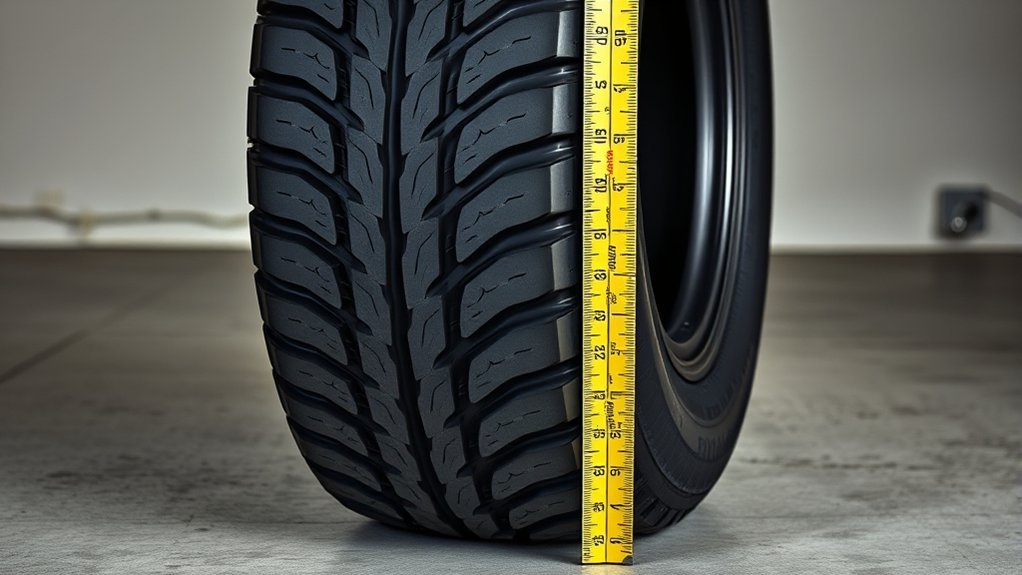
A 285 tire is not automatically one fixed height. The number 285 tells you the tire’s nominal section width in millimeters, while the tire’s height depends on the aspect ratio and wheel diameter. For example, a common 285/75R16 is about 32.8 inches tall and about 11.2 inches wide, while a 285/70R17 is usually very close at about 32.7 to 32.8 inches tall.
Quick Answer
A 285/75R16 tire is about 32.8 inches tall and 11.2 inches wide. A 285/70R17 is usually about 32.7 to 32.8 inches tall. But “285” alone only tells you width, so always read the full tire size before comparing height, clearance, or speedometer changes.
Key Takeaways
- The 285 in a tire size means the tire is nominally 285 mm wide, or about 11.2 inches.
- A common 285/75R16 calculates to about 32.8 inches tall, so people often call it a “33-inch” tire.
- A 285/70R17 is very close in height, usually about 32.7 to 32.8 inches, depending on tire model.
- Real tire dimensions vary by brand, tread design, load range, air pressure, and measuring rim width.
- Before buying 285 tires, check wheel width, offset, fender clearance, load index, speed rating, and your vehicle’s tire placard.
What Does 285 Mean on a Tire?
The 285 in a tire size means the tire’s nominal section width is 285 millimeters. In inches, 285 mm equals about 11.2 inches. This width is measured from sidewall to sidewall, not just across the visible tread.
That is why a tire labeled 285/75R16 is not the same thing as a tire labeled only “33 inches.” The 285 tells you width. The 75 tells you the sidewall height as a percentage of the width. The R means radial construction. The 16 means the tire fits a 16-inch wheel.
You can verify this sizing format with tire-maker guides from Michelin and Bridgestone, which explain section width, aspect ratio, construction type, and rim diameter.
How Tall Is a 285 Tire?
A common 285/75R16 tire is about 32.8 inches tall. That is why it is often grouped with 33-inch tires, even though it is slightly shorter than a true 33.0-inch tire.
Here is the simple math for a 285/75R16:
| Section width | 285 mm ÷ 25.4 = 11.22 inches |
| Sidewall height | 285 mm × 0.75 = 213.75 mm, or 8.42 inches |
| Overall diameter | 16-inch wheel + 8.42-inch sidewall × 2 = 32.84 inches |
A 285/75R16 is close enough to a 33-inch tire for casual comparison, but it is more accurate to call it a 32.8-inch tire.
Note: The calculated diameter is a sizing estimate. Actual tire specs can vary by brand, tread pattern, load range, inflation pressure, and measuring rim width. BFGoodrich notes that its listed sizes are average design values and that section width changes with rim width.
What Is a 285/70R17 Tire?
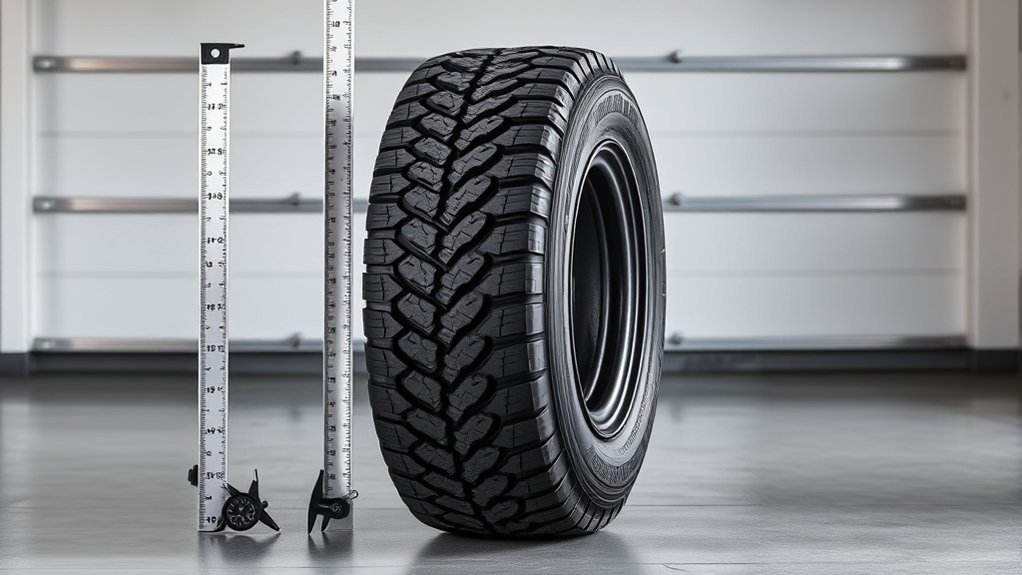
A 285/70R17 tire has a nominal section width of 285 mm, a sidewall height equal to 70% of that width, and a wheel diameter of 17 inches. The calculated diameter is about 32.7 inches, which makes it nearly the same height as a 285/75R16.
Here is the math:
| Sidewall height | 285 mm × 0.70 = 199.5 mm, or 7.85 inches |
| Overall diameter | 17-inch wheel + 7.85-inch sidewall × 2 = 32.7 inches |
| Width | 285 mm, or about 11.2 inches nominal section width |
In real product specs, some 285/70R17 tires list slightly different numbers. For example, a BFGoodrich All-Terrain T/A KO3 LT285/70R17 is listed at 32.8 inches in diameter with 635 revolutions per mile on Tire Rack’s spec sheet.
How Wide Is a 285 Tire?
A 285 tire is about 11.2 inches wide because 285 mm divided by 25.4 equals 11.22 inches. This is the nominal section width from sidewall to sidewall.
Section Width Basics
The 285 width can improve stance and traction compared with narrower tires, but it can also create fitment problems if your wheel offset, suspension clearance, or fender space is tight. Wider tires may also add weight and rolling resistance, depending on the tire model.
| Measure | Value |
|---|---|
| Section width | 285 mm |
| Section width | About 11.2 inches |
285 Tire Measurement
To understand a 285 tire, you need the full size code. In 285/75R16, the tire is about 11.2 inches wide, the sidewall is about 8.4 inches tall, and the overall diameter is about 32.8 inches. In 285/70R17, the width is similar, but the sidewall is shorter and the wheel is larger, so the overall height stays very close.
For revolutions per mile, there are two useful numbers. A simple circumference calculation gives about 615 revs/mile for a 285/75R16. But real tire spec sheets often use loaded rolling measurements, which may be higher. For example, Tire Rack lists the BFGoodrich All-Terrain T/A KO3 LT285/75R16 at 634 revs/mile.
Fitment Considerations
A 285 tire usually works best on wheels around 7.5 to 9.5 inches wide, depending on the exact tire. Some 285 tires list a narrower or wider approved range, so the tire manufacturer’s spec sheet should be the final answer.
Warning: Do not choose a 285 tire by diameter alone. Check your vehicle’s tire placard, owner’s manual, load index, speed rating, wheel width, and clearance. NHTSA recommends using the original tire size or another size recommended by the vehicle manufacturer.
What Do 285 Tire Numbers Mean?
To read a 285 tire code, break it into four parts. Using 285/75R16 as the example:
- 285 = nominal section width in millimeters
- 75 = aspect ratio, meaning the sidewall is 75% of the tire width
- R = radial construction
- 16 = wheel diameter in inches
285 Tire Code Breakdown
The tire code gives you the baseline dimensions you need for fitment. The width affects clearance near control arms, frame rails, sway bars, and fender liners. The aspect ratio affects sidewall height and overall diameter. The wheel diameter must match the wheel exactly.
Sidewall Ratio And Diameter
The sidewall ratio is what turns a 285 tire into a 32-inch, 33-inch, or even taller tire. A 285/60R18 is much shorter than a 285/75R17, even though both are 285 tires. That is why comparing only the first number can lead to a bad fitment decision.
Pro Tip: When comparing tire sizes, compare full sizes, not just width. A 285/75R16, 285/70R17, and 285/65R18 are all 285 tires, but they do not all have the same sidewall height or overall diameter.
285 Tire Dimensions by Rim Size
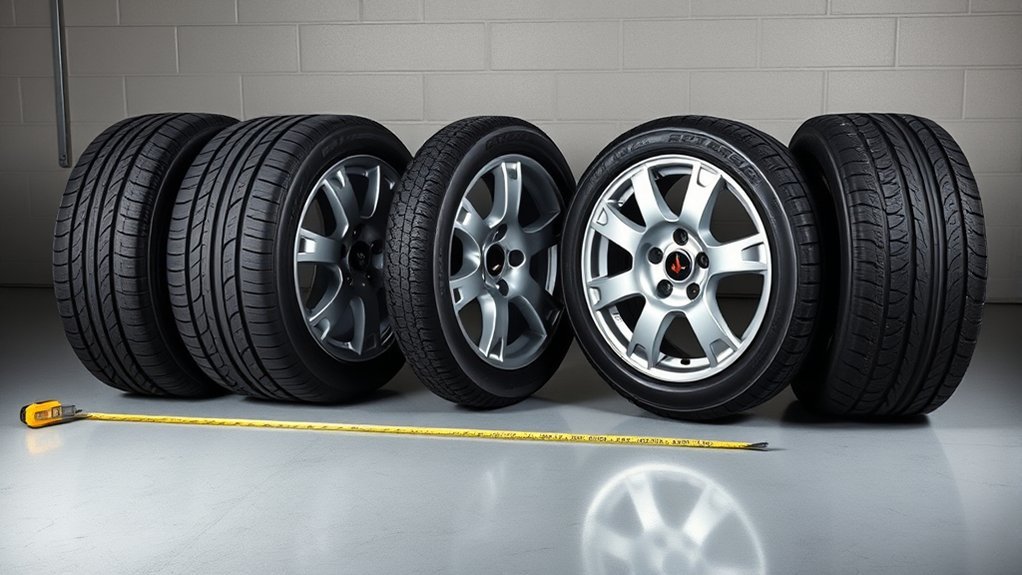
A 285 tire’s height changes with the aspect ratio and rim diameter. Here are common calculated examples:
| Tire Size | Approx. Diameter | Approx. Sidewall | Best Use Case |
|---|---|---|---|
| 285/60R18 | 31.5 inches | 6.7 inches | Lower-profile truck/SUV fitments |
| 285/65R18 | 32.6 inches | 7.3 inches | Balanced daily driving and light off-road use |
| 285/70R17 | 32.7 inches | 7.9 inches | Common 17-inch truck and SUV upgrade |
| 285/75R16 | 32.8 inches | 8.4 inches | Classic “almost 33-inch” 16-inch setup |
| 285/75R17 | 33.8 inches | 8.4 inches | Taller upgrade needing more clearance |
These are calculated sizes. Always compare them with the actual tire manufacturer’s published specs before buying.
Is a 285 Tire the Same as a 33-Inch Tire?
A 285/75R16 is close to a 33-inch tire, but it is not exactly the same. Its calculated diameter is about 32.8 inches, or about 0.2 inches shorter than a true 33.0-inch tire.
In real-world use, many drivers call a 285/75R16 a 33 because the difference is small. But if you are checking tight clearance, gearing, speedometer error, garage height, or suspension travel, use the exact listed tire spec instead of the casual label.
[Products Worth Considering]

This metal-free wheel and tire cleaning brush uses dense, fluffy synthetic wool to safely clean rims, spokes, fenders, and engine areas without worrying about damaging surfaces. Its flexible, comfortable design helps you reach detailed areas while maintaining durability, and the extra absorbent fibers work well with wheel spray cleaners for faster cleanup. Reusable and washable performance helps prevent grime and build-up for cleaner vehicles and easier maintenance at home.

Protect your spare wheel with a waterproof, dustproof tire cover made to resist sun and harsh weather. The elastic band design makes it easy to install and remove without tools, while reinforced stitching helps it keep its shape. Available in multiple sizes, it fits common RV, trailer, Jeep, SUV, and truck spare tires.

This digital tire pressure gauge with built-in inflator helps you accurately check and adjust tire pressure for safer driving and better fuel efficiency. It supports multiple units (PSI, KPA, BAR, KG/CM²) and reads within 1% for reliable results. The 3-in-1 design inflates, deflates, and measures, with a quick-connect air chuck and compatible hose setup for cars, trucks, SUVs, RVs, and motorcycles.
How Do 285 Tires Compare to 33s and 35s?
A 285/75R16 is slightly smaller than a true 33-inch tire and much smaller than a 35-inch tire. Compared with a true 33, the difference is usually minor. Compared with a 35, the difference is obvious: a 35-inch tire adds more ground clearance, more rotating weight, more gearing impact, and usually more fitment work.
| Size | Typical Diameter | Main Difference |
|---|---|---|
| 285/75R16 | About 32.8 inches | Often treated as a practical 33-inch equivalent |
| 33×12.50 | About 33 inches | Usually wider than a 285 and slightly taller |
| 35×12.50 | About 34.5 to 35 inches, depending on model | More clearance, more weight, and more fitment demand |
[Products Worth Considering]

AZUNO’s digital tire inflator delivers stable, accurate pressure readings with a bright LCD and a 0.1 resolution display for confident inflation. It supports one-handed operation for inflating and quick deflating, and it’s built with rugged steel and brass components for reliable shop or garage use. With multi-unit pressure display and compatibility across cars, SUVs, motorcycles, and trucks, it’s a convenient accessory for everyday tire maintenance.

This wheel brush kit delivers pro-level cleaning at home, lifting dirt, grime, and brake dust to help restore wheel appearance. It includes multiple brush styles and applicator pads for tackling different wheel surfaces, with gentle, metal-free bristles designed to reduce scratching risk. The flat and double-ended brushes are built for comfort and reach, making wheel care easier for cars, trucks, and RVs.

Measure tire tread depth quickly and accurately with this LUMITECO dial gauge that reads in 1/32" increments up to 14/32". The color-coded green/yellow/red zones make it easy to judge tire wear and know when replacement is needed. A rugged, compact design with a protective pouch helps keep the gauge ready for use on cars, trucks, motorcycles, and more.
Fitment Checklist Before Buying 285 Tires
Before you order 285 tires, check these points:
- Vehicle placard: Confirm the factory tire size, pressure, and load information on the door placard or in the owner’s manual.
- Wheel width: Make sure your wheel width falls inside the tire maker’s approved rim-width range.
- Offset and backspacing: A wider tire can rub suspension parts on the inside or fenders on the outside.
- Full-lock steering: Check clearance while turning fully left and right.
- Suspension compression: A tire that clears at ride height may rub when the suspension compresses.
- Load index and speed rating: Match or exceed the vehicle’s requirements unless a qualified tire professional confirms otherwise.
- Speedometer change: Taller tires travel farther per revolution, so your speedometer may read lower than actual road speed.
[Products Worth Considering]

This 3-piece wheel and tire brush set makes it easy to clean light, medium, and heavy dirt from wheels, rims, tires, and exterior surfaces. It includes both soft and stiff bristle options for gentle scrubbing and tough grime removal, helping lift brake dust and road buildup. The long-handle design supports comfortable cleaning across cars, trucks, SUVs, RVs, motorcycles, and more, with simple care instructions to restore brush shape.

AUTOWN’s 68-piece tire repair kit helps you fix punctures and plug flats quickly and effectively. It includes a T-handle and spiral probe tool for easy insertion, while the steel patch and plug materials are designed for strong adhesion and long-lasting airtight performance. The compact case makes it convenient for roadside repairs across a wide range of vehicles.
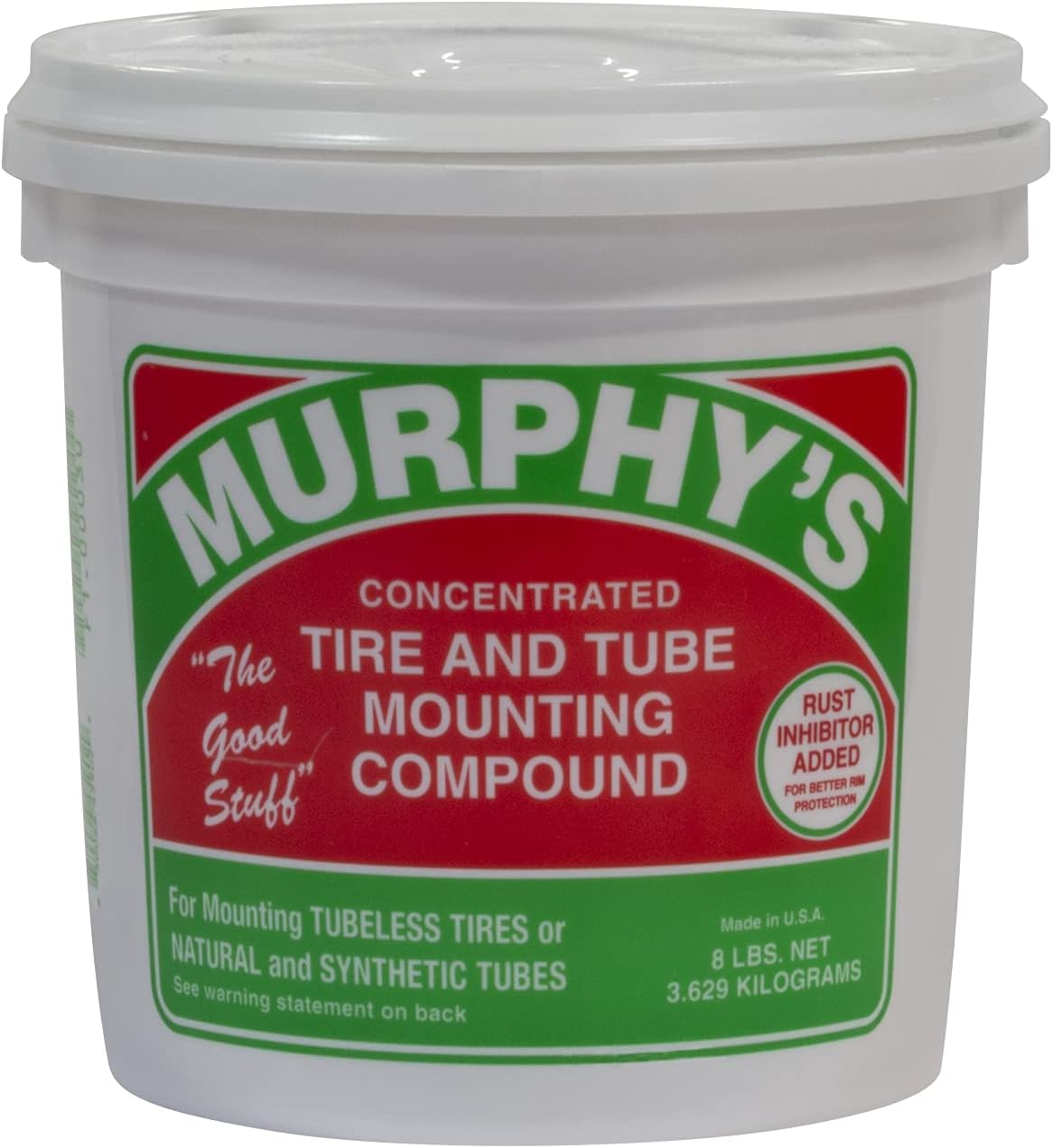
A concentrated tire and tube mounting compound designed to help simplify mounting rubber tires and tubes on passenger, semi truck, construction, and OTR applications. Its ultra-thick formula packs beads effectively and includes rust inhibitors to help protect against corrosion during use.
Frequently Asked Questions
Is a 285 tire a 33-inch tire?
A 285/75R16 is close to a 33-inch tire, but it is not a true 33. It calculates to about 32.8 inches tall. Many people use “33” as a shorthand, but exact fitment should be based on the tire’s published specs.
Is a 285 taller than a 265 tire?
It depends on the full tire size, but a 285/75R16 is taller than a 265/75R16. A 285/75R16 is about 32.8 inches tall, while a 265/75R16 is about 31.6 inches tall. The 285 is also about 0.8 inch wider.
Is a 285 a 32-inch tire?
A 285/75R16 is better described as a 32.8-inch tire. Some people may casually round it down to the 32-inch range or up to the 33-inch range, but 32.8 inches is the more useful number for fitment and speedometer calculations.
Is a 285 or 275 tire taller?
A 285 is not always taller than a 275. The answer depends on aspect ratio and wheel diameter. For example, a 285/75R16 is about 32.8 inches tall, while a 275/70R16 is about 31.2 inches tall. But a different 275 size with a taller sidewall could be closer.
Will 285 tires affect my speedometer?
Yes, if the 285 tire is taller than your original tire. A taller tire rotates fewer times per mile, so your speedometer may read lower than your actual speed. The larger the diameter change, the more noticeable the speedometer difference becomes.
What rim width works with a 285 tire?
Many common 285 light-truck tires are approved for wheels around 7.5 to 9.5 inches wide, but this range is not universal. Always check the exact tire’s published rim-width range before mounting it.
Does 285 mean tread width?
Not exactly. The 285 number refers to nominal section width, measured from sidewall to sidewall. The actual tread width can be narrower and varies by tire model and tread design.
Conclusion
A 285 tire is about 11.2 inches wide, but its height depends on the full size code. If you mean 285/75R16, the answer is about 32.8 inches tall, which makes it close to a 33-inch tire. If you mean 285/70R17, the answer is usually about 32.7 to 32.8 inches tall. For the safest choice, use the exact tire model’s published specs and confirm fitment against your vehicle’s placard, wheel size, load needs, and available clearance.
Sources
- Michelin — Tire Markings Explained — backs up width, aspect ratio, radial construction, rim diameter, load rating, and pressure-label guidance.
- Bridgestone — How to Read Tire Size — backs up section width, aspect ratio, and rim-diameter definitions.
- NHTSA Tire Safety Brochure — backs up using the vehicle placard, owner’s manual, or manufacturer-recommended tire size.
- BFGoodrich All-Terrain T/A KO3 Product Page — backs up manufacturer notes that tire dimensions are average design values and can vary by rim width.
- Tire Rack — BFGoodrich All-Terrain T/A KO3 Specifications — backs up example 285/75R16 and 285/70R17 published diameter, rim-width range, and revolutions-per-mile figures.
