A 295 tire is about 11.6 inches wide because the number 295 is the tire’s nominal section width in millimeters. It does not mean the tire is 295 mm tall or that every 295 is a 35-inch tire. For example, a 295/65R20 is about 35.1 inches tall, while a 295/70R17 is about 33.3 inches tall. To choose the right setup, use the complete tire size, the exact tire manufacturer’s approved rim-width range, and enough fender, frame, brake, and suspension clearance.
Last updated: August 18, 2026. Rim-width guidance, fitment advice, source links, schema, and size-comparison information were reviewed and updated.
Quick Answer
A 295 tire is roughly 11.6 inches wide by nominal section width, but its height depends on the full size code. A 295/65R20 is about 35.1 inches tall, while a 295/70R17 is about 33.3 inches tall. There is no universal rim width for every 295 tire, so verify the approved rim-width range for the exact tire model and check clearance at full steering lock and suspension compression.
Key Takeaways
- The number 295 means the tire’s nominal section width is 295 mm, or about 11.6 inches.
- A 295 tire is not automatically a 35-inch tire. The aspect ratio and wheel diameter determine the calculated overall height.
- A 295/65R20 is about 35.1 inches tall, while a 295/70R17 is about 33.3 inches tall.
- The complete tire size and exact tire model determine the manufacturer-approved rim-width range. The number 295 alone does not.
- Wheel offset, backspacing, load index, overall diameter, and clearance must be checked before installing a different tire size.
What Does 295 Mean on a Tire?
The number 295 tells you the tire’s nominal section width in millimeters. Section width is measured from sidewall to sidewall. It is not the same as tread width, and it does not tell you the tire’s total diameter.
To convert 295 mm into inches, divide by 25.4:
295 mm ÷ 25.4 = 11.61 inches, so a 295 tire is usually described as about 11.6 inches wide.
The rest of the tire size matters just as much. In a size like 295/65R20, the 65 is the aspect ratio, R means radial construction, and 20 means the tire fits a 20-inch wheel. Without those extra numbers, you cannot calculate the tire’s total height.
295 Tire Size in Inches and Millimeters
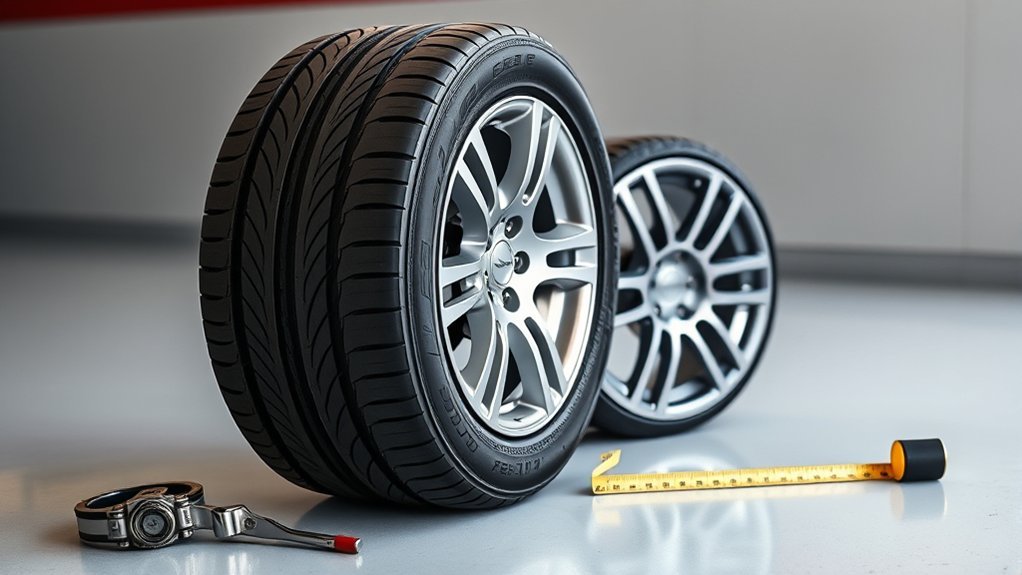
A 295 tire has a nominal section width of 295 mm, or about 11.6 inches. Its total height depends on the complete size. Use this basic formula for a metric tire:
- Sidewall height: section width × aspect ratio
- Overall diameter: two sidewalls + wheel diameter
- Width conversion: millimeters ÷ 25.4 = inches
For a common 295/65R20, the calculation looks like this:
- Section width: 295 mm ÷ 25.4 = 11.6 inches
- Sidewall height: 295 × 0.65 = 191.75 mm, or about 7.55 inches
- Overall diameter: 7.55 + 7.55 + 20 = about 35.1 inches
Note: These are nominal calculated dimensions. Actual mounted dimensions can vary by tire model, tread design, inflation pressure, load, and the measuring rim specified by the manufacturer.
295 Tire Sizes at a Glance
| Tire Size | Approx. Diameter | Nominal Width | What It Means |
|---|---|---|---|
| 295/65R20 | 35.1 in | 11.6 in | Close to a 35-inch tire in calculated height, but narrower than a nominal 35×12.50 size. |
| 295/70R17 | 33.3 in | 11.6 in | Closer to a 33-inch tire even though its nominal section width is still 295 mm. |
| 295/60R20 | 33.9 in | 11.6 in | Shorter than a 295/65R20 because its aspect ratio is lower. |
The table shows why 295 by itself is a width, not a complete tire size. Three tires can share the same nominal 295 mm section width while having noticeably different overall diameters.
How Wide Is a 295 Tire?
A 295 tire is about 11.6 inches wide by nominal section width. Compared with a 275 tire, the nominal difference is 20 mm, or about 0.8 inch overall. If wheel position stays unchanged, part of that extra section width can reduce inner clearance and part can extend farther outward. The exact position depends on wheel width, offset, and the actual mounted dimensions of the tire.
295 Tire Width
The 295 measurement is the tire’s section width, not a guaranteed tread width. Tread width and shoulder shape vary by tire model. An all-terrain, mud-terrain, highway, and performance tire can therefore have different tread profiles even when each tire uses a 295 section-width designation.
Mounted section width can also change with the wheel used for measurement. That is why close-clearance fitments should be checked using the exact tire model’s specification sheet instead of relying only on a generic tire-size calculation.
Rim Fitment Range
There is no universal approved rim-width range for every 295 tire. The complete size and exact tire model determine which wheel widths the tire manufacturer approves. A 295/30 performance tire, a 295/60 light-truck tire, and a 295/70 light-truck tire should not be assumed to use the same rim-width range simply because all three begin with 295.
Before mounting the tire, check the manufacturer’s specification table for two different values:
- Approved rim-width range: the wheel widths permitted for that exact tire size and model.
- Measuring rim width: the wheel width used when the manufacturer publishes section width and other dimensional data.
| Fitment Question | What to Check |
|---|---|
| How wide is the tire? | Start with 295 mm, then check the tire maker’s published section width on its measuring rim. |
| Will it mount on my wheel? | Check the exact tire model’s approved rim-width range. |
| Will it rub inside? | Check wheel offset/backspacing plus clearance to suspension, frame, brake lines, and sway-bar components. |
| Will it rub outside? | Check the fender, liner, mud flap, bumper edge, and wheel position through the full steering range. |
| Can it carry the vehicle? | Check the vehicle placard and the new tire’s load index or load capacity and required inflation guidance. |
Clearance Considerations
Width is only one part of fitment. A 295 tire can contact the fender liner, mud flap, control arm, sway bar, frame rail, or bumper depending on the vehicle, wheel position, suspension, alignment, and tire model. A taller 295 size also needs enough vertical clearance when the suspension compresses.
Warning: Do not choose a replacement tire by width alone. Check the vehicle tire placard, owner’s manual, load requirements, speed rating, the tire manufacturer’s approved rim-width range, and physical clearance before installing a different size.
What Rim Width Fits a 295 Tire?
The correct rim width comes from the specification for the complete tire size and exact tire model, not from 295 alone. Before ordering a wheel or mounting a tire, find the manufacturer’s published approved rim-width range and confirm that your wheel falls inside it.
When checking the tire maker’s specification sheet, verify these details:
- Approved rim-width range: the wheel widths permitted for that exact tire.
- Measuring rim width: the wheel width used to publish the tire’s measured section width.
- Load index or load capacity: the replacement tire must satisfy the vehicle’s requirements.
- Speed rating: confirm the replacement is appropriate for the vehicle and intended use.
- Overall diameter: a meaningful change can affect clearance, gearing, speedometer readings, and vehicle systems.
- Wheel offset and backspacing: these determine where the tire sits relative to the suspension and body.
Pro Tip: Do not use another 295 tire’s rim range as proof that your tire fits the same wheel. Verify the exact size and model on the manufacturer’s current specification sheet.
[Products Worth Considering]

BAURATTI tire valve stem caps provide corrosion-resistant protection using anodized aluminum alloy with a plastic liner to help prevent rust and cracking. Designed for universal compatibility with standard Schrader valve stems, they install easily by hand and fit cars, SUVs, trucks, RVs, motorcycles, and bikes. Each pack includes 8 caps to support everyday replacement and sharing.

This professional wheel and rim cleaning brush set lifts brake dust, grime, and dirt with soft, scratch-free microfiber and synthetic wool fibers. The rim brush bends up to 360 degrees for easy access to hard-to-reach areas around spokes, lips, and faces. Ideal for thorough cleaning of car, truck, motorcycle, bicycle, RV, and more wheel and tire surfaces.

This 3-piece wheel and tire brush set makes it easy to clean light, medium, and heavy dirt from wheels, rims, tires, and exterior surfaces. It includes both soft and stiff bristle options for gentle scrubbing and tough grime removal, helping lift brake dust and road buildup. The long-handle design supports comfortable cleaning across cars, trucks, SUVs, RVs, motorcycles, and more, with simple care instructions to restore brush shape.
295 Tire Fitment, Backspacing, and Clearance
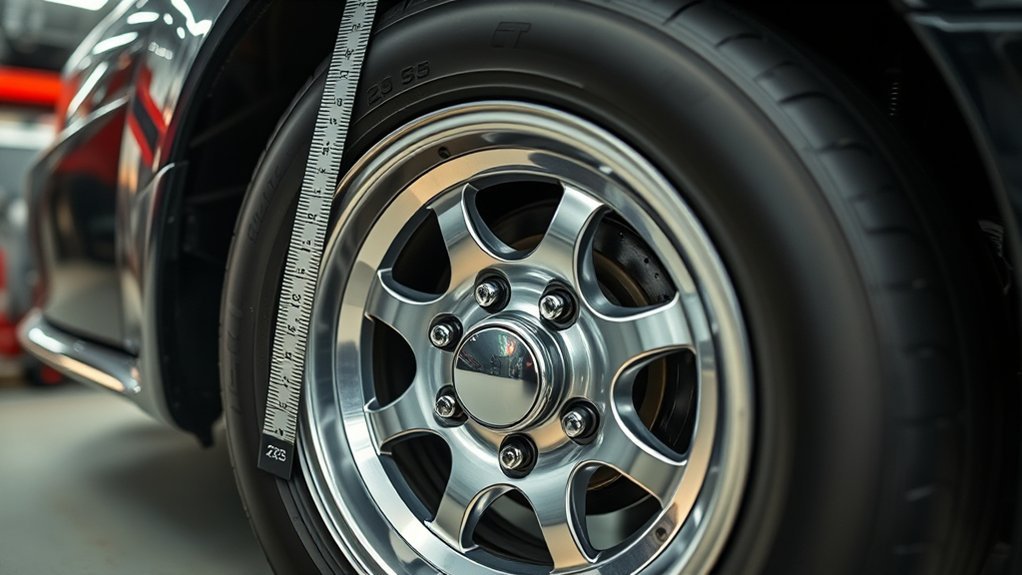
Backspacing and offset control where the wheel and tire sit in the wheel well. More positive offset generally positions the wheel farther inward relative to a lower-offset version of the same wheel. Reducing positive offset or moving into negative offset moves the wheel farther outward. The final clearance still depends on wheel width, so there is no single offset or backspacing number that fits every truck or SUV.
Use this checklist before installing 295 tires:
- Confirm the full tire size. A 295/65R20, 295/70R17, and 295/60R20 are different heights.
- Check the vehicle placard and owner’s manual. Confirm that the replacement tire’s size and load capability are suitable for the vehicle.
- Verify approved rim width. Do not mount the tire on a wheel outside the tire manufacturer’s approved range.
- Compare overall diameter. A substantial diameter change can affect speedometer accuracy, effective gearing, vehicle electronics, and clearance.
- Measure inner clearance. Check the frame rail, control arm, sway bar, brake lines, and nearby suspension components.
- Measure outer clearance. Check the fender lip, liner, mud flap, bumper edge, and body-mount area where applicable.
- Test full steering lock. Turn left and right and inspect the entire travel path for contact.
- Check compression clearance. A tire that clears while parked can still contact the body or suspension when the suspension compresses.
If clearance is tight, the appropriate solution may be a different wheel specification, a smaller tire, or a vehicle-specific suspension/body-clearance solution. Wheel spacers alter wheel position and should only be used when they are appropriate for the vehicle, wheel, fastener engagement, and manufacturer requirements.
[Products Worth Considering]

This 3-piece wheel brush set makes it easy to clean wheels and tires with soft, scratch-free brushes designed for lifting brake dust and grime. The flexible rim brush bends up to 360 degrees to reach hard-to-access areas for a thorough clean, while the comfortable grip helps control during detailing. A dedicated detailing brush supports gentle cleaning for sensitive surfaces, including interior use.

This universal wheel alignment tool helps you accurately restore tire tilt angles after tire or suspension repairs using an adjustable camber gauge. It features a powerful magnetic base that firmly attaches to brake rotors for stationary, slip-free readings, improving consistency during measurement. Built from durable PC plastic, it resists wear and corrosion and is compact enough for car, truck, RV, and motorcycle alignment tasks.
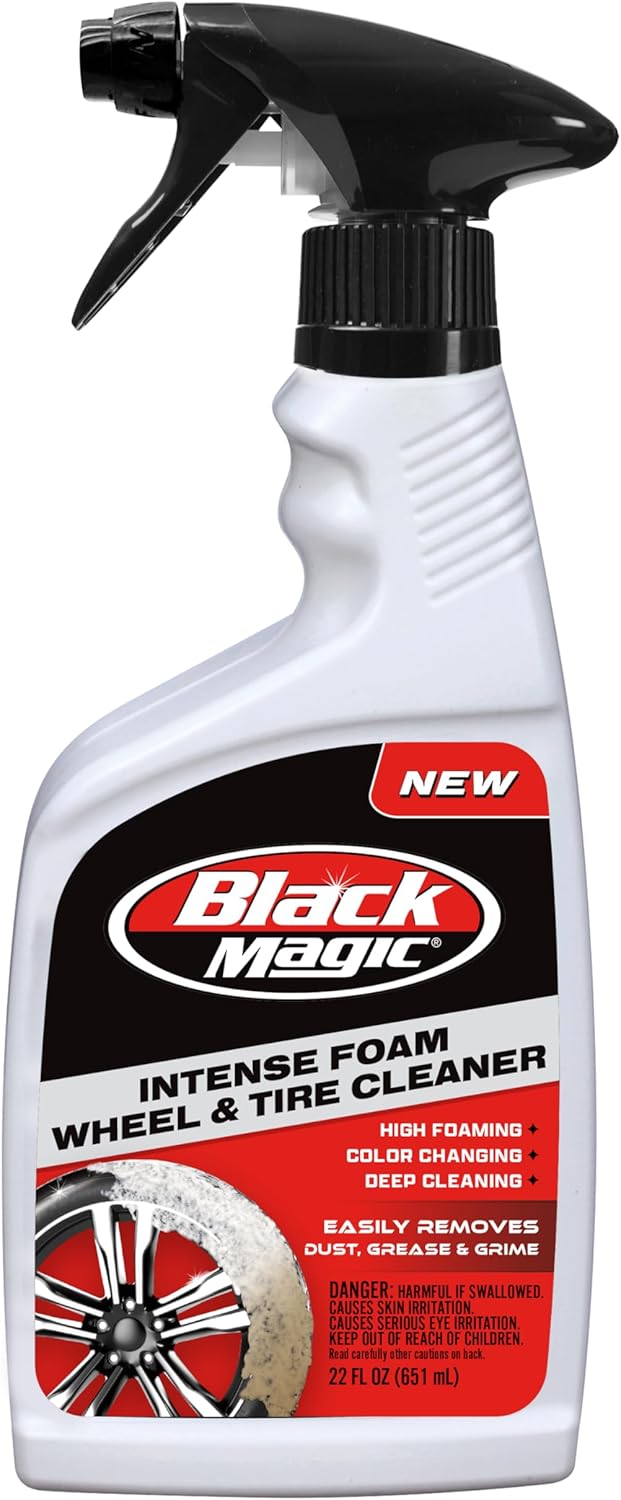
Black Magic Intense Foam Wheel & Tire Cleaner uses a high-foaming action to lift away dirt, grime, and brake dust without scrubbing. The color-changing formula helps show contaminants being dissolved as foam turns from white to brown. Safe for all wheel types and even wheel wells, it leaves a like-new, slick finish with a fresh cherry scent.
295 Tire Vs 275 and 35-Inch Tires
A 295 tire is nominally 20 mm wider than a 275 tire, or about 0.8 inch. Whether a 295 is close to a 35-inch tire depends on the complete metric size. A 295/65R20 calculates to about 35.1 inches in diameter, while a 295/70R17 calculates to about 33.3 inches.
| Tire Size | Approx. Diameter | Nominal Width | Fitment Note |
|---|---|---|---|
| 275/65R20 | 34.1 in | 10.8 in | Nominally narrower and about 1 inch shorter in overall diameter than 295/65R20. |
| 295/65R20 | 35.1 in | 11.6 in | Close to 35-inch calculated height while remaining narrower than a nominal 35×12.50 size. |
| 35×12.50R20 | Nominal 35 in | Nominal 12.5 in | Similar nominal height category, but roughly 0.9 inch wider by size designation than a 295. |
| 295/70R17 | 33.3 in | 11.6 in | Same nominal 295 mm width as 295/65R20, but substantially shorter overall. |
Width Difference Explained
Going from 275 to 295 adds 20 mm of nominal section width. That is about 0.79 inch overall. If wheel width and offset stay the same, the additional section width can reduce clearance on both sides of the tire. Changing wheel width or offset can change how much of the extra width sits inward or outward.
35-Inch Comparison
A 295/65R20 is often grouped with 35-inch tires because its calculated nominal diameter is about 35.1 inches. Its nominal section width is about 11.6 inches. A 35×12.50R20 uses a wider nominal size designation. Actual manufacturer-listed dimensions can differ from the numbers printed in the size name, so compare the exact models if clearance is close.
Fitment And Clearance
Compared with a 275/65R20, a 295/65R20 adds about 1 inch of calculated overall diameter and about 0.8 inch of nominal section width. Half of the diameter increase is below the axle and half is above it, so the calculated axle-height increase is about 0.5 inch before tire deflection and load are considered. The width increase also affects inner and outer clearance, with final position controlled by the wheel specification.
How Does a 295 Tire Affect the Speedometer?
The number 295 by itself does not change the speedometer. The important measurement is the difference between the original tire’s rolling diameter and the replacement tire’s rolling diameter. A taller replacement travels farther with each revolution, so the indicated speed can be lower than the vehicle’s actual road speed if the system is not recalibrated.
Use this calculation as a basic comparison:
Percent diameter change = (new tire diameter − original tire diameter) ÷ original tire diameter × 100
Use your vehicle’s original placard size as the starting point rather than assuming every vehicle came with the same tire. If the diameter change is meaningful, check the vehicle manufacturer’s guidance or a qualified tire professional for any required recalibration.
Will 295 Tires Fit My Vehicle?
You cannot determine vehicle compatibility from the number 295 alone. The complete tire size, wheel diameter, wheel width, offset, suspension, alignment, brake clearance, body clearance, and load requirements all matter.
Use this order when checking a vehicle:
- Start with the factory tire placard. Record the original tire size, load information, and recommended cold inflation pressure.
- Compare the complete new size. Calculate the new tire’s nominal width and diameter.
- Check the tire manufacturer’s approved rim-width range. Confirm your wheel is approved for the exact tire.
- Compare wheel position. Wheel width, offset, and backspacing affect inner and outer clearance.
- Check brake and suspension clearance. A wheel/tire combination must clear fixed components as well as steering and suspension movement.
- Test the real setup. Inspect full steering lock and suspension travel before assuming a parked tire has enough clearance.
Vehicle-specific guidance is more useful once you know the exact model and suspension setup. For example, see the Tundra 3-inch lift tire-size guide for lifted Tundra fitment or the 5th Gen 4Runner tire-size guide for 4Runner-specific stock and upgrade sizes.
[Products Worth Considering]

This wheel brush kit delivers pro-level cleaning at home, lifting dirt, grime, and brake dust to help restore wheel appearance. It includes multiple brush styles and applicator pads for tackling different wheel surfaces, with gentle, metal-free bristles designed to reduce scratching risk. The flat and double-ended brushes are built for comfort and reach, making wheel care easier for cars, trucks, and RVs.

Secure a full-size spare on your trailer with this powder-coated steel spare tire mount bracket. It fits most 4-, 5-, and 6-lug wheel bolt patterns and mounts to trailer tongues up to 4 in wide and 5 in tall. Built for reliable carry with a max 150 lb load rating and includes zinc-plated hardware for straightforward installation.

Camco Trailer Aid Plus tandem tire ramp lifts your trailer for quick, safe tire changes with ample clearance from its 5 1/2-inch lift. It helps you change a flat tire without unloading cargo, making roadside and routine maintenance more efficient. The heavy-duty, waterproof and rustproof polymer design supports up to 15,000 lb and is built for easy portability and storage.
Frequently Asked Questions
Is a 295 tire the same as a 35-inch tire?
Not always. A 295/65R20 calculates to about 35.1 inches tall, so it is close to a 35-inch tire. A 295/70R17 is about 33.3 inches tall. The number 295 tells you nominal section width, not overall diameter.
Is a 295 wider than a 285?
Yes. The nominal section-width difference is 10 mm, which is about 0.4 inch overall. Actual mounted section width still depends on the exact tire and measuring rim.
Will a 295 fit on a 9-inch rim?
Possibly, but 295 alone is not enough to answer. Check the approved rim-width range for the complete tire size and exact tire model. Mount the tire only if the manufacturer lists a 9-inch wheel within that approved range.
Is a 295 tire equivalent to a 33?
It depends on the full size. A 295/70R17 calculates to about 33.3 inches tall, so it is close to a 33-inch tire. A 295/65R20 calculates to about 35.1 inches tall and is closer to the 35-inch category.
What does 295/65R20 mean?
295 is the nominal section width in millimeters, 65 is the aspect ratio, R means radial construction, and 20 means the tire fits a 20-inch-diameter wheel. Its calculated nominal dimensions are about 11.6 inches wide and 35.1 inches in overall diameter.
Will 295 tires affect my speedometer?
They can if the complete replacement size has a different overall diameter from the vehicle’s original tire. A taller tire travels farther per revolution, so the indicated speed can be lower than the actual road speed if the vehicle is not recalibrated. Compare the full new size with the original placard size.
Conclusion
A 295 tire is about 11.6 inches wide by nominal section width, but 295 alone does not tell you the tire’s overall height or which rim widths are approved. A 295/65R20 calculates to about 35.1 inches tall, while a 295/70R17 calculates to about 33.3 inches. Before installing one, verify the exact tire model’s approved rim-width range, confirm the vehicle’s load requirements, compare overall diameter, and check clearance through the full steering and suspension range.
Sources
- Continental Tires – Tire Size Guide – supports section width, aspect ratio, radial construction, wheel diameter, load index, and speed-rating definitions.
- NHTSA Tire Safety Brochure – supports checking vehicle tire information and replacement-tire safety requirements.
- The Tire and Rim Association 2026 Year Book – supports the use of tire-size-specific dimensions, load ratings, approved rim contours, and tire/rim interchangeability standards.
- Goodyear – 295/65R20 Tires – provides a current manufacturer example showing that tire selection and specifications are tied to the complete tire size.
- BFGoodrich All-Terrain T/A KO3 – supports checking the exact manufacturer tire model rather than relying only on a generic section-width designation.