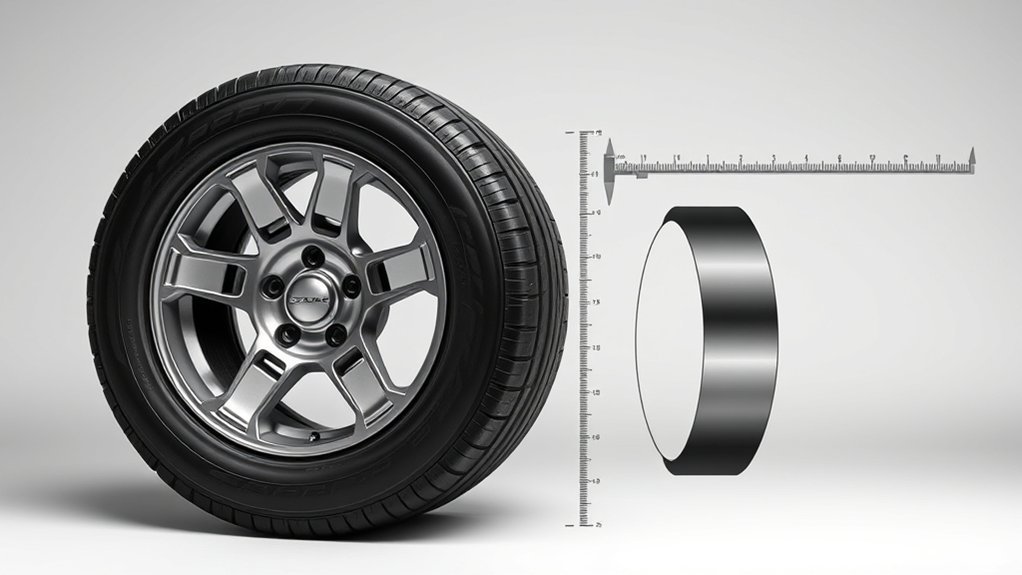
A 295 tire size means the tire has a nominal section width of 295 millimeters, or about 11.6 inches. The height depends on the rest of the size code. For example, a 295/65R20 tire is about 35.1 inches tall, so that specific fitment is much closer to a 35-inch tire than a 33-inch tire. Before you buy, check the full size, wheel diameter, rim width range, clearance, load rating, and your vehicle’s Tire and Loading Information Label.
Quick Answer
A 295 tire is about 11.6 inches wide, but “295” alone does not tell you the tire height. A 295/65R20 is about 35.1 inches tall, with a sidewall around 7.5 inches, making it closer to a 35-inch tire than a 33-inch tire.
Key Takeaways
- The “295” in a tire size is the nominal section width in millimeters, equal to about 11.6 inches.
- A 295/65R20 tire is about 35.1 inches tall because the 65 aspect ratio and 20-inch wheel diameter determine height.
- A 295/65R20 is closer to a 35-inch tire than a 33-inch tire, but other 295 sizes can be much shorter.
- Section width is not the same as tread width; actual tread width varies by tire model and measuring rim.
- Fitment depends on wheel diameter, rim width, offset, fender clearance, suspension travel, load index, speed rating, and tire pressure.
What Does 295 Tire Size Mean?
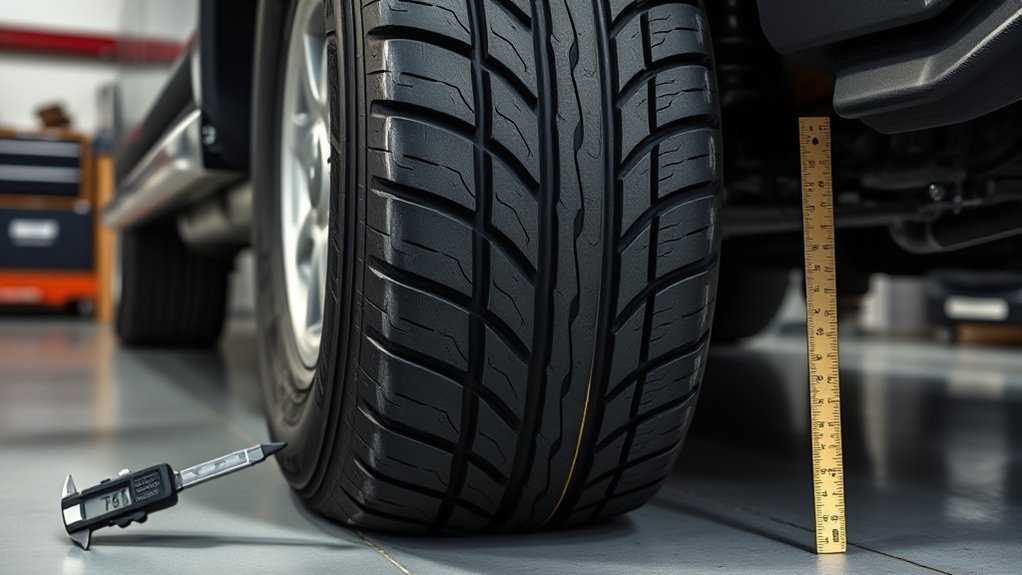
A 295 tire size starts with width. In a size like 295/65R20, the first number means the tire’s nominal section width is 295 millimeters from sidewall to sidewall. Converted to inches, 295 millimeters is about 11.6 inches.
The full code gives you the rest of the tire’s size:
- 295 = nominal section width in millimeters.
- 65 = aspect ratio, meaning the sidewall height is 65% of the section width.
- R = radial construction.
- 20 = wheel diameter in inches.
The key point is simple: 295 tells you width, not total tire height. To calculate height, you need the aspect ratio and wheel diameter too.
Note: Tire dimensions are nominal. A real mounted tire can measure slightly taller, shorter, wider, or narrower depending on brand, tread design, rim width, inflation pressure, and load.
295 Tire Dimensions in Inches
For the common 295/65R20 example, the math works out to about 11.6 inches wide, 7.5 inches of sidewall, and 35.1 inches of total diameter. These are calculated dimensions, not a guarantee that every tire model will measure exactly the same on your truck.
| Measurement | Formula | 295/65R20 Result |
|---|---|---|
| Section width | 295 ÷ 25.4 | 11.6 in |
| Sidewall height | 295 × 0.65 ÷ 25.4 | 7.5 in |
| Overall diameter | 20 + 2 sidewalls | 35.1 in |
| Circumference | Diameter × 3.1416 | About 110.3 in |
| Revolutions per mile | 63,360 ÷ circumference | About 574 rev/mi |
295 Width in Inches
A 295 tire is about 11.6 inches wide by nominal section width. That does not mean the tread itself is exactly 11.6 inches wide. Section width measures the tire’s widest sidewall-to-sidewall point on a specified measuring rim, while tread width is the rubber area that contacts the road and varies by model.
This width can improve stance, load support, and grip compared with a narrower tire in the same general category. It can also add weight, rolling resistance, and clearance demands, so the best size depends on your vehicle and how you drive.
Sidewall Height Calculation
For a 295/65R20, sidewall height is calculated from the 65 aspect ratio:
295 mm × 0.65 = 191.75 mm
191.75 mm ÷ 25.4 = 7.55 inches
Rounded, that gives you a sidewall height of about 7.5 inches. A taller sidewall can help absorb bumps and protect the wheel, but it can also change steering feel compared with a shorter sidewall.
Overall Tire Diameter
A 295/65R20 has two sidewalls plus a 20-inch wheel:
20 + 7.55 + 7.55 = 35.1 inches
That larger diameter affects ground clearance, gearing, braking feel, acceleration, fuel economy, and speedometer accuracy. If the new tire is much larger than the factory tire, your speedometer may read lower than your actual road speed unless the vehicle is recalibrated.
A 295/65R20 is about 35.1 inches tall on paper, but “295” by itself only tells you width. Always read the full tire size before comparing it with 33-inch or 35-inch tires.
Is a 295 Tire a 33 or 35?
A 295/65R20 is closer to a 35-inch tire than a 33-inch tire. Its calculated diameter is about 35.1 inches, so it belongs in the 35-inch conversation when you are thinking about clearance, gearing, and stance.
But a 295 tire is not always a 35. The 295 only gives width. A 295/30R20, 295/40R20, 295/55R20, and 295/65R20 all share a similar nominal width, but they have very different heights.
Use this rule: if someone asks whether a 295 is a 33 or 35, ask for the full size. If the size is 295/65R20, it is effectively a 35-inch tire by calculated diameter.
How Does a 295 Tire Compare With 275, 285, and 35s?
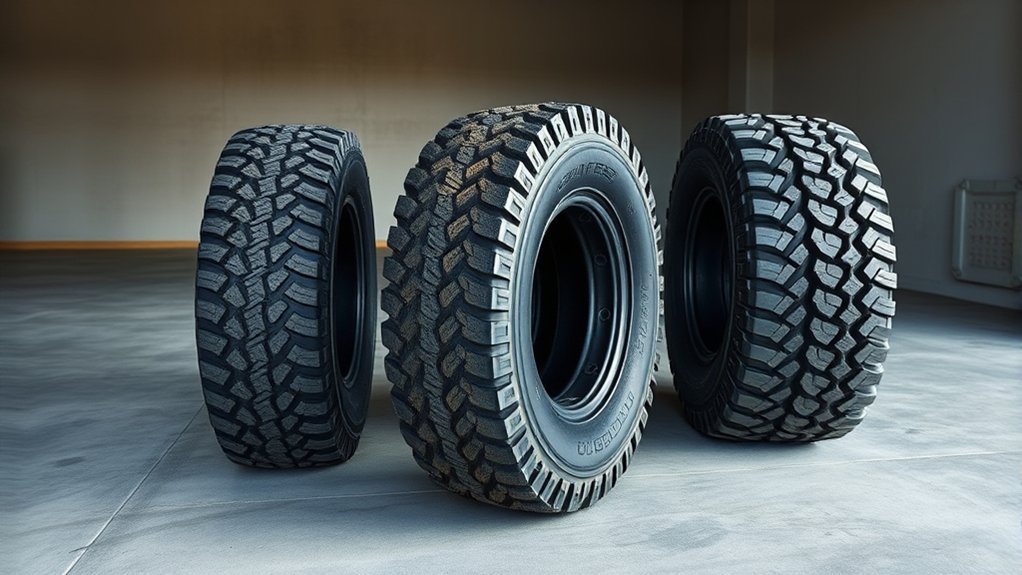
Compared with common 20-inch truck sizes, a 295/65R20 is wider and taller than 275/65R20 and 285/65R20. It is very close to a 35-inch tire in height, but narrower than a common 35×12.50R20.
| Size | Approx. Width | Approx. Diameter | Best Use |
|---|---|---|---|
| 275/65R20 | 10.8 in | 34.1 in | Balanced factory-style truck fitment |
| 285/65R20 | 11.2 in | 34.6 in | Moderate step up in width and height |
| 295/65R20 | 11.6 in | 35.1 in | Near-35-inch height with a slimmer profile |
| 35×12.50R20 | 12.5 in | About 35 in | Wider 35-inch stance and more clearance demand |
In practical terms, the 295/65R20 gives you near-35-inch height without going as wide as a 35×12.50R20. That can help if you want extra diameter but less fender poke, less rubbing, and less weight than a wider flotation-style 35.
Pro Tip: Compare tires by full size, not by the first number alone. A 295/65R20 and 295/40R20 are both “295” tires, but their heights and fitment needs are completely different.
[Products Worth Considering]

This tire inflator with pressure gauge delivers long-lasting performance with a durable rubber-protected gauge and sturdy build. The longer hose and 360 swivel air chuck help you seal the valve securely and keep your hands free while measuring, inflating, or deflating. It’s battery-free for reliable use and provides ±2 PSI accuracy in the mid-range for most typical tires, with universal compatibility for 1/4 NPT compressor outputs.

Keep your tires properly inflated with this analog VONDIOR tire pressure gauge, designed for fast, easy readings without batteries. The swiveling, two-axis hose and large glow dial help you measure at any tire angle with instant visibility. Built with a protective rubber shield, it supports durable, low-maintenance use for cars and trucks.

The Big Rig Defense Tire Thumper is a truck tire pressure checker that lets you quickly check multiple tires by giving them a firm whack. Listen for a reassuring thump and feel the stick bounce when a tire is fully inflated, helping you get back on the road safely. It features a comfortable, glove-friendly handle and a secure wrist strap for confident use on busy routes.
How Do You Fit 295 Tires on a Vehicle?
Fitting 295 tires starts with checking your vehicle’s factory tire size, approved alternatives, and Tire and Loading Information Label. NHTSA advises drivers to use the owner’s manual or tire label to find the correct size for the vehicle, and that matters even more when stepping up to a larger tire.
Warning: Do not install a 295 tire just because it fits the wheel diameter. Confirm rim width, load index, speed rating, tire pressure, brake clearance, suspension clearance, fender clearance, and full-lock steering clearance. If you are unsure, have a qualified tire shop test-fit it.
- Match the wheel diameter. A 295/65R20 must go on a 20-inch wheel. A different 295 size may require a different wheel diameter.
- Check rim width range. Use the tire manufacturer’s approved rim width range for the exact tire model.
- Measure inner and outer clearance. Check space at the fender, control arms, sway bar, frame, brake lines, and wheel well liner.
- Test full steering lock. Turn the wheel left and right and check for rubbing at ride height and under compression.
- Verify load and speed ratings. The new tire should meet or exceed the vehicle’s required ratings for your use.
- Check tire pressure guidance. Use the vehicle label and tire shop guidance, not the maximum pressure printed on the sidewall as your normal target.
- Plan for recalibration if needed. A larger tire can affect speedometer readings, shift behavior, ABS, traction control, and TPMS behavior.
For safety and tire life, keep up with proper tire pressure, rotation, balance, and alignment. Bigger tires do not automatically last longer. Maintenance, load, alignment, compound, and driving style have a major effect on wear.
[Products Worth Considering]

This manual duck head tire changer kit makes tire installation and removal simpler by letting you embed the duck head into the tire with applied pressure. The integrated design and durable steel construction help reduce friction and improve efficiency and safety during use. Suitable for 16–21 inch wheels, it’s convenient for cars, trucks, SUVs, and ATV tires, with 24-hour after-sales support.

Upgrade your 2024-2026 Tesla Model 3 Highland with REEVAA all-weather mud flaps designed for seamless fit along the original body lines. The set of four delivers strong splash protection against mud, gravel, and road debris while using OEM-grade durable materials. Installation is non-destructive with original hole positions and snap-in clips, and the aerodynamic design helps minimize impact on efficiency.

This wheel brush kit delivers pro-level cleaning at home, lifting dirt, grime, and brake dust to help restore wheel appearance. It includes multiple brush styles and applicator pads for tackling different wheel surfaces, with gentle, metal-free bristles designed to reduce scratching risk. The flat and double-ended brushes are built for comfort and reach, making wheel care easier for cars, trucks, and RVs.
What Vehicles Use 295 Tires?
Many 295/65R20 tires are used on heavy-duty pickups and full-size SUVs where owners want more ground clearance, a taller stance, and strong load support. You may see this size on modified or properly equipped versions of trucks such as the Ford F-250 Super Duty, Chevrolet Silverado 2500 HD, GMC Sierra 2500 HD, and Ram 2500.
That does not mean every one of those vehicles can run 295/65R20 tires with no changes. Trim, wheel offset, factory tire size, suspension height, mud flaps, fender liners, and aftermarket wheels all affect fitment. Some trucks may need a leveling kit, small lift, trimming, or a different wheel offset to clear the tire cleanly.
Performance vehicles can also use 295-width tires, but usually in shorter sidewall sizes such as 295/30R20 or 295/35R20. Those are wide tires, not 35-inch truck tires.
[Products Worth Considering]

AstroAI AIRUN H is a compact 12V tire inflator designed for fast, convenient inflation with an easy-to-read digital pressure gauge. Set your target pressure with programmable controls and let the auto shut-off turn off the pump when the preset is reached. It also includes a backlit screen and LED flashlight for nighttime use, with a ToughUltra durability design for longer service life.

This 3-piece wheel and tire brush set makes it easy to clean light, medium, and heavy dirt from wheels, rims, tires, and exterior surfaces. It includes both soft and stiff bristle options for gentle scrubbing and tough grime removal, helping lift brake dust and road buildup. The long-handle design supports comfortable cleaning across cars, trucks, SUVs, RVs, motorcycles, and more, with simple care instructions to restore brush shape.

Measure tire tread depth quickly and accurately with this LUMITECO dial gauge that reads in 1/32" increments up to 14/32". The color-coded green/yellow/red zones make it easy to judge tire wear and know when replacement is needed. A rugged, compact design with a protective pouch helps keep the gauge ready for use on cars, trucks, motorcycles, and more.
Frequently Asked Questions
Is 295 the same as 35-inch tires?
Not always. A 295/65R20 is about 35.1 inches tall, so it is very close to a 35-inch tire. But “295” by itself only means the tire is about 11.6 inches wide. You need the full tire size to know whether it is actually close to 35 inches tall.
Is a 295 tire equivalent to a 33?
A 295/65R20 is not equivalent to a 33-inch tire. It calculates to about 35.1 inches tall. However, another 295 tire with a lower aspect ratio could be much shorter. Always compare the full size, not just the 295 width number.
Is a 295 tire bigger than a 285?
A 295 tire is wider than a 285 tire by about 10 millimeters, or about 0.4 inches. It is only taller if the aspect ratio and wheel diameter make it taller. For example, a 295/65R20 is wider and taller than a 285/65R20.
How much bigger is a 295 than a 275 tire?
By width alone, a 295 is 20 millimeters wider than a 275, which is about 0.8 inches. If you compare 295/65R20 with 275/65R20, the 295 is also about 1 inch taller because the sidewall height is based on a wider section width.
What does 295/65R20 convert to in inches?
A 295/65R20 converts to about 11.6 inches wide, 7.5 inches of sidewall, and 35.1 inches of overall diameter. Real-world mounted measurements can vary slightly by tire brand and model.
Can I put 295 tires on stock wheels?
Sometimes, but not always. The tire must match the wheel diameter and fall within the tire manufacturer’s approved rim width range. You also need enough clearance for steering, suspension movement, brakes, fenders, and inner liners.
Conclusion
A 295 tire is best understood as an 11.6-inch-wide tire by nominal section width. Whether it is a 33-inch, 35-inch, or much shorter tire depends on the full size code. In the common 295/65R20 fitment, it calculates to about 35.1 inches tall, making it much closer to a 35-inch tire than a 33-inch tire. Use the full tire size, check your vehicle label and owner’s manual, and confirm clearance before making the jump.
Sources
- NHTSA TireWise — supports tire safety, maintenance, tire pressure, tire size selection, and the Tire and Loading Information Label.
- NHTSA Tire Buyers’ FAQ — supports checking the owner’s manual or Tire and Loading Information Label when choosing tire size.
- NHTSA Congratulations on Your New Tire Purchase — supports tire date, pressure, tread, rotation, and recall-record guidance.
- 49 CFR § 571.110 — federal tire selection and rim requirements for passenger cars.
- 49 CFR § 571.120 — federal tire selection and rim requirements for vehicles other than passenger cars.