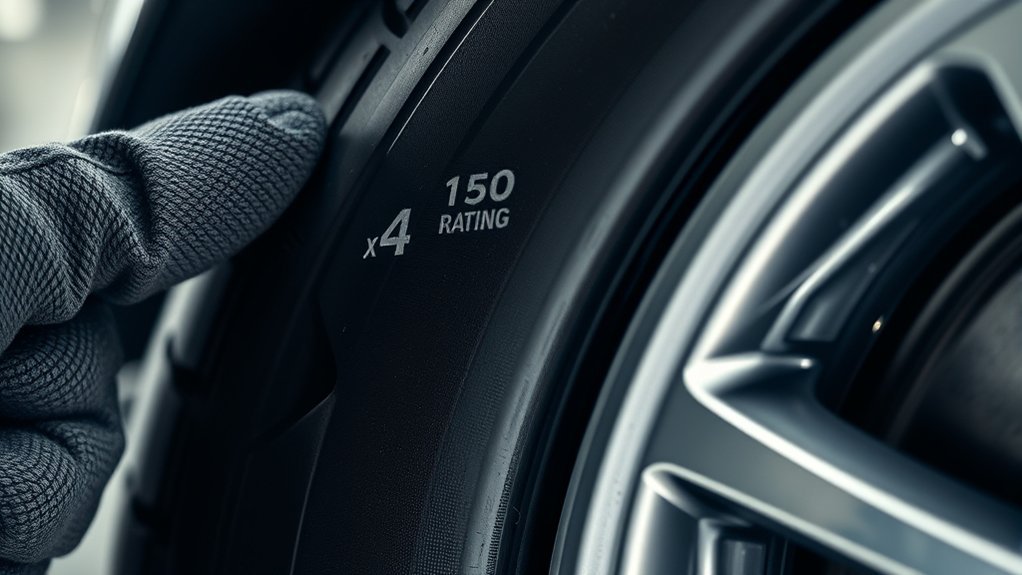
On a tire, Z means the tire belongs to a high-speed performance category originally used for tires rated above 149 mph (240 km/h). On modern tires, you will often see ZR inside the tire size, but the full answer usually comes from the final service description, such as 91W, 94Y, or (96Y). Always match the tire’s size, load index, speed rating, and inflation pressure to your vehicle’s tire placard or owner’s manual.
Quick Answer
The “Z” on a tire means it is built for speeds above 149 mph, but on modern tires the exact speed rating is usually shown by the final letter after the load index. For example, 94W means load index 94 with a W speed rating.
Key Takeaways
- Z marks a high-speed tire category above 149 mph, but it does not always give the exact modern maximum speed by itself.
- ZR appears inside the tire size and usually means high-speed radial construction.
- W is rated up to 168 mph, while Y is rated up to 186 mph under rated conditions.
- A marking like 94V means load index 94, or 1,477 lb per tire, with a V speed rating up to 149 mph.
- Never choose a tire below your vehicle’s required load index or speed rating unless your vehicle maker or a qualified tire professional approves it.
What Does Z Mean on a Tire?
The Z on a tire means the tire was designed for high-speed use above 149 mph (240 km/h). You will usually see it in a size such as 245/40ZR18. That “ZR” tells you the tire is a radial tire made for high-speed performance.
However, Z by itself is not the full modern speed rating. To know the exact rating, look for the tire’s service description after the rim size. A tire marked 245/40ZR18 97Y has a Y speed rating. A tire marked 245/40ZR18 (97Y) is rated above the normal Y category, based on the tire maker’s approval.
You should also check the Tire and Loading Information Label or owner’s manual before buying replacements. The vehicle maker sets the required tire size, load index, and recommended cold inflation pressure. If you are comparing SUV or car replacements, the load index still has to match the vehicle’s requirements.
Warning: Do not buy a tire with a lower load index or speed rating than your vehicle requires unless the vehicle manufacturer or a qualified tire professional confirms it is safe for that vehicle and use case.
Z vs ZR: The Important Difference
Z is the high-speed category. ZR usually appears inside the tire size and means the tire is a radial tire intended for high-speed service. The “R” still means radial construction, while the “Z” signals that the tire belongs in the high-performance speed range.
For older tire markings, ZR often meant the tire could exceed 149 mph. On newer performance tires, you should read the full sidewall code. The last speed symbol, such as W, Y, or (Y), tells you more than the ZR letters alone.
Pro Tip: When you see ZR, keep reading to the end of the size line. The final service description, such as 91W or 94Y, is what tells you the tire’s exact load and speed rating.
What ZR Means on Modern Tires
ZR on a modern tire usually means the tire is built for high-speed radial performance. You will often find it on sports cars, performance sedans, and some premium touring tires. It points to stronger construction, heat resistance, and handling focus, but it does not mean every ZR tire has the same maximum speed.
For example, one ZR tire may end in 91W, while another may end in 94Y. Both are high-speed tires, but the Y-rated tire has a higher speed category than the W-rated tire. If you are comparing high-speed all-season tire options, do not rely on the ZR letters alone. Check the complete service description.
How Z, W, and Y Ratings Compare
Z, W, and Y all relate to high-speed tire capability, but they are not the same. Z is the broad high-speed category above 149 mph. W and Y are specific speed symbols with defined limits. Parentheses around a W or Y rating mean the tire may be approved above that category, based on the tire maker’s specifications.
| Marking | What It Means | Typical Speed Category |
|---|---|---|
| V | Performance tire speed symbol | Up to 149 mph |
| Z or ZR | High-speed category or high-speed radial marking | Above 149 mph, exact rating depends on final service symbol |
| W | Higher performance speed symbol | Up to 168 mph |
| Y | Very high performance speed symbol | Up to 186 mph |
| (Y) | Special high-speed approval above normal Y rating | Above 186 mph, manufacturer-specific |
This spread matters because speed ratings work together with load, pressure, heat, and vehicle setup. A tire can only carry its rated load at the correct inflation pressure and under the conditions set by the tire maker. A high treadwear rating may help you compare durability, but it does not replace the tire’s speed rating or load index.
[Products Worth Considering]
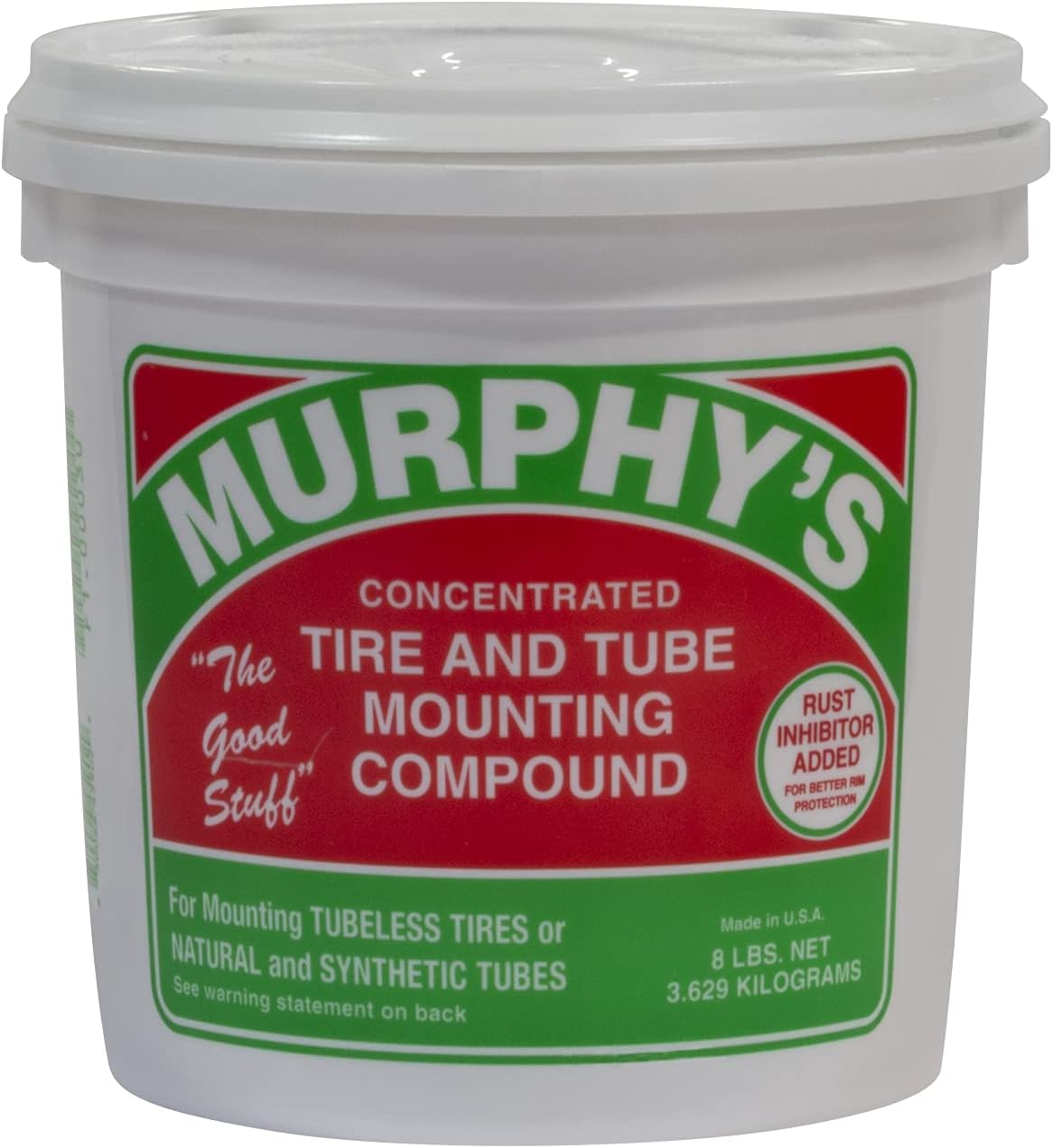
A concentrated tire and tube mounting compound designed to help simplify mounting rubber tires and tubes on passenger, semi truck, construction, and OTR applications. Its ultra-thick formula packs beads effectively and includes rust inhibitors to help protect against corrosion during use.

This manual duck head tire changer kit makes tire installation and removal simpler by letting you embed the duck head into the tire with applied pressure. The integrated design and durable steel construction help reduce friction and improve efficiency and safety during use. Suitable for 16–21 inch wheels, it’s convenient for cars, trucks, SUVs, and ATV tires, with 24-hour after-sales support.

This tire inflator extension hose helps your air chuck quickly connect and disconnect from the tire nozzle with minimal leakage, supporting more accurate tire pressure. It uses a high-pressure resistant inflatable tube and durable brass chuck adapter for long-lasting performance. The quick-connect 90-degree thumb press chuck converts to a locking style and is easy to operate for car, motorcycle, and bicycle inflations.
What Tire Size and Load Index Mean
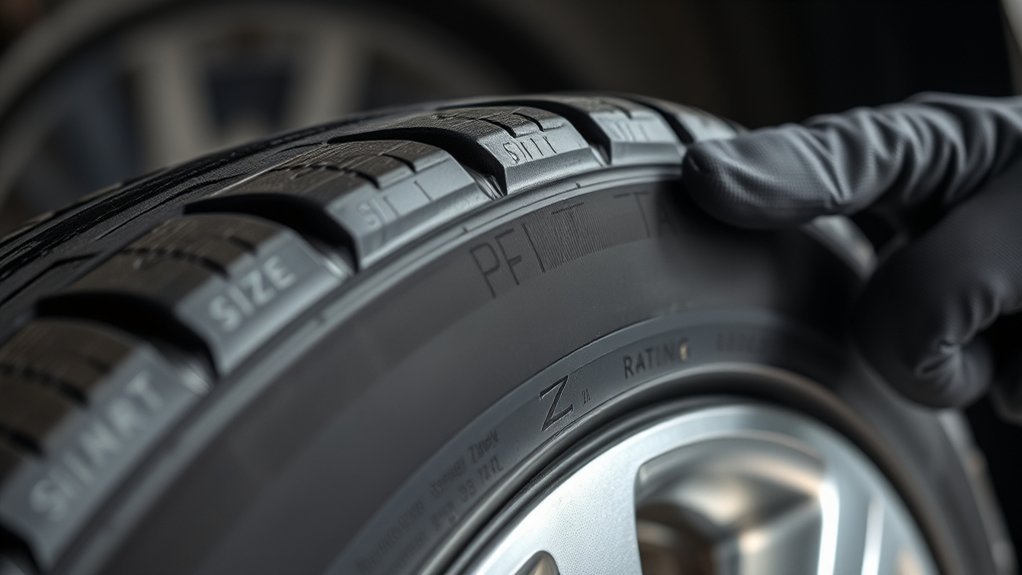
A tire size like 225/60R16 breaks down into four main parts. The 225 is the section width in millimeters. The 60 is the sidewall height as a percentage of the width. The R means radial construction. The 16 means the tire fits a 16-inch wheel.
The load index is the number after the tire size. It tells you how much weight one tire can carry when inflated correctly. For example, load index 94 equals 670 kg, or about 1,477 lb, per tire. That number is not the same as the speed rating.
Also check tire diameter and overall fitment when changing sizes. A tire that is too tall, too wide, or rated for too little load can affect clearance, speedometer accuracy, handling, and safety.
How to Read the Full Service Description
The full service description usually appears after the tire size. It combines the load index and speed rating. Here are common examples:
- 215/45ZR17 91W: ZR high-speed radial size, load index 91, W speed rating.
- 225/40ZR18 92Y: ZR high-speed radial size, load index 92, Y speed rating.
- 275/35ZR19 (96Y): ZR high-speed radial size, load index 96, special Y-category rating above the normal Y limit.
- 205/55R16 94V: radial tire, load index 94, V speed rating up to 149 mph.
Note: The tire’s maximum load marking, inflation marking, DOT code, and other required sidewall information are separate from the speed rating. Read the full sidewall, not just one letter.
How to Choose the Right Speed Rating
Start with your vehicle’s tire placard and owner’s manual. The placard is usually on the driver’s door edge or doorjamb and lists the correct tire size and cold inflation pressure. NHTSA also advises using the owner’s manual or Tire and Loading Information Label to choose the correct tire size.
Next, match or exceed the original tire’s load index and speed rating. If your vehicle came with 94W tires, replacing them with 94V tires may reduce the rated speed capability. If your vehicle came with 94Y tires, a 94W tire may not meet the factory requirement.
You should also understand that UTQG ratings are separate from speed ratings. Uniform Tire Quality Grading compares treadwear, traction, and temperature resistance for many passenger tires. It does not tell you the tire’s maximum speed rating.
[Products Worth Considering]

This tire inflator with pressure gauge delivers long-lasting performance with a durable rubber-protected gauge and sturdy build. The longer hose and 360 swivel air chuck help you seal the valve securely and keep your hands free while measuring, inflating, or deflating. It’s battery-free for reliable use and provides ±2 PSI accuracy in the mid-range for most typical tires, with universal compatibility for 1/4 NPT compressor outputs.

Secure your trailer or RV tires with a scissor-style wheel chock stabilizer that applies opposing force to help prevent wheel shift. It fits tight wheel gaps from 3.5 inches up to 12 inches and works for travel trailers, campers, fifth wheels, toy haulers, and heavy-duty trucks. The surface uses new electrophoretic technology to help prevent rust for reliable travel use.

TIRESHIELD PRO RV tire covers in a set of four deliver year-round protection against UV rays, cracking, fading, water, and snow. The StormLock-System helps keep the covers securely fastened through high wind, while heavy-duty, double-stitched construction supports long-lasting performance. Designed for universal fit, they’re intended for RV, camper, truck, car, and trailer tires within the 26–28.75 inch diameter range, with easy wipe-clean care and storage in the included bag.
Are Z-Rated Tires Needed for Normal Driving?
Z-rated tires are not automatically the best choice for every driver. They often give sharper steering and stronger high-speed heat resistance, but they may also ride firmer, cost more, wear faster, or create more road noise than a touring tire.
If your vehicle requires ZR, W, or Y-rated tires, use a tire that meets that requirement. If your vehicle does not require them, choose based on the factory placard, your climate, your driving style, and the type of ride you want.
[Products Worth Considering]

This Dr.Roc tire valve stem puller tools set helps install or remove snap-in tubeless valve stems safely and efficiently. It includes ozone-resistant EPDM snap-in valve stems, a valve stem installer, and a valve core remover for quick core removal or installation during tire service. Designed for reliable tubeless tire repair on motorcycles, ATVs, lawn equipment, cars, and trucks.

The 22800 wheel stud installer makes replacing wheel studs quick and secure, saving time and effort during tire service. It uses a ratchet or impact wrench to pull new studs firmly into place, helping when existing studs are too long. Compatible with most automotive wheels and light-duty truck wheel studs, it’s designed for easy, tool-assisted installation.
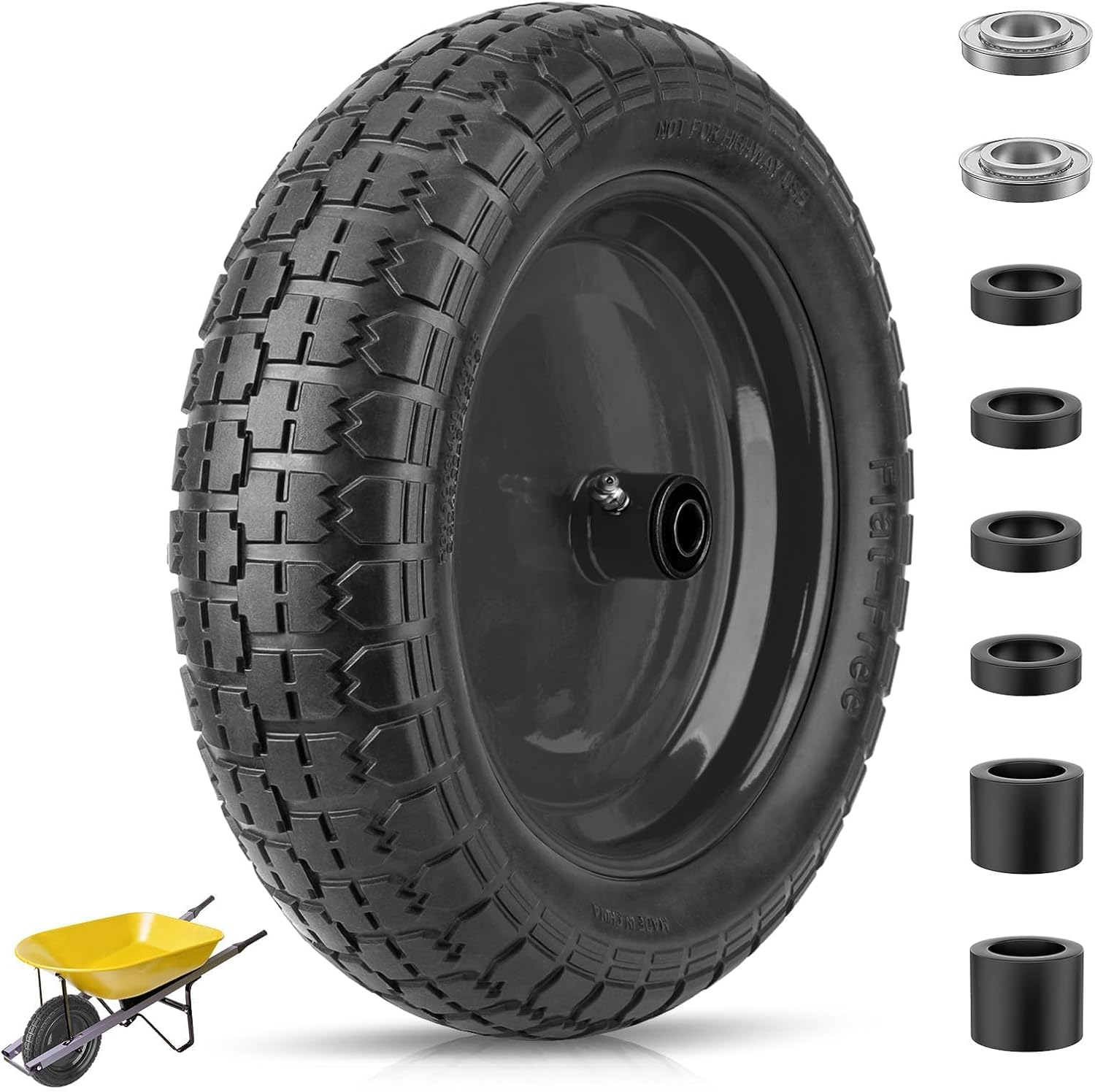
This flat-free TICONN wheelbarrow tire features durable polyurethane foam construction that never needs inflation, helping prevent punctures and reducing maintenance on rough outdoor terrain. With a 300 lb max load capacity and stable steel rim design, it supports safer transport for yard work and hauling tasks. An adapter kit with ball bearings and nylon spacers is included for easier fit and customization across common wheelbarrow and cart axle setups.
Can You Mix Z-Rated and Lower-Rated Tires?
Mixing tire speed ratings is not ideal. If tires with different speed ratings are installed on the same vehicle, the vehicle should be treated as limited by the lowest-rated tire. Different tire types can also change wet grip, steering feel, braking balance, and stability control behavior.
For the safest result, use four matching tires with the same size, load index, speed rating, construction type, and similar tread design. If your vehicle uses staggered front and rear sizes, follow the exact front and rear specifications from the vehicle maker.
Frequently Asked Questions
Are Z-rated tires better?
Z-rated tires are better only if your vehicle and driving needs call for them. They can improve high-speed stability and steering response, but they may cost more, ride firmer, and wear faster. If your car does not require a ZR, W, or Y-rated tire, a properly rated touring or all-season tire may be the better fit.
What does the Z mean on a 215/45ZR17 tire?
On a 215/45ZR17 tire, the Z means the tire is part of the high-speed performance category, R means radial, and 17 means it fits a 17-inch wheel. The 215 is the section width in millimeters, and 45 is the sidewall height as a percentage of that width. To know the exact speed rating, look for the final service description after the size, such as 91W or 91Y.
What does 94V mean on a tire?
94V means the tire has a load index of 94 and a V speed rating. Load index 94 equals 670 kg, or about 1,477 lb, per tire when properly inflated. The V speed rating means the tire is rated up to 149 mph under rated conditions.
What is ZR17 vs R17?
ZR17 means the tire is a 17-inch radial tire intended for high-speed use above 149 mph. R17 only tells you the tire is radial and fits a 17-inch wheel. The important detail is still the final service description, such as 94W or 94Y, because that gives the exact load and speed rating.
Is ZR higher than V?
ZR points to the high-speed category above 149 mph, while V is a specific speed rating up to 149 mph. In practice, many ZR tires also carry W or Y service descriptions, which are higher than V. Always read the complete marking before comparing ratings.
Can I replace ZR tires with regular R tires?
Only if the regular R tire meets or exceeds the vehicle’s required size, load index, and speed rating. If your vehicle requires ZR, W, Y, or another performance rating, using a lower-rated tire can reduce safety margins. Check the tire placard, owner’s manual, or a qualified tire professional first.
Conclusion
The “Z” on your tire is a high-speed performance clue, but it is not the only marking that matters. Read the full sidewall code, especially the service description after the size. That final load index and speed symbol tells you whether the tire is V, W, Y, or a special parenthesized rating.
For safe replacement, match the tire size, load index, speed rating, and cold inflation pressure to your vehicle’s placard and owner’s manual. When in doubt, choose the factory-approved rating or ask a qualified tire professional before you buy.
Sources
- NHTSA TireWise — tire placard, owner’s manual, inflation pressure, tire maintenance, and safety guidance.
- 49 CFR 575.104 Uniform Tire Quality Grading Standards — treadwear, traction, and temperature grading requirements.
- 49 CFR 571.139 Standard No. 139 — light-vehicle tire sidewall marking and maximum load rating requirements.
- Tire Rack Speed Rating Guide — consumer explanation of speed-rating symbols and replacement tire selection.
- Michelin Tire Speed Rating Guide — manufacturer guidance on tire speed ratings and tire sidewall markings.