
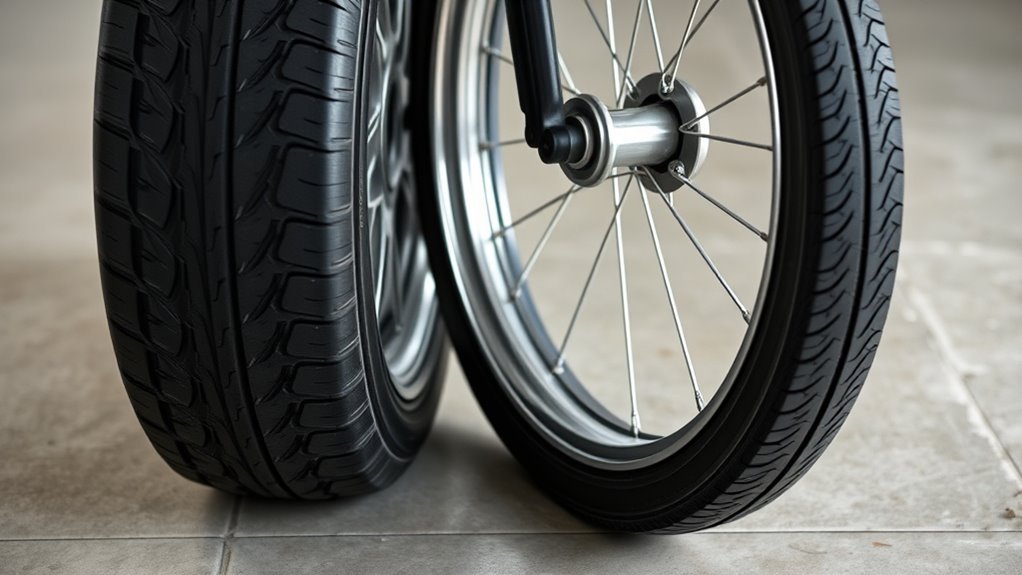
A tire can look like it should fit and still be unsafe to mount. The key is knowing the difference between tire diameter and rim diameter before you buy. Tire diameter affects ride height, speedometer accuracy, clearance, and handling. Rim diameter must match the tire’s bead-seat size exactly, or the tire will not mount safely.
Use the tire size code, such as 225/45R17, to confirm rim size, then check overall tire diameter, load index, speed rating, rim width, clearance, and inflation pressure before driving.
What’s in This Article
- Tire Diameter vs Rim Diameter: Quick Answer
- Tire Diameter: Definition and How to Measure It
- Rim Diameter: Definition and Why It Matters for Fitment
- How to Read Tire Sizes Like 225/45R17
- How Tire Diameter Affects Ride Height, Speedometer, and Handling
- Common Fitment Problems and How to Fix Rubbing or Clearance Issues
- How to Choose Compatible Tires and Rims
- Pre-Purchase Checklist: Verify Tire Diameter and Rim Match
- Frequently Asked Questions
- Conclusion
- References
Quick Answer
Tire diameter means the full outside height of a mounted, inflated tire. Rim diameter means the bead-seat diameter of the wheel, and it must match the final number in the tire size. You can change overall tire diameter within safe vehicle limits, but you can’t safely mount a tire on the wrong rim diameter.
Key Takeaways
- Match the tire’s rim size exactly to the wheel’s rim diameter before mounting.
- Use overall tire diameter to check ride height, clearance, gearing, and speedometer accuracy.
- Read the final number in a tire size, such as R17, as the required rim diameter.
- Check rim width, load index, speed rating, and inflation pressure before buying tires.
- Test clearance at steering lock and suspension compression before driving on a new setup.
Tire Diameter vs Rim Diameter: Quick Answer
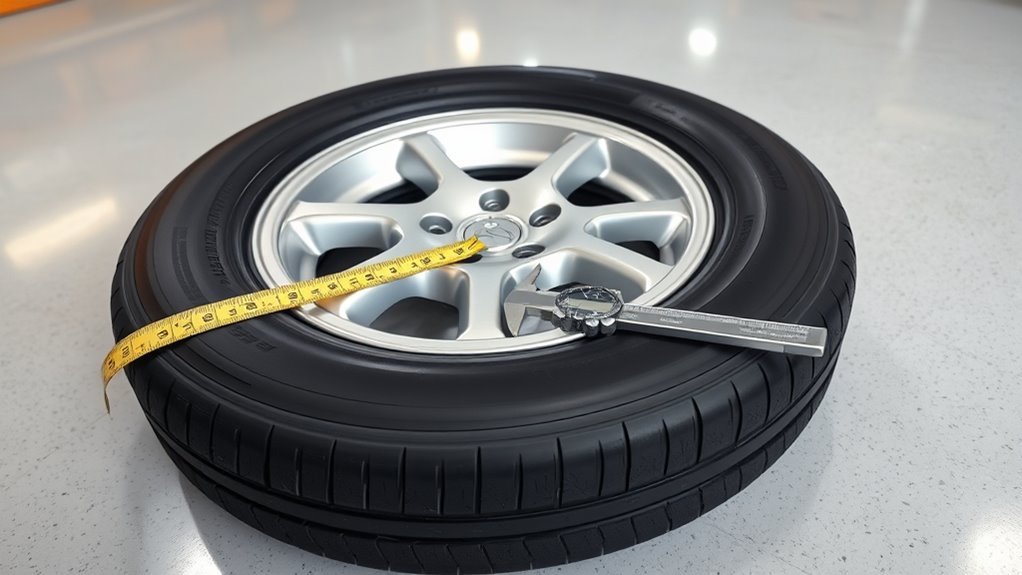
Tire diameter and rim diameter describe two different measurements. Tire diameter is the overall height of the mounted tire from tread to tread. Rim diameter is the distance across the wheel at the bead seats, measured in inches.
You must match the tire’s listed rim diameter to the wheel’s rim diameter exactly. For example, a 225/70R16 tire needs a 16-inch rim. Its overall tire diameter measures about 28.4 inches, depending on the tire model and load.
Overall tire diameter affects clearance, ride height, handling, gearing, and speedometer accuracy. Rim diameter controls whether the tire will seat and seal safely on the wheel. Check manufacturer specs before you swap sizes, then measure the full tire and wheel assembly if clearance looks tight.
Warning: Never force a tire onto a rim with the wrong bead-seat diameter because the bead can fail.
Tire Diameter: Definition and How to Measure It
Tire diameter is the outside height of a mounted, inflated tire. It includes the rim, both sidewalls, and the tread. You may see it listed in inches or millimeters, depending on the tire type and spec sheet.
You can measure tire diameter with a tape measure or calculate it from the tire size code. Keep tire pressure, tread wear, and vehicle load in mind because each one can change the effective rolling diameter.
What Tire Diameter Means
Tire diameter means the full outside height of the tire after mounting and inflation. This measurement helps set vehicle height, ground clearance, wheel-well clearance, and speedometer calibration.
You should verify diameter with the tire mounted and inflated to the pressure listed on your vehicle placard. Low pressure compresses the tire and can give you a false reading. For related maintenance, see this guide on recommended tire pressure.
Diameter also affects handling. Larger tires may add rotational weight and raise the center of gravity. Smaller tires may sharpen steering feel, but they can reduce ground clearance and change gearing.
How to Measure Outside Diameter
Park the vehicle on level ground before you measure outside diameter. Inflate the tire to the vehicle manufacturer’s recommended pressure. Then measure from the ground to the highest point on the tread with a rigid tape measure.
Measure more than one spot around the tire if you suspect uneven wear or runout. Record the largest repeatable measurement. Compare that number with the tire maker’s listed overall diameter and your vehicle’s acceptable tire size range.
Pro tip: Measure both front tires after a size change because steering clearance often creates the tightest fit.
How to Calculate Tire Diameter From Size Code
You can calculate tire diameter from a metric tire size with this formula:
Overall diameter = rim diameter + 2 × sidewall height
For a 225/45R17 tire, the sidewall height equals 225 mm × 0.45, or 101.25 mm. Double that sidewall height, convert it to inches, and add the 17-inch rim diameter. The result is about 25 inches, before small model-specific differences.
Factors That Affect Tire Diameter
Several factors change a tire’s stated or real-world diameter. Tire size gives you the starting point, but wear, pressure, and load affect the number you measure on the vehicle. Check all of them before you judge fitment.
| Factor | Effect on Diameter | Practical Check |
|---|---|---|
| Aspect ratio | Scales sidewall height | Verify the sidewall code |
| Rim diameter | Sets the bead-seat size | Match the rim to the tire code |
| Tire wear | Reduces tread height | Measure tread depth often |
| Inflation pressure | Changes loaded height | Use the vehicle placard pressure |
| Vehicle load | Compresses the tire | Measure under normal load |
Regular checks also help you catch uneven tire wear before it changes ride quality or handling.
Rim Diameter: Definition and Why It Matters for Fitment
Rim diameter is the bead-seat diameter of the wheel. It forms the key link between the tire and wheel because the tire bead must seat on that exact diameter. Tire sizes show this number at the end, such as 17 in 255/40R17.
You need an exact match because the bead seats create the seal and support the tire under load. Even a one-inch mismatch prevents safe mounting. It can also cause bead damage, air loss, or failure under driving forces.
Check the tire sidewall, wheel markings, owner’s manual, and door-jamb placard before purchase. Also confirm rim width, because a tire can match the rim diameter and still sit poorly on a rim that is too narrow or too wide.
How to Read Tire Sizes Like 225/45R17
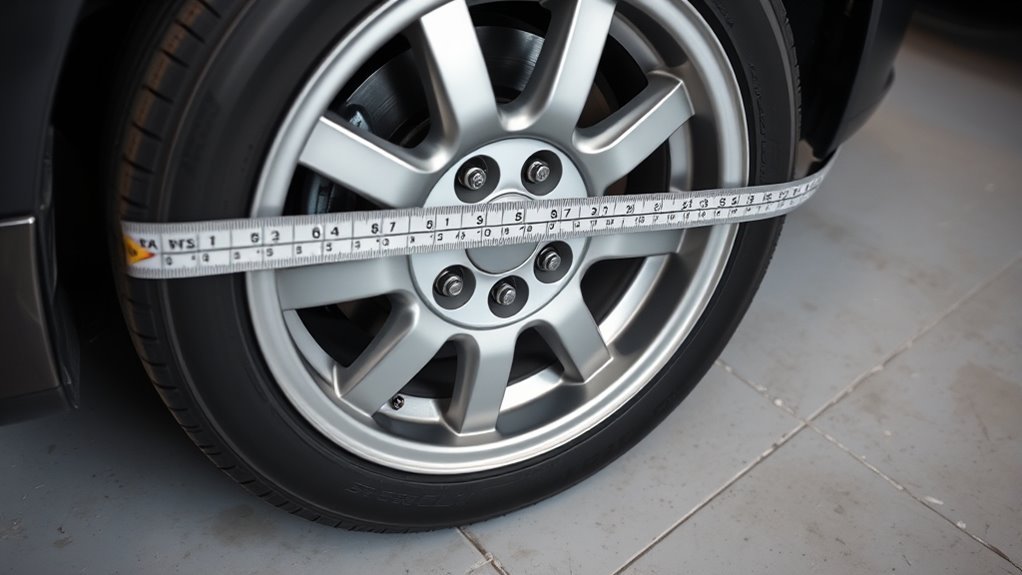
A tire size like 225/45R17 gives you three fitment clues. The 225 means the tire’s section width is 225 millimeters. The 45 means the sidewall height equals 45% of the section width.
The R means the tire uses radial construction. The 17 means the tire must mount on a 17-inch rim. You still need to check load index, speed rating, and rim width before fitting the tire.
What Tire Width Tells You
The 225 in 225/45R17 tells you the tire’s section width in millimeters. Width affects grip, steering feel, rolling resistance, and clearance near fenders or suspension parts.
A wider tire can improve dry grip when the wheel and vehicle setup support it. It can also reduce clearance or rub if the offset, rim width, or suspension geometry does not match. For many 225 mm tires, acceptable rim widths often fall near 7 to 8.5 inches, but you should confirm the tire maker’s range.
What Aspect Ratio Means
The aspect ratio tells you the sidewall height as a percentage of tire width. In 225/45R17, the sidewall height equals 45% of 225 mm, or 101.25 mm.
- Lower aspect ratios shorten the sidewall and can sharpen steering response.
- Higher aspect ratios add sidewall height and can improve ride comfort.
- Radial construction, shown by R, describes the tire’s internal ply layout.
Use aspect ratio to compare ride comfort, handling feel, and overall tire diameter. Don’t change it without checking clearance and speedometer effects.
Why Rim Diameter Must Match
The 17 in 225/45R17 tells you the tire needs a 17-inch rim. This number does not describe the full outside height of the tire. It describes the inner bead diameter that must match the wheel.
Overall tire diameter helps you check clearance and gearing, but it does not change the rim requirement. Never use adapters or force to mount a tire on the wrong rim diameter.
How Tire Diameter Affects Ride Height, Speedometer, and Handling
Changing tire diameter changes the way your vehicle sits, turns, and reports speed. A larger diameter raises ride height and increases ground clearance. A smaller diameter lowers the vehicle and may reduce clearance under the body.
- Ride height and suspension: Larger tires raise ground clearance and the center of gravity, which can affect alignment and suspension travel.
- Speedometer accuracy and drivetrain: Larger tires travel farther per revolution, so the speedometer may show a lower speed than you actually drive.
- Handling and tire performance: Larger tires may improve stability in some setups, while smaller tires may improve steering response.
Plan diameter changes with care. You may need alignment checks, speedometer recalibration, suspension changes, or different gearing to keep the vehicle safe and predictable.
Note: Many drivers try to keep replacement tire diameter close to the original size to limit speedometer and clearance changes.
Common Fitment Problems and How to Fix Rubbing or Clearance Issues
Larger tires, wider wheels, and the wrong offset can create rubbing or clearance problems. Inspect the tire at full steering lock and under suspension compression. Check fenders, liners, suspension arms, brake lines, and strut clearance.
A small gap at rest may disappear under load. Measure clearance carefully and compare it with vehicle and wheel manufacturer guidance before driving hard.
| Issue | Common Cause | Possible Fix |
|---|---|---|
| Fender rub | Too much tire diameter or width | Choose a smaller tire, trim liner, or roll the inner lip |
| Inner suspension contact | Offset or width places the tire too far inward | Use a better wheel offset or approved spacer |
| Steering bind | Tire is too wide for the rim or wheel well | Select a narrower tire or correct rim width |
Use spacers only after you confirm hub engagement, lug length, load rating, and local rules. If the tire still rubs after basic checks, ask a qualified tire or alignment shop to inspect the setup.
How to Choose Compatible Tires and Rims
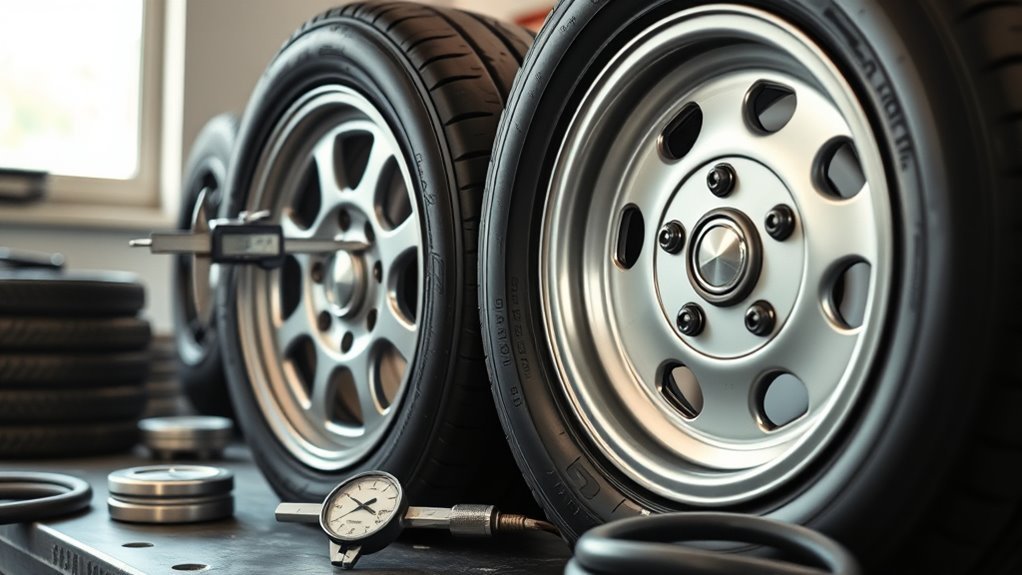
Tire and rim compatibility affects load capacity, speed capability, braking, and handling. Start by matching the tire’s rim diameter to the wheel’s bead-seat diameter. Then confirm the tire fits the rim width range approved by the tire maker.
Choose a load index that meets or exceeds the vehicle manufacturer’s requirement. Choose a speed rating that meets or exceeds the original equipment rating unless a qualified professional approves a different setup. Set inflation pressure from the vehicle placard, not from the maximum pressure molded on the sidewall.
- Check load index: Confirm each tire can support its share of vehicle weight and cargo.
- Confirm speed rating: Match or exceed the original equipment rating for safe sustained-speed use.
- Set inflation pressure: Use the door-jamb placard and adjust only when the vehicle maker allows it.
- Verify rim width: Match the tire size to the approved rim width range.
- Inspect clearance: Check fenders, suspension, brakes, and steering lock before regular driving.
Pre-Purchase Checklist: Verify Tire Diameter and Rim Match
Before you buy tires, confirm the tire’s rim diameter matches your wheel exactly. A 255/40R17 tire fits a 17-inch rim. It will not mount safely on a 16-inch or 18-inch rim.
Check your owner’s manual, door-jamb placard, wheel markings, and tire manufacturer specs. Measure your current rim only if documentation is missing, and measure at the bead-seat area rather than the outer lip.
- Confirm the final tire-size number matches the wheel rim diameter.
- Compare overall tire diameter with the original tire size.
- Check tire width against fender, suspension, and brake clearance.
- Verify load index and speed rating against vehicle requirements.
- Confirm rim width falls inside the tire maker’s approved range.
- Use professional mounting, balancing, and bead-seat inspection.
Reject any tire and wheel setup that needs forceful mounting or unsafe adapters. A correct fit should mount cleanly, seal properly, and clear the vehicle through normal steering and suspension movement.
Frequently Asked Questions
Is Rim Diameter the Same as Wheel Diameter?
No. Rim diameter usually means the bead-seat diameter where the tire mounts. Wheel diameter may refer to the wheel size in casual speech, but fitment depends on the bead-seat measurement.
Can You Put a 17-Inch Tire on an 18-Inch Rim?
No. A 17-inch tire needs a 17-inch rim because the bead diameter must match exactly. An 18-inch rim will not support or seal that tire safely.
Does a Larger Tire Diameter Make Your Speedometer Wrong?
Yes, it can. A larger tire travels farther with each wheel rotation, so your speedometer may show less than your real speed. A smaller tire can make the speedometer read higher than your real speed.
How Close Should Replacement Tire Diameter Be to Stock?
You should stay close to the original diameter unless your vehicle maker or a qualified tire professional approves the change. Even small changes can affect clearance, speed readings, anti-lock braking system behavior, and transmission shift points.
Does Rim Width Matter if Rim Diameter Matches?
Yes. Rim diameter tells you whether the tire can mount, but rim width affects bead seating, sidewall shape, handling, and wear. Always check the tire maker’s approved rim width range.
References
- Tires — National Highway Traffic Safety Administration
- Vehicle Safety: Tires — National Highway Traffic Safety Administration
- How Do I Read My Tire Size? — Tire Rack
Conclusion
The most important rule is simple: rim diameter must match exactly, while overall tire diameter must stay within safe vehicle limits. Check the tire code, wheel specs, load index, speed rating, rim width, and clearance before you buy. After mounting, inspect bead seating, balance, inflation pressure, and rubbing under real steering and load conditions. Careful fitment protects handling, tire life, and your safety every time you drive.

