
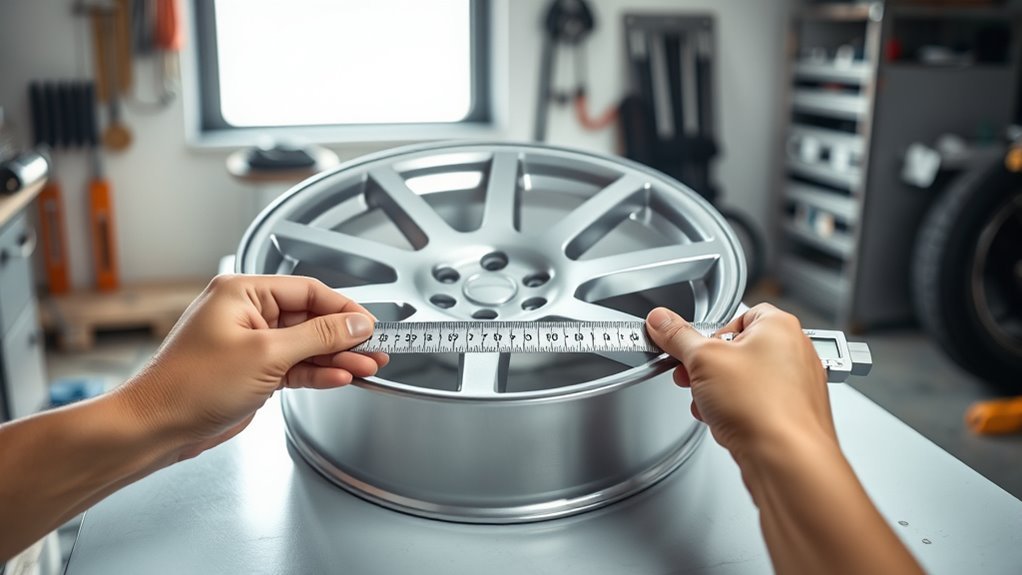
A wrong rim diameter can make the right-looking tire fit poorly or fail to seat safely. The most common mistake is measuring the outer rim lip, not the bead seat where the tire actually mounts. To measure rim diameter accurately at home, remove the tire, set the bare rim on a flat surface, and measure straight across the inside bead-seat diameter in two directions.
What’s in This Article
- Quick Answer: Measure Rim Diameter at Home
- Key Takeaways
- Tools & Prep: Remove the Tire and Set Up
- Find the Bead Seat: Why the Rim Face Is Wrong
- Measure Diameter: Two Perpendicular Checks for Accuracy
- Step-by-Step Rim Diameter Measurement
- Measure Rim Width (Bead-Seat to Bead-Seat)
- Common Mistakes: And Quick Fixes
- Use Your Measurements to Buy the Right Wheels
- Frequently Asked Questions
- Conclusion
Quick Answer: Measure Rim Diameter at Home
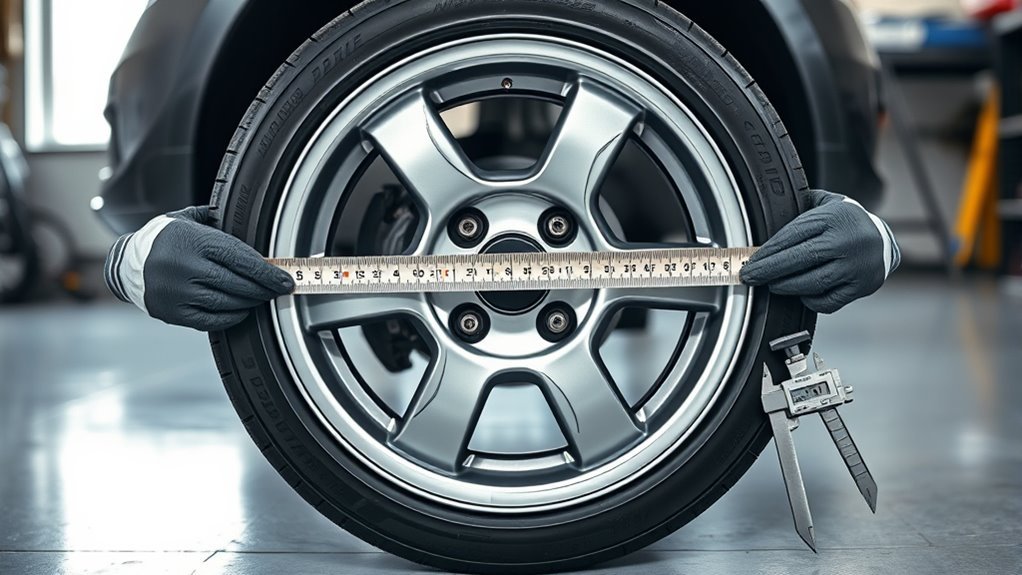
Remove the tire and place the bare rim flat on a stable surface. Stretch a sturdy tape measure straight across the inside bead seats, through the center of the wheel. Take a second measurement at 90 degrees to confirm the true diameter, then record the lower whole-inch size. That number guides wheel compatibility and helps you choose tires that fit the rim correctly.
Key Takeaways
- Measure rim diameter at the bead seats, not across the outer rim lip.
- Remove the tire before measuring so you can reach the true mounting surface.
- Take two perpendicular measurements to confirm the rim’s true diameter.
- Measure rim width between the inner bead seats, with the tape parallel to the wheel plane.
- Use diameter, width, bolt pattern, and offset together when checking wheel fitment.
Tools & Prep: Remove the Tire and Set Up
Start by removing the tire from the rim so the bead seat stays fully exposed. Set the wheel flat on a stable, clean work surface and secure it so it can’t roll or shift. Gather a sturdy retractable tape measure, a straight edge, low-profile chocks, and a clean cloth.
Estimated total time: 10 to 20 minutes once the tire is off the rim.
[Products Worth Considering]

This manual duck head tire changer kit makes tire installation and removal simpler by letting you embed the duck head into the tire with applied pressure. The integrated design and durable steel construction help reduce friction and improve efficiency and safety during use. Suitable for 16–21 inch wheels, it’s convenient for cars, trucks, SUVs, and ATV tires, with 24-hour after-sales support.

This professional wheel and rim brush kit makes it easy to lift brake dust, grime, and dirt from wheels and tires without scratching finishes. The brushes feature soft, metal-free wool heads and a flexible 360-degree rim brush design for reaching hard-to-clean areas. Includes multiple brush types plus accessories for thorough car, motorcycle, and general vehicle detailing.

This 20-piece tire changer kit makes motorcycle and bike tire repairs easier with extended 14.5-inch spoons for leverage and access. Built from CrV steel with a corrosion-resistant chrome finish, it helps resist bending while protecting rims and tubes using smooth rounded spoons and included rim protectors. The all-in-one set includes valve removal and accessory tools for faster tire changes across motorcycles, bicycles, ATVs, and lawn equipment.
Remove Tire From Rim
Use a tire changer or a manual removal tool to prevent rim damage. Deflate the tire fully, break the bead, and lever the tire off with steady control. Then lay the bare rim flat on a clean, stable surface.
- Use proper tire removal steps: deflate fully, break the bead, and remove the tire with controlled force.
- Protect the rim surface: use plastic spoons, rim guards, or cloth between tools and metal.
- Prepare the bead seat: wipe dirt, rubber residue, and debris from the measuring points.
Identify the bead seat channel before you measure. That’s where the tire bead rests, so it gives you the correct rim diameter.
Choose Stable Work Surface
Pick a sturdy, flat work surface, such as a metal bench or solid plywood table. The wheel must not roll, tilt, or shift while you measure. A moving rim can throw off the reading by enough to cause a fitment mistake.
Set the rim center on the surface and keep clamps or angled supports away from the bead seat. Brace the rim with low-profile blocks if needed. Position it so you can run a rigid tape measure straight across the bead seats without bending around spokes.
Gather Measuring Tools
Gather your tools before you start. You need a sturdy retractable tape measure, low-profile chocks or blocks, and a cloth to wipe the bead seat clean. A straight edge can help you align the tape across the rim center.
- Use a sturdy retractable tape measure with clear inch markings.
- Use low-profile chocks or blocks to steady the rim.
- Use a clean cloth to clear dirt from the bead seat.
Choose a tape measure that resists flex and sag. Keep the blade straight, tight, and flat against the bead-seat points.
Find the Bead Seat: Why the Rim Face Is Wrong
The bead seat is the surface where the tire bead clamps to the rim. Measure rim diameter from bead seat to bead seat, not across the visible rim face. The rim face includes lips and flanges that can add extra length to the reading.
Inspect the inner rim surface and look for the smooth channel where the tire’s inner edge seals and centers. That channel gives you the true tire mounting diameter. If you measure the outer rim face, you’ll record a size that may not match tire specifications.
Warning: Measuring the outer lip can make the rim seem larger than its true bead-seat diameter.
Clean the bead seat before you measure. Dirt, rubber residue, or corrosion can make the tape sit unevenly and reduce accuracy.
Measure Diameter: Two Perpendicular Checks for Accuracy
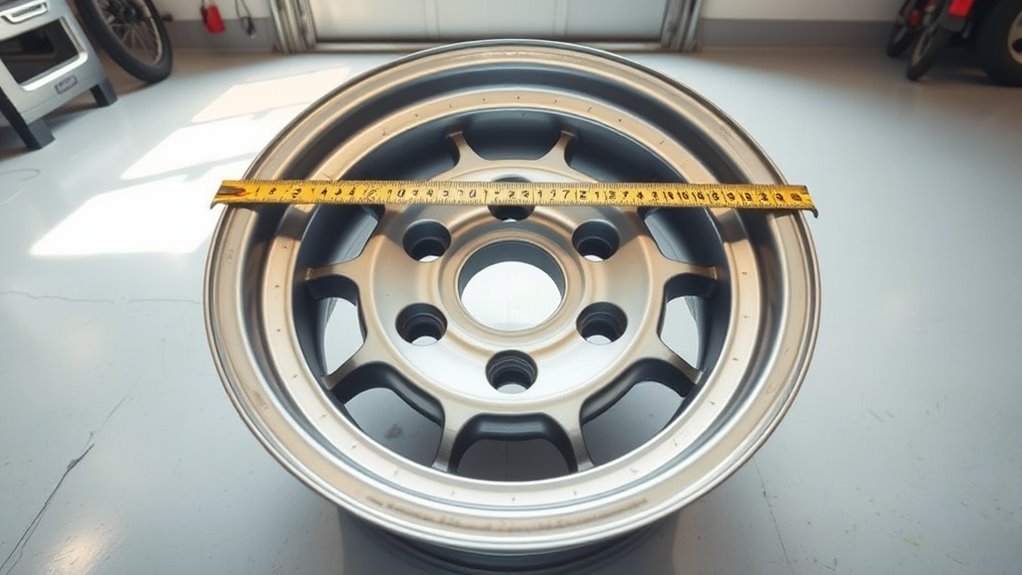
Run a sturdy tape measure straight across the bead seats, from one inner edge to the opposite inner edge. Aim the blade through the wheel’s center and keep it taut so it doesn’t sag. This first reading gives you the main diameter check.
Rotate the tape 90 degrees and repeat the same bead-seat-to-bead-seat measurement. This plus-shaped pattern helps you confirm the true diameter, not an off-center reading.
- Keep the tape straight and tight to avoid sagging errors.
- Measure at the bead seats only because outer lip readings run larger.
- Compare both readings because matching values confirm better accuracy.
If the readings differ, check your tape placement and measure again. Record the lower whole-inch value for tire sizing.
Step-by-Step Rim Diameter Measurement
Use these steps when you want a repeatable rim diameter reading at home. Work slowly and record each number as you go.
- Remove the tire so you can reach both bead seats clearly.
- Clean the bead seats with a cloth to remove dirt and loose rubber.
- Place the rim flat on a stable work surface that will not shift.
- Stretch the tape across the inner bead seats through the wheel center.
- Read the diameter in inches while keeping the tape straight and taut.
- Rotate the tape 90 degrees and measure the bead-seat diameter again.
- Record the size by using the lower whole-inch value for tire fitment.
Pro tip: If both readings do not match, recheck that the tape crosses the exact center of the rim.
Measure Rim Width (Bead-Seat to Bead-Seat)
Place the tire-free wheel on a stable surface. Lay the tape measure straight and taut across the inner edges of the bead seats to read the rim width. Measure bead-seat to bead-seat, not outside lip to outside lip.
Keep the tape parallel to the wheel plane. Any twist, sag, or angled placement can change the reading. Measure in inches and record the value.
Passenger wheels often fall between 6 and 12 inches wide, but you should confirm your exact rim before buying tires. Repeat the measurement at least once to catch errors or small variances.
[Products Worth Considering]

The Calvana Ultra-Durable Angled Tire Lube Bucket Kit provides reliable lubrication for faster, smoother tire changes. It includes an angled universal lube bottle and premium cotton swabs to help lubricate tire beads during removal and mounting. Built for rugged use with a reinforced handle and durable fiber design, it’s a direct replacement for Coats 8106259 to reduce downtime and compatibility concerns.
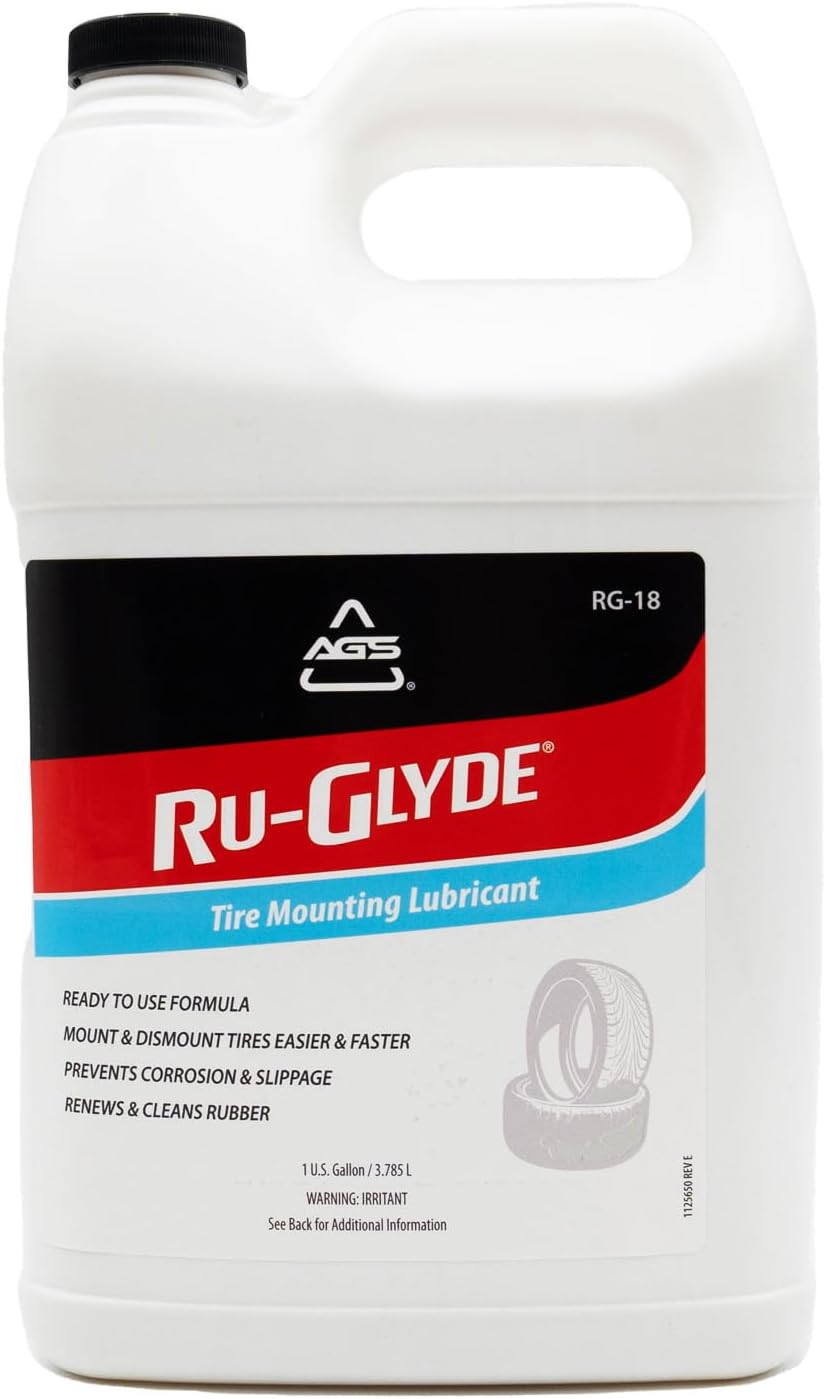
Ru-Glyde tire mounting lubricant from AGS seats tire beads smoothly on the first try with a thick, stay-put formula. It is ready to use with no mixing or dilution, helps prevent rim rust, and dries completely without causing bead slip residue. The water-based formula also conditions aged rubber, making it useful for sidewalls, gaskets, and door seals while remaining safe for tire, wheel, and technicians.
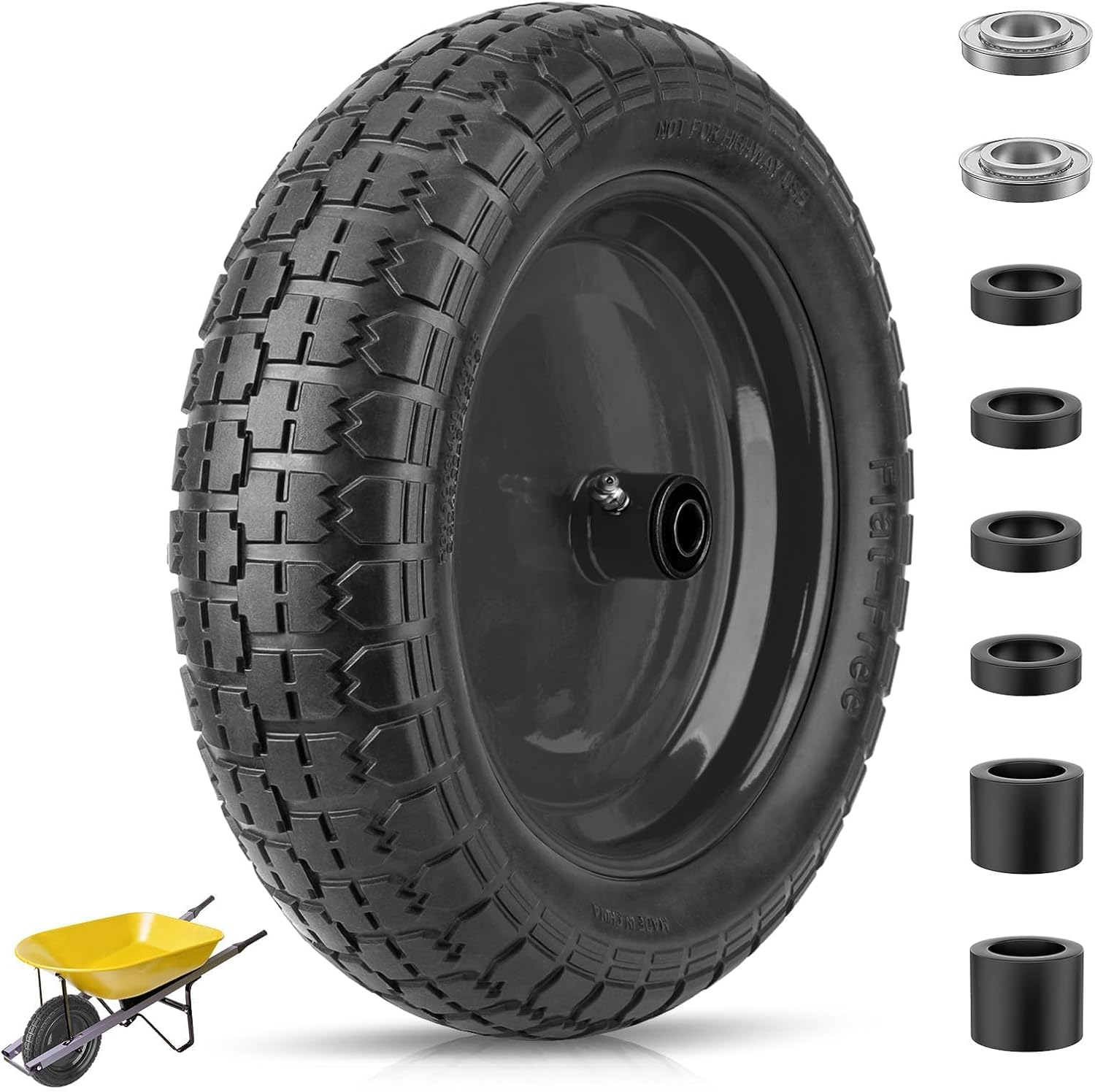
This flat-free TICONN wheelbarrow tire features durable polyurethane foam construction that never needs inflation, helping prevent punctures and reducing maintenance on rough outdoor terrain. With a 300 lb max load capacity and stable steel rim design, it supports safer transport for yard work and hauling tasks. An adapter kit with ball bearings and nylon spacers is included for easier fit and customization across common wheelbarrow and cart axle setups.
Common Mistakes: And Quick Fixes
You can avoid most rim-measurement errors by checking your method before you record the final number. The biggest mistake is measuring from the outer lip instead of the bead seat. Other common problems include using a flimsy tape, eyeballing the center, or measuring with the tire still mounted.
Use a rigid, retractable tape and pull it taut across the bead seats. Mark two perpendicular axes in a plus pattern, then repeat the measurements. If the numbers don’t match, adjust the tape and measure again.
Remove the tire, use a taut rigid tape, cross-measure, and repeat the reading for reliable rim sizing.
- Verify the reading: take two perpendicular measurements and compare the results.
- Choose the right tool: use a sturdy tape measure that does not sag.
- Follow the right procedure: remove the tire and measure bead-seat to bead-seat.
This simple check protects you from guesswork and reduces the chance of buying the wrong tire or wheel.
Use Your Measurements to Buy the Right Wheels
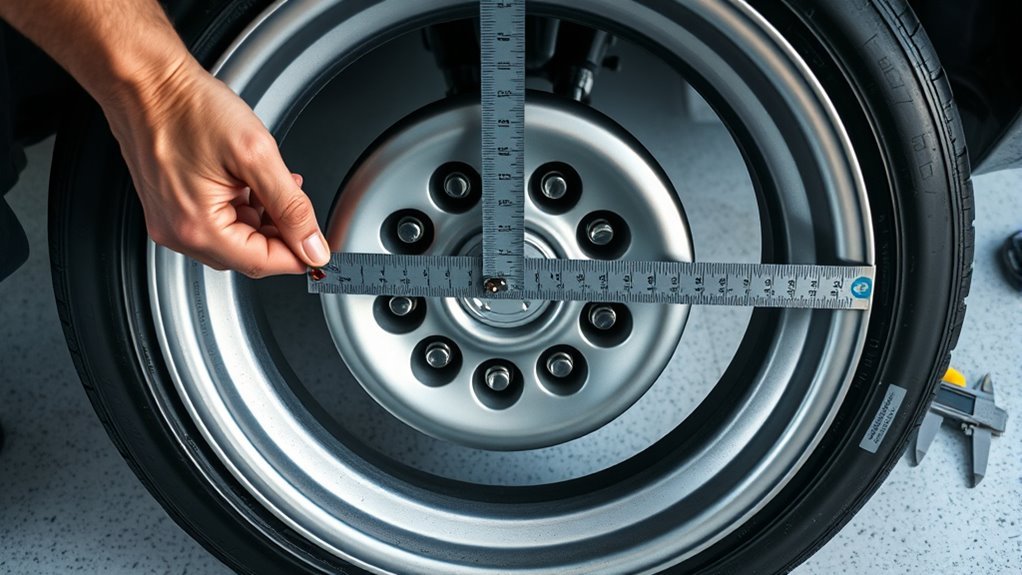
After you confirm bead-seat diameter, use the numbers to choose wheels and tires that fit. Record rim diameter, width, bolt pattern, and offset. Keep the measurements written down so you can compare them with listings and tire charts.
Compare your diameter against standard passenger wheel sizes, which often range from 15 to 22 inches. Catalogs and tire specs use bead-seat diameter, not tire outside diameter. Filter listings by exact diameter first, then check bolt pattern, offset, and width.
Treat the measurements as limits, not rough suggestions. A wheel that misses one required fitment number can cause clearance, handling, or mounting problems.
[Products Worth Considering]

Replace worn tires quickly with this universal 4.80/4.00-8 tire and inner tube set designed for wheelbarrows and outdoor utility carts. The ribbed tread helps reduce turf damage while the natural rubber construction supports longer service life. Compatible with 15.5-inch outer diameter, 4-inch width, and 8-inch rim diameter wheels, it uses a straight TR-13 valve stem for easy installation. For best results, inflate with a manual pump and do not exceed 25 PSI.

Malco tire mounting and demounting lubricant is a ready-to-use tire lube formulated to reduce friction during tire installation for passenger cars, light trucks, farm tires, and heavy-duty equipment. It provides rust-inhibiting protection to help reduce corrosion on rims and wheels, and helps support proper tire bead seating during inflation to reduce air leakage. The silicone-free, soap-free formula is whitewall safe to help prevent discoloration on whitewall tires and sensitive sidewall markings.

Vigorder rubber cement glue delivers superior adhesion and cures quickly within about 30 seconds for seamless rubber bonding. Once cured, it helps provide a strong, durable, waterproof seal that holds up to vehicle weight, pressure, and heat. Suitable for cars, motorcycles, trucks, bicycles, and off-road tires, it’s designed for emergency patch and maintenance repairs.
Frequently Asked Questions
What Is the Diameter of a 26 Inch Wheel?
A 26-inch wheel has a 26-inch rim diameter measured at the bead seat. Use that wheel size to check tire compatibility before you buy a replacement tire.
How to Calculate Rim Diameter?
You can calculate rim diameter by measuring the rim circumference and dividing by pi. For home fitment work, direct bead-seat measurement usually gives you a simpler and more useful result.
What Does 7.5 J 7jj Rim Mean?
On many wheel markings, 7.5 describes the rim width in inches. The letters J or JJ describe the rim flange profile, which helps match the wheel to compatible tire designs.
Can You Measure Rim Diameter With the Tire Still On?
You should not rely on a rim diameter measurement with the tire still mounted. The tire blocks the bead seat, so you may measure the sidewall or outer lip instead of the true mounting diameter.
Is Rim Diameter the Same as Tire Diameter?
Rim diameter and tire outside diameter are not the same measurement. Rim diameter measures the wheel at the bead seat, while tire outside diameter includes the mounted tire’s sidewall height.
Conclusion
The most important rule is simple: measure rim diameter at the bead seats, not across the outer rim face. Remove the tire, keep the rim stable, and take two perpendicular measurements before you record the final size. Then measure the width between the bead seats and use both numbers with bolt pattern and offset. A careful measurement now helps you buy tires and wheels with more confidence.

