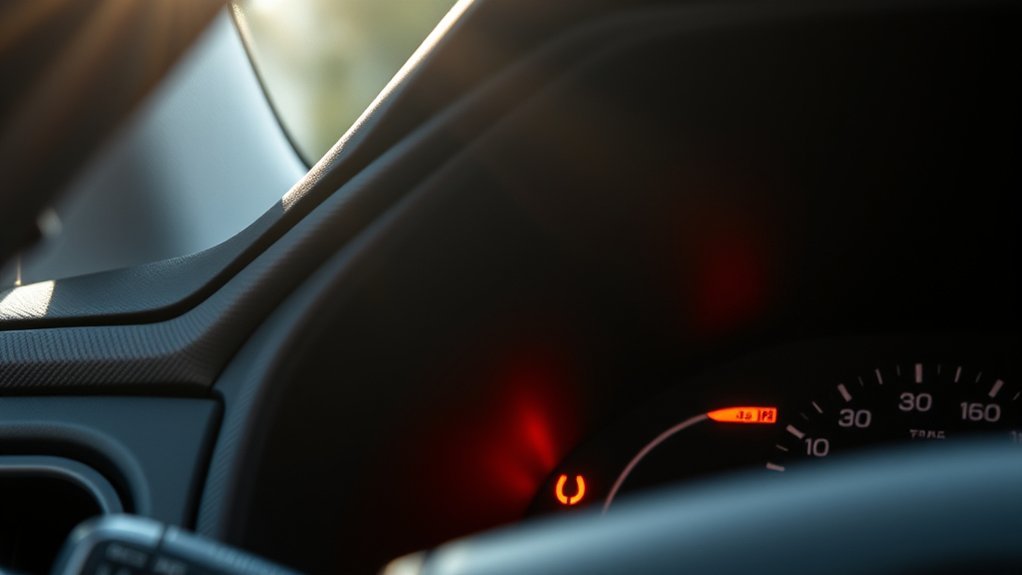
The tire pressure warning light in your Toyota Tacoma means you should check your tires with a gauge before trying to reset anything. A solid light usually points to significantly low tire pressure. A light that flashes for about 60–90 seconds and then stays on usually points to a TPMS malfunction. Start with the cold pressure listed on your driver-side door placard, correct every tire, then initialize or register the system only if your Tacoma’s model-year procedure requires it.
Last updated: August 18, 2026 — TPMS warning, malfunction, and initialization guidance rechecked against NHTSA, federal TPMS requirements, and Toyota owner-manual guidance.
Quick Answer
A solid Toyota Tacoma tire pressure light usually means one or more tires are significantly underinflated. Pull over when safe, check all tires cold with a gauge, and set them to the door placard PSI. If the light flashes for about 60–90 seconds and then stays on, the TPMS likely has a malfunction. Correct pressure first; do not use a reset as a substitute for checking the tires.
Key Takeaways
- A solid TPMS light usually means you need to check and correct tire pressure.
- A flashing light followed by a solid light usually means the TPMS has a malfunction.
- Use the Tacoma’s driver-side door placard or owner’s manual for the correct cold PSI.
- Do not use the tire sidewall maximum pressure as your normal inflation target.
- Pressure correction, TPMS initialization, wheel-position learning, and sensor-ID registration are different procedures.
- A replacement TPMS transmitter may require ID registration; simply adding air to a low tire usually does not.
At a Glance
| Time Required | 5–20 minutes for a pressure check; initialization or sensor registration may take longer depending on model year and driving conditions |
| Difficulty | Easy for pressure checks; service may be needed for sensor faults |
| Tools Needed | Accurate tire pressure gauge, air compressor, and your Tacoma’s door placard or owner’s manual |
| Cost | Usually $0 if you already have a gauge and air; TPMS sensor service costs vary |
Understanding the Toyota Tacoma Tire Pressure Warning Light

When the tire pressure light comes on in your Toyota Tacoma, treat it as a prompt to inspect your tires as soon as it is safe. The system is designed to warn you when tire pressure drops far enough to affect safety, tire life, fuel economy, handling, or braking.
A solid tire pressure warning light usually means at least one tire is significantly underinflated. Use a tire pressure gauge and check all four tires. If your Tacoma has a full-size spare with TPMS, check it too. Some spare tires are not monitored, so your owner’s manual matters.
The correct pressure is not the number molded into the tire sidewall. That sidewall number is usually the tire’s maximum cold pressure. For normal driving, use the cold PSI listed on your Tacoma’s driver-side Tire and Loading Information Label or in the owner’s manual. If you need model-specific pressure context, see the Toyota Tacoma tire pressure chart by model and trim, but your truck’s own placard takes priority.
TPMS is a threshold warning system, not a precision maintenance gauge. Federal rules require compliant systems to warn drivers of significant underinflation, but the dashboard lamp does not replace a gauge. A tire can be below its recommended placard pressure before the warning threshold is reached, which is why regular pressure checks still matter.
Pro Tip: Check tire pressure when the tires are cold. For the most accurate reading, wait at least three hours after driving or check before your first trip of the day.
What the TPMS Light Pattern Means
| Light Pattern | Likely Meaning | What You Should Do |
|---|---|---|
| Solid light | One or more tires may be significantly underinflated. | Check all tires with a gauge and set them to the placard PSI. |
| Flashes for about 60–90 seconds, then stays on | The TPMS may have a malfunction. | Check tire pressure first, then schedule diagnosis if the warning returns. |
| Turns on during cold mornings, then turns off | Pressure may be near the warning threshold and rises as tires warm. | Check cold pressure and adjust to the door placard. |
| Stays on after new tires, wheel rotation, or sensor replacement | Pressure may be wrong, the system may need initialization or wheel-position learning, or a replacement sensor may need ID registration. | Verify pressure first, then follow the model-year procedure in the owner’s manual. |
What Does a Blinking TPMS Light Indicate?
If your Tacoma’s tire pressure light flashes for about 60–90 seconds and then stays on, the system is usually warning you about a TPMS malfunction. This pattern matches the malfunction sequence specified for a combined TPMS warning telltale under 49 CFR 571.138. The issue may involve a failed sensor battery, damaged sensor, unregistered sensor ID, incompatible wheel, or signal problem.
A blinking TPMS light is different from a normal low-pressure warning. Your tires may still be low, so check them first. If the pressure is correct and the blinking pattern returns at the next startup, the system may not be able to warn you properly until it is repaired.
Warning: Do not reset the light just to clear the dashboard warning. Check the tires first. If a tire looks flat, has a bulge, shows sidewall damage, or loses air quickly, do not keep driving on it.
Top Reasons for Low TPMS Pressure in Tacoma
Low tire pressure in a Toyota Tacoma can happen for several common reasons. Cold weather is one of the most common triggers because tire pressure drops as air temperature falls. A tire that was barely high enough yesterday may fall below the warning threshold the next cold morning.
Small punctures also trigger TPMS warnings. Nails, screws, valve stem leaks, bead leaks, and rim corrosion can cause slow air loss. If one tire is much lower than the others, inspect the tread and sidewall before adding air. If the same tire is low again after you refill it, treat that as a leak problem rather than a reset problem.
Normal seepage can lower pressure over time too. Tires naturally lose some air, so monthly checks matter even when the warning light is off. The National Highway Traffic Safety Administration recommends checking tire pressure at least once a month when the tires are cold.
[Products Worth Considering]

The VEHLIVE SU-50448 II TPMS relearn tool provides a fast activation reset to restore accurate tire pressure monitoring after sensor replacement or tire rotation. It supports 315 MHz and 433 MHz GM series sensors and helps clear dashboard pressure warnings. With simple two-button operation and horn-confirmed relearning order, you can reprogram sensors conveniently at home.
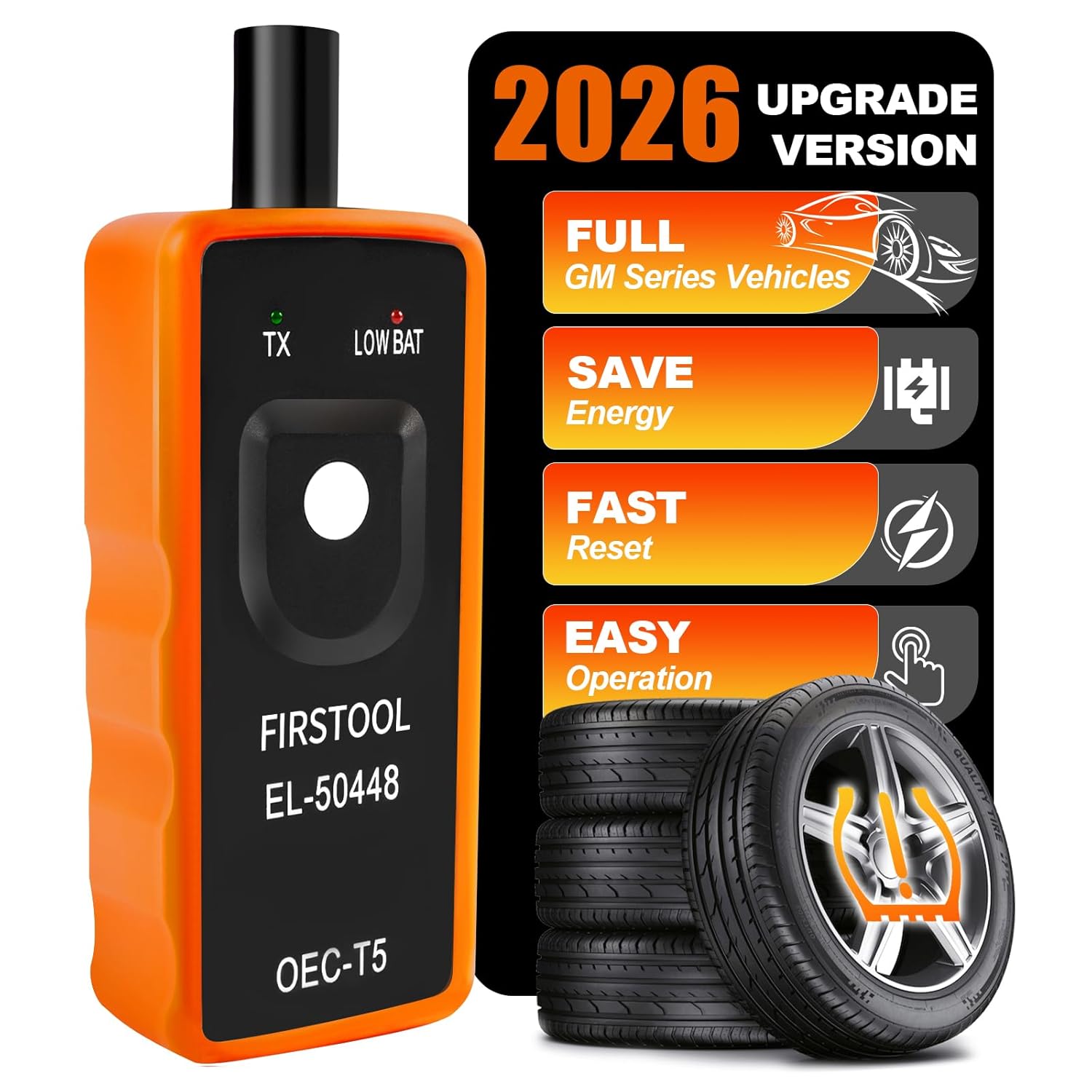
This TPMS relearn tool helps you quickly activate, match, and reset GM tire pressure sensors to keep the vehicle monitoring system working properly. It clears tire pressure alarms and dashboard warning lights after sensor replacement or tire rotation, and supports learning for common 315/433 MHz TPMS sensors. Designed for simple one-button operation, it can help you avoid unnecessary trips to repair shops.
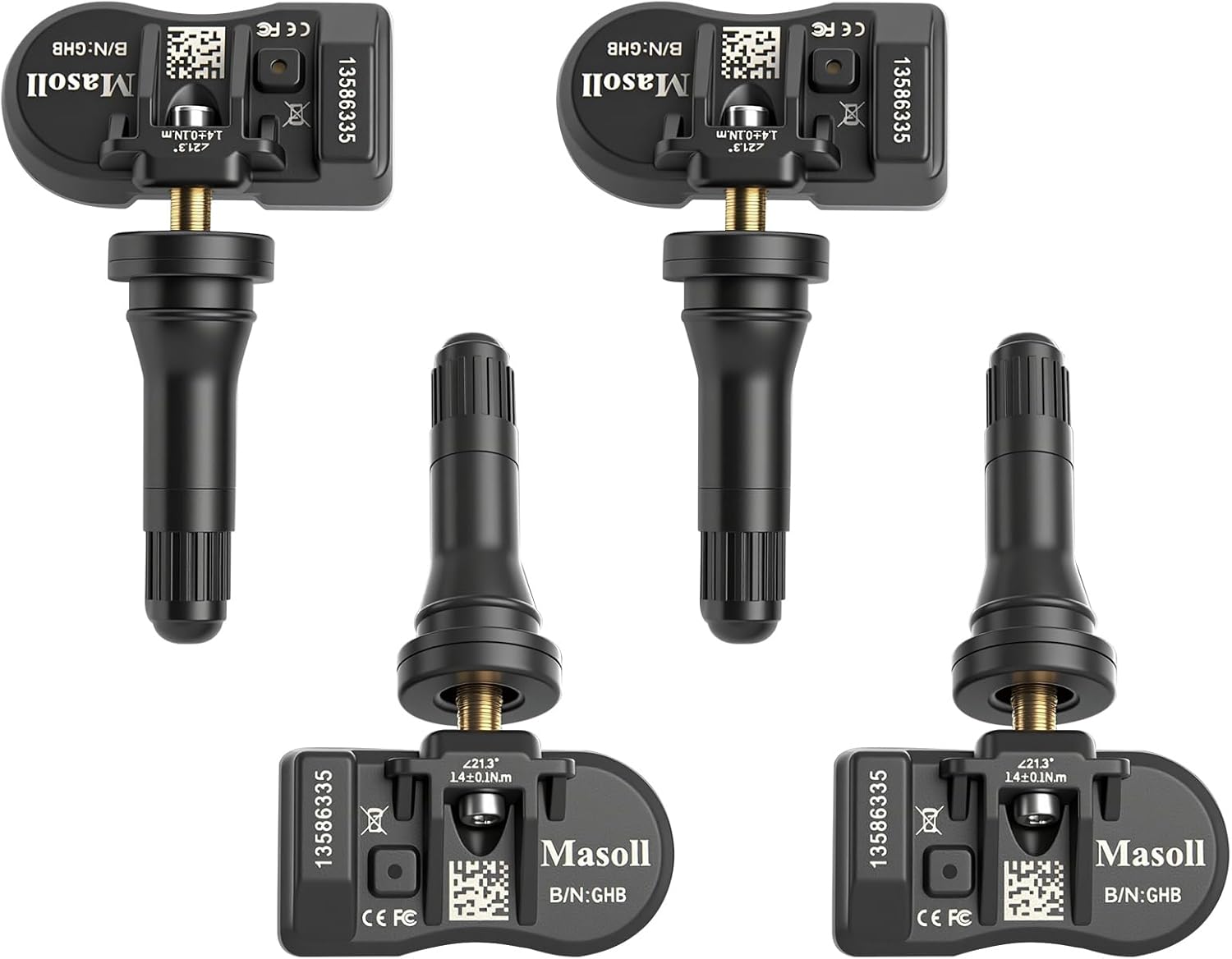
Masoll TPMS sensors are designed for most GM vehicles after 2006, helping you clear tire pressure warnings with OEM-level 315/433MHz compatibility. The 4-pack includes pre-programmed sensors, but re-learning is required after installation using a GM TPMS relearn tool or scan tool. Built with a dual-antenna design and a long-life CR2050 battery, these sensors deliver reliable performance in extreme temperatures with corrosion-resistant valve construction.
Troubleshooting a Solid TPMS Light
A solid TPMS light usually means you should check tire pressure right away. Follow this sequence before you try to reset anything:
- Park safely on level ground and let the tires cool if you can.
- Find the correct PSI on the driver-side door placard or in your owner’s manual.
- Check all tires with an accurate gauge. Do not rely on appearance alone.
- Add or release air until each tire matches the recommended cold pressure.
- Inspect for damage if one tire is much lower than the others.
- Drive normally for the time and conditions specified in your Tacoma’s manual if the system needs drive time to update.
[Products Worth Considering]

These aluminum alloy tire valve stem caps with an O-ring seal help protect valve stems from corrosion while adding a clean, stylish look to your vehicle. The universal fit works across cars, trucks, motorcycles, bicycles, and more, making them an easy upgrade for everyday driving and off-road use. Installation is quick, and the included four-pack keeps all your tires dressed and protected.

This TPMS sensor training and relearn reset tool is customized for Ford, Lincoln, and Mercury vehicles to help activate tire pressure programming after sensor replacement or tire rotation. It can activate individual tire pressure sensors with one-button operation, helping prevent TPMS warning light illumination. It is not a sensor programming tool and cannot program replacement sensors—use it to trigger/activate sensors only.

Keep your tires properly inflated with this analog VONDIOR tire pressure gauge, designed for fast, easy readings without batteries. The swiveling, two-axis hose and large glow dial help you measure at any tire angle with instant visibility. Built with a protective rubber shield, it supports durable, low-maintenance use for cars and trucks.
What the Pressure Pattern Can Tell You
| What You Find | Most Useful Next Step |
|---|---|
| One tire is much lower than the others | Look for a puncture, valve-stem leak, bead leak, or wheel damage before assuming the TPMS itself is faulty. |
| All tires are similarly low | Correct all pressures cold and consider recent temperature changes or overdue maintenance. |
| All tires are correct but the solid light remains | Allow the system to update as your manual specifies, then check whether initialization or diagnosis is required. |
| The light flashes first, then stays on | Treat it as a possible TPMS malfunction even if tire pressure is correct. |
If the light stays on after all tires are set correctly, your Tacoma may need TPMS initialization, wheel-position registration, sensor-ID registration, or diagnosis. Which procedure applies depends on the model year and what service was performed.
How to Reset the Tire Pressure Light on Your Tacoma

Resetting the tire pressure light on a Tacoma depends on the model year and system type. Some Tacomas use a physical TPMS set button. Others use settings in the multi-information display. Always check your exact owner’s manual through Toyota Owners Manuals and Warranties before assuming your truck uses the same reset method as another Tacoma.
[Products Worth Considering]

Replace worn or malfunctioning GM TPMS sensors with this 433MHz pre-programmed sensor set designed for compatibility with many Chevrolet, Buick, GMC, and Cadillac models. It includes guidance for proper OBDII relearning/pairing after installation and supports reliable long-term operation with a high-performance CR2032 battery. Quality tested for durability and performance to help restore accurate tire pressure monitoring.
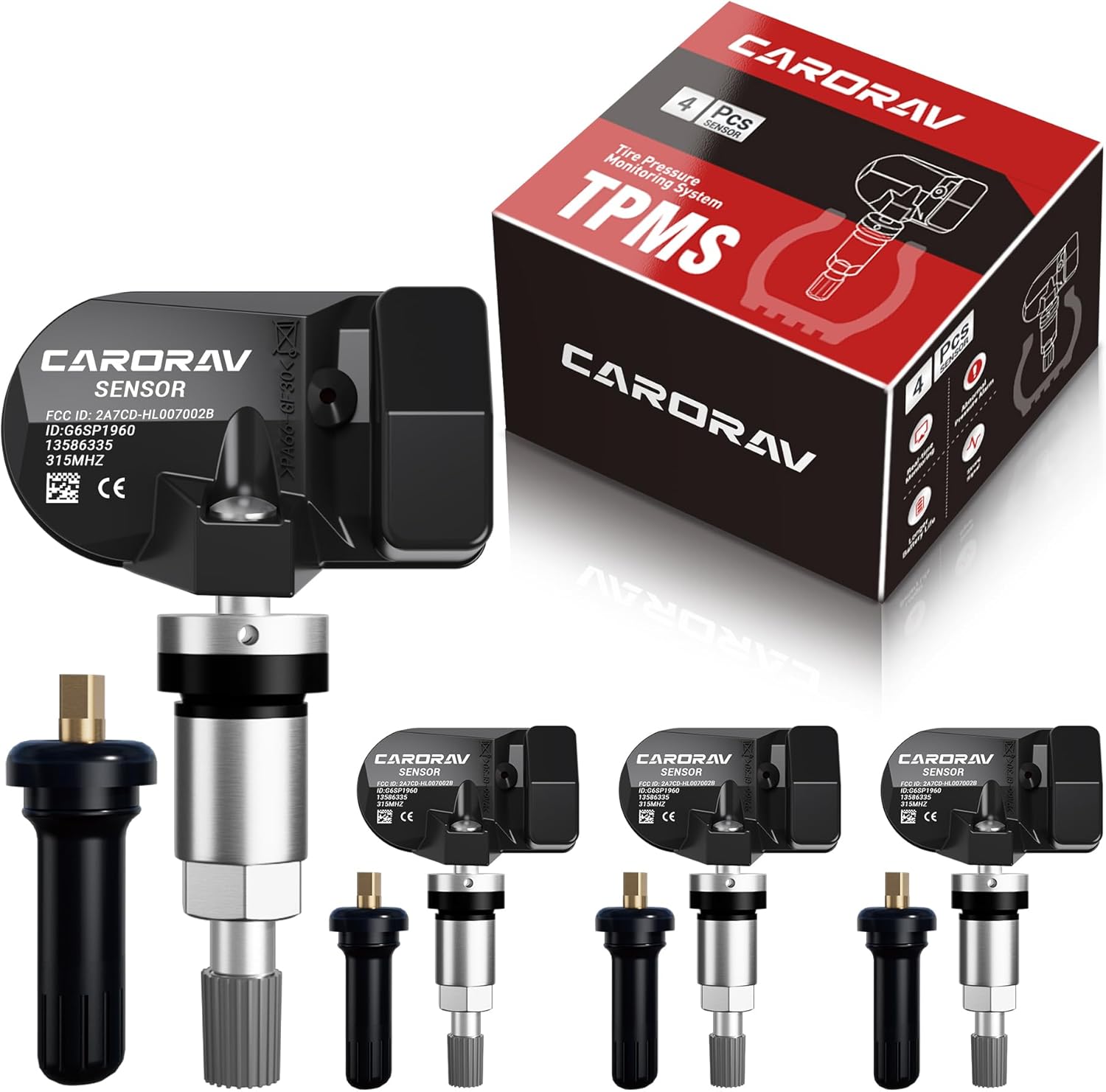
Replace worn or missing TPMS sensors with CARORAV pre-programmed GM-compatible sensors for a smoother installation experience. These 315MHz replacement sensors help monitor tire pressure in real time with long battery life, and they are designed to withstand harsh temperatures. Manual or OBDII relearn may be required to reset the system for proper recognition.

Marsflex brand TPMS replacement sensors help restore tire pressure monitoring for compatible Toyota, Lexus, Scion, and Pontiac models. Each sensor is pre-programmed for the vehicle application and includes a long-life battery for up to 8 years of normal use. Designed to replace common OE numbers and requires relearning using a TPMS scan tool after installation.
Reset vs. Initialization vs. Sensor Registration
Several different TPMS jobs are often described as a “reset,” but they are not interchangeable. Knowing which one you need prevents unnecessary programming and avoids teaching the system an incorrect pressure baseline.
| Procedure | What It Does | When It May Apply |
|---|---|---|
| Pressure correction | Restores each tire to the vehicle’s recommended cold PSI. | The first step whenever a solid low-pressure warning appears. |
| Initialization / pressure setting | Establishes the pressure-related baseline used by the warning system. | When specified by the owner’s manual after pressure, tire-size, rotation, or related system changes. |
| Wheel-position learning | Lets supported systems determine which sensor is at each wheel position. | After rotation on systems that track individual wheel positions. |
| Sensor-ID registration | Teaches the TPMS computer the unique ID of a pressure transmitter. | When new or replacement TPMS transmitters are installed and your system requires registration. |
If you are replacing sensors rather than simply correcting pressure, see the separate TPMS sensor programming and relearn guide for the difference between programming a sensor and registering its ID to a vehicle.
Steps to Reset the Light Safely
| Step | What to Do | Why It Matters |
|---|---|---|
| 1 | Set all tires to the cold PSI listed on the door placard. | The system should learn the correct pressure condition, not an underinflated one. |
| 2 | Use the TPMS set button or vehicle settings procedure only if your Tacoma’s owner’s manual instructs you to. | Tacoma controls and initialization procedures vary by year and equipment. |
| 3 | Drive normally for the amount of time and under the conditions your manual recommends. | Some systems need wheel-sensor data before learning or display updates complete. |
| 4 | If the light returns, inspect for leaks or schedule TPMS diagnosis. | A recurring warning often means the tire is losing pressure or the system has a fault. |
Does Driving Reset the TPMS Light?
Driving may help the TPMS update after you correct tire pressure, but it is not a substitute for checking the tires. Some Tacoma systems clear after the correct pressure is restored and the system receives updated sensor data. Other situations require initialization or another model-specific procedure.
Avoid universal advice such as “drive at 50 mph for 10 minutes” unless your exact owner’s manual says that applies to your Tacoma. The safer rule is simple: set the tires to the correct cold PSI first, then follow the reset or initialization procedure for your year and equipment.
Manual Reset Button Use
If your Tacoma has a TPMS set button, it is used only as directed by the owner’s manual after the tires are set to the correct cold pressure. Turn the vehicle on as directed in your manual, operate the set button as instructed, then allow the system to initialize.
If your Tacoma uses a digital menu instead, look for the tire-pressure or TPMS settings described in the owner’s manual. If you cannot find the correct option, do not disconnect the battery as a shortcut. Use the owner’s manual or ask a Toyota dealer or qualified tire shop to check the system.
Note: A pressure reset or initialization does not automatically perform every sensor-registration task. After replacing TPMS transmitters, installing another wheel set, or performing certain wheel-service procedures, follow the exact registration or wheel-position procedure specified for your Tacoma.
When Should You Consult a Professional for TPMS Issues?
Consult a professional if the TPMS light flashes for about 60–90 seconds and then stays on, especially if the pattern repeats every time you start the truck. That pattern usually means the system has detected a malfunction.
You should also get help if the light stays on after you set all tires to the correct cold PSI, one tire keeps losing pressure, the warning returns after tire service, or your Tacoma no longer displays tire pressure correctly. A technician can test each sensor, inspect valve stems, check whether a transmitter communicates, register sensor IDs when required, and confirm that the vehicle recognizes the system correctly.
Frequently Asked Questions
Can I still drive my Tacoma if the TPMS light is on?
You can usually drive a short distance to a safe place or air pump, but you should check the tires as soon as possible. Do not keep driving if a tire looks flat, the truck pulls, you feel vibration, or you see sidewall damage.
What is the first thing to do when the low tire pressure warning comes on?
Pull over when safe and inspect the tires. Then check all tire pressures with a gauge and set them to the cold PSI on the driver-side door placard or owner’s manual. Do not use the tire sidewall maximum as your target pressure.
What does a flashing tire pressure light mean on a Toyota Tacoma?
A flashing light that lasts about 60–90 seconds and then stays on usually means a TPMS malfunction. Check tire pressure first. If the pressure is correct and the warning returns, have the sensors and system checked.
Can I fix a TPMS error myself?
You can check pressure, inflate the tires, inspect for damage, and use the correct initialization procedure if your Tacoma provides one. If the warning keeps flashing or returns after proper inflation, the system may need sensor testing, ID registration, or further diagnosis.
Why did my Tacoma tire pressure light come on after cold weather?
Cold air lowers tire pressure. If your tires were already near the warning threshold, a cold morning can trigger the TPMS light. Check pressure when the tires are cold and adjust them to the door placard PSI.
Why is the TPMS light still on after I filled the tires?
The pressure may still be wrong, the tires may be warm, one tire may have a slow leak, or the TPMS may need time to update. If all tires are correct when cold and the light remains on, your Tacoma may need initialization or sensor-system diagnosis.
Why is my Tacoma TPMS light on when all tire pressures are correct?
If every tire is correct when cold, the system may still be updating, the TPMS may need initialization after recent tire or wheel service, or a sensor may not be communicating correctly. If the light flashes before staying on, treat it as a malfunction warning and have the system diagnosed if it repeats.
Do I need to reset the Tacoma TPMS after rotating the tires?
The required procedure depends on the Tacoma’s model year and TPMS design. Some systems require initialization or wheel-position registration after a rotation. Toyota’s current-generation guidance includes tire rotation among the situations that require TPMS initialization, so follow the procedure in the owner’s manual for your exact year.
Conclusion
The tire pressure warning light in your Toyota Tacoma is not something to ignore. A solid light usually means you need to check tire pressure and correct it to the cold PSI on the door placard. A flashing light that turns solid usually means the TPMS has detected a malfunction.
Start with the basics: inspect the tires, use a gauge, and correct the pressure. Only then use the initialization, wheel-position, or sensor-registration procedure that applies to your exact Tacoma. If the warning keeps returning after the tires are correct, have the leak or TPMS fault diagnosed before you rely on the system for future low-pressure warnings.
Sources
- NHTSA TireWise — tire pressure checks, TPMS meaning, cold pressure guidance, and tire safety.
- 49 CFR 571.138, Tire Pressure Monitoring Systems — federal low-pressure and TPMS malfunction warning requirements.
- Toyota Owners Manuals and Warranties — official model-specific Toyota owner’s manual lookup.
- Toyota 2024 Tacoma — Items to Initialize — current-generation example of when Toyota specifies TPMS initialization.