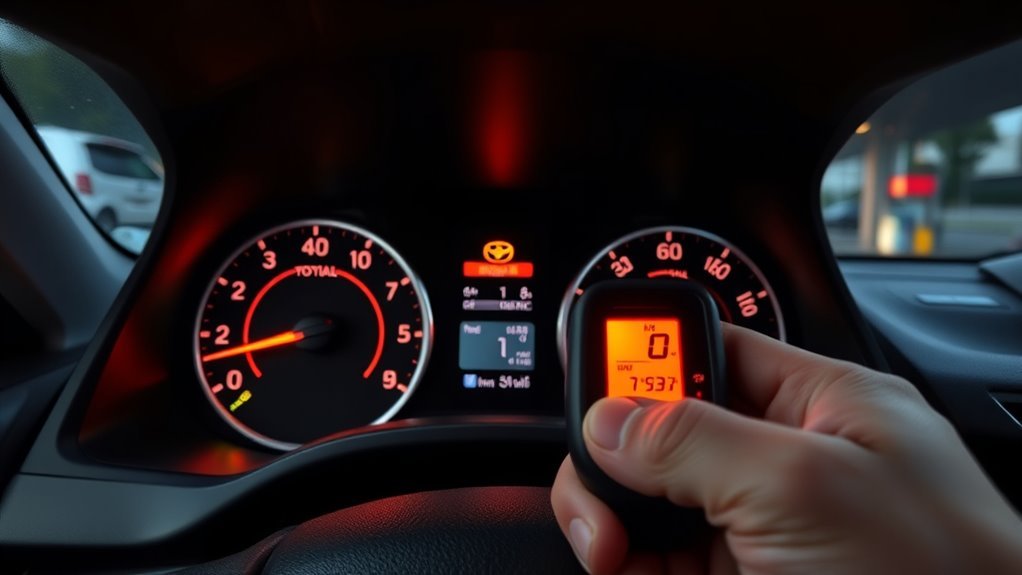
If your Toyota RAV4 shows a tire pressure warning, do not assume the TPMS sensor is bad right away. A steady tire pressure light usually points to low tire pressure, while a light that blinks for about a minute and then stays on points more toward a TPMS system malfunction. The safest first step is to check all tires with a gauge and compare them with the pressure listed on your driver-door tire label or owner’s manual.
Quick Answer
Common RAV4 TPMS sensor failure symptoms include a tire pressure light that blinks for about one minute before staying on, pressure readings that disappear or do not match a gauge, warnings that return after the tires are correctly inflated, or problems that begin after tire or wheel service.
Key Takeaways
- A steady tire pressure light usually means low tire pressure; a blinking-then-solid light usually means a TPMS malfunction.
- Do not use a universal PSI number. Use the RAV4 tire and loading information label or your owner’s manual.
- A bad TPMS sensor does not cause heavy steering by itself, but low tire pressure can affect steering, handling, braking, fuel economy, and tire wear.
- Most direct TPMS sensor batteries are sealed inside the sensor, so a dead battery usually means replacing the sensor assembly.
At a Glance
| Time Required | 10–30 minutes for basic checks; longer if a shop needs to scan or register sensors |
| Difficulty | Easy for pressure checks; moderate to professional for sensor diagnosis and programming |
| Tools Needed | Tire pressure gauge, air compressor, flashlight, owner’s manual, and optional TPMS scan tool |
| Cost | Basic pressure check is usually free if you own a gauge; professional diagnosis and sensor replacement vary by shop, sensor type, and labor |
Warning: If a tire looks flat, the RAV4 pulls hard to one side, the steering suddenly feels heavy, or you hear tire damage while driving, pull over safely and inspect the tires before continuing. Do not keep driving on a severely underinflated or damaged tire.
Common Signs of TPMS Sensor Malfunction
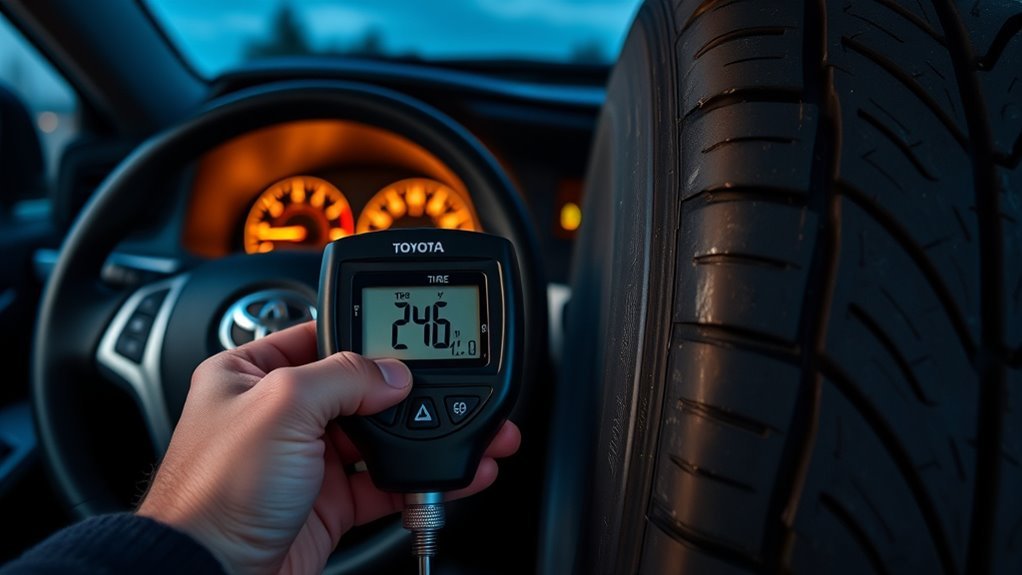
A Toyota RAV4 tire pressure warning can come from two different problems: actual low tire pressure or a TPMS malfunction. The difference matters because the fix is not the same.
The clearest sign of a TPMS malfunction is a tire pressure warning light that blinks for about one minute after startup and then stays on. Toyota describes this pattern as a tire pressure warning system malfunction, while a steady warning light is usually connected to low tire inflation pressure. Federal TPMS rules also describe a combined low-pressure and malfunction telltale that flashes first, then remains illuminated while the malfunction exists. Toyota RAV4 warning-light guidance and 49 CFR 571.138 both support this distinction.
Other signs that point toward a bad sensor, damaged valve transmitter, or registration problem include:
- A tire pressure warning that returns after all tires are checked cold and inflated correctly.
- One tire pressure reading that disappears, freezes, or differs sharply from a manual gauge reading.
- A TPMS warning that begins right after a tire replacement, wheel swap, tire rotation, or valve-stem repair.
- A shop scan tool cannot wake or read one sensor while the other sensors respond normally.
- The warning appears intermittently on an older RAV4 with original sensors, especially as the sensors approach the end of their battery life.
Note: A steady tire pressure light does not automatically mean the sensor is bad. It usually means one or more tires need air, especially after a cold night or seasonal temperature drop.
[Products Worth Considering]

Replace worn or malfunctioning GM TPMS sensors with this 433MHz pre-programmed sensor set designed for compatibility with many Chevrolet, Buick, GMC, and Cadillac models. It includes guidance for proper OBDII relearning/pairing after installation and supports reliable long-term operation with a high-performance CR2032 battery. Quality tested for durability and performance to help restore accurate tire pressure monitoring.

The VEHLIVE SU-50448 II TPMS relearn tool provides a fast activation reset to restore accurate tire pressure monitoring after sensor replacement or tire rotation. It supports 315 MHz and 433 MHz GM series sensors and helps clear dashboard pressure warnings. With simple two-button operation and horn-confirmed relearning order, you can reprogram sensors conveniently at home.
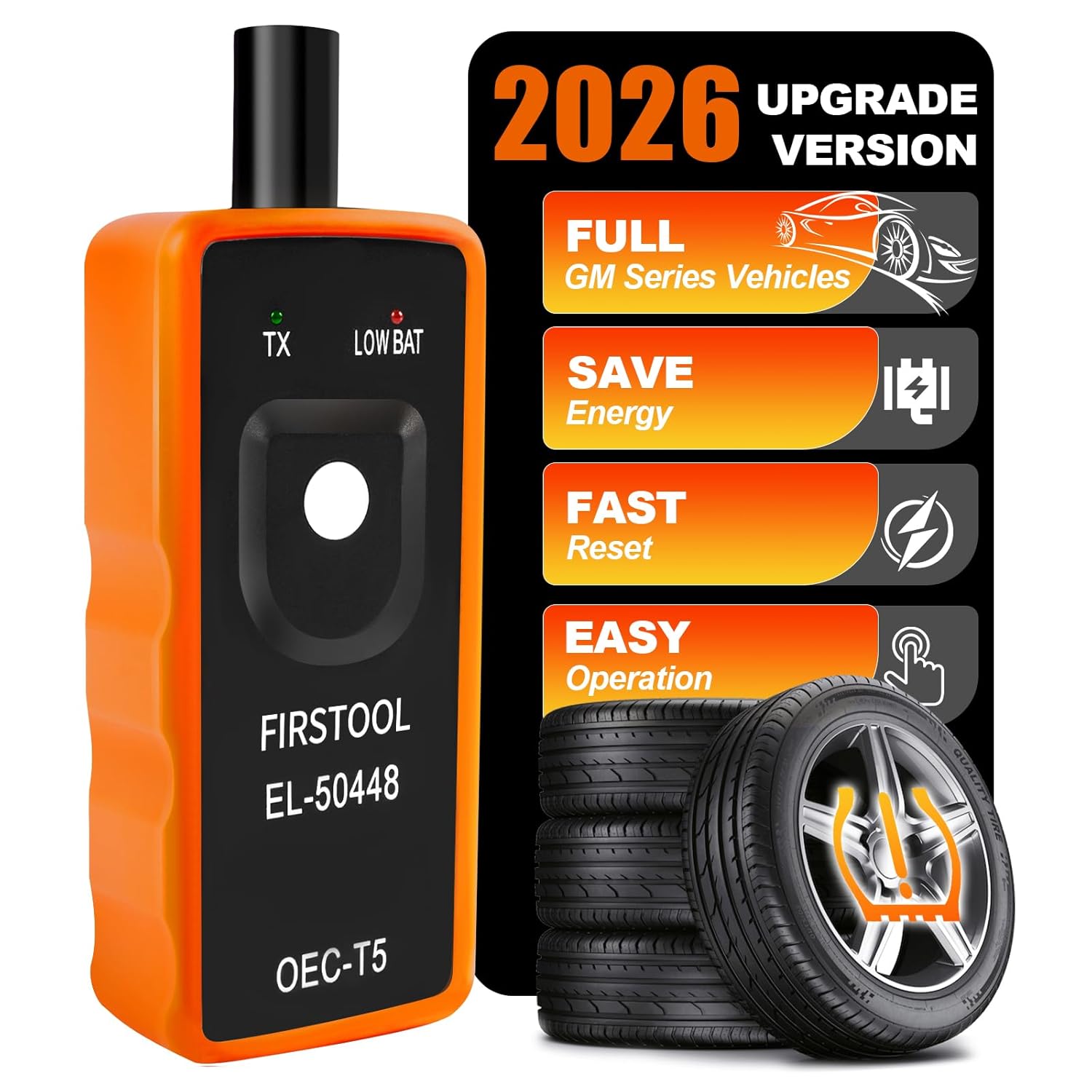
This TPMS relearn tool helps you quickly activate, match, and reset GM tire pressure sensors to keep the vehicle monitoring system working properly. It clears tire pressure alarms and dashboard warning lights after sensor replacement or tire rotation, and supports learning for common 315/433 MHz TPMS sensors. Designed for simple one-button operation, it can help you avoid unnecessary trips to repair shops.
Steady Tire Pressure Light vs. Blinking TPMS Light
Before replacing parts, read the warning pattern:
- Steady tire pressure light: Check all tires with a gauge. Inflate them to the cold pressure listed on the tire and loading information label, usually on the driver-side door jamb, or in your owner’s manual. Toyota states that the recommended cold tire inflation pressure and tire size are shown on that label. Toyota tire inflation pressure guidance
- Blinking light for about one minute, then solid: Treat this as a TPMS malfunction. The system may not be able to warn you correctly if a tire becomes low.
- Warning after tire service: A sensor may have been damaged, the wrong replacement sensor may have been installed, or the sensor ID may need registration or relearning.
- Warning with normal gauge readings: Recheck the pressures when cold, confirm the placard PSI, and then have the sensors scanned if the warning remains.
How Dead Sensor Batteries Impact TPMS Performance
Most direct TPMS sensors are small battery-powered transmitters mounted inside the wheel at the valve stem. The battery is sealed inside the sensor body, so it is not normally replaced by itself. When the battery dies, the sensor assembly is replaced.
Aging sensor batteries can cause missing readings, intermittent warnings, or a blinking-then-solid TPMS light. REDI-Sensor notes that TPMS sensors typically have a 5–10 year operational lifespan, depending on the sensor type, vehicle use, and conditions, and that the batteries are sealed and cannot be serviced separately. REDI-Sensor TPMS battery guidance
This is different from your RAV4’s 12-volt battery. A weak vehicle battery can cause many electrical issues, but when one wheel sensor stops transmitting, the more common cause is the sealed battery or electronics inside that TPMS sensor.
[Products Worth Considering]

Replace your worn or missing TPMS sensors with pre-programmed, direct-fit sensors for compatible Ford, Lincoln, and select Mazda models. Each sensor comes ready to activate with a scan tool, helping restore accurate tire pressure monitoring and trouble-free installation. Built with a long-life CR2032 battery and tested before factory release, this set provides dependable performance with a one-year warranty.

Marsflex brand TPMS replacement sensors help restore tire pressure monitoring for compatible Toyota, Lexus, Scion, and Pontiac models. Each sensor is pre-programmed for the vehicle application and includes a long-life battery for up to 8 years of normal use. Designed to replace common OE numbers and requires relearning using a TPMS scan tool after installation.
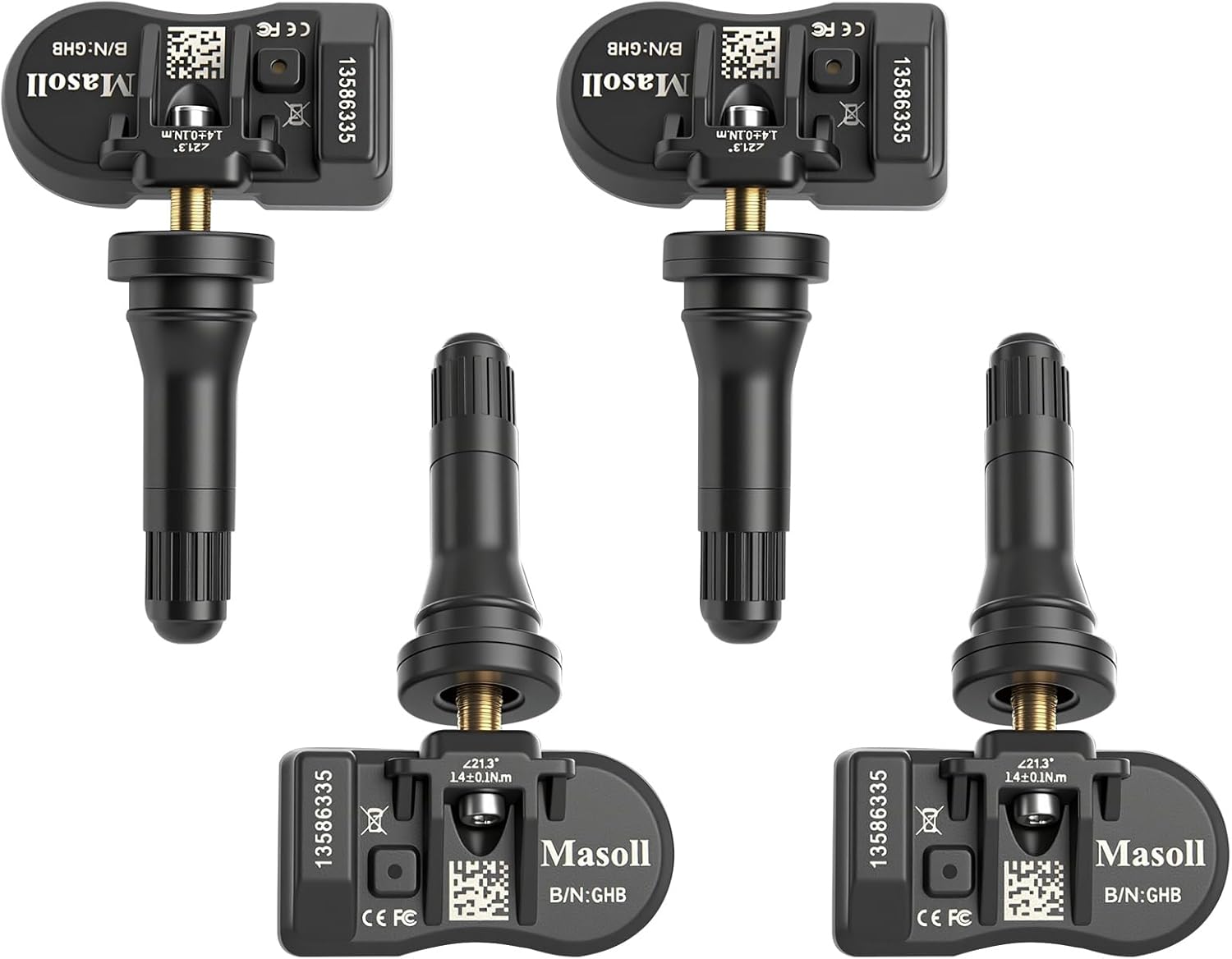
Masoll TPMS sensors are designed for most GM vehicles after 2006, helping you clear tire pressure warnings with OEM-level 315/433MHz compatibility. The 4-pack includes pre-programmed sensors, but re-learning is required after installation using a GM TPMS relearn tool or scan tool. Built with a dual-antenna design and a long-life CR2050 battery, these sensors deliver reliable performance in extreme temperatures with corrosion-resistant valve construction.
Misleading Alerts: Understanding Your Tire Status
Misleading TPMS alerts can happen when the tire pressure warning does not match the real tire pressure. The only reliable way to confirm tire status is to use a tire pressure gauge when the tires are cold.
If the gauge shows a tire is low, inflate it to the pressure on the RAV4’s tire label and inspect it for nails, sidewall bubbles, or tread damage. If all tires are correctly inflated but the warning keeps returning, the issue may be a failed sensor, damaged valve transmitter, incorrect sensor ID registration, or a receiver/system problem.
Pro Tip: Check pressure before driving, not after a long trip. Tire pressure rises as tires heat up, so a warm reading can hide a low cold-pressure problem.
Increased Fuel Consumption From TPMS Issues
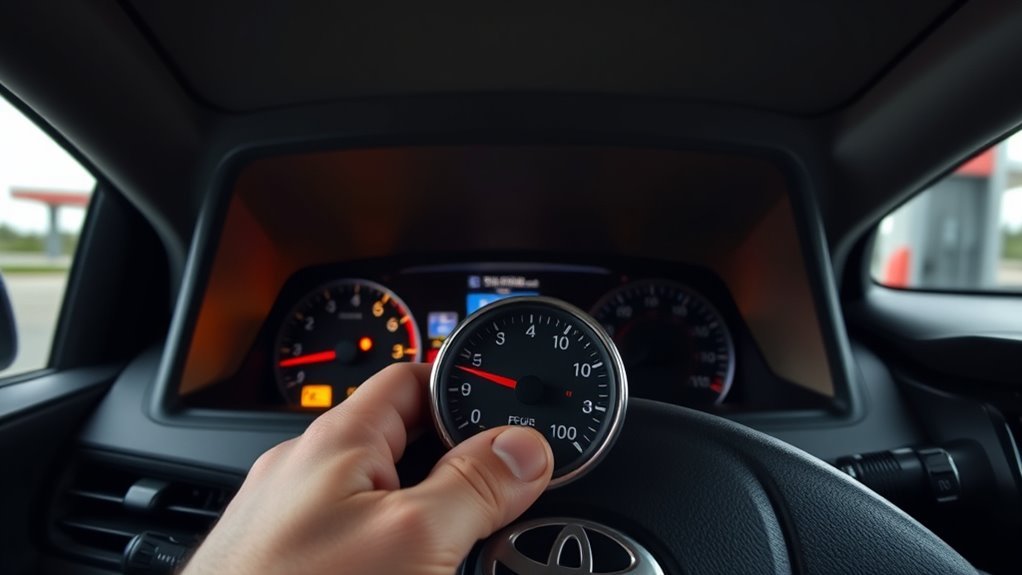
A failed TPMS sensor does not directly increase fuel use. The real problem is driving with underinflated tires because the system failed to warn you or because a warning was ignored.
Underinflated tires create more rolling resistance, which can reduce fuel economy and increase tire wear. FuelEconomy.gov says properly inflated tires can improve gas mileage by 0.6% on average and up to 3% in some cases, and that underinflated tires can lower gas mileage by about 0.2% for every 1 psi drop in the average pressure of all tires. FuelEconomy.gov tire inflation guidance
TPMS is a warning system, not a replacement for tire maintenance. A gauge check is still the best way to know the actual pressure in each tire.
TPMS and Steering Concerns: What to Watch For
A bad TPMS sensor does not make the steering tight by itself. However, low tire pressure can affect steering feel, handling, braking, and tire temperature. That is why steering changes should be treated as a tire-safety warning, not just a dashboard-light annoyance.
Low Tire Pressure Indicators
Low tire pressure may show up as a steady warning light, a visibly soft tire, uneven ride height, poor handling, extra road noise, or faster tire-edge wear. Cold weather can also trigger warnings because tire pressure drops as temperature falls.
If the light comes on, check all four tires with a gauge. Also check the spare tire manually if your RAV4 has one, because the TPMS display may not monitor it the same way as the road tires.
Steering Control Issues
If the steering feels heavy, the vehicle wanders, or the RAV4 pulls to one side, stop and inspect the tires as soon as it is safe. These symptoms can happen when a front tire is low, damaged, or losing air quickly.
Do not clear or reset the TPMS light before fixing the pressure problem. Resetting or initializing the system with incorrect tire pressure can teach the system the wrong baseline and make the warning less useful.
How Tire Changes Can Mess With Your TPMS
Tire and wheel service is one of the most common times for TPMS problems to appear. During tire mounting or valve-stem work, a sensor can be cracked, knocked loose, installed with the wrong service kit, or replaced with a sensor that is not compatible with your RAV4.
Replacement or alternate tires and wheels can also affect TPMS operation. Federal TPMS language specifically notes that malfunctions can occur after replacement or alternate tires or wheels are installed if they prevent the TPMS from functioning properly. 49 CFR 571.138 TPMS standard
After tire service, a technician may need to perform sensor ID registration, relearn, or initialization depending on the model year, sensor type, and wheel setup. If your warning light appears immediately after new tires, ask the shop to scan each sensor and confirm the IDs were registered correctly.
How to Troubleshoot a RAV4 TPMS Warning Light
- Park safely and inspect the tires. Look for a visibly flat tire, nail, sidewall bulge, damaged valve stem, or uneven tire height.
- Check pressure with a gauge. Use the pressure listed on the driver-door tire and loading information label or your owner’s manual, not the maximum pressure printed on the tire sidewall.
- Adjust pressure when tires are cold. Inflate low tires to the recommended cold pressure. If one tire is repeatedly low, it may have a leak.
- Drive normally and recheck the light. Some systems need a short drive after pressure is corrected before the warning clears.
- Watch the light pattern. A steady light points toward pressure. A blinking-then-solid light points toward TPMS malfunction.
- Scan the sensors if pressure is correct. A tire shop or Toyota dealer can use a TPMS tool to read each sensor’s ID, battery status, signal, and pressure data.
- Confirm registration after tire or wheel work. If a sensor was replaced, the new ID may need to be registered to the vehicle.
Note: If the TPMS system is malfunctioning, you can still check tire pressure manually, but you lose the automatic warning feature until the system is repaired.
[Products Worth Considering]

This TPMS sensor training and relearn reset tool is customized for Ford, Lincoln, and Mercury vehicles to help activate tire pressure programming after sensor replacement or tire rotation. It can activate individual tire pressure sensors with one-button operation, helping prevent TPMS warning light illumination. It is not a sensor programming tool and cannot program replacement sensors—use it to trigger/activate sensors only.

Masoll Gen 2 external TPMS sensors are a DIY replacement set of 4 for select GM vehicles made after 2006, helping you shut off the TPMS warning light quickly. Simply screw the sensors onto the tire valves and sync to your car ECU using the included EL-50448 relearn tool. Dual-frequency 315/433 MHz design provides OEM-level performance with accurate readings and replaceable batteries for about two years.
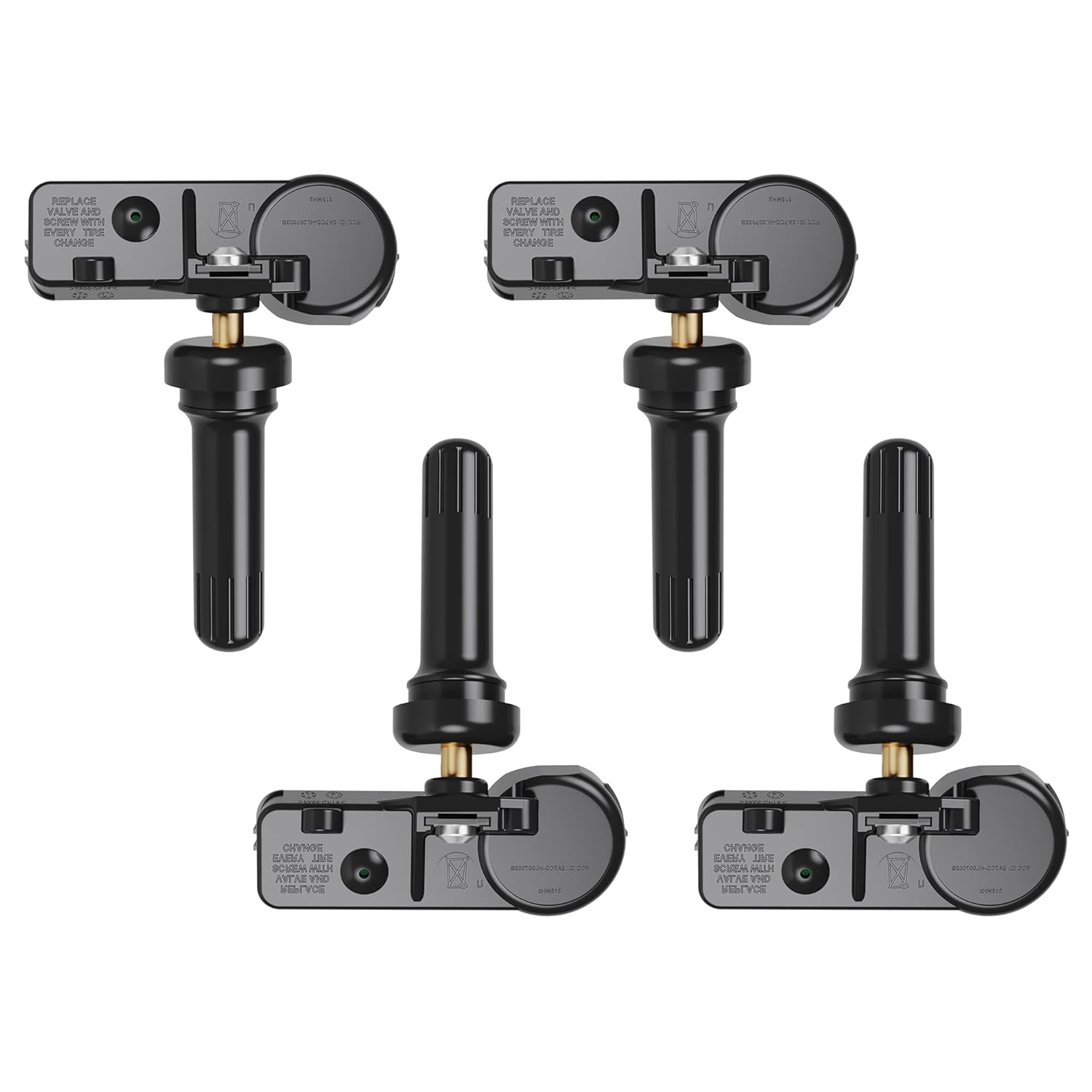
Replace worn or faulty TPMS sensors with this brand new 315MHz GM-compatible replacement set for select Chevy, GMC, Buick, Cadillac, and similar vehicles. These sensors are pre-programmed for your make/model/year and typically only require activation with a scan tool. Built for long service life with a high-temperature battery, they help maintain reliable tire pressure monitoring for safer driving.
Best Practices for TPMS Health Management
Keeping the TPMS healthy is mostly about keeping the tires correct, protecting the sensors during tire service, and not ignoring warning patterns.
Regular Tire Pressure Checks
Check tire pressure regularly with a quality gauge. Federal TPMS owner-manual language says each tire, including the spare if provided, should be checked monthly when cold and inflated to the pressure recommended on the vehicle placard or tire inflation pressure label. 49 CFR 571.138 written instructions
Toyota also advises using the tire and loading information label for the correct tire size and cold inflation pressure. This is more accurate than relying on a general PSI number from the internet.
Monitor Sensor Battery Life
If your RAV4 is several years old and still has the original TPMS sensors, battery aging becomes more likely. A shop with a TPMS scan tool can often check whether each sensor is transmitting and whether the battery is weak.
If one sensor battery fails and all four sensors are the same age, ask for prices on replacing one sensor versus replacing the full set during tire service. Replacing all four may save future labor, but it is not always necessary if the other sensors test well.
Professional Maintenance Services
Use a tire shop or Toyota dealer that understands TPMS service. A proper diagnosis should include a manual pressure check, sensor scan at each wheel, inspection of valve stems and service kits, confirmation of sensor compatibility, and sensor ID registration if a sensor was replaced.
Avoid using tire sealants unless the product is approved for TPMS-equipped wheels. Some sealants can contaminate sensors and make diagnosis or replacement more expensive.
Frequently Asked Questions
Can I drive with a malfunctioning TPMS sensor?
You may be able to drive if all tires are confirmed safe and properly inflated, but you should not ignore the issue. A malfunctioning TPMS may not warn you when a tire becomes dangerously low. Check pressure manually until the system is repaired.
How much does it cost to replace a TPMS sensor?
The cost depends on whether you use OEM or aftermarket sensors, your local labor rate, whether the tire must be dismounted, and whether programming or registration is included. Ask for an itemized quote that separates the sensor, valve service kit, mounting/balancing, and programming.
Are there DIY methods to troubleshoot TPMS issues?
Yes. You can inspect the tires, check cold tire pressure with a gauge, inflate to the placard pressure, and watch whether the light is steady or blinking. Replacing, programming, or registering TPMS sensors usually requires tire equipment and a TPMS scan tool.
How often should I reset my TPMS system?
Do not reset it on a schedule. Initialize or reset the system only after the tires are inflated to the correct cold pressure and when your owner’s manual says it is needed, such as after some tire rotations, tire replacements, or sensor registration procedures.
What causes TPMS sensors to fail prematurely?
Premature failure can come from tire-service damage, corrosion at the valve stem, incompatible replacement sensors, harsh weather, road impact, sensor age, or contamination from tire sealant. Battery age is also a common reason older sensors stop transmitting.
Why does my RAV4 TPMS light blink and then stay on?
A light that blinks for about one minute and then remains on usually means the TPMS has detected a malfunction. Possible causes include a dead sensor battery, damaged sensor, unregistered sensor ID, incompatible wheel/sensor, or receiver/system fault.
Should I replace one TPMS sensor or all four?
If one sensor was damaged during tire service, replacing only that sensor may be enough. If the sensors are original and near the end of their battery life, compare the cost of replacing one sensor now with replacing all four while the tires are already off.
Conclusion
RAV4 TPMS sensor failure symptoms are easiest to understand when you separate pressure problems from system problems. A steady tire pressure light usually means you should check and correct tire pressure. A blinking light that stays on after about a minute usually points to a TPMS malfunction. Start with a manual gauge check, use the pressure listed on your RAV4’s tire label, and get the sensors scanned if the warning remains after the tires are correctly inflated.
Sources
- Toyota RAV4 warning-light guidance — supports the blinking-then-solid TPMS malfunction explanation.
- Toyota tire inflation pressure guidance — supports using the tire and loading information label for correct cold tire pressure.
- 49 CFR 571.138 Tire Pressure Monitoring Systems — defines TPMS purpose, malfunction indication, and required owner-manual warning language.
- FuelEconomy.gov: Keeping Your Vehicle in Shape — supports the fuel economy impact of underinflated tires.
- REDI-Sensor TPMS battery FAQ — supports sealed sensor battery and typical TPMS sensor lifespan information.