
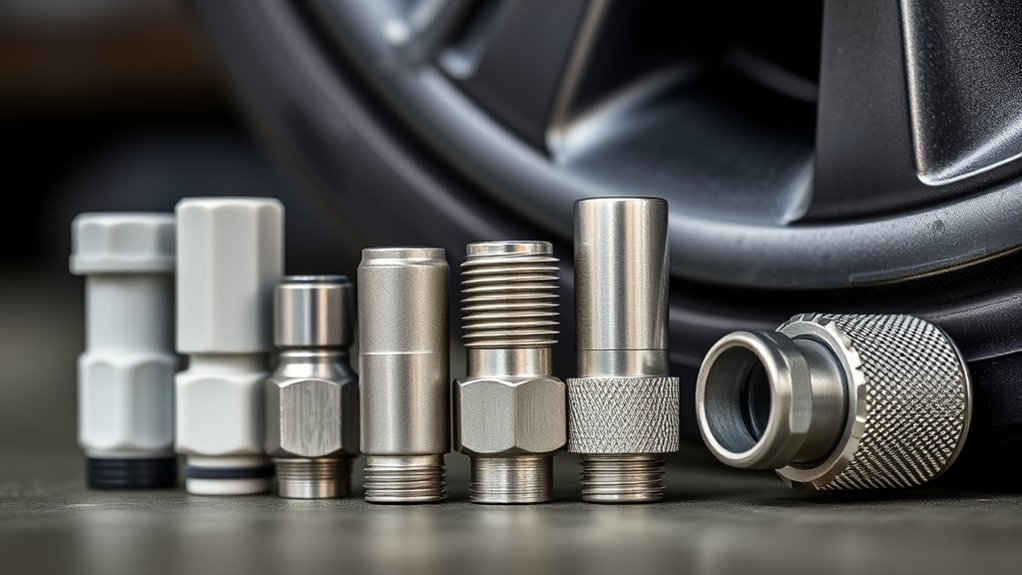
Most tire valve caps are the same size for everyday cars, SUVs, light trucks, motorcycles, trailers, lawn equipment, and other tires that use standard Schrader valves. In most cases, you need a standard Schrader tire valve cap, not a vehicle-specific cap. The common 0.453-inch number often mentioned with tire valves should not be treated as the cap size. For the cap itself, focus on smooth threading, a snug hand-tight fit, and a clean seal over the valve opening.
Quick Answer
Most tire valve caps are the same size because most passenger vehicles use standard Schrader tire valves. Buy standard Schrader caps unless your wheel uses a specialty, TPMS-specific, Presta, or heavy-duty valve. A good cap threads on easily, covers the valve end, and seats snugly by hand.
Key Takeaways
- Most cars use standard Schrader tire valve caps, so universal replacement caps usually fit.
- Do not use the 0.453-inch valve-stem hole measurement as the cap size when shopping for caps.
- A cap should thread on smoothly by hand and should not need force, tools, or pliers.
- Plastic caps resist corrosion well, while lined metal caps can work if they have a rubber or plastic insert.
- A valve cap protects the valve core from dirt and moisture, but it does not replace a damaged valve core.
At a Glance
| Most Common Fit | Standard Schrader tire valve cap |
| Tools Needed | None for the cap; use a tire pressure gauge to confirm pressure afterward |
| Best Everyday Material | Plastic or lined metal with a rubber or plastic insert |
| Install Tightness | Hand-tight only, never forced |
Are Tire Valve Caps All the Same Size?
Most tire valve caps are the same size because most passenger vehicles use Schrader-style tire valves. These are the common spring-loaded valves you see on cars, SUVs, pickup trucks, motorcycles, many trailers, and most lawn equipment. If a replacement package says “standard tire valve caps” or “Schrader valve caps,” it usually fits normal automotive valve stems.
The main exceptions are specialty valves. Some bicycles use Presta valves, some commercial wheels use heavy-duty clamp-in valves, and some TPMS valve stems need caps that match the sensor stem material. If the cap starts crooked, feels rough, or stops after one turn, do not force it. The wrong cap can cross-thread the stem and make a small problem harder to fix.
What Size Are Tire Valve Caps?
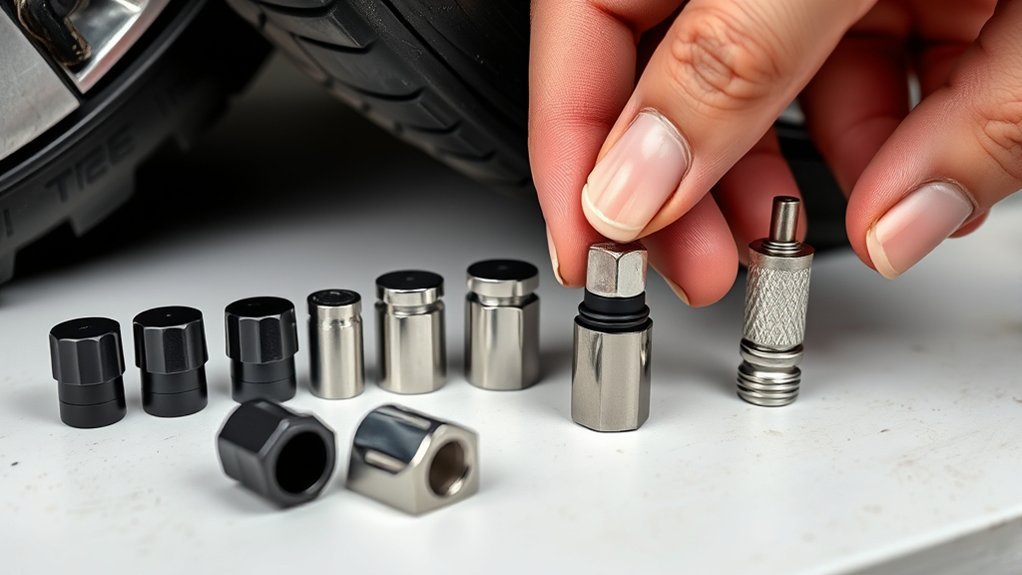
For most vehicles, the size you need is simply a standard Schrader tire valve cap. You usually do not need to measure the cap with calipers or match it to your vehicle model. The cap should screw onto the outside threads of the valve stem and cover the end of the valve where the valve core sits.
Be careful with the 0.453-inch number you may see in tire-valve discussions. That measurement is commonly tied to the wheel opening used by many snap-in rubber valve stems, not the cap thread you are buying. For cap replacement, shop by valve type instead: standard Schrader for most vehicles, Presta for many road bikes, and specialty caps for unusual stems.
| Valve or Cap Type | Where You Usually See It | What to Buy |
|---|---|---|
| Standard Schrader | Cars, SUVs, pickups, motorcycles, trailers, lawn equipment | Standard tire valve caps |
| TPMS metal stem | Many newer vehicles with direct tire pressure sensors | Plastic cap or lined cap that will not seize |
| Presta | Many road bikes and performance bicycles | Presta-specific cap |
| Heavy-duty or specialty stem | Some commercial trucks, RVs, off-road setups, and specialty wheels | Match the stem type or ask a tire shop |
Note: If your original cap came from a TPMS metal valve stem, replace it with a plastic or lined cap unless your owner’s manual or tire shop recommends a specific metal cap.
Why Do Tire Valve Caps Matter?
Tire valve caps matter because they protect the valve core from dirt, grit, road salt, water, and corrosion. The valve core is the small spring-loaded part inside the stem that holds air in the tire. The cap covers that area so debris does not interfere with the sealing surface.
A cap is not the main air seal on a healthy tire valve. The valve core does that job. Still, a cap with a rubber washer or O-ring can act as a helpful secondary barrier if the valve core starts to seep slightly. That is why missing caps should be replaced soon, even though a missing cap does not always mean the tire will go flat right away.
Valve caps also make routine tire care easier. When the cap keeps the stem clean, your gauge and air chuck can seat better during pressure checks. NHTSA says proper tire pressure affects tire safety, durability, and fuel consumption, and it recommends checking all tires, including the spare, at least once a month when the tires are cold. NHTSA TireWise
Can Missing Tire Valve Caps Cause Leaks?
Yes, missing tire valve caps can contribute to leaks over time, but usually indirectly. Dirt, dust, road salt, and moisture can reach the valve core when the cap is gone. Once the valve core gets dirty, corroded, or damaged, air can escape slowly through the stem.
If a tire loses pressure after you replace the cap, the cap is probably not the real issue. Check the valve core, tire tread, bead area, and wheel for leaks. A cap can help protect the valve, but it cannot repair a worn valve core, cracked valve stem, punctured tire, or damaged wheel.
| Condition | What Happens | What You Should Do |
|---|---|---|
| Missing cap | Valve end stays exposed to dirt and water | Install a standard replacement cap |
| Cracked cap | Cap may not cover or seal correctly | Replace it during your next pressure check |
| Slow leak after new cap | Valve core or tire may be leaking | Use soapy water or visit a tire shop |
Warning: Do not ignore repeated pressure loss just because the valve cap looks new. Check the tire pressure with a gauge and have the valve core or tire inspected if pressure keeps dropping.
Which Tire Valve Cap Materials Are Best?
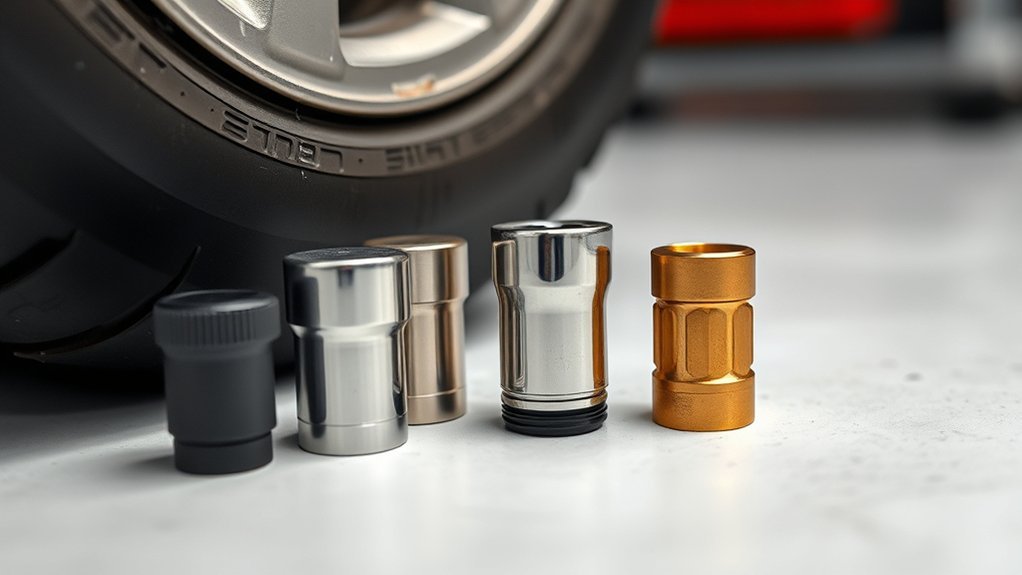
The best tire valve cap material depends on the valve stem, weather, and how often you check your tires. For most drivers, plastic valve caps are the safest everyday choice because they are light, inexpensive, and resistant to seizing. They may not look premium, but they do the job well.
Metal caps can look better and feel stronger, especially when they include an internal rubber gasket. The downside is corrosion risk. Bare metal caps can seize on some metal valve stems, especially in wet, salty, or winter conditions. If you choose metal caps, pick lined caps and remove them during routine pressure checks so they do not lock onto the stem.
- Plastic caps: best for everyday corrosion resistance and simple maintenance.
- Lined metal caps: best if you want a stronger feel but still want protection against seizing.
- Plain metal caps: use with caution, especially on TPMS metal valve stems or in road-salt areas.
- Gasketed caps: useful because the rubber washer or O-ring helps the cap stay snug and adds a secondary barrier.
Pro Tip: Keep a few plastic caps in your glove box. They are cheap, easy to install, and helpful when one disappears after an air-pressure check.
[Products Worth Considering]

Upgrade your Toyota tire setup with these corrosion-resistant, leak-proof valve stem caps designed to help protect the valve core from water, snow, and road grime. The caps feature a snug rubber seal and durable copper alloy construction to resist rust and oxidation while maintaining stable tire pressure. Ideal for replacing worn original caps and keeping your wheels looking clean and stylish.

Protect tire valves from water, dust, and sand to help prevent leaks and support safe driving. These universal stem caps install quickly by hand and feature durable aluminum alloy construction with an inner sealing ring for better air retention. Compatible with cars, SUVs, trucks, motorcycles, and bicycles for everyday convenience.
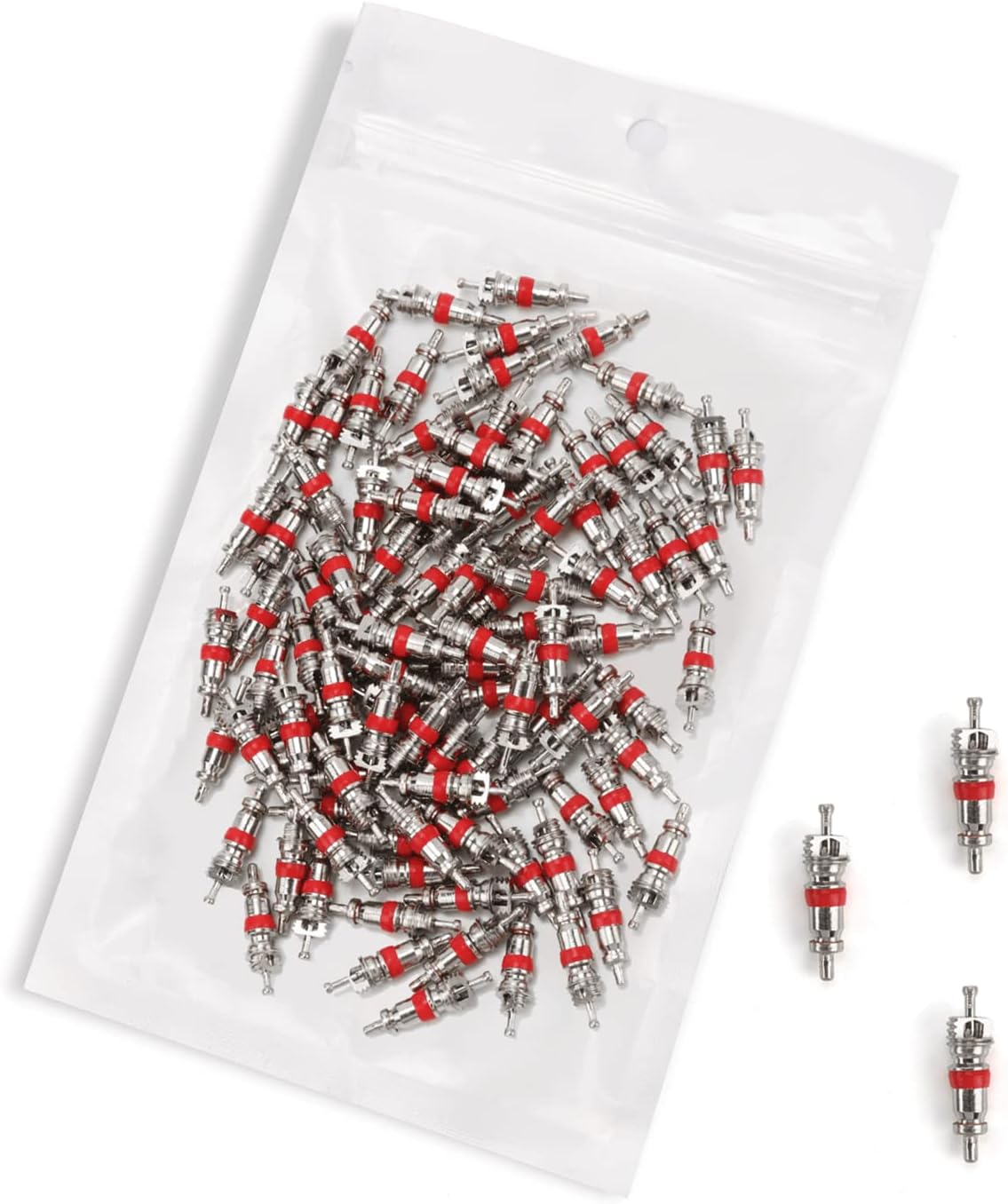
Replace worn Schrader valve cores with durable, nickel-plated replacements designed to resist rust and corrosion for a longer service life. Each core is 100% leakage tested and rated for up to 300 PSI, helping maintain a safe, reliable tire pressure system. Universal fit makes them suitable for cars, RVs, ATVs, motorcycles, bicycles, and many refrigeration/air conditioning applications.
How Do You Choose the Right Tire Valve Cap?
Choose the right tire valve cap by matching the cap to the valve type first, then choosing the material. For most vehicles, that means a standard Schrader cap. You do not need a brand-specific cap for a Toyota, Ford, Honda, Chevrolet, BMW, or most other passenger vehicles unless the vehicle uses a specialty stem or the owner’s manual says otherwise.
- Look at the valve type. Most car tires use Schrader valves. Many road bikes use Presta valves, which need different caps.
- Check the stem material. If the stem is metal or part of a TPMS sensor, avoid plain metal caps that may seize.
- Inspect the threads. The cap should start straight and turn smoothly by hand.
- Choose a gasketed cap when possible. A small internal washer helps the cap seat better.
- Replace all missing or cracked caps. A full set keeps each valve protected the same way.
After you install a new cap, check tire pressure with a gauge. A tire pressure monitoring system can warn you about significant underinflation, but NHTSA explains that TPMS is not a substitute for regular tire maintenance. NHTSA TireWise
[Products Worth Considering]

These universal tire valve stem caps help protect valve cores from dust, debris, and moisture while helping maintain stable tire pressure. The corrosion-resistant metal construction and sealed design provide reliable protection in road grime, mud, and winter conditions. Twist-on installation makes them quick to fit on cars, SUVs, trucks, and motorcycles.

Upgrade your vehicle’s tire valves with these durable, universal black stem caps that help protect against dust and moisture. Each cap includes a rubber sealing ring to reduce the risk of air leakage during long, rugged drives. Made from corrosion-resistant plastic with a textured grip, they fit most Schrader valve-equipped cars, SUVs, trucks, motorbikes, and bikes.

CKAuto 50 pack tire valve caps help protect your vehicle valves from dirt and corrosion while providing an airtight, leak-resistant seal. Each cap features an O-ring designed to help prevent air loss and keep out dust and debris. Universal sizing makes these caps suitable for cars, SUVs, bikes, trucks, and motorcycles, and the ridged grip design allows easy installation and removal for quick pressure checks.
How to Install a Tire Valve Cap Correctly
Installing a tire valve cap is simple, but small mistakes can damage the threads. Start by wiping the valve stem if it has dirt, mud, or salt on it. Place the cap straight on the stem, then turn it clockwise with your fingers until it seats. Stop when it feels snug.
Do not tighten valve caps with pliers. Overtightening can crack a plastic cap, crush a gasket, or make a metal cap harder to remove later. If the cap does not turn smoothly, back it off and try again. A crooked cap can cross-thread the valve stem.
Note: A cap that spins freely without tightening may have stripped threads. Replace it instead of trying to force it to stay on.
Troubleshooting Tire Valve Cap Problems
If a valve cap will not fit, do not assume the tire needs a special cap right away. First, check for damaged threads, dirt inside the cap, a bent valve stem, or the wrong cap type. A cap from a bicycle Presta valve, sports ball needle, or other small valve will not fit a standard car tire stem.
| Problem | Likely Cause | Best Fix |
|---|---|---|
| Cap starts crooked | Cross-threading or wrong cap | Remove it and restart by hand |
| Metal cap is stuck | Corrosion or seizing | Have a tire shop remove it if gentle hand pressure fails |
| Cap keeps falling off | Stripped cap threads or weak gasket | Replace the cap with a new standard Schrader cap |
| Tire still loses air | Valve core, puncture, bead leak, or wheel issue | Check for leaks and repair the real cause |
[Products Worth Considering]
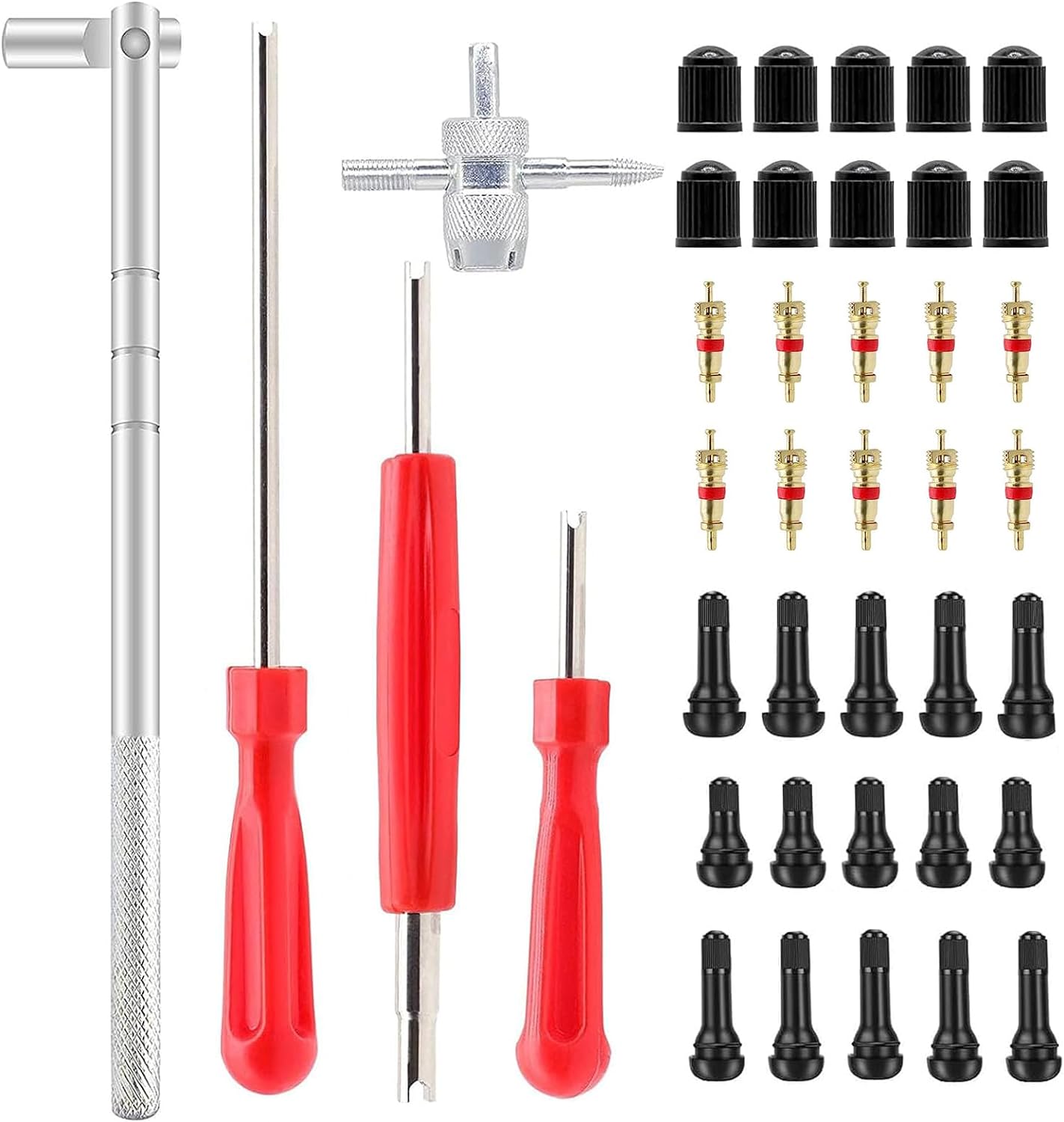
This ZHSMS valve stem puller and installer tool set makes it easy to remove and install tire valve stems without damaging wheels or valves. It uses a leverage design to save effort and includes valve stem tools plus removable valve core functionality for quick tire repairs. Compatible with tubeless tires for passenger cars, motorcycles, ATVs, off-road vehicles, and trucks.

Upgrade your Toyota’s wheels with durable aluminum alloy valve stem caps that help protect valve cores from corrosion and direct exposure to road grime, clay, water, and snow. Rubber rings improve sealing to help prevent air leakage and maintain stable tire pressure for safer driving. These caps are easy to install or remove without tools and add a unique, stylish look to your car.

These aluminum alloy tire valve stem caps with an O-ring seal help protect valve stems from corrosion while adding a clean, stylish look to your vehicle. The universal fit works across cars, trucks, motorcycles, bicycles, and more, making them an easy upgrade for everyday driving and off-road use. Installation is quick, and the included four-pack keeps all your tires dressed and protected.
Frequently Asked Questions
Do tire valve caps fit all cars?
Most tire valve caps fit most cars because most cars use standard Schrader tire valves. You should still check the fit if your vehicle has specialty wheels, metal TPMS stems, aftermarket valve stems, or heavy-duty tires. The cap should thread on smoothly by hand and should not need force.
What size tire valve caps do I need?
For most cars, SUVs, pickups, motorcycles, and trailers, you need standard Schrader tire valve caps. Do not shop by the 0.453-inch valve-stem hole measurement, because that is not the cap size. If you have a bicycle Presta valve or a specialty commercial stem, buy the cap made for that valve type.
What is the most common tire valve size?
The most common automotive tire valve type is the Schrader valve. Standard Schrader caps fit the outside threads on most passenger-vehicle valve stems. For normal tire-cap replacement, the practical buying term is “standard Schrader valve cap,” not a vehicle make, model, or rim-hole size.
What happens if I lost my tire valve cap?
If you lost a tire valve cap, replace it soon. You can usually drive a short distance without one, but the exposed valve can collect dirt, water, and road salt. That contamination can damage the valve core over time and may contribute to slow pressure loss.
Are metal tire valve caps better than plastic?
Metal tire valve caps are not always better. They can feel stronger and may look nicer, especially when they have a gasket, but they can also corrode or seize on some valve stems. Plastic caps are usually the safer low-maintenance choice for daily driving.
Can a valve cap stop a tire leak?
A gasketed valve cap may slow a tiny seep from a weak valve core, but it should not be treated as a repair. The valve core, tire, bead, and wheel must hold air correctly. If pressure keeps dropping, inspect the tire and valve instead of relying on the cap.
Conclusion
Most tire valve caps are the same size because most vehicles use standard Schrader tire valves. For everyday replacement, buy standard Schrader caps, install them by hand, and make sure each one threads on smoothly. Choose plastic or lined caps if you want the least hassle, especially on TPMS valve stems or in salty weather.
A valve cap is small, but it protects an important part of the tire system. Replace missing or cracked caps quickly, check tire pressure with a gauge, and do not ignore repeated air loss. If the tire keeps losing pressure after you replace the cap, the valve core or tire needs inspection.
Sources
- NHTSA TireWise — tire pressure, monthly checks, TPMS limits, and tire safety context.
- Schrader Pacific Timeline — background on Schrader tire valves, tire valve caps, and replaceable valve cores.
- Archived Schrader Valve Products — tire valve product categories and valve-hardware context.
