
Are Tire Valve Caps Universal? What Fits All Cars Explained
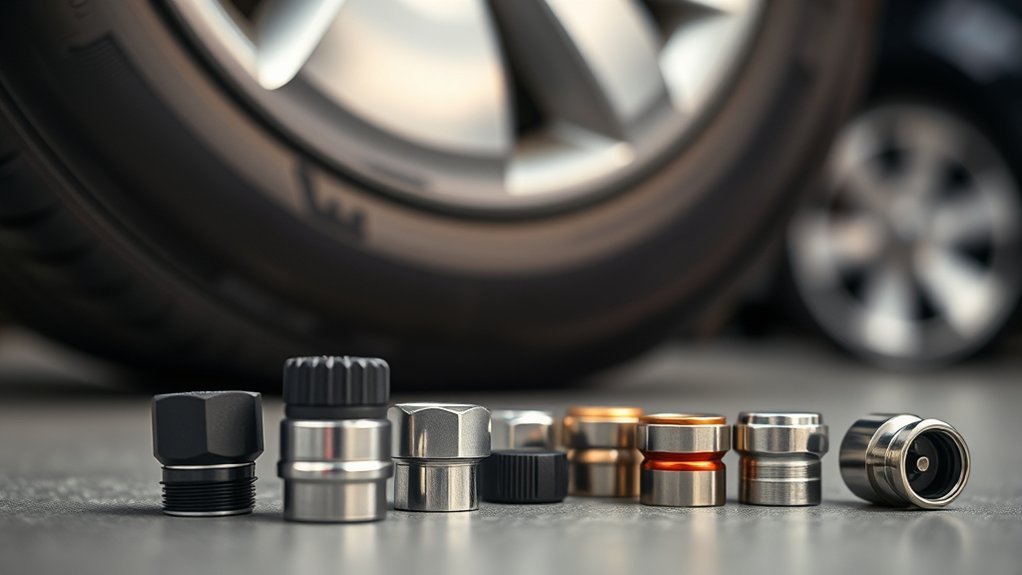
Tire valve caps look like tiny throwaway parts, but they help protect the valve system that keeps your tires inflated. Most replacement caps fit standard car, SUV, truck, and motorcycle valve stems, but “universal” does not mean every cap fits every valve. The right choice depends on the valve type, cap thread, cap material, gasket quality, TPMS hardware, and the condition of the threads on your valve stem.
Quick Answer
Most tire valve caps are universal for cars, trucks, SUVs, and many motorcycles because they use standard Schrader valve stems. They are not truly one-size-fits-all, though. Specialty valves, damaged threads, some high-pressure or TPMS hardware, and bicycle Presta/Dunlop valves may need a different cap. Match the cap to the valve type and thread.
Key Takeaways
- Most automotive tire valve caps fit standard Schrader valve stems, which commonly use a .305"-32 cap thread.
- The valve core is the main air seal; the cap protects that core from dirt, moisture, road salt, and debris.
- Plastic caps with a good rubber gasket are usually the best low-maintenance choice for daily driving.
- Metal caps can look better and last longer, but they can corrode or seize if the material is not compatible with the valve stem.
- Replace missing, cracked, loose, or seized caps quickly, then check tire pressure with a gauge.
At a Glance
| Time Required | 2–5 minutes to replace a cap; 5–10 minutes to inspect all four tires and check pressure. |
| Difficulty | Easy. Most caps screw on by hand. |
| Tools Needed | Replacement valve cap, tire pressure gauge, and optional soapy water for a leak check. |
| Cost | Usually a few dollars for a multipack, more for branded or specialty caps. |
Are Tire Valve Caps Universal?
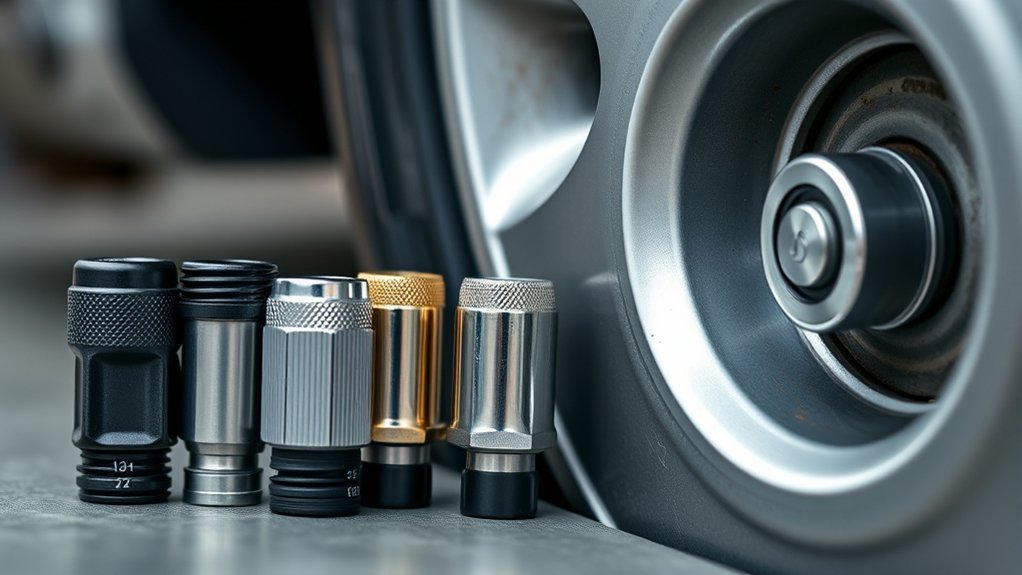
Yes, most tire valve caps are universal for standard automotive Schrader valve stems. These are the common valve stems found on most passenger cars, SUVs, pickup trucks, and many motorcycles. Many automotive Schrader valve caps use the common .305"-32 cap thread, which is why generic replacement caps usually fit without trouble.
Still, “universal” has limits. Some bicycles use Presta or Dunlop valves. Some trailers, commercial vehicles, high-pressure tire assemblies, racing applications, and TPMS-equipped wheels may use valve hardware that deserves a closer look. Damaged, dirty, or cross-threaded stems can also make a normally correct cap fit poorly.
If you want a secure seal and a clean look, start by confirming the valve type, then choose a cap with good sealing performance. A rubber gasket or O-ring inside the cap matters more than decoration because it helps block moisture and debris from the valve opening.
Note: The valve cap is not the main part that holds air in the tire. The valve core does that job. The cap protects the valve core from dirt, moisture, and corrosion and may add a secondary seal when it has a good gasket.
[Products Worth Considering]

Upgrade your tires with authentic 40mm caliber bullet-shaped stem caps designed to help keep inflation consistent and secure. The patented insert helps protect TPMS and the lacquer coating resists tarnishing for a stylish look. Easy to install on standard Schrader valve stems, these caps fit cars, trucks, SUVs, motorcycles, BMX and bicycles.
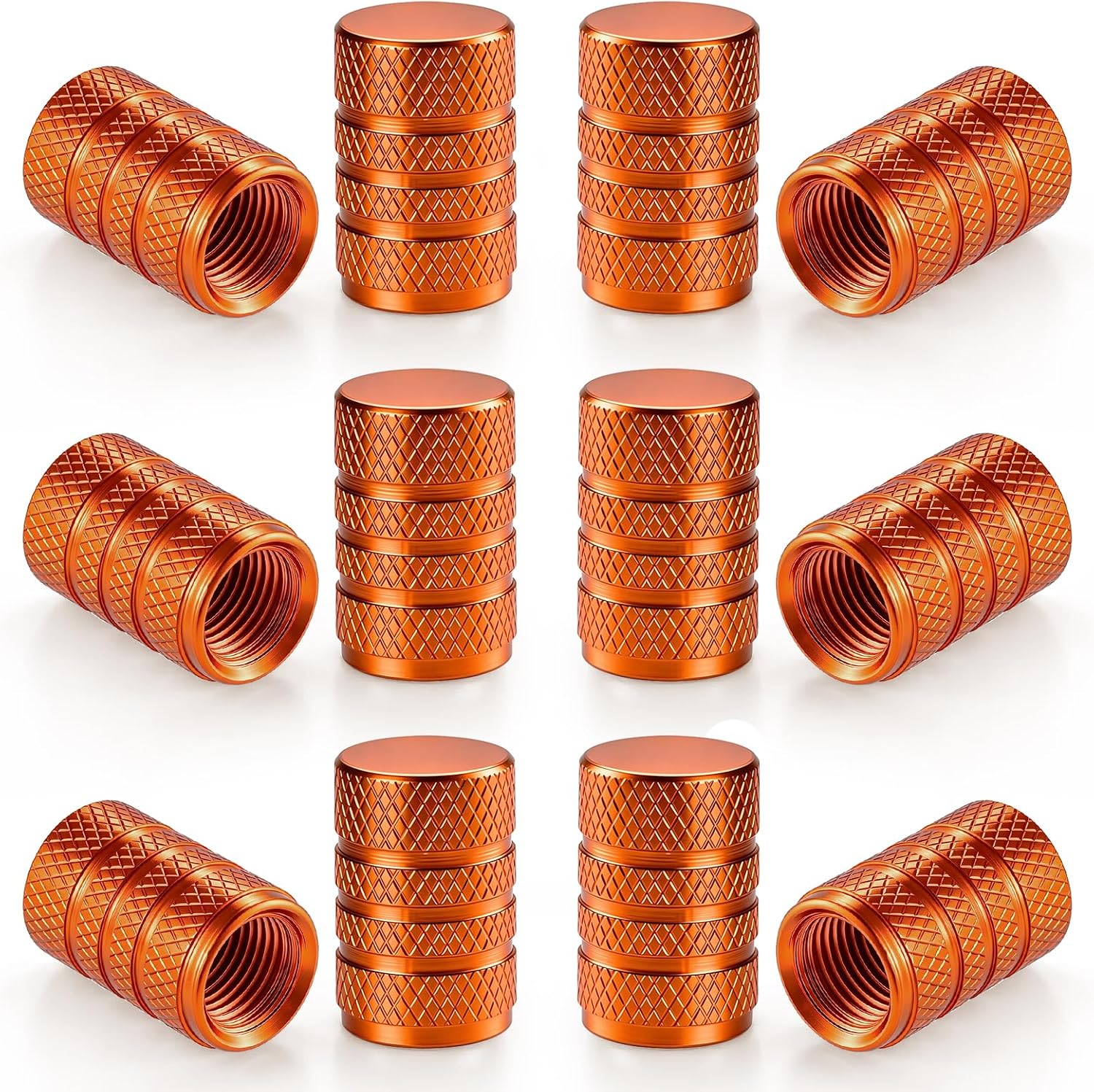
Upgrade your vehicles with these universal aluminum alloy tire valve stem caps designed to help keep dust out and maintain stable tire pressure. Each cap features an internal rubber seal for long-lasting leak protection and features an easy screw-on installation that won’t damage the valve stem threads. Suitable for cars, trucks, motorcycles, and bicycles, they also add a personalized decorative touch to your wheels.

Upgrade your ride with Tactilian American Flag tire valve stem caps featuring a subdued USA design and matte black aluminum look. The set of four includes rubber O-rings for a leakproof fit and is suitable for cars, trucks, bikes, motorcycles, and other wheels. Show patriotism while keeping valve caps secure and stylish.
What Do Tire Valve Caps Actually Do?
A tire valve stem has three basic parts: the valve body, the valve core, and the cap. The valve core is the inner sealing part that prevents air loss. The cap covers the outside opening and helps keep dirt, debris, moisture, and road salt away from that core.
That small barrier matters because contamination can interfere with the valve core over time. Moisture can also contribute to corrosion or freezing in cold weather. A good cap does not replace proper tire maintenance, but it supports it by keeping the valve area clean and protected.
How Do You Check Valve Stem Size?
To check valve stem size, first identify the valve type. A standard Schrader valve is short, fairly wide, and has a small center pin. That is the valve type used on most cars, trucks, SUVs, and many motorcycles. If you see a very narrow bicycle-style valve with a small locknut at the top, that is likely a Presta valve, and a standard car cap will not fit correctly.
For most passenger vehicles, you do not need to measure the whole stem. The useful cap-fit detail is the outside cap thread, which is commonly .305"-32 on automotive Schrader caps. If the cap starts smoothly and tightens by hand, it is probably the right style. If it rocks, binds, spins without tightening, or stops after one turn, do not force it.
- Remove the old cap by turning it counterclockwise.
- Inspect the valve threads for dirt, damage, corrosion, or cross-threading.
- Check whether the new cap has an intact rubber gasket or O-ring.
- Start the cap by hand and turn it clockwise until it is snug.
- Check tire pressure with a gauge after replacing a missing cap.
Your vehicle’s owner’s manual or tire information placard is still the best place to confirm pressure and tire service details. Tire cap fit is separate from tire performance ratings, but both affect how confidently you maintain your tires.
Pro Tip: Keep a small pack of plain plastic Schrader valve caps in your glove box. They are cheap, light, corrosion-resistant, and useful after tire service or a gas-station pressure check.
Plastic vs. Metal Tire Valve Caps: Which Is Better?
Plastic and metal tire valve caps both work when they fit the valve stem and include a good seal. For daily driving, plastic caps are usually the easiest choice because they are inexpensive, lightweight, and less likely to seize onto the valve stem. Metal caps can be durable and stylish, but they need more attention in wet, salty, or corrosive environments.
If you use metal caps, choose ones with a plastic liner, nickel-plated/brass construction, or a quality gasket. Avoid bare metal caps that feel gritty or bind on the threads. If a cap becomes stuck, the repair can become more expensive than the cap itself, especially on TPMS valve stems.
A cap will not fix a puncture, sidewall damage, or leaking valve stem. For roadside emergencies, a gauge, inflator, and temporary tire repairs can help you get to a service location, but valve-cap replacement is only for protecting the valve opening.
Plastic Cap Benefits
For everyday driving, plastic tire valve caps offer the best mix of price, convenience, and low maintenance. They resist corrosion, are easy to replace, and fit most standard Schrader valve stems. Many plastic caps include rubber seals that help keep moisture and dirt out of the valve opening.
Plastic caps are also less likely to bond to metal TPMS stems. If you live where roads are salted in winter, plain plastic caps are often the safest hassle-free option.
Metal Cap Strength
Metal tire valve caps can be stronger than plastic shells and may look better on custom wheels. They can also last a long time when the material is compatible with the valve stem. The risk is corrosion, especially if dissimilar metals, moisture, and road salt are present.
| Feature | Plastic Caps | Metal Caps |
|---|---|---|
| Daily convenience | Very easy | Easy if maintained |
| Corrosion risk | Low | Higher if material is incompatible |
| Durability | Good | Very good |
| Best seal detail | Rubber gasket or O-ring | Rubber gasket, liner, or compatible plating |
| Best use | Daily driving | Style, show wheels, or carefully maintained vehicles |
Best Cap Choice
For most drivers, the best cap is a simple plastic Schrader cap with a rubber gasket. It fits most standard stems, resists corrosion, and costs very little to replace. If you prefer metal caps, choose high-quality caps that are designed for automotive valve stems and remove them during routine pressure checks so they do not seize.
Warning: Do not force a stuck metal valve cap with pliers, especially on a TPMS valve stem. Twisting too hard can damage the stem or sensor. Use gentle penetrating oil and hand pressure, or ask a tire shop to remove it safely.
Do Missing Tire Caps Cause Leaks?
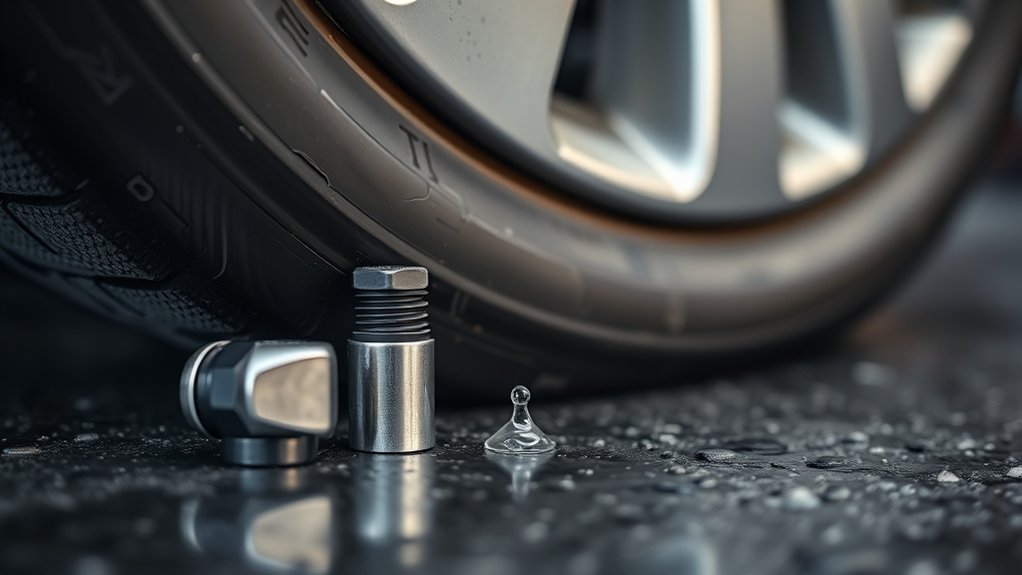
A missing tire valve cap does not usually cause an instant leak if the valve core is clean and working correctly. The problem is what can happen afterward. Dirt, water, road salt, and debris can enter the valve opening, contaminate the valve core, and increase the chance of corrosion or slow air loss over time.
If your tire pressure drops, you can end up with underinflation, uneven wear, poor fuel economy, and less stable handling. NHTSA recommends using the tire pressure listed on the vehicle’s tire information label or in the owner’s manual, not the number molded into the tire sidewall. Checking pressure regularly supports overall vehicle performance and tire safety.
Why Do Tire Valve Caps Prevent Corrosion?
Tire valve caps help prevent corrosion by covering the valve opening and reducing exposure to moisture, road salt, dirt, and debris. The U.S. Tire Manufacturers Association says a sealing valve cap helps prevent moisture, dirt, and other contaminants from entering the valve core and also provides an additional seal.
This is especially useful in wet climates, snowy areas, coastal regions, and anywhere roads are treated with salt. A cap with a rubber gasket or O-ring gives better protection than a loose cap with no seal. Replace any cap that is cracked, missing, seized, or missing its gasket so your tires can maintain proper tire pressure more reliably.
What Should You Replace After Tire Service?
After tire service, take a minute to confirm that the small parts were put back correctly. Valve caps are easy to lose during tire rotation, pressure checks, puncture repair, or tire replacement.
- Confirm every valve stem has a cap installed.
- Make sure each cap threads on smoothly and sits snugly.
- Check tire pressure when the tires are cold, using the vehicle placard or owner’s manual pressure.
- Inspect valve stems for cracking, tearing, corrosion, or bubbling when soapy water is applied.
- If the wheels were removed, confirm lug nuts were tightened to the vehicle manufacturer’s torque specification.
- If a TPMS sensor or valve stem was serviced, ask whether the proper service kit components were replaced.
If you notice a pressure drop, visible valve damage, or bubbling around the valve stem, have the tire inspected before driving far. A small cap is easy to replace, but a cracked valve stem or damaged TPMS stem needs proper service. A reliable tire inflator for emergencies can help you handle minor pressure drops until you reach a service shop.
[Products Worth Considering]

These universal tire valve stem caps help protect your valve core from dust, debris, moisture, and corrosion, supporting more stable tire pressure. The aluminum alloy design resists long-term wear, while the sealing construction helps help prevent air leakage. They twist on easily for quick installation and help safeguard driving safety across cars, SUVs, trucks, and motorcycles.

These universal aluminum tire valve stem caps help protect valve cores from corrosion caused by dirt, water, and snow while helping prevent air leaks to maintain steady tire pressure. They’re easy to install with a simple screw-on fit and are suitable for cars, SUVs, trucks, bicycles, motorcycles, and other vehicles. The stylish black caps add a clean, standout look to your wheels while supporting reliable long-term performance.
How Do You Choose Tire Valve Caps?
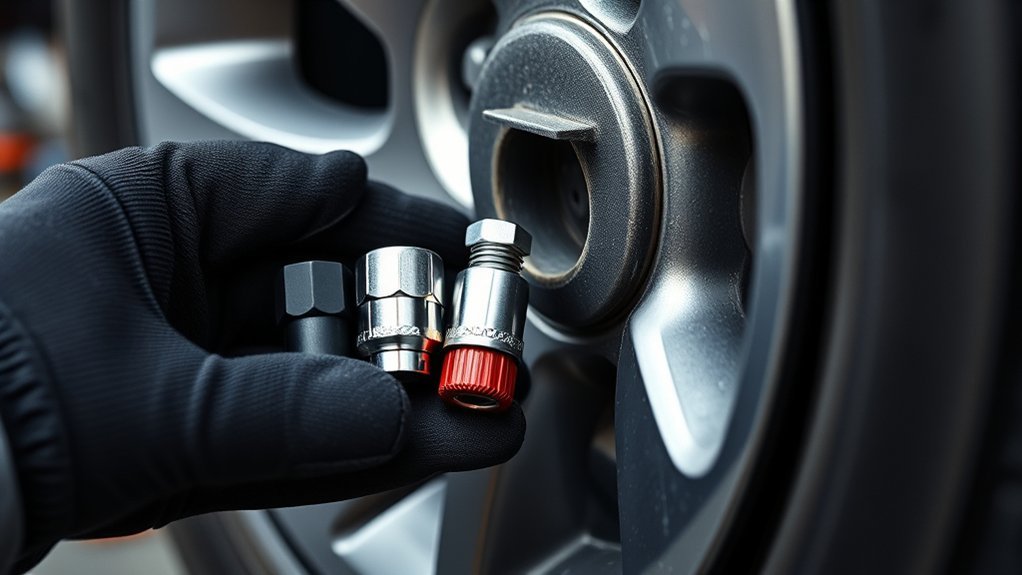
When you are choosing tire valve caps, start with fit, then material, then seal quality. Most car owners can choose standard Schrader caps, but specialty vehicles and unusual wheels may need OEM-style or application-specific caps. Toyota, for example, lists genuine valve caps as parts made to match Toyota valve stem specifications and protect the valve opening.
Use this simple checklist before you buy:
- Valve type: Choose Schrader caps for most cars, SUVs, trucks, and motorcycles.
- Thread condition: Do not force a cap onto damaged or corroded threads.
- Seal: Pick caps with a rubber gasket or O-ring when possible.
- Material: Choose plastic for low maintenance or compatible metal caps for style and durability.
- Climate: In road-salt areas, plastic caps are often safer than bare metal caps.
- TPMS: Be careful with metal TPMS stems and avoid caps that bind.
- Extras: Keep spare caps in the vehicle for quick replacement.
If you want extra toughness, look for caps with reinforced construction, but do not sacrifice proper fit for appearance.
Which Tire Caps Are Best for Daily Driving?
For daily driving, the best tire valve caps are usually durable plastic caps with rubber gaskets. They fit most standard Schrader valve stems, resist corrosion, and are easy to replace if one gets lost. They also avoid many of the stuck-cap problems that can happen with low-quality metal caps.
Metal caps can still be a good choice if you want a premium look, but choose caps made for automotive valve stems and remove them periodically during pressure checks. If they feel rough, stuck, or gritty, replace them before they seize.
Valve caps are only one small part of tire care. A pressure gauge, portable inflator, and a tire repair kit can also help you handle common roadside tire issues.
Durable Materials
Plastic, brass, nickel-plated brass, aluminum, and steel are common valve-cap materials. Plastic is the easiest everyday material because it does not rust and is unlikely to seize. Brass and nickel-plated brass can be strong choices when designed for valve caps. Aluminum caps can look sharp, but they deserve more care around moisture and road salt.
Secure Seal Fit
A secure seal starts with clean threads and an intact gasket. The cap should turn smoothly by hand and stop when snug. It should not need tools. Over-tightening can damage the cap or threads, while a loose cap can fall off during normal driving.
After installing new caps, check tire pressure with a gauge. If one tire keeps losing pressure, the problem is probably not the cap alone. Look for a puncture, leaking valve core, cracked valve stem, rim leak, or tire damage.
What Tire Valve Caps Work Best for Your Vehicle?
The best tire valve caps for your vehicle are the caps that match your valve type, thread, driving conditions, and maintenance habits. For most drivers, that means standard plastic Schrader caps with rubber gaskets. For show wheels or specialty builds, compatible metal caps can work well if you inspect them regularly.
- Standard plastic caps: Affordable, light, corrosion-resistant, and easy to replace.
- Gasketed caps: Better at blocking moisture and dirt from the valve opening.
- Plastic-lined metal caps: A better metal option when you want style with less binding risk.
- OEM-style caps: Smart for vehicles with unusual TPMS hardware or model-specific valve stems.
- Spare caps: Worth keeping in your glove box after tire service or pressure checks.
Choosing the right cap helps protect the valve system, support steady tire pressure, and maintain overall tire performance.
Frequently Asked Questions
Do tire valve caps fit all cars?
Most standard tire valve caps fit most cars because most cars use Schrader valve stems. They do not fit every possible valve, though. Damaged threads, specialty wheels, high-pressure stems, TPMS hardware, and non-Schrader valves may need a different cap.
What happens if I lost my tire valve cap?
A lost cap usually will not cause instant air loss if the valve core is healthy, but it exposes the valve to dirt, moisture, and road salt. Replace the cap soon and check tire pressure with a gauge.
Is it okay to drive without tire valve caps?
You can usually drive a short distance without a valve cap, but it is not a good long-term habit. The cap protects the valve core from contamination and corrosion, so replace a missing cap as soon as practical.
Are all tyre valve caps the same size?
No. Most automotive tyre valve caps fit standard Schrader stems, but other valve systems exist. Many bicycle valves, specialty tire valves, and some high-pressure or industrial valves use different cap sizes or threads.
Can metal valve caps get stuck?
Yes. Metal caps can corrode or seize, especially when moisture, salt, and incompatible metals are involved. If a metal cap is stuck, do not force it on a TPMS stem. Ask a tire shop for help if gentle removal does not work.
Do TPMS valve stems need special caps?
Many TPMS valve stems accept standard Schrader-style caps, but some assemblies are more sensitive to corrosion and damage. Use caps that fit smoothly, avoid forcing metal caps, and follow the vehicle or sensor manufacturer’s guidance when the hardware is unusual.
Conclusion
So, are tire valve caps universal? Mostly, yes, if you are talking about standard automotive Schrader valve stems. But they are not universal for every valve, every thread condition, or every specialty wheel setup. Choose caps that fit smoothly, include a good gasket, and match your driving conditions. For most daily drivers, simple plastic gasketed caps are the best choice. Replace missing or damaged caps quickly, check tire pressure regularly, and get the valve inspected if a tire keeps losing air.
Sources
- NHTSA TireWise — backs tire-pressure guidance, owner’s manual/placard pressure, and regular pressure checks.
- Discount Tire: Valve Stems — backs valve body/core/cap functions and contamination/corrosion risk.
- U.S. Tire Manufacturers Association TISB Vol. 40 No. 5 — backs valve compatibility, sealing valve cap purpose, and service cautions.
- Schrader Pacific Valve Caps — backs common .305"-32 valve-cap thread examples and material/seal options.
- Toyota Genuine Tire Valve Cap — backs OEM-fit valve cap compatibility and valve-opening protection.
- Tire Review: Signs of Valve Corrosion & TPMS Service Packs — backs corrosion and TPMS service considerations.

Related Articles

Are Premium Tires Worth the Extra Money?
Worth the extra money? Premium tires promise more grip, comfort, and longevity—but the real tradeoff may surprise you.
Read More
What Are OE Tires? Original Equipment Explained
Discover what OE tires really mean and why choosing the right replacement could change everything for your car’s ride, handling, and safety.
Read More
305 Tire Size Explained: How Big Is It?
I explain how big a 305 tire really is—and why the exact fit can surprise you.
Read More