
Presta vs Schrader Valves: Which Bike Valve Should You Choose?
What’s in This Article
- Presta vs Schrader: Quick Verdict for Bike Owners
- How Presta and Schrader Valves Look and Work
- Pros and Cons of Presta Valves for Road and Performance Bikes
- Pros and Cons of Schrader Valves for Commuter and Casual Bikes
- Side-by-Side Presta vs Schrader Comparison
- Pump and Gauge Compatibility: What to Carry
- Valve Stem Length, Rim Fit, and Using Extenders
- Adapters, Swapping Tubes, and Emergency Fixes
- Maintenance and Replacing a Valve Core
- Choosing the Right Valve for Your Bike and Riding Style
- Frequently Asked Questions
- References
The wrong valve can turn a simple tire top-off into a roadside delay. Presta and Schrader valves both hold air, but they fit different rims, pumps, and riding needs. This guide shows you how each valve works, when to choose each one, and what gear to carry so you can inflate your tires with less hassle.
Quick Answer
Choose Presta for high-pressure road tires, narrow rims, and precise pressure control. Choose Schrader for everyday bikes, wider rims, and easy inflation with most pumps. Carry a dual-head pump or a small adapter so either valve type won’t stop your ride.
Key Takeaways
- Pick Presta valves for narrow road rims, higher tire pressure, and finer pressure changes.
- Pick Schrader valves for casual bikes, commuter wheels, and easy fills at gas stations.
- Match valve stem length to rim depth before you buy tubes or tubeless valves.
- Carry a dual-head pump, pressure gauge, and Presta-to-Schrader adapter for roadside fixes.
- Check valve cores and caps often to reduce slow leaks and keep grit out.
Presta vs Schrader: Quick Verdict for Bike Owners
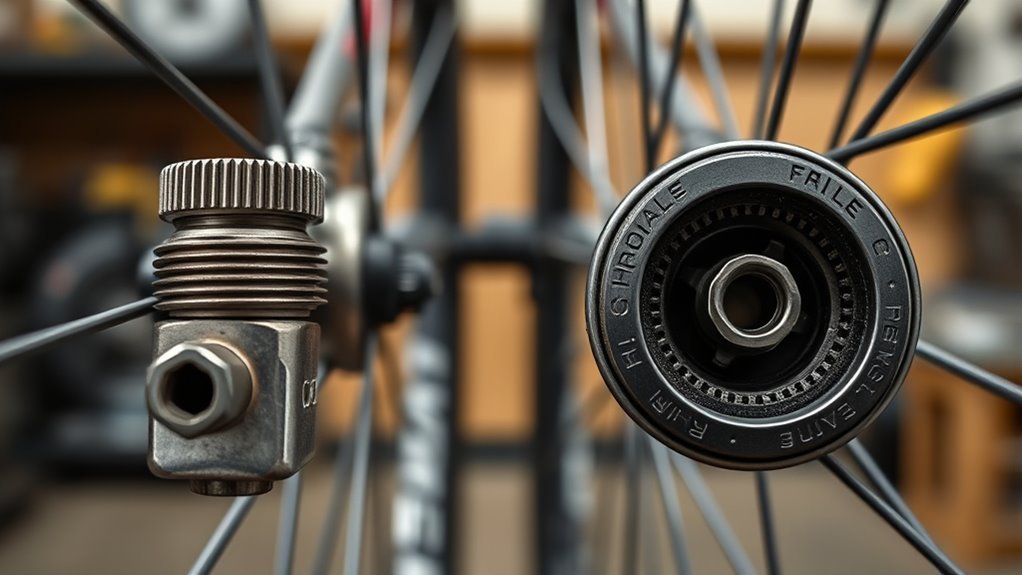
Presta valves suit performance bikes because they fit narrow rims, seal well at high pressure, and make small pressure changes easier. Schrader valves are wider, tougher, and easier to inflate with common pumps and gauges.
Your best choice depends on your wheel, tire pressure, and riding style. Choose Presta if you ride road, triathlon, cyclocross, gravel, or deep-section rims that need a slim valve. Choose Schrader if you ride a commuter, cruiser, kids’ bike, hybrid, or mountain bike built with Schrader-sized rim holes.
Pro tip: A dual-head floor pump solves most valve issues because it works with both Presta and Schrader valves.
How Presta and Schrader Valves Look and Work
Look at the valve stem first. Presta valves look tall and slim, with a small threaded tip and a lock nut. Schrader valves look shorter and wider, much like the valves on car tires.
Presta valves use a small top nut that you unscrew before inflation. Schrader valves use a spring-loaded center pin that opens when a pump head presses it.
Physical Appearance Differences
Presta stems are usually about 6 mm wide and made from metal. Many Presta stems have full external threads, which help some pump heads, rim nuts, and extenders stay secure.
Schrader stems are usually about 8 mm wide and often have a rubber-coated body. Their wider shape makes them durable, but it also requires a larger rim hole.
That rim hole matters. A smaller Presta hole can help preserve rim material on narrow road rims, while a Schrader hole works well on wider rims built for everyday use.
Inflation Mechanism Explained
To inflate a Presta valve, remove the cap, loosen the small top nut, press the tip once, and attach a Presta pump head. After inflation, tighten the nut by hand and replace the cap.
To inflate a Schrader valve, remove the cap and press on a Schrader pump head. The pump opens the spring-loaded pin during inflation, then the spring closes it when you remove the pump.
Presta valves give you finer pressure control because the small nut lets you bleed air in tiny amounts. Schrader valves make inflation simpler because many car tire pumps, service station pumps, and basic gauges already fit them.
Pros and Cons of Presta Valves for Road and Performance Bikes
Presta valves work best when your bike needs high tire pressure, narrow rims, or long stems for deep-section wheels. They suit riders who care about pressure tuning, rim strength, and lighter parts.
They do need more care. You’ll need a Presta pump head, a dual-head pump, or an adapter, and you should avoid bending the thin valve tip.
Lightweight Performance Advantage
Presta valves usually weigh less than Schrader valves because they use a slimmer body and smaller rim hole. That small weight difference matters most on road and performance wheels, where riders often trim rotating mass.
The slim profile also fits narrow rims better. On lightweight rims, a smaller valve hole leaves more rim material around the opening.
High-Pressure Sealing
Presta valves seal well under high pressure because tire pressure helps hold the valve closed. Many road tires use Presta valves for that reason, especially when the wheel needs a narrow stem.
You can also adjust tire pressure with small, controlled bursts of air. That helps when you tune comfort, grip, and rolling feel before a ride.
Compatibility and Inflation Challenges
Presta valves create the most trouble when your pump only fits Schrader valves. Carry a small Presta-to-Schrader adapter so you can use more pumps in a pinch.
Stem length also matters. Choose a valve long enough to pass through the rim and leave enough exposed stem for your pump head.
Handle Presta tips with care during inflation. A bent or snapped tip can make the tube or valve hard to use, even when the tire still holds air.
Pros and Cons of Schrader Valves for Commuter and Casual Bikes
Schrader valves are wider and shorter, so they work well on many commuter, kids’, cruiser, hybrid, and casual bikes. You can fill them with most household pumps, many bike pumps, and most service station inflators.
You get simple use and broad pump access, which helps if you want fewer tools. Schrader valves also use removable cores, so you can replace a faulty core instead of replacing the whole tube in some cases.
- Easy roadside fills: Schrader valves fit many public and household pumps without adapters.
- Simple operation: The spring-loaded check valve makes inflation and deflation easy.
- Good durability: The wider stem handles rough everyday use well.
- More rim space needed: The wider valve requires a larger hole in the rim.
- Possible slow leaks: Dirt or a weak core can cause air loss over time.
Schrader valves trade some pressure precision for ease of use. For daily riders, that trade often makes sense.
Side-by-Side Presta vs Schrader Comparison
A side-by-side view makes the choice easier. Use this table to match the valve to your rim, pump, and riding style.
| Feature | Presta | Schrader |
|---|---|---|
| Typical stem width | About 6 mm | About 8 mm |
| Common bike use | Road, gravel, racing, deep rims | Commuter, cruiser, kids’, hybrid, casual bikes |
| Pump fit | Needs Presta head or adapter | Fits many common pumps and gauges |
| Pressure control | Fine control for small pressure changes | Simple inflation and deflation |
| Rim fit | Best for narrow rim holes | Best for wider rim holes |
| Roadside ease | Good if you carry the right adapter | Very easy with common pumps |
Choose Presta if…
Choose Presta if your rims already have narrow valve holes, your tires run higher pressure, or your wheels use deep sections. Presta also makes sense when you want small pressure changes for road speed, grip, or ride comfort.
Choose Schrader if…
Choose Schrader if your bike already has Schrader-sized rim holes and you value simple pump access. Schrader works well for commuting, casual riding, and bikes that need fast fills with common pumps.
Pump and Gauge Compatibility: What to Carry
Carry a pump that fits the valve you ride. A twin-head or adjustable-head pump works best because it can switch between Presta and Schrader without extra parts.
Keep a small Presta-to-Schrader adapter in your saddle bag. It weighs almost nothing and helps when a pump does not fit your valve.
Use a gauge that matches your tire pressure range. Some low-cost gauges work poorly at high road pressures, so compare yours with a trusted floor pump gauge from time to time.
[Products Worth Considering]

This 4-pack kit converts Presta bike valves to standard Schrader valves so you can inflate with any regular pump or air compressor. The solid brass adapters include an O-ring for a tight, leak-proof seal and provide a simple screw-on setup. Compatible with road bikes, mountain bikes, e-bikes, and e-scooters, it’s designed for convenient, everyday carry readiness.

Tiakia’s mini high-pressure frame pump delivers up to 260 PSI for faster, more efficient inflations with an optimized intake volume. It features a double-head valve design compatible with Schrader and Presta, plus a conversion for Donlop, making it versatile for bikes and many inflatables. The lightweight anodized aluminum build includes a mounting bracket for convenient carry, while the flexible high-pressure hose and IPX4 waterproof body support outdoor use.
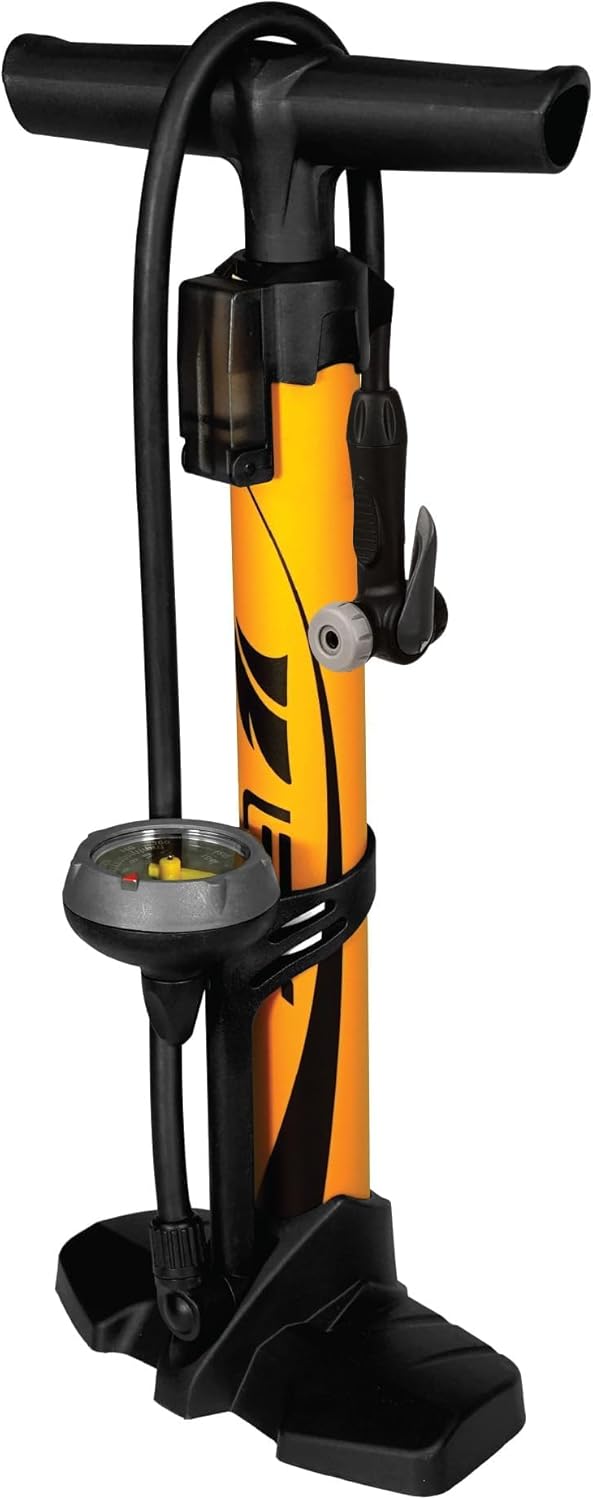
This durable BV floor pump delivers up to 160 PSI for confident inflation of bikes and other high-pressure uses. Its twin valve head lets you quickly switch between Presta and Schrader valves by reversing the components, with no compromise. The ergonomic handle makes pumping comfortable, and the compact size is easy to carry for rides and home storage.
Valve Stem Length, Rim Fit, and Using Extenders
Valve length matters most with Presta valves and deep-section rims. Choose a stem long enough to clear the rim and leave room for the pump head.
Many Presta tubes and tubeless valves come in several lengths, often from about 40 mm to 80 mm or more. Deeper aero rims usually need longer stems or valve extenders.
- Measure rim depth before you buy tubes or tubeless valves.
- Choose a stem that leaves enough valve exposed for your pump.
- Use valve extenders when deep rims hide too much of the stem.
- Carry a spare tube with a stem long enough for your deepest rim.
Schrader stems give you fewer length choices, but they work well on many standard rims. Check pump clearance before a long ride so you don’t find the mismatch on the road.
Adapters, Swapping Tubes, and Emergency Fixes
If your pump and valve don’t match, an adapter can save the ride. A Presta-to-Schrader adapter lets many Schrader pump heads inflate a Presta valve.
Adapters help during repairs, but they should not hide a poor tube or rim match. Use the correct valve type and stem length whenever you can.
| Situation | Quick Action |
|---|---|
| Presta valve, Schrader pump only | Install a Presta-to-Schrader adapter |
| Schrader rim, Presta tube | Use a valve hole reducer if available, then check stem seating |
| Deep rim | Carry a long Presta tube or valve extender |
| No matching tube | Use the safest temporary fit, then replace it soon |
| Inflation issue | Check stem length, pump fit, and valve core tightness |
Warning: Don’t drill a rim to fit a wider Schrader valve unless the rim maker says it’s safe.
[Products Worth Considering]

The TOOLITIN floor bike pump delivers high pressure performance with an easy-to-read gauge so you can dial in the right tire pressure for safer rides. It is compatible with both Presta and Schrader valves and features a stable, durable design for efficient pumping. Suitable for road, MTB, and hybrid tires as well as inflating sports balls and other inflatables, it also includes ball and bladder needles and convenient accessory storage.

Inflate Presta and Schrader bike and car tires with one compressor attachment, including tubeless setups. The digital gauge lets you monitor 2–200 PSI readings in 0.1 PSI increments with ±2 PSI accuracy, while the adjustable lever and built-in bleed button help you dial in precise pressure. Quick-connect coupler, hose, and a complete Presta service kit with spare cores and caps make it ready for fast maintenance.
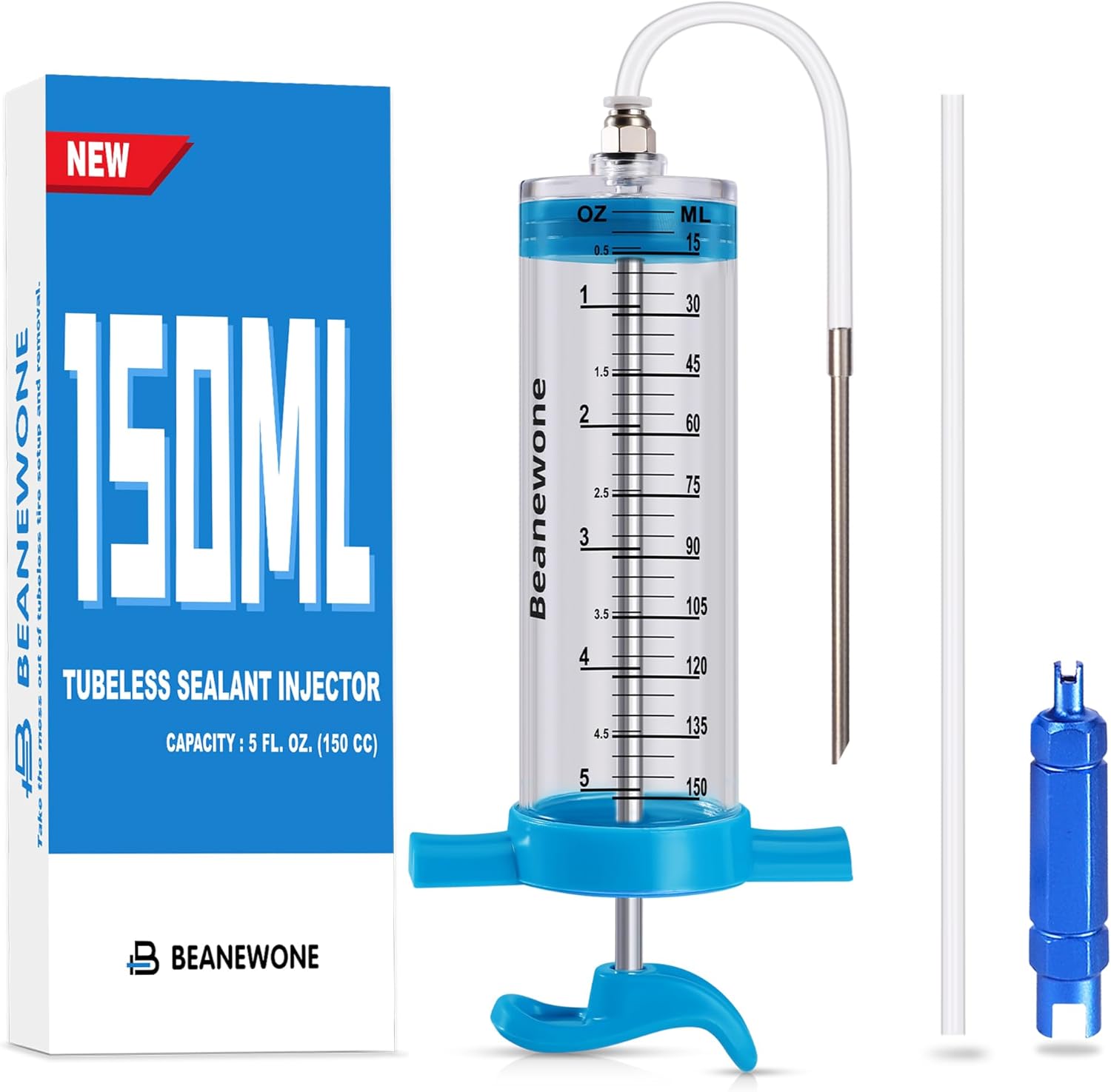
Make tubeless sealant installs faster and cleaner with this 150ml injector and clear measurement body. It connects and disconnects with a simple push-to-connector, then injects sealant directly into Schrader or Presta valve stems after removing the valve core. Includes a valve core remover tool to help you prepare and seal tires with less mess.
Maintenance and Replacing a Valve Core
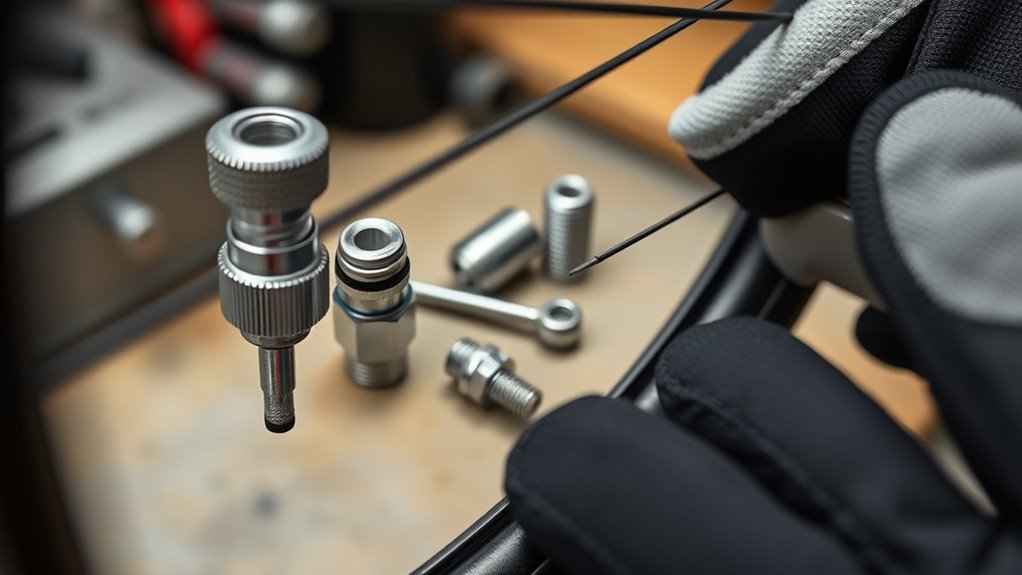
Valve cores can clog, loosen, or wear out. Check them often if you ride tubeless tires because sealant can dry around the core.
Carry a small valve core remover and spare cores. They take little space and can stop a slow leak before it ends your ride.
Inspect valve cores before long rides, especially on tubeless setups where dried sealant can block airflow.
- Inspect: Look for corrosion, bent tips, dried sealant, or air bubbles around the valve.
- Remove: Use the correct core tool and turn counterclockwise until the core comes free.
- Install: Thread the new core by hand, then tighten it gently with the tool.
- Test: Inflate the tire and use soapy water to check for bubbles.
Do not over-tighten the core. Too much force can damage the threads or make later repairs harder.
Choosing the Right Valve for Your Bike and Riding Style
Start with your rim, not your preference. Your rim hole size usually decides which valve type fits safely.
After that, match the valve to how you ride. Presta suits high-pressure road setups, deep-section rims, and riders who tune pressure often. Schrader suits casual bikes, commuting, and riders who want easy pump access.
Also think about what you carry. A dual-head pump, a small adapter, spare cores, and a tube with the right stem length can solve most valve problems away from home.
[Products Worth Considering]

Convert Presta bicycle valves to accept standard Schrader pump nozzles for fast, hassle-free inflation. This kit includes durable brass adapters with leak-resistant connections, plus sports inflation needles and protective valve caps for convenient use on bikes and ball sports equipment.

The Vibrelli Air Master mini bike pump locks securely to both Presta and Schrader valves, so you can inflate tires without changing adapters. It delivers high-pressure inflation up to 120 PSI for road bikes, MTB, BMX, and kids’ bikes, while staying compact and lightweight for easy carry. A frame mounting bracket with a Velcro strap helps keep the pump firmly in place with no rattles.
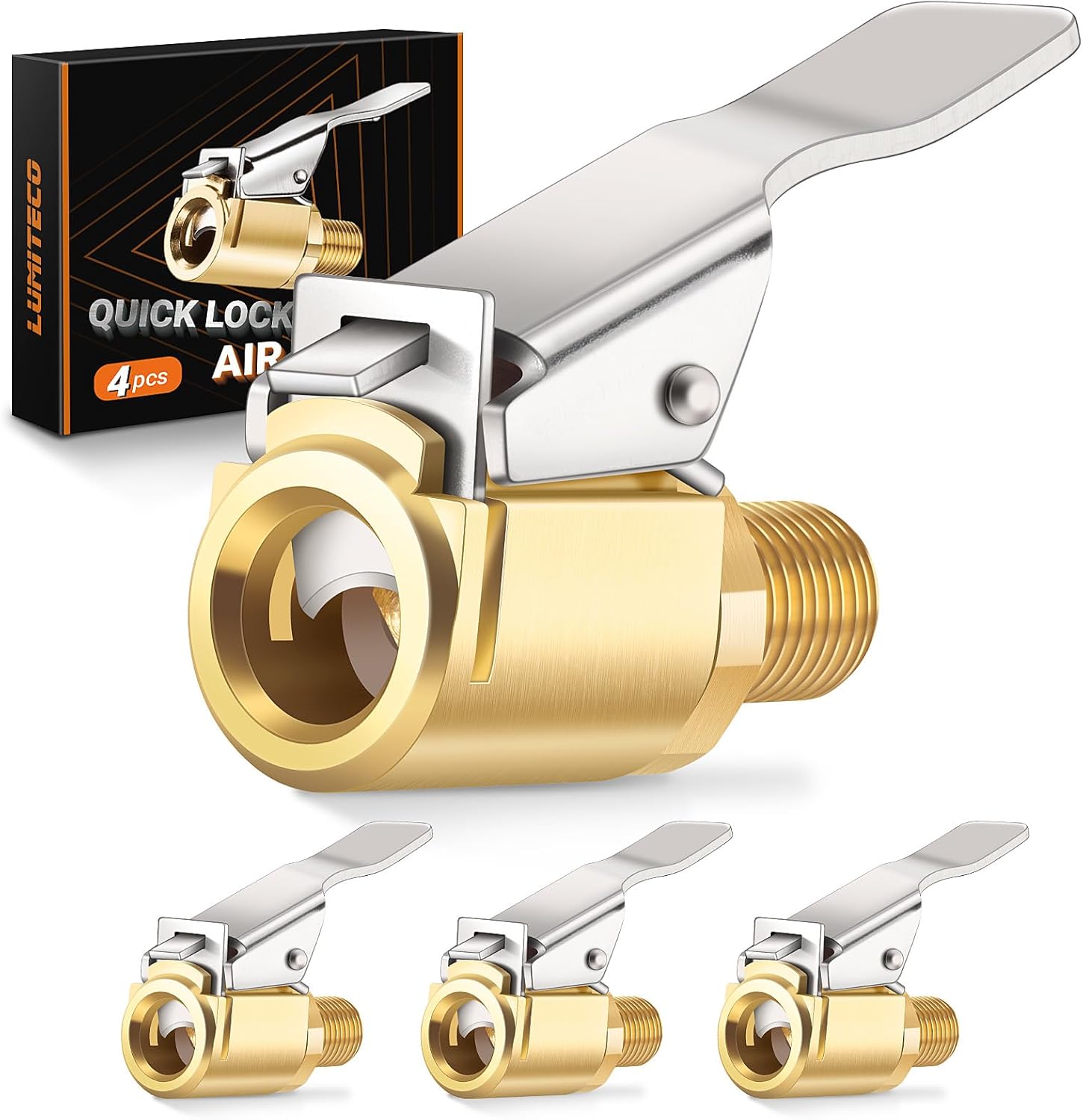
This brass air chuck adapter converts a screw-on inflator connection into a lock-on quick connect for hands-free, no-leak tire inflation. Clip the chuck onto Schrader valve stems and lock it in place to simplify inflating car, bike, and motorcycle tires. Built for durability with a corrosion-resistant brass body and strong quick operation.
Frequently Asked Questions
What are the disadvantages of Presta valves?
Presta valves need a compatible pump head or adapter, and the thin tip can bend if you handle it roughly. They also require more care when you remove cores, add sealant, or inflate tires at service stations.
Do Presta valves hold air better?
Presta valves often seal well at high pressure because internal tire pressure helps keep the valve closed. A clean, tight valve core matters more than valve type, so check the core if either valve starts leaking.
Can you use a Presta tube in a Schrader rim?
You can sometimes use a Presta tube in a Schrader-drilled rim with a valve hole reducer or careful seating. Without support, the thinner stem can shift in the larger hole and wear near the base.
Can you use a Schrader tube in a Presta rim?
A Schrader tube usually will not fit a Presta rim because the valve hole is too small. Do not force it, and do not enlarge the rim hole unless the rim maker approves that change.
Which valve is better for tubeless bike tires?
Most tubeless road, gravel, and mountain setups use Presta valves because they fit many performance rims and often have removable cores for sealant. Schrader tubeless setups exist, but they are less common on modern performance bikes.
Conclusion
The best bike valve is the one that fits your rim, pump, and riding style. Choose Presta for narrow rims, higher pressure, and fine pressure control. Choose Schrader for simple fills, common pump access, and everyday durability. Before your next ride, check your valve type and pack the right pump or adapter so a low tire doesn’t stop you.
References
- Presta and Schrader Valves — Sheldon Brown / Jobst Brandt
- Tire, Tube, and Valve Sizing — Park Tool
- Bicycle Valves FAQ — Schwalbe
