Disclosure: As an Amazon Associate, we earn from qualifying purchases. If you click a link on this page and make a purchase, we may receive a small commission at no extra cost to you.
Review Method: This review evaluates verified product specifications, fitment requirements, tread design, warranty information, and buyer-use considerations. It is not presented as a controlled road test.
Budget tires can lower replacement costs, but the wrong size, load rating, or weather capability can create an expensive safety problem. The Fullway PC369 in 205/65R16 is a standard-load all-season passenger tire aimed at drivers who want basic daily performance without paying for a premium touring model. Its strongest points are its useful wet-weather tread design, common 95H rating, and advertised 45,000-mile limited warranty. Its main tradeoff is that it is still a value-tier all-season tire, so buyers who face frequent deep snow, ice, or demanding high-speed driving should compare stronger alternatives.
Quick Verdict
Rating: 7.5/10, recommended with caveats
Best For: Budget-focused drivers whose vehicle specifies 205/65R16 95H or an approved equivalent.
Bottom Line: The Fullway PC369 offers practical wet-road drainage, an H speed rating, and a useful treadwear warranty for everyday commuting. Choose a dedicated winter or premium touring tire if severe weather performance, longer warranty coverage, or stronger brand support matters more than the lowest purchase cost.
| Specification | Detail |
|---|---|
| Brand | Fullway |
| Model | PC369 |
| Product type | All-season radial passenger tire |
| Size | 205/65R16 |
| Load and speed rating | 95H |
| Maximum load | 1,521 pounds per tire |
| Load range | SL, 4-ply rated |
| Speed rating | H, rated up to 130 mph under controlled conditions |
| New tread depth | 10/32 inch, about 7.9 mm |
| Overall diameter | About 26.5 inches |
| Section width | About 8.2 inches |
| Approved rim-width range | 5.5 to 7.5 inches |
| Maximum inflation pressure | 44 psi, not the vehicle’s recommended operating pressure |
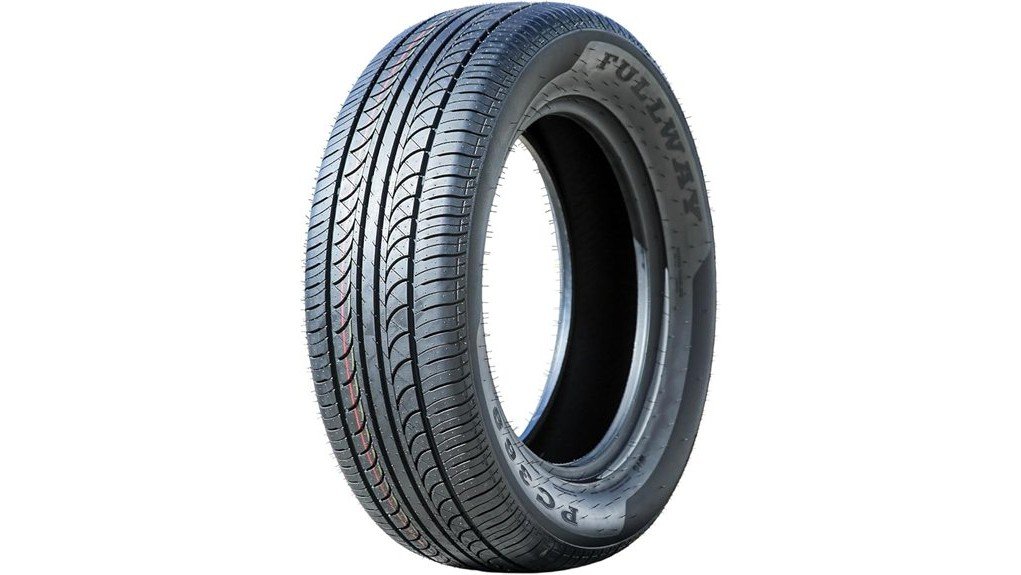
| Tread design | Symmetrical pattern with extra siping and four wide circumferential grooves |
| UTQG | 380 A A |
| Sidewall | Black sidewall |
| Run-flat | No |
| Advertised warranty | 45,000-mile limited treadwear warranty, subject to terms |
| Package note | The linked listing is for a tire, not a wheel. Confirm the quantity shown at checkout. |
Key Takeaways
- The Fullway PC369 is a budget all-season passenger tire for dry roads, rain, and limited light-winter use.
- The verified 205/65R16 95H specification supports up to 1,521 pounds per tire and an H speed rating.
- Four wide circumferential grooves and extra siping are designed to evacuate water and add biting edges on wet pavement.
- The 10/32-inch starting tread depth and symmetrical pattern support normal commuting and flexible rotation patterns when the vehicle allows them.
- The advertised 45,000-mile limited warranty improves its value, but warranty eligibility and road-hazard coverage should be confirmed before purchase.
What Is the Fullway PC369?
The Fullway PC369 is an all-season radial tire made for passenger vehicles. This review focuses on the 205/65R16 95H SL version sold through the linked Amazon listing, not every size in the PC369 range. Other sizes can carry different load indexes, speed ratings, dimensions, and vehicle applications.
Its main design features are a symmetrical tread, extra siping, and four wide grooves that run around the tire. Those elements target the everyday needs of sedans, coupes, and compact passenger cars: predictable steering, water evacuation, acceptable road comfort, and year-round convenience in moderate climates.
Who Should Buy It?
Best For
- Drivers whose door placard or approved fitment specifies 205/65R16 with at least a 95 load index and H speed rating.
- Daily commuters who want a lower-cost all-season tire for mostly dry and wet paved roads.
- Owners who will maintain pressure, alignment, rotation, and tread inspections to protect wear life.
Skip If
- Your vehicle requires a different size, higher load index, higher speed rating, XL construction, or run-flat capability.
- You regularly drive through deep snow, glare ice, mountain passes, or severe winter conditions.
- You want a premium touring tire with a longer mileage warranty and a broader service network.
Before You Buy: A tire can physically fit a 16-inch wheel and still be wrong for your vehicle. Match the complete size, load index, speed rating, and load range to the driver-door placard or an approved replacement specification.
Fullway PC369 Specs and Fitment
The size code gives you the first fitment check. In 205/65R16, 205 is the nominal section width in millimeters, 65 is the sidewall height as a percentage of that width, R means radial construction, and 16 is the wheel diameter in inches. The tire’s measured diameter is about 26.5 inches, and its approved rim-width range is 5.5 to 7.5 inches.
The 95 load index equals a maximum rated load of 1,521 pounds per tire when the tire is used correctly. The H speed symbol corresponds to a laboratory speed category of up to 130 mph, but it is not a recommendation to drive at that speed. Vehicle load, pressure, heat, road conditions, tire age, and local speed limits still control safe operation.
The listed maximum pressure is 44 psi. That number is a tire limit, not the inflation target for your car. Use the cold pressure on the vehicle placard unless the vehicle manufacturer or a qualified tire professional approves a different setup.
Pro Tip: Photograph your door placard before shopping. Compare its tire size, cold pressure, and load information with the listing, then confirm the production date and quantity when the tires arrive.
How the Fullway PC369 Handles Year-Round
The PC369 uses an all-season compound and dense tread edges to provide usable traction across warm, cool, dry, and wet conditions. That makes it convenient for drivers in moderate climates who do not need to change between summer and winter tires.
All-season labeling does not make it a dedicated snow tire. The National Highway Traffic Safety Administration notes that winter tires are more effective than all-season tires in deep snow. Drivers who face sustained freezing temperatures, packed snow, or ice should choose tires designed for those conditions instead of relying on the PC369 as a substitute.
The symmetrical layout also makes tire rotation less restrictive than a directional pattern, although the correct rotation pattern still depends on the vehicle, wheel sizes, and whether the front and rear tires match.
Wet Grip and Hydroplaning Protection
Wet-road design is one of the PC369’s clearest strengths. Four circumferential grooves create channels for water and slush to leave the contact area, while extra siping adds small edges that can help the tread maintain grip on damp pavement.
These features can reduce hydroplaning risk, but no tread pattern can overcome excessive speed, standing water, worn tread, or low pressure. Slow down in heavy rain, increase following distance, and replace tires when wear or age reduces their ability to clear water.
The 10/32-inch starting tread depth gives the grooves useful volume when new. Wet performance will decline as tread wears, so inspect more than the legal minimum. Uneven shoulder or center wear can also point to alignment or inflation problems that shorten service life.
Ride Comfort and Road Noise
The PC369’s symmetrical tread and passenger-car construction are intended to balance stability with everyday comfort. Its 65-series sidewall provides more cushioning than a low-profile performance tire, which can soften sharp pavement joints and small road imperfections.
Noise expectations should remain realistic. The pattern is designed for normal street use, but cabin noise depends on pavement texture, vehicle insulation, wheel bearings, alignment, and wear. A budget tire may not match the refined sound control of a premium touring model on coarse highways.
Proper balancing matters as much as tread design. A vibration after installation may come from an imbalance, bent wheel, mounting issue, or suspension problem rather than the tire model itself.
How It Performs in Real Use
For Daily Commuting
For city and suburban use, the 95H rating and standard-load construction suit many common passenger-car applications. The tire makes the most sense when your driving is predictable, your loads stay within the vehicle limits, and you check pressure monthly.
For Highway Trips
The continuous grooves and reinforced passenger-tire structure are designed to support stability and heat control at highway speeds. Before a long trip, inspect for cuts, bulges, low tread, vibration, and pressure loss, and do not treat the H symbol as permission to exceed legal speeds.
For Heavy Rain
The wide grooves are useful when water builds on the road, but driver input remains critical. Reduce speed before standing water, avoid abrupt steering, and leave more braking distance because hydroplaning risk rises with speed and worn tread.
For Light Winter Conditions
The siping can provide some bite in light snow or slush. It is not the best choice for drivers who regularly face deep snow, hard-packed surfaces, or ice, where a dedicated winter tire provides a more appropriate tread and compound.
Installation, Rotation, and Safety
Professional mounting and balancing are recommended. A tire technician can inspect the wheel, valve stem, bead area, and TPMS hardware, then verify that the tire clears the suspension and body through the steering range.
After installation, use the vehicle manufacturer’s lug-nut torque specification and recheck torque if the installer or vehicle manual recommends it. Never copy a generic torque number from another vehicle. Check cold tire pressure against the placard, not the 44 psi sidewall maximum.
Rotate tires at the interval listed in your vehicle manual or warranty terms, and keep alignment records if the mileage warranty requires them. Inspect tread and sidewalls regularly. NHTSA states that tread should be at least 2/32 inch, but wet-weather replacement may be sensible earlier if traction has clearly declined. See NHTSA TireWise guidance for tire safety basics.
Pros and Cons
Pros
- Verified 205/65R16 95H fitment covers many passenger-car applications.
- Four wide grooves support water evacuation in rain and slush.
- Extra siping adds biting edges for changing road conditions.
- 10/32-inch starting tread depth is competitive for an everyday all-season tire.
- Advertised 45,000-mile limited warranty improves value for a budget model.
Cons
- Not a dedicated winter tire for deep snow, hard-packed snow, or ice.
- Warranty and road-hazard terms may depend on the seller and required maintenance records.
- Drivers seeking premium refinement or longer treadwear coverage have stronger alternatives.
Fullway PC369 Warranty and Value
The PC369 is positioned as a budget tire, and the advertised 45,000-mile limited warranty gives buyers a defined treadwear target. A mileage warranty is not a promise that every tire will reach that number. Coverage can depend on correct inflation, regular rotation, even wear, alignment, proof of purchase, and other written terms.
Do not assume the treadwear warranty includes punctures, impact damage, curb damage, or separate road-hazard protection. Review the warranty document and seller policy before mounting the tire because installed-tire return rules can be more restrictive.
Is It Worth the Price?
The Fullway PC369 offers strong value for the price when your priority is getting a correctly rated all-season tire for routine paved-road use. Its 95H rating, 10/32-inch tread depth, water channels, and limited mileage warranty cover the main features a budget commuter needs.
It is a smart buy for everyday use only when fitment is correct and your climate is moderate. It is not the best fit if you need dedicated winter traction, run-flat construction, premium noise control, or the longest available treadwear coverage.
How It Compares to Alternatives
The Goodyear Assurance All-Season and Cooper Endeavor are available in 205/65R16 95H and carry longer 65,000-mile warranties, making them worth comparing if long-term coverage and established service support matter more than upfront cost. The Goodyear Assurance WeatherReady 2 adds a severe-snow rating and a 60,000-mile warranty for drivers who need stronger winter capability.
The Fullway PC369 makes the most sense when you want the lowest-cost path to a properly rated everyday tire and accept its shorter warranty and lighter winter focus.
Frequently Asked Questions
Will the Fullway PC369 205/65R16 fit my car?
It fits only vehicles approved for this size and rating. Check the driver-door placard or owner’s manual for 205/65R16, then confirm that a 95 load index, H speed rating, and SL construction meet or exceed the vehicle requirement.
Does the linked listing include one tire or a set?
The listing title describes a tire, and a wheel is not included. Seller configurations can change, so confirm the quantity shown in the cart before paying, especially when replacing all four tires.
Is the Fullway PC369 good in snow?
Its siping and grooves support limited light-snow and slush use, but it is an all-season tire rather than a dedicated winter tire. Choose a winter or severe-snow-rated tire for regular deep snow, hard-packed snow, or ice.
What pressure should I use?
Use the vehicle manufacturer’s recommended cold pressure on the driver-door placard. The tire’s 44 psi marking is a maximum inflation limit, not a universal operating target.
How long should the tread last?
The tire is advertised with a 45,000-mile limited treadwear warranty, but actual life varies with pressure, alignment, rotation, load, climate, and driving style. Keep service records and read the warranty terms before relying on mileage coverage.
Does the warranty include road-hazard damage?
The advertised mileage warranty should not be assumed to cover punctures, pothole impacts, or curb damage. Check whether the seller offers a separate road-hazard plan and review its exclusions before installation.
Is professional installation recommended?
Yes. A qualified installer can mount and balance the tire, inspect the wheel and valve hardware, service the TPMS when needed, and verify clearance and inflation.
Is the PC369 available in other sizes?
Yes, the PC369 line is sold in multiple passenger-vehicle sizes. Each size can have different dimensions, load indexes, speed ratings, and warranty details, so do not apply the 205/65R16 specifications to another version.
The Bottom Line
The Fullway PC369 205/65R16 95H is worth considering for budget-focused commuters who need a standard-load all-season tire with useful wet-weather channels and an advertised 45,000-mile warranty. Skip it if your vehicle requires a different rating or if severe winter traction, premium refinement, or longer coverage is a priority.