
If your Toyota Tacoma TPMS light stays on after you fill the tires, don’t assume the system is wrong. The pressure may still be below the truck’s cold-pressure setting, one tire may have a slow leak, the spare may need attention on some model years, or a TPMS sensor may need service. Start with a cold pressure check using the driver-side door placard, then reset the system only after every tire is set correctly.
Quick Answer
Your Tacoma TPMS light usually stays on after filling the tires because one tire is still below the correct cold pressure, the pressure was checked while the tires were warm, a tire or valve stem has a slow leak, the system needs initialization, or a TPMS sensor has failed. If the light flashes first and then stays solid, have the system inspected.
Key Takeaways
- Use the tire pressure listed on your Tacoma’s driver-side door placard or owner’s manual, not the tire sidewall maximum.
- Check pressure when the tires are cold, ideally before driving or after the truck has been parked for at least three hours.
- A solid TPMS light usually points to low pressure; a flashing light that turns solid often points to a TPMS malfunction.
- If the light returns after you set the pressure, inspect for punctures, valve leaks, damaged sensors, or sensors that need registration.
At a Glance
| Time Required | 10–30 minutes for basic pressure checks; longer if a leak or sensor fault needs diagnosis. |
| Difficulty | Easy for pressure checks; moderate if the sensor system needs a scan tool. |
| Tools Needed | Accurate tire pressure gauge, air compressor, valve-cap tool if needed, and the Tacoma owner’s manual. |
| Cost | Usually $0 if you already have a gauge; a tire shop may charge for leak repair, sensor replacement, or sensor registration. |
Understanding the TPMS Light on Your Toyota Tacoma
Your Tacoma’s Tire Pressure Monitoring System, or TPMS, warns you when tire pressure drops below the system’s acceptable range. Newer vehicles use either sensors in the tires or other vehicle data to detect low pressure, and the warning light appears on the dashboard when the system sees a problem.
Before you reset anything, confirm the correct pressure. The right number is on the Tire and Loading Information Label on the driver-side door edge or doorjamb, or in your owner’s manual. The number molded into the tire sidewall is the tire’s maximum rating, not your Tacoma’s recommended driving pressure.
Warning: Do not ignore a TPMS light that flashes for about a minute and then stays on. That pattern usually points to a TPMS system malfunction, not just low air pressure. Schedule an inspection with a qualified tire shop or Toyota service center.
Why Is My TPMS Light Still On After I Filled My Tires?
If the TPMS light stays on after filling your Tacoma tires, work through the causes in order. Most problems come from pressure readings, temperature changes, leaks, or sensor issues.
The Pressure Is Still Not Correct
A tire can look full and still be low by several PSI. Check every tire with a reliable gauge and compare the reading with the Tacoma’s door placard. If your truck uses different front and rear pressures, match each tire to its listed axle position.
You Checked the Tires While They Were Warm
Tire pressure rises as you drive. If you filled the tires after a highway trip, the warm reading may hide a low cold-pressure reading. Recheck the tires before driving, or after the truck has been parked for at least three hours.
One Tire Has a Slow Leak
A nail, rim leak, cracked valve stem, or loose valve core can let air escape slowly. If the TPMS light turns off after filling but returns within a day or two, inspect the tread and valve stems. A tire shop can use a water test or scan tool to find the leaking tire.
The Spare Tire May Need Attention
Some vehicles monitor the spare tire, while others do not. If your Tacoma model year includes a sensor in the spare, a low spare can keep the TPMS warning on even when the four road tires are correct. Check your owner’s manual before ruling it out.
A Sensor May Need Registration or Replacement
If the light appeared after new tires, wheel replacement, tire rotation, or sensor replacement, the sensor IDs may need registration with the truck. A direct TPMS sensor can also fail because of impact damage, corrosion around the valve stem, or a dead internal battery.
How Cold Weather Affects Tire Pressure
Cold weather can make the TPMS light appear even when your tires were fine the day before. As air gets colder, pressure inside the tire drops. If your tires were already near the warning threshold, an overnight temperature dip can push one tire low enough to trigger the light.
Tire Pressure Drop Explained
Cold air contracts, so the same tire can show a lower PSI reading on a cold morning than it did the previous afternoon. This is why cold-pressure checks matter. If you add air when the tire is cold, you give the TPMS the most accurate baseline.
Impact of Temperature Changes
A fast temperature swing can make the TPMS light turn on and off. The tire may drop below the warning range overnight, then rise again after driving warms the tire. Even if the light turns off later, check the pressure with a gauge instead of relying on the warning light alone.
Monitoring in Cold Weather
During winter, check tire pressure at least once a month and before long drives. Pay extra attention after the first cold snap of the season, because that is when a marginal tire often drops low enough to trigger the Tacoma tire pressure light.
A TPMS warning is not a substitute for a monthly pressure check. Use the warning light as a prompt, then verify each tire with a gauge.
How to Reset Your Tire Pressure Light

Reset the tire pressure light only after you confirm every tire is set to the correct cold pressure. Resetting too early can teach the system the wrong baseline and make future warnings less useful.
- Park safely and let the tires cool. For the most accurate reading, check pressure before driving or after the truck has been parked for at least three hours.
- Find the correct pressure. Use the driver-side door placard or your model-year Tacoma owner’s manual, not the sidewall maximum on the tire.
- Check all tires with a gauge. Include the spare if your Tacoma model year monitors it or if your manual tells you to check it.
- Add or release air as needed. Set each tire to the listed cold pressure. Replace missing valve caps after you finish.
- Start the truck and watch the light. If the system only needed correct pressure, the light may turn off after a short drive.
- Use the TPMS reset or initialization method for your model year. Some Tacomas use a reset button, while others use a menu or require a service tool. Toyota directs owners to the vehicle-specific owner’s manual for exact instructions.
- Do not keep resetting a returning light. If the warning comes back, look for a leak or sensor fault instead of repeating the reset.
Pro Tip: Write down the cold PSI for all four tires before adding air. If one tire is much lower than the others, that tire is the first place to check for a puncture, rim leak, or valve-stem leak.
[Products Worth Considering]

These aluminum alloy tire valve stem caps with an O-ring seal help protect valve stems from corrosion while adding a clean, stylish look to your vehicle. The universal fit works across cars, trucks, motorcycles, bicycles, and more, making them an easy upgrade for everyday driving and off-road use. Installation is quick, and the included four-pack keeps all your tires dressed and protected.

Replace your worn or missing TPMS sensors with pre-programmed, direct-fit sensors for compatible Ford, Lincoln, and select Mazda models. Each sensor comes ready to activate with a scan tool, helping restore accurate tire pressure monitoring and trouble-free installation. Built with a long-life CR2032 battery and tested before factory release, this set provides dependable performance with a one-year warranty.

Replace worn or malfunctioning GM TPMS sensors with this 433MHz pre-programmed sensor set designed for compatibility with many Chevrolet, Buick, GMC, and Cadillac models. It includes guidance for proper OBDII relearning/pairing after installation and supports reliable long-term operation with a high-performance CR2032 battery. Quality tested for durability and performance to help restore accurate tire pressure monitoring.
Solid vs. Flashing TPMS Light
The warning pattern tells you what to do next. A solid TPMS light usually means at least one tire is significantly underinflated. Pull over when safe, inspect the tires, and check the pressure with a gauge.
A flashing TPMS light that flashes for about 60 to 90 seconds and then stays on usually means the TPMS system itself is not working correctly. That can happen after sensor damage, sensor battery failure, sensor ID problems, or a receiver issue. In that case, pressure checks still matter, but the sensor system also needs diagnosis.
When Should You Call in the Pros for TPMS Issues?
Call a tire shop or Toyota service center if the light stays on after a correct cold-pressure check and the reset procedure from your manual does not work. You should also get help if the light flashes first, if one tire keeps losing pressure, or if the display shows missing pressure data.
A technician can scan each TPMS sensor, check sensor IDs, test valve stems, look for slow leaks, and confirm whether the system needs registration or sensor replacement. This is especially important after new tires, new wheels, or a sensor replacement.
Note: If you recently installed aftermarket wheels, confirm that the TPMS sensors are compatible with your Tacoma and that the sensor IDs were registered correctly.
[Products Worth Considering]

Marsflex brand TPMS replacement sensors help restore tire pressure monitoring for compatible Toyota, Lexus, Scion, and Pontiac models. Each sensor is pre-programmed for the vehicle application and includes a long-life battery for up to 8 years of normal use. Designed to replace common OE numbers and requires relearning using a TPMS scan tool after installation.
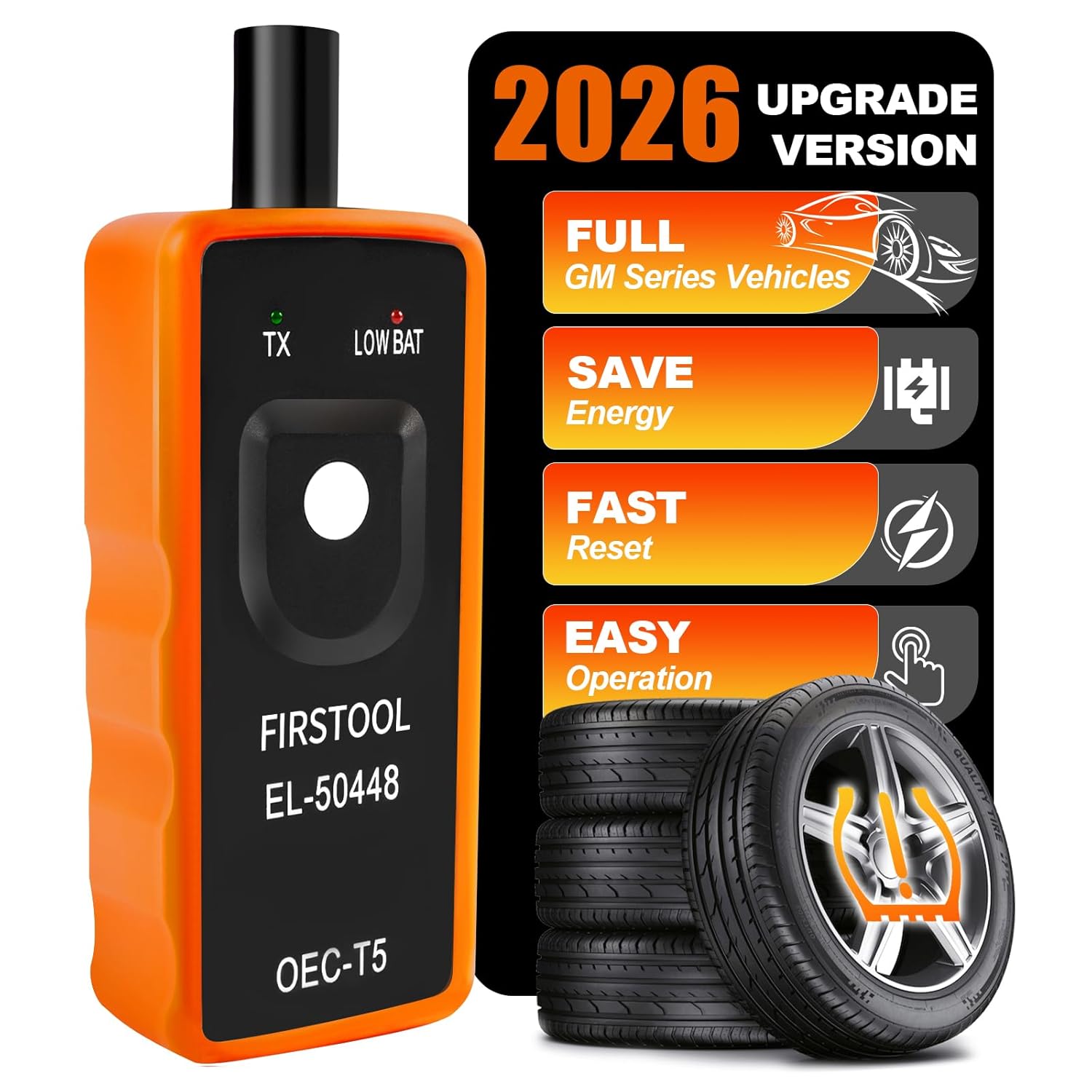
This TPMS relearn tool helps you quickly activate, match, and reset GM tire pressure sensors to keep the vehicle monitoring system working properly. It clears tire pressure alarms and dashboard warning lights after sensor replacement or tire rotation, and supports learning for common 315/433 MHz TPMS sensors. Designed for simple one-button operation, it can help you avoid unnecessary trips to repair shops.
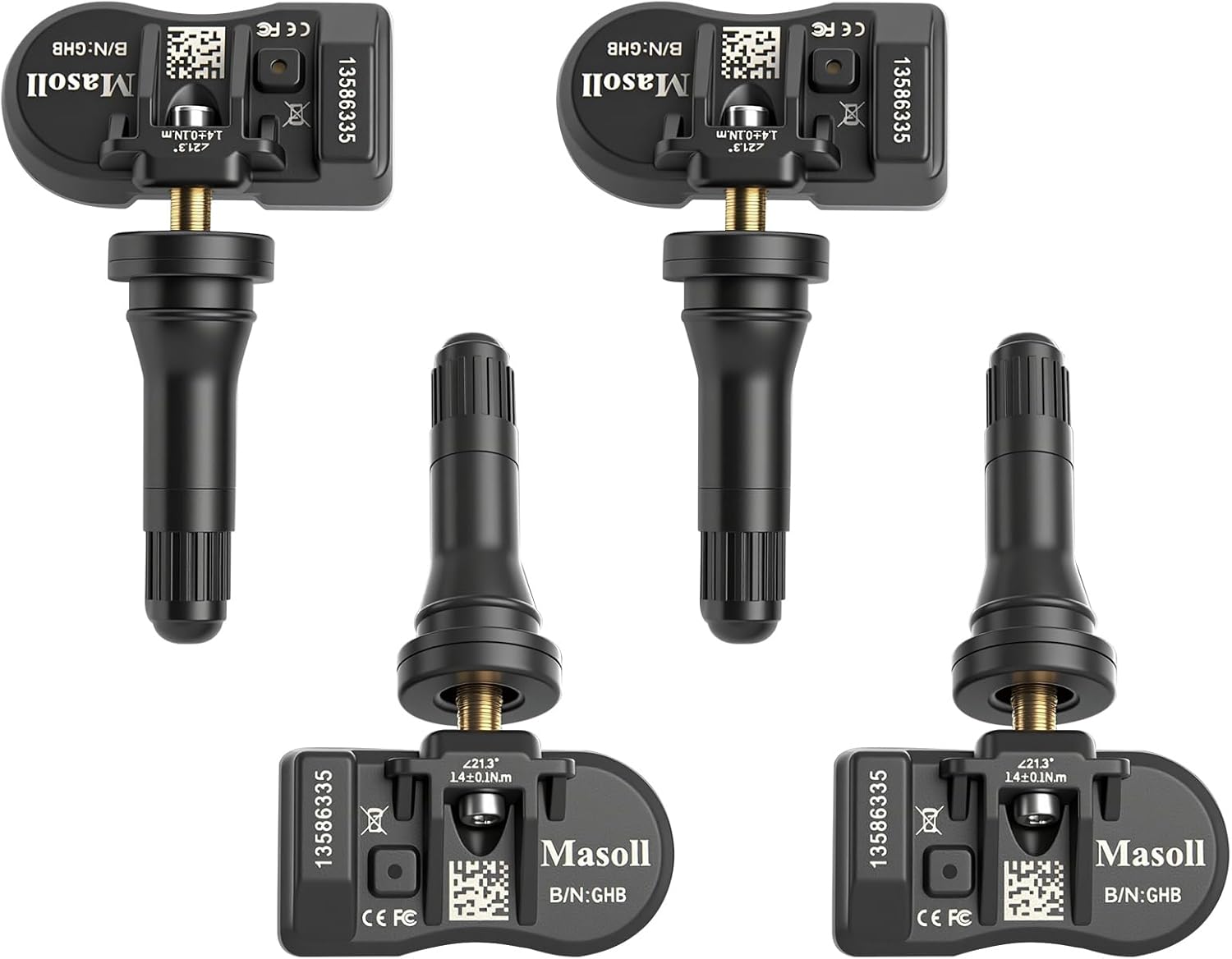
Masoll TPMS sensors are designed for most GM vehicles after 2006, helping you clear tire pressure warnings with OEM-level 315/433MHz compatibility. The 4-pack includes pre-programmed sensors, but re-learning is required after installation using a GM TPMS relearn tool or scan tool. Built with a dual-antenna design and a long-life CR2050 battery, these sensors deliver reliable performance in extreme temperatures with corrosion-resistant valve construction.
Why Regular Tire Maintenance Is Crucial for TPMS Functionality
Regular tire maintenance keeps the TPMS from becoming your only warning sign. The National Highway Traffic Safety Administration recommends checking tire pressure at least once a month, including the spare, when the tires are cold.
- Check pressure monthly. Use a gauge and match the door placard pressure.
- Inspect tread and sidewalls. Look for nails, cuts, bubbles, uneven wear, and exposed cords.
- Keep valve stems sealed. Replace missing caps and have cracked or leaking stems repaired.
- Rotate tires as recommended. Follow your owner’s manual for interval and pattern.
- Balance and align when needed. Vibration, pulling, or uneven wear can shorten tire life.
[Products Worth Considering]
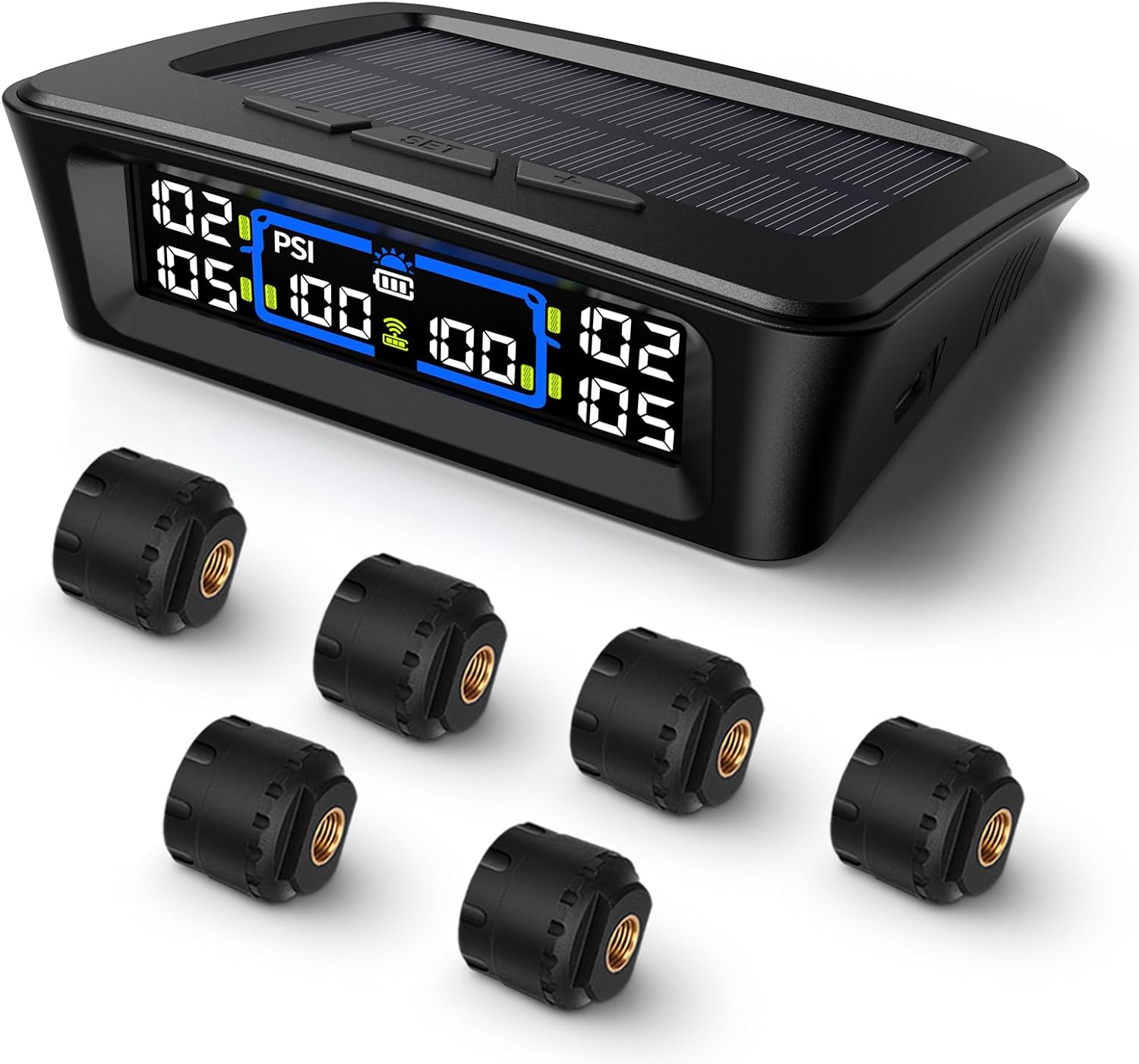
The Tymate TM12 RV TPMS delivers real-time tire pressure and temperature monitoring with a stable 433Hz display for safer long-distance driving. It supports simultaneous monitoring across vehicle and trailer zones, includes six alarm modes for pressure, temperature, leakage, battery, and signal loss, and features easy DIY installation with auto calibration. Power is supplied via USB-C charging or solar recharging, with a wide 0–144 PSI range and up to 50 ft signal coverage for RVs and towable trailers.

The VEHLIVE SU-50448 II TPMS relearn tool provides a fast activation reset to restore accurate tire pressure monitoring after sensor replacement or tire rotation. It supports 315 MHz and 433 MHz GM series sensors and helps clear dashboard pressure warnings. With simple two-button operation and horn-confirmed relearning order, you can reprogram sensors conveniently at home.
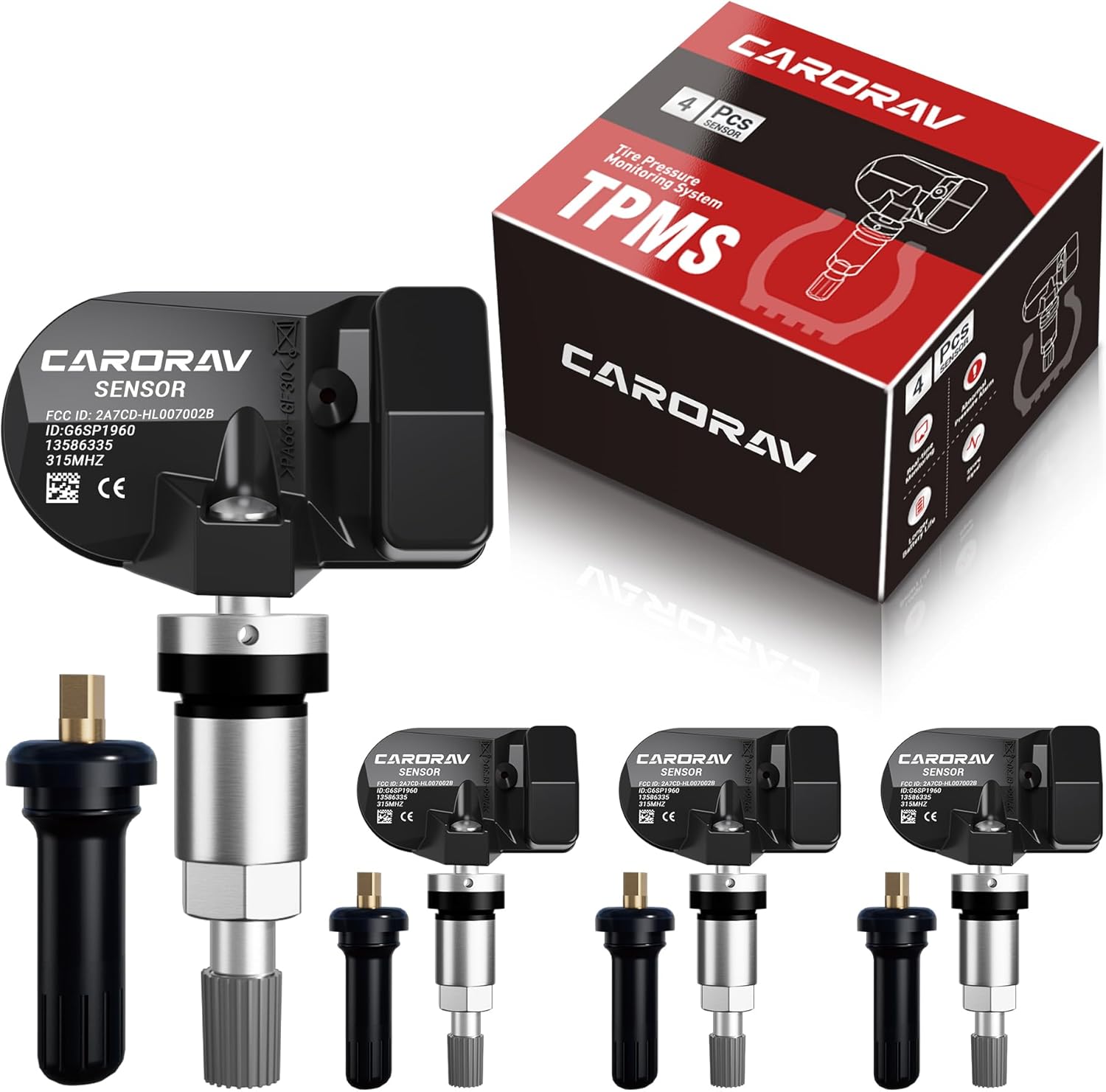
Replace worn or missing TPMS sensors with CARORAV pre-programmed GM-compatible sensors for a smoother installation experience. These 315MHz replacement sensors help monitor tire pressure in real time with long battery life, and they are designed to withstand harsh temperatures. Manual or OBDII relearn may be required to reset the system for proper recognition.
How to Prevent Issues With Your TPMS
You can prevent most Tacoma TPMS warnings with a simple routine. Check cold tire pressure once a month, before towing, before long trips, and after major weather changes. Keep a compact tire gauge in the glove box so you can confirm a warning instead of guessing.
After tire service, ask the shop whether the TPMS sensors were reused, replaced, or registered. If the light appears right after service, return to the shop and ask them to verify the sensor IDs and pressure readings. If you replace tires or wheels at home, plan for TPMS registration if your model year requires it.
Also avoid overinflating the tires just to turn off the light. Overinflation can reduce ride comfort, change handling, and wear the center of the tread faster. The correct fix is accurate cold pressure, not extra pressure.
Frequently Asked Questions
Why is my tire pressure light still on after filling my Tacoma tires?
The pressure may still be below the correct cold setting, one tire may have a slow leak, the tires may have been checked while warm, the spare may be low on some model years, or the TPMS sensor system may need initialization or repair.
What PSI should I use for my Toyota Tacoma?
Use the PSI listed on the Tire and Loading Information Label on the driver-side door edge or doorjamb. If your tire size, load rating, or wheels have changed, confirm the correct pressure with your owner’s manual, tire dealer, or Toyota service center.
How long does it take for the TPMS light to turn off?
If low pressure was the only problem, the light may turn off after you set all tires correctly and drive for a short period. If it stays on, follow the reset or initialization steps in your model-year owner’s manual.
Why does my TPMS light flash and then stay on?
A TPMS light that flashes for about 60 to 90 seconds and then stays on usually means the system has a malfunction. The tires may still need air, but the sensor system also needs inspection.
Can cold weather make the Tacoma TPMS light come on?
Yes. Cold weather can lower tire pressure enough to trigger the warning light, especially if the tire was already close to the system threshold. Check and adjust tire pressure when the tires are cold.
Conclusion
If your Toyota Tacoma TPMS light stays on after filling the tires, solve the basics first: check cold pressure, use the driver-side door placard, inspect every tire, and follow the reset procedure for your model year. If the warning flashes, returns quickly, or appears after tire service, treat it as a sensor or system issue and have it diagnosed. A working TPMS helps, but it does not replace regular tire checks with a gauge.
Sources
- NHTSA TireWise: Tire Safety Ratings and Awareness — backs cold tire pressure checks, door-label pressure guidance, TPMS warnings, and tire maintenance.
- Toyota Manuals and Warranties — backs using the correct model-year Tacoma owner’s manual for exact reset and system instructions.
- Toyota Warning Lights — backs consulting the owner’s manual or Toyota service when warning lights need model-specific guidance.

