
The Toyota Tacoma tire warranty people usually ask about is not the same thing as Toyota’s basic new-vehicle warranty. In most cases, they mean Toyota Financial Services Tire & Wheel Protection, an optional protection product that can help pay for eligible tire and wheel damage from road hazards such as nails, glass, rocks, tree limbs, and potholes. Coverage depends on the plan you bought, your customer agreement, and whether the damage qualifies.
Last reviewed: July 7, 2026. Coverage terms can vary by state, dealer participation, and the agreement you signed, so always confirm details with your Toyota dealer or Toyota Financial Services before authorizing repairs.
Quick Answer
Toyota Tacoma tire protection may cover eligible road-hazard tire repairs or replacements, wheel replacement if the wheel will not seal with a new tire, related labor and fees, and towing reimbursement up to the plan limit. It is optional coverage, not automatic factory warranty coverage, and unauthorized repairs may be excluded.
Key Takeaways
- Toyota Tire & Wheel Protection is an optional product for eligible Toyota vehicles, including Tacoma, not a standard tire warranty included with every truck.
- Gold Protection focuses on tire and wheel coverage, while Platinum adds benefits such as Paintless Dent Repair and Windshield Repair where available.
- Covered road hazards may include nails, glass, rocks, tree limbs, potholes, or other objects not normally found in the roadway.
- Get claim authorization before repairs whenever required, because unauthorized repairs or replacements may be excluded.
- Keep tire pressure, tread, rotation, alignment, and service records in good order to protect safety and make claims easier to review.
What Does the Toyota Tacoma Tire Warranty Cover?
For Tacoma owners, the phrase Toyota Tacoma tire warranty usually refers to Toyota Financial Services Tire & Wheel Protection. This protection can help with eligible damage caused by road hazards that affect the tire’s ability to hold air or the wheel’s ability to seal with a new tire.
Covered examples may include damage from nails, broken glass, rocks, tree limbs, potholes, or similar debris on a public roadway. If the tire can be safely repaired under the plan terms, repair may be attempted first. If the structurally damaged tire cannot be repaired, replacement may be covered.
The plan may also cover related costs, such as mounting, balancing, valve stems, disposal or environmental fees, taxes, and labor connected to an eligible tire or wheel repair. If the wheel will not hold a seal with a new tire, wheel replacement may also be included.
Note: Toyota’s basic new-vehicle warranty is separate from Tire & Wheel Protection. Toyota lists basic new-vehicle coverage as 36 months or 36,000 miles for covered components other than normal wear and maintenance items. Tire road-hazard protection depends on a separate protection agreement.
[Products Worth Considering]

This 100-piece set of snap-in tubeless tire valve stems is designed for standard 0.453 in (11.5 mm) rim holes and helps maintain reliable, steady tire pressure. Made with ozone-resistant rubber and brass cores, the valves are built for durability and long-term use. Easy to install by hand, they support safe driving and are suitable for cars, light trucks, trailers, and more.

These aluminum alloy tire valve stem caps with an O-ring seal help protect valve stems from corrosion while adding a clean, stylish look to your vehicle. The universal fit works across cars, trucks, motorcycles, bicycles, and more, making them an easy upgrade for everyday driving and off-road use. Installation is quick, and the included four-pack keeps all your tires dressed and protected.

Measure tire tread depth quickly and accurately with this LUMITECO dial gauge that reads in 1/32" increments up to 14/32". The color-coded green/yellow/red zones make it easy to judge tire wear and know when replacement is needed. A rugged, compact design with a protective pouch helps keep the gauge ready for use on cars, trucks, motorcycles, and more.
Gold vs. Platinum Tire & Wheel Protection
Toyota Financial Services lists two main Tire & Wheel Protection options: Gold and Platinum. Both can apply to eligible tire and wheel damage, but Platinum adds extra minor-damage benefits where available.
| Feature | Gold Protection | Platinum Protection |
|---|---|---|
| Tire repair or replacement for eligible road hazards | Yes | Yes |
| Wheel replacement if the wheel will not seal with a new tire | Yes | Yes |
| Mounting, balancing, valve stems, disposal fees, labor, and taxes for eligible claims | Yes | Yes |
| Paintless Dent Repair | No | Yes, with limits and exclusions |
| Windshield Repair | No | Yes, with limits and exclusions |
| Key Replacement Protection | Optional add-on or separate product | Optional add-on or separate product |
Gold is the simpler tire-and-wheel option. Platinum includes Gold benefits and may add Paintless Dent Repair and Windshield Repair, but those added benefits have limits. For example, some dent repairs, hail damage rules, windshield stress cracks, and cracks over six inches may fall outside coverage.
[Products Worth Considering]

The SAFELIFE dial tire tread depth gauge measures tread depth in 1/32 inch increments with clear, easy-to-read 2-inch dial face. Color zones using a traffic light system help you quickly judge whether tread is low, marginal, or ample for safer driving. Built with a durable zinc cast body and a metal detect probe for precise, comfortable use across cars, motorcycles, trucks, and buses.

Accurately measure tire tread depth with a calibrated gauge marked from 0 to 1 inch in 1/32 inch increments. The color-coded bar helps you quickly identify tread condition ranges, supporting safe driving for trucks, motorcycles, automobiles, and passenger vehicles.

Monitor tire tread wear with a smart, color-coded depth gauge that shows clear condition ranges at a glance. The bar is range marked for fast, easy readings, helping you maintain safer traction and performance. Each gauge is portable with a pocket clip, and the set includes 20 units for daily use and sharing.
Top Advantages of the Tacoma Tire Warranty
The biggest advantage of Toyota Tacoma Tire & Wheel Protection is cost control after a sudden road-hazard issue. A nail, pothole, or piece of glass can damage a tire without warning. When the damage qualifies, the plan can reduce or eliminate the repair bill you would otherwise pay out of pocket.
Another major benefit is that covered claims are not capped by a simple one-claim limit during the agreement term. Toyota Financial Services states that coverage may continue for replaced tires as long as they meet the vehicle manufacturer’s size specifications.
You may also receive towing reimbursement for eligible claims, up to the plan limit, if the Tacoma cannot be driven safely or needs help getting to the nearest authorized dealer. This can matter if the tire damage happens far from home or after normal shop hours.
Pro Tip: Save a copy of your protection agreement in your glove box or phone. If you damage a tire, you can quickly confirm the claim phone number, towing rules, and prior-authorization requirements before repairs begin.
Exclusions From Coverage
While Tacoma Tire & Wheel Protection can be useful, it does not cover every tire, wheel, key, dent, or windshield issue. The exact exclusions depend on the plan, your state, and your customer agreement.
- Unauthorized repairs may be excluded. If the agreement requires prior authorization, do not approve repair or replacement work before the claim is opened.
- Cosmetic-only wheel damage may not qualify. Damage usually needs to affect tire performance, air retention, or wheel sealing.
- Wrong tire size can cause problems. Replacement tires generally need to meet the manufacturer’s size specifications.
- Platinum extras have limits. Paintless Dent Repair and Windshield Repair do not apply to every dent, crack, chip, hail event, or windshield condition.
- Key coverage has specific exclusions. Key Replacement Protection may exclude cases where two master keys were not provided at purchase or lease, or where key problems are covered by another warranty or recall.
Warning: Do not keep driving on a flat, leaking, or visibly damaged tire just to reach a preferred shop. Driving on a damaged tire can destroy the tire, bend the wheel, and create a safety risk. Pull over safely and follow your claim or towing instructions.
Maximizing Tire Warranty Benefits
To get the most value from your Toyota Tacoma tire protection, you need two things: a clear understanding of your coverage and good records. Road-hazard coverage is strongest when you can show what happened, where it happened, and that the tire or wheel damage fits the agreement.
Coverage Types Overview
Start by confirming which product you bought. Gold Protection focuses on tire and wheel coverage. Platinum Protection includes Gold benefits and adds certain minor-damage repairs, such as Paintless Dent Repair and Windshield Repair, where those benefits are available.
You can also add or buy Key Replacement Protection, depending on the purchase options available through the dealer. This may help with lost, stolen, or damaged keys, but it has separate limits and exclusions.
Also confirm when the coverage starts, when it ends, whether it transfers to a private-party buyer, and whether your plan was sold at the time of financing, lease, or vehicle purchase. These details can affect what you can claim later.
Claim Process Steps
If your Tacoma gets tire or wheel damage, use a simple claim process before approving repairs.
- Stop safely and inspect the damage. Look for punctures, sidewall cuts, bent wheels, air loss, or a tire pressure warning.
- Take photos. Capture the damaged tire, wheel, tread area, sidewall, tire size, and the road hazard if it is safe to do so.
- Check your agreement. Confirm whether prior authorization is required and which phone number or dealer process applies.
- Contact Toyota support or your dealer. Toyota Financial Services says Tire & Wheel/Key Protection claims can be submitted by calling directly or through the dealership.
- Wait for authorization when required. Keep the repair estimate, receipt, towing invoice, and any claim number.
- Confirm replacement tire size. Make sure any replacement tire meets the Tacoma’s manufacturer-approved size specifications.
If your vehicle is not drivable, ask about towing reimbursement before arranging a tow. The plan may reimburse towing to the nearest authorized dealer or the cost to change the damaged tire with your spare, subject to the agreement limit.
Importance of Regular Maintenance for Warranty Validity
Regular maintenance cannot turn non-covered damage into a covered claim, but it can protect your tires and make claim reviews smoother. Poor tire maintenance can lead to flat tires, blowouts, uneven wear, and tread separation, according to NHTSA TireWise.
Use these habits to support tire safety and avoid avoidable damage:
- Check tire pressure monthly. Use the pressure listed on the Tacoma’s Tire and Loading Information Label or owner’s manual, not the maximum pressure on the tire sidewall.
- Check pressure when tires are cold. NHTSA recommends checking after the vehicle has been parked for at least three hours.
- Inspect tread depth monthly. Tires should be replaced when tread wears down to 2/32 inch.
- Rotate tires on schedule. Rotation helps reduce irregular wear and can extend tire life.
- Balance and align when needed. Vibration, pulling, cupping, or uneven wear can point to balance or alignment problems.
- Keep receipts and inspection notes. Documentation can help show that you did not ignore a known tire or wheel issue.
Addressing Toyota Tacoma Tire Warranty Issues
If a claim feels confusing, start with the agreement, not the sales brochure. The agreement controls the final coverage terms, exclusions, state-specific limits, transfer rules, and claim procedures.
If your claim is questioned, ask for the specific reason in writing. Common issues include lack of prior authorization, damage that looks cosmetic rather than structural, an excluded windshield or dent condition, a tire size mismatch, or missing documentation.
You can also ask the dealer to explain whether the issue belongs under Tire & Wheel Protection, the tire manufacturer’s warranty, Toyota’s basic vehicle warranty, ToyotaCare maintenance, roadside assistance, or your auto insurance. These are different programs, and each one covers different problems.
Tire & Wheel Protection Overview
Toyota Tire & Wheel Protection is available for new, certified used, and used Toyota vehicles at participating dealerships, usually at the time of purchase, lease, or financing. For Tacoma owners who drive on rough roads, construction areas, gravel, or pothole-prone streets, it can be worth reviewing before you buy or lease.
Before you decide, ask the dealer these questions:
- Which plan is available for my Tacoma: Gold, Platinum, or both?
- What is the exact term length?
- Is the plan optional and cancelable under my agreement terms?
- What phone number do I call before repairs?
- Does the plan transfer to a private-party buyer?
- Which states, shops, dealers, or repair situations have limits?
- How are replacement tire and wheel reimbursements calculated?
This gives you a clearer picture of the real value before you pay for the plan.
[Products Worth Considering]

CKAuto tire repair plugs provide a quick, effective way to seal punctures on the road without removing the tire from the rim. Designed for tubeless off-road tires, they help you get back moving on cars, bikes, ATVs, UTVs, wheelbarrows, and mowers. The rubber repair strings are strong, reliable, and completely odorless for clean use.

ETENWOLF T300 is a calibrated digital tire pressure gauge for accurate readings from 3 to 200 PSI across light and heavy-duty vehicles. It includes thermal compensation for reliable performance in extreme cold or heat, with an auto shut-off to extend battery life and an LED for easier reading. The sturdy design supports rugged everyday use, making it ideal for pickups, RVs, and industrial applications.
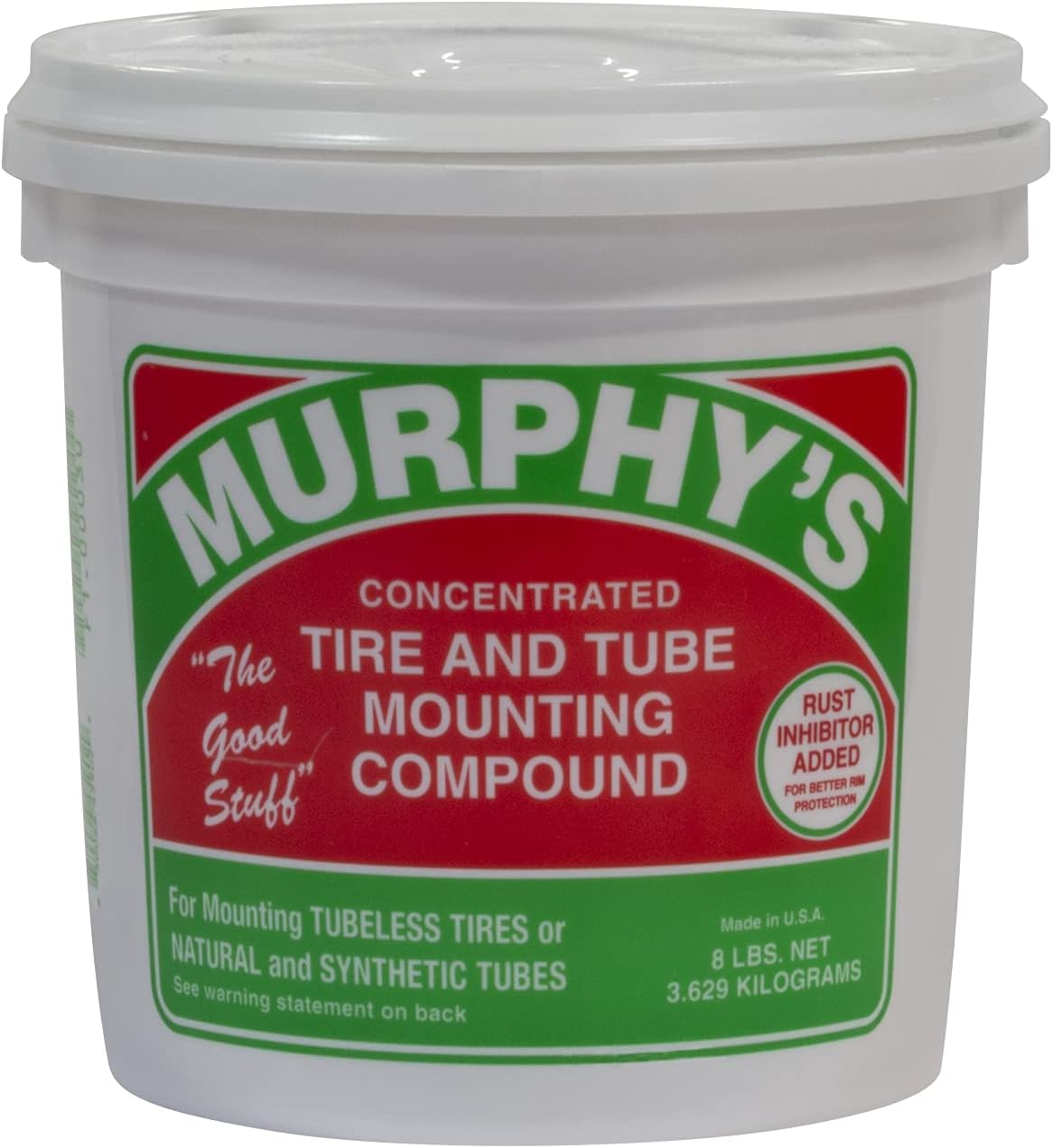
A concentrated tire and tube mounting compound designed to help simplify mounting rubber tires and tubes on passenger, semi truck, construction, and OTR applications. Its ultra-thick formula packs beads effectively and includes rust inhibitors to help protect against corrosion during use.
Frequently Asked Questions
Does Toyota change Tacoma tires for free?
No, Toyota does not automatically change Tacoma tires for free. Tire replacement is usually your responsibility unless the issue qualifies under a specific protection plan, tire manufacturer warranty, roadside assistance benefit, or another covered program.
Is Toyota Tacoma Tire & Wheel Protection the same as the factory warranty?
No. Toyota’s basic new-vehicle warranty is separate from optional Tire & Wheel Protection. The factory warranty covers listed vehicle components under its own terms, while Tire & Wheel Protection applies to eligible tire and wheel damage under a separate agreement.
What road hazards are usually covered?
Eligible road hazards may include nails, glass, rocks, potholes, tree limbs, or other objects not normally found in the roadway. The damage must meet the plan’s definition of eligible damage, so your agreement should always be checked before repairs.
How do I file a Toyota Tire & Wheel Protection claim?
Document the damage, check your agreement, and contact the claim phone number or your Toyota dealer before authorizing repairs. Toyota Financial Services says Tire & Wheel/Key Protection claims can be submitted directly by phone or through the dealership.
Can I transfer Toyota Tire & Wheel Protection when I sell my Tacoma?
Toyota Financial Services states that coverage can be transferred once, at no cost, from the original owner to a private party, excluding dealers. Check your agreement for the required transfer steps and timing.
Does the plan cover worn-out tires?
Road-hazard protection is not the same as normal treadwear coverage. Tires worn from age, mileage, alignment problems, underinflation, or poor maintenance may not qualify unless the agreement specifically says otherwise.
Conclusion
The Toyota Tacoma tire warranty is best understood as optional Toyota Tire & Wheel Protection, not automatic factory coverage. Gold can help with eligible tire and wheel damage, while Platinum may add dent and windshield benefits where available. To protect yourself, confirm your plan, get authorization before repairs, keep maintenance records, and use the correct tire size. That way, if a nail, pothole, or road debris damages your Tacoma’s tire, you will know exactly what to do next.
Sources
- Toyota Financial Services: Tire & Wheel Protection — backs up Gold, Platinum, eligible road hazards, towing, transferability, key protection, and exclusions.
- Toyota Financial Services: How to File a Claim — backs up claim routing for Tire & Wheel/Key Protection.
- Toyota Owners: Manuals and Warranties — backs up Toyota factory warranty context and owner warranty resources.
- NHTSA TireWise — backs up tire pressure, tread, rotation, balance, alignment, and tire safety maintenance guidance.

