
Buying tire and wheel protection for a Toyota 4Runner is not automatically a smart purchase or a waste of money. Its value depends on the contract, your tire and wheel costs, where you drive, and whether your setup meets the plan’s eligibility rules. Before buying, compare the written coverage with one realistic loss you could face.
Quick Answer
4Runner tire and wheel protection is worth considering when you drive on pothole-heavy roads, use costly factory-size tires or wheels, and could not comfortably absorb a sudden replacement. Skip it when exclusions conflict with your modifications, off-road use, or budget. Compare the plan price with one realistic covered loss.
Key Takeaways
- Tire and wheel protection is generally an optional service contract, not ordinary auto insurance.
- Toyota may cover qualifying road-hazard damage, but prior authorization, tire size, tread depth, and other exclusions matter.
- Structural wheel damage and cosmetic curb rash are different benefits. Cosmetic repair may require an optional add-on.
- Do not assume oversized tires, aftermarket wheels, construction-zone damage, or trail damage will qualify.
- Use written quotes and contract terms instead of relying on a universal dealer-versus-tire-shop price comparison.
What Tire and Wheel Protection Covers

Consumers often call these plans “tire insurance,” but that term can be misleading. Toyota describes its Tire & Wheel Protection product as optional and cancelable under the agreement, and its brochure states that the product is not insurance. A tire retailer may offer a similar road-hazard service contract with different limits.
Toyota Financial Services says its current plans may repair or replace a tire damaged by an eligible road hazard. Examples include nails, glass, potholes, rocks, tree limbs, and roadway debris. A wheel may qualify for replacement when structural damage prevents it from sealing with the replacement tire.
These benefits do not make every type of damage eligible. The Toyota brochures identify exclusions such as normal wear, vandalism, tires below the required tread depth, certain construction-site or construction-zone conditions, and work completed without prior authorization. Your signed agreement may contain additional limitations.
Structural Damage Versus Cosmetic Damage
Structural wheel coverage concerns a wheel that can no longer function correctly, such as one that cannot maintain a seal with the tire. Cosmetic damage includes scratches, scuffs, and curb rash that do not stop the wheel from holding air.
Toyota’s current Gold and Platinum brochures describe optional cosmetic wheel repair. That benefit is limited and is not the same as structural wheel replacement. Confirm whether cosmetic coverage appears on your purchase agreement rather than assuming it is automatically included.
Warning: Do not authorize a repair or replacement before contacting the plan administrator. Toyota’s current materials state that work completed without prior authorization can be excluded.
Dealer vs. Tire Shop: Where to Buy Protection
A Toyota dealer plan and a tire-shop certificate can both cover road-hazard damage, but they are not interchangeable. One may include wheel coverage, towing, or longer protection, while another may protect only the tire and limit the number of refunds.
The table below compares Toyota’s current Tire & Wheel Protection with the published non-Florida Discount Tire Certificate. It is an example of how contract terms can differ, not a statement about every tire retailer.
| Feature | Toyota Gold or Platinum | Discount Tire Certificate Example |
|---|---|---|
| Product type | Optional tire-and-wheel protection product | Tire service contract |
| Purchase window | Available through participating Toyota dealers at the time of financing | At tire purchase or within the retailer’s stated post-purchase window |
| Published term | Up to six years, depending on the agreement | Three years or until the refund or credit limit is reached |
| Tire protection | Repair or replacement for qualifying structural damage | Safe repair or, at the provider’s discretion, refund or credit for a qualifying tire |
| Wheel protection | May replace a qualifying structurally damaged wheel; optional cosmetic coverage may be available | The cited certificate protects the listed tire, not the wheel |
| Tread requirement | The current brochure excludes damage occurring below 3/32-inch tread depth | No coverage at 3/32-inch tread depth or less |
| Transfer | One transfer to another owner in a qualifying private sale | Generally non-transferable under the cited contract, with a North Carolina exception |
| Replacement coverage | Continues during the term when replacement tires meet applicable manufacturer size specifications | A new certificate must be purchased for a replacement tire |
[Products Worth Considering]

These aluminum alloy tire valve stem caps with an O-ring seal help protect valve stems from corrosion while adding a clean, stylish look to your vehicle. The universal fit works across cars, trucks, motorcycles, bicycles, and more, making them an easy upgrade for everyday driving and off-road use. Installation is quick, and the included four-pack keeps all your tires dressed and protected.
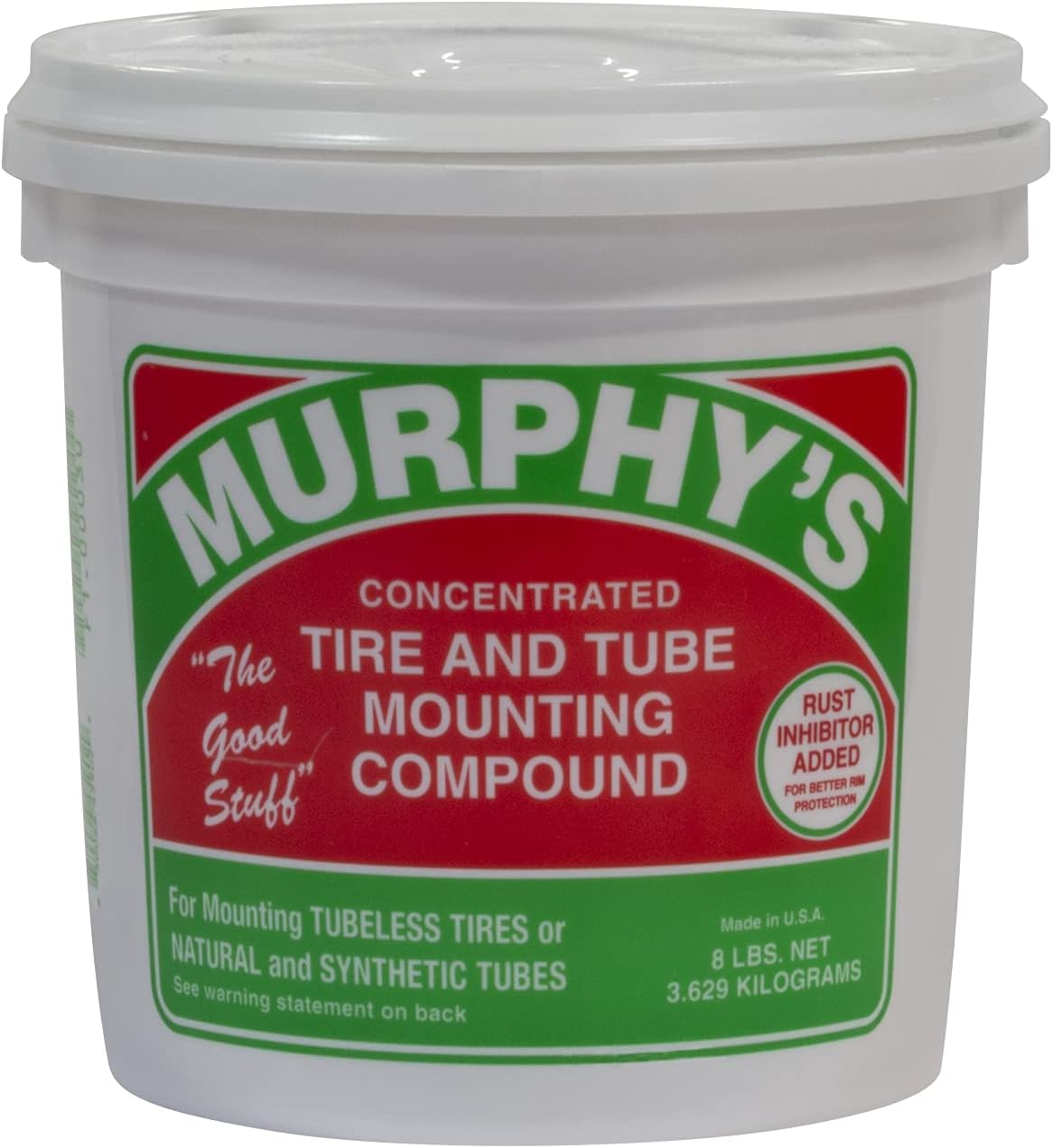
A concentrated tire and tube mounting compound designed to help simplify mounting rubber tires and tubes on passenger, semi truck, construction, and OTR applications. Its ultra-thick formula packs beads effectively and includes rust inhibitors to help protect against corrosion during use.
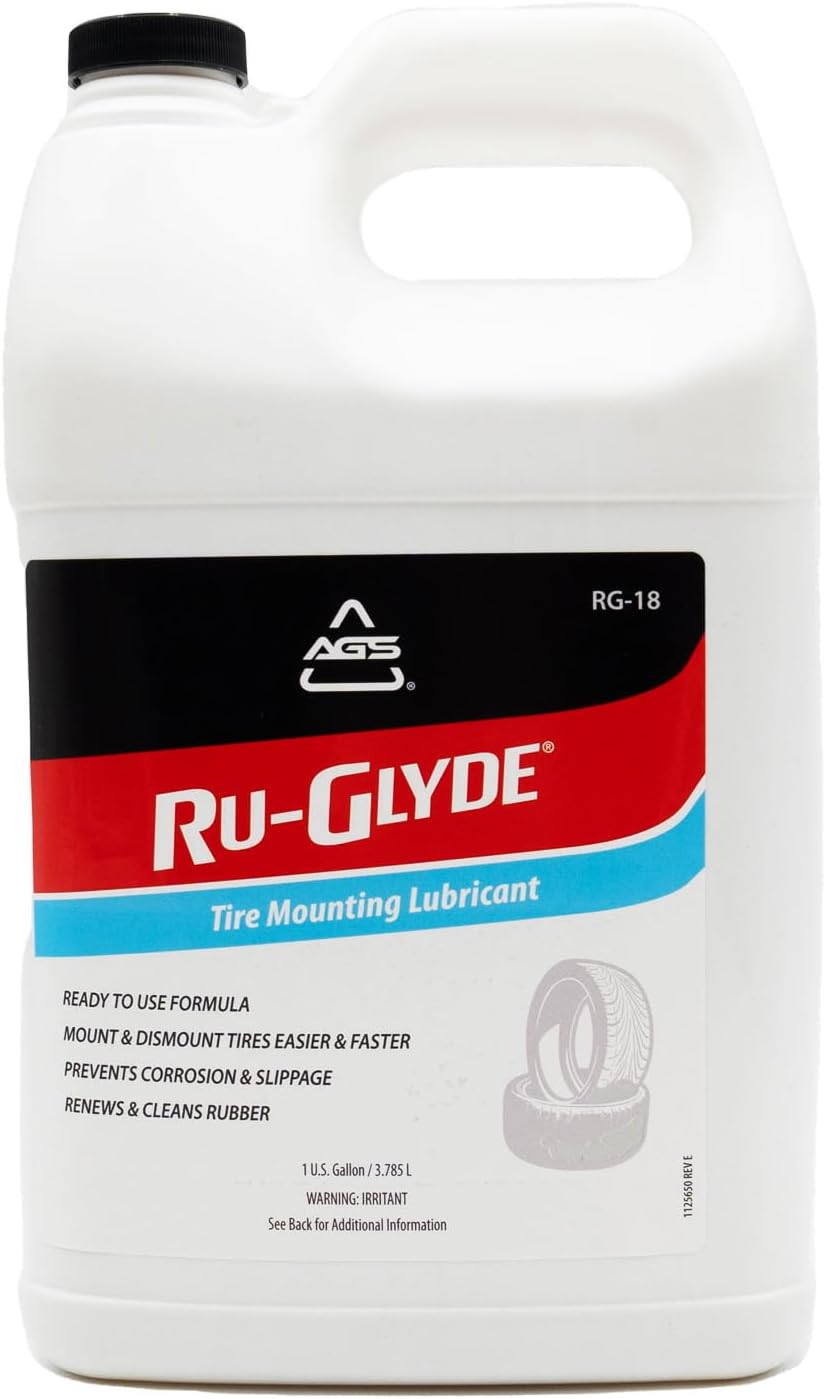
Ru-Glyde tire mounting lubricant from AGS seats tire beads smoothly on the first try with a thick, stay-put formula. It is ready to use with no mixing or dilution, helps prevent rim rust, and dries completely without causing bead slip residue. The water-based formula also conditions aged rubber, making it useful for sidewalls, gaskets, and door seals while remaining safe for tire, wheel, and technicians.
Compare the Full Contract, Not Just the Price
Dealer and retailer prices vary by location, tire value, vehicle, term, and selected benefits. Request an itemized written quote showing the total contract price rather than focusing only on the monthly amount added to financing.
Check whether financing the plan creates interest charges. A lower monthly payment can still cost more when it is spread across a long vehicle loan. Also confirm whether the contract has a deductible, whether you must pay first and seek reimbursement, and whether a replacement requires buying another certificate.
Coverage Flexibility Differences
Toyota’s plan can offer broader benefits because it may protect both tires and structurally damaged wheels. Platinum also adds paintless dent and windshield repair benefits, subject to its exclusions and state availability.
A tire-shop certificate may be simpler and easier to buy with a new set of tires. However, it may cover only the tire, expire sooner, limit refunds, or prohibit transfer. The right choice depends on the exact contract rather than whether the seller is a dealership or tire shop.
Tire Protection Costs: How to Calculate the Break-Even Point
Do not rely on a universal claim that a dealer plan costs a certain amount or that a tire-shop plan is always a fixed percentage cheaper. Use the actual written quotes offered for your vehicle and tires.
A simple break-even calculation is:
Break-even losses = total protection-plan cost ÷ the average net amount the plan would pay for one qualifying loss.
For example, collect a current installed price for one matching tire and one matching wheel. Subtract any deductible, non-covered fees, prorated amount, or certificate-renewal charge. The result is your estimated benefit from one successful claim.
Next, compare that benefit with the contract price and your realistic chance of a covered loss. A plan is harder to justify when you drive low annual mileage on maintained roads and can comfortably pay for one replacement. It becomes more attractive when one qualifying loss would create a serious budget problem.
Pro Tip: Ask the seller to show how a claim would be handled for your exact tire size and wheel. A specific written example is more useful than a general statement that everything is covered.
Will It Cover Aftermarket Wheels and Bigger Tires?
Aftermarket does not always mean excluded, but physical fitment does not guarantee contract eligibility. Toyota states that continued coverage on replacement tires depends on meeting the vehicle manufacturer’s size specifications. Your individual agreement may add further rules for wheels, suspension changes, intended use, or prior approval.
[Products Worth Considering]
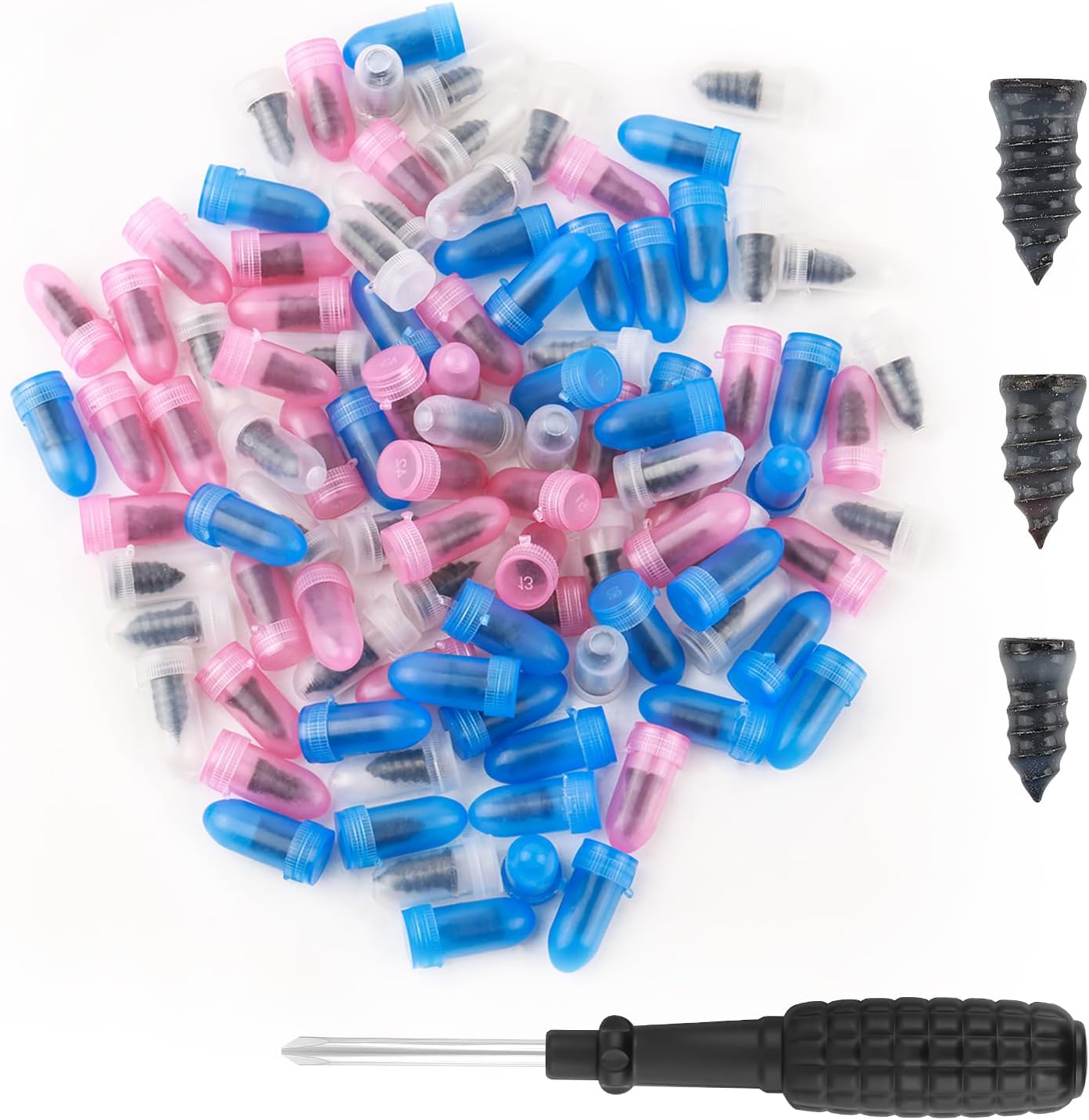
This 100-piece tire repair screw plug kit provides a fast, self-service solution for punctures on the road. Choose the correct plug size, insert it into the break, and screw it in to help seal the puncture and temporarily restore tire pressure. Thickened threads and rubber-wrapped plugs improve bite and sealing while remaining compact and easy to carry.

Malco tire mounting and demounting lubricant is a ready-to-use tire lube formulated to reduce friction during tire installation for passenger cars, light trucks, farm tires, and heavy-duty equipment. It provides rust-inhibiting protection to help reduce corrosion on rims and wheels, and helps support proper tire bead seating during inflation to reduce air leakage. The silicone-free, soap-free formula is whitewall safe to help prevent discoloration on whitewall tires and sensitive sidewall markings.
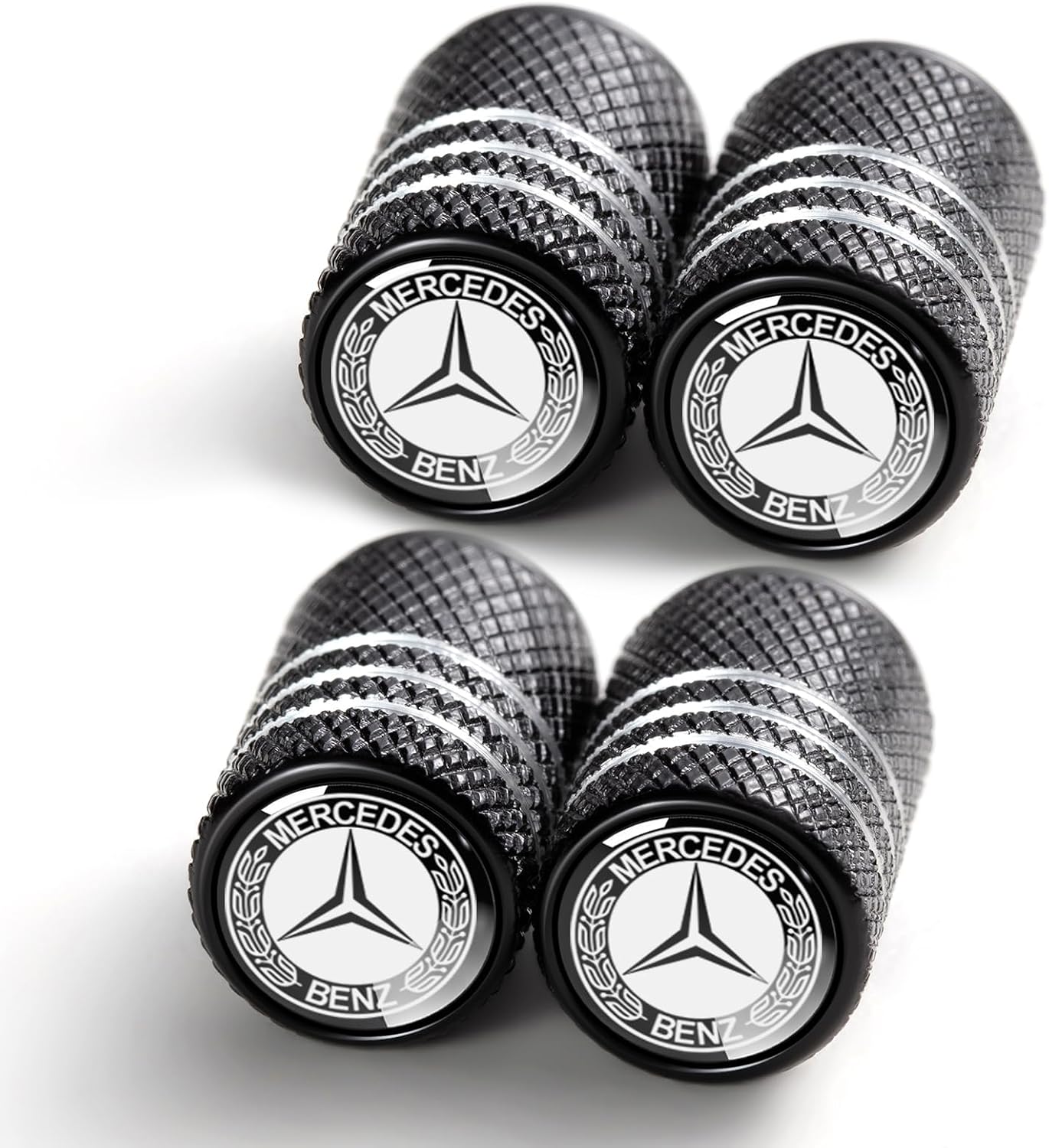
Upgrade your tires with these aluminum valve stem caps that protect against wear while adding a clean, anodized look. The O-ring seal helps keep moisture and debris out for a more airtight fit, and the screw-in thread design makes installation quick and secure. Designed for wide vehicle compatibility, they help keep your tires looking sharp and functioning properly.
Coverage Limitations for Modified 4Runners
Ask the administrator to confirm the following in writing before installing or insuring a modified setup:
- The exact tire size, load index, and speed rating that qualify
- Whether the aftermarket wheel itself is covered
- Whether a suspension lift affects eligibility
- Whether rubbing, contact damage, or improper fitment is excluded
- Whether damage on unpaved trails qualifies as an eligible road hazard
- Whether replacement tires must be purchased or installed through an approved facility
A salesperson’s verbal assurance may not override the signed contract. Keep any written approval with your purchase receipt and vehicle records.
Model Year and Tire Specifications Matter
Do not treat 265/70R17 as the universal factory size for every 4Runner. Tire size varies by generation, trim, package, and model year. For example, the 2026 Toyota 4Runner owner’s manual lists several configurations, including 245/70R17, 245/70R18, 265/70R18, and 265/55R20.
Use the tire-information placard on the driver-side door area and your model-specific owner’s manual as the starting point. If you plan to change sizes, obtain written confirmation from the plan administrator before buying the tires.
Note: NHTSA recommends buying replacement tires in the original size or another size recommended by the vehicle manufacturer. Correct size and load capacity also matter for safety, handling, and tire-pressure monitoring.
When Tire Protection Can Pay Off: Realistic 4Runner Scenarios
Tire and wheel protection can provide meaningful value, but the loss must satisfy the contract. The following are hypothetical scenarios, not guaranteed claim outcomes.
Scenario 1: A Nail in the Repairable Tread Area
A nail enters the center tread area while you are driving on a public road. The tire still has enough tread, and a technician determines that it can be safely repaired. A qualifying plan may pay for the repair, but the savings could be modest compared with the contract price.
Scenario 2: A Pothole Destroys a Tire and Damages the Wheel
A pothole causes a sidewall failure and bends the wheel so it cannot seal with a replacement tire. A Toyota plan may provide more value here because both the qualifying tire and structurally damaged wheel could be covered. Prior authorization and the agreement’s exclusions still apply.
Scenario 3: Trail Damage to an Oversized Tire
An oversized tire suffers a sidewall cut on a recreational trail. The tire fits the vehicle, but it does not match the manufacturer’s listed size and the incident did not occur on a public roadway. This claim may fall outside the plan’s definition of an eligible road hazard.
Scenario 4: Cosmetic Curb Rash
A wheel receives a surface scrape but still holds air. Structural wheel coverage may not apply. The damage may qualify only when the agreement includes optional cosmetic wheel repair and the repair falls within that benefit’s limits.
Claim Traps, Tire Condition, and Repair Rules
A denied claim is often caused by a contract condition rather than the type of vehicle. Read the agreement before damage occurs and keep the documents where you can access them from your phone.
Common issues to check include:
- Prior authorization: Contact the administrator before repair or replacement unless the agreement provides an emergency procedure.
- Tread depth: Toyota’s current brochure and the cited Discount Tire contract exclude tires at or below their stated tread threshold.
- Normal wear: Road-hazard protection is not a treadwear warranty.
- Collision or vandalism: These events may be handled by another type of coverage or excluded completely.
- Construction areas: Toyota’s current brochure identifies certain construction-site and construction-zone road conditions as exclusions.
- Wrong size or specification: A replacement tire may need to meet manufacturer size requirements.
- Missing records: Keep the contract, original receipt, tire invoice, service records, photographs, and claim authorization number.
When a Puncture Can Be Repaired
A protection provider may choose repair instead of replacement when the tire can be safely fixed. According to the U.S. Tire Manufacturers Association, a standard passenger or light-truck puncture repair generally requires the tire to be removed and inspected. The injury should be limited to the tread area and no larger than 1/4 inch, or 6 mm.
A proper repair fills the injury with a rubber stem and seals the inner liner with a patch. A plug by itself is not the recommended repair. Shoulder, sidewall, overlapping, or otherwise unsafe injuries normally require the tire to be removed from service.
How to File a Tire or Wheel Protection Claim
- Stop driving when necessary. Do not continue on a flat or visibly damaged tire unless moving the vehicle is required for immediate safety.
- Photograph the damage. Capture the tire, wheel, tread, object or pothole when safe, and the surrounding location.
- Find your agreement. Confirm the administrator, contract number, covered vehicle, term, and authorization procedure.
- Contact the administrator before work begins. For Toyota Tire & Wheel Protection, Toyota currently directs customers to call 1-855-999-0518 or contact a participating Toyota dealer.
- Ask whether towing is authorized. Toyota advertises up to $100 per eligible towing occurrence, subject to the agreement.
- Obtain an inspection and written diagnosis. The technician should state whether the tire is repairable and whether the wheel can maintain a seal.
- Keep all paperwork. Save the authorization, inspection, invoices, receipts, photographs, and replaced components when requested.
If you have a retailer certificate, follow that provider’s claim instructions. The current Discount Tire contract directs customers to a Discount Tire location when possible and provides a separate procedure for emergency work or situations where a store is not nearby.
How to Cancel Dealer Tire Protection and Request a Refund
Toyota describes Tire & Wheel Protection as cancelable, but the refund method, fees, timing, and required forms are controlled by the signed agreement and applicable state rules. Do not assume every cancellation produces a full or prorated refund.
- Locate the original agreement and purchase invoice.
- Read the cancellation section for deadlines, fees, claim deductions, and required signatures.
- Contact the selling dealer and the administrator listed in the agreement.
- Request the cancellation instructions and refund calculation in writing.
- Submit all required documents and keep proof of delivery.
- Ask whether the refund will be sent to you or credited to the vehicle lender.
- Follow up until you receive written confirmation that the contract is canceled.
A tire-retailer contract may use different rules. For example, the cited Discount Tire certificate provides a full refund of the certificate charge when canceled within 30 days and a time-based prorated refund after that period, subject to its complete terms and state-specific provisions.
The DIY Alternative: Build a Tire Replacement Fund
Self-funding can be a practical alternative when you can handle the financial risk and do not want contract restrictions. Start with the installed replacement price of your exact tire and wheel rather than a generic national estimate.
Set a target that could cover:
- One matching tire
- Mounting, balancing, valve service, and disposal
- A wheel or alignment when your routes create that risk
- A second tire when tread differences or drivetrain requirements make paired replacement necessary
Divide the target by the number of months in which you want to fund it, then automate that monthly transfer to a separate savings account. The money remains available for any tire brand, installer, repair, or emergency, even when a service contract would deny the claim.
The drawback is simple: damage can happen before the fund is complete. Self-funding works best when you already have emergency savings or could pay for an early loss without taking on high-interest debt.
Who Should Consider Protection and Who Should Skip It?
| Decision Factor | Protection May Make Sense | Self-Funding May Make More Sense |
|---|---|---|
| Road conditions | Frequent potholes or qualifying roadway debris | Mostly maintained roads with a low damage history |
| Tire and wheel cost | One covered replacement would strain your budget | You can comfortably absorb a replacement |
| Vehicle setup | Factory-size tires and eligible wheels | Oversized tires, custom wheels, or modifications the contract does not confirm |
| Driving use | Most exposure occurs on eligible public roads | Most damage risk comes from trails, competition, construction sites, or excluded use |
| Contract quality | Clear terms, suitable benefits, and a reasonable written quote | Unclear exclusions, poor fit, or a cost above the realistic benefit |
You are a stronger candidate when the contract clearly covers your exact setup and a qualifying tire or wheel loss would be difficult to pay for. You are a weaker candidate when your highest risks fall outside the plan or you already maintain enough savings to replace the damaged parts.
Toyota Platinum Versus Tire-Shop Protection
Toyota Platinum is not simply a more expensive tire certificate. It combines the Gold tire-and-wheel benefits with paintless dent repair and front-windshield repair, subject to state availability and detailed exclusions.
Toyota’s current published benefits include:
- Up to six years of protection, depending on the agreement
- No deductible for qualifying benefits
- No aggregate dollar limit for covered structural tire and wheel claims
- Up to $100 in eligible towing expenses per occurrence
- One transfer to another owner in a qualifying private sale
- Paintless dent repair for qualifying minor dents and dings
- Repair of qualifying minor front-windshield chips and cracks
The windshield benefit is for repair rather than complete windshield replacement. Toyota also identifies exclusions for large cracks, stress cracks, damage outside the front windshield, certain line-of-sight repairs, vandalism, hail, neglect, and unauthorized work.
A tire-shop certificate may provide strong tire protection without charging for dent, glass, or wheel benefits you do not need. It may also offer a shorter term, no wheel coverage, stricter transfer rules, or a separate charge for protecting the replacement tire.
[Products Worth Considering]

Steelman white tire marking crayons provide high-contrast, semi-permanent marks for repairing and inspecting tires and equipment. They write on wet or dry, smooth or coarse surfaces including rubber, metal, glass, and wood, making them ideal for puncture location and damage outlining. The lead- and zinc-free crayons resist weather and fading yet wipe away when you no longer need the marks.

Vigorder rubber cement glue delivers superior adhesion and cures quickly within about 30 seconds for seamless rubber bonding. Once cured, it helps provide a strong, durable, waterproof seal that holds up to vehicle weight, pressure, and heat. Suitable for cars, motorcycles, trucks, bicycles, and off-road tires, it’s designed for emergency patch and maintenance repairs.

Monitor tire tread wear with a smart, color-coded depth gauge that shows clear condition ranges at a glance. The bar is range marked for fast, easy readings, helping you maintain safer traction and performance. Each gauge is portable with a pocket clip, and the set includes 20 units for daily use and sharing.
Questions to Ask Before Signing
- What is the complete price when paid in cash?
- What is the total price when financed?
- Does it cover the tire, wheel, or both?
- Is cosmetic wheel repair included or optional?
- What tread depth ends coverage?
- Are my exact tire size and wheels eligible?
- Does the definition of road hazard include where I normally drive?
- Is prior authorization required?
- Where can the work be completed?
- Does the plan pay the shop directly or reimburse me later?
- Can the contract be transferred?
- What are the cancellation and refund rules?
Note: This article provides general consumer information. Your signed agreement controls coverage, exclusions, claim approval, transfer, cancellation, and refunds.
Frequently Asked Questions
Are 4Runners expensive to insure?
Your ordinary auto-insurance premium is separate from tire and wheel protection. The price depends on your location, driving history, coverage limits, deductible, vehicle year, trim, usage, and insurer. Compare personalized quotes rather than relying on a national estimate.
Does Toyota cover a nail in a tire?
Toyota lists nails as an example of an eligible road hazard under Tire & Wheel Protection. The provider may repair the tire when it can be repaired safely or replace it when qualifying damage is not repairable. Tread depth, prior authorization, and other agreement terms still apply.
Does Toyota Tire & Wheel Protection cover curb rash?
Ordinary structural wheel coverage should not be confused with cosmetic repair. Curb rash may qualify only when your agreement includes optional cosmetic wheel coverage and the damage can be repaired within that benefit’s limits.
Will Toyota cover aftermarket tires?
Toyota states that coverage can continue on replacement tires when they meet the vehicle manufacturer’s size specifications. That does not guarantee eligibility for every aftermarket tire, oversized fitment, wheel, or suspension modification. Confirm your exact setup in writing before purchase or installation.
Does tire and wheel protection cover off-road damage?
Do not assume that it does. Toyota defines eligible hazards around objects or conditions not normally found on public roadways, and its brochure lists certain construction-area conditions as exclusions. Recreational-trail damage may fall outside that definition. Check the agreement before relying on coverage off pavement.
Can I cancel Toyota Tire & Wheel Protection?
Toyota describes the product as cancelable, subject to the agreement’s terms. Review the cancellation section and contact the selling dealer or administrator for the required form, refund calculation, and payment method. State-specific rules and previous claims may affect the amount.
Conclusion
Tire and wheel protection can be worthwhile for a 4Runner when your exact tires and wheels qualify, your main risks occur on covered roads, and one replacement would place real pressure on your budget. It is less useful when modifications, off-road driving, tread limits, or other exclusions remove the protection you are most likely to need.
Compare written contracts rather than sales claims. Verify the total price, tire-size rules, structural and cosmetic wheel benefits, prior-authorization process, transfer terms, and cancellation policy. Then compare the plan’s realistic payout with the cost of keeping your own tire replacement fund.
Sources
- Toyota Financial Services: Tire & Wheel Protection — current Gold and Platinum benefits, eligibility, towing, transfer, and road-hazard definitions
- Toyota Tire & Wheel Protection Gold brochure — tread, construction-zone, authorization, cosmetic, and contract exclusions
- Discount Tire Certificates — certificate benefits, tread and term requirements, purchase window, and claim process
- NHTSA TireWise — replacement-tire sizing, tread, inspection, rotation, and tire-safety guidance
- U.S. Tire Manufacturers Association: Tire Repair Basics — safe puncture location, size, inspection, patch, and stem guidance
- Federal Trade Commission: Auto Repair Basics — service-contract pricing, exclusions, deductibles, authorization, and consumer comparison factors