
Hyundai Sonata TPMS Sensor Battery Life: How Long Do They Last?
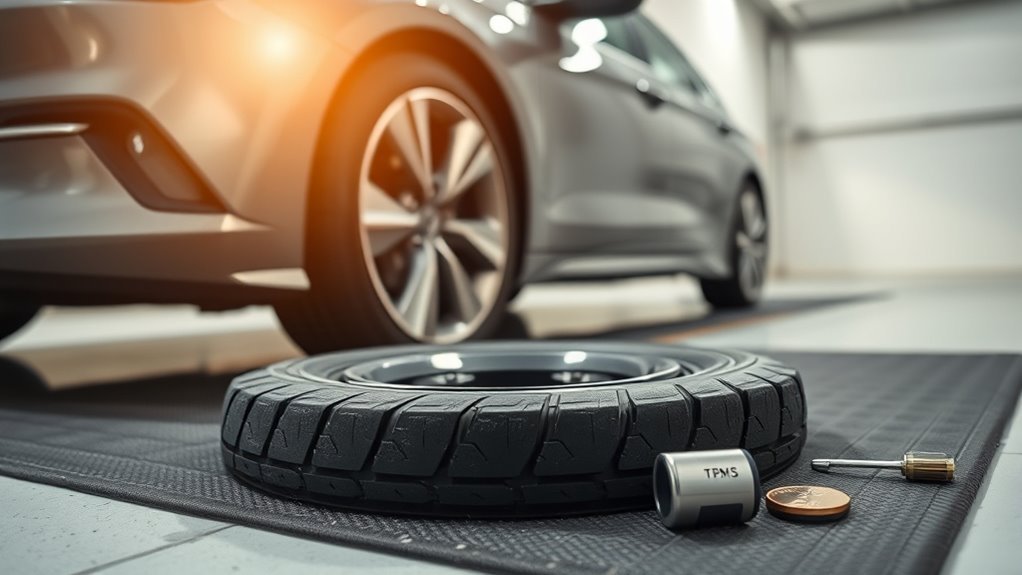
You can expect most battery-powered Hyundai Sonata TPMS wheel sensors to last about 5–10 years, with many failures showing up around year 7 or later. Before blaming the sensor battery, though, check the tire pressure with a gauge. A TPMS light can mean low tire pressure, a system fault, a damaged valve stem, or a sensor that has stopped transmitting.
Quick Answer
A Hyundai Sonata TPMS sensor battery usually lasts about 5–10 years. On direct TPMS systems, the battery is normally sealed inside the wheel sensor, so a dead battery usually means replacing the sensor, not swapping the battery. Some Sonata systems use reset/calibration logic instead, so always confirm your model year first.
Key Takeaways
- Most direct TPMS sensor batteries last 5–10 years, but heat, corrosion, road impact, and tire-service damage can shorten that window.
- A steady TPMS light usually points to low tire pressure; a flashing light that later stays on often points to a TPMS system fault.
- Most direct TPMS sensor batteries are sealed, so a dead battery normally requires sensor replacement.
- Always set tire pressure to the door-jamb placard pressure when the tires are cold before resetting or diagnosing the system.
At a Glance
| Time Required | 5 minutes to check tire pressure; 15–30 minutes for scan-tool diagnosis; longer if a tire must be dismounted for sensor replacement. |
| Difficulty | Easy for pressure checks and manual reset; moderate to professional for sensor programming and tire dismounting. |
| Tools Needed | Accurate tire-pressure gauge, air source, owner’s manual, TPMS scan/programming tool, and tire machine/balancer for internal sensor replacement. |
| Cost | Pressure check/reset may be free or low cost. Installed TPMS sensor replacement commonly varies by shop, sensor type, relearn method, and local labor rates. |
How Long Do Hyundai Sonata TPMS Batteries Last?
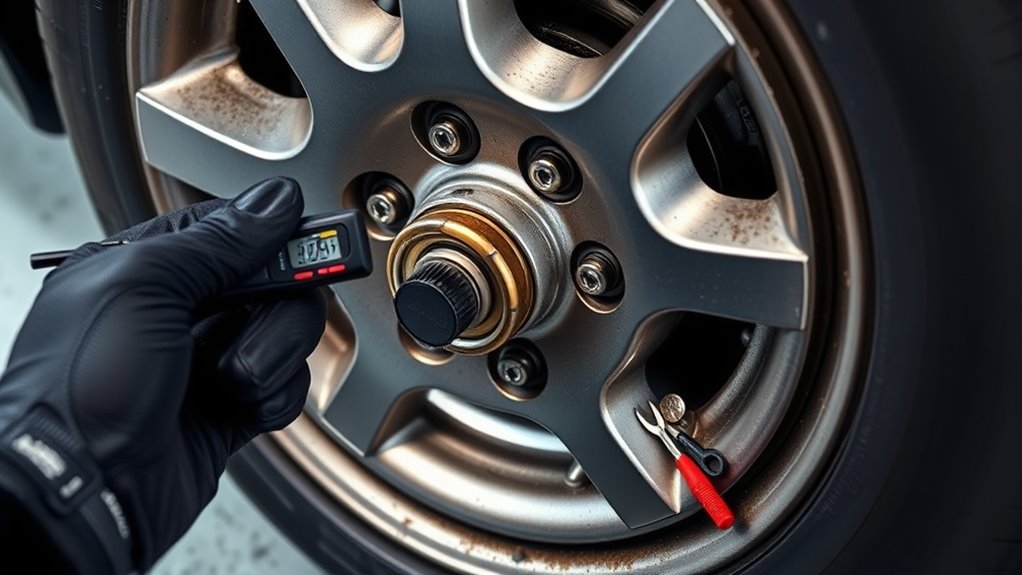
On a Hyundai Sonata with direct TPMS wheel sensors, the sensor battery usually lasts about 5–10 years. Many owners start seeing failures around the 7-year mark, but the exact life depends on the sensor brand, driving conditions, heat exposure, corrosion, and whether the sensor was damaged during tire service.
The important detail is serviceability. Most direct TPMS sensors use a sealed internal battery. When that battery is depleted, the normal repair is to replace the sensor assembly, not open the sensor and replace only the battery. DENSO explains that TPMS sensors have built-in batteries and that when the battery fails, the entire sensor must be replaced. DENSO TPMS guidance
Note: Not every Sonata TPMS complaint is a dead sensor battery. Hyundai’s owner information says a TPMS warning can appear when tire pressure is low or when there is a TPMS problem. Start with the tire pressure, then diagnose the system. Hyundai TPMS owner information
[Products Worth Considering]
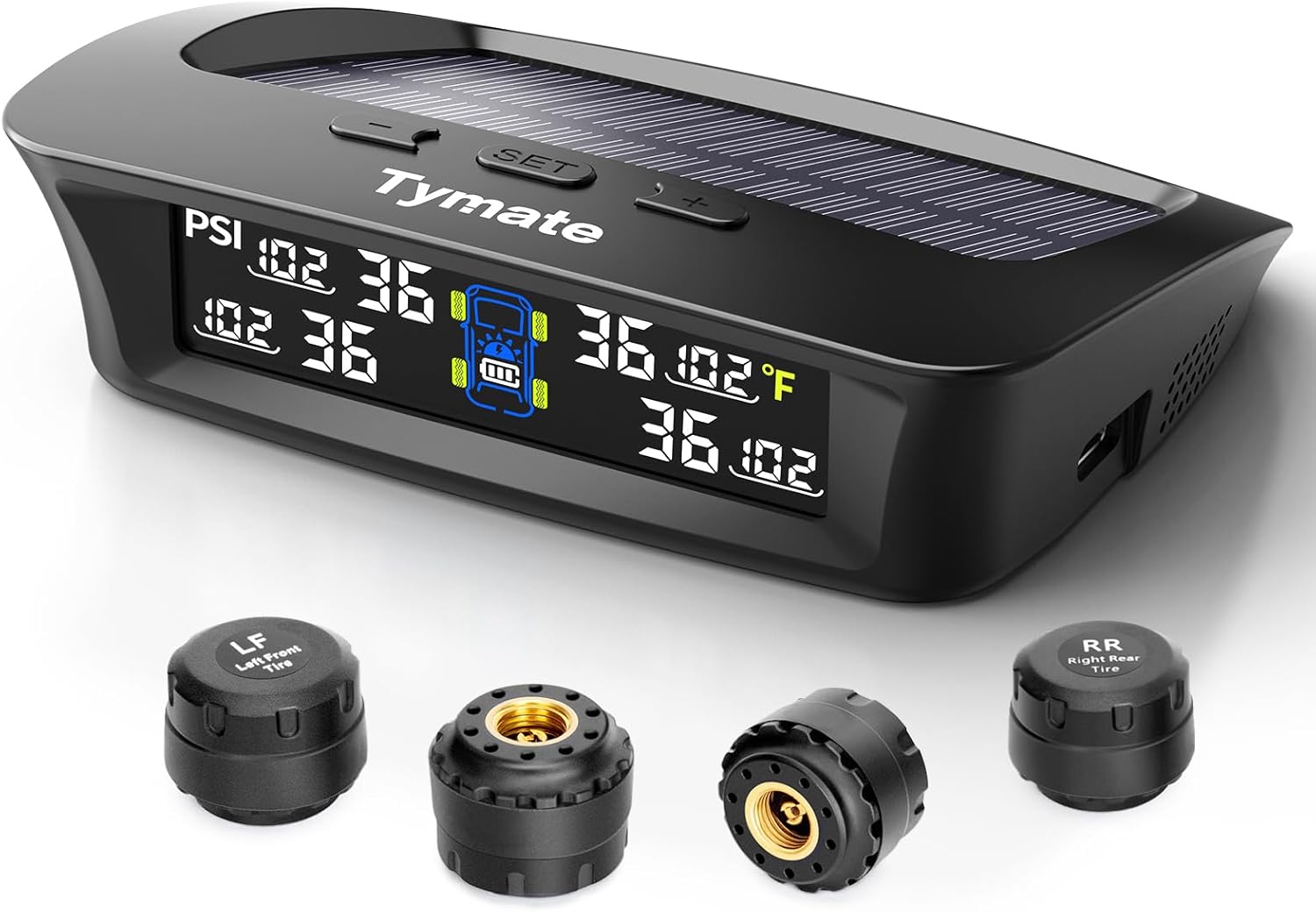
The Tymate TM3 RV TPMS delivers real-time tire pressure monitoring from 0 to 144 PSI with accurate readings and dependable wireless communication. It includes four external sensors with pre-pairing, six alarm modes for rapid leak, pressure extremes, temperature, and signal loss, plus an easy-reference setup for alert thresholds. Solar and USB-C charging help keep the display powered, while the color LCD and adaptive backlight improve visibility for safer driving and towing.

This roadside assistance kit helps drivers and passengers in urgent situations after an accident or breakdown, providing practical support while waiting for help. It includes a lightweight, compact tire inflator for fast inflation of standard vehicle tires, plus reinforced jumper cable protection for safer handling. Ideal for winter weather, road trips, camping, and travel, with everything stowed neatly in a trunk bag.

The JACO FlowPro Tire Inflator measures, inflates, and airs down tires up to 100 PSI with battery-free operation and ±2% accuracy after calibration. It features a glowing pressure dial for night visibility, a heavy-duty steel build with a hybrid hose, and a precision push-to-inflate thumb trigger. The patented Lightning Air Chuck locks on for a secure seal, and the kit includes quick-connect hardware for easy inline use with your air compressor.
Direct vs. Indirect Sonata TPMS: Why It Matters
Before buying sensors, confirm which TPMS style your Sonata uses. Hyundai TPMS setup can vary by model year, trim, and market.
- Direct TPMS: Uses a pressure sensor mounted inside each wheel. These sensors transmit pressure data wirelessly and have built-in batteries.
- Indirect or reset-based TPMS: Uses vehicle sensor inputs and a reset/calibration process to detect pressure changes. These systems may not have a battery-powered pressure sensor inside each wheel.
Check your owner’s manual, tire placard, instrument-cluster menu, or a VIN-based parts lookup before ordering replacement sensors. If your Sonata has a cluster-menu TPMS reset, Hyundai says to set all tires to the recommended cold inflation pressure first, then reset the stored pressure through the vehicle menu. Hyundai TPMS reset instructions
Signs a Sonata TPMS Battery Is Failing
A weak or dead TPMS sensor battery can look like a tire problem at first. The difference is that the pressure may be correct when checked manually, but the vehicle still cannot receive reliable sensor data.
- Flashing TPMS light, then steady light: A flashing warning for about 60–90 seconds followed by a steady light often points to a TPMS malfunction rather than simple low pressure.
- Missing tire-pressure reading: One wheel may show no reading while the others display normally.
- Erratic or intermittent readings: A sensor may report pressure sometimes, then drop out.
- Sensor will not wake up on a TPMS tool: A shop can try to activate each sensor and read its ID, pressure, temperature, and battery status if supported by the sensor/tool.
- Recurring warning after correct pressure and reset: If the tires are set correctly and the light returns, the system needs diagnosis.
Warning: Do not assume a TPMS warning is only a dead sensor battery. Stop when safe, check all tires with a gauge, and inspect for punctures, sidewall damage, or a visibly low tire before continuing to drive.
A TPMS light is a warning system, not a tire-pressure gauge. Confirm the actual PSI before resetting the light or replacing parts.
How Driving and Weather Affect Battery Life
TPMS battery life is partly age-based and partly condition-based. More wheel movement and more sensor transmissions use energy over time. Heat, moisture, corrosion, road salt, potholes, and tire-service damage can also shorten sensor life.
Cold weather is a little different. It can trigger a low-pressure warning because tire pressure drops as the air temperature falls, but that does not automatically mean the TPMS battery is failing. Hyundai’s reset guidance says tire pressure should be adjusted when the tires are cold, meaning the vehicle has not been driven for 3 hours or has been driven less than 1 mile. Hyundai TPMS reset instructions
| Factor | What It Can Do | Best Action |
|---|---|---|
| Age | Battery output drops as the sensor ages. | Plan inspection around year 6–8, especially during tire replacement. |
| Heat and moisture | Can accelerate seal, valve, and electronics wear. | Inspect valve stems and replace service kits during tire work. |
| Cold weather | Can lower tire pressure and trigger a warning light. | Check cold PSI and inflate to the door-jamb placard. |
| Road impact or tire service | Can crack the sensor, damage the valve stem, or break communication. | Have the sensor inspected if the warning starts after tire work or a pothole hit. |
If a Sonata TPMS Battery Dies: Diagnose, Reset, or Replace
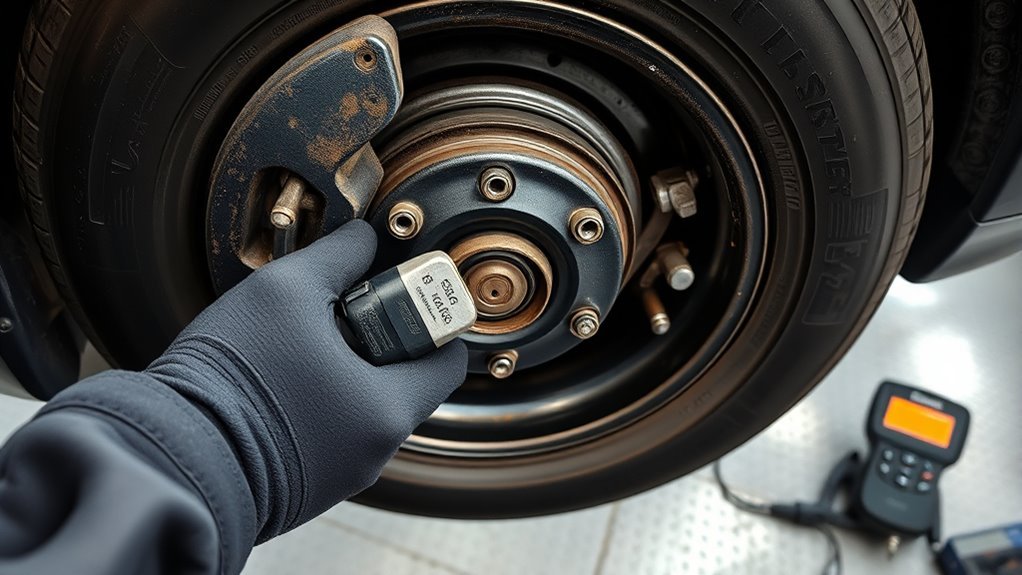
If a Sonata TPMS battery dies, the right repair starts with diagnosis. A reset may clear a low-pressure warning, but it will not revive a dead direct TPMS sensor.
Step 1: Check Cold Tire Pressure
Use a reliable tire-pressure gauge when the tires are cold. Inflate all tires to the recommended PSI on the driver-door placard, not the maximum pressure printed on the tire sidewall.
Step 2: Inspect the Tires and Valve Stems
Look for punctures, sidewall damage, slow leaks, cracked rubber stems, corrosion on metal stems, missing valve caps, or recent tire-service damage. A leaking valve service kit can trigger a pressure warning even when the sensor electronics still work.
Step 3: Reset or Relearn the System Correctly
If your Sonata has a manual reset menu, follow the Hyundai owner’s manual procedure after setting all tires to the recommended pressure. Hyundai’s reset process includes selecting Tire Pressure in the cluster and holding OK/selecting Set until the warning light blinks for confirmation. Hyundai TPMS reset instructions
Step 4: Scan Each Sensor
A tire shop or repair shop can use a TPMS scan/programming tool or diagnostic scanner to check each wheel. Continental notes that TPMS service devices can display sensor data such as pressure, temperature, and battery status when supported. Continental TPMS service devices
Step 5: Replace the Failed Part
If one direct sensor has a dead battery or no signal, replace that sensor and perform the required relearn/programming procedure. If the issue is a leaking stem, replace the service kit. If all sensors are the same age and one battery has failed, ask the shop whether replacing all four during the same tire-service visit will save labor later.
Pro Tip: If your Sonata is getting new tires and the original TPMS sensors are 7–10 years old, price sensor replacement at the same visit. The tire is already off the wheel, so you may avoid paying separate dismounting and balancing labor later.
Sonata TPMS Replacement Options and Typical Costs
You usually have three real service choices for a Sonata TPMS problem:
- OEM Hyundai sensor: Best match when you want factory-style fitment and simple compatibility by VIN.
- Quality aftermarket programmable sensor: Often less expensive, but it must match the vehicle application and be programmed or relearned correctly.
- Valve service kit: Replaces parts such as the grommet, nut, valve core, or cap when there is a leak or corrosion. This does not fix a dead internal sensor battery.
RepairPal’s TPMS sensor replacement estimate lists an average replacement cost range of $246–$313, with labor and parts separated in the estimate. It also notes that diagnosis may require a scan tool or wireless sensor checks, and replacement requires separating the tire from the wheel before the new sensor is installed and the system is relearned or driven as required. RepairPal TPMS sensor replacement estimate
Your actual Sonata cost can be lower or higher depending on the sensor, shop labor rate, whether the tire is already being replaced, and whether programming/relearn is included. Before approving the repair, ask for the installed price, warranty, sensor brand, service-kit cost, and relearn/programming charge.
[Products Worth Considering]

EVOULTES heavy duty tire inflator with an integrated gauge delivers accurate pressure readings from 10–120 PSI, helping you inflate, deflate, and check tires in one tool. The 16.5-inch extended dual-head air chuck with swivel base reaches hard-to-access dual wheel valves on trucks and RVs. A brass trigger core and side-mounted air release valve make operation smooth, with standard 1/4" NPT threading and quick-connect compatibility for easy setup.

The AstroAI 2 pack air chucks provide a heavy-duty, closed-flow locking design that helps keep air flowing during inflation while securely attaching to the valve stem. Built with 250 PSI rated brass components and compatible with Schrader valves, they feature 1/4" female NPT threads for a wide fit with common inflators. The straight tip and locking clip make filling tires and monitoring pressure more convenient.
When to Replace One Sensor vs. All Four
Replacing one sensor makes sense when the other sensors are newer, a single wheel was damaged, or the scan tool clearly identifies one failed transmitter. Replacing all four may make sense when the sensors are original, the vehicle is around 7–10 years old, and you are already paying for tire dismounting during a new tire installation.
Do not replace all four blindly. Ask the shop to scan each sensor first. A missing signal, dead battery status, or non-responsive sensor is a better reason to replace than age alone.
How to Make Sonata TPMS Sensors Last Longer
- Check tire pressure monthly: Proper tire pressure reduces unnecessary warnings and helps you catch leaks early.
- Use valve caps: Caps help keep moisture and debris out of the valve core.
- Replace service kits during tire work: Fresh grommets and valve hardware help prevent slow leaks.
- Avoid tire sealant unless necessary: Some sealants can contaminate sensors or make tire service messier.
- Tell the tire shop your car has TPMS: Internal sensors can be damaged by careless tire removal.
- Keep records: Note the date, mileage, sensor brand, and wheel position when sensors are replaced.
Frequently Asked Questions
How long do Hyundai TPMS sensors last?
Most direct Hyundai TPMS wheel sensors last about 5–10 years. Some last longer, but battery failure becomes more likely as the vehicle gets older, especially if the sensors are original.
How long should a TPMS sensor battery last?
A direct TPMS sensor battery commonly lasts 5–10 years. The battery is usually sealed inside the sensor, so once it fails, the practical repair is sensor replacement.
Is it worth fixing a TPMS sensor?
Yes. A working TPMS helps alert you to low tire pressure, but it should not replace manual pressure checks. If a scan confirms a dead sensor, replacement is usually worth doing for safety and to clear the warning properly.
Can I replace only the TPMS battery?
Usually no. Most direct TPMS sensors have sealed internal batteries. Some online DIY methods exist, but they are not the normal repair path and can damage the sensor seal. For a dead battery, replace the sensor.
Can I drive with a bad TPMS sensor?
You can usually drive to a repair shop if the tires are properly inflated and not damaged, but you should not ignore the warning. Without a working TPMS sensor, the car may not alert you if that tire loses pressure.
Why is my Sonata TPMS light still on after adding air?
The pressure may still be below the cold placard value, the system may need a reset or relearn, a tire may have a slow leak, or a sensor may not be communicating. Check cold PSI first, then follow the owner’s manual reset procedure or have the sensors scanned.
Conclusion
Hyundai Sonata TPMS sensor batteries usually last about 5–10 years on direct TPMS systems, but the warning light is not always a battery problem. Check cold tire pressure first, inspect for leaks or valve-stem damage, then reset or relearn the system according to your owner’s manual. If a TPMS scan shows a dead or non-responsive sensor, replace the sealed sensor assembly and service the valve hardware at the same time.
Sources
- eCFR — 49 CFR 571.138 Tire Pressure Monitoring Systems — federal TPMS purpose, scope, and warning requirements.
- Hyundai Owner’s Manual — Tire Pressure Monitoring System — Hyundai TPMS warning and system overview.
- Hyundai Owner’s Manual — Resetting TPMS — pressure setting, reset steps, and cold-tire guidance.
- DENSO Auto Parts — Why TPMS — TPMS light behavior, built-in battery failure, and sensor replacement guidance.
- Continental Aftermarket — TPMS Service Devices — TPMS tool functions for reading sensor data and battery status.
- RepairPal — TPMS Sensor Replacement Cost Estimate — diagnosis, replacement process, labor/parts estimate, and scanner guidance.

Related Articles

Danger of Using Summer Tires in Winter on a Hyundai Sonata
Potentially perilous, using summer tires in winter on your Hyundai Sonata can compromise safety—discover the hidden dangers that await you on icy roads.
Read More
Can You Mix Nitrogen and Air in Hyundai Sonata Tires? Answered
Discover the implications of mixing nitrogen and air in your Hyundai Sonata tires—are the benefits worth the risks? Explore the answer inside!
Read More
How to Tell If Hyundai Sonata Tires Are Too Old to Use Safely
Understand how to assess the age of your Hyundai Sonata tires and discover crucial signs of deterioration that could compromise your safety on the road.
Read More