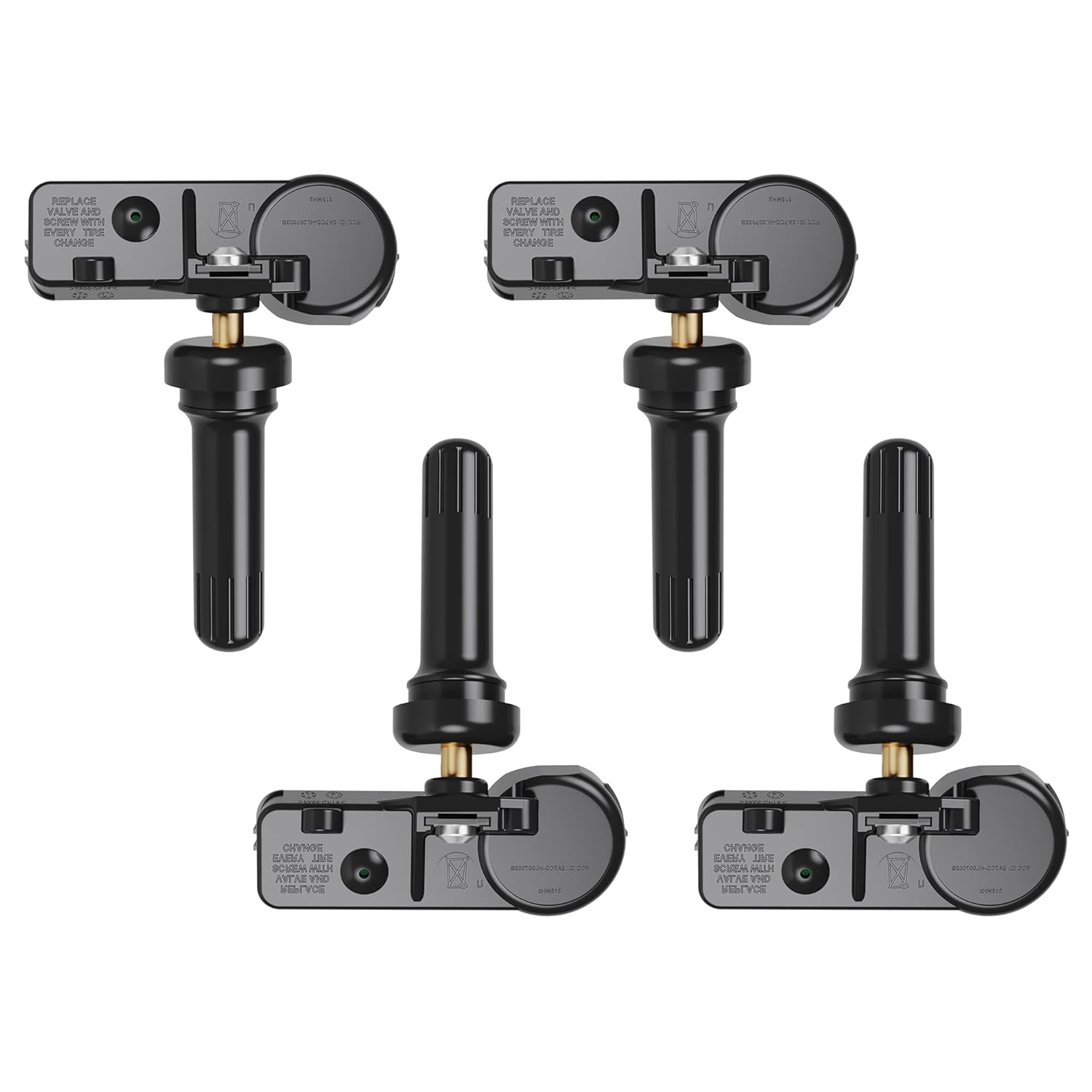
A flashing Tire Pressure Monitoring System (TPMS) light on your Hyundai Sonata means the system needs attention. It may point to low tire pressure, a weak or failed TPMS sensor, or a communication fault between the sensors and the vehicle. Start by checking each tire against the pressure listed on the driver’s door jamb. If the light keeps flashing after you correct the pressure, have the TPMS inspected by a qualified technician.
Quick Answer
A flashing TPMS light on a Hyundai Sonata usually means the tire pressure system has detected a fault. Check all tire pressures first, including the spare if your model monitors it. If the pressures match the label and the light still flashes, a TPMS sensor, sensor battery, or system module may need service.
Key Takeaways
- Check tire pressure first because low pressure can trigger a TPMS warning.
- A flashing TPMS light often points to a sensor or system fault, not just low air.
- Use the pressure label on the driver’s door jamb, not the number printed on the tire sidewall.
- Get professional help if the light keeps flashing after you set the correct pressure.
Understanding the Flashing TPMS Light: What Does It Mean?

When the TPMS light in your Hyundai Sonata starts flashing, it usually means the system has found a fault. The Tire Pressure Monitoring System (TPMS) tracks tire pressure and alerts you when pressure drops below a safe level or when the system can’t read a sensor.
If the light flashes for about 60 to 90 seconds at startup and then stays on, your Sonata may have a TPMS malfunction. Common causes include a dead sensor battery, a damaged sensor, a missing sensor after tire service, or poor communication with the control module.
Temperature changes can also lower tire pressure. Cold air can reduce pressure enough to trigger a warning, especially if your tires already sit near the low end of the recommended range.
Warning: Don’t ignore a flashing TPMS light because the system may not warn you about a low tire until you fix the fault.
Top Reasons Your TPMS Light Is Flashing
A flashing TPMS light in your Hyundai Sonata can come from several common issues. Start with the simplest checks before you assume the system needs parts.
- Low tire pressure: One or more tires may sit below the recommended pressure.
- Weak sensor battery: TPMS sensor batteries can wear out with age and stop sending a signal.
- Damaged sensor: Tire changes, corrosion, or impact damage can affect the sensor or valve stem.
- Missing or unprogrammed sensor: A new wheel or tire may need the correct sensor and relearn process.
- Signal interference or module issue: Less often, the TPMS control module may not receive sensor data correctly.
Check tire pressure regularly to help prevent warnings and uneven tire wear. Proper inflation also helps your Sonata brake, steer, and ride as designed.
[Products Worth Considering]
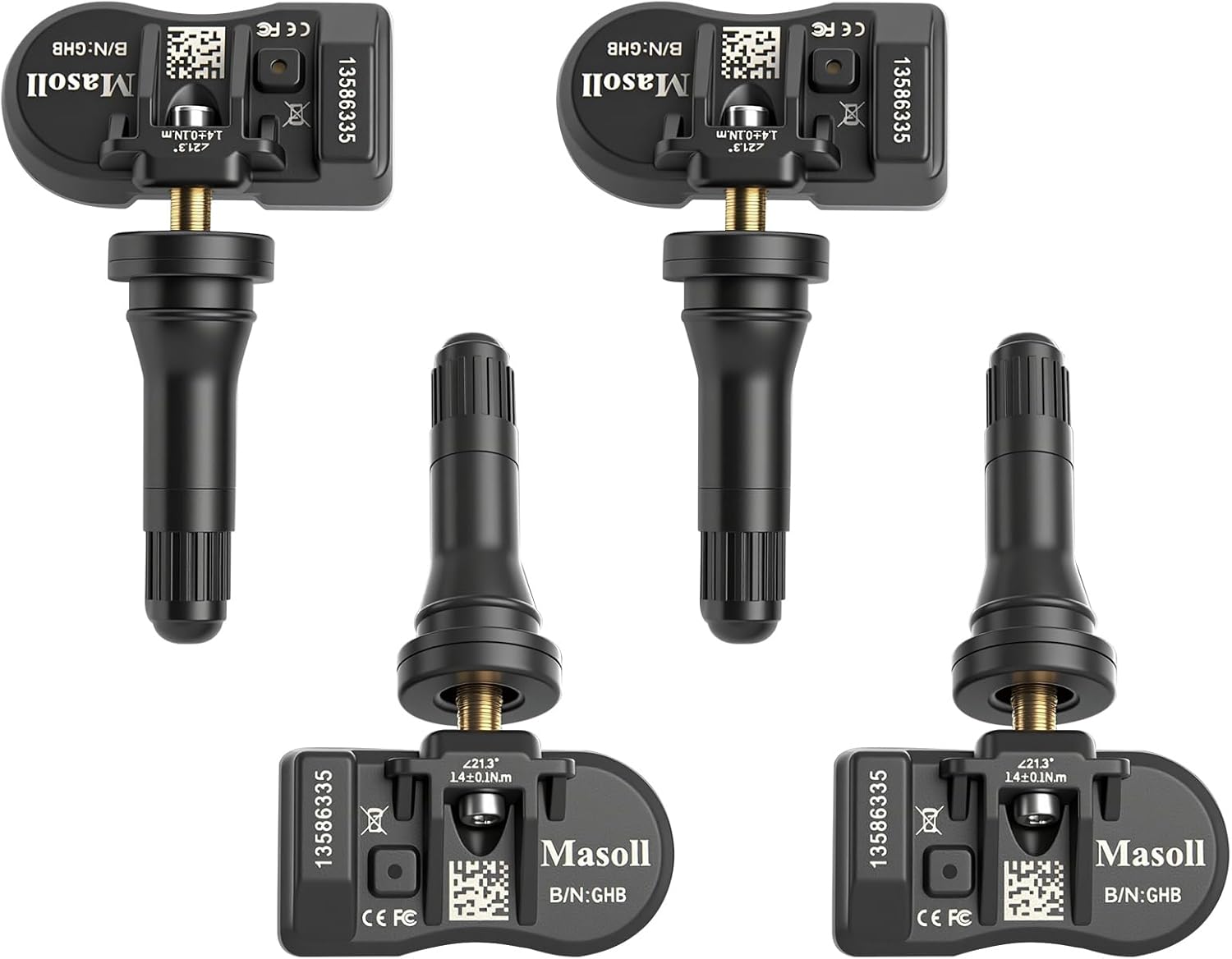
Masoll TPMS sensors are designed for most GM vehicles after 2006, helping you clear tire pressure warnings with OEM-level 315/433MHz compatibility. The 4-pack includes pre-programmed sensors, but re-learning is required after installation using a GM TPMS relearn tool or scan tool. Built with a dual-antenna design and a long-life CR2050 battery, these sensors deliver reliable performance in extreme temperatures with corrosion-resistant valve construction.

The VEHLIVE SU-50448 II TPMS relearn tool provides a fast activation reset to restore accurate tire pressure monitoring after sensor replacement or tire rotation. It supports 315 MHz and 433 MHz GM series sensors and helps clear dashboard pressure warnings. With simple two-button operation and horn-confirmed relearning order, you can reprogram sensors conveniently at home.
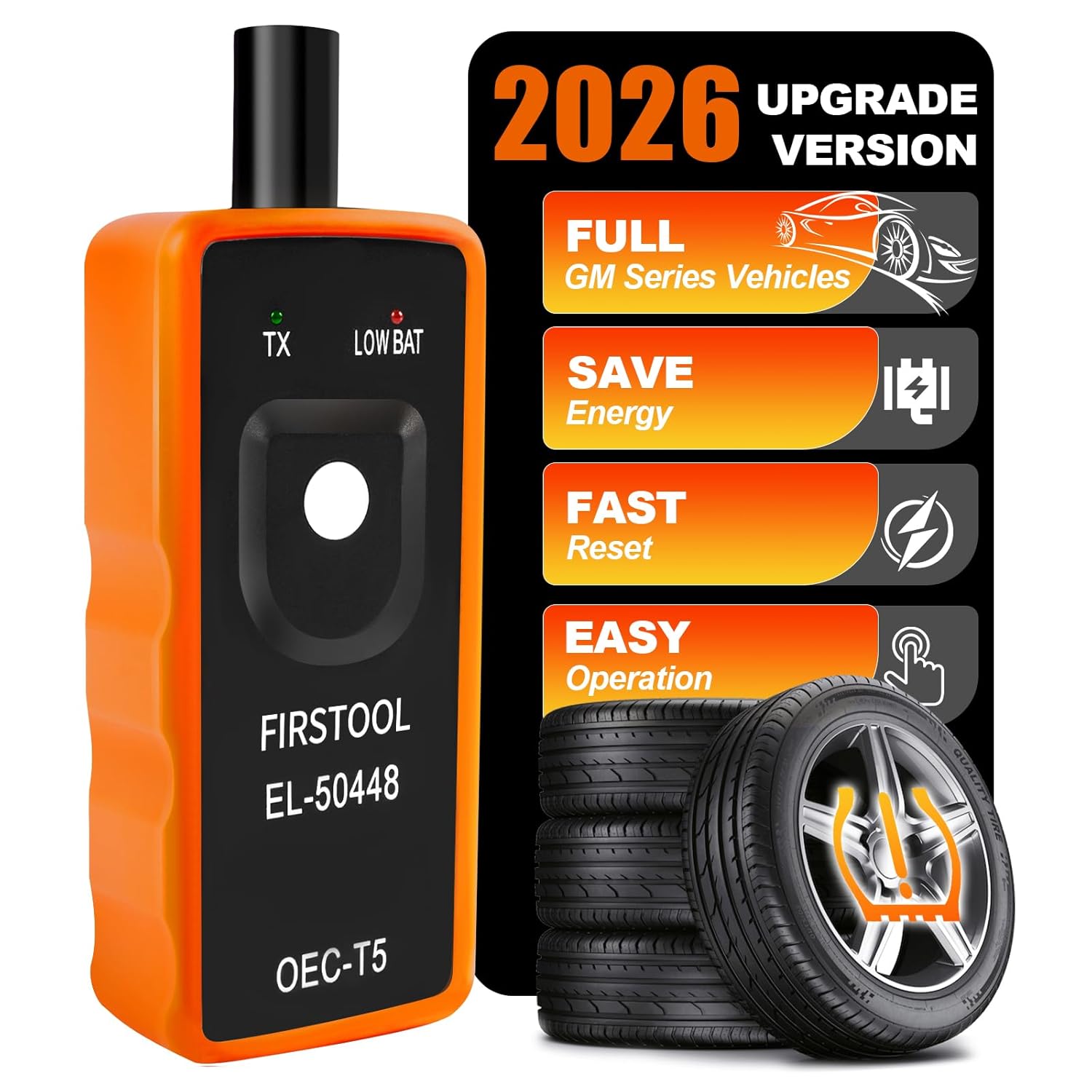
This TPMS relearn tool helps you quickly activate, match, and reset GM tire pressure sensors to keep the vehicle monitoring system working properly. It clears tire pressure alarms and dashboard warning lights after sensor replacement or tire rotation, and supports learning for common 315/433 MHz TPMS sensors. Designed for simple one-button operation, it can help you avoid unnecessary trips to repair shops.
Fixing Your TPMS Light: A Step-by-Step Approach
Follow these steps in order to fix your Hyundai Sonata’s flashing TPMS light. You can handle the first checks at home, but some TPMS faults need scan tools.
- Check each tire pressure. Measure all four tires when they are cold. Use the pressure listed on the driver’s door jamb or in your owner’s manual.
- Inflate or deflate as needed. Set each tire to the recommended pressure. Do not use the maximum pressure printed on the tire sidewall as your target.
- Inspect each valve stem. Look for damage, corrosion, cracks, or missing caps. A damaged valve stem can cause air leaks or sensor problems.
- Drive the vehicle briefly. Some Hyundai TPMS systems need a short drive before the warning clears after you correct tire pressure.
- Use a TPMS reset or relearn process if required. Some models may need a reset tool or service procedure after tire rotation, sensor replacement, or wheel replacement.
- Schedule a diagnostic check if the light keeps flashing. A technician can scan the TPMS, test each sensor, and confirm whether a sensor or module has failed.
If the light continues to flash after these steps, don’t keep resetting it without finding the cause. A repeated warning often means the vehicle can’t rely on one or more sensor readings.
Pro tip: Write down each tire’s pressure before you add air so you can spot a slow leak early.
[Products Worth Considering]
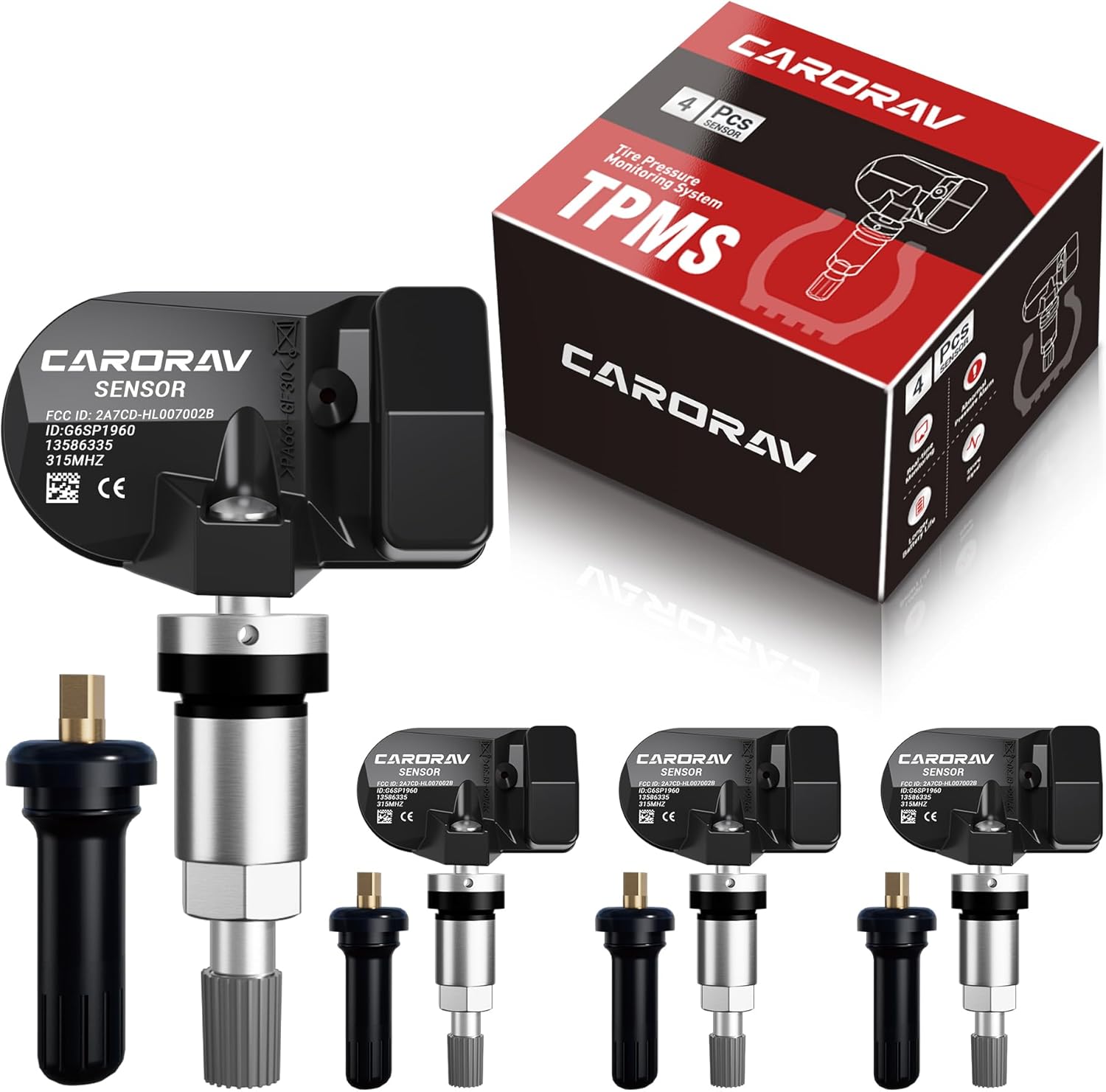
Replace worn or missing TPMS sensors with CARORAV pre-programmed GM-compatible sensors for a smoother installation experience. These 315MHz replacement sensors help monitor tire pressure in real time with long battery life, and they are designed to withstand harsh temperatures. Manual or OBDII relearn may be required to reset the system for proper recognition.

Replace your worn or missing TPMS sensors with pre-programmed, direct-fit sensors for compatible Ford, Lincoln, and select Mazda models. Each sensor comes ready to activate with a scan tool, helping restore accurate tire pressure monitoring and trouble-free installation. Built with a long-life CR2032 battery and tested before factory release, this set provides dependable performance with a one-year warranty.

Replace worn or malfunctioning GM TPMS sensors with this 433MHz pre-programmed sensor set designed for compatibility with many Chevrolet, Buick, GMC, and Cadillac models. It includes guidance for proper OBDII relearning/pairing after installation and supports reliable long-term operation with a high-performance CR2032 battery. Quality tested for durability and performance to help restore accurate tire pressure monitoring.
TPMS Maintenance Tips to Avoid Warning Lights
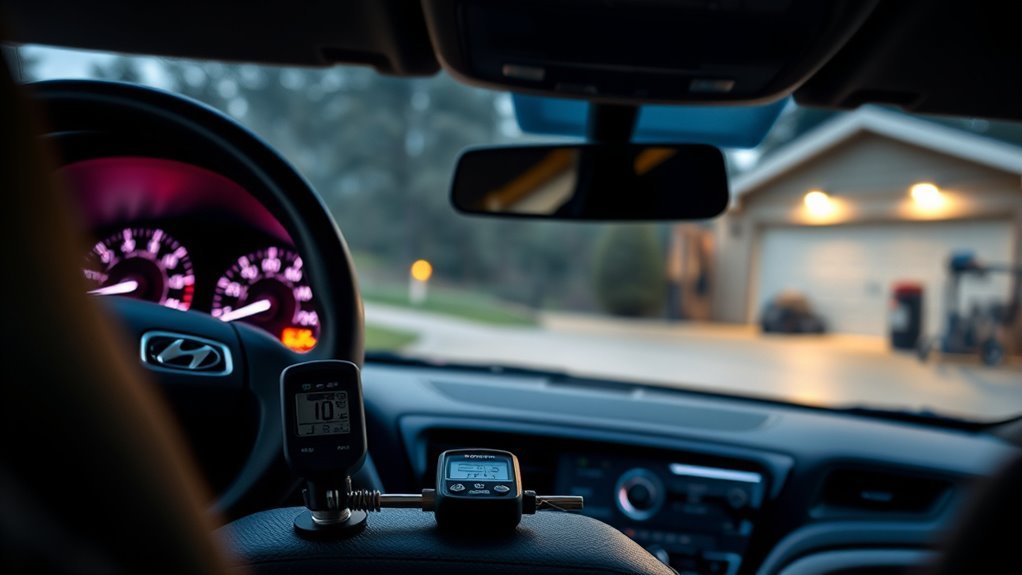
Good TPMS maintenance starts with good tire care. Check pressure at least once a month and before long trips, especially when outdoor temperatures change.
- Measure tire pressure when the tires are cold for the most accurate reading.
- Keep valve stem caps installed to reduce dirt and moisture around the valve.
- Ask the shop to inspect TPMS sensors during tire replacement or rotation.
- Replace damaged valve stems or sensors instead of trying to ignore warning lights.
- Use compatible sensors when you install new wheels or a winter tire set.
Most TPMS sensor batteries last several years, but they don’t last forever. If your Sonata still has its original sensors, age may play a role in repeated warnings.
[Products Worth Considering]

Autel MX TPMS sensors combine 315MHz and 433MHz in a single easy-to-install press-in design for faster tire service. They support wireless programming with strong signal performance, and the sensors are clone-able for streamlined replacement. Built for reliability and tested to SAE standards, each sensor includes a series number for quality control.

This TPMS sensor training and relearn reset tool is customized for Ford, Lincoln, and Mercury vehicles to help activate tire pressure programming after sensor replacement or tire rotation. It can activate individual tire pressure sensors with one-button operation, helping prevent TPMS warning light illumination. It is not a sensor programming tool and cannot program replacement sensors—use it to trigger/activate sensors only.
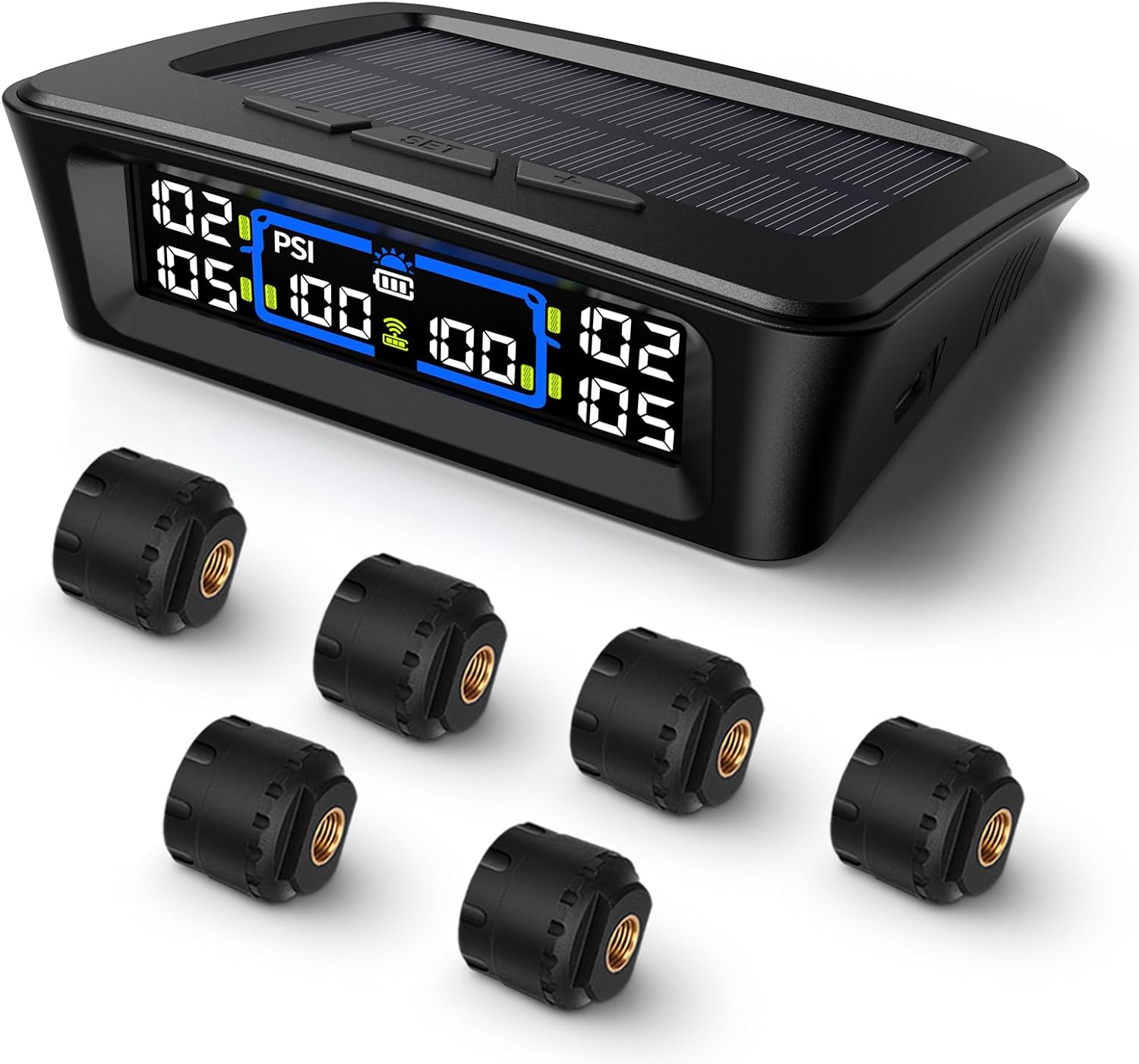
The Tymate TM12 RV TPMS delivers real-time tire pressure and temperature monitoring with a stable 433Hz display for safer long-distance driving. It supports simultaneous monitoring across vehicle and trailer zones, includes six alarm modes for pressure, temperature, leakage, battery, and signal loss, and features easy DIY installation with auto calibration. Power is supplied via USB-C charging or solar recharging, with a wide 0–144 PSI range and up to 50 ft signal coverage for RVs and towable trailers.
When to Call in the Experts for TPMS Issues?
You should call a technician when your tire pressures match the label but the TPMS light still flashes. A shop can use a TPMS scan tool to read sensor IDs, battery status, signal strength, and stored fault codes.
Professional help also makes sense after tire rotations, new wheels, sensor replacement, or collision damage near a wheel. These situations may require sensor programming or a relearn procedure.
Don’t replace sensors at random unless a diagnostic check confirms the failed part. Testing first can save money and help you avoid repeat repairs.
Can You Drive With a Flashing TPMS Light?
You can usually drive a short distance after checking that no tire looks flat, but you should treat the warning as urgent. A flashing light means the TPMS may not protect you if tire pressure drops while you drive.
Pull over if the vehicle pulls, vibrates, feels unstable, or one tire looks low. Check the tire pressure before you continue.
Frequently Asked Questions
Why Is My TPMS Light Flashing on My Hyundai?
Your TPMS light may flash because the system can’t read one or more tire pressure sensors. Low tire pressure can also trigger a warning, so check pressure first before you assume a sensor has failed.
Is It Safe to Drive With the TPMS Light Blinking?
Driving with a blinking TPMS light isn’t ideal because the system may not monitor your tires correctly. Check your tire pressure as soon as you can, then schedule service if the light keeps flashing.
How Do I Know If a TPMS Sensor Is Bad?
A bad TPMS sensor may stop sending pressure data, show an incorrect reading, or trigger a flashing warning light. A repair shop can test each sensor with a TPMS scan tool.
Will Adding Air Turn Off the TPMS Light?
Adding air may turn off the light if low pressure caused the warning. If the light flashes after you set the correct pressure, the system likely needs diagnosis.
Do Hyundai Sonata TPMS Sensors Need Programming?
Some replacement sensors may need programming or a relearn process before your Sonata recognizes them. The exact process depends on the model year and sensor type.
Conclusion
A flashing TPMS light on your Hyundai Sonata means you should check tire pressure first and inspect the system if the warning stays active. Use the pressure label on the driver’s door jamb as your guide, then drive briefly to see if the warning clears.
If the light keeps flashing, book a TPMS diagnostic check instead of guessing. Fixing the issue helps your tire monitoring system protect you on every drive.
References
- Tires — National Highway Traffic Safety Administration
- Vehicle Safety: Tires — National Highway Traffic Safety Administration
- Owner’s Manuals and Warranties — Hyundai Motor America