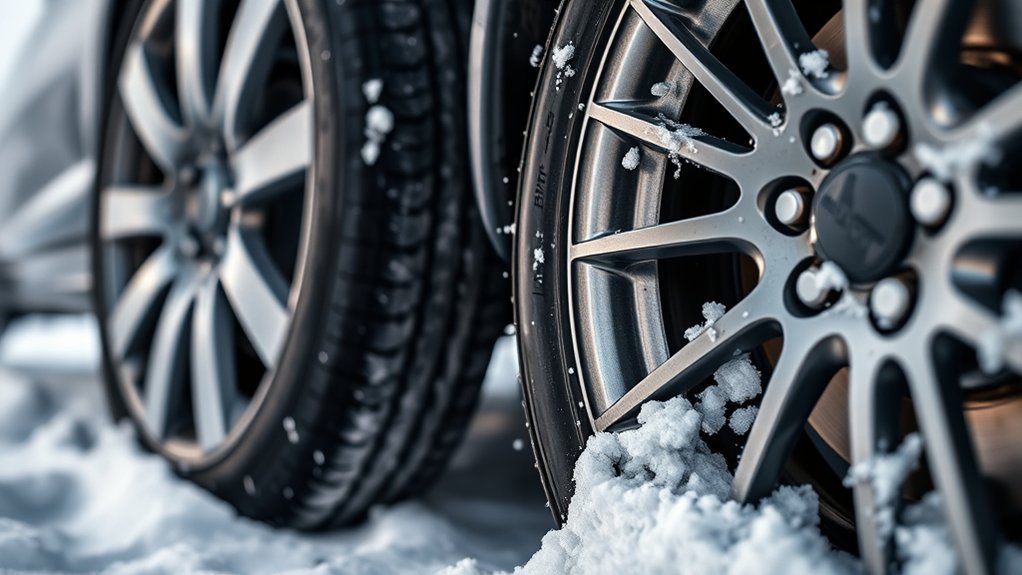
Choosing between steel and alloy wheels for your Tundra’s winter tires is not simply a choice between toughness and appearance. You also need to consider wheel fitment, load capacity, brake clearance, TPMS compatibility, corrosion, and the total installed cost. A properly specified wheel of either material can work well, while the wrong wheel can create vibration, clearance, handling, or fastening problems.
Quick Answer
Steel wheels are usually the practical choice for a lower-cost Tundra winter setup that may face salt, potholes, and cosmetic damage. Alloy wheels are usually lighter and more attractive. Neither material creates winter traction by itself, so prioritize four matching winter tires, correct fitment, adequate load capacity, TPMS compatibility, and proper installation.
Key Takeaways
- Choose steel when purchase cost, simple finishes, and tolerance for cosmetic winter wear matter most.
- Choose alloy when lower wheel weight, appearance, and a wider choice of designs matter more.
- Wheel material does not replace proper winter tires. Install four matching winter tires with the correct size, load index, and severe-snow rating.
- Confirm diameter, width, bolt pattern, center bore, offset, brake clearance, load rating, TPMS compatibility, and lug-nut design before buying.
- Use the cold tire pressure and wheel-nut torque specified for your exact Tundra model year and wheel application.
Key Differences Between Steel and Alloy Wheels for Winter Use
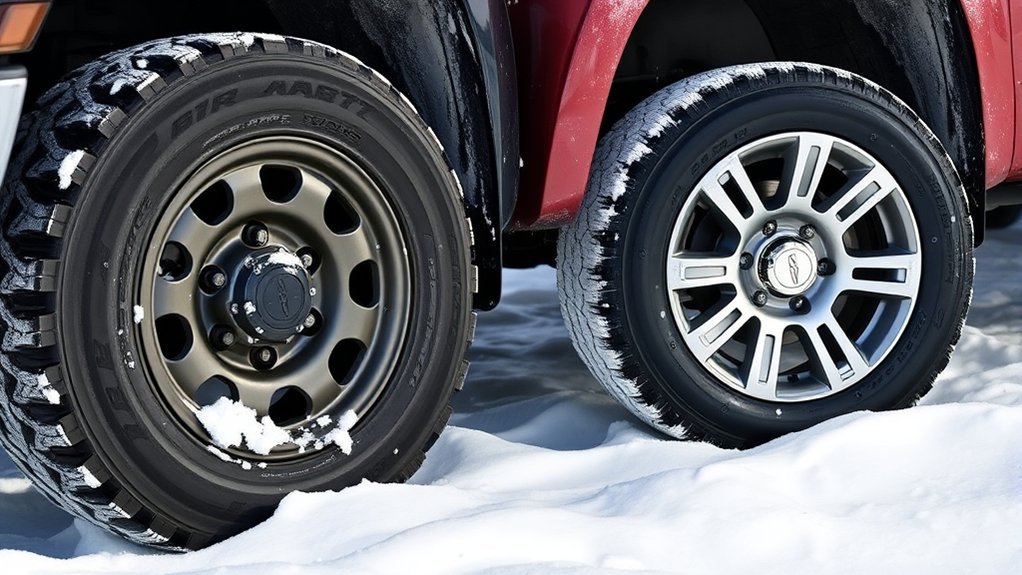
Steel wheels are commonly selected for winter because they are usually less expensive, use simple painted finishes, and are less painful to replace after severe cosmetic or impact damage. They are generally heavier than comparable alloy wheels and can develop rust when paint or protective coatings become chipped.
Alloy wheels are generally lighter and are available in more styles and finishes. A quality alloy wheel with the correct load rating can provide excellent service, but sharp impacts may cause bending, cracking, or finish damage depending on its design and manufacturing method. Cast, flow-formed, and forged alloy wheels should not all be treated as if they have identical strength.
| Factor | Steel Wheels | Alloy Wheels |
|---|---|---|
| Typical purchase cost | Usually lower for comparable winter applications | Usually higher, with a wider price range |
| Weight | Usually heavier | Usually lighter |
| Impact behavior | Often deforms before fracturing, depending on design and impact | May bend or crack after a sharp impact, depending on construction |
| Winter corrosion | Can rust where paint or coating is damaged | Can oxidize, pit, or suffer clear-coat corrosion |
| Appearance | Simple and functional | More design and finish choices |
| Best fit | Budget-focused winter use and rough salted roads | Drivers prioritizing lower weight and appearance |
The winter tire supplies the cold-weather grip. The wheel’s job is to fit correctly, carry the load, clear the brakes, hold the tire securely, and remain serviceable.
Transport Canada recommends installing winter tires in sets of four and matching their type, size, speed rating, load index, construction, and tread pattern. This matters far more to winter control than whether the wheels are steel or alloy.
The Importance of Weight in Winter Tires
Steel wheels are normally heavier than comparable alloy wheels, but that extra wheel weight does not provide a meaningful substitute for winter-tire traction. Your Tundra’s total mass already places thousands of pounds of load on the tires. A modest difference in wheel mass does not transform the available grip on ice.
A lighter wheel reduces unsprung and rotating mass. Depending on the size and design, this can help the suspension respond more quickly over rough pavement and may slightly affect steering feel or acceleration. However, wheel diameter, tire construction, tire pressure, tread design, and total assembly weight can matter as much as the wheel material.
The U.S. Department of Energy’s vehicle-lightweighting figures describe reductions in the weight of an entire vehicle. They do not support a claim that changing only four Tundra wheels will improve or reduce fuel economy by a fixed percentage.
Note: A larger alloy wheel can weigh more than a smaller steel wheel once the tire is installed. Compare the weight of the complete wheel-and-tire assembly, not the material label alone.
Tundra Wheel Fitment Requirements
Tundra generations, trims, brake packages, tire sizes, and wheel specifications differ. Never buy winter wheels based only on their diameter or bolt pattern. Confirm every relevant dimension for your exact model year.
- Wheel diameter and width: The tire must be approved for the selected rim width, and the wheel must clear the brake calipers.
- Bolt pattern: The number and spacing of the wheel studs must match exactly.
- Center bore: The wheel must fit the hub correctly. Some aftermarket wheels require correctly sized hub-centric rings.
- Offset and backspacing: Incorrect positioning can cause rubbing, poor clearance, altered steering behavior, or excess component stress.
- Wheel load rating: Each wheel must be rated for the truck’s axle loads and intended service.
- Tire load index: The winter tire must safely support the vehicle and any cargo or towing load.
- Brake clearance: A smaller-diameter winter wheel is acceptable only when it clears every brake component under all conditions.
- Lug-nut compatibility: Thread size, seat shape, shank design, washer use, and engagement must match the wheel.
- TPMS compatibility: Sensors, frequencies, valve hardware, and registration procedures must match the truck’s system.
Warning: Do not reuse lug nuts merely because they thread onto the studs. Toyota instructs owners to use wheel nuts designed for the installed wheel. An incorrect seat or washer arrangement can prevent proper clamping even when the nut appears tight.
Consult the Toyota Tundra owner’s manual library for your model year and have uncertain fitment verified by a qualified wheel and tire professional. Reputable wheels should also meet applicable performance-testing requirements, such as those described in the current SAE J328 light-truck wheel standard.
[Products Worth Considering]

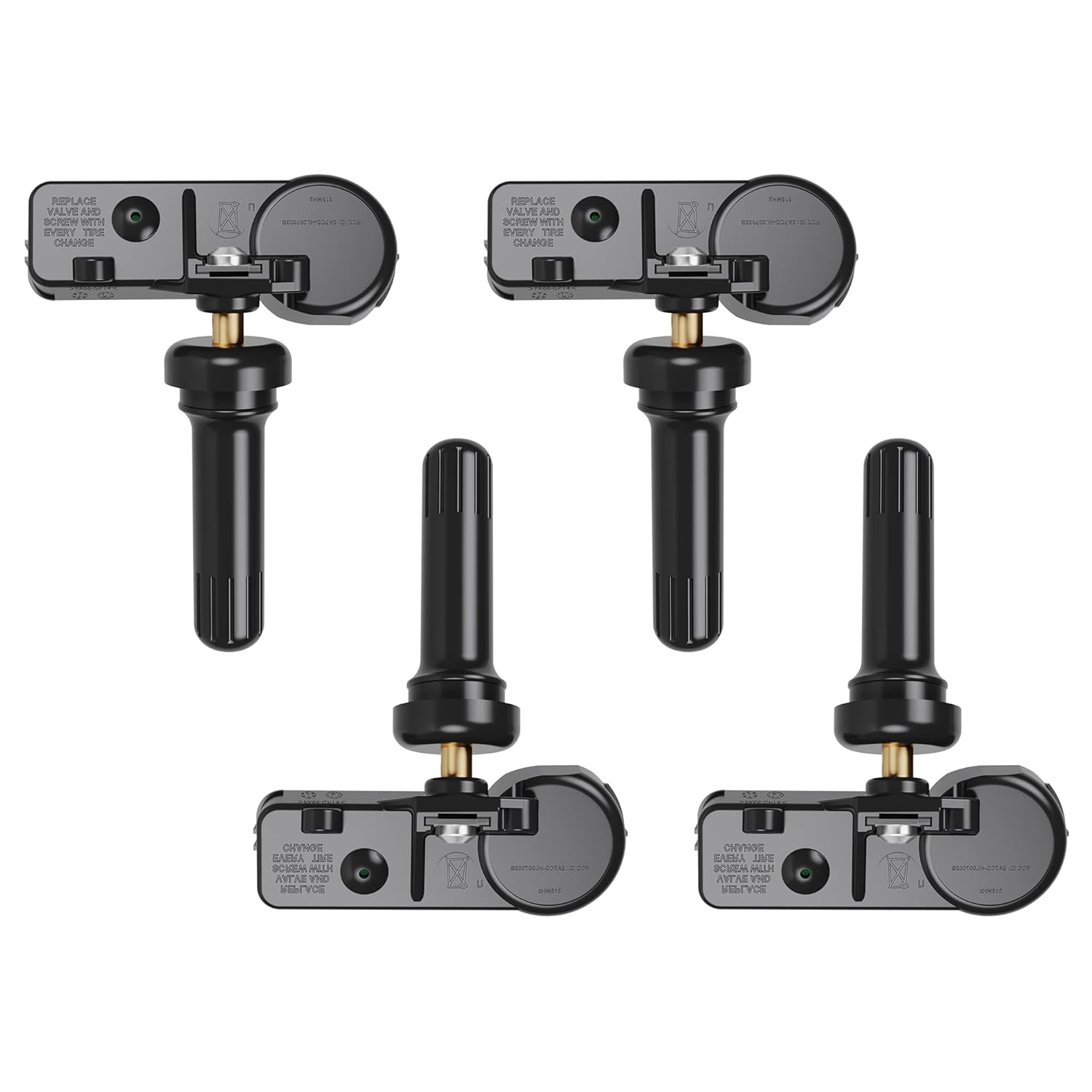
Replace worn or missing TPMS sensors with a pre-programmed 4-pack designed for compatible GM vehicles. These 315MHz sensors provide real-time tire pressure monitoring and alert you if pressure is too high, too low, or if a rapid air leak occurs. Most installations are ready with minimal relearn effort after mounting, helping improve safety and driving confidence.

The 22800 wheel stud installer makes replacing wheel studs quick and secure, saving time and effort during tire service. It uses a ratchet or impact wrench to pull new studs firmly into place, helping when existing studs are too long. Compatible with most automotive wheels and light-duty truck wheel studs, it’s designed for easy, tool-assisted installation.

These M14x1.5 closed-end chrome lug nuts are a one-piece replacement designed for secure fitment on compatible GM, Ford, and select Chrysler/Dodge models. Featuring a 60-degree conical seat and anti-rust chrome plating, they help resist corrosion and maintain a bright look for everyday driving. Built for long-term durability, they include OEM-style part references and are backed by 12 months of support.
Cost Comparison: Winter Tire Options for Steel vs Alloy Wheels
Steel wheels are commonly the lower-cost starting point, but a useful comparison must include the entire winter package. Prices change with wheel diameter, load rating, finish, availability, shipping, tire size, mounting, balancing, sensors, hardware, and seasonal storage.
[Products Worth Considering]

Upgrade your wheels with MIKKUPPA closed-end lug nuts designed for reliable fit and corrosion resistance. The one-piece, cold-forged and heat-treated steel construction helps resist rust and stripping, while the integrated finish delivers a durable black appearance. Built to OEM standards with a conical 60-degree seat, these nuts provide a secure solution for compatible Ford, Honda, Jeep, and Chevrolet models.

These universal tire valve stem caps help protect valve cores from dust, debris, and moisture while helping maintain stable tire pressure. The corrosion-resistant metal construction and sealed design provide reliable protection in road grime, mud, and winter conditions. Twist-on installation makes them quick to fit on cars, SUVs, trucks, and motorcycles.

This professional wheel and rim brush kit makes it easy to lift brake dust, grime, and dirt from wheels and tires without scratching finishes. The brushes feature soft, metal-free wool heads and a flexible 360-degree rim brush design for reaching hard-to-clean areas. Includes multiple brush types plus accessories for thorough car, motorcycle, and general vehicle detailing.
Price of Steel Wheels
A basic painted steel wheel will often cost less than an equivalent alloy wheel. That makes steel attractive when you want a dedicated winter set and do not want expensive cosmetic finishes exposed to road salt and gravel.
Do not assume that buying only three steel wheels and using the truck’s spare will create a proper set. A spare may have a different wheel specification, tire model, tread depth, load rating, or intended service. Use four matching winter tires on four fully compatible service wheels.
Here is a more reliable cost comparison:
| Wheel Option | Typical Cost Pattern | What to Verify |
|---|---|---|
| New steel wheels | Often the lowest initial wheel cost | Load rating, brake clearance, finish quality, and correct lug nuts |
| New alloy wheels | Usually higher, with a broad range based on construction and finish | Load rating, impact testing, finish warranty, and winter suitability |
| Used OEM wheels | May be economical when a correct set is available | Model-year fitment, bends, cracks, repairs, corrosion, runout, and sensor condition |
Alloy Wheel Expenses
Alloy-wheel pricing depends heavily on manufacturing method, load rating, finish, and brand. A simple winter-rated alloy may be reasonably priced, while a forged or premium-finish wheel can cost substantially more.
- Initial wheel price: Compare wheels with the same diameter, load capacity, and application rather than comparing unrelated designs.
- TPMS hardware: A second seasonal set may need compatible sensors, service kits, registration, or wheel-set selection.
- Installation hardware: Hub rings, wheel-specific nuts, center caps, or valve components may add cost.
- Repair or replacement: A damaged alloy may require specialist inspection, repair, or replacement.
- Finish care: Some polished, machined, or decorative finishes demand more winter maintenance than a simple painted wheel.
Long-Term Cost Analysis
Steel is not automatically cheaper over the full life of the setup, and alloy is not automatically the better investment. A heavily rusted steel wheel may eventually need replacement. A well-finished alloy wheel may last for many winters, while a cracked or badly bent alloy may become uneconomical to repair.
Pro Tip: Ask for complete quotes that include four wheels, four tires, TPMS sensors or service kits, mounting, balancing, compatible lug nuts, taxes, shipping, seasonal changeovers, and storage. The lowest wheel price may not produce the lowest total cost.
Durability Showdown: Which Wheels Are Tougher for Winter?
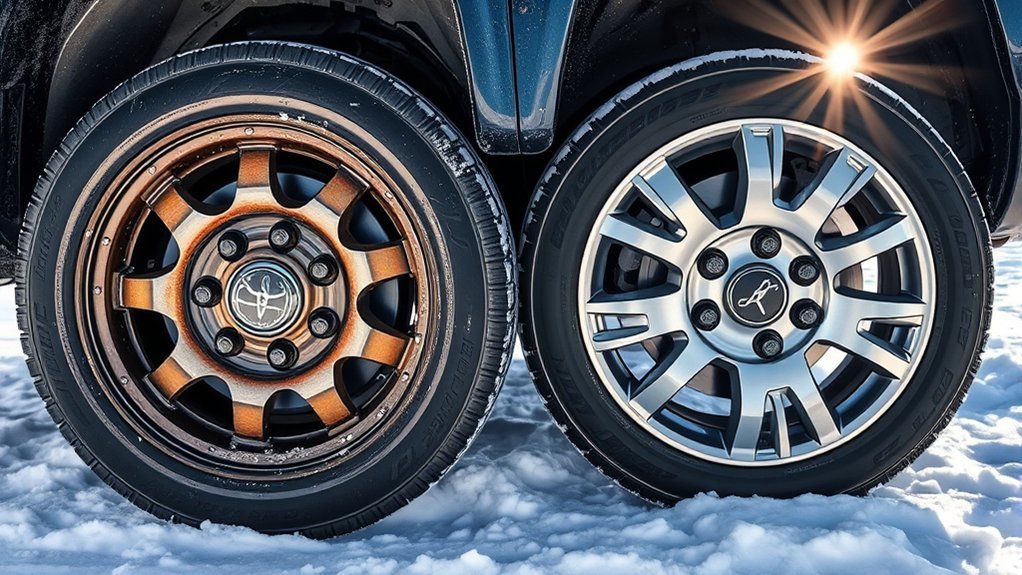
No wheel material wins every durability test. A wheel’s engineering, thickness, shape, manufacturing quality, load rating, finish, and previous damage can matter more than whether it is made from steel or aluminum alloy.
Steel Wheel Resilience
Steel wheels are often chosen for rough winter roads because a severe impact may bend the rim rather than cause an immediate brittle fracture. That does not mean steel wheels resist all bending, remain safe after an impact, or can always be repaired.
- Impact behavior: Steel often deforms visibly, which may cause vibration, bead leakage, or loss of balance.
- Cosmetic tolerance: Scratches and chipped paint may be less upsetting on an inexpensive winter wheel.
- Repair decisions: A qualified wheel specialist must determine whether a bent wheel is safely repairable.
- Corrosion: Exposed steel can rust quickly after its paint or coating is damaged.
Inspect a steel wheel after a hard pothole strike even when it still holds air. Damage around the bead seat, center section, stud holes, or mounting surface can affect safety.
Alloy Wheel Vulnerability
Alloy wheels should not be described as uniformly fragile. Many OEM and aftermarket alloy wheels are engineered for demanding light-truck loads. However, certain cast designs may crack or bend after a sharp pothole impact, and corrosion beneath damaged clear coat can spread if ignored.
| Feature | Alloy Wheels | Steel Wheels |
|---|---|---|
| Typical weight | Usually lighter for a comparable application | Usually heavier |
| Sharp impact | May bend or crack depending on construction | Often bends, but can also crack or fail |
| Corrosion type | Oxidation, pitting, or corrosion under damaged finish | Rust where protective coating is compromised |
| Manufacturing precision | Depends on wheel design, process, and quality control | Depends on wheel design, process, and quality control |
| Winter upkeep | Regular washing and finish inspection | Regular washing, paint inspection, and rust control |
Stop using a wheel that has a visible crack, severe bend, elongated stud hole, repeated air leak, damaged mounting surface, or unexplained vibration until a qualified professional has inspected it.
Driver Insights on Winter Tire Choices
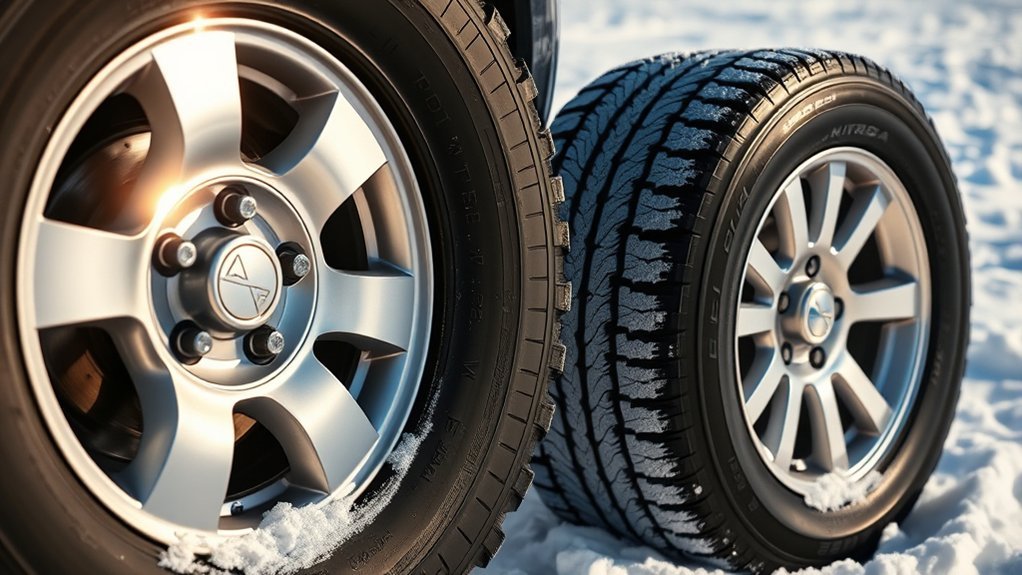
Tundra drivers generally choose winter wheels according to road conditions and priorities rather than wheel material alone. Steel is attractive for functional winter packages, while alloy is attractive when the truck’s appearance and steering response remain important throughout the season.
- Choose steel for lower initial cost: Steel is often the practical option when you want a dedicated winter set without paying for decorative finishes.
- Choose steel for rough cosmetic use: Gravel, slush, and salt damage may be easier to accept on a simple painted wheel.
- Choose alloy for lower weight: A properly sized alloy setup may reduce unsprung mass compared with a similar steel setup.
- Choose alloy for appearance: Alloy wheels offer more spoke patterns, colors, and finishes.
- Choose either when correctly rated: A wheel’s fitment, load rating, testing, and installation quality matter more than a broad material stereotype.
TPMS, Wheel Nuts, and Installation Requirements
Modern Tundra models use a tire-pressure monitoring system. A dedicated winter wheel set may require compatible sensors and a registration, relearn, or wheel-set selection procedure. The exact process depends on the model year and system configuration.
Do not assume that transferring sensors is always the least expensive option. Repeated seasonal removal can add labor and may damage older valve hardware. A second registered sensor set can make seasonal changes easier when the vehicle supports it.
Toyota warns that tire-pressure warning valves and transmitters can be damaged during wheel and tire service. The system may also malfunction when replacement wheel or sensor information is not correctly registered. After installation, confirm that the TPMS warning light operates normally.
Wheel-nut torque must come from the owner’s manual or verified Toyota service information for the exact model year and installed wheel. Toyota documentation demonstrates that steel and aluminum wheel procedures can differ. Use a calibrated torque wrench and the correct tightening pattern instead of relying on an impact wrench’s setting.
[Products Worth Considering]
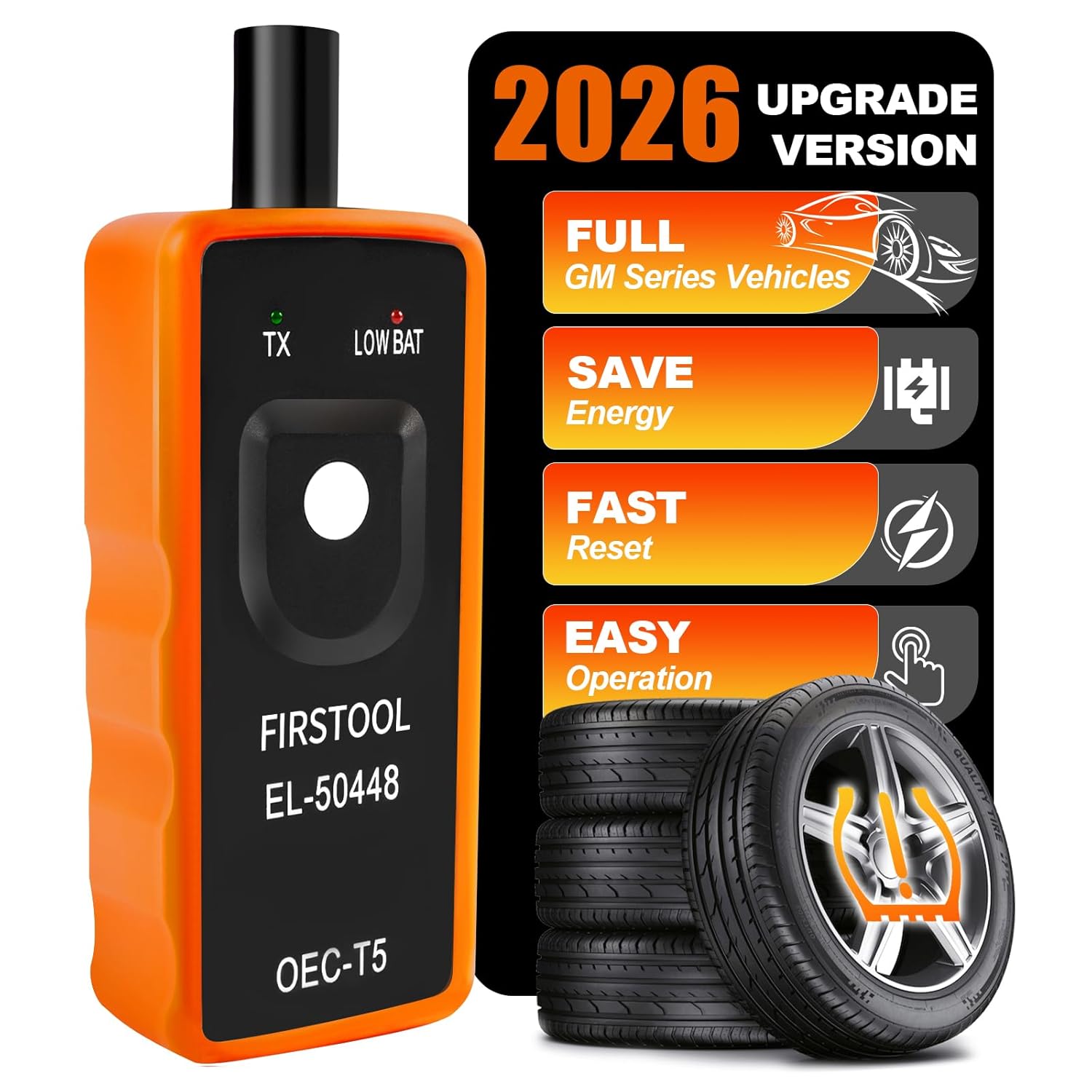
This TPMS relearn tool helps you quickly activate, match, and reset GM tire pressure sensors to keep the vehicle monitoring system working properly. It clears tire pressure alarms and dashboard warning lights after sensor replacement or tire rotation, and supports learning for common 315/433 MHz TPMS sensors. Designed for simple one-button operation, it can help you avoid unnecessary trips to repair shops.

Replace worn or malfunctioning GM TPMS sensors with this 433MHz pre-programmed sensor set designed for compatibility with many Chevrolet, Buick, GMC, and Cadillac models. It includes guidance for proper OBDII relearning/pairing after installation and supports reliable long-term operation with a high-performance CR2032 battery. Quality tested for durability and performance to help restore accurate tire pressure monitoring.

The Trivd Frol 1/2" air impact wrench delivers high performance torque up to 1500 ft-lbs with a twin hammer impact mechanism for strong, balanced blows. It features an ergonomic grip, compact lightweight design, and quick-stop control with 3 forward speeds up to 8000 RPM plus a reverse speed. Built for demanding automotive repair and tire shop work, the rear exhaust helps keep debris away from the surface.
Maintenance Tips for Steel and Alloy Wheels in Winter
Regular maintenance helps both steel and alloy wheels survive road salt, moisture, freeze-thaw cycles, and pothole impacts.
- Rinse away salt: Clean the wheel face, inner barrel, bead area, valve area, and lug openings regularly. Avoid spraying very hot water onto a frozen wheel.
- Use a suitable cleaner: A mild, wheel-safe cleaner is less likely to damage paint, clear coat, or metal finishes than aggressive acids or alkalis.
- Inspect steel-wheel paint: Remove loose rust and touch up small chips with compatible primer and wheel paint. Do not paint the hub-mounting face, lug seats, studs, or nuts.
- Protect alloy finishes: A compatible wax, sealant, or ceramic spray can make contamination easier to remove, but it cannot repair structural damage or failing clear coat.
- Check cold tire pressure: Follow the pressure on the Tundra’s tire-and-loading label or approved specification for the replacement size, not the maximum pressure printed on the tire sidewall.
- Inspect after impacts: Look for cracks, bends, fresh vibration, steering pull, air loss, damaged valve stems, and TPMS warnings after hitting a pothole or curb.
- Check fasteners: Follow the manual or installer’s torque-verification schedule after seasonal installation.
- Store the set properly: Wash and dry the wheels before storage, mark their previous positions, and keep them away from standing water and corrosive chemicals.
NHTSA recommends checking tire pressure at least monthly when the tires are cold. Check sooner after a major temperature drop, a hard impact, visible air loss, or a TPMS warning.
Environmental Impact: Steel vs Alloy
The environmental comparison is more complicated than saying one material is always greener. Production method, recycled content, wheel weight, shipping distance, corrosion protection, repairability, service life, and eventual recycling all affect the result.
- Material and manufacturing: Primary aluminum production can be energy intensive, while wheel manufacturing and recycled content vary between suppliers.
- Vehicle weight: Lower vehicle mass can reduce the energy needed for acceleration, but the benefit from changing only four wheels is much smaller than the benefit from reducing the mass of the entire vehicle.
- Service life: A wheel that resists corrosion and remains safe for many seasons avoids premature replacement.
- Maintenance: Washing away salt and repairing minor finish damage can extend the useful life of either material.
- Recycling: Both steel and aluminum have established recycling streams, although local recycling practices differ.
Choose a safe, correctly rated wheel that you can maintain for a long time. Avoid replacing serviceable wheels solely for a promised fuel-economy gain that has not been measured for your Tundra and wheel package.
Making the Right Choice: Which Wheels Are Best for You?
Steel wheels are usually the stronger value when you want a straightforward winter setup, regularly drive on heavily salted or damaged roads, and care more about function than appearance. Alloy wheels make sense when you want a lighter assembly, more design choices, and a wheel you are willing to clean and inspect carefully.
| Your Priority | Likely Better Starting Point | Reason |
|---|---|---|
| Lowest practical winter-package cost | Steel | Basic steel designs are often less expensive. |
| Rough roads and cosmetic abuse | Steel | Simple finishes and lower replacement cost can be practical. |
| Lower wheel weight | Alloy | Comparable alloy wheels are usually lighter. |
| Appearance and finish choices | Alloy | More styles and finishes are available. |
| Maximum safety and reliability | Either | Correct fitment, testing, load rating, tires, hardware, pressure, and installation decide safety. |
Before ordering, verify the full specification in writing. Ask the seller to confirm that the wheel is approved for your exact Tundra year and trim, clears the brakes, carries the required load, uses the correct nuts, and supports the TPMS setup you plan to use.
Frequently Asked Questions
Can I use steel wheels year-round on my Tundra?
Yes, provided the wheels have the correct fitment, load rating, brake clearance, hardware, and TPMS setup. Expect more weight, simpler styling, and a need to monitor rust. The wheel can be used year-round, but winter tires may wear quickly and handle poorly in warm weather.
How do steel and alloy wheels affect fuel efficiency?
A lighter wheel-and-tire assembly can reduce rotating and unsprung mass, but wheel material alone does not create a reliable percentage change. Tire size, pressure, rolling resistance, tread, aerodynamic design, driving conditions, and total assembly weight may have a greater effect.
Do alloy wheels corrode more easily in winter?
Both materials can corrode. Steel develops rust when its coating is damaged. Aluminum alloy can oxidize, pit, or corrode beneath damaged clear coat, especially around the bead seat, center bore, and wheel weights. Regular salt removal and finish inspection protect both types.
Which winter-wheel brand should I buy for a Tundra?
Do not select a wheel by brand name alone. Choose a reputable manufacturer or supplier that confirms your exact Tundra application, wheel load rating, brake clearance, offset, center bore, lug-nut requirements, TPMS compatibility, testing standard, and warranty.
How often should I inspect winter wheels for damage?
Inspect the wheels and tires at least monthly and after any hard pothole or curb impact. Check for cracks, bends, rust, finish failure, air leakage, damaged valves, loose or missing hardware, vibration, steering pull, and TPMS warnings.
Can I downsize my Tundra’s winter wheels?
Sometimes, but only when the smaller wheel clears the brakes, has the correct load rating and fitment, and accepts an approved tire size with suitable load capacity and overall diameter. A size that fits one Tundra trim may not clear the brakes on another.
Do I need TPMS sensors in a separate winter wheel set?
A modern Tundra winter set normally needs compatible sensors if you want the tire-pressure warning system to operate correctly. The sensors may also require registration, relearning, or wheel-set selection. Confirm the procedure for your model year before installation.
Are steel wheels safer than alloy wheels in winter?
Not automatically. A correctly engineered, tested, rated, and installed wheel of either material can be safe. Winter safety depends more on tire performance, correct fitment, adequate load capacity, wheel condition, cold inflation pressure, compatible hardware, and careful driving.
Conclusion
For many Tundra owners, steel wheels provide the most practical dedicated winter setup because they are usually affordable and their simple appearance suits harsh roads. Alloy wheels are a strong alternative when lower weight and appearance matter. Do not choose by material alone. Confirm the exact fitment, load rating, brake clearance, TPMS setup, wheel nuts, torque, tire specification, and complete installed cost before buying.
Sources
- Toyota Tundra Owner’s Manual Library — Tundra winter-driving, tire, wheel, and TPMS guidance.
- Toyota Tundra Hybrid Flat-Tire and Wheel Guidance — wheel nuts, wheel installation, torque differences, and TPMS service precautions.
- Transport Canada: Using Winter Tires — four-tire installation, severe-snow marking, tire matching, and cold-weather performance.
- NHTSA TireWise — cold inflation pressure, monthly inspection, tire placards, damage checks, and TPMS limitations.
- U.S. Department of Energy: Lightweight Materials for Cars and Trucks — proper context for vehicle-weight and fuel-efficiency claims.
- SAE J328: Wheels for Passenger Cars and Light Trucks — current wheel performance requirements and fatigue-test procedures.