
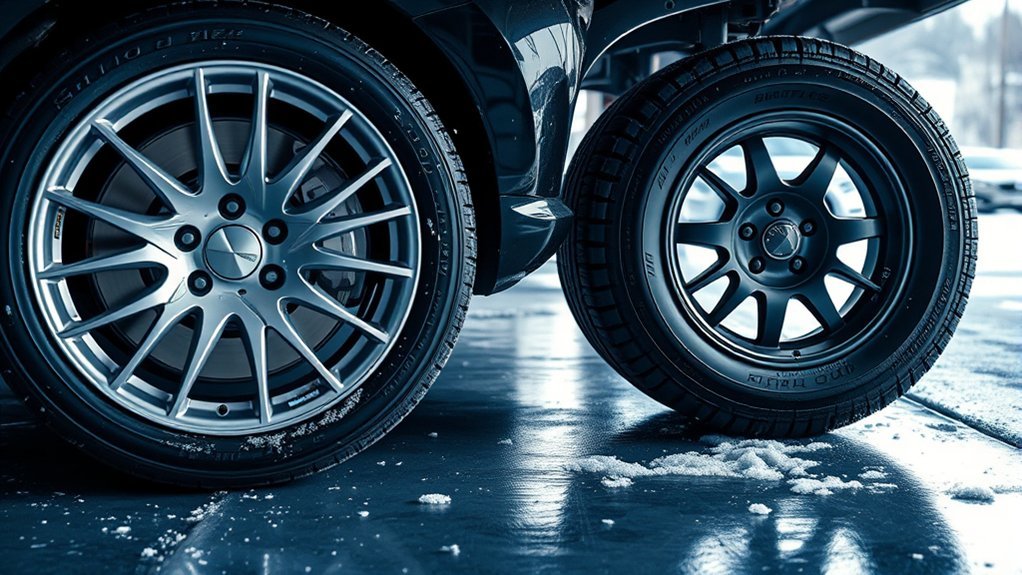
For most drivers building a dedicated winter tire setup, steel wheels are often the most practical choice because they usually cost less and tolerate cosmetic winter abuse well. But steel is not automatically safer, more corrosion-resistant, or better for snow traction than alloy. A properly fitted, corrosion-protected alloy wheel can also work very well in winter. Your tires, wheel condition, fitment, brake clearance, and tire pressure matter more to winter safety than the wheel material alone.
Quick Answer
Choose steel wheels if you want a lower-cost, simple dedicated winter setup and compatible steel wheels are available for your vehicle. Choose alloy if you need better brake clearance, lower weight, or a more finished appearance. Either can handle winter when correctly sized, undamaged, properly coated, and paired with good winter tires.
Key Takeaways
Key Takeaways
- Steel wheels usually win on price and simplicity, which makes them popular for dedicated winter tire sets.
- Alloy wheels are not inherently bad for winter. Quality alloys with intact corrosion-resistant finishes can handle salt, snow, and freezing weather.
- Both materials can corrode. Steel develops rust; aluminum alloys oxidize. Damage around the bead seat can contribute to slow air leaks on either type.
- Wheel weight does not give steel a meaningful snow-traction advantage. Winter grip comes primarily from the tires and road conditions.
- Correct fitment matters more than material. Diameter, rim width, bolt pattern, offset, load rating, brake clearance, lug hardware, and TPMS compatibility all need to be right.
- A complete second wheel-and-tire set can simplify seasonal swaps and reduce repeated tire mounting, although sensors and hardware may increase the upfront cost.
Alloy vs Steel Wheels for Winter: Which Is Better?

For a typical commuter who wants an inexpensive second set of wheels for winter tires, steel wheels are often the easier choice. They are usually less expensive than comparable alloy wheels, their plain finish makes cosmetic damage less painful, and many common steel-wheel designs are well suited to seasonal duty.
That does not mean steel is technically superior in every winter condition. Steel can rust when its protective finish is damaged. Aluminum alloy does not develop iron rust, but it can oxidize, especially where coatings are chipped or damaged. In both cases, corrosion around the flange or bead-seat area deserves attention because the tire needs a clean, sound surface to seal correctly.
Alloy wheels are commonly lighter and offer many more designs, sizes, offsets, and brake-clearance options. That can make alloy the better choice on performance vehicles, EVs, SUVs with large brakes, or vehicles for which a suitable steel wheel simply is not available.
| Factor | Steel Wheels | Alloy Wheels |
|---|---|---|
| Typical purchase cost | Usually lower | Usually higher |
| Weight | Often heavier | Often lighter, though design matters |
| Corrosion | Can rust if coating is damaged | Can oxidize beneath damaged coating |
| Hard impacts | Often deforms before fracturing, depending on design and impact | May bend or crack, depending on construction and impact |
| Brake clearance / sizing | Fewer options on some vehicles | Usually more options |
| Appearance | Basic and utilitarian | More styles and finishes |
| Best fit | Budget-focused dedicated winter set | Vehicles needing specific sizing, lower weight, brake clearance, or appearance |
For snow and ice grip, the tire does the important work. Choose the wheel for correct fitment, condition, winter durability, and budget.
If you are comparing practicality rather than appearance, steel still makes a strong case. If you want lower weight, more sizing choices, or a cleaner finished look, a winter-suitable alloy wheel is also a sound option.
Why Steel Wheels Hold Up in Winter
Steel wheels are popular in harsh winters because their simple construction, relatively low replacement cost, and utilitarian appearance make them well suited to potholes, slush, road grime, and repeated seasonal use.
The important distinction is that steel is not immune to winter damage. Its protective paint or coating must remain in reasonable condition, and rust should be inspected before it progresses into heavy scaling or damage around the tire-sealing surface.
Salt Resistance
Steel wheels can perform well on heavily salted roads when their protective coating remains intact. Manufacturers use primers, top coats, and other protective systems specifically because bare steel is vulnerable to oxidation.
When the coating is chipped, steel can develop orange or brown rust. Small cosmetic spots do not automatically mean the wheel has become unsafe, but you should not assume that all rust is harmless. Heavy flaking, deep pitting, corrosion around the bead seat, or deterioration near mounting surfaces should be inspected by a qualified tire or wheel professional.
Aluminum alloy behaves differently. It does not rust in the iron-oxide sense, but bare aluminum can oxidize. Corrosion can spread underneath damaged clear coat or paint and may appear as white powder, pitting, or bubbling beneath the finish.
In practice, coating quality and maintenance matter for both materials. Wash road salt off regularly and inspect any chipped or damaged areas instead of relying on wheel material alone.
Impact Durability
Steel wheels are often favored on rough winter roads because steel can deform under a hard impact rather than fracture in the same way some cast alloy designs can. That does not make a steel wheel pothole-proof. A severe strike can bend the rim enough to cause vibration, air loss, poor bead seating, or alignment problems.
Alloy wheels can also bend, and a sufficiently severe impact can crack an alloy wheel. The outcome depends on the wheel’s construction, dimensions, load rating, tire sidewall height, tire pressure, speed, impact angle, and pothole shape—not simply whether the wheel is steel or aluminum.
| Condition | What to Check |
|---|---|
| Pothole strike | Bent flange, crack, vibration, pressure loss |
| Frozen rut impact | Runout, steering vibration, tire damage |
| Road debris | Finish chips, dents, cracks |
| Visible rust or oxidation | Depth, pitting, bead-seat condition, mounting surface |
| Sudden pressure loss | Tire puncture, valve, bead seal, wheel damage |
Warning: Do not keep driving normally on a wheel that is cracked, severely bent, losing air, or heavily corroded around the tire bead or mounting surfaces. Have the tire and wheel inspected after a major pothole or curb impact.
Winter Cost Savings
Because steel wheels usually cost less than comparable alloy wheels, they can be a practical choice when you are building a separate winter tire package.
A dedicated second set lets you leave your winter tires mounted on their own wheels. Seasonal service can then involve changing complete wheel-and-tire assemblies instead of mounting and dismounting the tires from one set of rims each spring and fall.
This can reduce recurring mounting and balancing labor, although you should include the complete upfront cost when comparing options. A second wheel set may also require compatible TPMS sensors, different lug nuts or bolts, hub-centric rings, or other approved hardware.
Steel also tends to make cosmetic winter damage less expensive to accept. If appearance is not important to you, surface chips or minor finish deterioration are less upsetting on an inexpensive winter wheel than on a premium factory alloy.
How Alloy Wheels Handle Winter Roads
Alloy wheels can perform very well on winter roads when they are correctly fitted and have a durable protective finish. Modern winter-suitable alloys are available with multilayer coatings designed to withstand salt, moisture, road grit, and repeated temperature changes.
Their lower mass can reduce unsprung and rotational weight compared with a heavier steel wheel of similar dimensions, although the actual difference depends on the specific wheels. That may help preserve the vehicle’s intended steering and suspension response, but it does not create winter traction by itself.
- Inspect the finish. Chips, curb rash, and peeling coatings can expose the underlying aluminum to oxidation.
- Watch the bead area. Corrosion or physical damage near the flange can contribute to slow leaks.
- Choose a suitable finish. If the manufacturer identifies the wheel as appropriate for winter use, that is more useful than assuming every alloy finish offers the same salt resistance.
- Wash away salt and grime. Routine cleaning helps preserve the coating and makes damage easier to spot.
If you protect and maintain the wheels, alloy can be a reliable all-winter choice. The trade-off is usually higher purchase cost and greater concern about cosmetic or structural damage to an expensive wheel.
Do Alloy Wheels Rust in Winter?
Aluminum alloy wheels do not develop iron rust the way steel wheels do, but they can corrode and oxidize. Road salt, moisture, brake dust, damaged clear coat, and exposed metal can accelerate deterioration.
If oxidation reaches the tire’s sealing surface, it can contribute to a slow pressure leak. Steel can suffer a similar sealing problem when rust or physical damage affects the bead-seat area.
So the practical question is not simply, “Which one rusts?” It is, “Is the protective finish intact, and are the wheel’s sealing and mounting surfaces clean and sound?”
Winter Corrosion Risk
Winter roads expose both steel and alloy wheels to salt, brine, moisture, abrasive grit, and frequent contamination. The corrosion mechanism differs, but neither material should be treated as maintenance-free.
Use these corrosion-prevention and wheel maintenance steps:
- Rinse road salt and brine away regularly.
- Use wheel-cleaning products that are suitable for the wheel’s finish.
- Inspect chipped paint, clear coat, and exposed metal.
- Check the bead-seat area if a tire develops a recurring slow leak.
- Have deep pitting, heavy rust, cracks, or bends professionally inspected.
Cleaning after heavy salt exposure also helps you see developing cracks, dents, coating failure, and valve problems before they become harder to diagnose.
Alloy Coating Protection
A quality coating is one of the most important defenses for an alloy wheel used through winter. Manufacturers may use powder primers, color coats, clear coats, and other multilayer finishing systems to protect the aluminum underneath.
For example, ALCAR describes salt-resistant multilayer coatings for alloy wheels intended for all-season and winter exposure.
No coating stays perfect forever. Inspect the finish regularly because stone chips and curb damage can give moisture and road salt a path underneath the coating.
Wash the wheels when they are cool, rinse away residue thoroughly, and follow the wheel manufacturer’s care instructions. Repairing finish damage early can help prevent corrosion from spreading beneath the surrounding coating.
Steel Rim Durability
Steel rims remain a strong winter option because their simple construction, low purchase price, and broad use in utilitarian applications make them easy to justify for a dedicated seasonal set.
However, steel requires corrosion protection too. Maxion Wheels describes pretreatment, primers, and top coats used on its steel wheels for corrosion protection.
- Keep painted or coated surfaces intact.
- Wash road salt away regularly.
- Treat developing surface corrosion before it spreads.
- Inspect the tire bead seat and wheel mounting surfaces.
Do not assume that a rusty steel wheel is safe merely because the rust appears superficial from the front. The inside barrel and tire-sealing surfaces also matter.
Are Steel Wheels Safer With Winter Tires?
Not automatically. A correctly fitted, structurally sound steel wheel and a correctly fitted, structurally sound alloy wheel can both support safe winter driving. Wheel material alone does not determine snow or ice traction.
Steel wheels can be the more practical winter choice for cost and rough-road use, but the winter tire, correct fitment, tire pressure, and wheel condition are more important safety factors.
For severe snow conditions, look for tires carrying the three-peak mountain snowflake marking and follow your vehicle and tire manufacturers’ recommendations. Transport Canada recommends installing winter tires in sets of four to help maintain vehicle control and stability.
That advice applies regardless of whether those tires are mounted on steel or alloy wheels.
Note: A winter wheel is only suitable if it clears the brakes, carries the required vehicle load, uses approved mounting hardware, and fits the tire correctly. Never choose a wheel just because it is steel or because its diameter appears correct.
Which Wheel Coatings Protect Against Salt?
Both steel and alloy wheels benefit from a complete, durable protective finish. The exact coating system varies by manufacturer, so there is no single universal “winter-proof” coating that guarantees corrosion will never occur.
Common systems include powder primers, paint layers, clear coats, electro-deposition coatings, and other corrosion-resistant finishes. Their effectiveness depends on surface preparation, coating thickness, manufacturing quality, damage, maintenance, and environmental exposure.
[Products Worth Considering]

This 3-piece wheel brush set makes it easy to clean wheels and tires with soft, scratch-free brushes designed for lifting brake dust and grime. The flexible rim brush bends up to 360 degrees to reach hard-to-access areas for a thorough clean, while the comfortable grip helps control during detailing. A dedicated detailing brush supports gentle cleaning for sensitive surfaces, including interior use.

This professional wheel and rim cleaning brush set lifts brake dust, grime, and dirt with soft, scratch-free microfiber and synthetic wool fibers. The rim brush bends up to 360 degrees for easy access to hard-to-reach areas around spokes, lips, and faces. Ideal for thorough cleaning of car, truck, motorcycle, bicycle, RV, and more wheel and tire surfaces.

Malco tire mounting and demounting lubricant is a ready-to-use tire lube formulated to reduce friction during tire installation for passenger cars, light trucks, farm tires, and heavy-duty equipment. It provides rust-inhibiting protection to help reduce corrosion on rims and wheels, and helps support proper tire bead seating during inflation to reduce air leakage. The silicone-free, soap-free formula is whitewall safe to help prevent discoloration on whitewall tires and sensitive sidewall markings.
Winter-Proof Alloy Coatings
For an alloy wheel, look for manufacturer information showing that the finish is intended for year-round or winter use. Salt-resistant, multilayer finishes are preferable to relying on appearance alone.
- Primer or base protection: helps isolate the aluminum surface.
- Color or powder layer: provides an additional protective barrier.
- Clear protective finish: helps shield the underlying layers from moisture and contaminants.
- Regular inspection: catches chips, curb rash, or peeling before corrosion spreads.
A quality winter alloy can therefore be a perfectly reasonable alternative to steel when you want lower weight, specific sizing, or better appearance.
Rust-Resistant Steel Finishes
Steel wheels require a protective barrier between the steel substrate and winter moisture. Manufacturers may use pretreatment, electro-deposition primers, paint, powder coating, and other corrosion-resistant systems.
If the coating is chipped, touch-up protection can help limit spreading surface corrosion where appropriate. Keep the wheel clean enough to inspect the barrel, flange, lug area, and mounting face.
Regardless of coating type, do not simply paint over severe corrosion. Deep pitting, heavy scaling, deformation, or deterioration near structural or sealing areas should be assessed professionally.
Alloy vs Steel Wheels: Winter Cost Differences
From a cost standpoint, steel wheels usually have the lower initial price, making them attractive for a basic winter package.
A second wheel set can also simplify seasonal swapping. The winter tires remain mounted and balanced on their winter wheels, while your other wheel-and-tire set is stored until the season changes.
A dedicated wheel set can reduce repeated tire mounting and dismounting, but include TPMS sensors, lug hardware, installation, and storage when comparing the total cost.
- Wheel purchase price
- TPMS sensors or programming, where applicable
- Lug nuts, bolts, or other approved hardware
- Initial tire mounting and balancing
- Seasonal complete-wheel changeover cost
- Potential replacement cost after pothole or curb damage
Alloy wheels generally cost more, especially for larger diameters or premium designs. Their appearance, lower weight, and wider range of fitments can still justify that expense.
If you mainly want an inexpensive seasonal package and compatible steel wheels are available, steel usually offers the better value. If steel does not clear the brakes or is unavailable in the correct specification, a suitable alloy wheel is the better choice regardless of its higher price.
[Products Worth Considering]

This metal-free wheel and tire cleaning brush uses dense, fluffy synthetic wool to safely clean rims, spokes, fenders, and engine areas without worrying about damaging surfaces. Its flexible, comfortable design helps you reach detailed areas while maintaining durability, and the extra absorbent fibers work well with wheel spray cleaners for faster cleanup. Reusable and washable performance helps prevent grime and build-up for cleaner vehicles and easier maintenance at home.

These universal tire valve stem caps help protect your valve core from dust, debris, moisture, and corrosion, supporting more stable tire pressure. The aluminum alloy design resists long-term wear, while the sealing construction helps help prevent air leakage. They twist on easily for quick installation and help safeguard driving safety across cars, SUVs, trucks, and motorcycles.

Monitor tire tread wear with a smart, color-coded depth gauge that shows clear condition ranges at a glance. The bar is range marked for fast, easy readings, helping you maintain safer traction and performance. Each gauge is portable with a pocket clip, and the set includes 20 units for daily use and sharing.
Do Wheel Weights Affect Winter Handling?
Wheel weight can affect vehicle response, but heavier steel wheels do not automatically create better winter traction.
A heavier wheel adds unsprung and rotational mass. Depending on the amount of weight and the vehicle, that can make steering, suspension response, acceleration, and braking feel slightly less responsive. A lighter wheel may reduce some of that mass, although the real-world difference can be modest on an everyday vehicle.
Snow and ice traction come primarily from the tire’s rubber compound, tread design, available normal load, road surface, tire pressure, vehicle control systems, and driver inputs. Adding several pounds at each wheel should not be treated as a winter traction strategy.
The same applies to braking. A heavier steel wheel does not inherently shorten stopping distances on ice. Good winter tires and appropriate speed are far more important.
Choose wheel weight based on the complete package rather than assuming heavier is better for winter.
How to Match Winter Tires and Rims
Correctly matching winter tires to their wheels is more important than choosing steel or alloy. USTMA guidance states that tires should be mounted only on approved rim widths and that tire and rim diameter designations must match.
Michelin likewise recommends checking matching tire/wheel diameter, approved wheel width, wheel load capacity, and the condition of the rim and bead area before mounting.
- Verify the tire diameter matches the wheel diameter.
- Confirm the wheel width is approved for the tire size.
- Use the correct bolt pattern.
- Confirm wheel offset and position are suitable for the vehicle.
- Check center-bore or hub-centering requirements.
- Verify the wheel’s load rating.
- Confirm brake, suspension, and body clearance.
- Use the correct lug nuts, lug bolts, washers, or other required hardware.
- Confirm TPMS compatibility where the vehicle uses wheel-mounted sensors.
There is normally no special winter tire that must be selected merely because the wheel is steel rather than alloy. The important factors are the tire’s approved dimensions and the complete wheel-and-tire fitment for the vehicle.
[Products Worth Considering]

This 3-piece wheel and tire brush set makes it easy to clean light, medium, and heavy dirt from wheels, rims, tires, and exterior surfaces. It includes both soft and stiff bristle options for gentle scrubbing and tough grime removal, helping lift brake dust and road buildup. The long-handle design supports comfortable cleaning across cars, trucks, SUVs, RVs, motorcycles, and more, with simple care instructions to restore brush shape.

Upgrade your Toyota tire setup with these corrosion-resistant, leak-proof valve stem caps designed to help protect the valve core from water, snow, and road grime. The caps feature a snug rubber seal and durable copper alloy construction to resist rust and oxidation while maintaining stable tire pressure. Ideal for replacing worn original caps and keeping your wheels looking clean and stylish.
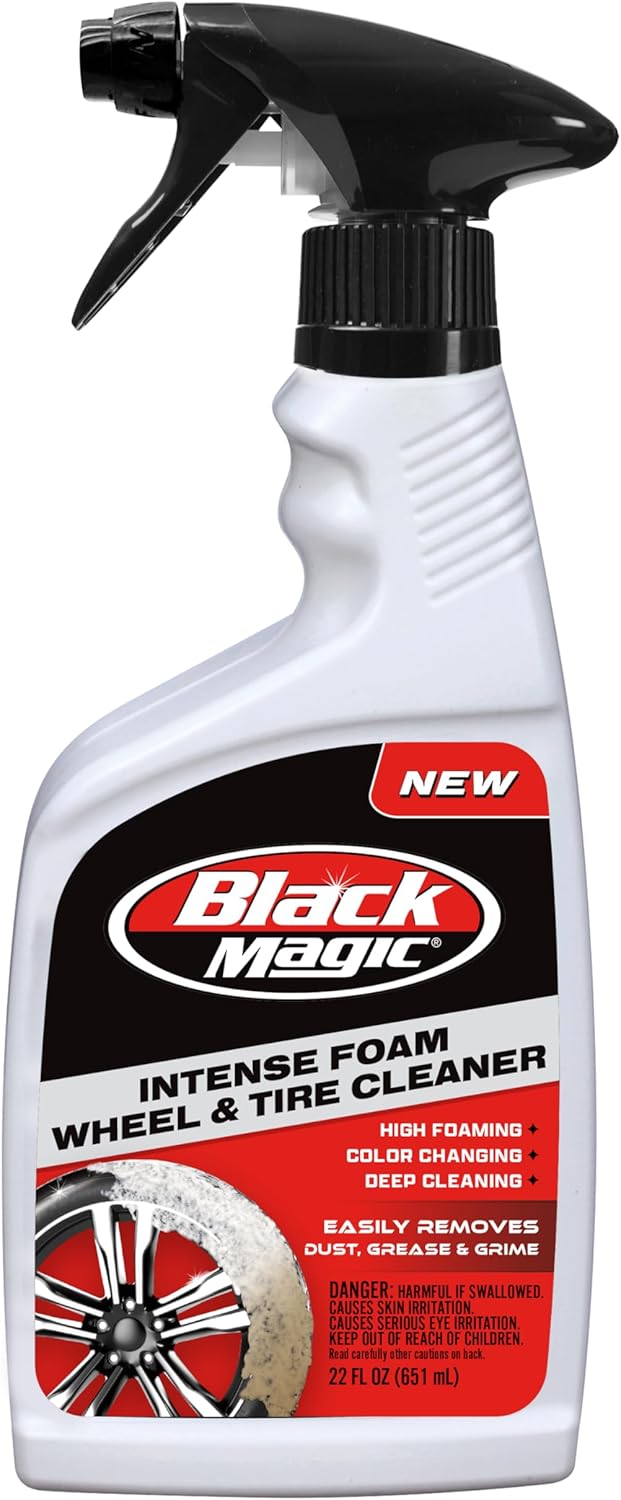
Black Magic Intense Foam Wheel & Tire Cleaner uses a high-foaming action to lift away dirt, grime, and brake dust without scrubbing. The color-changing formula helps show contaminants being dissolved as foam turns from white to brown. Safe for all wheel types and even wheel wells, it leaves a like-new, slick finish with a fresh cherry scent.
Winter Wheel Fitment Checklist
If you are buying a second winter wheel set, do not rely only on the diameter shown on the tire sidewall. Two wheels with the same diameter can have different widths, offsets, bolt patterns, center bores, brake clearances, and load ratings.
Pro Tip: Buy winter wheels using a vehicle-specific fitment catalog or an experienced tire/wheel shop rather than shopping only by diameter. Ask the installer to confirm brake clearance, load rating, TPMS compatibility, and required lug hardware before the tires are mounted.
Some vehicles allow a smaller-diameter winter wheel paired with a taller-sidewall tire while maintaining an approved overall tire size. The taller sidewall may provide more impact cushioning on pothole-damaged roads, and smaller wheels can sometimes reduce cost.
However, downsizing is not automatically possible. The smaller wheel must still clear the brake calipers and other components, and the tire size must remain within the vehicle manufacturer’s approved limits.
TPMS and Cold-Weather Tire Pressure
If your vehicle uses direct TPMS sensors mounted in the wheels, a second winter wheel set may need its own compatible sensors. Sensor type, programming, relearn procedures, and wheel compatibility vary by vehicle.
Cold weather also reduces tire pressure. NHTSA recommends checking tires when cold and inflating them to the vehicle manufacturer’s specified pressure, which is normally found on the driver’s door placard or in the owner’s manual.
Do not use the maximum pressure molded on the tire sidewall as the vehicle’s routine inflation target unless the vehicle manufacturer specifically calls for it.
TPMS is useful, but it does not replace routine manual pressure checks. A tire can be below its ideal pressure before the warning threshold is reached.
If you swap complete wheel sets seasonally, label their storage positions if that helps your rotation plan, and follow the vehicle and tire manufacturers’ rotation instructions when reinstalling them.
When Alloy Wheels Make Sense in Winter
Alloy wheels make sense in winter when you want a lighter assembly, a more finished appearance, or a fitment that is difficult to achieve with steel wheels.
They can be especially useful when:
- Your vehicle has large brake calipers that limit steel-wheel choices.
- No suitable steel wheel exists in the required diameter, width, offset, or load rating.
- You want to preserve more of the vehicle’s original steering and suspension feel.
- You prefer a wheel design that is easier to clean around spokes and brake components.
- You choose a corrosion-resistant finish intended for winter or year-round use.
- You are willing to clean and inspect the wheels regularly.
Alloy wheel aesthetics also matter if you do not want your vehicle to have the basic appearance of black steel wheels throughout the winter.
With proper cleaning, correct fitment, and regular inspection, you can use suitable alloy wheels reliably throughout winter. They are not inherently unsafe or unsuitable simply because they are made from aluminum alloy.
Winter Wheel Maintenance and Damage Checks
Whichever material you choose, a simple maintenance routine can help catch winter wheel problems early.
- Check cold tire pressure monthly and after major temperature drops.
- Rinse road salt and brine away before heavy deposits remain on the finish for long periods.
- Inspect the visible wheel surface for cracks, dents, peeling coatings, rust, or oxidation.
- Watch for vibration or pulling after a pothole or curb strike.
- Investigate recurring pressure loss. The cause may be a puncture, valve problem, bead-seat corrosion, or wheel damage.
- Clean the wheel mounting face when the wheels are removed, following appropriate service procedures.
- Store the off-season set clean and dry to limit corrosion and make the next inspection easier.
Michelin advises inspecting wheels for bends, cracks, corrosion, and damage around the bead-seat and flange areas because defects there can lead to poor seating, air leaks, or vibration.
Frequently Asked Questions
Should I Get Steel or Alloy Rims for Winter Tires?
Choose steel if a correctly fitted steel wheel is available and your priorities are low cost, simple styling, and a dedicated seasonal setup. Choose alloy when you need specific sizing or brake clearance, want lower weight or better appearance, or prefer a corrosion-resistant alloy designed for winter use.
What Is the Best Material for Winter Wheels?
There is no universally best material. Steel is often the best value for a basic winter package, while a properly coated alloy can be better when fitment, brake clearance, lower weight, or appearance matters. Correct sizing and good winter tires are more important than material alone.
What Is the Disadvantage of Alloy Wheels?
Alloy wheels usually cost more, and damage to an expensive finish can be costly or frustrating. Aluminum can also oxidize where its coating is damaged, and a severe impact may bend or crack the wheel. However, a quality alloy with an intact winter-suitable coating can perform well in cold climates.
Are Alloy Wheels Good for Snow?
Yes. Alloy wheels can be used in snow when they are correctly fitted, structurally sound, and protected by a suitable finish. Snow traction comes mainly from the winter tires rather than whether the rims are steel or aluminum.
Do Steel Wheels Rust in Winter?
Yes. Steel can rust if salt and moisture reach bare metal through chips or damaged coating. Minor cosmetic rust is different from deep pitting or heavy scaling, so inspect advancing corrosion instead of assuming it is harmless.
Is a Smaller Wheel Better for Winter?
Sometimes. A vehicle-approved smaller wheel with a taller-sidewall winter tire can provide more sidewall cushioning and may cost less. But the wheel must clear the brakes, meet the vehicle’s load and fitment requirements, and use an approved tire size. Do not downsize by diameter alone.
Do I Need TPMS Sensors in a Second Set of Winter Wheels?
If your vehicle uses direct wheel-mounted TPMS, a second wheel set will commonly need compatible sensors if you want the system to operate normally. Sensor compatibility, programming, and relearn procedures vary by vehicle, so confirm the requirements before ordering the wheels.
Sources
- National Highway Traffic Safety Administration — TireWise — tire pressure, TPMS, tire inspection, and general tire-safety guidance.
- National Highway Traffic Safety Administration — Winter Driving Tips — cold-weather tire pressure and winter tire inspection guidance.
- Transport Canada — Using Winter Tires — severe-snow tire marking, four-tire installation, tread, and cold-weather guidance.
- U.S. Tire Manufacturers Association — Care and Service of Passenger and Light Truck Tires — approved rim widths and matching tire/rim diameter guidance.
- Michelin USA — Visual Tire Inspection Before Mounting — wheel corrosion, cracks, bends, bead-seat inspection, and tire/wheel compatibility.
- ALCAR Wheels — Alloy Wheel Technology — winter-suitable alloy coatings and corrosion protection.
Conclusion
For winter driving, steel wheels remain a smart option when you want a lower-cost dedicated wheel set and a compatible steel fitment exists for your vehicle. Their simple construction and relatively low replacement cost make them especially attractive on rough, pothole-prone roads.
Alloy wheels can work just as reliably in winter when they are properly coated, correctly sized, and maintained. They may be the better choice when you need lower weight, specific offsets, larger brake clearance, or a more finished appearance.
The most important point is that the wheel itself does not create winter grip. Choose correctly fitted wheels, install suitable winter tires on all four positions, maintain the vehicle manufacturer’s recommended cold tire pressure, wash away road salt, and inspect the wheels after hard impacts. That combination will do far more for predictable winter performance than choosing wheel material by itself.

