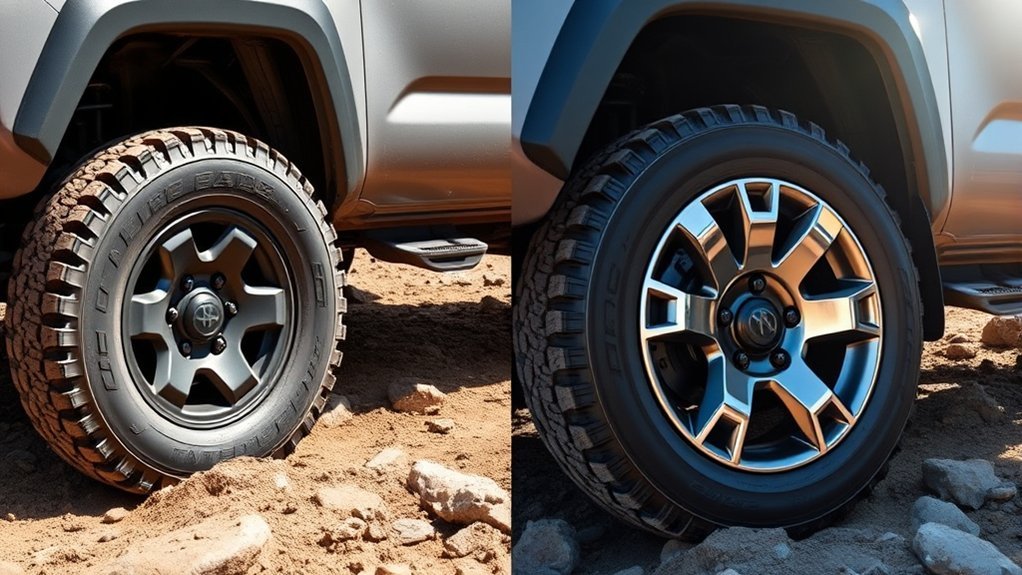
Choosing steel or alloy wheels for your Toyota Tacoma depends on how you use the truck. Steel wheels are usually the tougher, lower-cost choice for slow, rocky trails where dents and field repairs matter. Alloy wheels are usually better for daily driving, mixed trails, and drivers who want lighter weight, sharper steering, and more style. The best answer starts with fitment, load rating, and tire choice—not wheel material alone.
Quick Answer
Steel wheels are best for Tacoma owners who prioritize low cost, severe trail durability, and easier emergency repair after a bend. Alloy wheels are better for lighter weight, better steering response, corrosion resistance, and daily-driver comfort. For most Tacoma drivers, a strong load-rated alloy wheel with the right tire is the best all-around choice.
Key Takeaways
- Choose steel wheels for hard rock crawling, remote trails, tight budgets, and situations where a bent rim may need a trail-side fix.
- Choose alloy wheels for mixed off-road use, daily driving, lighter weight, better steering feel, and more design choices.
- Do not choose by material alone. Confirm wheel diameter, width, offset, center bore, lug-seat style, brake clearance, TPMS compatibility, and load rating.
- Tires affect traction more than wheels. Tread design, tire size, load range, pressure, and rolling resistance matter more than steel versus alloy for grip and fuel economy.
Steel vs. Alloy Wheels for Tacoma Off-Road Use
| Factor | Steel Wheels | Alloy Wheels |
|---|---|---|
| Best Use | Rock crawling, work trucks, remote trails, budget builds | Daily driving, overlanding, mixed trails, lighter builds |
| Impact Behavior | Often bends or dents before cracking | Can crack under sharp impacts, depending on construction |
| Trail Repair | Sometimes can be reshaped enough to hold air temporarily | Cracks usually require replacement or professional repair |
| Weight | Usually heavier | Usually lighter |
| Corrosion | Can rust if paint or powder coat is damaged | Does not rust like steel, but finish damage and corrosion can still occur |
| Cost | Usually cheaper upfront | Usually more expensive, especially flow-formed or forged wheels |
Start With Tacoma Fitment, Not Wheel Material
Before comparing steel and alloy wheels, make sure the wheel actually fits your Tacoma. Use your owner’s manual, the Tire and Loading Information Label on the driver-side door area, and the wheel manufacturer’s fitment data. Toyota provides official Tacoma manuals through its Toyota Owners manuals page, and NHTSA advises drivers to check the owner’s manual or tire label for the correct tire size.
Warning: Do not install wheels just because the bolt pattern seems close. Confirm load rating, wheel diameter, wheel width, offset/backspacing, center bore, brake clearance, lug-seat type, TPMS compatibility, and tire size before driving on-road or off-road.
For off-road Tacoma use, pay special attention to these fitment checks:
- Load rating: The wheel must support your Tacoma’s loaded weight, passengers, cargo, accessories, and towing or overlanding gear.
- Offset and backspacing: Too much change can cause rubbing, bearing stress, poor steering feel, or fender contact.
- Brake clearance: Some smaller wheels may not clear larger brake packages or trim-specific components.
- Lug-seat style: Conical, ball, mag-seat, and washer-style lugs are not interchangeable.
- TPMS: Make sure your tire pressure monitoring sensors are compatible with the new wheels.
- Tire diameter: Bigger tires may require trimming, lift height, re-gearing, or speedometer correction.
When Steel Wheels Make Sense for Extreme Off-Roading
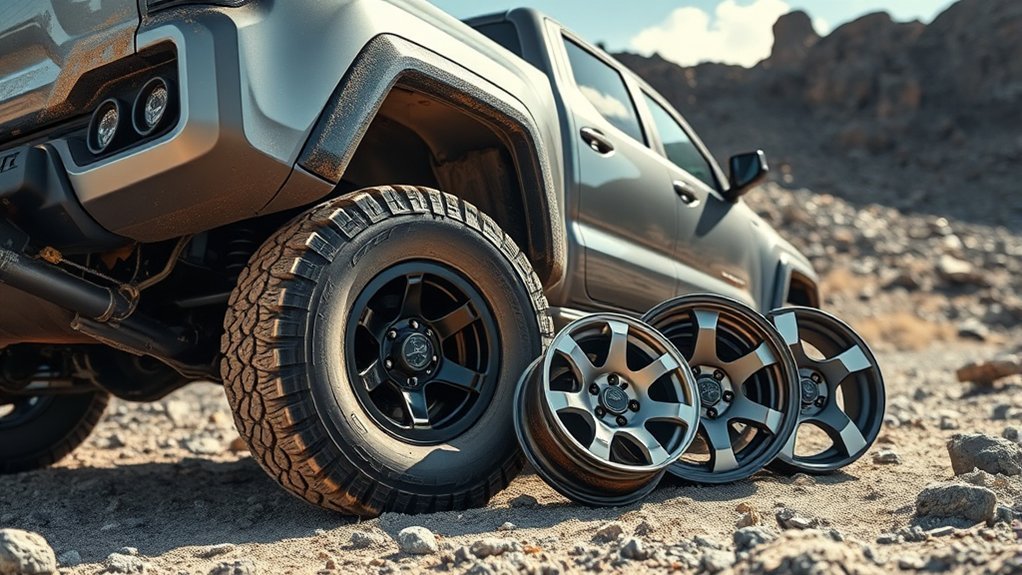
Steel wheels make the most sense when your Tacoma spends time on slow, rough trails where rock strikes, ruts, and trail damage are realistic. A steel wheel can still bend, but that bend may be easier to deal with on the trail than a cracked wheel. In some cases, a bent lip can be reshaped enough to hold air and get you back to pavement.
Steel wheels are also attractive for budget-focused builds. If you need a second set of wheels for winter tires, trail tires, or a dedicated off-road setup, steel often costs less than comparable alloy options. That lower cost can matter when you would rather spend more of the budget on high-quality tires, recovery gear, skid plates, or suspension.
Steel is not perfect. Steel wheels are usually heavier, can rust when their finish is damaged, and offer fewer styles and sizes. They can also be harder to balance if they are bent. For a Tacoma that spends most of its life on highways, gravel roads, and mild trails, the extra weight may not be worth it.
Pro Tip: If you choose steel wheels for trail use, carry a full-size spare, tire repair kit, valve stems, air compressor, breaker bar, torque wrench, and the correct lug nuts for that wheel—not just the factory lugs.
[Products Worth Considering]

Upgrade your Toyota’s wheels with durable aluminum alloy valve stem caps that help protect valve cores from corrosion and direct exposure to road grime, clay, water, and snow. Rubber rings improve sealing to help prevent air leakage and maintain stable tire pressure for safer driving. These caps are easy to install or remove without tools and add a unique, stylish look to your car.

These aluminum alloy tire valve stem caps with an O-ring seal help protect valve stems from corrosion while adding a clean, stylish look to your vehicle. The universal fit works across cars, trucks, motorcycles, bicycles, and more, making them an easy upgrade for everyday driving and off-road use. Installation is quick, and the included four-pack keeps all your tires dressed and protected.

These M14x1.5 closed-end chrome lug nuts are a one-piece replacement designed for secure fitment on compatible GM, Ford, and select Chrysler/Dodge models. Featuring a 60-degree conical seat and anti-rust chrome plating, they help resist corrosion and maintain a bright look for everyday driving. Built for long-term durability, they include OEM-style part references and are backed by 12 months of support.
The Lightweight Benefits of Alloy Wheels
Alloy wheels are popular on Toyota Tacoma builds because they are usually lighter than steel wheels of similar size. Less wheel weight can improve steering response, suspension control, and braking feel. The difference is most noticeable when you compare a heavy steel wheel and oversized tire against a lighter alloy wheel with a sensible all-terrain tire.
Alloy wheels also give you more design options. You can choose different spoke styles, finishes, offsets, beadlock-style looks, and strong off-road-focused designs. Many modern Tacoma owners prefer alloy wheels because they work well for daily driving during the week and trail driving on weekends.
Fuel economy is a smaller part of the decision. Lighter wheels can help reduce rotating mass, but tire size, tread pattern, inflation pressure, and rolling resistance usually have a larger real-world effect. The National Academies report on tires and passenger vehicle fuel economy explains that tires affect fuel economy mainly through rolling resistance. So if MPG matters, avoid overly heavy tires, keep pressures correct, and choose a tire that matches your actual terrain.
Note: Alloy does not automatically mean weak. Cast, flow-formed, and forged alloy wheels can have very different strength, weight, and price. Always compare load rating and intended use, not just material.
Durability and Repairability: Steel vs. Alloy Wheels
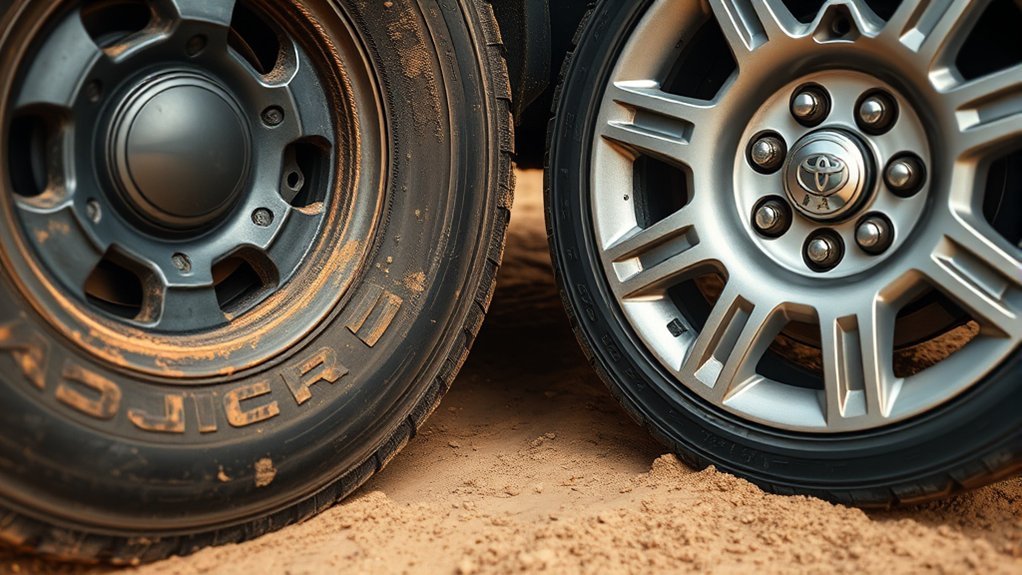
Durability depends on more than steel versus alloy. Wheel design, load rating, manufacturing quality, tire sidewall height, air pressure, vehicle weight, and impact speed all matter. A cheap steel wheel can bend easily. A high-quality off-road alloy wheel can be very strong. A low-quality cast alloy wheel may crack under impacts that a better wheel would survive.
Strength Under Stress
Steel wheels are more forgiving under certain impacts because they are more likely to dent or bend. That can be an advantage on remote trails. If the bead still seals, you may be able to continue slowly. If the lip bends enough to leak, a careful trail repair may get you home, but the wheel should still be inspected or replaced afterward.
Alloy wheels are stiffer and usually lighter. That stiffness can improve steering precision, but it also means a hard rock strike may create a crack instead of a simple bend. A cracked wheel can lose air quickly and should not be trusted for normal driving.
| Feature | Steel Wheels | Alloy Wheels |
|---|---|---|
| Impact Damage | More likely to dent or bend | May crack under sharp impacts |
| Emergency Trail Fix | Sometimes possible for a bent lip | Usually not safe if cracked |
| Daily Driving Feel | Heavier and less responsive | Lighter and usually more responsive |
| Long-Term Care | Watch for rust after scratches | Watch for cracks, corrosion, and finish damage |
Repair Options Available
A bent steel wheel may be repairable enough for emergency trail use, but that does not mean it is safe forever. After a hard hit, inspect the wheel, tire bead, sidewall, valve stem, lug holes, and hub mounting face. If the wheel wobbles, leaks air, has damaged lug seats, or cannot balance correctly, replace it.
Alloy wheel repair is more limited. Cosmetic curb rash is one thing; structural cracks are another. A cracked alloy wheel should be inspected by a qualified wheel repair professional, and replacement is often the safer choice for off-road trucks.
Cost Analysis of Steel and Alloy Wheels
Steel wheels usually cost less upfront, which makes them attractive for Tacoma owners building a dedicated trail setup. They are also a practical choice for winter wheels because they can take abuse from road salt, potholes, and rough seasonal driving—provided you clean and touch up damaged paint to reduce rust.
Alloy wheels usually cost more, but they can deliver better daily comfort, lower weight, and more finish choices. Strong off-road alloys, flow-formed wheels, and forged wheels cost more than basic cast wheels, but they may offer a better strength-to-weight balance.
When comparing prices, do not stop at the wheel price. Include:
- Lug nuts: aftermarket wheels may need different lugs than factory wheels.
- TPMS sensors: a second wheel set may need sensors and programming.
- Mounting and balancing: heavier steel wheels or aggressive tires may take more weight to balance.
- Shipping weight: steel wheels can cost more to ship because they are heavier.
- Replacement availability: a common wheel is easier to replace after trail damage.
- Finish maintenance: steel needs rust prevention; alloy needs finish care and crack inspection.
[Products Worth Considering]

These aluminum alloy tire valve stem caps protect the valve core from corrosion and help prevent air leakage for more stable tire pressure. The rubber ring design helps support a secure, safe seal while adding a stylish look to your Honda wheels. Easy to install by hand, these caps are ideal for everyday driving and weather exposure.

These universal tire valve stem caps help protect your valve core from dust, debris, moisture, and corrosion, supporting more stable tire pressure. The aluminum alloy design resists long-term wear, while the sealing construction helps help prevent air leakage. They twist on easily for quick installation and help safeguard driving safety across cars, SUVs, trucks, and motorcycles.

These universal tire valve stem caps help protect valve cores from dust, debris, and moisture while helping maintain stable tire pressure. The corrosion-resistant metal construction and sealed design provide reliable protection in road grime, mud, and winter conditions. Twist-on installation makes them quick to fit on cars, SUVs, trucks, and motorcycles.
Impact on Performance and Fuel Efficiency
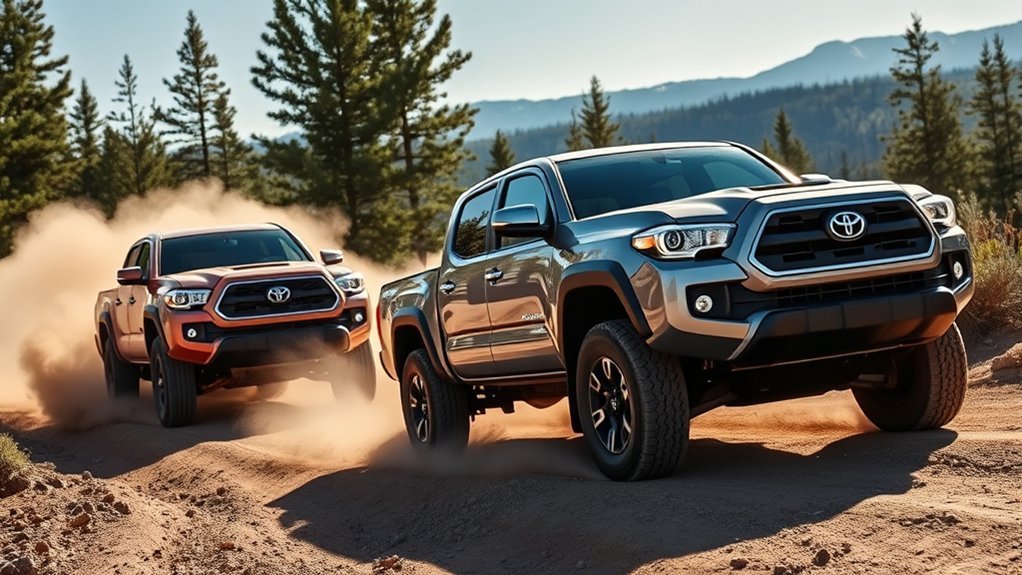
Wheel weight affects how your Tacoma feels, but it is only one part of the system. Tire size, tire weight, tread design, air pressure, suspension setup, payload, and gearing can make a bigger difference than the wheel material by itself.
Weight and Handling Dynamics
Steel wheels are usually heavier. More weight at the wheel can make the suspension work harder over washboard roads, potholes, and repeated trail bumps. You may feel slower steering response and a heavier ride, especially when the wheels are paired with large all-terrain or mud-terrain tires.
Alloy wheels are usually lighter, which can help the suspension react more quickly. On a Tacoma that sees highway miles, gravel roads, and moderate trails, that lighter feel can be a real advantage.
Acceleration and Braking Effects
Heavier wheels and tires require more energy to accelerate and more brake effort to slow down. This does not mean every steel wheel will ruin performance, but it does mean oversized, heavy wheel-and-tire packages can make your Tacoma feel sluggish.
If you want better acceleration and braking feel, look at the total wheel-and-tire package weight. A lightweight alloy wheel with a heavy mud tire may still weigh more than a simple steel wheel with a smaller all-terrain tire.
Fuel Economy Considerations
For fuel economy, the biggest wheel-and-tire mistakes are usually oversizing, choosing a very aggressive tread for mostly highway use, running poor tire pressure, and adding unnecessary rotating weight. NHTSA notes that proper tire pressure affects safety, tire durability, and fuel consumption, so pressure checks matter no matter which wheel material you choose.
The existing link between rolling resistance and fuel efficiency is important here. A sensible all-terrain tire at the correct pressure may save more fuel than choosing alloy wheels only for weight savings.
Cast, Flow-Formed, Forged, and Steel: Construction Matters
Not all alloy wheels are the same. For Tacoma off-road use, construction matters as much as material:
- Stamped steel: usually affordable, heavy, and forgiving under dents or bends.
- Cast alloy: common, stylish, and lighter than steel, but quality varies widely.
- Flow-formed alloy: often stronger and lighter than basic cast wheels, with a higher price.
- Forged alloy: usually the strongest and lightest option, but also the most expensive.
If you use your Tacoma for overlanding, towing, or loaded trail travel, choose a reputable wheel with a published load rating. The federal tire and rim standard in 49 CFR 571.110 exists to prevent tire overloading and ensure vehicles provide tire and rim load-carrying information. That same safety principle applies when you choose aftermarket wheels.
Tires Matter More Than Wheel Material for Grip
Steel wheels do not create more traction by themselves. Alloy wheels do not create less traction by themselves. Grip comes mainly from the tire and how it is used.
For a Toyota Tacoma, think about:
- All-terrain tires: best for mixed highway, gravel, snow, and moderate trail use.
- Mud-terrain tires: better in deep mud and loose terrain, but louder and heavier on-road.
- Winter tires: best for cold-weather road grip, ice, and packed snow.
- Load range: stronger tires can carry more load, but may ride firmer.
- Sidewall height: more sidewall helps absorb trail impacts and protect the wheel.
- Air pressure: airing down can improve off-road comfort and traction, but you must air back up before highway driving.
Note: For snow, mud, sand, and rock, the tire usually changes performance more than the wheel. Choose the wheel that safely supports the tire and your Tacoma’s load.
How to Pick the Perfect Wheel for Your Off-Road Adventures
Use your terrain and driving habits to choose the right wheel for your Tacoma:
- Choose steel if you rock crawl often. Steel wheels are a smart choice for slow, technical trails where dents are likely and appearance is less important.
- Choose alloy if your Tacoma is a daily driver. Alloy wheels usually feel better on pavement and still work well for moderate off-road use.
- Choose a strong off-road alloy for overlanding. If your Tacoma carries camping gear, water, tools, and recovery equipment, a reputable load-rated alloy wheel can be a strong all-around choice.
- Keep the tire practical. Oversized tires can hurt braking, MPG, steering, and gearing. Do not add more tire than your terrain requires.
- Check fitment before buying. Confirm year, trim, brake clearance, wheel specs, tire size, and load rating.
- Inspect after every hard trail hit. Look for air leaks, vibration, cracks, bends, damaged lug holes, and sidewall cuts.
For most Tacoma owners, the best choice is not simply “steel” or “alloy.” It is a properly fitted, load-rated wheel matched to the right tire. Steel wins for budget and severe trail abuse. Alloy wins for lighter weight, better road manners, and all-around use.
[Products Worth Considering]

The TYAMATE TM8 solar-powered wireless TPMS delivers real-time tire pressure and temperature monitoring with six alarm modes for safer driving. A vibrant color LCD display shows readings clearly while windshield mounting keeps it hands-free and easy to read. With a wide 0–87 PSI range, strong 433.92 MHz signal transmission, and quick sensor pairing, it’s ideal for RV, sedan, SUV, MPV, and truck use.

Upgrade your Toyota tire setup with these corrosion-resistant, leak-proof valve stem caps designed to help protect the valve core from water, snow, and road grime. The caps feature a snug rubber seal and durable copper alloy construction to resist rust and oxidation while maintaining stable tire pressure. Ideal for replacing worn original caps and keeping your wheels looking clean and stylish.

Keep your tires properly inflated with this analog VONDIOR tire pressure gauge, designed for fast, easy readings without batteries. The swiveling, two-axis hose and large glow dial help you measure at any tire angle with instant visibility. Built with a protective rubber shield, it supports durable, low-maintenance use for cars and trucks.
Frequently Asked Questions
Are steel or alloy wheels better for off-roading?
Steel wheels are better for severe rock crawling, tight budgets, and trail situations where a bent rim may be easier to deal with than a cracked wheel. Alloy wheels are better for most daily-driven Tacoma builds because they are usually lighter, more responsive, and available in more fitments and styles.
What are the best wheels for a Toyota Tacoma?
The best Tacoma wheels are the ones that fit your exact year and trim, clear the brakes, match the correct lug-seat style, support the truck’s loaded weight, and pair well with your tire size. For most owners, a reputable load-rated alloy wheel is the best all-around choice. For harsh trail use, steel can still be a practical option.
What is the best material for off-road rims?
There is no single best material for every off-road rim. Steel is tough, affordable, and more forgiving after some impacts. Alloy is lighter, more corrosion-resistant, and better for daily driving. For high-end builds, forged alloy can offer excellent strength with lower weight, but it costs much more.
Do steel wheels give better traction than alloy wheels?
No. Traction comes mainly from the tire, not the wheel material. Tire tread, compound, width, sidewall height, load range, and air pressure have a much larger effect on grip in mud, snow, sand, gravel, and rocks.
Are alloy wheels too weak for a Tacoma off-road build?
Not necessarily. Many alloy wheels are strong enough for off-road Tacoma use, especially when they are designed for trucks and have the right load rating. The weak choice is not “alloy” by itself; it is a poorly made, under-rated, or incorrectly fitted wheel.
Conclusion
Steel and alloy wheels both work for Toyota Tacoma off-road builds, but they serve different priorities. Steel wheels are simple, affordable, and useful for harsh trails where dents and field repair matter. Alloy wheels are lighter, more refined, and better for most mixed-use Tacomas that spend time on pavement, gravel, and moderate trails.
If your Tacoma is a dedicated rock crawler or budget trail truck, steel wheels make sense. If your Tacoma is a daily driver, overland rig, or weekend trail truck, a strong load-rated alloy wheel is usually the better all-around choice. Either way, confirm fitment, load rating, tire size, and safety details before you buy.
Sources
- Toyota Tacoma official model page — current Tacoma trim and model context.
- Toyota Owners manuals page for Tacoma — official owner manual reference for model-specific wheel and tire information.
- NHTSA TireWise tire safety guide — tire sizing, tire pressure, tire ratings, and maintenance safety guidance.
- 49 CFR 571.110 tire selection and rims standard — tire and rim load-carrying safety requirements.
- National Academies: Tires and Passenger Vehicle Fuel Economy — rolling resistance and fuel-economy background.