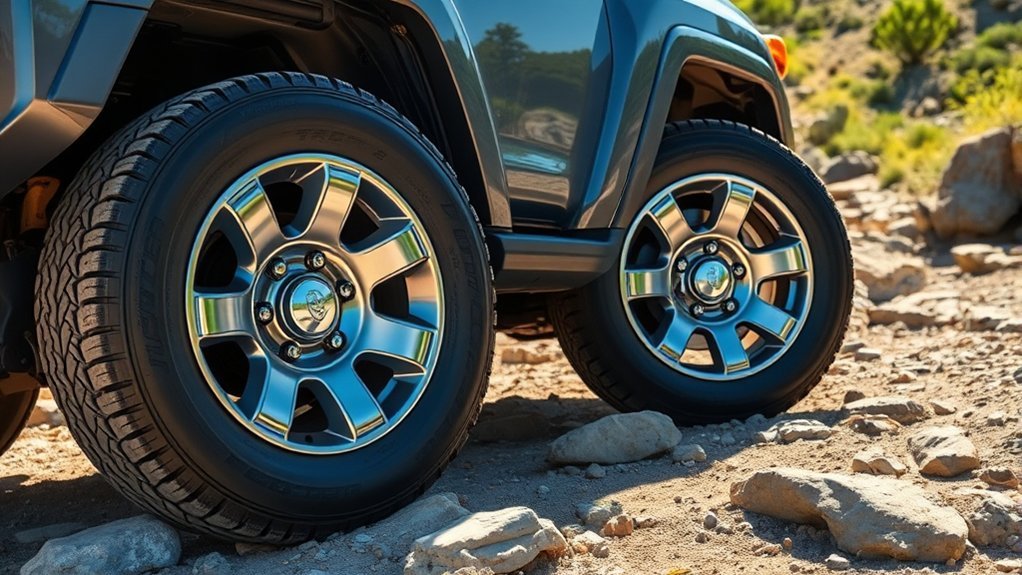
Choosing between steel and alloy wheels for your Toyota 4Runner is not simply a choice between strength and appearance. The right wheel must fit your exact model year and trim, support the vehicle’s loaded weight, clear the brakes and suspension, work with the correct tires and TPMS sensors, and suit how you actually drive. Material matters, but correct fitment and construction quality matter more.
Quick Answer
Steel wheels are usually the better low-cost choice for a dedicated winter set or harsh trail use where cosmetic damage is expected. Alloy wheels are usually lighter, offer more designs, resist rust better and work well for daily driving and serious off-roading. Choose by verified fitment, load rating and construction quality—not material alone.
Key Takeaways
- Steel is not automatically stronger: A quality alloy wheel with the correct load rating can be suitable for demanding off-road use.
- Tires create traction: Winter compound, tread, inflation and size matter far more than the extra weight of a steel wheel.
- Fitment comes first: Verify diameter, width, bolt pattern, center bore, offset, brake clearance, load rating, TPMS and lug hardware for your exact 4Runner.
- MPG gains are not guaranteed: A lighter wheel-and-tire package may help slightly, but tire rolling resistance and overall diameter often have a larger effect.
- Do not hammer a damaged wheel back into shape: Use a safe spare and have any bent, cracked or leaking wheel inspected by a qualified professional.
Understanding Steel vs. Alloy Wheels for Your 4Runner
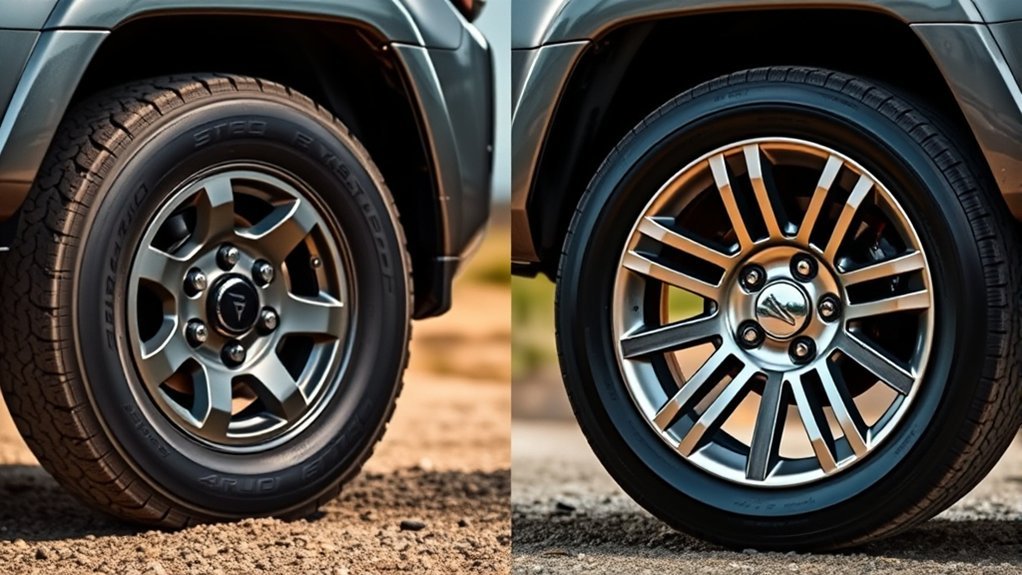
A steel wheel is stamped and welded from steel. An alloy wheel is normally made from an aluminum-based alloy using casting, flow-forming or forging. These construction methods affect weight, strength, price and impact behavior, so two wheels made from the same general material can perform very differently.
Toyota’s current U.S. 2026 4Runner lineup uses alloy wheels in several sizes, including 17-, 18- and 20-inch designs depending on trim. Off-road-focused models such as the TRD Pro and Trailhunter also use alloy wheels, showing that alloy construction is not limited to appearance-focused street vehicles.
| Factor | Steel Wheels | Alloy Wheels |
|---|---|---|
| Typical weight | Often heavier for a similar size and load rating | Often lighter, but weight varies widely by design |
| Impact behavior | May bend under a hard impact | May bend or crack depending on construction and impact |
| Corrosion | Can rust when paint or coating is damaged | Does not develop red rust but can oxidize or suffer finish corrosion |
| Price | Usually less expensive | Usually more expensive, especially when forged |
| Design choice | Limited styles and finishes | Wide range of styles, finishes and spoke designs |
| Common best use | Budget winter sets and work-focused builds | Daily driving, performance, appearance and many off-road builds |
Note: People often use “rim” to mean the complete wheel. Technically, the rim is the outer portion of the wheel that supports the tire bead.
Verify 4Runner Wheel Fitment Before Choosing Material
A wheel can be made from excellent material and still be unsafe if it does not fit your vehicle correctly. Verify every specification against your exact model year, trim, drivetrain and brake package. When available, use the VIN to locate the correct owner’s manual and factory specifications.
Wheel Fitment Checklist
- Wheel diameter: The wheel must work with an approved tire size and clear the brake caliper.
- Wheel width: The width must fall within the tire manufacturer’s approved rim-width range.
- Bolt pattern: The number and spacing of the wheel studs must match exactly.
- Center bore: The wheel must fit over the vehicle hub. Any hub-centric ring must be the correct size and material for the application.
- Offset and backspacing: Incorrect positioning can cause contact with the suspension, brakes, body or fender liner and can change steering feel.
- Load rating: Each wheel must have a published load capacity suitable for the vehicle’s axle loads, passengers, cargo, accessories and towing use.
- Brake and suspension clearance: Spoke shape can affect caliper clearance even when wheel diameter and offset appear correct.
- Tire compatibility: Confirm tire size, overall diameter, load index, speed rating and approved rim-width range.
- TPMS compatibility: Confirm that the wheel accepts the correct sensor and valve hardware and that the sensors can be registered to the vehicle when required.
- Lug hardware: Thread size, seat shape, shank length and washer design must match both the vehicle and wheel.
Warning: Do not assume that lug nuts or torque specifications can be transferred from one wheel type to another. Use the hardware and tightening specification approved for your exact model year and wheel. Incorrect seats, lubricated threads or improper torque can allow a wheel to loosen or damage the studs.
Toyota’s general wheel-selection guidance says replacement wheels should be equivalent in load capacity, diameter, rim width and offset. It also warns against using cracked, deformed or previously straightened wheels. Those principles apply regardless of whether the replacement is steel or alloy.
Key Advantages of Steel Wheels for Off-Roading
Steel wheels can make sense for a 4Runner that regularly sees abrasive trails, winter salt or work-site conditions. Their lower purchase price makes scratches and chipped paint easier to accept, and a damaged steel wheel may bend rather than fracture during some impacts.
That does not mean every steel wheel is tougher than every alloy wheel. A thin, poorly made or underrated steel wheel can fail, while a properly engineered alloy wheel can withstand demanding off-road use. Construction quality, fatigue testing, load capacity and fitment should decide the purchase.
[Products Worth Considering]

These M14x1.5 closed-end chrome lug nuts are a one-piece replacement designed for secure fitment on compatible GM, Ford, and select Chrysler/Dodge models. Featuring a 60-degree conical seat and anti-rust chrome plating, they help resist corrosion and maintain a bright look for everyday driving. Built for long-term durability, they include OEM-style part references and are backed by 12 months of support.

These aluminum alloy tire valve stem caps with an O-ring seal help protect valve stems from corrosion while adding a clean, stylish look to your vehicle. The universal fit works across cars, trucks, motorcycles, bicycles, and more, making them an easy upgrade for everyday driving and off-road use. Installation is quick, and the included four-pack keeps all your tires dressed and protected.

These universal tire valve stem caps help protect valve cores from dust, debris, and moisture while helping maintain stable tire pressure. The corrosion-resistant metal construction and sealed design provide reliable protection in road grime, mud, and winter conditions. Twist-on installation makes them quick to fit on cars, SUVs, trucks, and motorcycles.
Where Steel Wheels Make Sense
- A dedicated winter tire set where low replacement cost matters
- A trail or work vehicle where cosmetic damage is expected
- A budget build that does not need multiple finishes or spoke designs
- An application for which a reputable manufacturer offers verified brake clearance and a sufficient load rating
Steel wheels also have drawbacks. Added unsprung and rotating mass can make steering and suspension response feel less precise. Steel can rust where its coating is chipped, and fewer steel designs are available with the offsets and brake clearance required by newer 4Runner trims.
Why Choose Alloy Wheels for Performance and Aesthetics?
Alloy wheels are popular because they can combine lower weight, corrosion resistance and more design flexibility. A lighter wheel-and-tire assembly can reduce the mass the suspension must control, which may improve response over bumps and during acceleration or braking. The size of the improvement depends on the actual weight difference, tire choice and suspension setup.
Aluminum alloy also conducts heat better than steel. That can help transfer heat away from the brake area, but wheel material alone should not be treated as a cure for brake fade. Brake condition, pad compound, rotor size, vehicle load, speed and driving technique are much more important.
[Products Worth Considering]

This professional wheel and rim cleaning brush set lifts brake dust, grime, and dirt with soft, scratch-free microfiber and synthetic wool fibers. The rim brush bends up to 360 degrees for easy access to hard-to-reach areas around spokes, lips, and faces. Ideal for thorough cleaning of car, truck, motorcycle, bicycle, RV, and more wheel and tire surfaces.

The 22800 wheel stud installer makes replacing wheel studs quick and secure, saving time and effort during tire service. It uses a ratchet or impact wrench to pull new studs firmly into place, helping when existing studs are too long. Compatible with most automotive wheels and light-duty truck wheel studs, it’s designed for easy, tool-assisted installation.

Upgrade your wheels with MIKKUPPA closed-end lug nuts designed for reliable fit and corrosion resistance. The one-piece, cold-forged and heat-treated steel construction helps resist rust and stripping, while the integrated finish delivers a durable black appearance. Built to OEM standards with a conical 60-degree seat, these nuts provide a secure solution for compatible Ford, Honda, Jeep, and Chevrolet models.
Not All Alloy Wheels Are the Same
- Cast alloy: Usually the least expensive alloy construction. Quality and weight vary considerably.
- Flow-formed alloy: The barrel is formed after casting, often allowing lower weight and improved barrel strength compared with a basic cast design.
- Forged alloy: Usually lighter and stronger for a given design target, but considerably more expensive.
Choose a wheel from a traceable manufacturer that publishes its dimensions, load rating, weight and testing information. The current SAE J2530 recommended practice covers performance requirements, testing and marking for aftermarket passenger-car and light-truck wheels intended for normal highway use.
Impact of Weight on Fuel Economy
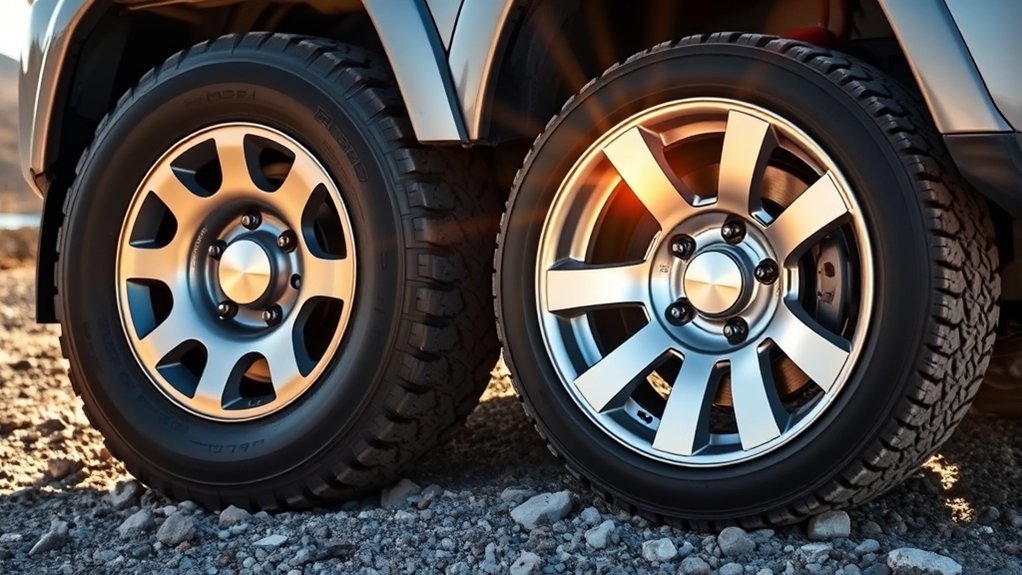
A lighter wheel-and-tire package may reduce the energy needed to accelerate the vehicle, but there is no universal MPG difference between steel and alloy wheels. Wheel design, diameter and load rating can make one alloy wheel heavier than another steel option.
The tire can have an equally important—or greater—effect. Larger overall diameter, aggressive all-terrain tread, low inflation pressure and high rolling resistance can reduce efficiency even when the wheel itself is light. The National Highway Traffic Safety Administration recommends using the vehicle’s door-jamb or owner’s-manual pressure and checking pressure when the tires are cold.
| Change | Possible Effect | What to Verify |
|---|---|---|
| Lighter assembled package | May slightly improve response and efficiency | Published wheel and tire weights |
| Larger tire diameter | May alter effective gearing, indicated speed and clearance | Overall diameter and vehicle compatibility |
| Aggressive all-terrain tread | May increase noise and rolling resistance | Tire construction and intended use |
| Incorrect inflation | Can reduce safety, tire life and fuel economy | Cold pressure on the vehicle label |
Compare the weight of the complete mounted wheel-and-tire package—not an assumed steel-versus-alloy number.
Repairability: Fixing Steel and Alloy Wheels
Steel and alloy wheels can both suffer bends, cracks, bead-seat damage, corrosion and distorted mounting surfaces. The correct response depends on the location and severity of the damage, not only the material.
A steel wheel may sometimes be professionally repaired when the damage is minor and outside a critical area. Some alloy wheels can also be professionally refinished or straightened. However, cracks, severe bends, elongated lug holes, damaged mounting pads, heavy corrosion and bead-seat distortion can make replacement the safer option.
Warning: Do not strike a mounted wheel with a hammer, weld a cracked wheel at the trail, or continue driving on a wheel that leaks, vibrates or has visible structural damage. Install a safe spare and have the wheel and tire inspected.
Inspect After a Pothole or Trail Impact
- Loss of tire pressure or a recurring TPMS warning
- New steering-wheel or seat vibration
- Visible cracks, bends or chipped material
- Damage around the lug holes or mounting pad
- Bulges, cuts or exposed cords in the tire
- Fresh rubbing marks on the suspension, brake caliper or fender liner
Even when the wheel looks acceptable, the tire sidewall or internal structure may have been damaged by the same impact.
Steel and Alloy Wheels for Winter Driving
Steel wheels are popular for dedicated winter sets because they are usually inexpensive and owners may worry less about salt, gravel and cosmetic damage. Their extra weight does not guarantee better traction. The tire’s rubber compound, tread pattern, tread depth and pressure determine how well the vehicle grips snow and ice.
Toyota’s 2025 4Runner winter-driving guidance calls for four matching snow tires when snow tires are used and warns owners to use the specified size and recommended pressure. It also notes that chain compatibility depends on the tire configuration, so chain clearance must be checked for the exact vehicle.
Steel wheels should be washed regularly in road-salt regions and touched up when paint chips expose bare metal. Alloy wheels avoid red rust but can still develop finish corrosion, oxidation or staining from salt and brake dust.
Pro Tip: For winter performance, spend first on four quality winter tires in the correct size. Choose steel or alloy wheels afterward based on cost, corrosion resistance, available fitment and appearance.
What Legal Issues Should You Consider When Picking Rims?
Wheel material itself is rarely the main legal issue. Problems usually arise when a modification creates unsafe tire contact, inadequate load capacity, excessive body protrusion, incorrect speedometer operation or a failure to meet local inspection requirements. Regulations vary by state, province and country.
Legal Specifications Compliance
Use wheels that have a clearly identified manufacturer, model, size, offset and load rating. Confirm that the tire remains suitable for the wheel width and vehicle load and that the completed installation does not rub or interfere with steering, braking or suspension movement.
| Item | Minimum Check |
|---|---|
| Wheel identification | Traceable brand, model and specifications |
| Load capacity | Sufficient for the vehicle’s axle and operating loads |
| Dimensions | Approved diameter, width, offset and center-bore fit |
| Tire fit | Approved rim-width range, load index and adequate clearance |
| Hardware | Correct lug thread, seat, engagement and torque |
Aftermarket Options Risks
A low price is not proof that a wheel is unsafe, and a high price is not proof that it is suitable. Avoid wheels with no published load rating, unclear manufacturer identity, missing specifications or unverified fitment claims. Ask whether the design has been tested to an applicable wheel standard and obtain the information in writing.
Spacers, adapters and extreme offsets add more interfaces and clearance variables. They should not be used to rescue an otherwise incorrect wheel choice. Any such component must be designed for the vehicle, properly centered, rated for the load and installed with the correct hardware.
Insurance Implications Considerations
Aftermarket wheels do not automatically cancel an auto insurance policy. However, a standard policy may not fully reimburse the extra value of expensive custom wheels, and an unsafe modification may affect how a claim is investigated. Review the policy or ask the insurer whether custom-parts coverage or an endorsement is appropriate.
Warranty coverage is separate from insurance. According to the Federal Trade Commission’s auto-warranty guidance, use of an aftermarket part does not automatically void the vehicle warranty. A manufacturer may still deny coverage for damage caused by a defective part or improper installation.
Best Use Cases for Steel vs. Alloy Wheels
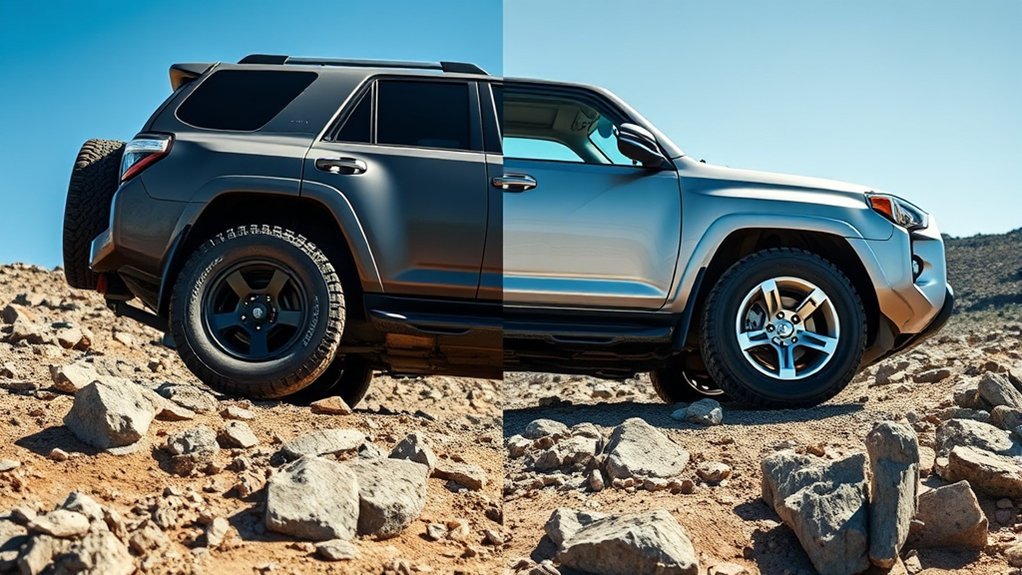
The best material depends on your budget, environment and priorities. Neither choice replaces correct fitment, an adequate load rating or a suitable tire.
| Use Case | Likely Better Starting Point | Reason |
|---|---|---|
| Low-cost winter set | Steel | Lower cost and less concern about cosmetic wear, when correct fitment is available |
| Daily commuting | Alloy | Usually more styles, lower weight and better finish options |
| Technical off-roading | Either | Choose by load rating, construction, tire support, clearance and repair strategy |
| Appearance-focused build | Alloy | Far more designs, finishes and spoke profiles |
| Work or fleet use | Steel or simple alloy | Prioritize replacement cost, load rating and easy sourcing |
| Lowest practical unsprung mass | Verified lightweight alloy | Compare published weights for the same size and load requirement |
[Products Worth Considering]

Upgrade your Toyota tire setup with these corrosion-resistant, leak-proof valve stem caps designed to help protect the valve core from water, snow, and road grime. The caps feature a snug rubber seal and durable copper alloy construction to resist rust and oxidation while maintaining stable tire pressure. Ideal for replacing worn original caps and keeping your wheels looking clean and stylish.

Upgrade your wheels with MIKKUPPA M12x1.5 mag seat lug nuts built for secure, corrosion-resistant performance. These closed-end chrome lug nuts are a direct replacement for select Toyota models, including Camry, Corolla, RAV4, Sienna, Avalon, Highlander, Matrix, Venza, and Prius. Triple-chromium plating and cold-forged, heat-treated steel help deliver strength for daily driving and replacement needs.
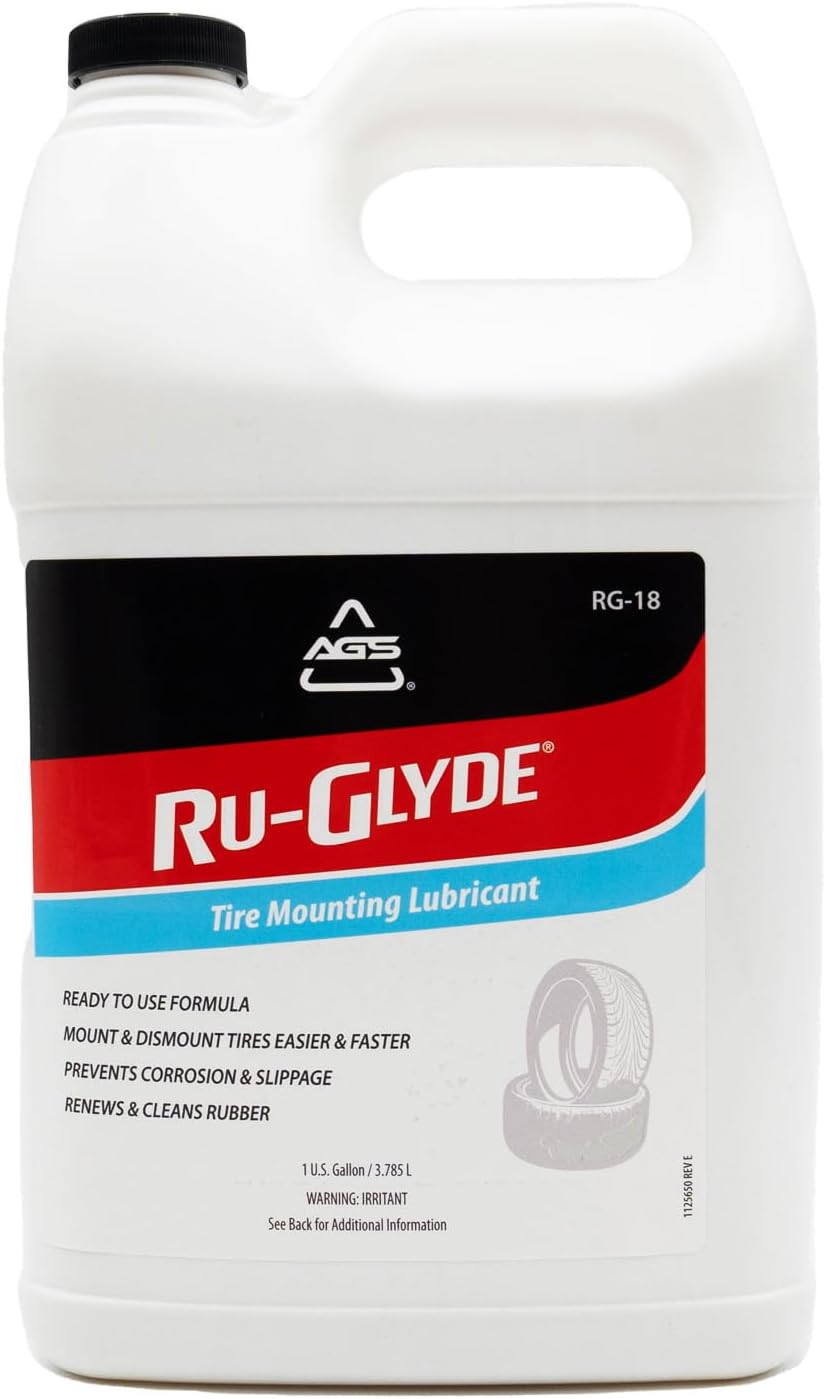
Ru-Glyde tire mounting lubricant from AGS seats tire beads smoothly on the first try with a thick, stay-put formula. It is ready to use with no mixing or dilution, helps prevent rim rust, and dries completely without causing bead slip residue. The water-based formula also conditions aged rubber, making it useful for sidewalls, gaskets, and door seals while remaining safe for tire, wheel, and technicians.
Installation and Post-Installation Checks
Have the tires mounted and balanced by a qualified shop familiar with truck and SUV wheels. The installer should confirm brake clearance, hub fit, lug engagement, sensor operation and the correct tightening procedure before the vehicle returns to service.
- Use the correct lug nuts for the wheel’s seat design.
- Keep wheel studs and lug-nut seats clean and free from oil or grease unless the vehicle manufacturer specifically directs otherwise.
- Tighten in the specified sequence with a calibrated torque wrench.
- Check for contact at full steering lock and through normal suspension travel.
- Confirm that no brake, ABS or TPMS warning remains active.
- Reinspect the tires, wheels and lug hardware after the installer’s recommended bedding or recheck interval.
- Investigate vibration, pulling, rubbing, air loss or new noises immediately.
User Experiences With Steel and Alloy Wheels
4Runner owners often value steel wheels for low purchase cost and a rugged, utilitarian appearance. Owners in salted winter regions also like having a separate wheel set that protects more expensive factory wheels from seasonal wear. The tradeoffs are weight, possible rust and fewer confirmed fitment options for some newer trims.
Alloy-wheel owners usually value appearance, finish choice and lower weight. Modern OEM and reputable aftermarket alloy wheels can also handle serious off-road use when the design has sufficient load capacity and the tire provides suitable sidewall protection.
Individual stories about a wheel surviving—or failing during—a pothole or trail impact do not prove that one material is universally better. Impact speed, tire pressure, tire sidewall height, vehicle load, wheel design and the exact contact point can all change the result.
Decision Checklist: Making the Right Choice for Your 4Runner
Before buying, answer these questions:
- What is the exact model year, trim, drivetrain and brake package?
- What wheel dimensions and tire sizes are approved for that vehicle?
- Does the wheel have adequate load capacity for passengers, cargo, accessories and towing?
- Will the center bore, offset, spokes and barrel clear the hub, brakes, suspension and body?
- Does the tire fit the wheel width and maintain acceptable overall diameter?
- Will the existing or replacement TPMS sensors work?
- Are the correct lug nuts and torque specification available?
- Is the wheel’s published weight acceptable for your handling and efficiency goals?
- Is the manufacturer traceable, and is testing or certification information available?
- Would steel’s lower cost or alloy’s lower weight and wider design choice benefit you more?
If two wheel sets meet every safety and fitment requirement, steel is often the practical budget choice, while alloy offers more opportunities to reduce weight and personalize the vehicle.
Frequently Asked Questions
Are steel wheels better for potholes?
Steel wheels may bend rather than crack during some impacts, which can make the damage easier to see. That does not make them pothole-proof. A severe impact can damage either material, along with the tire, hub, bearing, alignment or suspension. Stop and inspect the vehicle if pressure drops or vibration begins.
Are steel wheels always better for off-roading?
No. Steel wheels can be inexpensive and may bend under certain impacts, but a properly engineered alloy wheel can be lighter and strong enough for difficult trails. Current off-road-focused 4Runner trims use alloy wheels. Compare construction, load rating, tire protection, clearance and replacement availability.
Do alloy wheels crack more easily than steel wheels?
Some alloy wheels may crack during an impact that bends a steel wheel, but the result depends on the alloy, construction method, spoke and barrel design, load rating, tire sidewall and impact severity. Material alone cannot predict whether a specific wheel will fail.
Will lighter alloy wheels improve 4Runner gas mileage?
They may provide a small benefit when the complete wheel-and-tire package is meaningfully lighter, but a measurable MPG increase is not guaranteed. Tire pressure, rolling resistance, tread, overall diameter, vehicle load, speed and driving conditions can have a larger effect.
Can I put 17-, 18- or 20-inch wheels on any 4Runner?
Not without verification. Although different 4Runner trims use those diameters, spoke shape, width, offset, center bore, brakes, tire diameter, load rating and lug hardware can differ. Confirm the complete fitment for the exact model year, trim and brake package.
Do aftermarket wheels void a Toyota warranty?
Using aftermarket wheels does not automatically void the entire vehicle warranty. A warranty claim may be denied when an incorrect, defective or improperly installed wheel causes the covered damage. Keep purchase, specification and installation records.
Do replacement wheels need TPMS sensors?
A 4Runner equipped with direct TPMS normally needs compatible sensors in each road wheel for the system to operate as intended. The sensors may also need to be registered or selected in the vehicle. Confirm the procedure for the exact model year.
Conclusion
For a Toyota 4Runner, steel wheels are a sensible choice when low cost, simple styling and tolerance for cosmetic abuse matter most. Alloy wheels are usually the stronger all-around choice for daily use because they offer more confirmed fitments, lower-weight options, better finish variety and proven use on modern off-road trims.
Do not choose on material alone. Confirm the exact dimensions, offset, load rating, brake clearance, tire compatibility, TPMS support, lug hardware and torque requirement for your model year and trim. A correctly fitted, well-made wheel with the right tire is safer and more useful than an unsuitable wheel made from the material you thought you preferred.
Sources
- Toyota 4Runner official model and trim information — current factory wheel sizes and off-road alloy-wheel applications.
- Toyota owner guidance: Wheels — replacement-wheel dimensions, offset, load capacity, TPMS and damaged-wheel precautions.
- Toyota 4Runner winter-driving guidance — snow tires, pressure, tire matching and chain-clearance precautions.
- NHTSA TireWise — tire selection, inflation, TPMS, damage inspection and rolling-resistance guidance.
- SAE J2530 aftermarket-wheel recommended practice — performance testing, certification and marking requirements.
- Federal Trade Commission auto-warranty guidance — aftermarket parts and warranty coverage.